Future Of Solar Energy In India
India’s Solar Ascent: Unpacking the Bright Future of Renewable Energy
Picture this: a nation of 1.4 billion people, not just powering its rapid growth, but doing so with the sun’s clean, abundant energy. This isn’t a distant dream; it’s India’s unfolding reality. For anyone tracking global energy trends, India’s trajectory in solar power is nothing short of astounding. It’s a story of ambition, innovation, and a powerful commitment to a sustainable future that has profound implications for the global energy landscape.
Table of Contents
- India’s Solar Ascent: Unpacking the Bright Future of Renewable Energy
- The Current Landscape: Where India Stands Today
- Rapid Growth & Impressive Capacity
- Policy & Regulatory Frameworks: Fueling the Fire
- Economic Drivers: Why Solar Makes Sense for India
- Catalysts for a Brighter Tomorrow: Factors Shaping India’s Solar Future
- Technological Innovation & Advancements
- Declining Costs & Increased Affordability
- Domestic Manufacturing & Self-Reliance (Atmanirbhar Bharat)
- Decentralized & Rural Electrification
- Navigating the Road Ahead: Challenges & Opportunities
- Key Challenges on the Horizon
- Strategic Opportunities for Growth
- India’s Global Impact: A Beacon for Sustainable Energy
- A Model for Developing Nations
- Investment & Collaboration Prospects for International Players
- Projections & Predictions: What the Future Holds (2025-2030 & Beyond)
- Capacity Targets & Milestones
- The Grid of Tomorrow
- Energy Mix Transformation
- Conclusion: India’s Unstoppable Solar Journey
But why should you, especially if you’re looking from afar, care about India’s solar journey? Because India isn’t just building solar farms; it’s redefining what’s possible for developing economies, setting a new benchmark for energy security, and driving technological advancements that will shape our collective future. It’s a critical player in the global energy transition, and its success is a blueprint for others.
Let’s dive in and unpack the incredible potential and strategic importance of India’s solar future.
The Current Landscape: Where India Stands Today
India’s commitment to solar energy isn’t just rhetoric; it’s backed by substantial growth and ambitious targets. The nation has emerged as a formidable force in the global renewable energy arena, and its solar capacity tells a compelling story.
Rapid Growth & Impressive Capacity
In a little over a decade, India has transformed its energy mix. From negligible solar capacity in the early 2010s, the nation has sprinted to become one of the top solar power generators globally. As of late 2023, India’s total installed renewable energy capacity (including hydro) surpassed 175 GW, with solar PV contributing a significant chunk, nearing 80 GW. This rapid expansion is a testament to focused policy and an urgent need for energy.
To put this in perspective, India’s solar capacity alone now exceeds the total electricity generation capacity of many developed nations. This isn’t just growth; it’s a revolution, positioning India as a crucial player in meeting global climate goals.
Here’s a snapshot of India’s impressive solar capacity growth:
| Year | Installed Solar Capacity (GW) |
|---|---|
| 2014 | 2.6 |
| 2017 | 12.2 |
| 2020 | 36.9 |
| 2023 (Est.) | ~78-80 |
Policy & Regulatory Frameworks: Fueling the Fire
This explosive growth isn’t accidental. It’s the direct result of a proactive and aggressive policy push from the Indian government. Key initiatives include:
- Ambitious Targets: India has committed to achieving 500 GW of non-fossil fuel electricity capacity by 2030, with solar expected to contribute a significant portion of this. The long-term goal is Net-Zero emissions by 2070. These are not just targets; they are strategic national imperatives.
- Production Linked Incentive (PLI) Scheme: This scheme is designed to boost domestic manufacturing of high-efficiency solar PV modules, aiming to create a robust local supply chain and reduce import dependence. It’s a critical move towards self-reliance.
- Solar Parks: Large-scale solar power projects are often developed in designated ‘solar parks’ to streamline land acquisition, infrastructure development, and grid connectivity, significantly accelerating deployment.
- International Solar Alliance (ISA): Co-founded by India and France, the ISA is a global platform dedicated to promoting solar energy. India’s leadership here underscores its commitment not just to its own solar future, but to fostering solar adoption worldwide, especially in sun-rich developing nations.
Economic Drivers: Why Solar Makes Sense for India
Beyond environmental concerns, solar energy is a powerful economic engine for India:
- Energy Security: As a major energy importer, India is highly vulnerable to global oil and gas price fluctuations. Solar power offers a pathway to reducing this import dependence, enhancing national energy security, and stabilizing costs.
- Cost Competitiveness: The cost of solar power in India has plummeted, making it competitive, and often cheaper, than new coal-fired power plants. This economic advantage is a significant driver for adoption across industrial, commercial, and residential sectors.
- Job Creation: The burgeoning solar sector is a massive employer, creating jobs across manufacturing, installation, operation, and maintenance. This contributes significantly to economic development and skill building.
Catalysts for a Brighter Tomorrow: Factors Shaping India’s Solar Future
India’s solar journey isn’t just about scaling existing technologies; it’s about embracing innovation and leveraging demographic and geographic advantages to cement its position as a global solar leader.
Technological Innovation & Advancements
The quest for efficiency and cost reduction is relentless. India is keen on adopting and, increasingly, developing cutting-edge solar technologies:
- Advanced PV Cell Technologies: While PERC (Passivated Emitter Rear Contact) cells are common, the focus is shifting towards more efficient technologies like TOPCon (Tunnel Oxide Passivated Contact) and HJT (Heterojunction Technology), which offer higher conversion efficiencies and better performance in varying temperatures. Bifacial modules, capable of capturing sunlight from both sides, are also gaining traction, particularly for ground-mounted installations.
- Energy Storage Solutions: The intermittency of solar power necessitates robust energy storage. India is investing heavily in utility-scale battery energy storage systems (BESS), alongside exploring pumped hydro storage and the potential of Green Hydrogen. The integration of storage is crucial for grid stability and ensuring 24/7 renewable power.
- Smart Grids and AI Integration: To manage a grid increasingly reliant on variable renewable sources, India is modernizing its grid infrastructure. Smart grid technologies, aided by Artificial Intelligence and machine learning, will optimize energy distribution, predict demand, and enhance grid resilience.
Declining Costs & Increased Affordability
The economics of solar power have fundamentally shifted. Global manufacturing efficiencies, coupled with India’s aggressive procurement policies, have driven down costs dramatically.
In just a few years, solar tariffs in India have fallen to some of the lowest globally, often below the cost of conventional power. This declining cost makes solar an attractive option for industries, businesses, and homeowners alike, accelerating its adoption. This trend is expected to continue, making solar energy even more accessible and pervasive.
Domestic Manufacturing & Self-Reliance (Atmanirbhar Bharat)
While India has excelled in solar project deployment, it has historically relied heavily on imports for solar modules and components. The ‘Atmanirbhar Bharat’ (Self-Reliant India) initiative, particularly through the PLI scheme for solar PV manufacturing, aims to change this.
The goal is to build a complete domestic value chain, from polysilicon to wafers, cells, and modules. This strategic shift is vital for:
- Supply Chain Resilience: Reducing vulnerability to global supply chain disruptions and geopolitical tensions.
- Economic Value Creation: Generating high-value manufacturing jobs and fostering indigenous technological capabilities.
- Quality Control: Ensuring high standards for domestically produced components.
While challenging, significant investments are already being made, signaling a strong commitment to becoming a global manufacturing hub for solar technology.
Decentralized & Rural Electrification
For millions in rural India, grid connectivity remains a challenge. Solar energy offers a powerful solution through decentralized models:
.jpeg "Solar Power in India: A Bright Future for Energy ...")
- Off-Grid Systems: Standalone solar home lighting systems and solar lanterns continue to bring light and power to remote households, improving quality of life and replacing polluting kerosene lamps.
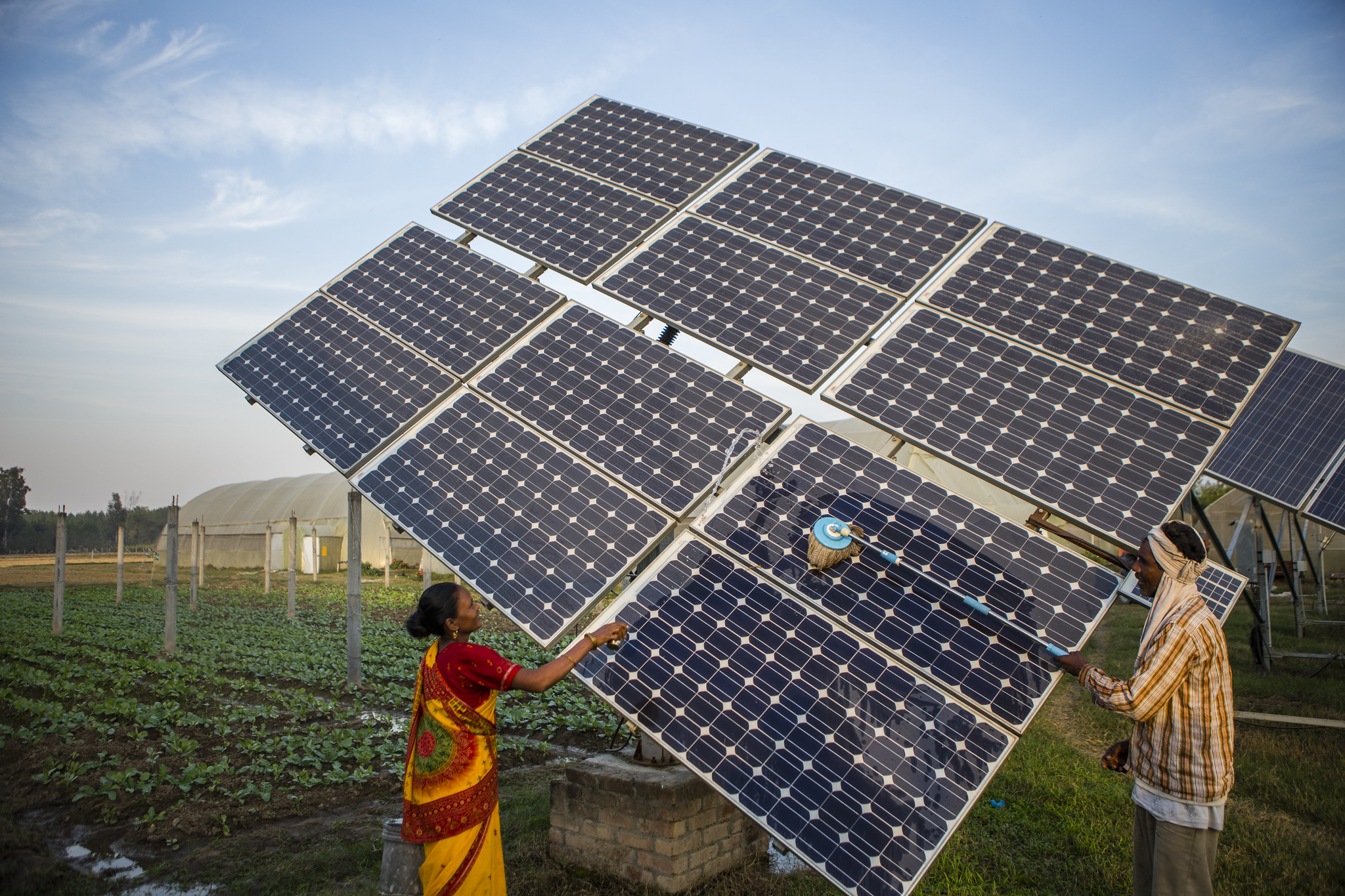
- Minigrids and Microgrids: These small-scale power grids, often powered by solar with battery storage, are proving highly effective in electrifying villages and communities far from the main grid, offering reliable and affordable power for homes, businesses, and agriculture.
- Solar-Powered Agriculture: Solar pumps are revolutionizing irrigation, reducing farmers’ dependence on expensive diesel generators and unreliable grid electricity, thereby improving agricultural productivity and incomes.
Navigating the Road Ahead: Challenges & Opportunities
No journey of this magnitude is without its hurdles. While India’s solar future is bright, it’s essential to acknowledge and address the challenges, which in turn reveal new opportunities.
Key Challenges on the Horizon
- Land Acquisition & Grid Integration: Developing large-scale solar projects requires significant land, which can be a complex and time-consuming process in a densely populated country. Integrating vast amounts of intermittent solar power into an aging grid also requires substantial upgrades and smart management.
- Financing & Investment Gaps: While investment is flowing, the sheer scale of India’s targets means even more capital is needed. Attracting long-term, low-cost financing, especially for innovative projects and energy storage, remains a priority.
- Supply Chain Resilience & Raw Material Sourcing: Despite efforts towards domestic manufacturing, India still relies on imports for critical raw materials and components (like polysilicon and wafers). Building a truly self-sufficient supply chain is a massive undertaking.
- Waste Management (Solar Panel Recycling): As solar panels installed years ago reach the end of their operational life, managing e-waste will become a significant environmental and logistical challenge. Developing robust recycling infrastructure and policies is crucial.
Strategic Opportunities for Growth
These challenges, however, also open doors to innovation and new markets:
- Green Hydrogen Production: India aims to become a global hub for Green Hydrogen, produced by electrolyzing water using renewable electricity. Solar will be the primary energy source for this, creating a vast new demand for solar power and offering a solution for decarbonizing hard-to-abate sectors.
- Floating Solar Projects: With limited land availability, installing solar panels on water bodies (reservoirs, lakes) is gaining traction. Floating solar minimizes land use, reduces evaporation, and improves panel efficiency due to cooling from the water.
- Agri-PV (Solar-Powered Agriculture): Combining solar power generation with agriculture on the same land allows for dual use. Panels can provide shade for crops, reduce water evaporation, and generate electricity for irrigation or rural consumption, optimizing land utility.
- Hybrid Power Projects: Combining solar with other renewable sources like wind and energy storage offers a more stable and reliable power supply, mitigating the intermittency of single-source renewables. India is actively promoting such hybrid models.
India’s Global Impact: A Beacon for Sustainable Energy
India’s solar story isn’t just about India. It’s a crucial chapter in the global narrative of climate action and sustainable development.
A Model for Developing Nations
India’s ability to scale renewable energy rapidly, at competitive costs, and integrate it into a complex grid offers invaluable lessons for other developing and emerging economies. Its approach to policy, technology adoption, and financing serves as a practical blueprint for nations seeking to transition away from fossil fuels while simultaneously addressing energy poverty and driving economic growth. The International Solar Alliance, spearheaded by India, is a direct manifestation of this global leadership, facilitating knowledge transfer and collaboration among sun-rich countries.
Investment & Collaboration Prospects for International Players
For investors, technology providers, and businesses in the USA and globally, India’s solar sector represents a colossal opportunity:
- Foreign Direct Investment (FDI): India’s growing energy demand, stable policy environment, and ambitious targets make it an attractive destination for FDI in renewable energy projects, manufacturing, and R&D.
- Technology Transfer & Joint Ventures: There’s a strong appetite for advanced solar technologies (like high-efficiency cells, long-duration storage, smart grid solutions) and expertise in project development and manufacturing. Joint ventures between Indian and international firms can leverage local market knowledge with global technological prowess.
- Manufacturing Partnerships: As India builds out its domestic manufacturing capacity, there are opportunities for partnerships in setting up facilities for component production, from polysilicon to inverters and balance-of-system components.
The sheer scale of India’s energy transition means that participation offers not just financial returns, but also a chance to be part of a pivotal global shift towards sustainability.
Projections & Predictions: What the Future Holds (2025-2030 & Beyond)
Looking ahead, the next few years will solidify India’s position as a global solar superpower. The targets are clear, and the momentum is undeniable.
Capacity Targets & Milestones
The 500 GW non-fossil fuel capacity by 2030 target is the lodestar. Solar energy is expected to contribute the largest share, potentially exceeding 250-300 GW by that time. This will represent a massive transformation of India’s energy mix, significantly reducing its carbon footprint and enhancing energy independence. The journey towards Net-Zero by 2070 will see solar power playing an even more dominant role in the decades to follow, decarbonizing not just electricity but also transport and industry through green hydrogen.
The Grid of Tomorrow
India’s grid will become increasingly sophisticated. Expect widespread adoption of:

- Smart Grid Evolution: Advanced metering infrastructure, demand-side management, and real-time data analytics will be commonplace, ensuring efficient and reliable power delivery.
- Digitalization & Automation: AI and IoT will play critical roles in forecasting, optimizing plant performance, and managing grid stability, making the energy system more resilient and responsive.
- Storage Integration: Large-scale battery storage will move beyond pilot projects to become integral parts of the grid, firming up renewable power and providing essential ancillary services.
Energy Mix Transformation
Solar’s share in India’s overall energy basket will continue to climb dramatically, potentially becoming the dominant source of electricity generation. This shift will lead to a gradual but significant decrease in reliance on coal, marking a fundamental transformation in how India powers itself. The focus will be on a diversified renewable portfolio, with solar leading the charge, supported by wind, hydro, and emerging technologies like green hydrogen.
Conclusion: India’s Unstoppable Solar Journey
India’s future in solar energy is not just bright; it’s blazing. The convergence of urgent energy demand, declining technology costs, ambitious government policies, and a growing domestic manufacturing base creates a powerful, self-reinforcing cycle of growth.
What we’re witnessing is more than just an energy transition; it’s a nation harnessing its immense potential to lead the world towards a more sustainable and equitable energy future. For the global community, India’s solar ascent is a source of inspiration, a crucial partner in climate action, and a vibrant market ripe with opportunity. Keep your eyes on India – the sun is truly rising there, and its light will illuminate the path for many to follow.
Frequently Asked Questions
Is India’s solar energy growth sustainable?
Yes, India’s solar growth is largely sustainable due to robust government policies, significant cost reductions, increasing domestic manufacturing capabilities, and a vast unfulfilled energy demand. The country’s commitment to ambitious targets like 500 GW of non-fossil fuel capacity by 2030 provides a strong, long-term framework.
What are the main challenges India faces in its solar expansion?
Key challenges include land acquisition for large-scale projects, integrating high volumes of intermittent solar power into the national grid, securing long-term financing, reducing reliance on imported raw materials for manufacturing, and developing infrastructure for solar panel recycling and waste management.
Can foreign companies invest in India’s solar sector?
Absolutely. India’s solar sector is highly attractive for foreign direct investment (FDI). The government actively encourages international participation in project development, manufacturing, and technology transfer, seeing it as crucial for meeting its ambitious goals. Opportunities exist across the value chain, from utility-scale projects to component manufacturing and smart grid solutions.
How does India’s solar ambition impact global climate goals?
India’s rapid solar expansion is critical for global climate goals. As one of the world’s largest emitters and fastest-growing economies, its transition to clean energy significantly contributes to reducing global greenhouse gas emissions. India’s leadership in the International Solar Alliance also helps other developing nations adopt solar, amplifying its global climate impact.
What new solar technologies is India focusing on?
India is increasingly focusing on advanced PV cell technologies like TOPCon, HJT, and bifacial modules for higher efficiency. Significant investment is also going into battery energy storage systems (BESS), smart grid technologies powered by AI, and the development of Green Hydrogen production using solar electricity to decarbonize industrial sectors.
What is the International Solar Alliance (ISA)?
The International Solar Alliance (ISA) is an intergovernmental organization with 120+ member countries, primarily those located partially or entirely between the Tropics of Cancer and Capricorn. Co-founded by India and France, its primary objective is to promote solar energy and facilitate global solar energy adoption, sharing technology, and mobilizing finance.


Post Comment