Should I Invest In Renewable Energy Stocks
Should You Invest in Renewable Energy Stocks? A Deep Dive into Opportunity and Risk
You’ve heard the buzz. Maybe you’ve seen the solar panels popping up everywhere, or read about the latest wind farm project. The world is undeniably shifting towards clean energy, and it’s making investors wonder: “Should I put my money into renewable energy stocks?”
Table of Contents
- Should You Invest in Renewable Energy Stocks? A Deep Dive into Opportunity and Risk
- The Unstoppable Current: Why Renewable Energy Is More Than Just a Trend
- Global Imperative Meets Economic Opportunity
- Market Growth Projections: The Scale of the Opportunity
- Understanding the Renewable Energy Landscape: Where to Look
- Key Sub-Sectors and Their Investment Profiles
- Direct Stocks vs. Funds: Finding Your Entry Point
- Investing in Individual Renewable Energy Stocks
- The Diversified Path: Renewable Energy ETFs and Mutual Funds
- The Green Light Isn’t Always Clear: Navigating the Risks and Challenges
- Policy & Regulatory Headwinds
- Interest Rate Sensitivity & Capital Intensive Nature
- Technological Obsolescence & Supply Chain Vulnerabilities
- Volatility & Market Sentiment
- Building Your Renewable Energy Portfolio: A Strategic Approach
- Assessing Your Risk Tolerance and Investment Horizon
- Diversification is Key: Across Sub-Sectors and Geographies
- Due Diligence: Beyond the Hype
- Staying Informed: The Dynamic Nature of the Sector
It’s a smart question, and the short answer is: Yes, absolutely, but with a strategic understanding of both the immense opportunities and the unique risks involved. This isn’t just a feel-good investment; it’s a sector undergoing a monumental transformation, driven by global necessity, technological breakthroughs, and robust economic incentives.
But like any investment, going green isn’t without its shades of gray. Volatility, policy shifts, and the capital-intensive nature of these projects can make it a bumpy ride for the uninformed. My goal here is to equip you with the knowledge to navigate this exciting landscape, helping you decide if and how renewable energy stocks fit into your portfolio.
The Unstoppable Current: Why Renewable Energy Is More Than Just a Trend
Forget fleeting fads. The transition to renewable energy isn’t just a political talking point or a niche market; it’s a fundamental economic and environmental imperative shaping the 21st century. This shift presents a multi-trillion-dollar opportunity that few other sectors can match.
Global Imperative Meets Economic Opportunity
The drivers behind the renewable energy boom are powerful and interconnected:
- Climate Change Urgency: Governments, corporations, and individuals worldwide are increasingly committed to decarbonization targets. This translates into massive investments in clean energy infrastructure.
- Policy Tailwinds: In the U.S., legislation like the Inflation Reduction Act (IRA) has poured billions into tax credits, grants, and incentives for renewable energy projects, manufacturing, and adoption. Similar initiatives are gaining traction globally, creating a predictable, long-term demand.
- Cost Parity: Here’s the game-changer. Solar and wind power are now often the cheapest forms of new electricity generation in many parts of the world, even without subsidies. This economic advantage is making them incredibly competitive against traditional fossil fuels.
- Technological Advancements: Innovations in solar panel efficiency, wind turbine design, battery storage capacity, and smart grid technologies are continually reducing costs and improving performance. Emerging areas like green hydrogen and advanced geothermal are also on the cusp of significant breakthroughs.
Market Growth Projections: The Scale of the Opportunity
When you look at the numbers, the potential is staggering. The International Energy Agency (IEA) consistently upgrades its forecasts for renewable energy deployment, citing strong policy support and falling costs. Investment flows into the sector are at all-time highs and are expected to accelerate.
Here’s a snapshot of the expected growth:
| Metric | 2023 Baseline | 2030 Projection | CAGR (2023-2030) |
|---|---|---|---|
| Global Renewable Energy Capacity (GW) | ~3,700 GW | ~8,000 GW | ~11.6% |
| Global Investment in Renewables (USD billions) | ~$600 billion | ~$1,200 billion | ~9.9% |
| Share of Renewables in Electricity Generation | ~30% | ~45% | Increasing Rapidly |
Note: These are illustrative figures based on various industry reports and are subject to change.
Understanding the Renewable Energy Landscape: Where to Look
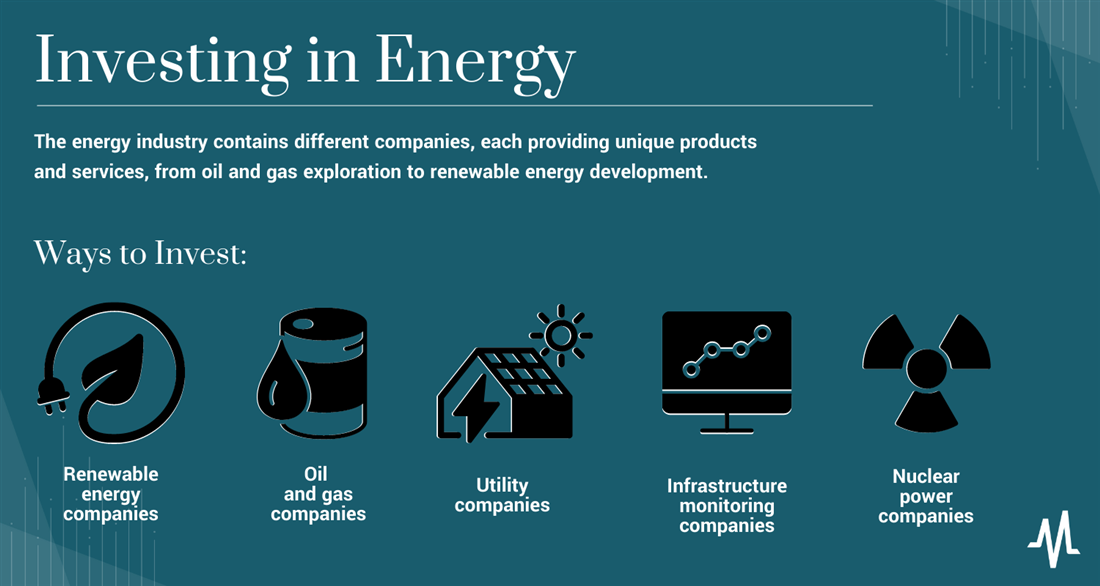
The term “renewable energy” is broad. Just like “technology stocks,” it encompasses a wide array of sub-sectors, each with its own characteristics, growth drivers, and risk profiles. Knowing these distinctions is crucial for smart investing.
Key Sub-Sectors and Their Investment Profiles
- Solar Energy: This is perhaps the most visible and rapidly expanding segment. It includes companies involved in manufacturing solar panels (photovoltaic cells), inverters, and mounting systems; project developers who build large-scale solar farms; and installers who deploy residential and commercial systems.
- Opportunity: Continuous cost reductions, increasing efficiency, widespread adoption, distributed generation potential.
- Considerations: Policy dependence, manufacturing competition (especially from China), raw material costs.
- Examples of types of companies: Solar panel manufacturers, inverter tech providers, large-scale project developers, residential installers.
- Wind Energy: From massive offshore wind farms to onshore turbines, wind power is a mature and highly efficient source of clean electricity. This sector includes turbine manufacturers, project developers, and operators.
- Opportunity: Large-scale utility projects, technological advancements in turbine size and efficiency, strong policy support for offshore wind.
- Considerations: High upfront capital costs, intermittency (needs storage or grid integration), NIMBYism for onshore projects, supply chain challenges.
- Examples of types of companies: Wind turbine manufacturers, wind farm developers, utility-scale operators.
- Energy Storage: Batteries are the unsung heroes of the renewable revolution. They solve the intermittency problem of solar and wind by storing excess energy and releasing it when needed. This includes companies developing grid-scale battery solutions, residential storage, and even electric vehicle battery technology.
- Opportunity: Critical for grid stability, massive growth potential (EVs, grid modernization), continuous innovation in battery chemistry and costs.
- Considerations: Raw material availability (lithium, cobalt), safety concerns, competition, high R&D costs.
- Examples of types of companies: Battery manufacturers, energy storage system integrators, grid solution providers.
- Hydrogen: “Green” hydrogen, produced using renewable electricity to split water, is a promising avenue for decarbonizing heavy industries, transport, and long-duration energy storage. The sector involves electrolyzer manufacturers, hydrogen producers, and infrastructure developers.
- Opportunity: Huge potential for hard-to-abate sectors, significant government backing, long-term growth.
- Considerations: High production costs currently, infrastructure build-out, nascent technology compared to solar/wind, safety.
- Examples of types of companies: Electrolyzer manufacturers, hydrogen fuel cell developers, green hydrogen producers.
- Utilities & Infrastructure: Many traditional utility companies are aggressively transitioning to renewable energy, developing, owning, and operating large portfolios of solar, wind, and storage assets. These companies often have stable, regulated revenue streams (e.g., from Power Purchase Agreements – PPAs).
- Opportunity: Stability, reliable dividends, scale, integration expertise, often lower risk than pure-play manufacturers.
- Considerations: Regulatory constraints, slower growth than pure-plays, interest rate sensitivity (for financing large projects).
- Examples of types of companies: Regulated utilities with significant renewable portfolios, independent power producers (IPPs).
- Emerging Technologies: This category includes less common but potentially disruptive technologies like advanced geothermal, ocean energy (wave, tidal), biomass/bioenergy, and carbon capture solutions.
- Opportunity: High growth potential if technologies scale, unique advantages in specific geographies.
- Considerations: Higher risk, unproven scalability, longer development timelines, significant R&D.
| Sub-Sector | Primary Activity | Growth Drivers | Key Risks | Investor Profile |
|---|---|---|---|---|
| Solar Energy | Panel/Inverter Mfg., Project Dev. | Cost declines, widespread adoption | Policy changes, fierce competition | Growth-oriented, medium risk |
| Wind Energy | Turbine Mfg., Project Dev./Op. | Utility-scale demand, offshore growth | High capex, intermittency, permitting | Stable growth, some volatility |
| Energy Storage | Battery tech, grid solutions | EV growth, grid modernization | Raw material prices, tech obsolescence | High growth, higher risk |
| Green Hydrogen | Electrolyzer Mfg., H2 Production | Decarbonization of heavy industry | Early stage, high cost, infrastructure | Speculative, long-term vision |
| Utilities & Infrastructure | Renewable asset ownership/operation | Stable revenue (PPAs), scale | Interest rate sensitivity, regulation | Income-oriented, lower risk |
Direct Stocks vs. Funds: Finding Your Entry Point
Once you understand the different corners of the renewable energy market, the next decision is how you want to invest. Do you pick individual winners, or spread your bets across a basket of companies?
Investing in Individual Renewable Energy Stocks
For investors who enjoy thorough research and have a higher risk tolerance, picking individual stocks can offer significant upside. The potential for outsized returns from a company that successfully innovates or captures market share is alluring.
Pros:
- High Potential Returns: If you identify a winning company early, your returns can far exceed market averages.
- Direct Exposure: You gain precise exposure to specific technologies, sub-sectors, or geographies that align with your conviction.
- Active Management: You have full control over your investment decisions.
Cons:
- Higher Risk: Individual stocks are inherently more volatile and susceptible to company-specific challenges (e.g., poor management, failed projects, supply chain issues).
- Requires Deep Research: You need to analyze financial health, competitive landscape, management team, and market trends constantly.
- Diversification Challenge: Building a sufficiently diversified portfolio of individual stocks requires significant capital and effort.
Criteria for selecting individual stocks:
- Strong Balance Sheet: Renewable energy projects are capital-intensive. Look for companies with manageable debt levels and healthy cash flows.
- Experienced Management: A proven leadership team with a clear vision and execution capability is paramount.
- Power Purchase Agreements (PPAs): For project developers and operators, long-term PPAs with creditworthy off-takers (utilities, corporations) provide stable, predictable revenue streams. This is a huge de-risker.
- Innovation & Competitive Advantage: Does the company have a technological edge, proprietary software, or a strong brand that creates a moat against competitors?
- Market Position: Is it a leader in its niche, or a rapidly growing challenger?
The Diversified Path: Renewable Energy ETFs and Mutual Funds
For most investors, especially those newer to the sector or with less time for deep individual stock research, Exchange Traded Funds (ETFs) and mutual funds focused on renewable energy are often a more prudent choice.
Pros:
- Diversification: Instantly provides exposure to a basket of companies across different sub-sectors, geographies, and market capitalizations, significantly reducing company-specific risk.
- Lower Risk: While the sector as a whole can be volatile, the risk of any single company’s poor performance derailing your investment is mitigated.
- Professional Management: Fund managers select and monitor the underlying holdings.
- Ease of Access: You can invest with smaller amounts and benefit from expert selection without the heavy lifting.
Cons:
- Expense Ratios: Funds charge fees (expense ratios) that can eat into your returns over time.
- Less Control: You don’t pick the individual stocks; you invest in the fund’s strategy.
- Diluted Returns: The performance of high-flying individual stocks within the fund might be diluted by less successful ones.
Examples of types of funds:
- Broad Clean Energy ETFs: These funds track indexes composed of a wide range of companies involved in renewable energy, energy efficiency, and sustainable technologies.
- Sector-Specific Funds: Some ETFs focus specifically on solar, wind, or hydrogen, offering more targeted exposure while still diversifying within that niche.
- ESG Funds: Environmental, Social, and Governance (ESG) funds consider sustainability factors in their investment decisions, often including a significant allocation to renewable energy companies.
| Feature | Individual Stocks | ETFs/Mutual Funds |
|---|---|---|
| Diversification | Low (requires many stocks) | High (built-in) |
| Risk Level | Higher (company-specific risk) | Lower (diversified risk) |
| Research Required | Extensive | Minimal (fund analysis) |
| Potential for Alpha | Higher | Moderate |
| Costs | Trading commissions (if any) | Expense ratios |
The Green Light Isn’t Always Clear: Navigating the Risks and Challenges
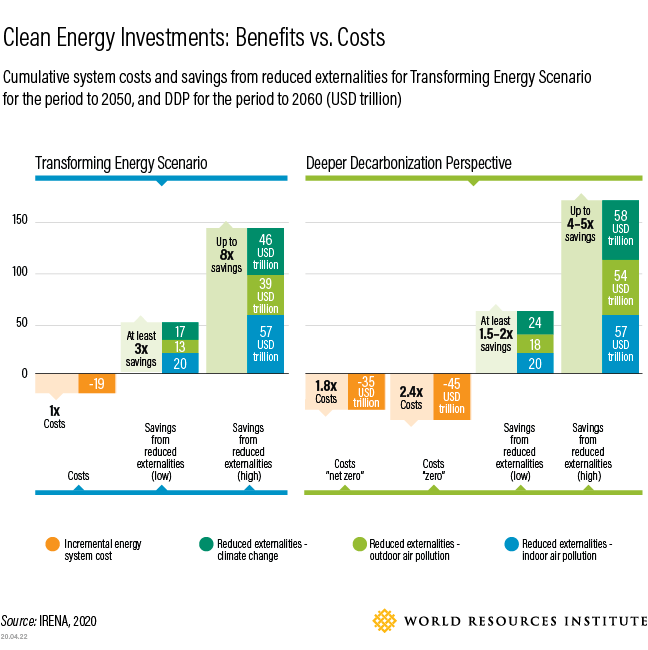
While the long-term outlook for renewable energy is undeniably bright, it’s crucial to acknowledge the hurdles. Smart investors understand these challenges and factor them into their decision-making process.
Policy & Regulatory Headwinds
Renewable energy has historically been, and to some extent still is, sensitive to government policies and incentives. Changes in these policies can significantly impact the profitability of projects and the valuations of companies.
- Government Incentives and Subsidies: Tax credits (like the Investment Tax Credit for solar), grants, and feed-in tariffs have been instrumental in driving growth. A reduction or removal of these can slow down development.
- Trade Policies: Tariffs on imported components (e.g., solar panels from China) can increase costs for domestic manufacturers and developers.
- Permitting Delays: Large-scale renewable projects, especially wind farms, often face lengthy and complex permitting processes, which can delay revenue generation and increase costs.
- Interconnection Issues: Integrating new renewable energy sources into existing grid infrastructure can be challenging and costly, leading to grid congestion and curtailment of renewable power.
Interest Rate Sensitivity & Capital Intensive Nature
Building solar farms, wind parks, or hydrogen production facilities requires immense upfront capital. Most of these projects are financed through debt, making the sector highly sensitive to interest rates.
- Financing Costs: When interest rates rise, the cost of borrowing for new projects increases, reducing their internal rate of return (IRR) and potentially making them less attractive. This can slow down project development and impact the bottom line of developers and utilities.
- Valuation Impact: Higher interest rates can also depress the valuations of growth stocks in general, as future earnings are discounted more heavily. Many renewable energy companies, especially those in early stages, are valued on their long-term growth potential.
- “Greenium Effect”: Some experts argue that certain “green” assets might trade at a premium (a “greenium”) compared to traditional assets, purely due to their ESG appeal. While this can be a positive, it also means investors need to be wary of overpaying for growth.
Technological Obsolescence & Supply Chain Vulnerabilities
The pace of innovation in renewable energy is rapid, which is generally a good thing, but it also presents risks.
- Rapid Tech Changes: What’s cutting-edge today might be outdated tomorrow. Companies that fail to adapt or invest in R&D risk being left behind.
- Raw Material Dependence: Many renewable technologies rely on specific raw materials (e.g., polysilicon for solar, rare earth metals for wind turbines, lithium for batteries). Disruptions in the supply chain or price volatility of these materials can significantly impact profitability.
- Geopolitical Risks: Concentration of manufacturing capacity in certain regions (e.g., China for solar components) creates geopolitical risks and vulnerabilities.
Volatility & Market Sentiment
Renewable energy stocks, particularly pure-play growth companies, can be highly volatile. They often trade on future potential rather than current profits, making them susceptible to shifts in market sentiment.
- Growth Stock Characteristics: Many renewable energy companies are still in a growth phase, meaning they reinvest heavily and may not be consistently profitable. This makes their stock prices more sensitive to broader market downturns or changes in investor appetite for growth stocks.
- Boom-Bust Cycles: The sector has experienced periods of rapid growth followed by corrections, often tied to policy changes or economic cycles. Understanding this historical volatility is key.
Building Your Renewable Energy Portfolio: A Strategic Approach
So, you’ve weighed the pros and cons, and you’re ready to dive in. How do you approach building a resilient renewable energy portfolio?
Assessing Your Risk Tolerance and Investment Horizon
This is always step one. Are you looking for stable, long-term growth with dividend income, or are you comfortable with higher volatility in pursuit of aggressive capital appreciation? Renewable energy offers options for both. Generally, this sector is best approached with a long-term investment horizon (5+ years) to ride out short-term fluctuations and allow the underlying trends to mature.
Diversification is Key: Across Sub-Sectors and Geographies
As discussed, the renewable energy sector isn’t monolithic. To mitigate risk and capture diverse growth opportunities, don’t put all your solar panels on one roof:
- Mix Sub-Sectors: Combine exposure to solar, wind, energy storage, and utilities. A slowdown in one area might be offset by strength in another.
- Geographic Diversification: Policy environments and market dynamics vary significantly by country. Consider international exposure through global ETFs or companies with diversified geographic operations.
- Blend Company Types: Include a mix of established, stable utilities (like NextEra Energy) with predictable cash flows, alongside innovative, higher-growth technology companies (like some battery or hydrogen plays).
Due Diligence: Beyond the Hype
Don’t just chase headlines. For individual stock picks, thorough research is non-negotiable:
- Financial Health: Scrutinize balance sheets, income statements, and cash flow statements. Look for sustainable revenue growth, positive operating cash flow, and manageable debt.
- Competitive Advantages (Moats): Does the company have a durable competitive edge? This could be proprietary technology, strong brand recognition, economies of scale, or favorable long-term contracts (PPAs).
- Management Team: Research the leadership. Do they have a track record of success in the energy sector? Are their incentives aligned with shareholder value?
- Revenue Streams: Understand where their money comes from. Are they project-based, service-based, or product-based? Are revenues recurring or one-off?
Staying Informed: The Dynamic Nature of the Sector
The renewable energy landscape is constantly evolving. Staying updated is crucial:
- Follow Policy Developments: Keep an eye on government legislation, tax credit changes, and regulatory shifts in key markets.
- Track Technological Breakthroughs: Monitor advancements in solar efficiency, battery density, grid technology, and new energy sources.
- Watch Commodity Prices: Changes in the price of polysilicon, lithium, copper, or even natural gas (which competes with renewables) can impact company profitability.
- Understand Broader Economic Trends: Interest rate movements, inflation, and global economic growth all play a role in investor sentiment towards growth sectors like renewables.
Investing in renewable energy stocks isn’t just about profiting from a growing industry; it’s about being part of a solution to global challenges. It’s a sector offering both compelling financial opportunities and the chance to align your investments with your values.

While the path may not always be smooth, the long-term trajectory is clear. By understanding the underlying drivers, navigating the risks thoughtfully, and employing a strategic, diversified approach, you can position your portfolio to benefit significantly from the unstoppable current of clean energy.
So, should you invest? If you’re ready for a long-term journey into a transformative industry, with an eye for both innovation and prudence, then the answer is a resounding yes.
Frequently Asked Questions
Are renewable energy stocks a good long-term investment?
Yes, generally. Driven by global decarbonization goals, falling costs, and policy support, the renewable energy sector is expected to experience significant long-term growth. However, like any investment, it comes with inherent risks that strategic investors must understand.
What are the biggest risks of investing in renewable energy?
Key risks include sensitivity to government policy changes and subsidies, vulnerability to interest rate fluctuations (due to capital-intensive projects), rapid technological obsolescence, supply chain disruptions for raw materials, and market volatility typical of growth sectors.
Should I invest in individual renewable energy stocks or an ETF?
It depends on your risk tolerance and research capacity. Individual stocks offer higher potential returns but come with greater company-specific risk and require extensive due diligence. Renewable energy ETFs (Exchange Traded Funds) provide instant diversification across many companies, reducing risk and simplifying access, often at the cost of some upside potential.
How does government policy affect renewable energy stock performance?
Government policies, such as tax credits (e.g., Investment Tax Credit), subsidies, and regulatory frameworks, significantly impact the profitability and viability of renewable energy projects. Favorable policies can accelerate growth, while unfavorable changes can create headwinds and increase uncertainty, directly affecting stock valuations.
What’s the difference between clean energy and renewable energy?
Renewable energy specifically refers to energy derived from naturally replenishing sources like solar, wind, hydro, geothermal, and biomass. Clean energy is a broader term that encompasses renewable energy but also includes other energy sources or technologies that produce minimal or zero greenhouse gas emissions, such as nuclear power or carbon capture technologies, even if the primary source isn’t strictly renewable.
Can AI impact renewable energy stock growth?
Absolutely. Artificial intelligence is increasingly vital for optimizing grid management, predicting energy demand and supply (especially for intermittent renewables), improving operational efficiency of power plants, and enhancing energy storage solutions. Companies integrating AI effectively into their operations or products could see accelerated growth and competitive advantages, positively impacting their stock performance.
What financial metrics should I look for in a renewable energy company?
Beyond standard metrics like revenue growth and profitability, look for a strong balance sheet (manageable debt), robust cash flow (especially operating cash flow), stable revenue streams (e.g., long-term Power Purchase Agreements or PPAs for project developers), and a competitive advantage (e.g., proprietary technology, low-cost production, strong market share).


Post Comment