Invest In Solar Energy South Africa
Investing in South Africa’s Solar Energy Boom: A Definitive Guide for US Investors
South Africa’s energy crisis isn’t just a daily challenge for millions; it’s a massive, unfolding investment opportunity. While rolling blackouts – known locally as ‘load shedding’ – disrupt lives and businesses, they’ve simultaneously ignited an unprecedented demand for reliable, decentralized power solutions. And guess what? Solar energy is leading the charge.
Table of Contents
- Investing in South Africa’s Solar Energy Boom: A Definitive Guide for US Investors
- Why South Africa is a Hotbed for Solar Investment Right Now
- The Looming Shadow of Load Shedding: Fueling Demand
- Government Support & Policy Momentum
- Abundant Solar Resources: A Natural Advantage
- ESG & Impact Investing Appeal
- Understanding Your Investment Avenues: How US Investors Can Participate
- Crowdfunding Platforms: Democratizing Solar Investment
- Pros for US Investors:
- Cons for US Investors:
- Renewable Energy Funds & ETFs: Diversified Exposure
- Pros for US Investors:
- Cons for US Investors:
- Direct Project Investment & Green Bonds: Larger Scale Opportunities
- Pros for US Investors:
- Cons for US Investors:
- Investing in South African Solar Companies (via JSE or Private Equity)
- Pros for US Investors:
- Cons for US Investors:
- The Financial Upside: Returns and Incentives
- Projected Returns: What to Expect
- Tax Incentives and Depreciation Benefits (Indirectly Beneficial for US Investors)
- Long-Term Growth Potential
- Navigating the Landscape: Key Considerations & Risks for US Investors
- Currency Fluctuations (ZAR to USD)
- Mitigation Strategies:
- Regulatory & Political Stability
- Mitigation Strategies:
- Economic Factors & Market Volatility
- Project-Specific Risks
- Due Diligence is Paramount
- Taking the First Step: A Practical Guide for US Investors
- 1. Research & Education: Know Your Options
- 2. Evaluate Your Risk Tolerance & Investment Goals
- 3. Choose Your Investment Vehicle (Crowdfunding, Funds, Direct)
- 4. Consult Financial & Legal Professionals
- 5. Monitor Your Investment
- Conclusion: Powering Progress, Profiting Sustainably
If you’re a US investor looking to diversify your portfolio, achieve compelling returns, and make a tangible impact, South Africa’s solar sector presents a unique proposition. This isn’t just about saving the planet; it’s about powering a nation and securing a potentially lucrative return on your capital. But how do you, as someone across oceans, tap into this dynamic market? Let’s break it down.
Why South Africa is a Hotbed for Solar Investment Right Now
Forget the headlines focused solely on challenges. Beneath the surface, South Africa is undergoing an energy revolution, driven by a perfect storm of necessity, policy, and natural advantage. As a savvy investor, these are the signals you want to pay attention to.
The Looming Shadow of Load Shedding: Fueling Demand
Imagine your power going out for hours, multiple times a day, on a scheduled basis. That’s the reality of load shedding in South Africa. Eskom, the national power utility, struggles with an aging infrastructure and insufficient generation capacity, leading to widespread power cuts. This isn’t a temporary glitch; it’s a systemic issue that has businesses scrambling and homeowners desperate for alternatives.
This dire situation has created an urgent, non-negotiable demand for independent power solutions. Businesses can’t afford production halts, and households need basic electricity. Solar PV (Photovoltaic) systems offer the most viable, immediate, and cost-effective answer. This isn’t a ‘nice-to-have’ investment; it’s a ‘must-have’ for economic survival and quality of life.
Government Support & Policy Momentum
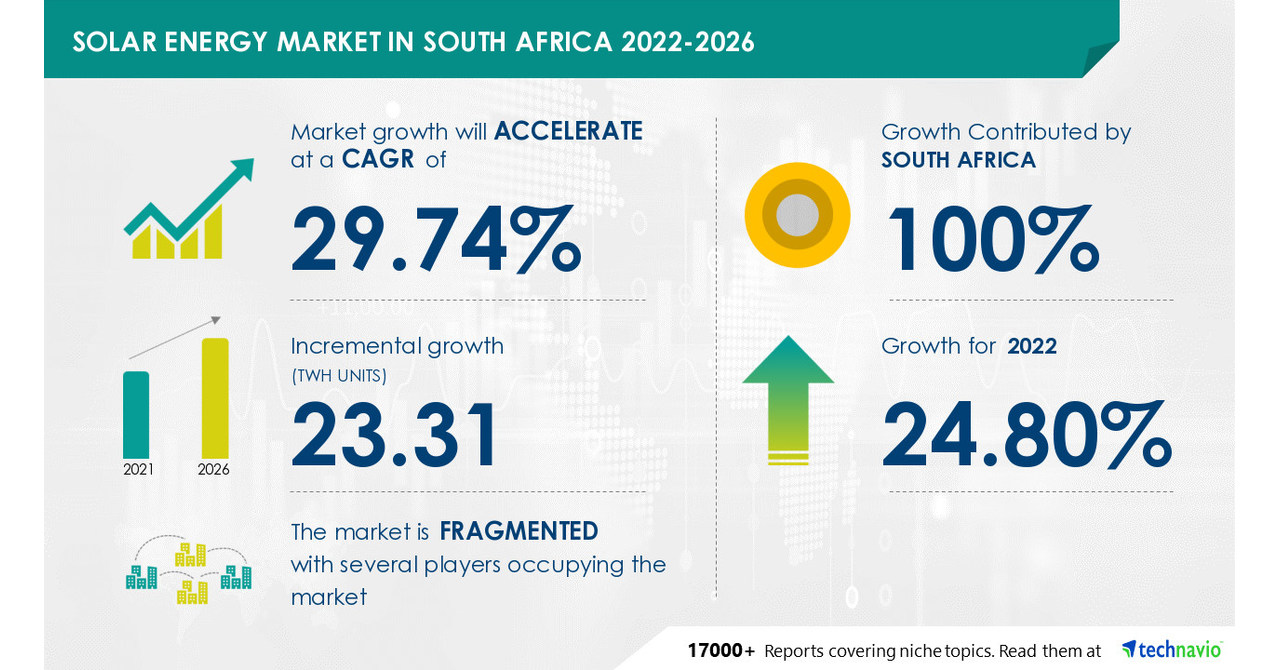
Initially, South Africa’s renewable energy journey was somewhat constrained, but the severity of the energy crisis has forced a dramatic shift in government policy. The Renewable Energy Independent Power Producer Procurement Programme (REIPPPP), while having its ups and downs, is being revived and streamlined, attracting significant private investment into large-scale projects.
More importantly for a broader range of investors, recent legislative changes have removed the licensing threshold for embedded generation projects (meaning businesses can now generate unlimited power for their own use without a license). This has unlocked a tidal wave of commercial and industrial (C&I) solar projects. Furthermore, there are ongoing discussions around tax incentives and accelerated depreciation for renewable energy assets, making projects even more attractive. This is a government actively, albeit reactively, clearing the path for solar growth.
Abundant Solar Resources: A Natural Advantage
South Africa is blessed with some of the best solar irradiation levels in the world. Much of the country receives over 2,500 hours of sunshine per year, with daily solar radiation averages between 4.5 and 6.5 kWh/m². This natural advantage means solar panels operate at peak efficiency for longer periods, maximizing energy generation and, consequently, investor returns. It’s a country literally bathed in the primary resource for solar power.
ESG & Impact Investing Appeal
For US investors increasingly focused on Environmental, Social, and Governance (ESG) criteria, South African solar checks all the boxes. Your investment isn’t just about financial returns; it’s about:
- Environmental Impact: Reducing reliance on coal-fired power plants, lowering carbon emissions, and combating climate change.
- Social Impact: Providing reliable electricity to communities, enabling economic activity, supporting education, and improving public health (less air pollution).
- Governance: Supporting transparent, well-managed projects contributing to a more stable energy future for the nation.
This dual benefit of financial gain and measurable positive impact makes South African solar a compelling choice for the modern investor.
Understanding Your Investment Avenues: How US Investors Can Participate
As a US investor, direct ownership of a solar farm in the Northern Cape might be a stretch, but there are several accessible and effective ways to gain exposure to South Africa’s burgeoning solar market. Each path offers a different blend of risk, return, and hands-on involvement.
Crowdfunding Platforms: Democratizing Solar Investment
This is perhaps the most accessible entry point for individual US investors. Platforms like Sun Exchange and Energise Africa allow you to invest in fractional ownership of solar cells or provide debt financing (bonds) for various solar projects across South Africa and the broader African continent. These projects range from powering schools and businesses to providing home solar solutions.
Pros for US Investors:
- Accessibility: Low minimum investment amounts (some as low as $5-$10).
- Diversification: You can spread small investments across multiple projects.
- Transparency: Often direct visibility into the project’s impact and performance.
- Impact: Direct contribution to clean energy access and social development.
Cons for US Investors:
- Currency Risk: Investments are often denominated in ZAR (South African Rand), exposing you to currency fluctuations against the USD.
- Liquidity: Investments are typically illiquid until maturity.
- Smaller Returns: While competitive, returns might be lower than direct, larger-scale investments.
- Platform Risk: Reliance on the platform’s operational integrity and project vetting.
Here’s a snapshot of what some of these platforms offer (note: details can change, always check current offerings):
| Platform | Investment Type | Typical Minimum Investment | Target Annual Returns | Focus |
|---|---|---|---|---|
| Sun Exchange | Solar Cell Lease (Equity-like) | ~ZAR 60-80 (~$3-4 USD) per cell | ~10-14% (pre-currency conversion) | Schools, businesses, community projects in SA and Africa |
| Energise Africa | Debt (Bonds) | £50 (Approx $60-70 USD) | ~5-8% (target, pre-currency conversion) | Solar access for homes and businesses across Africa |
| (Hypothetical Fund) | Managed Fund | Varies widely (e.g., $1,000+) | ~8-12% (target, net of fees) | Diversified portfolio of renewable energy projects |
Renewable Energy Funds & ETFs: Diversified Exposure
For those seeking broader market exposure and professional management, investing in renewable energy funds or Exchange Traded Funds (ETFs) that include African or South African assets is a strong option. While not solely focused on SA, some specialized funds do allocate capital to the region.
Pros for US Investors:
- Diversification: Access to a portfolio of projects, reducing single-project risk.
- Professional Management: Experts handle project selection, due diligence, and ongoing management.
- Liquidity: ETFs can be traded on exchanges, offering more liquidity than direct project investments.
- Reduced Admin: Less direct involvement in managing individual projects.
Cons for US Investors:
- Management Fees: Funds come with associated fees that can eat into returns.
- Less Direct Control: You don’t choose specific projects; your money is pooled.
- Indirect Exposure: May not be 100% focused on South Africa.
Direct Project Investment & Green Bonds: Larger Scale Opportunities
For institutional investors, high-net-worth individuals, or those with significant capital, direct investment into larger-scale solar projects or purchasing green bonds issued by South African entities can be highly rewarding. This could involve:
- Utility-Scale Solar Farms: Investing in the development or operation of large solar power plants.
- Commercial & Industrial (C&I) Projects: Funding solar installations for major businesses, often via Power Purchase Agreements (PPAs).
- Green Bonds: Purchasing bonds issued by South African corporations or government entities specifically to finance green projects.
Pros for US Investors:
- Higher Potential Returns: Often associated with larger projects and more direct equity exposure.
- Direct Impact: Clear line of sight to the project you’re funding.
- Negotiated Terms: Ability to structure deals that align with specific investment goals.
Cons for US Investors:
- Higher Capital Requirement: Requires substantial investment.
- Complexity: Involves extensive due diligence, legal frameworks, and local expertise.
- Illiquidity: Long-term commitments with limited exit options.
Investing in South African Solar Companies (via JSE or Private Equity)
Another route is to invest in South African companies that are directly involved in the solar sector, either through the Johannesburg Stock Exchange (JSE) if they are publicly listed or through private equity rounds. These could be solar EPC (Engineering, Procurement, and Construction) companies, project developers, or asset managers like SPS Africa or Emergent Energy (though these domains are primarily service providers, not always publicly traded investment vehicles themselves).
Pros for US Investors:
- Leverage Growth: Benefit from the overall expansion of the solar industry in SA.
- Professional Management: Invest in established companies with local expertise.
Cons for US Investors:
- Market Volatility: Publicly traded stocks are subject to market fluctuations.
- Due Diligence: Requires thorough analysis of company financials and management.
- Accessibility: May require an international brokerage account to access the JSE.
The Financial Upside: Returns and Incentives
So, what kind of financial returns can you realistically expect from investing in South African solar? While specific figures vary widely based on the investment vehicle, project type, and prevailing market conditions, the general outlook is compelling.
Projected Returns: What to Expect
Crowdfunding platforms often advertise target annual returns of 5% to 14%. These figures are typically gross returns before any platform fees or currency conversion effects. Larger-scale, direct investments, particularly in C&I or utility-scale projects with well-structured PPAs, can potentially offer IRRs (Internal Rates of Return) in the mid-to-high teens (12-18%+), though these also come with higher risk and capital requirements. Renewable energy funds generally aim for 8-12% net annual returns.
Compared to traditional bond markets or even some equity markets, these are attractive returns, especially considering the stable, long-term nature of renewable energy assets (e.g., 20-25 year project lifespans). The consistency of cash flow from power generation, often backed by long-term agreements, makes solar assets a relatively predictable income stream.
Tax Incentives and Depreciation Benefits (Indirectly Beneficial for US Investors)
While direct tax incentives for a US individual investor in South African solar are limited, the local incentives for the projects themselves significantly enhance their profitability, which then flows down to you as an investor. South Africa offers:
- Accelerated Depreciation: Section 12B of the Income Tax Act allows for significant capital allowances (100% first-year write-off for renewable energy equipment), improving project cash flow and attractiveness for local developers and funders.
- Carbon Tax: While it’s a cost for polluters, it creates a competitive advantage for renewable energy, making solar more economically favorable compared to fossil fuels.
These local incentives, while not directly reducing your US tax burden, make the underlying solar projects more robust and financially appealing, thereby increasing the likelihood of strong returns for all investors.
Long-Term Growth Potential
South Africa’s energy transition is still in its early to middle stages. The installed solar capacity needs to grow exponentially to meet demand and replace aging coal plants. This translates to decades of sustained growth potential for the sector. As battery storage technology improves and costs decrease, the grid integration of renewables will become even smoother, further solidifying solar’s role as the backbone of South Africa’s future energy mix. Investing now positions you to benefit from this long-term structural shift.
Navigating the Landscape: Key Considerations & Risks for US Investors
Every investment carries risk, and cross-border investments into emerging markets have their own unique set of considerations. Being aware of these and planning for them is crucial for a successful venture.
Currency Fluctuations (ZAR to USD)
This is perhaps the most significant risk for US investors. Your returns, while potentially strong in South African Rand (ZAR), will ultimately be converted back to US Dollars (USD). The ZAR is an emerging market currency and can be volatile. A significant weakening of the ZAR against the USD can erode your returns, even if the underlying project performs exceptionally well.
Mitigation Strategies:
- Diversify: Don’t put all your eggs in one ZAR-denominated basket.
- Long-Term Horizon: Over longer periods, currency fluctuations tend to average out, though not always.
- Hedging: For larger investments, consider currency hedging strategies, though these come with their own costs and complexities.
- USD-Denominated Investments: Look for investment vehicles that offer USD-denominated returns or have natural hedges built in (e.g., certain funds).
Regulatory & Political Stability
While recent policy shifts have been positive for solar, the political landscape in South Africa can be dynamic. Changes in government, shifts in energy policy, or unforeseen regulatory hurdles could impact project viability or profitability. While the need for energy is undeniable, the path to achieving it can sometimes be bumpy.
Mitigation Strategies:
- Invest with Reputable Partners: Choose platforms or funds with a strong track record and deep local understanding.
- Stay Informed: Keep abreast of South African economic and political news.
- Diversify Project Types: Spread investments across different project scales and geographies within SA.
Economic Factors & Market Volatility
South Africa’s economy, like any emerging market, can experience periods of higher inflation, fluctuating interest rates, and slower economic growth. These factors can affect electricity tariffs (and thus project revenues), the cost of financing, and the overall business environment.
Project-Specific Risks
Even the best plans can encounter issues. These include:
- Operational Risks: Equipment malfunction, maintenance issues, lower-than-expected solar irradiation.
- Technological Risks: While solar PV is mature, ensuring quality components and installation is key.
- Execution Risks: Delays in project development or commissioning.
- Off-taker Risk: The risk that the entity buying the power (the ‘off-taker’) defaults on payments. This is why creditworthy off-takers are crucial.
Due Diligence is Paramount
Given these risks, thorough due diligence is not just recommended; it’s mandatory. This means:
- Researching Platforms/Funds: Scrutinize their track record, financial health, and the transparency of their offerings.
- Understanding Project Specifics: For direct investments, delve into the project’s financials, contracts, and technical specifications.
- Seeking Professional Advice: Consult with financial advisors specializing in international investments and legal counsel familiar with South African regulatory frameworks.
Taking the First Step: A Practical Guide for US Investors
Ready to explore the opportunity? Here’s a pragmatic approach to getting started:
1. Research & Education: Know Your Options
Start by deepening your understanding of the South African energy market and the specific solar investment vehicles available. Read industry reports, follow relevant news outlets (both international and South African), and explore the websites of platforms and funds mentioned.
2. Evaluate Your Risk Tolerance & Investment Goals
Be honest with yourself about how much risk you’re comfortable with and what you hope to achieve. Are you looking for high-growth potential with higher risk, or stable, long-term income with moderate risk? Your answers will guide your choice of investment vehicle (e.g., crowdfunding vs. direct project investment).
3. Choose Your Investment Vehicle (Crowdfunding, Funds, Direct)
Based on your research and risk profile, select the most appropriate path. For many individual US investors, crowdfunding platforms like Sun Exchange offer a low-barrier entry point to test the waters and gain exposure without committing large sums. For larger capital, exploring specialized funds or engaging with private equity firms might be suitable.
4. Consult Financial & Legal Professionals
This step cannot be overstated. Engaging a financial advisor who understands international investments can help you integrate South African solar into your broader portfolio. A legal professional familiar with South African and international investment law can review terms, identify potential pitfalls, and ensure compliance. This is especially crucial for navigating tax implications in both countries.
5. Monitor Your Investment
Once invested, actively monitor your investment’s performance and stay informed about the broader South African energy landscape. For crowdfunding, track project performance and returns. For funds, review quarterly reports. For direct investments, maintain regular communication with project developers or managers.
Conclusion: Powering Progress, Profiting Sustainably
Investing in South Africa’s solar energy sector isn’t just a trend; it’s a response to a critical need, backed by robust natural resources and evolving policy. For US investors, it represents a unique opportunity to achieve potentially attractive financial returns while contributing to sustainable development and energy security in a vital emerging market.
While the journey comes with its own set of challenges, particularly currency fluctuations and regulatory dynamics, a well-researched, diversified, and professionally guided approach can unlock significant value. By powering South Africa’s progress, you stand to profit sustainably, aligning your financial aspirations with a positive global impact. It’s an investment that truly lights up lives, and your portfolio, too.
Frequently Asked Questions
Is investing in South African solar energy profitable?
Yes, South African solar energy investments can be highly profitable, with target annual returns ranging from 5-14% for crowdfunding platforms and potentially higher (12-18%+) for larger direct projects. The high demand due to load shedding and abundant solar resources create a favorable environment for strong returns.
What are the main risks for a US investor in South African solar?
Key risks include currency fluctuations (ZAR to USD), regulatory and political stability, broader economic factors, and project-specific operational risks. Thorough due diligence and diversification are crucial for mitigation.
Can I invest in South African solar from the USA?
Absolutely. US investors can participate through various channels, including international crowdfunding platforms (like Sun Exchange), renewable energy funds that include African assets, or through direct project investment for larger capital allocations.
What are the minimum investment amounts?
Minimum investment amounts vary significantly. Crowdfunding platforms can allow investments as low as $5-$10 (USD equivalent) for individual solar cells or bonds, making them highly accessible. Funds and direct project investments typically require much higher minimums, often starting from hundreds or thousands of dollars.
How does South Africa’s energy crisis affect solar investment?
South Africa’s energy crisis, characterized by ‘load shedding’ (rolling blackouts), is a primary driver of solar investment. It creates an urgent and non-negotiable demand for reliable, independent power solutions, making solar projects economically viable and highly sought after by businesses and households.
Are there any tax benefits for US investors?
Direct tax benefits for US investors investing in South African solar are limited. However, South African tax incentives (like accelerated depreciation for solar assets) significantly enhance the profitability of local projects, which indirectly contributes to better returns for all investors. It’s essential to consult with a tax professional regarding your specific situation.
What kind of returns can I expect?
Expected returns vary. Crowdfunding platforms typically target annual returns of 5% to 14%. Renewable energy funds might aim for 8-12% net annual returns. Larger, direct project investments with well-structured Power Purchase Agreements (PPAs) can potentially yield Internal Rates of Return (IRRs) in the mid-to-high teens (12-18% or more), but with higher capital requirements and risks.


Post Comment