Is A Solar Farm A Good Investment
Is a Solar Farm a Good Investment? Your Definitive Guide to Profitability & Pathways
Considering putting your capital into a solar farm? Maybe you own land and are looking for a new revenue stream? Or perhaps you’re simply exploring sustainable investment options that offer solid returns. Whatever your angle, you’re asking the right question: Is a solar farm a good investment?
Table of Contents
- Is a Solar Farm a Good Investment? Your Definitive Guide to Profitability & Pathways
- The Core Question: Are Solar Farms Really Profitable?
- The Short Answer: A Resounding “Yes, With Caveats”
- Understanding Typical ROI: What to Expect
- Breaking Down the Solar Farm Investment: Costs vs. Returns
- Initial Investment: What Will You Pay For?
- Revenue Streams: How Do Solar Farms Make Money?
- The Payback Period: When Do You See Profit?
- Types of Solar Farms: Different Scales, Different Opportunities
- Utility-Scale Solar Farms: The Giants of Green Energy
- Community Solar Farms: Democratizing Renewable Energy
- Agrivoltaics: Combining Solar & Agriculture
- Why Invest in Solar Farms? The Compelling Benefits
- Stable, Long-Term Income Generation
- Significant Environmental Impact
- Attractive Tax Incentives & Credits (ITC, MACRS)
- Diversification & Inflation Hedge
- Low Operational & Maintenance Costs (Relatively)
- The Downsides & Challenges: What to Watch Out For
- High Upfront Capital Requirement
- Site Selection & Land Availability
- Permitting & Interconnection Hurdles
- Market Fluctuations & Energy Pricing Risks
- Regulatory & Policy Changes
- Operation & Maintenance (O&M)
- Navigating the Investment Landscape: Pathways to Entry
- Direct Development & Ownership: For the Hands-On Investor
- Land Leasing: For Landowners
- Indirect Investment Options: Broader Accessibility
- Critical Factors for Success: Due Diligence You Can’t Skip
- Location, Location, Location: Irradiance & Grid Proximity
- Power Purchase Agreements (PPAs): Securing Your Revenue
- Financing Structures: Loans, Equity, & Grants
- Operations & Maintenance (O&M) Strategy
- Insurance & Risk Management
- The Future Outlook for Solar Farm Investments
- Continued Growth & Technological Advancements
- Policy Support & Decarbonization Goals
- Energy Storage Integration
- Is a Solar Farm a Good Investment for YOU? A Final Weigh-In
The short answer is a resounding yes, for many investors, solar farms offer compelling profitability, stability, and significant environmental benefits. But like any substantial investment, success hinges on understanding the nuances, the upfront costs, the potential returns, and the pathways to entry.
Forget the hype for a moment. This isn’t just about ‘going green.’ This is about a strategic financial decision in a rapidly expanding sector. The global push for clean energy, coupled with lucrative incentives and falling technology costs, has positioned solar farms as a formidable asset class. But it’s not a ‘set it and forget it’ situation. You need to know the landscape.
I’m here to cut through the noise and give you the definitive guide. We’ll explore everything from typical ROI and financial breakdowns to the different types of solar farms, their challenges, and the actionable steps you need to consider before diving in.
The Core Question: Are Solar Farms Really Profitable?
The Short Answer: A Resounding “Yes, With Caveats”
Let’s get straight to it: Yes, solar farms are generally very profitable. This isn’t just anecdotal; it’s backed by industry data and investor interest. The caveat? As with any business, profitability isn’t guaranteed without careful planning, due diligence, and effective management.
The long-term contracts for electricity sales (Power Purchase Agreements or PPAs), combined with government incentives and the decreasing cost of solar technology, create a strong financial foundation. Unlike volatile stock markets, solar farms can offer a predictable income stream over decades.
Understanding Typical ROI: What to Expect
When we talk about return on investment (ROI) for solar farms, we’re typically looking at a healthy range. Industry averages often hover between 7% and 20% annually, though this can vary significantly based on factors like:
- Project Scale: Larger utility-scale projects often benefit from economies of scale.
- Location: Solar irradiance levels directly impact electricity generation.
- Power Purchase Agreement (PPA) Rates: The price you secure for your electricity is crucial.
- Incentives: Federal, state, and local tax credits, grants, and renewable energy certificates (SRECs) can dramatically boost ROI.
- Development & O&M Costs: Efficient development and low ongoing operational costs improve margins.
A well-planned and executed solar farm project, especially one that leverages available incentives, can see its initial investment recouped within 5-10 years, followed by 15-20+ years of steady profit.
Breaking Down the Solar Farm Investment: Costs vs. Returns
To truly understand profitability, we need to look at both sides of the ledger: what goes in and what comes out. Solar farm investments are characterized by high upfront capital expenditure followed by relatively low operational costs and stable, long-term revenue.
Initial Investment: What Will You Pay For?
Developing a solar farm is a multi-faceted endeavor with several key cost components. It’s not just the panels; it’s the entire ecosystem:
- Land Acquisition or Lease: A significant cost, especially for utility-scale projects requiring hundreds or thousands of acres.
- Permitting & Interconnection: Navigating local, state, and federal regulations, environmental assessments, and securing grid connection agreements.
- Equipment Costs: Solar panels (modules), inverters, racking systems, transformers, and electrical balance-of-system (BOS) components.
- Engineering, Procurement, and Construction (EPC): Design, site preparation, installation, and project management.
- Legal & Financial Fees: Lawyers, financial advisors, and securing loans or equity.
- Operations & Maintenance (O&M) Setup: Initial monitoring systems, fencing, security.
Here’s an estimated breakdown for a typical 1 MW (megawatt) ground-mount solar farm in the USA:
| Cost Category | Estimated Range (per MW) | Notes |
|---|---|---|
| Land Acquisition/Lease (First Year) | $5,000 – $50,000 | Highly variable by location and land type. |
| Permitting & Legal Fees | $10,000 – $30,000 | Includes environmental studies, grid application. |
| Solar Panels (Modules) | $250,000 – $400,000 | Varies by efficiency and manufacturer. |
| Inverters & Electrical BOS | $100,000 – $180,000 | Includes wiring, transformers, switchgear. |
| Racking & Mounting Systems | $60,000 – $120,000 | Fixed-tilt vs. tracking systems. |
| Installation & Labor (EPC) | $200,000 – $350,000 | Construction, project management. |
| Interconnection Costs | $50,000 – $200,000+ | Grid studies, upgrades, transmission lines. Highly variable. |
| Contingency (10-15%) | $70,000 – $180,000 | For unforeseen costs. |
| Total Estimated Cost (per MW) | $745,000 – $1,510,000 | Excludes significant financing costs. |
Note: These are broad estimates. Actual costs depend heavily on specific project details, location, and market conditions.
Revenue Streams: How Do Solar Farms Make Money?
The primary way solar farms generate income is by selling the electricity they produce. Here’s a breakdown of revenue avenues:
- Power Purchase Agreements (PPAs): This is the backbone for most large-scale solar farms. You enter a long-term contract (15-25 years) with a utility, corporate buyer, or municipality to sell electricity at a fixed or escalating rate. This provides predictable, stable income.
- Solar Renewable Energy Certificates (SRECs): In many states, solar farms earn SRECs for every megawatt-hour (MWh) of clean electricity produced. These certificates can be sold separately from the electricity to utilities that need to meet renewable energy mandates. SREC prices fluctuate, adding a layer of variable income.
- Net Metering (for Community Solar): Smaller community solar projects often utilize net metering, where generated electricity offsets local energy consumption, and subscribers pay a discounted rate for their share of the power.
- Wholesale Market Sales: In some cases, electricity can be sold directly into the wholesale energy market, though this introduces more price volatility.
The Payback Period: When Do You See Profit?
The payback period for a solar farm – the time it takes for cumulative profits to equal the initial investment – typically ranges from 5 to 10 years. This timeline is heavily influenced by:
- The initial capital expenditure.
- The effectiveness of secured PPAs and SREC values.
- The availability and utilization of federal and state incentives, like the Investment Tax Credit (ITC), which can significantly offset upfront costs.
- The operational efficiency and minimal maintenance issues.
After this payback period, the solar farm continues to generate clean electricity and income for another 15-20+ years with significantly lower capital outlay, making the later years highly profitable.
Types of Solar Farms: Different Scales, Different Opportunities
Not all solar farms are created equal. Understanding the different types helps you align your investment goals with the right project structure.
Utility-Scale Solar Farms: The Giants of Green Energy
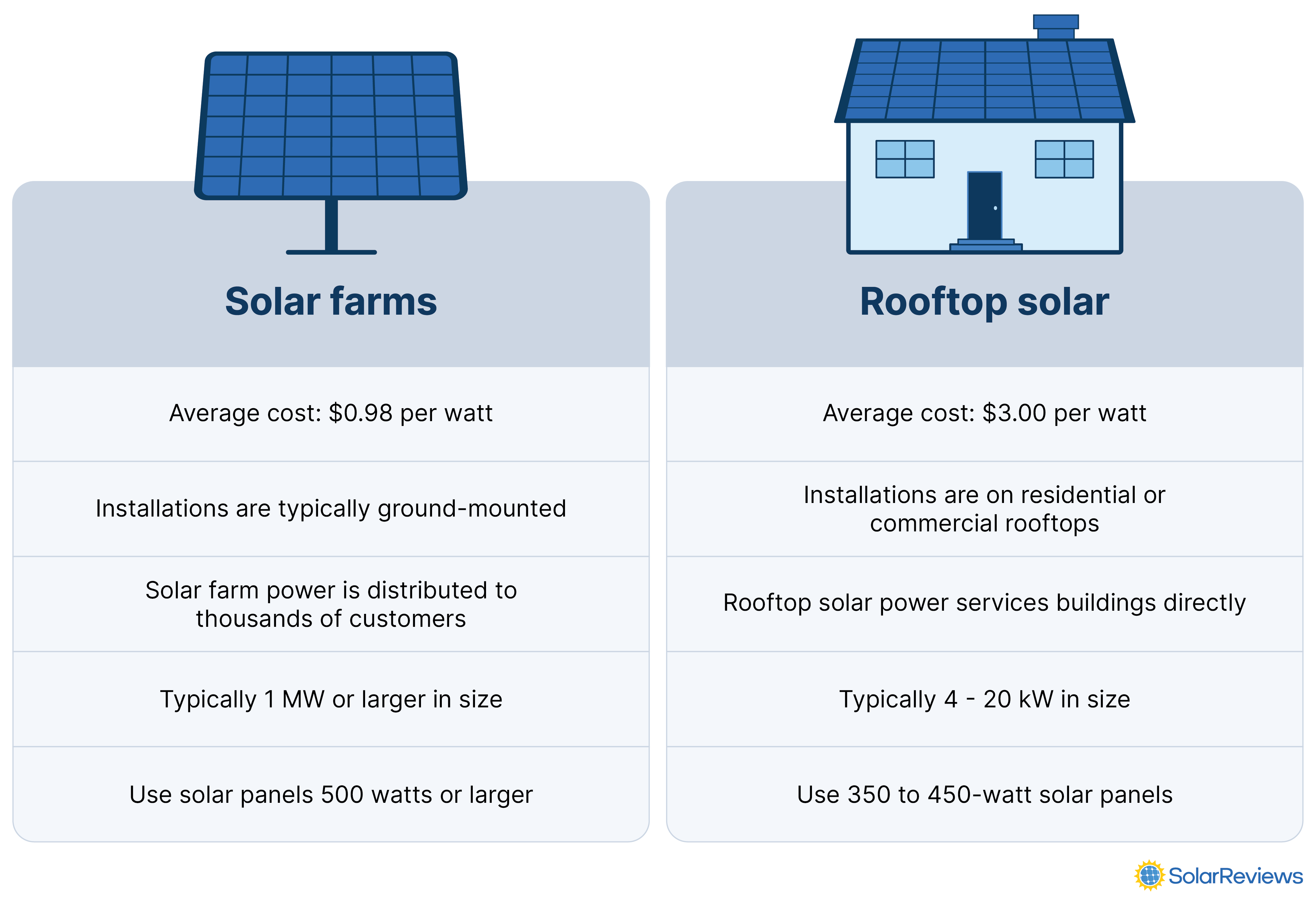
These are the largest solar projects, often spanning hundreds or thousands of acres and generating anywhere from 10 MW to several hundred MWs of electricity. They are typically owned by large energy companies, independent power producers, or institutional investors.
- Characteristics: Massive scale, direct connection to the high-voltage transmission grid, long-term PPAs with major utilities.
- Investment Level: Requires substantial capital, often in the tens or hundreds of millions of dollars.
- Focus: Supplying large populations with clean energy, achieving economies of scale.
Community Solar Farms: Democratizing Renewable Energy
Community solar projects are smaller, typically ranging from 0.5 MW to 5 MW. They allow multiple subscribers (households, businesses, non-profits) to buy or lease a portion of the energy produced by a shared local solar array. This is particularly appealing for those who cannot install rooftop solar.
- Characteristics: Localized, shared ownership/subscription model, often connected to the distribution grid.
- Investment Level: More accessible for smaller developers, local investors, and sometimes even individual citizens through crowdfunding or direct local investment.
- Focus: Providing renewable energy access to a broader demographic, local economic benefits.
Agrivoltaics: Combining Solar & Agriculture
Agrivoltaics (or agrisolar) involves co-locating solar panels on the same land as agricultural production. This innovative approach allows for dual land use, offering benefits like increased crop yields (due to shade), reduced water consumption, and diversified income for farmers.
- Characteristics: Integrated design, often elevated panels allowing for crops or grazing underneath.
- Investment Level: Varies, can range from small farm-scale to larger projects.
- Focus: Maximizing land efficiency, supporting sustainable agriculture, generating two revenue streams from one plot of land.
| Solar Farm Type | Typical Scale (MW) | Primary Revenue Model | Accessibility for Investors |
|---|---|---|---|
| Utility-Scale | 10 MW – 500+ MW | Long-term PPAs with utilities | High (Institutional, large developers) |
| Community Solar | 0.5 MW – 5 MW | Subscriber fees, net metering, SRECs | Medium (Local developers, crowdfunding) |
| Agrivoltaics | 0.1 MW – 10 MW | PPAs, farm income, SRECs | Medium (Farmers, specialized developers) |
Why Invest in Solar Farms? The Compelling Benefits
Beyond the simple financial return, solar farm investments offer a unique blend of advantages that make them highly attractive.
Stable, Long-Term Income Generation
Once a solar farm is operational and has a PPA in place, it becomes a remarkably stable asset. The sun’s energy is free, and the technology is proven to last for 25-30+ years. PPAs provide predictable cash flows, often with built-in escalators, shielding investors from short-term market volatility.
Significant Environmental Impact
Investing in solar farms directly contributes to reducing greenhouse gas emissions and combating climate change. Each MWh of solar electricity displaces fossil fuel-generated power, helping to create a cleaner, more sustainable energy grid. This isn’t just good for the planet; it aligns with increasing consumer and corporate demand for ESG (Environmental, Social, and Governance) investments.
Attractive Tax Incentives & Credits (ITC, MACRS)
The U.S. federal government, along with many states, offers substantial incentives to encourage solar development. The primary driver is the Investment Tax Credit (ITC), which can provide a credit of up to 30% (or more with adders for domestic content, energy communities, etc.) of the project’s eligible costs. Additionally, accelerated depreciation through MACRS (Modified Accelerated Cost Recovery System) allows for significant tax deductions in the early years of operation, further boosting after-tax returns.
Diversification & Inflation Hedge
Solar farm investments can be an excellent way to diversify an investment portfolio. Their performance is generally uncorrelated with traditional financial markets, offering a hedge against economic downturns. Furthermore, as energy costs tend to rise over time, a solar farm’s fixed production costs and rising energy prices can act as a natural inflation hedge.
Low Operational & Maintenance Costs (Relatively)
Compared to traditional power plants, solar farms have fewer moving parts, require no fuel, and necessitate relatively low ongoing maintenance. Routine tasks include panel cleaning, inverter checks, vegetation management, and performance monitoring. This translates to lower operating expenses, contributing to higher net profits.
The Downsides & Challenges: What to Watch Out For
While the benefits are strong, it’s crucial to approach solar farm investment with eyes wide open. There are significant challenges that require careful navigation.
High Upfront Capital Requirement
As detailed earlier, building a solar farm requires a substantial initial investment. Securing financing – whether through debt, equity, or a combination – is a complex process and often the biggest hurdle for new entrants.
Site Selection & Land Availability
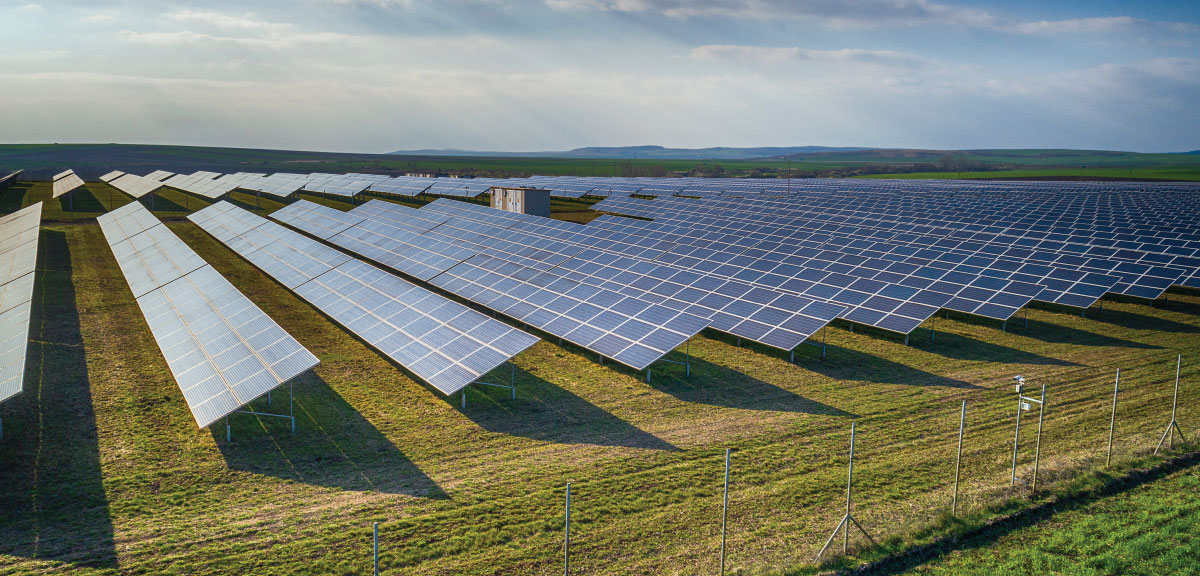
Finding suitable land is critical. It needs high solar irradiance, relatively flat topography, minimal environmental constraints, and, crucially, proximity to existing transmission lines and substations for interconnection. Competition for ideal sites can be fierce.
Permitting & Interconnection Hurdles
The regulatory landscape for solar development can be complex and time-consuming. Securing permits from local, state, and federal authorities, along with navigating the utility’s interconnection queue, can take years and involve significant costs and potential delays.
Market Fluctuations & Energy Pricing Risks
While PPAs mitigate some risk, the long-term price of electricity is subject to market forces. If a PPA isn’t secured or expires, exposure to fluctuating wholesale energy prices can impact profitability. Changes in SREC values also introduce variability.
Regulatory & Policy Changes
Government incentives and policies are powerful drivers of solar investment. Changes to tax credits, renewable portfolio standards (RPS), or state-level programs can significantly alter project economics. While the current outlook is strong, future policy shifts are a risk.
Operation & Maintenance (O&M)
Although O&M costs are relatively low, they are not zero. Ensuring panels are clean, inverters are functioning, and vegetation is managed is essential for maximizing energy production. Poor O&M can lead to underperformance and reduced revenue.
Navigating the Investment Landscape: Pathways to Entry
Not everyone needs to become a full-fledged solar developer to invest. There are several avenues to participate in the solar farm economy.
Direct Development & Ownership: For the Hands-On Investor
This path involves taking on the full responsibility of developing, financing, building, and operating a solar farm. It offers the highest potential returns but also the most risk and requires significant expertise and capital.
- Steps: Project identification, feasibility studies, land acquisition/leasing, permitting, financing, EPC management, ongoing O&M and asset management.
- Best For: Experienced developers, large institutional investors, or consortia with access to substantial capital and expertise.
Land Leasing: For Landowners
If you own suitable land, you can lease it to a solar developer. This is a lower-risk option that provides a predictable, long-term income stream without the need for significant capital investment or operational involvement.
- Pros: Stable passive income, diversification from agricultural income, minimal direct effort.
- Cons: Lower overall return than direct ownership, loss of land use for other purposes, long-term contracts (25-40 years).
- Considerations: Lease rates vary widely ($500-$2,000+ per acre annually), ensure the developer is reputable, understand contract terms thoroughly.
Indirect Investment Options: Broader Accessibility
For those without millions to invest or the desire to manage a project, several indirect pathways exist:
- Solar REITs (Real Estate Investment Trusts): Invest in companies that own and operate portfolios of renewable energy assets, including solar farms. You buy shares, similar to stock, and receive dividends from the projects’ earnings.
- Green Bonds: Invest in bonds issued by companies or governments specifically to fund environmental projects, including solar farms.
- Crowdfunding Platforms: Several platforms allow accredited and sometimes non-accredited investors to invest smaller amounts directly into specific solar projects. This democratizes access but often comes with higher risk for individual projects.
- Utility Partnerships: Some utilities offer programs where they partner with local entities or landowners to develop solar projects.
Critical Factors for Success: Due Diligence You Can’t Skip
Before you commit capital, thorough due diligence is non-negotiable. Here’s what needs your closest attention:
Location, Location, Location: Irradiance & Grid Proximity
The sunnier your location, the more electricity your farm will produce. Use solar irradiance maps to assess potential sites. Equally important is proximity to a reliable grid interconnection point. Long transmission lines mean higher interconnection costs and potential delays.
Power Purchase Agreements (PPAs): Securing Your Revenue
A strong, long-term PPA is the bedrock of a solar farm’s financial viability. Negotiate favorable terms, including pricing, escalation rates, and contract duration. Understand the creditworthiness of the off-taker (the entity buying the power).
Financing Structures: Loans, Equity, & Grants
Explore all financing options. Traditional project finance loans are common. Equity investment can come from private investors, funds, or even your own capital. Don’t overlook federal and state grants or loan guarantee programs that can reduce your financial burden.
Operations & Maintenance (O&M) Strategy
Have a robust O&M plan in place from day one. This includes regular inspections, preventative maintenance, panel cleaning, vegetation control, and performance monitoring. Consider contracting with a reputable O&M provider.

Insurance & Risk Management
Protect your investment. Obtain comprehensive insurance covering construction risks, property damage, business interruption, and liability. Develop a risk mitigation strategy for unexpected events like severe weather, equipment failures, or policy changes.
The Future Outlook for Solar Farm Investments
The future for solar farm investments looks incredibly bright. Several trends underpin this optimistic outlook:
Continued Growth & Technological Advancements
Solar technology continues to improve in efficiency and decrease in cost. Innovations in panel technology, energy storage, and smart grid integration will only enhance the economic viability of solar farms. The demand for renewable energy is projected to grow exponentially over the coming decades.
Policy Support & Decarbonization Goals
Governments worldwide, including the U.S., are increasingly committed to decarbonization goals, translating into sustained policy support and incentives for renewable energy. The Inflation Reduction Act (IRA) in the U.S. has supercharged these incentives, making solar development more attractive than ever.
Energy Storage Integration
The integration of battery energy storage systems (BESS) with solar farms is becoming more common. This allows solar power to be stored and dispatched when needed, solving the intermittency challenge and increasing the value of the generated electricity, opening new revenue streams.
Is a Solar Farm a Good Investment for YOU? A Final Weigh-In
So, is a solar farm a good investment? For most, the answer remains a strong yes. They offer a unique blend of financial stability, attractive returns, tax advantages, and the profound satisfaction of contributing to a sustainable future.
However, it’s not a passive investment without risks. It demands significant upfront capital, careful planning, and a deep understanding of the regulatory and market landscape. Whether you’re a seasoned developer, a landowner with suitable acreage, or an individual looking for indirect green investment, the opportunities are abundant.
Do your homework. Consult with experts – financial advisors, solar developers, legal counsel. Understand the local nuances, the incentives available, and the long-term commitment. With the right strategy and due diligence, a solar farm can be not just a good investment, but a truly transformative one for your portfolio and for the planet.
Frequently Asked Questions
What is the typical ROI for a solar farm investment?
The typical Return on Investment (ROI) for a well-planned solar farm project generally ranges between 7% and 20% annually. This can fluctuate based on project scale, location, power purchase agreement rates, and available incentives like federal tax credits.
How much does it cost to build a 1 MW solar farm?
The estimated total cost to build a 1 MW ground-mount solar farm in the USA can range from approximately $745,000 to $1,510,000. This includes land, permitting, equipment (panels, inverters), installation, interconnection costs, and contingency, but excludes significant financing expenses.
What are the primary ways solar farms make money?
Solar farms primarily generate income by selling the electricity they produce through long-term Power Purchase Agreements (PPAs) with utilities or corporations. Additional revenue can come from selling Solar Renewable Energy Certificates (SRECs) and, for community solar, through subscriber fees or net metering.
What are the biggest risks associated with investing in a solar farm?
Key risks include the high upfront capital requirement, challenges in site selection and securing grid interconnection, potential delays in permitting, market fluctuations affecting energy prices, and changes in government regulatory policies or incentives. Thorough due diligence and risk mitigation are crucial.
Can I invest in a solar farm if I don’t own land or have millions of dollars?
Yes, beyond direct development, you can invest indirectly through various channels. These include investing in Solar REITs (Real Estate Investment Trusts), purchasing green bonds, participating in solar crowdfunding platforms, or exploring utility partnership programs that allow for smaller-scale participation.
How long is the payback period for a solar farm?
The payback period for a solar farm, where the initial investment is recouped through generated profits, typically falls within 5 to 10 years. This timeframe is heavily influenced by the initial costs, revenue streams, and the effectiveness of utilizing available tax incentives and grants.
What role do government incentives play in solar farm profitability?
Government incentives, particularly the federal Investment Tax Credit (ITC) which can cover up to 30% or more of project costs, and accelerated depreciation (MACRS), significantly enhance solar farm profitability. State-level programs, grants, and renewable energy credit markets (SRECs) also play a vital role in improving financial viability and reducing the payback period.


Post Comment