Government Funding To Install Solar Panels
Unlock Government Funding for Solar Panels: Your Ultimate Guide to Going Green Affordably
Dreaming of solar panels for your home but balking at the upfront price tag? You’re not alone. For many homeowners, the initial investment in renewable energy feels like a mountain too steep to climb. But here’s the electrifying truth: there’s significant government funding available, both federal and state, designed to drastically cut those costs and make solar energy a tangible reality for families like yours. You don’t have to navigate this maze alone; this guide will show you exactly how to tap into these powerful incentives.
Table of Contents
- Unlock Government Funding for Solar Panels: Your Ultimate Guide to Going Green Affordably
- The Big Three: Federal Programs Making Solar Affordable for You
- 1. The Residential Clean Energy Credit (IRS Solar Tax Credit): Your Biggest Saving
- 2. “Solar for All” & The Greenhouse Gas Reduction Fund (GGRF): Empowering Communities
- 3. Rural Energy for America Program (REAP): A Boost for Farmers and Rural Businesses
- Beyond Federal: Unearthing State and Local Solar Incentives
- State-Specific Rebates and Grant Programs
- Local Government & Utility Company Programs
- Decoding the Dollars: Grants, Tax Credits, Loans, and Rebates Explained
- Grants: Free Money for Solar (Often Targeted)
- Tax Credits: A Dollar-for-Dollar Reduction on Your Tax Bill
- Low-Interest Loans: Making the Upfront Cost Manageable
- Rebates: Direct Savings from States, Localities, or Utilities
- Federal Solar Incentives: A Quick Comparison
- Is Solar Right for You? Key Factors to Consider Before Applying for Funding
- Your Home’s Solar Potential
- Energy Consumption & Savings Potential
- Understanding the Costs
- Working with Reputable Installers
- Your Step-by-Step Guide to Securing Government Solar Funding
- Step 1: Assess Your Eligibility & Research Programs
- Step 2: Get Multiple Solar Quotes
- Step 3: Understand Program-Specific Requirements
- Step 4: Apply for Funding & Install Your System
- Step 5: Claim Your Tax Credits & Other Incentives
- The Future of Solar Funding: What’s Next?
- Ready to Go Solar? Don’t Leave Money on the Table!
The U.S. government is committed to a clean energy future, and they’ve put their money where their mouth is. From substantial tax credits to grants and loan programs, a wealth of resources exists to encourage solar adoption. The trick is knowing where to look and how to apply. We’re breaking down the complex world of solar funding into plain, actionable language, ensuring you don’t leave a single dollar on the table.
The Big Three: Federal Programs Making Solar Affordable for You
Let’s start with the heavy hitters – the federal programs that offer the most widespread and impactful support for homeowners going solar across the United States. These aren’t obscure, limited-time deals; they are foundational pillars of America’s clean energy strategy.
1. The Residential Clean Energy Credit (IRS Solar Tax Credit): Your Biggest Saving
If you’re a homeowner installing solar, this is likely the single most impactful incentive you’ll encounter. Formerly known as the Investment Tax Credit (ITC), the Residential Clean Energy Credit allows you to claim a significant portion of your solar panel installation costs directly against your federal income taxes.
- What it is: A 30% tax credit for the cost of new, qualified clean energy property for your home. This isn’t a deduction (which lowers your taxable income); it’s a dollar-for-dollar reduction of the income tax you owe. If you owe $5,000 in taxes and have a $3,000 credit, your tax bill drops to $2,000.
- Eligibility: You must own the home and it must be your primary or secondary residence. The solar panels must be new.
- What’s covered: The cost of solar PV panels, labor for installation, permitting fees, inspection costs, and even certain energy storage devices (like solar batteries) installed with your solar system.
- How it works: You claim the credit when you file your federal income taxes using Form 5695. If your tax credit exceeds your tax liability for the year, you can carry forward the unused credit to future tax years, helping you recoup the full 30% eventually.
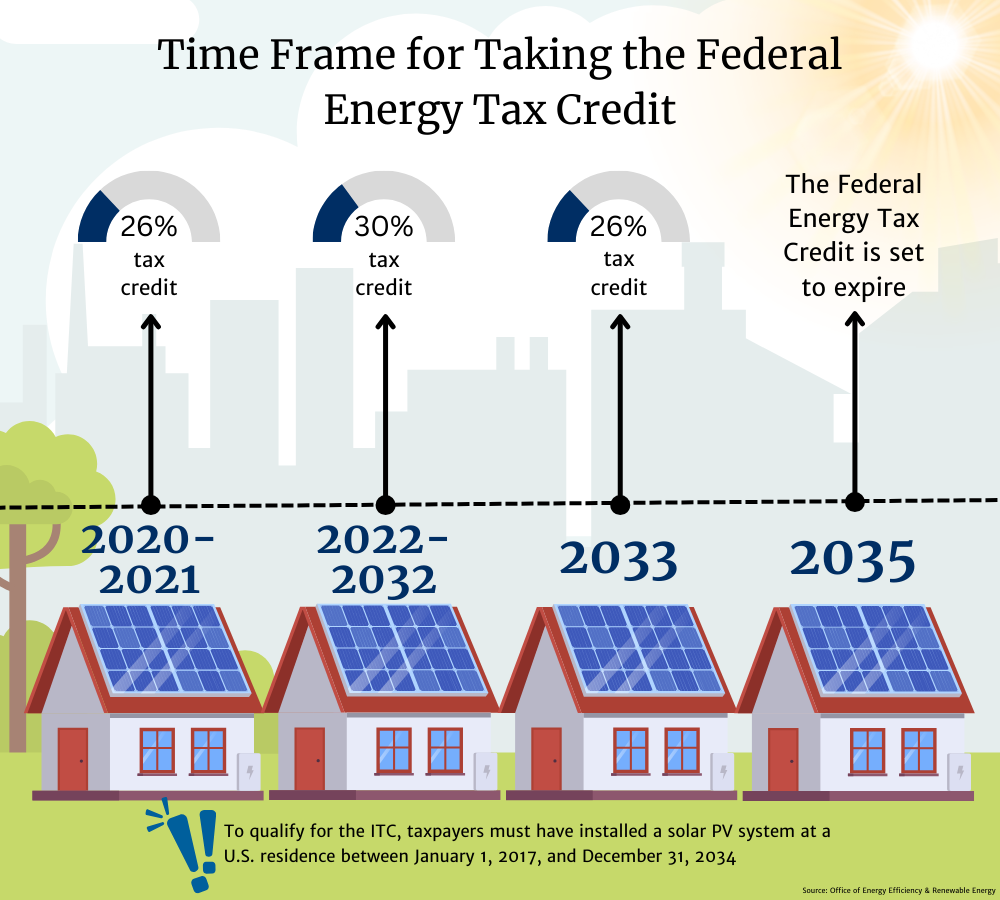
- Duration: This generous 30% credit is available for systems installed from 2022 through 2032. It then phases down to 26% in 2033 and 22% in 2034, before expiring in 2035. So, there’s a clear window to maximize your savings.
This credit is a game-changer for most homeowners, often reducing the total cost of a solar installation by tens of thousands of dollars.
2. “Solar for All” & The Greenhouse Gas Reduction Fund (GGRF): Empowering Communities
While not a direct rebate check you’ll apply for, the Greenhouse Gas Reduction Fund (GGRF), established by the Inflation Reduction Act (IRA), is a massive federal investment (nearly $27 billion!) that significantly impacts the accessibility of solar, especially for disadvantaged communities.
- What it is: The GGRF provides grants to states, local governments, non-profits, and community lenders. A significant portion of this fund is earmarked for the “Solar for All” program, which specifically aims to deploy residential solar in low-income and disadvantaged communities.
- How it impacts YOU: Instead of applying directly to the federal government, you’ll benefit from the local and state programs that are funded by the GGRF. These programs will offer grants, rebates, or low-cost financing specifically designed to make solar affordable for eligible households.
- Focus: The core mission is to overcome financial barriers, provide technical assistance, and stimulate solar deployment in communities that have historically been left behind in the clean energy transition.
Keep an eye on your state and local energy agencies, as they will be rolling out new “Solar for All” initiatives powered by this federal fund. This is where you might find significant upfront discounts or even free solar installations if you meet income qualifications.
3. Rural Energy for America Program (REAP): A Boost for Farmers and Rural Businesses
If you’re an agricultural producer or a small business operating in a rural area, the USDA’s Rural Energy for America Program (REAP) is a fantastic resource to explore. While not primarily for typical residential homeowners, it’s a critical federal program for a specific segment of the population.
- What it is: REAP provides guaranteed loan financing and grant funding to help agricultural producers and rural small businesses purchase, install, and construct renewable energy systems, including solar.
- Who it’s for: Agricultural producers with at least 50% of their gross income coming from agricultural operations, and small businesses located in eligible rural areas (generally, towns with populations of 50,000 or less).
- Why it matters: REAP can cover a substantial portion of project costs, significantly reducing the financial burden for eligible applicants looking to install solar panels on farms, ranches, or rural business properties.
Even if you’re a homeowner, if your property also functions as a qualifying farm or rural business, this program could apply to your solar installation.
Beyond Federal: Unearthing State and Local Solar Incentives
Federal programs lay a strong foundation, but many states, counties, cities, and even local utility companies offer their own layers of incentives. These can range from additional rebates to specific loan programs and property tax exemptions.
State-Specific Rebates and Grant Programs
Some states are aggressive in their pursuit of renewable energy goals, leading to robust incentive programs. You’ll find a patchwork of offerings:
- Cash Rebates: Some states or energy agencies offer direct cash rebates based on the size of your installed solar system (e.g., a certain dollar amount per watt). Maryland’s Solar Access Program or grants in Prince George’s County (as seen in our SERP analysis) are prime examples of this.
- Performance-Based Incentives (PBIs) / Solar Renewable Energy Credits (SRECs): In some markets, you can earn credits for the electricity your solar panels generate. You can then sell these SRECs on a market, providing an ongoing revenue stream for your system’s lifetime.
- Property Tax Exemptions: Many states exempt the value added by a solar energy system from your property taxes, meaning your taxes won’t go up even though your home’s value does.
- Sales Tax Exemptions: Some states remove sales tax from solar equipment purchases, offering immediate savings.
How to find them: The Database of State Incentives for Renewables & Efficiency (DSIRE) is your go-to resource. It’s the most comprehensive source of information on state, local, utility, and federal incentives that promote renewable energy and energy efficiency.
Local Government & Utility Company Programs
Don’t overlook local initiatives. Cities, counties, and even your local electric utility often have their own programs:
- City/County Grants: Specific municipal governments might offer grants or low-interest loan programs, sometimes targeting certain neighborhoods or income levels.
- Net Metering Policies: While not a direct funding mechanism, net metering is a crucial policy offered by many utilities. It allows you to send any excess solar electricity your panels generate back to the grid in exchange for credits on your utility bill. Essentially, the grid acts as a battery for your excess power. This dramatically improves the financial return of your solar investment.
- Low-Interest Loan Programs: Some local entities or utilities partner with lenders to offer favorable interest rates for solar installations, making financing more accessible.
Decoding the Dollars: Grants, Tax Credits, Loans, and Rebates Explained
The terminology can be confusing. Let’s break down the common types of financial assistance you’ll encounter when exploring government funding for solar panels.
Grants: Free Money for Solar (Often Targeted)
A grant is essentially free money that you don’t have to pay back. Sounds great, right? It is! However, grants are typically very specific:
- Who qualifies: Often targeted at specific demographics (e.g., low-income households, rural residents, specific community projects) or for particular types of installations.
- Availability: Less common for general residential solar than tax credits, but they exist at state and local levels (like the “Solar for All” initiatives or the REAP program for eligible rural entities).
- Application: Usually involves a competitive application process with strict eligibility criteria and deadlines.
Tax Credits: A Dollar-for-Dollar Reduction on Your Tax Bill
This is the most common and impactful type of federal incentive for homeowners:
- Vs. Deductions: Unlike a deduction (which reduces your taxable income), a credit directly reduces the amount of tax you owe. A $1,000 credit reduces your tax bill by $1,000.
- How they work: You pay for the solar installation, and then when you file your taxes, you claim a percentage of that cost back as a credit.
- Carry-over: The Residential Clean Energy Credit allows you to carry over unused credit to future tax years, ensuring you can eventually claim the full amount.
Low-Interest Loans: Making the Upfront Cost Manageable
If grants or tax credits aren’t enough to cover the initial cost, government-backed or subsidized loan programs can make solar affordable:
- FHA PowerSaver Loan: A program that offers low-interest loans for energy-efficient home improvements, including solar panel installations.
- Energy Efficient Mortgages (EEMs): FHA, VA, and conventional EEMs allow you to finance energy-efficient upgrades directly into your mortgage, often with more favorable terms.
- State/Local Programs: Many states and municipalities offer their own low-interest loan programs or Property Assessed Clean Energy (PACE) programs, which allow you to finance solar via an assessment on your property tax bill.
Rebates: Direct Savings from States, Localities, or Utilities
Rebates are straightforward: a direct reduction in the purchase price or a cash payment after installation.
- Instant vs. Post-Installation: Some rebates are applied at the point of sale by the installer, while others require you to apply after installation and receive a check.
- Sources: Most commonly offered by state energy offices, local governments, or utility companies trying to reduce peak load or meet renewable energy mandates.
Federal Solar Incentives: A Quick Comparison
Here’s a snapshot to help clarify the main federal pathways to solar funding:
| Incentive Program | Type of Funding | Who It’s For | Key Benefit | How to Access |
|---|---|---|---|---|
| Residential Clean Energy Credit (ITC) | Tax Credit | All U.S. Homeowners | 30% reduction on federal tax liability; carry-forward option. | File IRS Form 5695 with your annual tax return. |
| Greenhouse Gas Reduction Fund (GGRF) "Solar for All" | Grants (to states/local entities) | Primarily low-income & disadvantaged communities (via state/local programs). | Direct grants/rebates or low-cost financing at the local level. | Look for state, county, or municipal programs funded by GGRF. |
| Rural Energy for America Program (REAP) | Grants & Guaranteed Loans | Agricultural producers & rural small businesses. | Significant financial assistance for renewable energy projects. | Apply through the USDA Rural Development office. |
Is Solar Right for You? Key Factors to Consider Before Applying for Funding
Before you dive headfirst into applications, it’s smart to do a quick gut check to ensure solar is a good fit for your home and lifestyle. No amount of funding will make a bad investment worthwhile.
Your Home’s Solar Potential
- Sunlight Exposure: Does your roof get ample, unobstructed sunlight throughout the day, especially between 9 AM and 3 PM? Shading from trees or neighboring buildings can significantly reduce energy production.
- Roof Condition: Is your roof in good shape? Solar panels typically last 25-30 years, so you want a roof that won’t need replacing within that timeframe. Replacing your roof *before* solar installation can save you money and hassle down the road.
- Roof Pitch & Direction: South-facing roofs (in the Northern Hemisphere) with a moderate pitch are generally ideal for maximizing solar production, but modern panels and mounting systems can accommodate various orientations.
Energy Consumption & Savings Potential
- Current Usage: How much electricity do you typically use? Look at your utility bills for the past 12-24 months to understand your average monthly kilowatt-hour (kWh) consumption. This helps determine the size of the system you need.
- Energy Efficiency First: Sometimes, the best first step isn’t solar, but making your home more energy efficient. Upgrading insulation, windows, or appliances can reduce your overall energy demand, potentially allowing for a smaller, less expensive solar system.
Understanding the Costs
- Installation Cost: The total upfront cost will vary based on your system size, equipment, and local labor rates. Even with incentives, there will likely be an out-of-pocket expense.
- Return on Investment (ROI): Consider the long-term savings on your electricity bills and the potential increase in your home’s value. Solar typically has a strong ROI, especially with government incentives.
- Maintenance: Solar panels require minimal maintenance, usually just occasional cleaning, but factor in any potential costs.
Working with Reputable Installers
- Get Multiple Quotes: Always obtain at least three quotes from different, reputable solar installers. This helps you compare pricing, equipment, warranties, and proposed system designs.
- Check Credentials: Ensure installers are licensed, insured, and certified (e.g., NABCEP certified).
- Understand Contracts: Read all contracts carefully, paying attention to warranties, performance guarantees, and cancellation policies.
Your Step-by-Step Guide to Securing Government Solar Funding
Feeling overwhelmed? Don’t be. Here’s a clear, actionable roadmap to guide you through the process of getting government funding for your solar panels.
Step 1: Assess Your Eligibility & Research Programs
- Federal First: Confirm you qualify for the 30% Residential Clean Energy Credit. If you have taxable income, you almost certainly do.
- State & Local Dive: Visit the DSIRE database (dsireusa.org). Enter your zip code or state to find all available state, local, and utility incentives specific to your area. Look for grants, rebates, SRECs, and loan programs.
- Utility Check: Visit your local utility company’s website. They often have specific solar incentive programs or information about net metering.
- GGRF Awareness: Keep an eye out for announcements from your state or city energy offices regarding new programs funded by the “Solar for All” initiative.
Step 2: Get Multiple Solar Quotes
- Find Certified Installers: Search for reputable solar installers in your area. Ask for referrals from friends or use online platforms.
- Request Detailed Proposals: Ask each installer for a detailed proposal that includes the system size, estimated energy production, equipment specifications, total cost, and a clear breakdown of how federal and any known state/local incentives will impact the final price.
- Compare Thoroughly: Don’t just look at the bottom line. Compare warranties, equipment quality, installer reputation, and estimated savings.
Step 3: Understand Program-Specific Requirements
- Documentation: For grants or rebates, you’ll need specific documentation, such as proof of income, utility bills, property ownership, and installer certifications.
- Deadlines: Be aware of application deadlines, as some programs are time-sensitive or have limited funding.
- Pre-approval: Some grants or loans may require pre-approval before installation begins. Your chosen installer often helps with this paperwork.
Step 4: Apply for Funding & Install Your System
- Submit Applications: Complete and submit all necessary applications for grants, loans, or rebates. Your solar installer will often assist with the paperwork for performance-based incentives or utility programs.
- Installation: Once financing is secured (if applicable) and permits are granted, your solar installation will proceed.
Step 5: Claim Your Tax Credits & Other Incentives
- IRS Solar Tax Credit: Keep all receipts and documentation related to your solar installation. When tax season comes, file IRS Form 5695 with your federal tax return to claim your 30% credit.
- Rebates/SRECs: Follow up on any post-installation rebate applications or SREC registrations to ensure you receive your due benefits.
The Future of Solar Funding: What’s Next?
The current landscape for solar incentives is incredibly favorable, largely thanks to the Inflation Reduction Act. The long-term extensions of the Residential Clean Energy Credit and the substantial investment in the Greenhouse Gas Reduction Fund signal a strong, sustained commitment from the federal government to clean energy. This means that for the foreseeable future, homeowners in the U.S. will continue to have powerful financial tools at their disposal to make the switch to solar.
Expect to see more innovative programs emerge at the state and local levels as they leverage federal funding to customize solutions for their unique populations and energy goals. The trend is clear: clean energy is a priority, and financial support will continue to evolve and expand.

Ready to Go Solar? Don’t Leave Money on the Table!
Installing solar panels is a significant investment, but it’s an investment that pays dividends for decades – not just in reduced electricity bills, but in increased home value and a smaller carbon footprint. With the robust government funding available, now is an unparalleled time to make the switch.
Don’t let the complexity deter you. Start by understanding the federal Residential Clean Energy Credit, then explore your local DSIRE options, and finally, connect with reputable solar installers who can guide you through the specifics. By taking these steps, you can confidently unlock the government funding that will make your solar dreams an affordable reality.
Frequently Asked Questions
Is there really “free” government money for solar panels?
While entirely ‘free’ programs are rare for general homeowners, grants do exist, especially for low-income households or specific community projects, often funded through federal initiatives like ‘Solar for All.’ The most common ‘free money’ equivalent is the federal 30% Residential Clean Energy Credit, which reduces your tax bill dollar-for-dollar, effectively making 30% of your system cost free if you have enough tax liability.
How much can I save with government solar incentives?
Savings vary widely but can be substantial. The federal 30% tax credit alone can save homeowners tens of thousands of dollars on a typical system. When combined with state rebates, local grants, property tax exemptions, and energy bill savings, the total financial benefit can make solar highly affordable and profitable over its lifetime.
Do all states offer solar grants or rebates?
No, incentives vary by state. While the federal Residential Clean Energy Credit applies nationwide, state-specific grants, rebates, SRECs, and loan programs are not universal. It’s crucial to research incentives available in your specific state, county, and even from your local utility company, using resources like the DSIRE database.
Can I combine different government solar incentives?
Absolutely! In most cases, you can combine federal incentives (like the 30% tax credit) with state, local, and utility-specific programs. However, some programs might have rules about how they can be stacked. Always confirm with your solar installer or the specific program administrator to understand the exact combination possibilities.
What is the difference between a tax credit and a grant?
A tax credit, like the federal Residential Clean Energy Credit, directly reduces the amount of income tax you owe, dollar for dollar. A grant, on the other hand, is a direct payment of money that does not need to be repaid. Grants are often more targeted and have stricter eligibility criteria than broad tax credits.
How do I find a reputable solar installer?
Start by getting multiple quotes (at least three) from different companies. Check their licenses, certifications (like NABCEP), insurance, and customer reviews. Ask for references and scrutinize their warranties and service agreements. A good installer will also be knowledgeable about local incentives and help you navigate the paperwork.
Are there income restrictions for government solar programs?
For the main federal Residential Clean Energy Credit, there are no income restrictions. However, many state and local grant programs, especially those funded by initiatives like ‘Solar for All’ (part of the Greenhouse Gas Reduction Fund), are specifically designed to assist low-to-moderate income households and disadvantaged communities. Always check the specific program’s eligibility criteria.


Post Comment