Residential Wind And Solar Power Systems
Harnessing Nature’s Best: The Definitive Guide to Residential Wind and Solar Power Systems
Feeling the pinch of escalating utility bills? Dreaming of a home that hums with clean, self-generated energy, resilient against outages and price hikes? You’re not alone. More and more homeowners are looking beyond traditional electricity sources, and for good reason.
Table of Contents
- Harnessing Nature’s Best: The Definitive Guide to Residential Wind and Solar Power Systems
- What Exactly Are Residential Wind and Solar Hybrid Systems?
- Understanding the Synergy: How Wind and Solar Complement Each Other
- Core Components of a Hybrid System
- Is a Hybrid System Right for YOUR Home? Pros, Cons, and Ideal Scenarios
- The Advantages: Why Go Hybrid?
- The Disadvantages: What to Consider Carefully
- Who Benefits Most? Ideal Application Scenarios:
- Decoding the Costs: What to Expect for Your Investment
- System Size vs. Cost
- Installation Costs
- Ongoing Costs
- Sample Cost Table: Estimated Residential Hybrid System Costs (USA)
- Financing Options
- Maximizing Your ROI: Incentives, Savings, and Payback
- Federal Tax Credits: The Investment Tax Credit (ITC)
- State & Local Incentives
- Net Metering & Grid-Tied Systems
- Off-Grid vs. Grid-Tied Considerations
- Calculating Your Payback Period
- The Installation Journey: From Site Assessment to Switch On
- Step 1: Site Assessment
- Step 2: System Design & Sizing
- Step 3: Permitting & Approvals
- Step 4: Component Sourcing & Installation
- Step 5: Connection & Commissioning
- Living with Hybrid Power: Maintenance and Longevity
- Routine Maintenance Tasks
- Troubleshooting Common Issues
- System Longevity & Warranties
- Your Path to Energy Independence Starts Now
While standalone solar panels have become a familiar sight, imagine a system that works around the clock, rain or shine, day or night. That’s the powerful promise of a residential wind and solar hybrid system. This isn’t just about going green; it’s about smart economics, unparalleled energy independence, and a significant step towards a more sustainable future for your home.
If you’re considering taking charge of your home’s energy, you’ve landed in the right place. This guide will walk you through everything you need to know about combining the power of the sun and the wind to create a robust, reliable energy solution tailor-made for your property.
What Exactly Are Residential Wind and Solar Hybrid Systems?
At its core, a residential wind and solar hybrid system is exactly what it sounds like: an integrated setup that combines both photovoltaic (PV) solar panels and a small-scale wind turbine to generate electricity for your home. It’s a dynamic duo, built to overcome the limitations of each individual renewable source.
Understanding the Synergy: How Wind and Solar Complement Each Other
Think about it: the sun shines brightest during the day, often peaking in the late morning and early afternoon. But what happens on cloudy days, or more importantly, at night? That’s where solar power alone can fall short without substantial battery storage.
Conversely, wind resources can be highly variable. Wind turbines often perform best during different times than solar, especially at night or during stormy, overcast weather. Many regions experience stronger winds in the winter months when solar production is lower, or during specific times of day.
By combining these two sources, you create a system that can generate power more consistently, 24/7. This synergy provides a more stable, reliable energy supply, reducing your dependence on the grid and making your home more resilient. It’s about hedging your bets against nature’s whims, ensuring you have power when you need it most.
Core Components of a Hybrid System
Building a robust hybrid system involves several key pieces of technology, each playing a vital role:
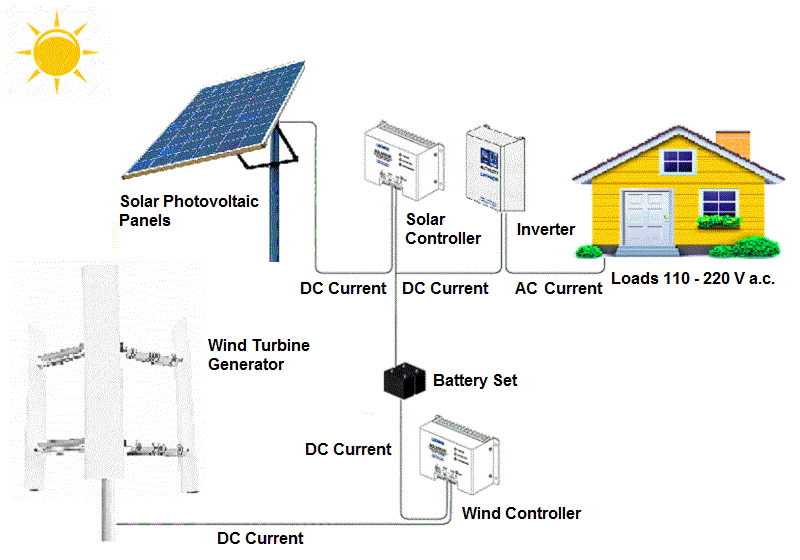
- Solar Panels (PV Arrays): These are the familiar panels that convert sunlight directly into electricity (DC power). We’re talking high-efficiency monocrystalline or polycrystalline panels, typically mounted on your roof or a ground-mounted array. Their size and number depend on your energy consumption and available sunlight.
- Wind Turbine: A smaller-scale turbine designed for residential use. These come in two main types: horizontal-axis wind turbines (HAWTs), which look like traditional windmills, and vertical-axis wind turbines (VAWTs), which are often more compact and can operate in turbulent winds. Sizing is crucial, usually ranging from 1kW to 10kW for most homes, and the tower height needs to be adequate to capture consistent wind.
- Hybrid Charge Controller: This is the brain of your system. It intelligently manages the power coming from both the solar panels and the wind turbine, optimizing charging for your battery bank and ensuring no overcharging or damage. It’s critical for efficiency and safety.
- Battery Storage Bank: Absolutely crucial for energy independence. Batteries store excess electricity generated by your panels and turbine, allowing you to use that power when the sun isn’t shining or the wind isn’t blowing. Modern lithium-ion batteries are popular for their efficiency and lifespan, though lead-acid options are also available.
- Inverter: Your home appliances run on AC (alternating current) power. Solar panels and batteries produce DC (direct current). The inverter is the component that converts the DC power from your system into usable AC power for your home. In hybrid systems, you’ll often see a hybrid inverter that can manage both grid power and your renewable sources.
- Balance of System (BOS): This term encompasses all the other essential bits and pieces: wiring, conduits, mounting hardware for panels and turbine, safety disconnects, circuit breakers, and metering equipment. Don’t underestimate the importance of these components for a safe and efficient system.
Is a Hybrid System Right for YOUR Home? Pros, Cons, and Ideal Scenarios
Deciding to invest in a hybrid system is a significant step. Let’s weigh the benefits against the challenges to see if it aligns with your goals.
The Advantages: Why Go Hybrid?
When you combine wind and solar, you unlock some compelling benefits:
- Enhanced Reliability & Energy Security: This is perhaps the biggest draw. With two independent generation sources, your home is less vulnerable to a single point of failure or periods of low production from one source. You get closer to true 24/7 power potential.
- Optimized Energy Production: Hybrid systems are fantastic at mitigating the intermittency inherent in standalone solar or wind. Solar produces during the day, wind often picks up at night or during cloudy weather. This balanced approach means more consistent energy capture throughout the day and year.
- Reduced Grid Dependence: Whether you’re aiming for partial grid reliance or full off-grid living, a hybrid system with battery storage pushes you closer to self-sufficiency. You’ll buy less electricity from your utility, gaining more control over your energy future.
- Potential for Higher ROI in Specific Locations: In areas with consistently good wind and sun resources, and especially where utility electricity rates are high, the combined output of a hybrid system can accelerate your payback period and deliver significant long-term savings.
- Environmental Benefits: Doubling down on renewables means a substantially smaller carbon footprint for your household. You’re actively contributing to cleaner air and a healthier planet by reducing reliance on fossil fuels.
The Disadvantages: What to Consider Carefully
It’s important to have realistic expectations:
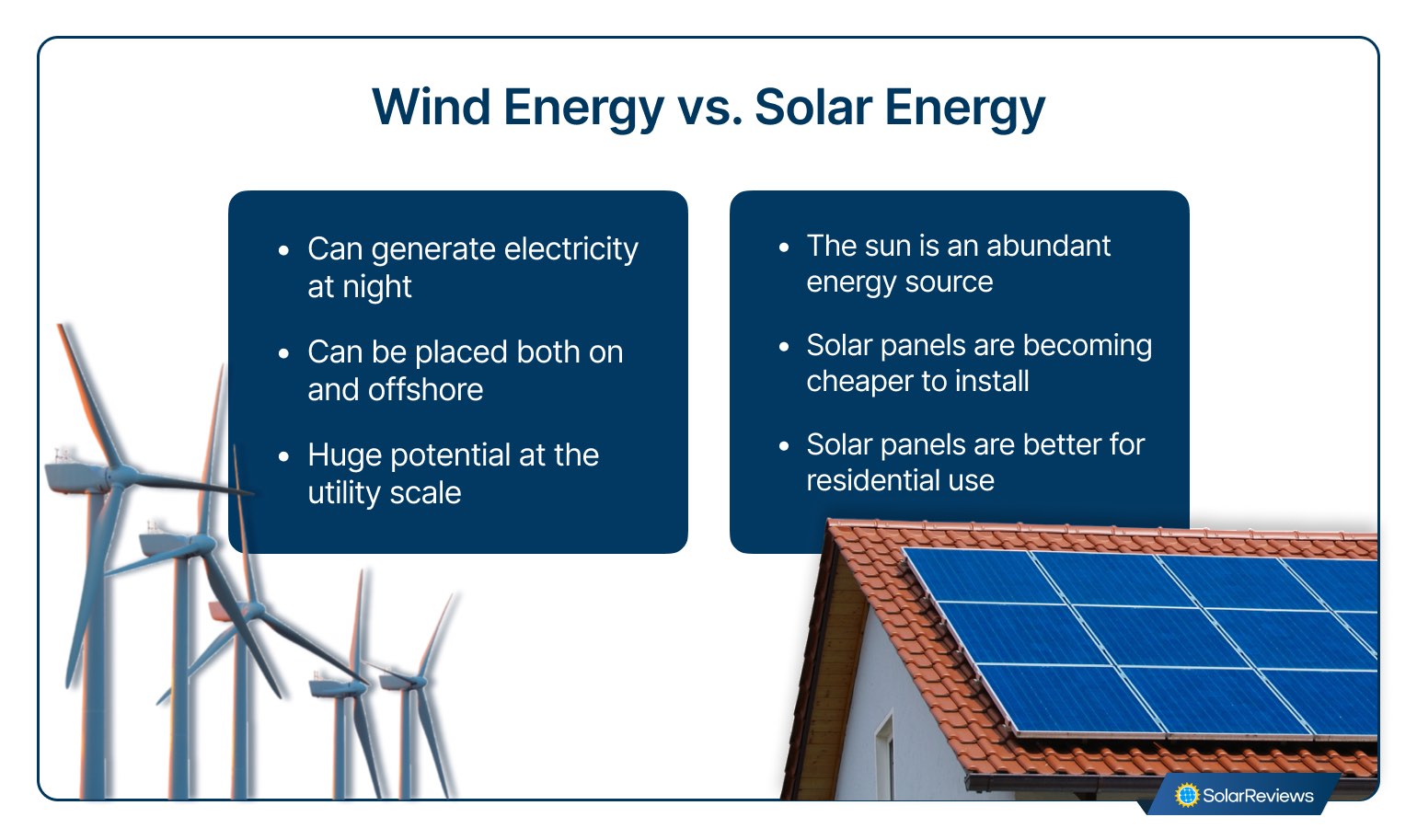
- Higher Upfront Costs: Let’s be frank: installing both a solar array and a wind turbine, plus the necessary controllers and battery storage, is a larger initial investment than a standalone solar system. More components mean higher material and installation costs.
- Site-Specific Requirements: Not every home is suitable. You need good, unobstructed wind access (which often means a tall tower and a clear area around it) AND ample sunlight. Urban environments with tall buildings and trees can pose significant challenges for wind turbines.
- Maintenance: While modern systems are durable, two generating systems mean more components to potentially inspect and maintain over time. Turbines have moving parts that require periodic checks.
- Permitting & Zoning Complexity: Adding a wind turbine, especially one requiring a tall tower, can introduce additional permitting challenges and zoning restrictions that solar panels alone might not. Neighbors might have aesthetic concerns.
Who Benefits Most? Ideal Application Scenarios:
A hybrid system truly shines in particular situations:
- Rural or remote properties: If you’re far from grid infrastructure, the cost of extending utility lines can dwarf the cost of a hybrid system, making off-grid hybrid power an incredibly attractive and often more economical solution.
- Homes in areas with consistent wind and sun resources: This is key. A professional site assessment will determine if your location has sufficient, reliable wind speeds and solar irradiance to justify the investment.
- Homeowners prioritizing energy independence and resilience: If avoiding power outages and having complete control over your energy supply is a top priority, a hybrid system with ample battery storage is a robust answer.
- Regions with high electricity costs and favorable incentives: The financial case strengthens significantly where utility rates are punitive and state/federal incentives (like tax credits or rebates) help offset the initial investment.
Decoding the Costs: What to Expect for Your Investment
This is often the first question homeowners ask, and it’s a good one. The cost of a residential wind and solar hybrid system can vary widely based on size, components, and installation complexity. Generally, you’re looking at a significant investment, but one with long-term returns.
System Size vs. Cost
A typical residential hybrid system might range from 5 kW to 15 kW of combined generating capacity. Here’s a general breakdown of what contributes to the cost:
- Solar Panels: Costs have fallen dramatically, but quality panels, mounting, and wiring still contribute.
- Wind Turbine: The turbine unit itself, plus the crucial tower. Taller towers cost more but access better wind.
- Batteries: A major cost component, especially for substantial storage. Lithium-ion batteries offer great performance but come at a premium.
- Hybrid Inverter & Charge Controller: Essential electronic components that manage power flow.
- Balance of System (BOS): All the wires, disconnects, hardware, and safety equipment.
Installation Costs
This is more than just hardware. You need to factor in:
- Labor: Professional installers are highly skilled and ensure safety and compliance.
- Site Preparation: Trenching, foundation work for the turbine tower, electrical upgrades.
- Permitting & Inspections: Local regulations require approvals and checks, which have associated fees.
Ongoing Costs
Don’t forget the long game:
- Maintenance: Periodic cleaning of panels, inspection of turbine, battery checks. While relatively low, these are costs.
- Insurance: Your homeowner’s policy may need an update to cover the new assets.
Sample Cost Table: Estimated Residential Hybrid System Costs (USA)
| System Size (Combined kW) | Estimated Total Cost Range (USD) | Typical Components | Ideal For |
|---|---|---|---|
| 5 kW (e.g., 4kW Solar, 1kW Wind) | $35,000 – $60,000 | Small solar array, compact wind turbine (e.g., 20-30 ft tower), basic battery bank (5-10 kWh) | Small homes, cabins, partial grid offset, areas with moderate energy needs |
| 10 kW (e.g., 7kW Solar, 3kW Wind) | $60,000 – $90,000 | Medium solar array, mid-size wind turbine (e.g., 30-50 ft tower), moderate battery bank (10-20 kWh) | Average-sized homes, significant grid offset, enhanced energy independence |
| 15 kW+ (e.g., 10kW Solar, 5kW Wind) | $90,000 – $150,000+ | Large solar array, powerful wind turbine (e.g., 50-80 ft tower), substantial battery bank (20+ kWh) | Large homes, off-grid primary residences, high energy consumption, business integration |
Note: These are rough estimates. Actual costs will vary significantly based on location, specific equipment chosen, installation complexity, and local labor rates. Always get multiple quotes from certified installers.
Financing Options
Don’t let the upfront cost deter you. Many options exist:
- Home Equity Loans/Lines of Credit: Use your home’s equity to finance the project.
- Secured/Unsecured Green Loans: Specific loans designed for energy-efficient upgrades, often with favorable terms.
- PACE (Property Assessed Clean Energy) Programs: Available in some areas, these allow you to finance improvements through property tax assessments.
Maximizing Your ROI: Incentives, Savings, and Payback
The financial equation for hybrid systems goes beyond just the purchase price. Significant incentives and long-term savings can dramatically improve your return on investment (ROI).
Federal Tax Credits: The Investment Tax Credit (ITC)
The most impactful incentive in the U.S. is often the federal solar tax credit, also known as the Investment Tax Credit (ITC). It applies to both solar PV systems and residential wind turbines. Currently, it allows you to deduct a significant percentage of the cost of installing a qualifying renewable energy system from your federal taxes. This is a dollar-for-dollar reduction in your tax liability, not just a deduction from your income. Be sure to check current rates as they can change.
State & Local Incentives
Beyond federal programs, many states, counties, and even cities offer their own incentives:
- Rebates: Direct payments or credits for installing renewable energy systems.
- SRECs (Solar Renewable Energy Credits): In some markets, you can generate and sell credits for the clean energy your system produces.
- Property Tax Exemptions: Some areas exempt the added value of a renewable energy system from property tax assessments.
- Sales Tax Exemptions: Reducing the upfront cost further.
It’s crucial to research what’s available in your specific zip code, as these programs can make a substantial difference to your net cost.
Net Metering & Grid-Tied Systems
If your hybrid system is grid-tied (connected to the utility grid), net metering policies are key. Net metering allows you to send any excess electricity your system generates back to the grid. In return, you receive credits on your electricity bill, essentially running your meter backward. This is a powerful way to maximize the value of your generated power, especially during periods when your production exceeds your immediate home consumption.
Off-Grid vs. Grid-Tied Considerations
The financial implications differ significantly between these two approaches:
- Grid-Tied: Generally lower battery storage requirements (since the grid acts as a backup), potential for net metering credits, and often lower overall upfront costs. You still pay a connection fee to the utility, but your energy bills can be drastically reduced or even eliminated.
- Off-Grid: Requires a larger battery bank and often a backup generator for true independence. While installation costs might be higher due to extensive storage, you eliminate monthly utility bills entirely. This is often more cost-effective in very remote locations where grid extension costs are prohibitive.
Calculating Your Payback Period
The payback period is the time it takes for your energy savings (and incentives) to equal your initial investment. For a residential hybrid system, this can vary widely, typically ranging from 7 to 20 years. Factors influencing your payback period include:
- Initial system cost (after incentives)
- Your local electricity rates (higher rates mean faster payback)
- Your energy consumption habits
- The performance of your system (based on sun/wind resources)
- Changes in energy prices over time
A professional installer can provide a detailed financial projection tailored to your specific situation.
The Installation Journey: From Site Assessment to Switch On
Installing a hybrid wind and solar system is a multi-step process that requires careful planning and execution. Here’s what you can expect:
Step 1: Site Assessment
This is the absolute first and most crucial step. A qualified professional will visit your property to evaluate:
- Wind Resource Mapping: Using specialized tools and potentially historical wind data, they’ll assess average wind speeds, prevailing wind directions, and identify any obstructions (trees, buildings) that could create turbulence or block airflow for a turbine.
- Solar Irradiance: Analyzing sun exposure on potential panel locations, identifying shading patterns throughout the year.
- Space Availability: Ensuring adequate space for both solar panels (roof or ground mount) and a wind turbine tower, respecting setback requirements and aesthetic considerations.
- Structural Integrity: Assessing your roof’s capacity for solar panels and the ground’s stability for a turbine tower foundation.
- Energy Audit: Understanding your current and projected electricity consumption to accurately size the system.
Step 2: System Design & Sizing
Based on the site assessment and your energy goals, the installer will design a custom system. This involves:
- Determining the optimal number and type of solar panels.
- Selecting the appropriate size and height for your wind turbine.
- Sizing the battery bank to meet your autonomy needs (how long you can run without sun/wind).
- Choosing the right inverter, charge controller, and other balance of system components.
- Creating detailed schematics for electrical connections and structural mounting.
Step 3: Permitting & Approvals
This phase can sometimes be the most time-consuming. Your installer will typically handle:
- Obtaining necessary building permits from local authorities.
- Securing any required zoning variances for the wind turbine tower.
- Navigating utility company interconnection agreements for grid-tied systems.
- Ensuring compliance with local aesthetic guidelines or HOA rules.
Step 4: Component Sourcing & Installation
Once permits are secured, the physical work begins:
- Solar Panel Installation: Mounting racks are secured, and panels are installed and wired.
- Wind Turbine Installation: The tower foundation is prepared, the tower is erected, and the turbine head is hoisted and assembled. This often requires specialized equipment.
- Electrical Work: Connecting all components (panels, turbine, batteries, inverter, controller) with appropriate wiring, conduits, and safety devices to your home’s electrical panel.
- Battery Bank Setup: Installing and wiring the battery storage system safely.
While some adventurous DIYers might tackle parts of a solar installation, a hybrid system, particularly with a wind turbine and battery storage, is highly complex. Professional installation is strongly recommended to ensure safety, efficiency, and compliance with all codes and warranties.
Step 5: Connection & Commissioning
The final steps involve bringing your system online:
- Inspections: Local building inspectors and utility representatives (for grid-tied systems) will perform final checks to ensure everything meets code.
- Grid-Tied Activation: For grid-tied systems, the utility company will give the final approval to connect and activate net metering.
- System Commissioning: The installer will power up the system, test all components, and calibrate the controller to ensure optimal performance. They’ll also typically provide a thorough walkthrough of your new system and its monitoring capabilities.
Living with Hybrid Power: Maintenance and Longevity
Once your hybrid system is up and running, it’s designed for long-term, low-hassle operation. However, a little preventative care goes a long way in ensuring its longevity and efficiency.
Routine Maintenance Tasks
- Solar Panels: Periodically clean your solar panels to remove dirt, dust, leaves, or snow, especially if you notice a drop in production. Rainfall often handles this, but manual cleaning with water and a soft brush can boost efficiency.
- Wind Turbine: Inspect the turbine blades for any damage or debris annually. Check for any unusual noises or vibrations. Lubrication might be required for some models. The tower should be inspected for structural integrity.
- Battery Bank: If you have lead-acid batteries, regular checks of electrolyte levels and terminal cleaning are necessary. Lithium-ion batteries are generally maintenance-free but benefit from occasional monitoring of their performance.
- System Monitoring: Most modern systems come with monitoring software (often accessible via a smartphone app). Regularly check your system’s performance to catch any anomalies early.
Troubleshooting Common Issues
While rare, issues can arise. Common culprits might include:

- Reduced Output: Often due to dirt on panels, low wind, or a temporary system shutdown for safety (e.g., during a severe storm).
- Inverter Errors: Your inverter will usually display error codes if there’s a problem. Consult your manual or contact your installer.
- Battery Issues: If your batteries aren’t holding a charge, it could be an issue with the charge controller or the batteries themselves nearing the end of their lifespan.
For any significant issues, always consult your professional installer or a qualified electrician. Do not attempt complex repairs yourself.
System Longevity & Warranties
The good news is that these systems are built to last:
- Solar Panels: Typically come with 25-year performance warranties, guaranteeing a certain percentage of original output.
- Wind Turbines: Generally have a lifespan of 20-30 years with proper maintenance, though specific components might need replacement sooner.
- Inverters: Often come with 10-12 year warranties, with extended options available.
- Batteries: Lifespan varies by type. Lithium-ion batteries can last 10-15 years or more, depending on cycles and usage.
Always review the warranty details for each component before purchase. A robust warranty package provides peace of mind and protects your investment.
Your Path to Energy Independence Starts Now
Choosing a residential wind and solar power system is more than just an upgrade; it’s an investment in your home’s future, your financial stability, and the health of our planet. The prospect of generating your own clean, reliable electricity, day and night, offers a profound sense of independence and security.
While the journey requires careful consideration and an initial investment, the long-term benefits are substantial. From drastically reduced utility bills and protection against energy price volatility to a significantly lower carbon footprint, a hybrid system puts you in control.
Ready to explore what’s possible for your property? The next step is simple: consult with reputable, certified renewable energy installers. Get multiple quotes, ask plenty of questions, and ensure they perform a thorough site assessment. Your path to energy independence is waiting.
Frequently Asked Questions
How much does a residential wind and solar hybrid system typically cost?
A residential wind and solar hybrid system can cost anywhere from $35,000 to over $150,000, depending on the system size, components chosen (e.g., battery capacity, turbine size), and installation complexity. A typical 10 kW system for an average-sized home might range from $60,000 to $90,000 before incentives.
Can I really power my entire home with a hybrid wind and solar system?
Yes, it is absolutely possible to power your entire home, or even go completely off-grid, with a properly sized residential wind and solar hybrid system, especially when combined with a robust battery storage bank. The key is accurate energy consumption assessment and system design tailored to your specific needs and location’s resources.
Are residential wind turbines noisy or visually intrusive?
Modern residential wind turbines are designed to be much quieter than older models, with many operating below the ambient noise level in a rural setting. Visual intrusion is subjective, but regulations often dictate setback requirements and maximum tower heights to mitigate concerns. Vertical-axis turbines are often more compact and can be less visually prominent.
What kind of maintenance do hybrid wind and solar systems require?
Maintenance is generally low. It primarily involves routine checks like cleaning solar panels (especially after heavy dust or snow), annual inspection of the wind turbine for wear or damage, and periodic monitoring of battery performance. Most systems have remote monitoring capabilities to alert you to any issues.
What’s the difference between a grid-tied and an off-grid hybrid system?
A grid-tied system remains connected to the utility grid, using it as a backup and potentially selling excess power back through net metering. An off-grid system is completely independent of the utility grid, relying solely on its generated power and battery storage, often with a backup generator for emergencies. Off-grid systems require larger battery banks.
How long does it take for a hybrid wind and solar system to pay for itself?
The payback period for a hybrid system can vary significantly, typically ranging from 7 to 20 years. Factors influencing this include the initial cost (after incentives), local electricity rates, your energy consumption, and the consistency of sun and wind resources at your location.
Do I need a battery bank with a hybrid wind and solar system?
While not strictly mandatory for grid-tied systems (where the grid acts as a “virtual battery” via net metering), a battery bank is highly recommended for hybrid systems. It significantly enhances energy independence, provides backup power during outages, and allows you to store excess generation for use when sun or wind resources are low, maximizing your self-sufficiency.


Post Comment