Solar Panels And Wind Turbines For Homes
Powering Your Home with Solar Panels and Wind Turbines: The Ultimate Guide to Hybrid Systems
Dreaming of energy independence? Tired of volatile utility bills? You’re not alone. Many homeowners are looking to tap into renewable energy, and the idea of combining solar panels with wind turbines often comes up. It’s a compelling vision: harnessing the sun by day and the wind by night, creating a truly resilient and sustainable power source right at home.
Table of Contents
- Powering Your Home with Solar Panels and Wind Turbines: The Ultimate Guide to Hybrid Systems
- Solar vs. Wind: Understanding the Fundamentals for Home Use
- How Solar Panels Work for Your Home
- How Wind Turbines Work for Your Home
- The Best of Both Worlds: Why Hybrid Solar-Wind Systems Make Sense
- What is a Hybrid Solar-Wind System?
- Key Components of a Home Hybrid System
- How a Hybrid System Balances Your Energy Needs
- Is a Hybrid System Right for Your Home? Site Assessment and Feasibility
- Evaluating Your Home’s Energy Needs
- Assessing Your Property for Solar Potential
- Assessing Your Property for Wind Potential
- Costs, Savings, and Incentives: Making the Financial Case
- Understanding Installation Costs (Solar, Wind, Hybrid)
- The Payback Period and ROI
- Navigating US Incentives and Rebates
- Installation, Maintenance, and Longevity
- The Installation Process: What to Expect
- Day-to-Day Operation and Maintenance
- Lifespan of Your System Components
- Environmental Impact and Sustainability Beyond Energy Bills
- Reducing Your Carbon Footprint
- Energy Independence and Grid Resilience
- Making Your Decision: Next Steps Towards a Sustainable Home
- Consult Professionals
- Start Small or Go Big?
- Prioritize Your Goals (Cost, Independence, Environment)
But is a solar-wind hybrid system truly right for your home? It’s a complex question with many factors at play, from your property’s unique characteristics to your energy consumption habits and local regulations. This guide will walk you through everything you need to know, helping you understand the pros, cons, costs, and practicalities of integrating both solar and wind power into your residential energy strategy.
Solar vs. Wind: Understanding the Fundamentals for Home Use
Before we dive into combining these technologies, let’s understand each one individually. Both solar panels and wind turbines capture natural forces to generate electricity, but they do so in fundamentally different ways, each with its own set of advantages and challenges.
How Solar Panels Work for Your Home
Solar photovoltaic (PV) panels convert sunlight directly into electricity. When photons from the sun strike the silicon cells in a panel, they knock electrons loose, creating an electric current. This current is Direct Current (DC), which then flows to an inverter that converts it into Alternating Current (AC) – the type of electricity your home appliances use.
- Key Components: Solar panels, inverter (string or microinverters), mounting hardware, electrical wiring, and often a monitoring system. For off-grid or hybrid systems, batteries are also crucial for storage.
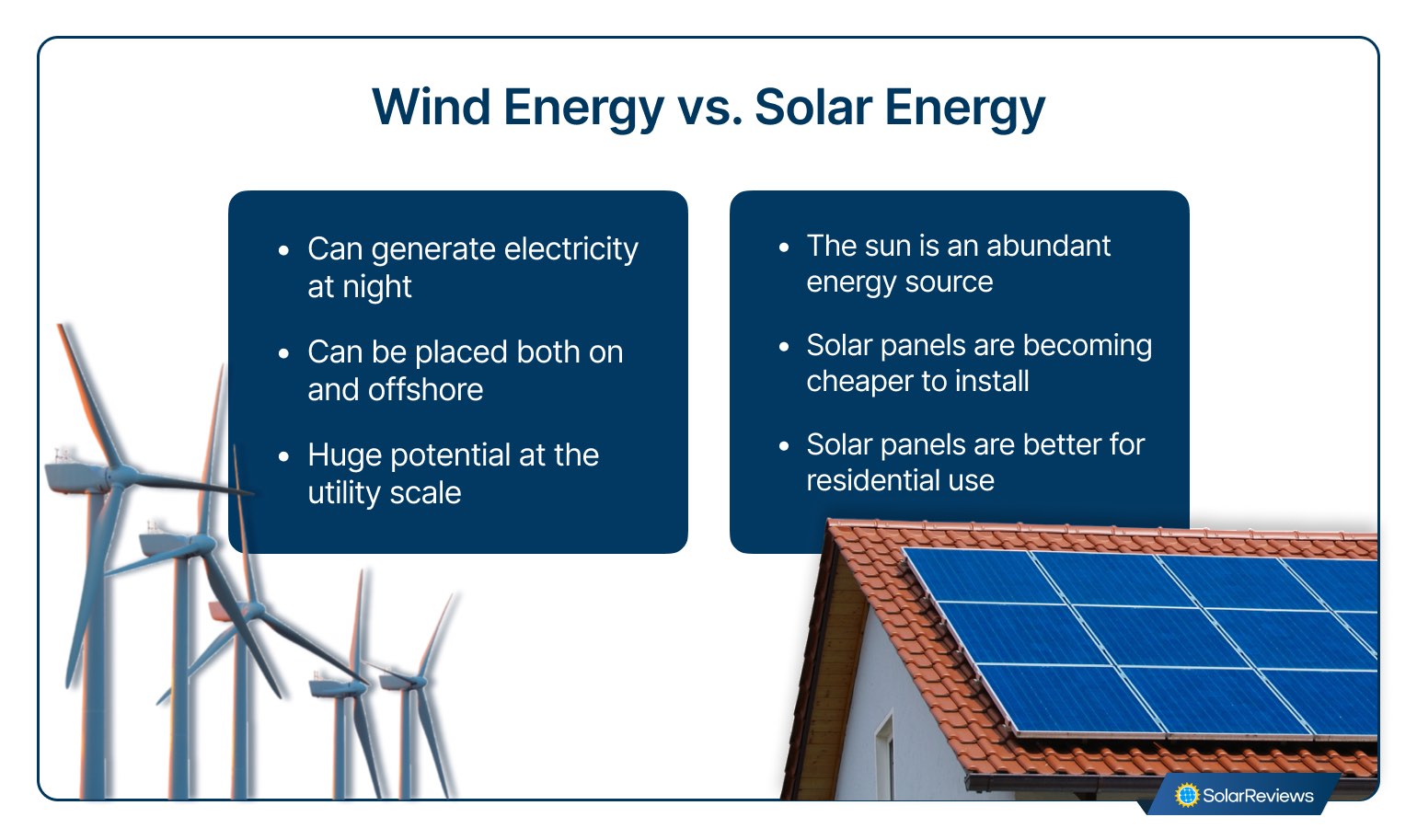
- Pros: Solar technology is mature, reliable, and quiet. Panels have a long lifespan (25+ years, often with performance guarantees), require minimal maintenance, and are widely accepted visually. Federal and state incentives (like the Investment Tax Credit in the USA) make them financially attractive.
- Cons: Solar power is intermittent; it only works when the sun shines. Output significantly drops on cloudy days or during winter months. It requires adequate, unshaded roof or ground space, and the upfront cost can be substantial.
How Wind Turbines Work for Your Home
A residential wind turbine uses blades to capture the kinetic energy of the wind. As the wind turns the blades, they spin a rotor, which is connected to a generator that produces electricity. The faster the wind blows, the more electricity the turbine can generate. Like solar, the generated power is often DC, which then needs to be converted to AC by an inverter.
- Key Components: Turbine (blades, rotor, nacelle housing the generator), tower (guyed or free-standing), charge controller (if charging batteries), inverter, and electrical wiring.
- Pros: Wind turbines can generate power day and night, whenever there’s sufficient wind. They often perform exceptionally well in winter months when solar output is lower. In areas with consistent wind, they can produce a significant amount of electricity in a relatively small ground footprint (though the tower needs height).
- Cons: Wind turbines require specific, consistent wind conditions to be effective. They can be noisy (though modern designs are quieter) and are often seen as a visual impact on a landscape. Permitting can be challenging due to zoning laws, height restrictions, and proximity to neighbors. Maintenance can be more involved than solar, with moving parts.
To help you weigh the initial considerations, here’s a quick comparison:
| Feature | Solar Panels | Wind Turbines |
|---|---|---|
| Initial Cost (per kW installed) | $2.50 – $4.00 | $3.00 – $8.00+ |
| Space Required | Significant roof or ground area (approx. 100 sq ft per kW) | Smaller ground footprint, but requires tall, clear tower space |
| Ideal Conditions | Abundant direct sunlight, minimal shading | Consistent average wind speeds (at least 10-12 mph) |
| Energy Output Profile | Daytime generation, peaks at noon; lower in winter | Day and night generation; often stronger in fall/winter |
| Maintenance | Low (occasional cleaning) | Moderate (periodic checks of moving parts, bearings, blades) |
| Noise | Silent | Can be audible, depending on size and design |
| Visual Impact | Generally well-accepted on roofs | Tall structure, can be a visual concern for some |
| Efficiency (system) | 15-22% (of solar energy hitting panel) | 20-40% (of wind energy captured by blades) |
| Lifespan | 25-30+ years | 20-25+ years (with proper maintenance) |
The Best of Both Worlds: Why Hybrid Solar-Wind Systems Make Sense
Now that we understand the individual strengths and weaknesses, the appeal of a hybrid system becomes clear. It’s about hedging your bets and capitalizing on the complementary nature of these two powerful energy sources.
What is a Hybrid Solar-Wind System?
A hybrid solar-wind system combines photovoltaic panels and a small wind turbine to generate electricity for your home. The core idea is synergy: when one resource is weak, the other can compensate. For instance, sunny days often have lighter winds, while cloudy, stormy days or winter often bring stronger winds but less sun. By integrating both, you create a more consistent, reliable, and robust energy supply.
This approach significantly reduces your reliance on the grid, minimizes the impact of weather fluctuations, and can provide greater energy independence, especially for off-grid applications.
Key Components of a Home Hybrid System
Beyond the solar panels and wind turbine themselves, a hybrid system requires several critical components to function seamlessly:
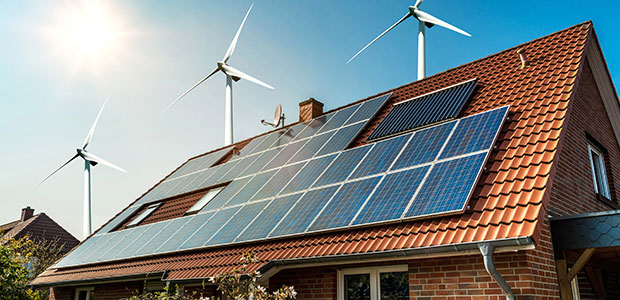
- Solar Panels: Your primary daytime power source.
- Wind Turbine: Your supplementary or primary nighttime/windy-day power source.
- Hybrid Charge Controller: This is the brain of your hybrid system. It manages the power flow from both the solar panels and the wind turbine, ensuring that batteries are charged efficiently and safely, preventing overcharging. It’s designed to prioritize charging and manage diverse inputs.
- Battery Bank: Essential for storing excess energy generated when production exceeds consumption. This stored energy is then used when generation is low (e.g., at night, on calm days, or during peak demand). The size of your battery bank will determine your energy autonomy.
- Inverter: Converts the DC electricity from your panels, turbine, and batteries into usable AC electricity for your home. For grid-tied systems, it also manages interaction with the utility grid.
- Monitoring System: Allows you to track energy production from both sources, battery status, and overall system performance, helping you optimize usage.
- Grid-Tie Inverter (Optional): If you’re connecting to the utility grid, this inverter allows you to sell excess power back to the grid (net metering) and draw power when your system isn’t producing enough.
How a Hybrid System Balances Your Energy Needs
Imagine a typical day: In the morning, the sun begins to rise, and your solar panels start generating power. This power first meets your home’s immediate needs, and any excess charges your battery bank. As the day progresses, if the wind picks up, the wind turbine also starts contributing, adding more power to your batteries or directly to your home.
As evening approaches, solar production wanes, but if it’s a windy night, your turbine continues to generate, topping up your batteries or providing direct power. If both sources are low, your home draws from the stored energy in your battery bank. For grid-tied systems, if your batteries are full and you’re still producing excess, that power can be sent back to the grid, potentially earning you credits. If your system can’t meet demand (e.g., during a long stretch of cloudy, calm weather), you can draw power from the grid.
This intelligent balancing act maximizes your self-sufficiency and ensures a more stable power supply than either technology could offer alone.
Is a Hybrid System Right for Your Home? Site Assessment and Feasibility
Deciding if a hybrid system is feasible requires a thorough look at your specific property and energy habits. This isn’t a one-size-fits-all solution.
Evaluating Your Home’s Energy Needs
Before investing, you need to understand how much electricity your home uses. Gather your utility bills for the last 12-24 months to see your average monthly and annual consumption (in kilowatt-hours, kWh). Consider any future changes, like adding an EV charger or switching to electric heating. An energy audit can help you identify opportunities to reduce consumption, which in turn reduces the size and cost of the renewable system you’ll need.
Assessing Your Property for Solar Potential
Look for unshaded roof space or ground area that faces south (in the Northern Hemisphere). A professional installer can perform a solar site assessment, considering factors like:
- Sun Exposure: Does the area receive direct sunlight for most of the day, year-round?
- Shading: Are there trees, neighboring buildings, or other obstructions that cast shadows on your potential solar array, especially during peak sunlight hours?
- Roof Condition/Orientation: Is your roof structurally sound, and does it have an ideal pitch and orientation?
Assessing Your Property for Wind Potential
This is often the trickiest part for residential systems. Wind turbines need consistent, unobstructed wind. What feels like a breezy day to you might not be enough to generate significant power. Key factors include:
- Average Wind Speed: You need an average annual wind speed of at least 10-12 mph (4.5-5.5 m/s) to make a small wind turbine economical. Local meteorological data, airport weather stations, or even a professional wind assessment using an anemometer can provide this data.
- Obstructions: Trees, hills, and buildings create turbulence and block wind. The general rule is that a wind turbine’s tower should be at least 20 feet higher than any obstruction within 500 feet.
- Zoning Laws and Permitting: Many residential areas have strict regulations regarding tower height, setbacks from property lines, and noise. Check with your local planning department early in the process.
Here’s a snapshot of ideal conditions:
| Factor | Ideal for Solar Panels | Ideal for Wind Turbines |
|---|---|---|
| Geographic Location | Southwestern US, sunny regions | Coastal areas, plains, elevated ridges, open country |
| Site Characteristics | Unshaded south-facing roof or ground space | Large property, clear of tall obstructions, good average wind speed |
| Energy Demand Profile | High daytime usage, moderate nighttime | Consistent usage, especially overnight/winter |
Costs, Savings, and Incentives: Making the Financial Case
For most homeowners, the financial aspect is a critical determinant. While the upfront costs can be significant, the long-term savings and available incentives can make renewable energy a smart investment.
Understanding Installation Costs (Solar, Wind, Hybrid)
The total cost of a residential renewable energy system varies widely based on size, components, labor rates, and specific site challenges. Here’s a general breakdown:
- Solar-Only System: For a typical 5-10 kW grid-tied solar system in the USA, expect to pay anywhere from $15,000 to $30,000+ before incentives. Adding battery storage can easily add another $10,000 to $20,000.
- Small Wind Turbine System: A residential wind turbine (1-10 kW) can range from $10,000 to $50,000+, with tower costs being a significant factor. Lower kW turbines are on the lower end, larger ones on the higher.
- Hybrid Solar-Wind System: Combining both will naturally incur costs for each system, plus the specialized hybrid charge controller and potentially larger battery bank. A comprehensive hybrid system (e.g., 5kW solar + 3kW wind with battery storage) could easily be in the range of $40,000 to $80,000+ before incentives.
These figures include major components, installation labor, permitting, and interconnection fees. Remember, these are averages, and a detailed quote from a local installer is essential for accurate pricing.
The Payback Period and ROI
The “payback period” is the time it takes for your energy savings to offset the initial investment. This varies wildly based on:
- System Cost: Lower initial cost means a faster payback.
- Energy Production: How much electricity your system actually generates.
- Utility Rates: Higher electricity prices from your utility lead to greater savings and a quicker payback.
- Incentives: Tax credits, rebates, and net metering policies drastically reduce the net cost and improve ROI.
For solar-only systems, payback periods in the USA often range from 6-12 years. For wind or hybrid systems, due to potentially higher initial costs and site-specific wind requirements, the payback might be longer, potentially 10-20 years, but the enhanced reliability can be an intangible benefit.
Navigating US Incentives and Rebates
The financial viability of renewable energy for homeowners in the USA is significantly boosted by various incentives:
- Federal Solar Tax Credit (ITC): The most substantial incentive, currently offering a 30% tax credit for both solar PV and battery storage systems installed on residential properties. This also applies to small wind turbines!
- State and Local Programs: Many states offer additional tax credits, rebates, or performance-based incentives (like SRECs in some regions). Your state or local energy office is the best resource.
- Net Metering: Allows you to sell excess electricity generated by your system back to the utility grid, earning credits on your bill. Policies vary significantly by state and utility.
- Property Assessed Clean Energy (PACE) Programs: Available in some areas, these programs allow property owners to finance energy efficiency and renewable energy improvements through an assessment on their property tax bill.
Always consult with a reputable installer and a tax professional to understand which incentives apply to your specific situation.
| System Type | Avg. Initial Cost (5-10kW) | Avg. Payback Period (USA, after ITC) | Key Factors Influencing Cost |
|---|---|---|---|
| Solar-Only (Grid-Tied) | $15,000 – $30,000 | 6-10 years | Panel efficiency, roof complexity, labor rates |
| Solar-Only (Off-Grid w/ Battery) | $25,000 – $50,000+ | 10-15+ years | Battery capacity, backup power needs |
| Small Wind Turbine (Grid-Tied) | $10,000 – $40,000+ | 10-20+ years | Turbine size, tower height, installation complexity |
| Small Wind Turbine (Off-Grid w/ Battery) | $20,000 – $60,000+ | 15-25+ years | Battery capacity, wind resource consistency |
| Hybrid Solar-Wind (Grid-Tied w/ Battery) | $40,000 – $80,000+ | 12-20+ years | System complexity, combined component costs, site prep |
Installation, Maintenance, and Longevity
Once you’ve decided a hybrid system is right for you, understanding the practicalities of installation and ongoing care is crucial.
The Installation Process: What to Expect
Installing a hybrid system is a significant project that typically involves several steps:
- Site Assessment & Design: Professionals evaluate your property’s solar and wind resources, energy needs, and structural integrity. They’ll design a system tailored to your home.
- Permitting: This can be extensive. You’ll need permits from your local municipality for electrical work, building, and often specific permits for wind turbine tower height and setbacks. Interconnection agreements with your utility are also required for grid-tied systems.
- Equipment Procurement: Ordering and receiving solar panels, wind turbine, inverter, charge controller, batteries, and all necessary mounting hardware.
- Installation: This involves mounting solar panels (roof or ground), erecting the wind turbine tower and turbine, wiring all components, installing the inverter and battery bank, and integrating with your home’s electrical system. This phase requires skilled electricians and construction crews.
- Inspection & Interconnection: After installation, the system will be inspected by local authorities to ensure compliance with codes. For grid-tied systems, the utility company will then give final approval to interconnect your system to the grid.
Day-to-Day Operation and Maintenance
While modern renewable energy systems are designed for durability, some maintenance is necessary to ensure optimal performance and longevity:
- Solar Panels: Generally low maintenance. Occasional cleaning (1-2 times a year) to remove dirt, dust, or snow can boost efficiency. Inspect for damage after severe weather.
- Wind Turbine: Requires more attention due to moving parts. Annual checks of bearings, blades, and the yaw mechanism are recommended. Ensure no obstructions are growing into the wind path. Lubrication and bolt tightening may be needed periodically.
- Batteries: If you have a lead-acid battery bank, regular monitoring of water levels and terminal cleaning is required. Lithium-ion batteries are lower maintenance but still benefit from periodic checks and monitoring.
- Inverter & Controller: Ensure they are clean, well-ventilated, and free from obstructions. Monitor performance data for any anomalies.
Lifespan of Your System Components
- Solar Panels: Typically come with 25-year performance warranties, often continuing to produce power for 30+ years, albeit at a slightly reduced efficiency.
- Wind Turbines: Residential turbines are designed to last 20-25 years, provided they receive proper maintenance. Moving parts like bearings may need replacement sooner.
- Inverters: String inverters usually last 10-15 years, while microinverters (often integrated with solar panels) can last 20-25 years.
- Batteries: Lifespan varies greatly by type and usage. Lead-acid batteries might last 5-15 years, while modern lithium-ion batteries can last 10-20 years or even longer with proper care and cycling.
Environmental Impact and Sustainability Beyond Energy Bills
Beyond the financial benefits, embracing solar and wind power for your home brings significant environmental and societal advantages.
Reducing Your Carbon Footprint
By generating your own clean electricity, you directly reduce your reliance on fossil fuels, which are typically used by traditional power plants. This cuts down on greenhouse gas emissions, mitigating your household’s contribution to climate change and air pollution. A hybrid system, by maximizing renewable capture, further amplifies this positive impact.
Energy Independence and Grid Resilience
Having your own power generation lessens your vulnerability to grid outages, especially when combined with battery storage. This enhanced resilience is invaluable during severe weather events or other disruptions. For those seeking true off-grid living, a robust hybrid system with ample battery storage can provide complete energy autonomy, liberating you from utility bills entirely.
Making Your Decision: Next Steps Towards a Sustainable Home
The journey to powering your home with solar panels and wind turbines is exciting, but it requires careful planning and realistic expectations. Here’s how to move forward:

Consult Professionals
The most important step is to engage with reputable, local renewable energy installers. They can perform detailed site assessments, provide accurate cost estimates, navigate permitting, and design a system perfectly matched to your needs and local conditions. Look for companies with strong track records, proper certifications, and good customer reviews.
Start Small or Go Big?
You don’t have to jump into a full hybrid system immediately. Many homeowners start with solar panels, gain experience, and then consider adding a wind turbine if their property proves suitable. Alternatively, you might prioritize energy efficiency upgrades first to reduce your overall power demand, thereby reducing the size and cost of any renewable system you install.
Prioritize Your Goals (Cost, Independence, Environment)
Reflect on what truly drives your interest: Is it maximum cost savings, complete energy independence, or minimizing your environmental impact? Your priorities will influence the optimal system design, from the size of your battery bank to the balance between solar and wind generation.
Embracing solar panels and wind turbines for your home isn’t just an investment in property; it’s an investment in your future, your finances, and the planet. With careful planning and the right partners, a hybrid system can provide a reliable, sustainable, and empowering energy solution for years to come.
Frequently Asked Questions
Can I really combine solar panels and wind turbines on my property?
Yes, combining solar panels and wind turbines in a ‘hybrid’ system is absolutely possible and often highly effective for residential use. These two technologies complement each other, as solar power is strong on sunny days, while wind power can be more consistent during cloudy periods, at night, or in winter. This combination provides a more reliable and consistent power supply than either system alone.
How much does a solar-wind hybrid system cost for a typical home?
The cost for a residential solar-wind hybrid system can vary significantly, typically ranging from $40,000 to $80,000+ before incentives for a comprehensive setup (e.g., 5kW solar + 3kW wind with battery storage). Factors like system size, battery capacity, tower height for the turbine, installation complexity, and local labor rates all influence the final price. However, substantial federal tax credits (like the 30% ITC) and state incentives can significantly reduce the net cost.
What are the key benefits of a hybrid system over just solar or just wind?
The primary benefit of a hybrid system is enhanced reliability and energy consistency. Solar panels produce during the day, while wind turbines can produce day and night, often excelling when solar is weak (e.g., cloudy days, winter, or at night). This synergy means you’re less dependent on a single weather condition, leading to greater energy independence, reduced reliance on the grid, and a more stable power supply for your home.
Do I need batteries for a solar and wind system?
Batteries are crucial for most residential solar and wind hybrid systems, especially if your goal is energy independence or off-grid living. They store excess electricity generated when the sun shines or the wind blows strongly, allowing you to use that power during periods of low production (like at night or during calm weather). While grid-tied systems without batteries exist (using net metering), adding battery storage provides backup power during outages and maximizes your self-consumption.
What permits and regulations are involved in installing these systems in the USA?
Installation of solar and wind systems in the USA typically requires multiple permits. You’ll need electrical and building permits from your local municipality. For wind turbines, there are often specific zoning regulations regarding tower height, setbacks from property lines, and noise limits, which can vary significantly by county or city. For grid-tied systems, you’ll also need an interconnection agreement with your utility company. It’s essential to check with your local planning department and a professional installer early in the process.
How much space do I need for a home wind turbine?
A residential wind turbine requires a significant amount of clear, unobstructed space, not just for its physical footprint but for optimal wind flow. The tower should typically be at least 20 feet taller than any obstruction (trees, buildings) within a 500-foot radius to avoid turbulence. This often means a larger property (e.g., several acres) in a rural or open area is more suitable than a typical suburban lot.
Will a hybrid system make my home completely energy independent?
A well-designed hybrid solar-wind system with sufficient battery storage can bring your home very close to, or even achieve, complete energy independence. However, achieving 100% off-grid reliability depends on accurately sizing the system to your energy consumption, ensuring adequate solar and wind resources, and having a large enough battery bank to cover extended periods of low generation. For many, a grid-tied hybrid system offers the best balance of independence and reliability, allowing you to draw from the grid only when absolutely necessary.


Post Comment