How To Make A Solar Panel Track The Sun
How to Make Your Solar Panels Track the Sun for Maximum Power (And Why You Should!)
Let’s be real: you’ve got solar panels, you’ve invested in clean energy, but are you truly harnessing every last ray of sunshine? If your panels are fixed in one spot, the answer is a resounding NO. Imagine a sunflower, instinctively turning its face towards the sun from dawn till dusk. That’s the kind of dedication we want for our solar panels.
Table of Contents
- How to Make Your Solar Panels Track the Sun for Maximum Power (And Why You Should!)
- Why Bother Making Your Solar Panel Track the Sun? The Unbeatable Benefits
- Significant Energy Gain: More Power, More Savings
- Optimized Performance Throughout the Day & Seasons
- Enhanced Return on Investment (ROI)
- Reduced Carbon Footprint (Greater Efficiency)
- Understanding Solar Tracking Technology: The Core Concepts
- Fixed vs. Tracking: A Quick Comparison
- Single-Axis Trackers: Simplicity Meets Efficiency
- Dual-Axis Trackers: The Ultimate Power Harvestors
- Passive vs. Active Tracking Systems
- What You’ll Need: Essential Components for a DIY Solar Tracker
- The Brain: Microcontroller (Arduino, ESP32)
- The Eyes: Light Dependent Resistors (LDRs) / Photoresistors
- The Muscles: Actuators (Servo Motors, Stepper Motors, Linear Actuators)
- The Power: Small Solar Panel (for the tracker itself) & Power Supply
- The Structure: Mounting Frame & Housing
- The Connectors: Wires, Breadboard, Jumper Cables
- Step-by-Step Guide: Building Your Own Solar Panel Tracker (DIY Project)
- Step 1: Design Your Tracker & Gather Materials
- Step 2: Assemble the Mechanical Frame
- Step 3: Install the Light Sensors (LDRs)
- Step 4: Mount the Actuator(s)
- Step 5: Wire Up the Circuit (Microcontroller, Sensors, Actuators)
- Step 6: Program the Microcontroller
- Step 7: Test and Calibrate Your System
- Step 8: Scale Up (Optional for larger panels)
- Programming the Tracker: The Intelligence Behind the Movement
- Basic Logic: Comparing Light Intensity
- Essential Code Elements (Input, Output, Loop, Conditional Statements)
- Advanced Programming (Time-based tracking, PID control, feedback loops)
- Common Challenges and Troubleshooting Your DIY Solar Tracker
- Inaccurate Tracking
- Motor Malfunctions
- Power Consumption Issues
- Environmental Durability
- Maintenance Tips for Long-Lasting Solar Tracking Performance
- Regular Cleaning
- Component Inspection
- Software Updates (if applicable)
- Is a DIY Solar Tracker Right for You? Cost vs. Benefit Analysis
- DIY Tracker: Pros and Cons
- Commercial Trackers: When to Buy, Not Build
- Beyond DIY: Advanced & Commercial Solar Tracking Solutions
- Utility-Scale Solar Farms
- AI and Machine Learning in Tracking
- Bifacial Panels with Tracking
- Conclusion: Harnessing Every Ray of Sunshine
You’re here because you understand the potential. You know that a static panel, even if perfectly angled for noon, misses out on valuable energy in the morning and late afternoon. This isn’t just about a marginal gain; it’s about unlocking significantly more power from your existing setup. And the best part? You can build a system that does exactly that. This guide will show you how to transform your stationary solar panel into a dynamic, sun-seeking powerhouse.
Why Bother Making Your Solar Panel Track the Sun? The Unbeatable Benefits
It’s a fair question. Why add complexity? The answer is simple: efficiency and savings. A fixed solar panel is a bit like holding a bucket out in a rainstorm – you’ll catch some water, but if you could move the bucket to stay directly under the heaviest downpour, you’d collect a lot more. Solar tracking does precisely that for sunlight.
Significant Energy Gain: More Power, More Savings
This is the big one. Solar trackers can boost your energy production by anywhere from 15% to 45%, depending on the type of tracker and your geographic location. That’s not a small tweak; that’s a substantial increase in electricity generation, translating directly into lower electricity bills and faster payback on your initial solar investment. For many, that extra power can even mean the difference between being grid-tied and achieving greater energy independence.
Optimized Performance Throughout the Day & Seasons
The sun isn’t static. It moves across the sky daily and its path changes seasonally. A fixed panel is optimized for one specific angle, usually for peak sun hours around noon. A tracking system, however, constantly adjusts, ensuring your panels are always at the optimal angle to the sun. This means you’re generating power more consistently from sunrise to sunset, extending your peak generation window.
Enhanced Return on Investment (ROI)
While a tracker adds an upfront cost, the significant increase in energy production often leads to a quicker return on your overall solar investment. More power generated means more savings or more energy sold back to the grid, shortening the time it takes for your system to pay for itself. For an off-grid system, it means less reliance on backup generators or a smaller battery bank for the same energy needs.
Reduced Carbon Footprint (Greater Efficiency)
If you’re using solar, you’re already committed to a greener future. By maximizing the output of your panels, you’re getting more clean energy from the same physical footprint. This amplifies your positive environmental impact, reducing the need for fossil-fuel-generated electricity even further.
Understanding Solar Tracking Technology: The Core Concepts
Before we dive into building, let’s get a clear picture of what solar tracking involves. It’s not magic; it’s a smart application of mechanics and basic electronics.
Fixed vs. Tracking: A Quick Comparison
Fixed Panels: Mounted at a permanent tilt and azimuth (direction) angle, typically optimized for annual average sunlight. Simple, low cost, zero moving parts, but lower energy yield.
Tracking Panels: Mounted on a motorized structure that automatically adjusts their orientation to follow the sun. Higher cost and complexity, but significantly higher energy yield.
Single-Axis Trackers: Simplicity Meets Efficiency
These trackers move along one axis of rotation. They are less complex and less expensive than dual-axis systems, offering a good balance of increased energy yield and cost-effectiveness. Common types include:
- Horizontal Single-Axis Trackers (HSAT): Rotate on a horizontal axis, typically aligned North-South. They track the sun from East to West throughout the day. Ideal for lower latitudes.
- Vertical Single-Axis Trackers (VSAT): Rotate on a vertical axis. Less common for standard solar panels, sometimes used in specialized applications.
- Tilted Single-Axis Trackers (TSAT): Similar to HSATs but the axis is tilted at an angle. Good for managing seasonal variations without full dual-axis complexity.
Dual-Axis Trackers: The Ultimate Power Harvestors
As the name suggests, these trackers move along two axes: one for East-West movement (azimuth) and another for North-South movement (tilt or elevation). This allows them to precisely follow the sun’s path throughout the day and adjust for seasonal changes. Dual-axis trackers offer the maximum possible energy gain but come with increased complexity, higher cost, and more moving parts requiring maintenance. They are the sunflower of the solar world.
Passive vs. Active Tracking Systems
- Passive Tracking: These systems rely on physical principles like the expansion of gases or liquids under sunlight to shift the panel. They are simpler, require no electronics, but are less precise and have slower response times. Not typically used for DIY projects due to their specific engineering.
- Active Tracking: These are what we’ll focus on. They use sensors (like Light Dependent Resistors) to detect the sun’s position and microcontrollers to command motors to move the panel. They are precise, responsive, and highly customizable.
| Feature | Fixed Panel | Single-Axis Tracker | Dual-Axis Tracker |
|---|---|---|---|
| Complexity | Very Low | Medium | High |
| Typical Cost (DIY Components) | Low (Mounting only) | Medium ($50-$200+) | High ($150-$500+) |
| Energy Gain (Relative to Fixed) | 0% (Baseline) | 15% – 25% | 25% – 45% |
| Ideal Use Case | Small systems, space constraints, tight budgets | Residential, small to medium off-grid, good balance of cost/benefit | High latitudes, premium energy harvest, commercial, off-grid primary power |
| Maintenance | Minimal | Moderate | Higher |
What You’ll Need: Essential Components for a DIY Solar Tracker
Building a solar tracker is a fantastic project that combines mechanics, electronics, and basic programming. Here’s a breakdown of the key components you’ll need:

The Brain: Microcontroller (Arduino, ESP32)
This is the central processing unit of your tracker. It reads data from the sensors and sends commands to the motors. For DIY projects, an Arduino Uno or an ESP32 are popular choices due to their ease of use, extensive community support, and robust capabilities. The ESP32 even offers Wi-Fi/Bluetooth, which opens doors for remote monitoring!
The Eyes: Light Dependent Resistors (LDRs) / Photoresistors
These humble components are crucial. LDRs change their resistance based on the intensity of light hitting them. You’ll typically use at least two, positioned strategically to detect where the sun is brightest. By comparing the resistance (and thus light intensity) between two LDRs, your microcontroller can determine which direction the panel needs to move.
The Muscles: Actuators (Servo Motors, Stepper Motors, Linear Actuators)
These are the devices that physically move your solar panel. Your choice depends on the size and weight of your panel and the precision required:
- Servo Motors: Good for smaller, lighter panels. They offer precise angular control but typically have limited torque.
- Stepper Motors: Provide excellent torque and precise step-by-step movement, making them suitable for medium-sized panels. They require a stepper motor driver.
- Linear Actuators: These are heavy-duty devices that provide linear push/pull motion. They are ideal for larger, heavier panels and commercial applications, offering significant force and durability. They typically require a motor driver/controller.
For most DIY projects with a single standard solar panel (e.g., 50W-100W), a robust stepper motor or a small linear actuator is often the best choice.
The Power: Small Solar Panel (for the tracker itself) & Power Supply
Your tracker system needs its own power. A small, separate solar panel (5-10W) with a battery can power the microcontroller and actuators, ensuring it operates independently without drawing from your main panel’s output. Alternatively, you can tap into your main solar system’s 12V supply with appropriate voltage regulation.
The Structure: Mounting Frame & Housing
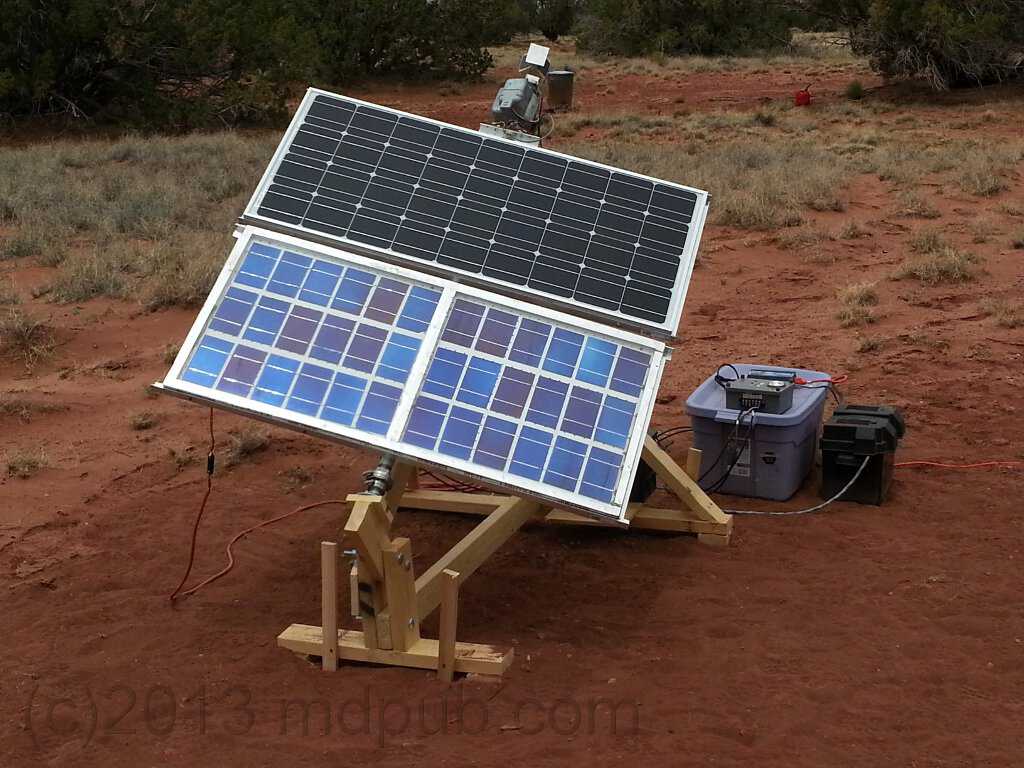
You’ll need a sturdy frame to mount your solar panel and the actuator(s). This can be made from aluminum profiles, steel, or even treated wood for smaller setups. The frame must be able to withstand wind, rain, and the weight of the panel. Also, consider an enclosure for your electronics (microcontroller, wiring) to protect them from the elements.
The Connectors: Wires, Breadboard, Jumper Cables
Standard electronic wiring supplies are essential: various gauge wires, a breadboard for prototyping, and jumper cables for easy connections. Don’t forget resistors (e.g., 10kΩ for LDRs), diodes, and perhaps a transistor or relay if driving larger motors directly from the microcontroller. A multimeter will be your best friend for testing connections.
Step-by-Step Guide: Building Your Own Solar Panel Tracker (DIY Project)
Ready to get your hands dirty? Let’s walk through the process of building a single-axis solar tracker, which is a great starting point for any DIY enthusiast. For a dual-axis, you’d simply replicate the mechanical and control elements for a second axis of movement.
Step 1: Design Your Tracker & Gather Materials
First, decide on your panel size and how much movement it needs. Sketch out your design. Are you going for a simple rotation around a central pivot (single-axis) or full X/Y movement (dual-axis)? List all your components. Order them online or source them from your local electronics/hardware store. Make sure your chosen actuator(s) can handle the weight and torque of your panel, especially if it’s a standard residential size.
Step 2: Assemble the Mechanical Frame
This is where your panel will sit. Build a robust, weather-resistant frame. For a single-axis tracker, you’ll need a pivot point and support structure. If using a linear actuator, ensure the mounting points are strong and allow for the full range of motion. Consider using rust-resistant materials like aluminum or galvanized steel. Make sure the frame allows the panel to move freely without obstruction and can withstand strong winds.
Step 3: Install the Light Sensors (LDRs)
Mount at least two LDRs symmetrically on the frame, ideally with a small divider between them. This divider creates a shadow on one LDR when the sun is not perfectly aligned, allowing the system to detect which direction the panel needs to turn. For a single-axis East-West tracker, mount one LDR facing slightly East and the other slightly West. For a dual-axis, you’d need four LDRs (N, S, E, W) or a more complex sensor array.
Step 4: Mount the Actuator(s)
Securely attach your chosen motor(s) to the frame. Ensure it has a clear path to move the panel. Connect the motor shaft or linear actuator arm to the part of the frame that holds the solar panel. The motor must be positioned so its movement translates directly into the desired panel rotation. For linear actuators, ensure they are waterproof or in a protective enclosure.
Step 5: Wire Up the Circuit (Microcontroller, Sensors, Actuators)
This is the electronics part. Connect your LDRs to analog input pins on your microcontroller (e.g., A0, A1 on Arduino) using a voltage divider circuit (LDR in series with a fixed resistor). Connect your motor driver (if using a stepper or linear actuator) to digital output pins. The motor driver then connects to your actuator and its power supply. Ensure all connections are secure and, for outdoor use, properly insulated and waterproofed.
Step 6: Program the Microcontroller
Write the code that tells your tracker what to do. The basic logic is straightforward: the microcontroller reads the light intensity from each LDR. If the East LDR is brighter than the West LDR, the panel needs to move East. If the West is brighter, move West. If they are equal (within a small threshold), stop. Repeat this process continuously. You’ll need to define a small delay between readings to prevent jittering. For Arduino, the Arduino IDE is your friend.

Step 7: Test and Calibrate Your System
Once programmed, test your tracker. Initially, do this indoors with a flashlight to simulate the sun. Then move it outdoors. Observe its behavior. Does it track accurately? Does it overhoot? You may need to adjust threshold values in your code to make it more sensitive or less sensitive to light differences, or to fine-tune the motor’s movement steps/speed. Ensure the system parks itself in an East-facing position at night, ready for the morning sun.
Step 8: Scale Up (Optional for larger panels)
If your initial build was with a small panel, scaling up to a full-sized residential panel will require stronger actuators, a more robust frame, and potentially more sophisticated motor drivers. The core principle remains the same, but the engineering demands increase significantly. Safety and wind loading become critical considerations.
Programming the Tracker: The Intelligence Behind the Movement
The code is the brain of your tracker. While I won’t provide full lines of code here (as it varies slightly by microcontroller and motor type), understanding the fundamental logic is key.
Basic Logic: Comparing Light Intensity
The simplest active tracker relies on a differential light sensing method. You position two (or four) LDRs. When the sun is not directly hitting the panel, one LDR will receive more light than the other (because of the shadow created by the divider or the panel itself). The microcontroller continuously compares these readings:
// Read LDR values
int eastLight = analogRead(eastLDRPin);
int westLight = analogRead(westLDRPin); // Compare and move
if (eastLight > westLight + threshold) { // Move panel East
} else if (westLight > eastLight + threshold) { // Move panel West
} else { // Stop motor (or hold position)
}
The `threshold` is crucial here. It’s a small dead zone to prevent the motor from constantly jittering with minor light fluctuations. You’ll experiment to find the right value.
Essential Code Elements (Input, Output, Loop, Conditional Statements)
- Input: Reading analog values from LDRs.
- Output: Sending digital signals to a motor driver to move the motor forward, backward, or stop.
- Loop: The `loop()` function in Arduino runs continuously, constantly checking light levels and adjusting the panel.
- Conditional Statements: `if/else if/else` statements are used to implement the comparison logic.
Advanced Programming (Time-based tracking, PID control, feedback loops)
For more sophisticated trackers, you might consider:
- Time-based Tracking: Instead of (or in addition to) LDRs, you can use a real-time clock (RTC) module to calculate the sun’s position based on time and geographical coordinates. This is often more accurate on cloudy days.
- PID Control: Proportional-Integral-Derivative controllers are advanced algorithms that can achieve much smoother and more accurate tracking by minimizing errors between the desired and actual position.
- Feedback Loops: Using encoders on your motors to know the exact position of the panel, allowing for more precise control and error correction.
- Night Parking: Programming the panel to return to an East-facing position at sunset, ready for the next morning.
Common Challenges and Troubleshooting Your DIY Solar Tracker
DIY projects are rarely without their hiccups. Here are some common issues you might encounter and how to tackle them:
Inaccurate Tracking
- LDR Placement: Ensure your LDRs are mounted symmetrically and the divider creates a clear shadow. If they’re too close, they might both get equal light too often.
- Threshold Value: If the panel is constantly jittering, increase your code’s `threshold` value. If it’s not moving enough, decrease it.
- Cloudy Days: LDRs struggle on heavily overcast days as diffused light hits all sensors equally. This is where time-based tracking or a hybrid system can shine.
- Dust/Debris on LDRs: Keep sensors clean.
Motor Malfunctions
- Insufficient Power: Ensure your motor has enough voltage and current. Motors, especially under load, draw more power than microcontrollers can supply directly. Use a separate power supply and a motor driver.
- Overload: Is the motor powerful enough for your panel’s weight and the friction in your mechanical setup? A straining motor will overheat or fail.
- Wiring Errors: Double-check all connections between the microcontroller, motor driver, and motor. Use a multimeter to confirm continuity and correct voltage.
Power Consumption Issues
If your tracker’s battery keeps dying or it’s drawing too much power:
- Efficient Motor: Choose motors known for efficiency. Stepper motors can consume power even when holding position, consider putting them to sleep or using a clutch.
- Sleep Modes: Program your microcontroller to enter low-power sleep modes during the night or when the sun is behind thick clouds.
- Dedicated Power: Ensure your tracker has its own robust power source (mini solar panel + battery) that can comfortably handle the motor’s peak draw.
Environmental Durability
- Waterproofing: All electronics and connections must be housed in waterproof enclosures (IP65 or higher rated).
- Rust Prevention: Use galvanized, stainless steel, or aluminum for structural components.
- Wind Load: Design your frame to withstand local wind conditions. Large panels act like sails! Consider a wind sensor that parks the panel flat in high winds.
Maintenance Tips for Long-Lasting Solar Tracking Performance
Even the best-built tracker needs a little TLC to keep running optimally.
Regular Cleaning
Clean your solar panel and, crucially, your LDRs regularly. Dust, pollen, bird droppings, or even leaves can obscure sensors, leading to inaccurate tracking. A soft cloth and mild soap and water are usually sufficient.
Component Inspection
Periodically inspect all mechanical and electrical components:
- Moving Parts: Check for wear and tear on gears, bearings, and actuator shafts. Lubricate as needed with appropriate, weather-resistant grease.
- Fasteners: Ensure all bolts, screws, and clamps are tight. Vibrations can loosen them over time.
- Wiring: Look for frayed wires, loose connections, or signs of corrosion. Repair or replace as necessary.
- Enclosures: Check waterproof enclosures for cracks or compromised seals.
Software Updates (if applicable)
If you’re using a programmable microcontroller, you might refine your code over time. Make sure you have an easy way to upload new code or tweak parameters if needed. Back up your working code!
Is a DIY Solar Tracker Right for You? Cost vs. Benefit Analysis
Building your own solar tracker is a rewarding project, but it’s important to weigh the pros and cons against purchasing a commercial solution.
DIY Tracker: Pros and Cons
Pros:
- Cost Savings: Significantly cheaper than commercial trackers, especially for smaller setups.
- Learning Experience: Invaluable for understanding electronics, mechanics, and programming.
- Customization: Tailor the design to your specific panel and location.
- Sense of Achievement: Nothing beats the satisfaction of building something that works!
Cons:
- Time Investment: Requires significant time for research, building, programming, and troubleshooting.
- Complexity: Can be challenging for those new to electronics or mechanics.
- Durability: DIY solutions might not match the industrial-grade durability of commercial units.
- Warranty/Support: You’re your own support team.
Commercial Trackers: When to Buy, Not Build
Commercial solar trackers are typically robust, professionally engineered, and come with warranties and technical support. They make sense for:
- Large-scale installations: Residential or small commercial systems where reliability and maximum uptime are paramount.
- Lack of time/expertise: If you don’t have the time, tools, or inclination for a DIY project.
- Professional standards: When structural integrity, weather resistance, and performance guarantees are critical.
| Component | Estimated Cost Range (USD) | Notes |
|---|---|---|
| Microcontroller (e.g., Arduino Uno) | $10 – $30 | Starter kit versions often include basic components |
| Light Dependent Resistors (LDRs) | $5 – $15 | Pack of 10-20, very inexpensive |
| Actuator (Stepper Motor + Driver OR Small Linear Actuator) | $30 – $150 | Depends heavily on torque/force required |
| Small Solar Panel & Battery (for tracker power) | $20 – $70 | 5W-10W panel with a small 12V lead-acid or LiFePO4 battery |
| Mounting Frame & Hardware | $50 – $200+ | Aluminum profiles, steel, treated wood, bearings, fasteners. Varies greatly by size. |
| Wires, Breadboard, Resistors, Enclosure | $20 – $50 | General electronics consumables, weather-resistant box |
| TOTAL ESTIMATED DIY COST (Single-Axis) | $135 – $515+ | For a small to medium panel. Excludes the main solar panel itself. |
Beyond DIY: Advanced & Commercial Solar Tracking Solutions
While DIY is incredibly satisfying, it’s worth noting the advancements in commercial and utility-scale tracking:
Utility-Scale Solar Farms
These massive installations almost exclusively use tracking systems (mostly single-axis) to maximize their energy output, making large solar farms even more economically viable and productive.
AI and Machine Learning in Tracking
Modern commercial trackers often incorporate AI to optimize tracking algorithms, accounting for local weather patterns, atmospheric conditions, and even predicting sun paths more accurately than simple geometric calculations. This can further fine-tune performance and energy yield.
Bifacial Panels with Tracking
Bifacial solar panels can capture sunlight from both their front and back sides. When combined with tracking systems, they can achieve even higher energy gains, as the tracker ensures direct sunlight on the front while also optimizing the capture of reflected light (albedo) on the back. This combination represents the cutting edge of solar efficiency.
Conclusion: Harnessing Every Ray of Sunshine
Making your solar panel track the sun is more than just a cool project; it’s a smart way to squeeze every watt out of your solar investment. Whether you opt for a simple DIY single-axis system or aspire to a more complex dual-axis setup, the principles remain the same: put your panel where the sun shines brightest, all day, every day.
The journey from a fixed panel to a dynamic, sun-chasing energy harvester is within your reach. With a little effort, some basic components, and a curious mind, you can significantly boost your solar power production, reduce your carbon footprint, and enjoy the satisfaction of building a truly efficient renewable energy system. So go on, embrace the sun and watch your energy harvest soar!
Frequently Asked Questions
How much extra power can a solar tracker generate?
Solar trackers can significantly increase energy production, typically boosting output by 15% for single-axis trackers and up to 45% for dual-axis trackers compared to fixed panels. The exact gain depends on your geographic location and the specific type of tracking system.
Is building a solar tracker difficult for a beginner?
Building a simple single-axis solar tracker is an accessible project for beginners with basic knowledge of electronics, mechanics, and programming (like Arduino). It requires patience and a willingness to learn, but detailed guides and online communities make it achievable. Dual-axis systems are more complex.
What’s the difference between single-axis and dual-axis trackers?
A single-axis tracker moves your solar panel along one plane, usually following the sun’s East-West path throughout the day. A dual-axis tracker, however, moves along two planes (East-West and North-South), allowing it to precisely follow the sun’s position across the sky and adjust for seasonal changes, maximizing energy capture.
Do solar trackers work on cloudy days?
On heavily overcast days, active solar trackers that rely on light sensors (LDRs) may struggle to accurately pinpoint the sun’s position due to diffused light. In such conditions, time-based or pre-programmed tracking algorithms can be more effective as they don’t rely on direct light sensing. The overall benefit is less pronounced on cloudy days compared to sunny ones.
Are commercial solar trackers better than DIY ones?
Commercial solar trackers are typically more robust, professionally engineered, come with warranties, and are designed for long-term outdoor reliability and often larger-scale applications. DIY trackers offer significant cost savings, a valuable learning experience, and customization, but may require more maintenance and personal technical support. The ‘better’ option depends on your budget, skill level, and specific project requirements.
How much does it cost to build a simple solar tracker?
The estimated cost to build a simple DIY single-axis solar tracker for a small to medium solar panel can range from approximately $135 to $515 or more, excluding the main solar panel itself. This includes components like a microcontroller, LDRs, an actuator, a small power supply for the tracker, and materials for the mounting frame.
What maintenance does a solar tracker require?
Regular maintenance for a solar tracker includes cleaning the solar panel and light sensors, inspecting all mechanical moving parts (gears, bearings, actuators) for wear and tear, lubricating as needed, tightening fasteners, and checking electrical connections for corrosion or damage. Enclosures should also be inspected for waterproofing integrity. Software updates may also be necessary for optimal performance.


Post Comment