Off Grid Solar Inverter Price In Sri Lanka
Navigating Off-Grid Solar Inverter Prices in Sri Lanka: A Comprehensive Guide for International Buyers & Enthusiasts
So, you’re looking into off-grid solar inverter prices in Sri Lanka. It’s a specific search, and if you’re reading this from the USA, you likely have a compelling reason. Maybe you’re comparing global market trends, considering an investment, helping family or friends back home, or perhaps you’re simply fascinated by the economics of renewable energy in different parts of the world. Whatever your motive, you’ve landed in the right place.
Table of Contents
- Navigating Off-Grid Solar Inverter Prices in Sri Lanka: A Comprehensive Guide for International Buyers & Enthusiasts
- Why Research Sri Lankan Off-Grid Solar Inverter Prices? (For a US Audience)
- Comparative Market Insights
- Supporting Family & Friends Abroad
- Exploring Niche Markets & Emerging Trends
- Understanding Off-Grid Solar Inverters: The Heart of Your Independent Power System
- What Exactly Is an Off-Grid Inverter?
- Key Types of Off-Grid Inverters
- Essential Inverter Specifications to Consider
- The Sri Lankan Market Landscape for Off-Grid Solar
- Drivers of Off-Grid Adoption in Sri Lanka
- Key Brands and Suppliers in Sri Lanka
- Local Pricing Dynamics: Rupee vs. USD Considerations
- Off-Grid Solar Inverter Price Ranges in Sri Lanka (USD & LKR Estimates)
- Entry-Level Inverters (1kW – 3kW)
- Mid-Range Inverters (3kW – 5kW)
- High-Capacity Inverters (5kW+)
- Factors That Heavily Influence Inverter Pricing
- Power Output (Wattage/kW)
- Inverter Type & Technology (Pure Sine, MPPT, Hybrid)
- Brand Reputation & Warranty
- Built-in Features (Monitoring, Surge Protection, Parallel Capability)
- Import Duties & Local Taxes (for Sri Lanka)
- Supplier Margins & Support
- Beyond the Inverter: The True Cost of an Off-Grid Solar System in Sri Lanka
- Solar Panels (PV Modules)
- Battery Bank (Energy Storage)
- Mounting Structure & Cabling
- Installation Labor & Expertise
- Maintenance & Long-Term Costs
- How to Navigate the Sri Lankan Market from Afar (or for Local Advice)
- Research Reputable Local Suppliers & Installers
- Understand Warranty & Support Structures
- Logistics: Shipping, Customs & Duties
- Due Diligence: Reviews & Certifications
- Making an Informed Decision: Is a Sri Lankan Inverter Right for Your Needs?
- Comparing Global vs. Local Options
- The Value of Local Expertise
- Future-Proofing Your Investment
Off-grid solar is a powerful solution for energy independence, especially in regions facing grid instability or high electricity costs. Sri Lanka, with its abundant sunshine and developing infrastructure, has become a significant market for such solutions. But understanding the pricing, the technology, and the local nuances from thousands of miles away can be a challenge. That’s where I come in. This isn’t just a list of prices; it’s a deep dive into what you need to know to make sense of the Sri Lankan off-grid solar inverter market.
Why Research Sri Lankan Off-Grid Solar Inverter Prices? (For a US Audience)
It’s fair to ask: why would someone in the US care about inverter prices in Sri Lanka? The reasons are often more practical and personal than you might think.
Comparative Market Insights
For renewable energy enthusiasts, investors, or even just curious homeowners, studying different markets provides invaluable perspective. You might be researching how pricing in an emerging market like Sri Lanka compares to established markets in the West. This can highlight cost efficiencies, technological adoption rates, and the impact of local economic factors on solar accessibility.
Supporting Family & Friends Abroad
Many individuals in the US have strong ties to Sri Lanka. If your loved ones are grappling with frequent power outages, unreliable grid supply, or simply high electricity bills, you might be exploring options to help them achieve energy independence. Understanding local pricing and available products is the first step in assisting with an off-grid solar installation.
Exploring Niche Markets & Emerging Trends
The global energy transition is dynamic. Observing how countries like Sri Lanka embrace off-grid solutions can offer insights into how decentralized power systems are developing worldwide. It’s about more than just current prices; it’s about understanding the future of energy in diverse contexts.
Understanding Off-Grid Solar Inverters: The Heart of Your Independent Power System
Before we dive into prices, let’s quickly establish what an off-grid inverter is and why it’s so critical. Think of it as the brain and brawn of your solar setup. Without it, your solar panels‘ DC power would be useless for most household appliances.
What Exactly Is an Off-Grid Inverter?
An off-grid solar inverter takes the direct current (DC) electricity generated by your solar panels and stored in your batteries, and converts it into alternating current (AC) electricity. AC is the standard power type used by almost all appliances in your home, from your refrigerator to your phone charger. Unlike grid-tied inverters, off-grid inverters operate independently of the utility grid, drawing all power from your solar panels and battery bank.
Key Types of Off-Grid Inverters
Not all inverters are created equal. Knowing the differences is crucial for understanding price variations and suitability for specific applications.
- Pure Sine Wave Inverters: These produce a clean, smooth AC waveform, almost identical to the power supplied by the utility grid. They are ideal for sensitive electronics like laptops, medical equipment, and variable speed motors. Most modern off-grid systems use pure sine wave inverters.
- Modified Sine Wave Inverters: These produce a ‘blocky’ waveform, which is less smooth than a pure sine wave. While cheaper, they can cause issues with sensitive electronics, motors, and appliances with power factor correction. They are generally only suitable for basic, non-sensitive loads like incandescent lights or simple heaters. You’ll rarely find these recommended for modern homes.
- Hybrid Inverters (with Off-Grid Capability): These are versatile powerhouses. A hybrid inverter can manage power from solar panels, batteries, and the utility grid simultaneously. When the grid is available, it can charge batteries or even feed excess solar back. When the grid fails, or if you’re completely off-grid, it functions as a pure off-grid inverter. Many systems marketed as ‘off-grid’ in Sri Lanka are actually hybrid inverters, offering flexibility.
Essential Inverter Specifications to Consider
When you see price tags, these are the specs that dictate much of the cost:
- Power Rating (kW): This is the maximum amount of power the inverter can deliver at any given moment. A 3kW inverter can run a total of 3000 watts of appliances simultaneously. Matching this to your peak load is critical.
- Input Voltage (DC): This refers to the battery bank voltage (e.g., 12V, 24V, 48V). Higher voltage systems are generally more efficient for larger installations.
- Output Voltage (AC): Typically 230V in Sri Lanka, matching the local grid standard.
- Charge Controller Type (MPPT vs. PWM): Many off-grid inverters come with a built-in solar charge controller. MPPT (Maximum Power Point Tracking) controllers are significantly more efficient (10-30% more power harvest) than PWM (Pulse Width Modulation) controllers, especially in varying light conditions. MPPT is the industry standard for serious off-grid systems.
- Efficiency: How much power is lost during the DC-to-AC conversion? Higher efficiency means more usable power from your solar panels.
- Safety Features: Overload protection, short-circuit protection, over-temperature protection are all non-negotiable for system longevity and safety.
The Sri Lankan Market Landscape for Off-Grid Solar
Sri Lanka’s energy sector presents a unique case for off-grid solutions. Understanding these local drivers helps put the pricing into context.
Drivers of Off-Grid Adoption in Sri Lanka
- Grid Instability & Outages: Frequent power cuts (often called ‘load shedding’) due to economic challenges and an aging grid make energy independence highly desirable for both households and businesses.
- Rural Electrification Challenges: Extending the national grid to remote villages can be prohibitively expensive. Off-grid solar offers a cost-effective and rapid solution for bringing electricity to these areas.
- Cost-Effectiveness & Energy Independence: As electricity tariffs rise, the long-term savings and peace of mind offered by generating your own power become increasingly attractive.
Key Brands and Suppliers in Sri Lanka
The SERP data highlights several prominent brands and local suppliers. You’ll frequently encounter:
- PowMr: A popular and often budget-friendly brand for off-grid and hybrid inverters.
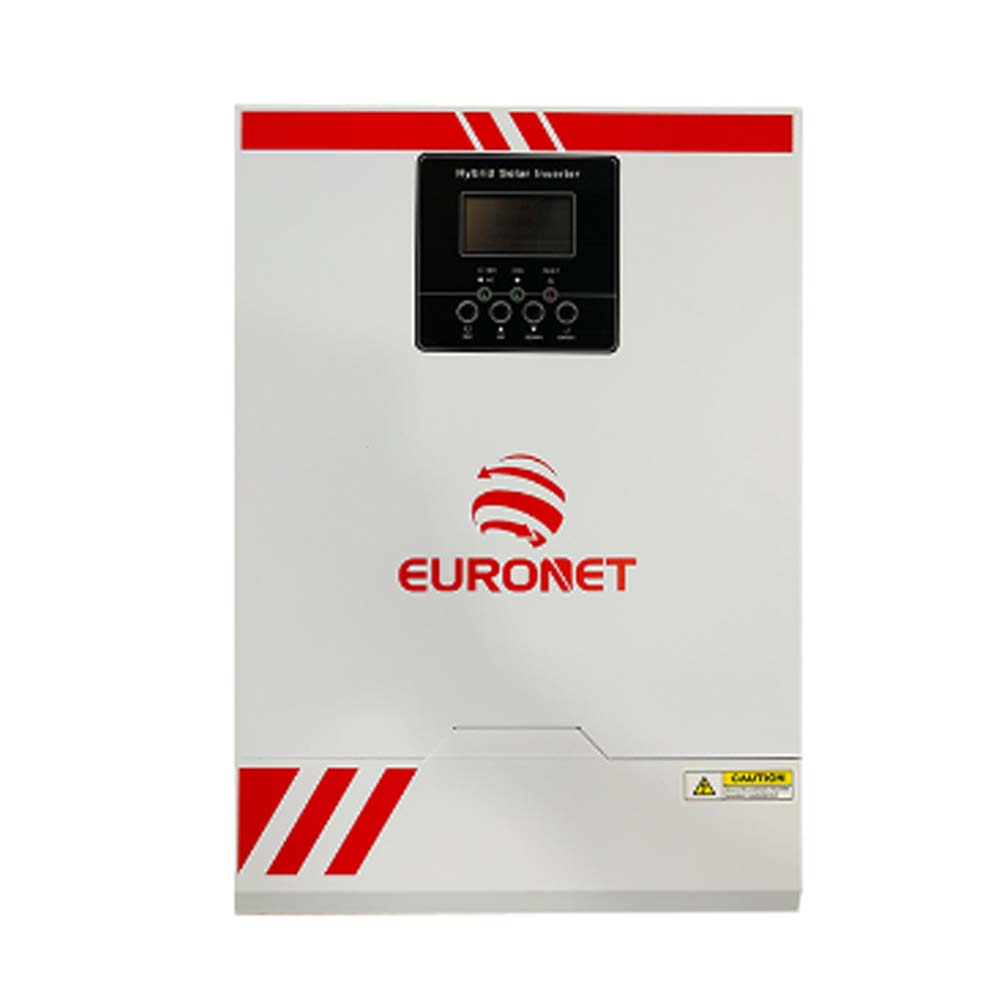
- Euronet: Another widely available brand in the Sri Lankan market.
- Luminous: An established brand, often recognized for its reliable power backup solutions.
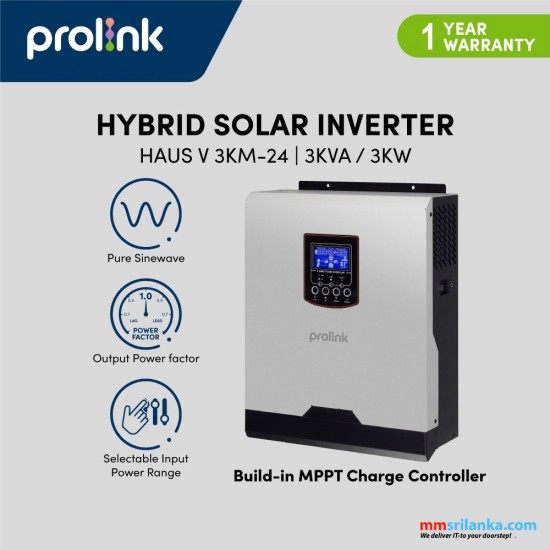
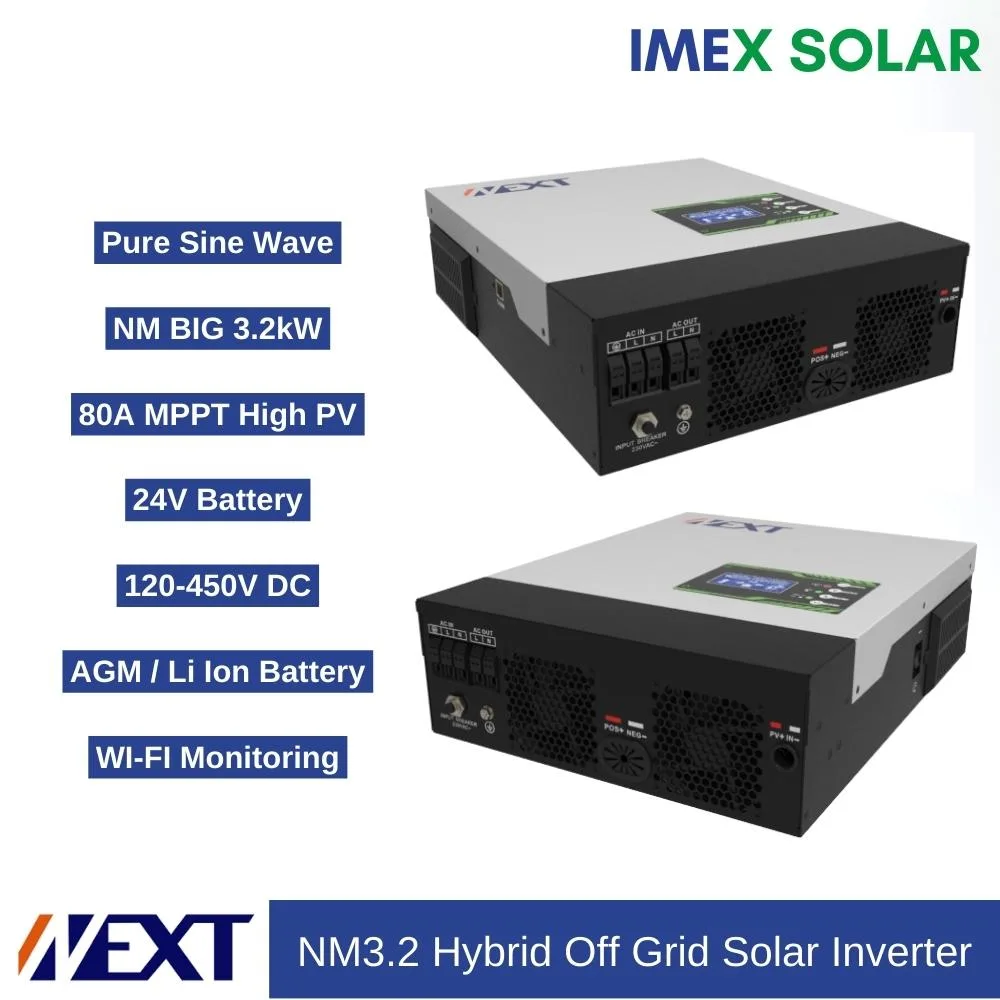
- Sako, NEXT, Battlenet, Microtek, Prolink: Other brands that appear across various local e-commerce and solar specialist sites.
Local suppliers like Daraz.lk, LK Tronics, Dialcom.lk, Ikman.lk, Imex Solar, Deko Power, and mmsrilanka.com are key players in distributing these inverters. They often offer competitive pricing and installation services.
Local Pricing Dynamics: Rupee vs. USD Considerations
When looking at prices in Sri Lanka, you’ll primarily see them quoted in Sri Lankan Rupees (LKR). However, for international buyers or those sending money from the US, understanding the USD conversion is crucial. The exchange rate for LKR to USD has been subject to significant fluctuations, which directly impacts the perceived cost. Always use the most current exchange rates for accurate comparisons.
Off-Grid Solar Inverter Price Ranges in Sri Lanka (USD & LKR Estimates)
Based on observed market data and common offerings, here’s a general breakdown of what you might expect to pay for different capacities of off-grid inverters in Sri Lanka. Remember, these are estimates and can vary based on brand, features, supplier, and economic conditions.
Entry-Level Inverters (1kW – 3kW)
These inverters are suitable for small homes, cabins, or essential loads. They typically come with basic features, often with a built-in MPPT charge controller. Many 1kW to 2kW models might still be 12V or 24V systems. Prices for a 1kW pure sine wave inverter with MPPT might start around LKR 50,000 – 80,000 (approx. $160 – $260 USD), while a 3.2kW hybrid MPPT inverter could range from LKR 90,000 – 130,000 (approx. $290 – $420 USD).
Mid-Range Inverters (3kW – 5kW)
This category is popular for average-sized homes, capable of running most standard appliances, including a refrigerator, TV, and lights, possibly even a small AC unit. These are almost exclusively 24V or 48V systems, often hybrid, with robust MPPT controllers. A good quality 4.2kW to 5kW hybrid MPPT inverter is commonly priced between LKR 130,000 – 200,000 (approx. $420 – $650 USD).
High-Capacity Inverters (5kW+)
Designed for larger homes, small businesses, or properties with higher energy demands, these inverters offer significant power output. They almost always feature 48V (or higher) battery inputs, advanced monitoring, and sometimes parallel capability for future expansion. A 6.2kW to 8kW hybrid MPPT inverter can cost around LKR 200,000 – 350,000 (approx. $650 – $1150 USD), with 10kW+ models reaching LKR 350,000 – 550,000+ (approx. $1150 – $1800+ USD).
| Inverter Capacity (kW) | Typical Type/Features | Estimated Price Range (LKR) | Estimated Price Range (USD) |
|---|---|---|---|
| 1kW – 3kW | Pure Sine Wave, MPPT Charge Controller, 12V/24V | LKR 50,000 – 130,000 | $160 – $420 |
| 3kW – 5kW | Hybrid, MPPT Charge Controller, 24V/48V, Advanced Features | LKR 130,000 – 200,000 | $420 – $650 |
| 5kW – 8kW | Hybrid, High-Efficiency MPPT, 48V+, Parallel Capability | LKR 200,000 – 350,000 | $650 – $1150 |
| 8kW+ | Commercial/Large Residential Hybrid, Advanced Management | LKR 350,000 – 550,000+ | $1150 – $1800+ |
Factors That Heavily Influence Inverter Pricing
Why does one 5kW inverter cost significantly more than another? It boils down to these critical factors:
Power Output (Wattage/kW)
This is the most obvious factor. Higher power capacity (e.g., a 6.2kW inverter versus a 3.2kW) directly translates to a higher price because it requires more robust components and cooling systems. Don’t overbuy, but definitely don’t underbuy – sizing is paramount.
Inverter Type & Technology (Pure Sine, MPPT, Hybrid)
As discussed, pure sine wave inverters are pricier than modified sine wave. MPPT charge controllers add to the cost but offer superior efficiency. Hybrid inverters, with their ability to manage multiple power sources and handle both on-grid and off-grid functions, are typically the most expensive but offer the most versatility and often the best value in the long run.
Brand Reputation & Warranty
Established brands with a reputation for reliability and customer service (even if local) often command higher prices. A longer or more comprehensive warranty (e.g., 5-10 years) signifies manufacturer confidence and provides peace of mind, naturally influencing the cost.
Built-in Features (Monitoring, Surge Protection, Parallel Capability)
Extra features add value and cost. This includes:
- LCD displays for easy monitoring.
- Wi-Fi/Bluetooth modules for remote monitoring via apps.
- Advanced surge protection.
- Parallel capability, allowing you to link multiple inverters to increase total power output.
- Built-in generator start/stop functions.
Import Duties & Local Taxes (for Sri Lanka)
A significant portion of the final price in Sri Lanka comes from import duties, taxes, and shipping costs from the country of manufacture (often China or other Asian nations). These can fluctuate and directly impact retail prices.
Supplier Margins & Support
Different retailers will have different business models and profit margins. A supplier offering excellent pre-sales advice, post-sales support, and installation services may have slightly higher prices than a purely online marketplace selling only the product.
Beyond the Inverter: The True Cost of an Off-Grid Solar System in Sri Lanka
Here’s the critical takeaway for anyone considering off-grid solar: the inverter price is just one piece of a much larger financial puzzle. If you’re helping someone in Sri Lanka, or doing your own research, you need to understand the holistic cost.
Solar Panels (PV Modules)
These are the workhorses that convert sunlight into electricity. Their cost depends on wattage, brand, and efficiency. Sri Lanka sees a range of panel brands, often from China, making them relatively affordable compared to some Western markets. You’ll typically pay per watt, and prices vary significantly.
Battery Bank (Energy Storage)
This is often the most expensive component of an off-grid system. Without batteries, you only have power when the sun shines. The cost depends on the type (Lead-Acid, Gel, AGM, Lithium-ion) and capacity (Ah or kWh). Lithium-ion batteries offer superior performance and lifespan but come with a higher upfront cost.
Mounting Structure & Cabling
You’ll need a robust frame to mount the panels on a roof or ground, as well as high-quality DC and AC cabling to connect all components safely. These ‘ancillary’ costs can add up quickly.
Installation Labor & Expertise
A qualified and experienced installer is non-negotiable for a safe, efficient, and reliable system. Labor costs in Sri Lanka are generally lower than in the US, but expertise is still valued and priced accordingly. Poor installation can lead to system failures, fire hazards, and reduced lifespan.
Maintenance & Long-Term Costs
While off-grid solar systems require minimal maintenance, there are still costs to consider. Batteries will eventually need replacement (especially lead-acid types), and regular checks are advisable. Understanding these long-term commitments is crucial for a complete financial picture.
| Component | Typical Contribution to Total System Cost | Key Factors Influencing Cost |
|---|---|---|
| Solar Inverter | 15% – 25% | Capacity, Type (Hybrid, Pure Sine), MPPT, Brand, Features |
| Solar Panels (PV) | 20% – 30% | Total Wattage, Efficiency, Brand, Technology |
| Battery Bank | 30% – 50% | Capacity (kWh), Battery Type (Lead-Acid, Lithium-ion), Brand |
| Mounting & Cabling | 5% – 10% | Roof type, System size, Cable gauge, Conduit requirements |
| Installation Labor | 10% – 15% | System complexity, Installer experience, Location |
How to Navigate the Sri Lankan Market from Afar (or for Local Advice)
If you’re in the US and looking to procure an inverter for use in Sri Lanka, or simply offering advice, here’s how to proceed smart:
Research Reputable Local Suppliers & Installers
Websites like Daraz.lk, Ikman.lk, and dedicated solar companies (Imex Solar, Deko Power, LK Tronics mentioned in SERP) are good starting points. Look for suppliers with strong customer reviews, a physical presence, and a track record of successful installations. They can often provide package deals for entire systems, not just inverters.
Understand Warranty & Support Structures
A warranty is only as good as the company backing it. Ensure the supplier offers local support and that warranty claims can be processed efficiently within Sri Lanka. This is particularly important for high-value items like inverters and batteries.
Logistics: Shipping, Customs & Duties
If you’re considering purchasing an inverter from abroad and shipping it to Sri Lanka, be prepared for significant import duties, taxes, and shipping costs. Often, buying locally from established distributors who have already handled these logistics can be more cost-effective and less of a headache.
Due Diligence: Reviews & Certifications
Always seek out independent reviews for both the inverter brand and the supplier. While specific Sri Lankan certifications might be harder to verify from abroad, ensuring the products meet international standards (like CE or RoHS) is a good sign of quality. Ask for case studies or references if dealing with an installer.
Making an Informed Decision: Is a Sri Lankan Inverter Right for Your Needs?
Whether you’re exploring options for yourself or someone else, the goal is to make the best possible choice.
Comparing Global vs. Local Options
Inverters sold in Sri Lanka generally offer competitive pricing, often being more affordable than equivalent models in Western markets due to lower labor costs, specific import agreements, and a focus on volume. However, global brands available in the US might offer advanced features, longer warranties, or more sophisticated technology, albeit at a higher price point. The decision often comes down to budget, feature set, and crucially, local support.
The Value of Local Expertise
For an off-grid system installed in Sri Lanka, local expertise is invaluable. An installer familiar with the specific climate, local regulations (if any), and common issues can recommend the best products and ensure a robust installation. Don’t underestimate the importance of reliable local support over a slightly cheaper imported unit.
Future-Proofing Your Investment
Think long-term. Consider future energy needs, potential for system expansion, and the inverter’s compatibility with different battery technologies. Investing in a slightly higher-capacity, more feature-rich hybrid inverter today can save significant costs and headaches down the road. An inverter with parallel capability or smart monitoring can be a great asset.
The journey to energy independence through off-grid solar is a rewarding one. While the prices of off-grid solar inverters in Sri Lanka are certainly a key data point, remember that they are part of a broader ecosystem. By understanding the technology, the market dynamics, and the total cost of ownership, you’ll be well-equipped to make an intelligent and impactful decision, whether for your own research or to empower others.
Frequently Asked Questions
What is the typical price range for a 3kW off-grid solar inverter in Sri Lanka?
For a 3kW hybrid MPPT off-grid solar inverter in Sri Lanka, you can expect a price range of approximately LKR 90,000 – 130,000, which converts to about $290 – $420 USD, depending on the brand, features, and supplier. This capacity is suitable for many average-sized homes.
Why would someone in the US research off-grid solar inverter prices in Sri Lanka?
US residents might research these prices for several reasons: to gain comparative market insights into global renewable energy trends, to help family or friends in Sri Lanka achieve energy independence, or to understand niche markets for investment and emerging energy technologies.
What’s the difference between a pure sine wave and a modified sine wave inverter?
A pure sine wave inverter produces a clean, high-quality AC power output suitable for all electronics, including sensitive ones. A modified sine wave inverter produces a ‘blockier’ waveform, which is cheaper but can be detrimental to sensitive devices, motors, and appliances, leading to inefficiencies or damage.
Is the inverter the only cost for an off-grid solar system in Sri Lanka?
Absolutely not. The inverter is just one component. A complete off-grid system also requires solar panels, a battery bank (often the most expensive part), mounting structures, cabling, and professional installation labor. You must consider all these costs for a true financial picture.
What factors most heavily influence the price of an off-grid inverter in Sri Lanka?
Key factors include the inverter’s power output (kW), its type and technology (e.g., pure sine wave, MPPT charge controller, hybrid functionality), brand reputation, warranty length, built-in features (like Wi-Fi monitoring or parallel capability), and local import duties and taxes.
Are hybrid inverters common in the Sri Lankan off-grid market?
Yes, hybrid inverters are very common and often preferred in Sri Lanka. They offer excellent versatility, capable of managing power from solar panels, batteries, and even the utility grid, making them ideal for areas with unreliable grid power or for full off-grid setups.
What major brands of off-grid inverters are popular in Sri Lanka?
Popular brands in the Sri Lankan market for off-grid and hybrid inverters include PowMr, Euronet, Luminous, Sako, NEXT, Battlenet, Microtek, and Prolink. These brands are widely available through various local suppliers and e-commerce platforms.


Post Comment