Best Solar Generator For Home Power Outage
The Definitive Guide to the Best Solar Generator for Home Power Outages in 2024
Picture this: The lights flicker, then plunge your home into darkness. The hum of your refrigerator goes silent. Your phone charger is useless. Panic starts to set in. If you’ve lived through a power outage, you know that unsettling feeling. But what if you could have a reliable, clean, and quiet backup power source ready to go at a moment’s notice?
Table of Contents
- The Definitive Guide to the Best Solar Generator for Home Power Outages in 2024
- Why a Solar Generator is Your Home’s Best Friend During an Outage
- How to Choose the RIGHT Solar Generator for YOUR Home Outage Needs
- Step 1: Calculate Your Essential Power Needs
- Step 2: Understand Key Solar Generator Specifications
- Step 3: Consider Your Typical Outage Scenario
- Our Top Picks: Best Solar Generators for Home Power Outages
- Best for Short-Term Outages & Essential Devices (Under 1500Wh)
- Best for Mid-Term Backup & Common Appliances (1500-3000Wh)
- Best for Extended Outages & Partial Whole-Home Backup (3000Wh+ & Expandable)
- Setting Up Your Solar Generator for Home Outage Readiness
- Maximizing Your Solar Generator’s Lifespan and Efficiency
- The Future of Home Backup: Beyond Portable Solar Generators
- Final Thoughts: Power Up Your Peace of Mind
That’s where a solar generator comes in. Forget the noisy, smelly gas generators of the past. Solar generators are revolutionizing home backup power, offering peace of mind and essential electricity when the grid fails. But with so many options, how do you pick the best solar generator for your home power outage needs?
I’m here to cut through the noise. This guide isn’t just another list of products; it’s a comprehensive roadmap to understanding, choosing, and deploying the ideal solar generator to keep your home running smoothly when everything else goes dark.
Why a Solar Generator is Your Home’s Best Friend During an Outage
The shift towards solar generators for home backup isn’t just a trend; it’s a smart evolution. Here’s why they stand head and shoulders above traditional alternatives:
- Quiet, Clean Power: Unlike gas generators that spew fumes and create a racket, solar generators run silently and produce zero emissions. This means you can use them safely indoors (with proper ventilation for heat dissipation, though not for fumes) and enjoy a quiet environment during an already stressful time.
- Renewable & Sustainable: Your ‘fuel’ is literally infinite: the sun. Once you’ve invested in the unit, your running costs for power are practically non-existent. Just unfold your solar panels, connect, and recharge.
- Portable Peace of Mind: Most solar generators are designed to be moved. You can easily shift them from room to room, take them outside for recharging, or even pack them up if you need to evacuate. This flexibility is invaluable.
- Cost-Effective in the Long Run: While the initial investment can be higher than a cheap gas generator, remember that you’re not constantly buying and storing expensive, volatile fuel. The sun’s energy is free, making solar generators incredibly economical over their lifespan.
How to Choose the RIGHT Solar Generator for YOUR Home Outage Needs
This is where many people get overwhelmed. Don’t worry, I’ll break it down into simple, actionable steps. The ‘best’ generator isn’t a one-size-fits-all answer; it’s the one that perfectly matches your specific requirements.
Step 1: Calculate Your Essential Power Needs
Before you even look at models, figure out what you absolutely need to power. This is the most critical step. Grab a pen and paper, or open a spreadsheet.
- List Your Must-Run Appliances: Think refrigeration, lights, phone chargers, internet modem/router, a medical device (like a CPAP), maybe a fan or a small microwave for quick meals.
- Find Their Wattage (W): Look for labels on your appliances, check manuals, or do a quick online search. Refrigerators, for example, have a ‘running wattage’ and a higher ‘surge wattage’ (the brief spike when the compressor kicks on).
- Estimate Daily Run Time: How many hours a day will each appliance need to run during an outage? Your fridge might run for 8-12 hours total in a 24-hour period, cycling on and off. Your phone charger might only be needed for an hour.
- Calculate Total Watt-Hours (Wh) Per Day: Multiply each appliance’s running wattage by its estimated daily run time. Sum these up for your total daily energy consumption.
Example: If your refrigerator uses 150W and runs for 10 hours a day, that’s 150W * 10h = 1500Wh. Add up all your essentials.
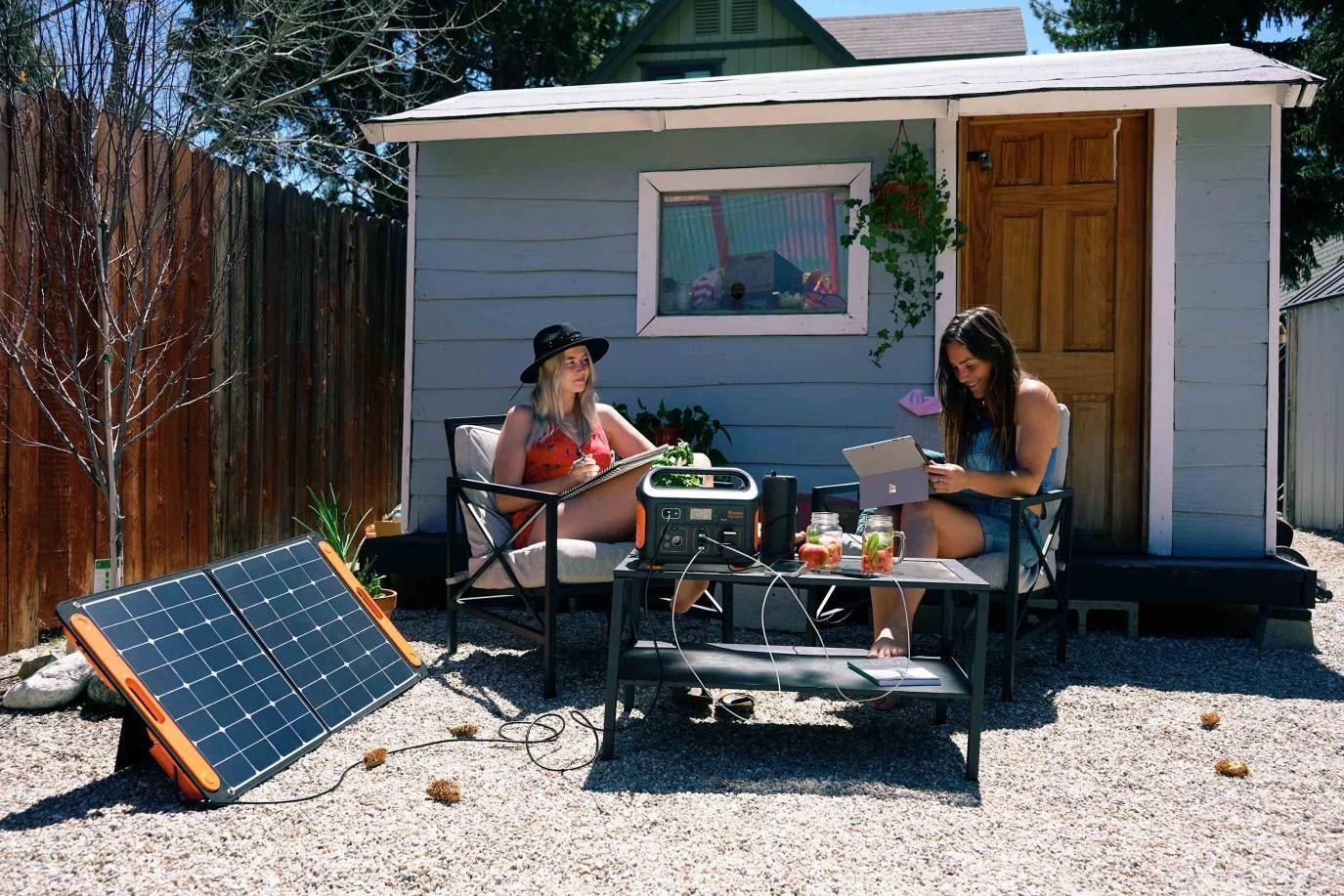
Here’s a handy table of common appliance wattages to get you started:
| Appliance | Typical Running Wattage (W) | Estimated Daily Use (Hours) | Daily Wh Consumption |
|---|---|---|---|
| Refrigerator (Energy Star) | 100-200W | 8-12 hours (cycling) | 800-2400 Wh |
| LED Light (single) | 8-15W | 4-8 hours | 32-120 Wh |
| Laptop | 50-100W | 3-5 hours | 150-500 Wh |
| Phone Charger | 5-15W | 1-2 hours | 5-30 Wh |
| Internet Modem/Router | 10-20W | 24 hours | 240-480 Wh |
| CPAP Machine | 30-60W | 8 hours | 240-480 Wh |
| Microwave (small) | 600-1200W | 0.1-0.2 hours (intermittent) | 60-240 Wh |
Step 2: Understand Key Solar Generator Specifications
Once you know your power needs, you can interpret these specs with purpose:
- Battery Capacity (Wh): This is the most crucial number. It tells you how much energy the generator can store. Aim for a capacity that’s at least 1.5-2x your calculated daily Wh needs to give you a buffer and account for solar panel charging inefficiencies.
- Output Power (W / Surge W): This tells you the maximum continuous power the generator can deliver to your appliances. Ensure the continuous wattage is higher than the running wattage of your most power-hungry appliance. The ‘surge wattage’ must be higher than the startup surge of your biggest appliance (like a fridge compressor).
- Input Power (W) & Recharge Time: How fast can it recharge? Higher input wattage (from AC or solar panels) means faster recharge times. Look for models with efficient MPPT (Maximum Power Point Tracking) charge controllers, especially for solar charging, as they maximize energy harvest from panels.
- Battery Type: Most modern solar generators use Lithium-ion, specifically LiFePO4 (Lithium Iron Phosphate). LiFePO4 batteries offer significantly more charge cycles (2,500-6,000+) and are safer and more stable than older NMC (Nickel Manganese Cobalt) Lithium-ion batteries. Always prioritize LiFePO4 for longevity and safety in a home backup scenario.
- Portability vs. Stationary: While ‘portable’ is in the name, larger units can be heavy. Consider if you need to move it frequently or if it will primarily stay in one place.
- Expandability: Can you add extra battery packs or more solar panels later? This is a huge advantage for extending runtime or recharging faster as your needs evolve.
- Outlets: Check the number and types of AC (wall-style), DC (car port), and USB-A/USB-C outlets to ensure it can power all your devices simultaneously.
Step 3: Consider Your Typical Outage Scenario
Outages aren’t all the same. Tailor your choice to the most common or critical scenarios you anticipate:
- Short-Term Outages (a few hours): If you just need to keep phones charged, a few lights on, and your Wi-Fi running for a short period, a smaller, highly portable unit (500-1000Wh) might suffice.
- Mid-Term Outages (1-2 days): This is where refrigeration becomes critical. You’ll need enough capacity (1500-2500Wh) to run your fridge intermittently, plus your basic essentials, with enough solar input to recharge daily.
- Extended Outages (3+ days / Partial Whole Home): For longer durations or to power more significant loads like a small freezer, a well pump, or a dedicated circuit, you’ll need larger, expandable systems (3000Wh+) with robust solar charging capabilities. Some can even integrate with your home’s electrical panel via a manual transfer switch (professional installation required).
Our Top Picks: Best Solar Generators for Home Power Outages
Based on rigorous analysis of capacity, output, recharge capabilities, battery technology, and user feedback, here are my top recommendations categorized by typical home outage needs. I’ve focused on brands renowned for reliability and performance like EcoFlow, Bluetti, and Jackery.
Best for Short-Term Outages & Essential Devices (Under 1500Wh)
For those moments when the power blips for a few hours to half a day, and you just need to keep communications open, lights on, and perhaps a small medical device running, these units offer a perfect blend of portability and sufficient power.
Recommendation: Anker SOLIX C1000 Solar Generator (Approx. 1056Wh)
- Why it’s great: The Anker SOLIX C1000 hits a sweet spot for essential backup. Its 1056Wh capacity is enough to keep your Wi-Fi, phones, laptops, and a couple of lamps running for extended periods. It boasts an impressive 1800W AC output (2400W surge), meaning it can handle a wider array of small appliances than its capacity might suggest, including running a small fridge intermittently. What sets Anker apart is its fast charging – it can go from 0-100% in under an hour via AC, and with a good set of solar panels, you can get a significant recharge during daylight hours. Its LiFePO4 battery ensures longevity.
- Ideal for: Apartment dwellers, small homes, or as a secondary backup for critical communications and lighting.
Best for Mid-Term Backup & Common Appliances (1500-3000Wh)
Stepping up, these generators are designed to handle 1-2 day outages with more comfort, ensuring your refrigerator, freezer (small), and multiple essential devices stay powered. They offer a greater balance of capacity and output for a typical family’s needs.
Recommendation: Bluetti AC200MAX Solar Generator (Approx. 2048Wh – Expandable to 8192Wh)
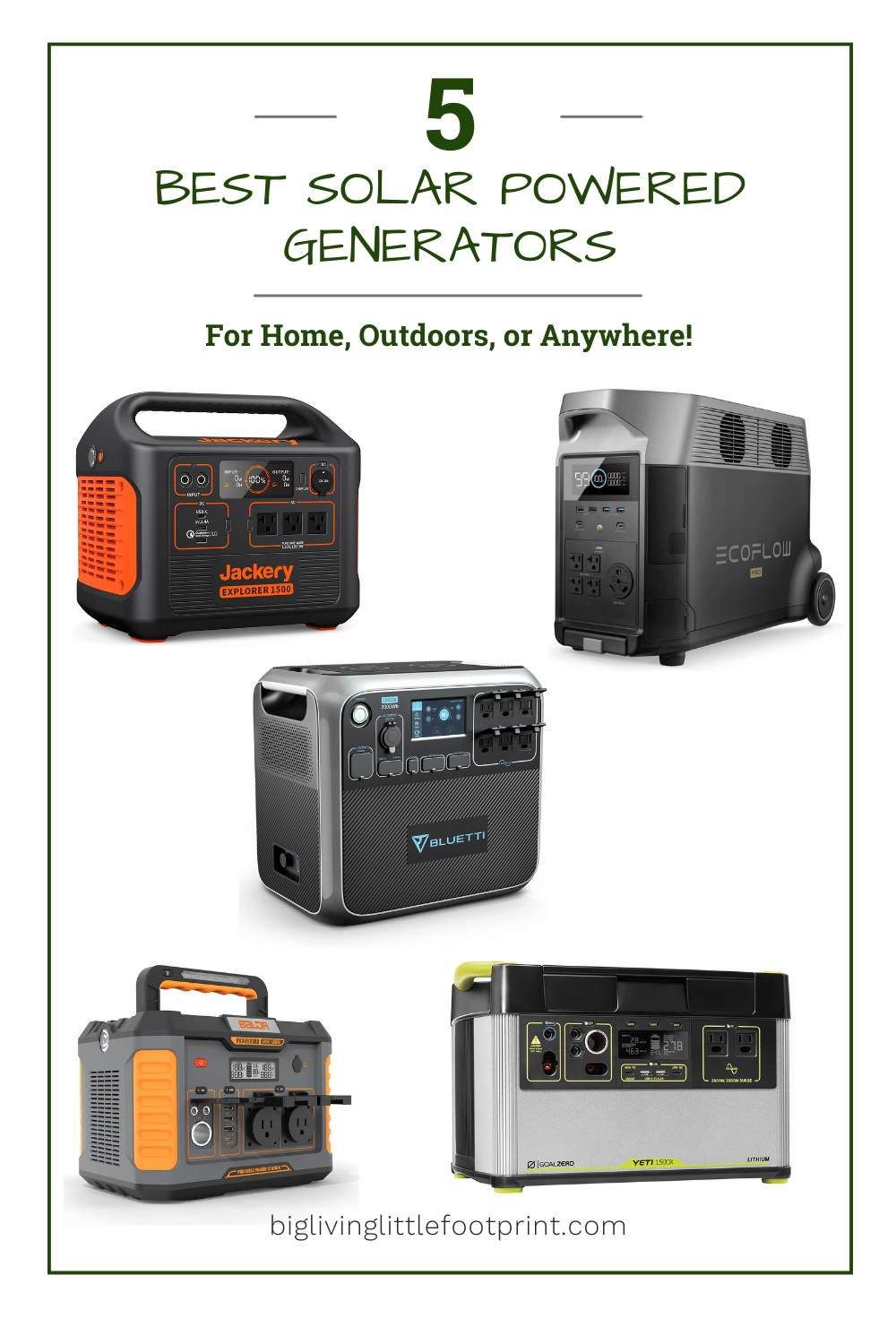
- Why it’s great: The Bluetti AC200MAX is a powerhouse for its category. With a 2048Wh LiFePO4 battery and a robust 2200W AC output (4800W surge), it can confidently run a full-size refrigerator, a small freezer, your home office setup, and plenty of lights. Its key advantage is its expandability; you can add up to two B230 (2048Wh each) or B300 (3072Wh each) battery modules, pushing its total capacity up to a massive 8192Wh. This makes it incredibly versatile for growing needs or longer outages. It also supports up to 900W solar input, allowing for relatively quick recharges on sunny days.
- Ideal for: Most average-sized homes needing reliable backup for 1-3 days, with the option to expand for longer durations.
Best for Extended Outages & Partial Whole-Home Backup (3000Wh+ & Expandable)
When you’re facing multi-day outages or want to power more than just the basics, these large-capacity, often modular systems are your best bet. They approach the capabilities of whole-home generators without the complexity of permanent installation (though some can integrate).
Recommendation: EcoFlow DELTA Pro (Approx. 3600Wh – Expandable to 25kWh)
- Why it’s great: The EcoFlow DELTA Pro is a beast designed for serious home backup. Starting at 3600Wh (LiFePO4) and a staggering 3600W AC output (7200W surge with X-Boost), it can handle almost any home appliance, even some 240V devices when two units are paired. Its true strength lies in its ecosystem and expandability: you can link up to two Smart Extra Batteries to reach 10.8kWh, and connect up to two DELTA Pros with a Smart Home Panel for partial whole-home integration, pushing capacity to an incredible 25kWh. It boasts incredibly fast charging via AC (up to 3000W) and substantial solar input (up to 1600W with one unit).
- Ideal for: Larger homes, prolonged outages, powering energy-intensive appliances like well pumps, or those looking to integrate into existing home wiring via a transfer switch.
Here’s a snapshot of how these top contenders stack up:
| Feature | Anker SOLIX C1000 | Bluetti AC200MAX | EcoFlow DELTA Pro |
|---|---|---|---|
| Battery Capacity | 1056 Wh | 2048 Wh (Expandable to 8192 Wh) | 3600 Wh (Expandable to 25 kWh) |
| Continuous AC Output | 1800 W | 2200 W | 3600 W (7200W with X-Boost) |
| Surge AC Output | 2400 W | 4800 W | 7200 W |
| Battery Type | LiFePO4 | LiFePO4 | LiFePO4 |
| Max Solar Input | 600 W | 900 W | 1600 W |
| AC Charge Time (0-100%) | ~58 mins | ~2-2.5 hours | ~1.7 hours |
| Charge Cycles (to 80%) | 3,000+ | 3,500+ | 3,500+ |
| Approx. Weight (Base Unit) | ~28 lbs | ~62 lbs | ~99 lbs |
Setting Up Your Solar Generator for Home Outage Readiness
Buying the right generator is just half the battle. Being prepared means knowing how to use it effectively and safely.
- Initial Charge & Testing: The moment your generator arrives, fully charge it via AC power. Then, connect your essential appliances and test them. Don’t wait for an actual outage to discover a problem. This also helps you understand how long things will run.
- Placement: Store your solar generator in a cool, dry place, readily accessible but out of the way of daily traffic. It should be away from direct sunlight when not in use and well-ventilated during operation. For charging via solar, you’ll need a spot with direct, unobstructed sunlight.
- Solar Panel Setup: When setting up panels, angle them towards the sun for maximum efficiency. South-facing is generally best in the Northern Hemisphere. Keep them clean from dust, leaves, or snow. Many portable panels come with kickstands for easy adjustment.
- Safety First: While solar generators are safer than gas, common sense applies. Avoid overloading the unit by plugging in too many high-wattage appliances simultaneously. Use good quality, appropriately rated extension cords if needed. Keep the unit away from water.
- Integrating with Your Home: For larger systems (like the EcoFlow DELTA Pro), you might consider a manual transfer switch professionally installed by a licensed electrician. This allows you to safely back up specific circuits in your home directly from the generator, avoiding the need for multiple extension cords. Never plug a generator directly into a wall outlet (backfeeding) without a transfer switch, as this can be extremely dangerous for utility workers and your home.
Maximizing Your Solar Generator’s Lifespan and Efficiency
To ensure your investment lasts for years and performs optimally, a little maintenance goes a long way.
- Regular Charging Cycles: For LiFePO4 batteries, it’s generally recommended to keep them charged above 50% for storage and fully recharge them every 3-6 months, even if not used. This helps maintain battery health and readiness.
- Cleanliness: Keep the generator unit’s vents clear of dust and debris to prevent overheating. Regularly clean your solar panels with a soft cloth and water to ensure they’re absorbing maximum sunlight.
- Storage Conditions: Extreme temperatures are the enemy of batteries. Store your generator in a controlled environment, ideally between 32°F and 95°F (0°C to 35°C), away from direct heat sources or freezing conditions.
- Firmware Updates: Many modern solar generators come with apps that allow for firmware updates. These updates can improve performance, add features, and fix bugs. Make sure to connect your unit to Wi-Fi and update as recommended by the manufacturer.
The Future of Home Backup: Beyond Portable Solar Generators
While this guide focuses on portable solar generators, it’s worth noting the broader landscape of home energy. These units are an excellent entry point into renewable backup. For those looking for ultimate resilience, integrated whole-home battery storage systems (like Tesla Powerwall or Enphase IQ Battery) paired with rooftop solar offer seamless, automated backup for your entire home.
However, these larger systems come with a significantly higher price tag and require professional installation. Portable solar generators offer a more affordable, flexible, and immediate solution for managing power outages, and they can even serve as a complementary backup to a larger system for specific needs or critical devices.
Final Thoughts: Power Up Your Peace of Mind
A power outage doesn’t have to plunge your home into chaos. With the right solar generator, you can maintain essential comforts, keep your food fresh, stay connected, and ensure your family’s safety. By understanding your needs, deciphering specifications, and choosing a reliable unit, you’re not just buying a gadget; you’re investing in invaluable peace of mind.

Take the time to assess your situation, make an informed choice from the robust options available today, and be prepared. When the lights go out, you’ll be the one calmly plugging in your fridge, knowing you’ve got the power to weather the storm.
Frequently Asked Questions
How long can a solar generator power a refrigerator?
This depends entirely on the solar generator’s battery capacity (Wh) and your refrigerator’s wattage (W). A typical energy-efficient refrigerator uses 100-200W and runs intermittently for about 8-12 hours per day. A 2000Wh solar generator, for example, could theoretically run such a fridge for approximately 10-20 hours of actual compressor run time, possibly lasting 1-2 days with careful management and daily solar recharging.
Are solar generators safe to use indoors?
Yes, generally solar generators are very safe to use indoors. Unlike gas generators, they produce no toxic fumes (like carbon monoxide) and run silently. However, like any electronic device, they do produce some heat, so ensure proper ventilation by not covering vents and maintaining clearance around the unit. Always follow the manufacturer’s safety guidelines.
What’s the difference between a solar generator and a portable power station?
The terms are often used interchangeably, but there’s a key distinction: A ‘portable power station’ is essentially a large battery pack with AC/DC/USB outlets. A ‘solar generator’ is a portable power station that also includes solar panels (or is sold as a kit with panels) and has the capability to be recharged by solar energy. All solar generators are portable power stations, but not all portable power stations are solar generators (if they lack solar input capability).
How many solar panels do I need for my generator?
The number of solar panels depends on your generator’s maximum solar input wattage and how quickly you want to recharge. If your generator has a 400W solar input limit, you could use two 200W panels or one 400W panel. Always check the generator’s voltage and amperage requirements to ensure compatibility and avoid overloading the charge controller.
Can a solar generator run my whole house?
Most portable solar generators are not designed to run an entire house simultaneously, especially not high-drain appliances like central AC, electric water heaters, or electric ovens. However, larger, expandable models (like the EcoFlow DELTA Pro or Bluetti EP500Pro) can provide substantial power, capable of running essential circuits (refrigerator, lights, internet, well pump) and can even be integrated into a home’s electrical panel via a professional manual transfer switch for partial home backup.
How often should I charge my solar generator when not in use?
To maintain optimal battery health for LiFePO4 batteries, it’s recommended to store your solar generator with a charge level between 50-80% and fully recharge it every 3-6 months. This prevents over-discharge and helps preserve the battery’s lifespan, ensuring it’s ready when an outage occurs.
What is the best battery type for a solar generator?
For home power outage use, LiFePO4 (Lithium Iron Phosphate) batteries are generally considered the best. They offer superior safety, a much longer cycle life (2,500 to 6,000+ cycles to 80% capacity), and better thermal stability compared to older NMC (Nickel Manganese Cobalt) Lithium-ion batteries, which are common in smaller electronics.


Post Comment