Best Solar Panels And Batteries For Home
The Definitive Guide to the Best Solar Panels and Batteries for Your Home
Feeling tired of fluctuating electricity bills, unexpected blackouts, or just want to take control of your home’s energy future? You’re not alone. Many homeowners are looking to solar, but the real game-changer isn’t just solar panels – it’s combining them with a robust home battery system. This isn’t about simply generating electricity; it’s about storing it, using it smarter, and achieving true energy independence.
Table of Contents
- The Definitive Guide to the Best Solar Panels and Batteries for Your Home
- Why Combine Solar Panels and Batteries? The Ultimate Home Energy Solution
- Beyond Simple Savings: The True Value of a Hybrid System
- Decoding Solar Panels: What Makes a Panel “Best”?
- Key Metrics for Solar Panel Performance
- Top Solar Panel Brands of 2024-2025: A Head-to-Head Comparison
- Understanding Solar Batteries: Powering Your Home 24/7
- Essential Battery Metrics to Consider
- Leading Solar Battery Brands for Home Use
- Bringing It All Together: Best Solar Panel & Battery Combinations
- Integrated Systems vs. Modular Components
- Inverters: The Brains of Your System
- Sizing Your System: How Much Power and Storage Do You Really Need?
- Cost, ROI, and Incentives: Making Solar+Storage Affordable
- Understanding the Investment
- Maximizing Your Return on Investment (ROI)
- Government Incentives and Rebates
- Choosing the Right Installer: A Critical Step
- What to Look for in a Solar Company
- The Future of Home Solar: Innovations on the Horizon
Choosing the right solar panels and batteries can feel like navigating a maze of technical jargon, brands, and price points. That’s why I’ve cut through the noise to bring you this definitive guide. We’re going beyond simple product lists to explain what truly makes a system the ‘best’ for your home, covering everything from top-tier components to the critical synergy between them, and how to maximize your investment.
Why Combine Solar Panels and Batteries? The Ultimate Home Energy Solution
Think of solar panels as your home’s energy producers and batteries as your energy bank. Separately, they’re good; together, they’re unstoppable. While panels harness the sun’s power during the day, a battery stores any excess, making it available when the sun isn’t shining, during peak hours, or in a grid outage.
Beyond Simple Savings: The True Value of a Hybrid System
- Energy Independence and Blackout Protection: This is often the primary driver. With a battery, your home doesn’t go dark when the grid does. You can power essential appliances or even your entire home, depending on your system’s size.
- Optimizing Time-of-Use (TOU) Rates: Many utility companies charge more for electricity during peak demand hours (often evenings). Your battery can discharge stored, cheaper solar power during these expensive periods, saving you significant money.
- Maximize Self-Consumption: Instead of sending excess solar power back to the grid for minimal credit (or none, in some areas), you store it for your own use, ensuring you get the full value from every ray of sunshine.
- Environmental Impact: By reducing your reliance on fossil-fuel generated grid electricity, you’re making a tangible positive impact on the environment, reducing your carbon footprint significantly.
Decoding Solar Panels: What Makes a Panel “Best”?
Not all solar panels are created equal. When I talk about the ‘best,’ I’m referring to a combination of efficiency, durability, warranty, and how they perform in real-world conditions. Understanding these key metrics will help you sift through the marketing hype and focus on what truly matters.
Key Metrics for Solar Panel Performance
- Efficiency: This is the percentage of sunlight hitting the panel that gets converted into electricity. Higher efficiency means more power from a smaller footprint, crucial for limited roof space. Top-tier panels can exceed 22% efficiency.
- Temperature Coefficient: Solar panels lose some efficiency as they heat up. A lower (closer to zero or less negative) temperature coefficient indicates better performance in hot climates. For example, -0.29%/°C is better than -0.35%/°C.
- Power Output (Watts): This simply tells you how much power a single panel can produce under standard test conditions. Common residential panels range from 350W to 450W+.
- Warranty: Look for two types: the product warranty (typically 12-25 years, covering defects) and the performance warranty (typically 25-30 years, guaranteeing a certain percentage of original power output over time, usually 80-87% by year 25).
- Durability and Aesthetics: Consider how well panels are built to withstand harsh weather and how they look on your roof. All-black panels often offer a sleeker appearance.
Top Solar Panel Brands of 2024-2025: A Head-to-Head Comparison
While many excellent panel manufacturers exist, these brands consistently rank high for performance, reliability, and warranty in the US market. The ‘best’ often comes down to balancing these factors with your budget.

| Brand | Typical Max Efficiency | Product Warranty | Performance Warranty (Year 25) | Key Feature/Benefit |
|---|---|---|---|---|
| SunPower (Maxeon) | Up to 22.8% | 40 years | 92% | Highest efficiency, industry-leading warranty, sleek aesthetics. |
| REC Solar | Up to 22.3% | 25 years | 92% | Excellent efficiency with innovative HJT technology, strong warranty. |
| Q CELLS | Up to 21.6% | 25 years | 86% | Strong all-rounder, good performance in varying conditions, competitive price point. |
| Canadian Solar | Up to 21.5% | 12-25 years | 84.8-85% | Reliable, established brand with a wide range of products, good value. |
| Trina Solar | Up to 21.8% | 15-25 years | 84.8% | Global leader, strong R&D, excellent performance-to-cost ratio. |
Understanding Solar Batteries: Powering Your Home 24/7
Batteries are the linchpin of a truly resilient and optimized home solar system. They bridge the gap between when your panels produce power and when you actually need it. But like panels, there’s a lot to consider beyond just the brand name.
Essential Battery Metrics to Consider
- Capacity (kWh): This is the total amount of energy the battery can store. For context, an average US home uses about 20-30 kWh per day.
- Usable Capacity (kWh): Even more important than total capacity, this is the actual amount of energy you can reliably draw from the battery. Due to Depth of Discharge (DoD) recommendations, usable capacity is always less than total.
- Power Output (kW continuous/peak): This refers to how much electricity the battery can deliver at any given moment. Continuous power is what it can sustain, while peak power is for short bursts (e.g., starting an appliance). Match this to your home’s most power-hungry devices.
- Depth of Discharge (DoD): The percentage of a battery’s total capacity that has been discharged. For optimal lifespan, most lithium-ion batteries recommend a DoD of 90-100%, making usable capacity very close to total capacity.
- Cycle Life: How many times a battery can be fully charged and discharged before its capacity significantly degrades. A typical cycle life for modern solar batteries is 6,000-10,000 cycles.
- Round-trip Efficiency: The percentage of energy put into a battery that can be retrieved. Higher efficiency (e.g., 90%+) means less energy loss during storage.
- Warranty: Covers the battery’s performance and defects, usually for 10 years or a certain number of cycles, guaranteeing a minimum remaining capacity (e.g., 70% at end of warranty).
- Battery Chemistry: Most modern home solar batteries use Lithium-ion, specifically LiFePO4 (Lithium Iron Phosphate), known for its safety, stability, and longer lifespan compared to older chemistries.
Leading Solar Battery Brands for Home Use
The home battery market is evolving rapidly, but these brands are consistently at the forefront, offering reliable and high-performance solutions for various needs.
| Brand/Model | Usable Capacity (kWh) | Continuous Power (kW) | Cycle Life | Warranty (Years/Capacity) | Key Feature/Benefit |
|---|---|---|---|---|---|
| Tesla Powerwall 3 | 13.5 kWh | 11.5 kW | Unlimited (for 10 years) | 10 years / 70% retention | High power output, integrated inverter, sleek design, established brand. |
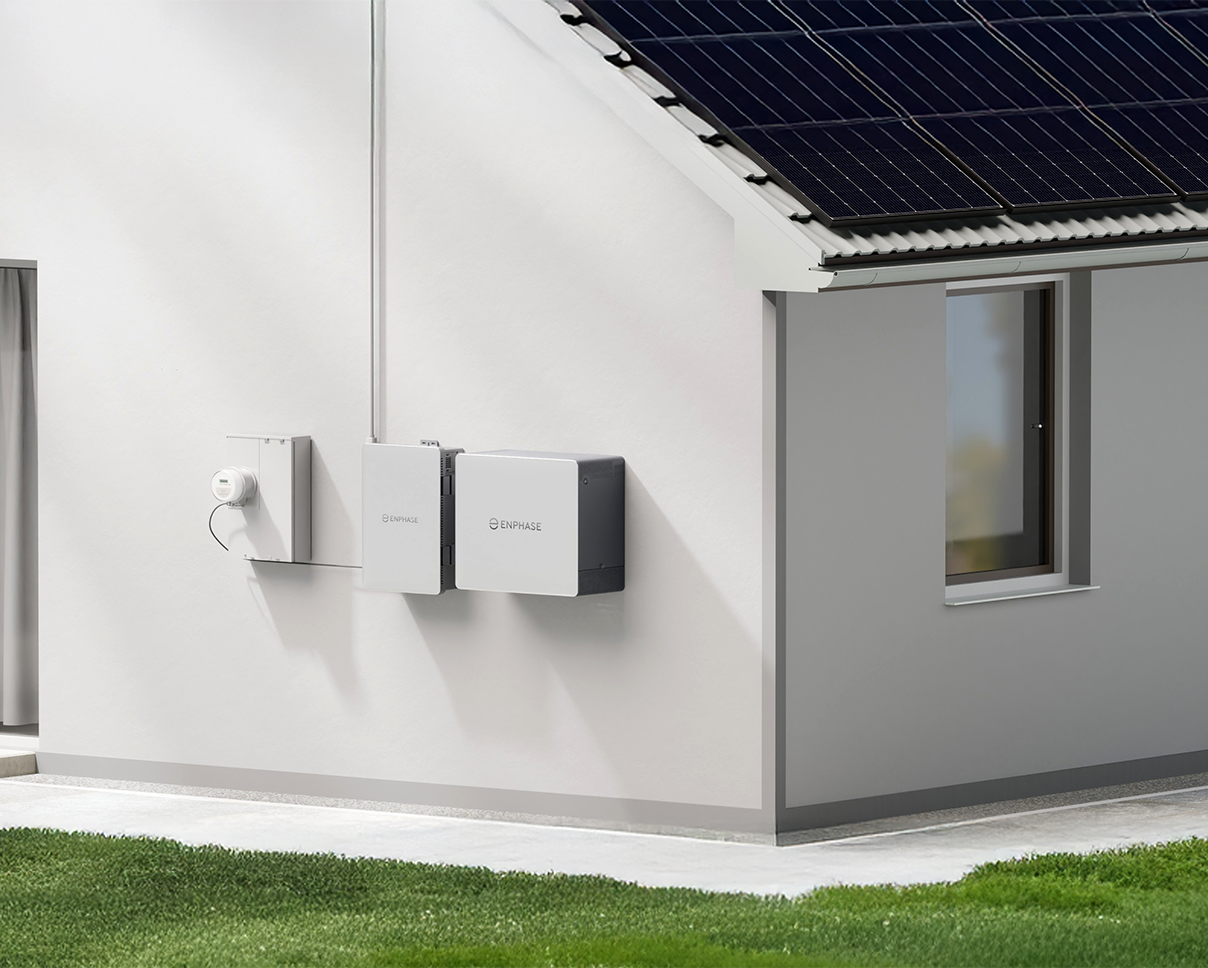
| Enphase IQ Battery 5P | 5.0 kWh (modular) | 3.84 kW (per module) | 15 years / 6,000 cycles | 15 years / 70% retention | Modular and scalable, integrated microinverters, ideal for Enphase systems. |
| Generac PWRcell | 9-18 kWh (scalable) | 4.5-9 kW | 10 years / 7,500 cycles | 10 years / 70% retention | Flexible sizing, integration with Generac generators, good for backup power. |
| FranklinWH aPower | 13.6 kWh | 5 kW (continuous) | Unlimited cycles (for 12 years) | 12 years / 70% retention | Whole-home backup, excellent energy management system, high capacity. |
| SolarEdge Home Battery | 9.7 kWh or 13.8 kWh | 5 kW or 7.5 kW | 10 years / 7,300 cycles | 10 years / 70% retention | Seamless integration with SolarEdge inverters, high efficiency. |
Bringing It All Together: Best Solar Panel & Battery Combinations
The true magic happens when your solar panels and batteries work in harmony. You’re not just buying components; you’re investing in an integrated energy ecosystem for your home. This requires careful consideration of compatibility and sizing.
Integrated Systems vs. Modular Components
- Integrated Systems: These are typically offered by a single manufacturer (e.g., Tesla Powerwall, Enphase IQ, SolarEdge Home). They often come with a single warranty, streamlined installation, and optimized communication between components. The downside can be less flexibility in choosing specific panel brands.
- Modular Components: Here, you might pair panels from one brand (e.g., SunPower) with batteries from another (e.g., Generac) and an inverter from a third party. This offers maximum flexibility and customization but requires careful vetting of component compatibility and relies more on your installer’s expertise for seamless integration.
Inverters: The Brains of Your System
The inverter is a critical component, converting the DC (direct current) electricity from your solar panels and battery into AC (alternating current) that your home appliances use. For a solar-plus-storage system, you’ll almost certainly need a hybrid inverter or a system that can manage both solar and battery power.
- Hybrid Inverters: These clever devices can manage power flow from solar panels, batteries, and the grid, making them ideal for solar-plus-storage systems.
- Microinverters (e.g., Enphase): Installed under each panel, they optimize individual panel performance and are often paired with modular battery systems that also have integrated microinverters.
- String Inverters: Less common for new battery-ready systems, these are typically used for panel-only setups and would require an additional battery inverter for storage.
Importance of compatibility: Ensure your chosen inverter is compatible with both your solar panels and your battery system. Many battery manufacturers offer their own inverters or have specific compatibility lists.
Sizing Your System: How Much Power and Storage Do You Really Need?
This is arguably the most crucial step. An undersized system won’t meet your needs, and an oversized one is an unnecessary expense. A professional installer will conduct a thorough energy audit, but here’s what they’ll look at:

- Assessing Energy Usage: Review your past 12 months of utility bills to understand your average daily and monthly electricity consumption. This dictates how many solar panels you need.
- Backup Needs (Critical Loads vs. Whole Home):
- Critical Loads: Do you only want to power essentials like your refrigerator, lights, and medical devices during an outage? A smaller battery system might suffice.
- Whole Home Backup: Do you want to run everything, including HVAC and large appliances? You’ll need a much larger battery capacity and higher power output.
- Future Expansion: Consider if your energy needs might grow (e.g., electric vehicle, new appliances). Some battery systems are modular and allow for easy expansion later.
Cost, ROI, and Incentives: Making Solar+Storage Affordable
Investing in solar panels and batteries is a significant financial decision, but it’s one with long-term benefits. Understanding the costs and available incentives is key to making it work for your budget.
Understanding the Investment
The cost of a solar-plus-storage system varies widely based on system size, panel and battery brands, installation complexity, and your location. As a rough guide:
- Solar Panel System (before battery): $15,000 – $35,000+ (for a typical 6-10 kW residential system, before incentives).
- Home Battery System (per unit): $10,000 – $20,000+ (including inverter and installation). You might need multiple batteries depending on your capacity needs.
Factors Affecting Price: Rooftop accessibility, local labor costs, permit fees, electrical upgrades, and the complexity of integrating with existing systems all play a role.
Maximizing Your Return on Investment (ROI)
Your ROI comes from avoided utility bills, potential grid export credits, and increased home value. Batteries enhance this by:
- Net Metering vs. Self-Consumption: In areas with poor net metering policies (where you get little credit for sending power to the grid), batteries allow you to self-consume almost all your generated power, maximizing its value.
- Time-of-Use Optimization: As mentioned, shifting consumption to cheaper, stored solar power during peak utility rates is a direct financial benefit.
Government Incentives and Rebates
These can significantly reduce your upfront costs:
- Federal Solar Tax Credit (ITC): Currently, the Investment Tax Credit allows you to deduct 30% of the cost of your solar panel and battery system from your federal taxes. This is a massive saving. Crucially, standalone battery storage installations are now also eligible for the ITC.
- State and Local Programs: Many states, counties, and even cities offer additional rebates, property tax exemptions, or performance-based incentives for solar and storage. Check with your state’s energy office or a local installer.
- Specific Battery Incentives: Some states, like California and Massachusetts, have programs specifically designed to incentivize battery storage adoption (e.g., SGIP in California).
Choosing the Right Installer: A Critical Step
Even the best solar panels and batteries won’t perform optimally without proper design and installation. Your choice of installer is just as important as your choice of equipment.
What to Look for in a Solar Company
- Experience and Certifications: Look for installers with NABCEP (North American Board of Certified Energy Practitioners) certification. This indicates a high level of expertise.
- Reputation and Reviews: Check online reviews (Google, Yelp, BBB) and ask for local references. A company’s track record speaks volumes.
- Warranty and Service: Understand their workmanship warranty (typically 10+ years) and what kind of post-installation support they offer. Will they handle warranty claims if a component fails?
- Customization and Consultation: A good installer won’t push a generic package. They’ll perform a detailed site assessment, discuss your specific energy goals, and design a custom system tailored to your home and budget.
- Financing Options: Inquire about lease, PPA (Power Purchase Agreement), loan, or cash purchase options. A reputable company will offer clear explanations of each.
The Future of Home Solar: Innovations on the Horizon
The solar and storage industry is constantly innovating. While today’s technology is incredibly robust, here’s a glimpse of what’s coming:
- Solid-State Batteries: Promising even greater energy density, faster charging, and enhanced safety compared to current lithium-ion batteries.
- Vehicle-to-Grid (V2G) Technology: Electric vehicles becoming mobile battery banks, able to power your home or even send energy back to the grid.
- AI and Smart Home Integration: More sophisticated AI-powered energy management systems that learn your usage patterns and optimize energy flow even more effectively, predicting weather and utility rates.
- Perovskite Solar Cells: A new generation of solar cell technology that could be cheaper, more flexible, and potentially more efficient than silicon.
Investing in solar panels and batteries for your home is a smart move for your wallet, your peace of mind during outages, and the planet. By focusing on quality components, understanding your energy needs, and partnering with a reputable installer, you can build a resilient and sustainable energy future for your home.
Frequently Asked Questions
What is the average cost of installing solar panels and batteries for a home?
The average cost can range significantly based on system size and components. A typical 6-10 kW solar panel system might cost $15,000-$35,000 before incentives. A single home battery unit (e.g., 10-15 kWh) can add another $10,000-$20,000, including installation and inverter. These figures are before applying generous incentives like the 30% federal solar tax credit.
How long do solar panels and batteries last?
High-quality solar panels typically come with 25-30 year performance warranties, guaranteeing a certain output (e.g., 80-87%) at the end of that period. Modern lithium-ion home batteries usually have a 10-12 year warranty, often guaranteeing 70% usable capacity retention by the end of the term or after a certain number of cycles (e.g., 6,000-10,000 cycles). Both components can often function beyond their warranty periods, though with gradual degradation.
Can a solar battery power my entire home during an outage?
Yes, depending on the battery’s capacity and power output, and how it’s sized relative to your home’s energy consumption. Smaller batteries are often configured to power ‘critical loads’ (refrigerator, lights, internet) during an outage. Larger, multiple-battery systems can provide whole-home backup, including larger appliances like HVAC, but will naturally cost more and require a larger solar array to recharge them.
Are there any government incentives for installing solar panels and batteries?
Absolutely! The primary incentive in the US is the Federal Solar Tax Credit (ITC), currently at 30% of the total system cost for both solar panels and battery storage (even standalone battery systems are eligible). Many states and local municipalities also offer additional rebates, tax exemptions, or performance-based incentives. It’s crucial to check local programs and consult with a reputable installer.
What’s the difference between a hybrid inverter and a regular solar inverter?
A regular solar inverter (string or microinverter) converts DC power from solar panels into AC power for your home or the grid. A hybrid inverter does this but also integrates battery storage. It can manage power flow between solar panels, the battery, your home, and the grid, charging the battery with solar, discharging it when needed, and seamlessly switching to backup power during an outage. For a solar-plus-storage system, a hybrid inverter (or an inverter compatible with a battery system) is essential.
How do I know what size solar panel and battery system I need?
Determining the right size requires a professional energy audit. An installer will analyze your past 12 months of electricity bills to understand your average daily and peak energy consumption. They’ll also discuss your specific goals – whether you want to offset all your electricity, provide whole-home backup, or just power critical loads during outages. This data, combined with your roof size and sun exposure, will dictate the optimal system size.


Post Comment