Topcon Solar Cell Advantages And Disadvantages
TOPCon Solar Cells: Unpacking the Advantages and Disadvantages for Your Home or Business
Ever feel like the world of solar energy moves at warp speed? Just when you get a handle on one technology, another emerges, promising even greater efficiency and better returns. If you’ve been researching solar, you’ve likely stumbled upon TOPCon solar cells – the latest buzz in photovoltaic (PV) innovation. But what exactly are they, and more importantly, do they live up to the hype for homeowners and businesses like yours?
Table of Contents
- TOPCon Solar Cells: Unpacking the Advantages and Disadvantages for Your Home or Business
- What Exactly Are TOPCon Solar Cells? A Quick Primer
- The “Tunnel Oxide Passivated Contact” Explained
- N-Type Silicon: The Foundation of TOPCon
- The Game-Changing Advantages of TOPCon Solar Cells
- Superior Energy Efficiency: More Power, Less Space
- Excellent Low-Light Performance: Powering Through Clouds
- Lower Temperature Coefficient: Beating the Heat
- Minimal Degradation Rates: Built to Last
- High Bifaciality Potential: Harvesting More Sunlight
- Reduced PID and LID Risks: Enhanced Reliability
- The Real-World Disadvantages of TOPCon Solar Cells
- Higher Upfront Cost: The Initial Investment Barrier
- Increased Silver Consumption: A Supply Chain Challenge
- Manufacturing Complexity & Learning Curve
- Newer Technology, Fewer Long-Term Case Studies
- Potential for Micro-Cracks (Dependent on Manufacturing Quality)
- TOPCon vs. The Competition: A Head-to-Head Showdown
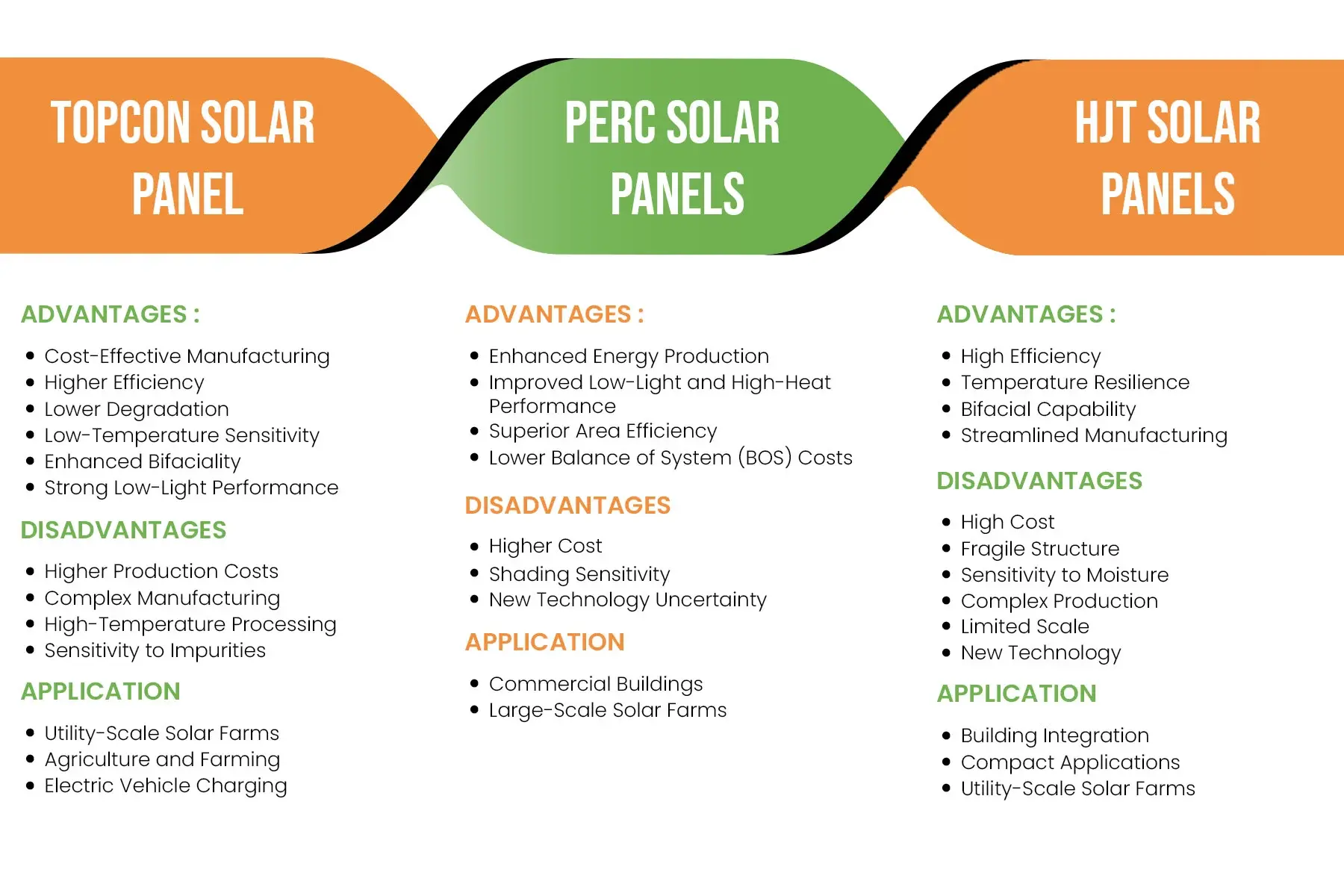
- TOPCon vs. PERC Solar Cells: The Dominant Rival
- TOPCon vs. HJT Solar Cells: The High-Efficiency Contender
- Is TOPCon Right for You? Key Considerations for Homeowners and Businesses
- When TOPCon Shines Brightest
- Understanding the Return on Investment (ROI)
- Future Outlook for TOPCon Technology
- The Bottom Line: Embracing the Next Generation of Solar
I get it. Investing in solar is a big decision, and you want to ensure you’re making the smartest choice for your property and your wallet. That’s why I’m here to cut through the jargon and give you a straightforward, human-centric breakdown of TOPCon technology. We’ll explore its impressive benefits, confront its real-world drawbacks, and see how it stacks up against its predecessors. By the end of this guide, you’ll have a clear picture of whether TOPCon is the future of your solar journey.
What Exactly Are TOPCon Solar Cells? A Quick Primer
Let’s start with the basics. TOPCon stands for Tunnel Oxide Passivated Contact. Sounds complex, right? But the core idea is elegantly simple and incredibly effective. Imagine a solar cell trying to convert sunlight into electricity. Its biggest enemy is something called “recombination,” where electrons get lost before they can contribute to power generation. TOPCon technology is designed to minimize this loss, capturing more electrons and boosting overall efficiency.
The “Tunnel Oxide Passivated Contact” Explained
At the heart of a TOPCon cell is a super-thin layer of silicon dioxide – an insulating material – just a few nanometers thick. This is the “tunnel oxide.” On top of this, another layer of polysilicon is deposited. Together, these layers form the “passivated contact.” What this duo does is create a selective pathway for electrons. It allows electrons to “tunnel” through the oxide layer to the contact, while simultaneously preventing them from recombining prematurely at the silicon surface. This meticulous control of electron flow is what sets TOPCon apart, resulting in significantly less energy loss.
N-Type Silicon: The Foundation of TOPCon
Unlike the more traditional P-type silicon used in older solar cell designs (like PERC cells), TOPCon cells are built on an N-type silicon wafer. This shift is crucial. N-type silicon is doped with phosphorus, giving it an excess of electrons. This makes N-type cells inherently more resistant to certain types of degradation, such as Light Induced Degradation (LID) and Potential Induced Degradation (PID), which can plague P-type cells over time. Think of it as a more robust foundation for a higher-performing, longer-lasting solar panel.
The Game-Changing Advantages of TOPCon Solar Cells
Now, let’s dive into why TOPCon is generating so much excitement. These aren’t just marginal improvements; they represent significant leaps forward in solar technology, offering tangible benefits for you.
Superior Energy Efficiency: More Power, Less Space
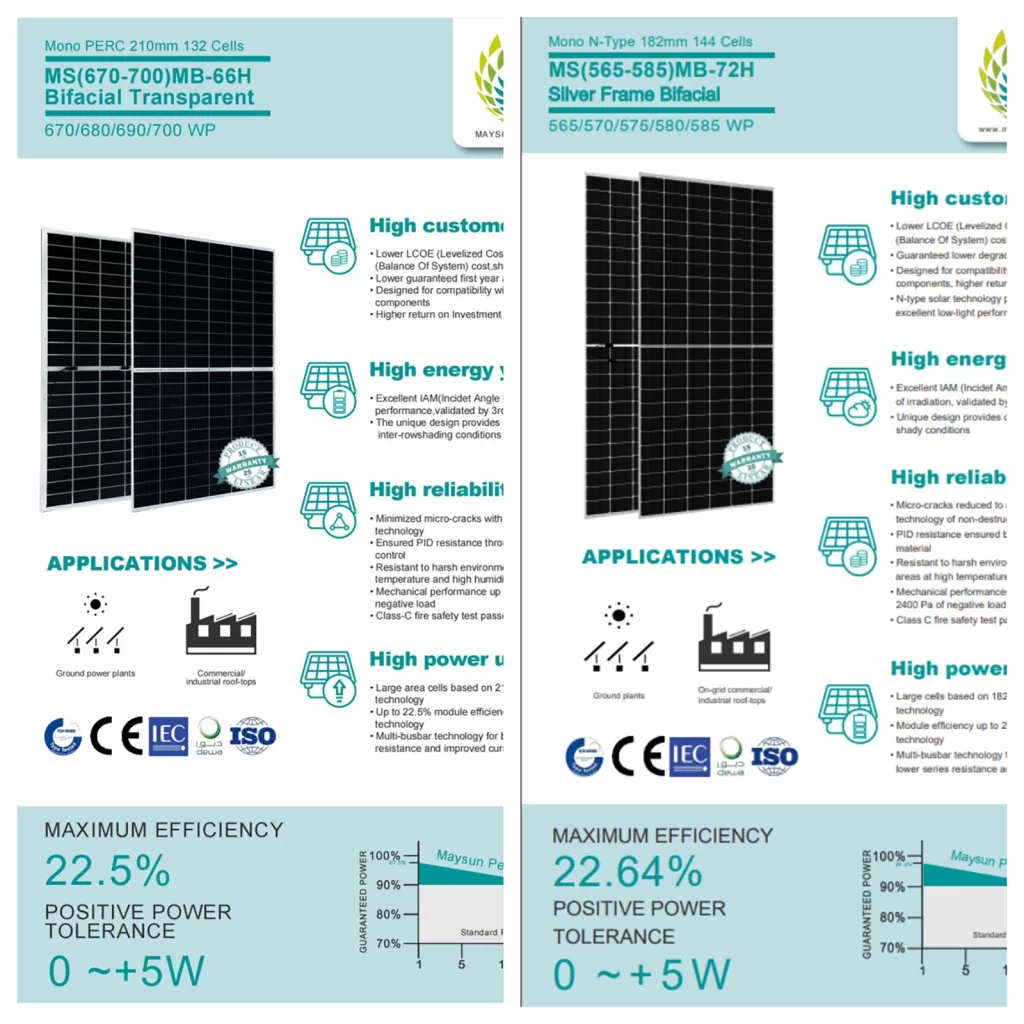
This is arguably TOPCon’s biggest headline advantage. TOPCon cells consistently achieve higher efficiencies compared to conventional technologies like PERC. While typical PERC modules might hover around 20-21% efficiency, TOPCon modules are regularly hitting 22-24% efficiency, with laboratory records even pushing beyond 26%. What does this mean for you? You can generate more electricity from the same amount of roof space, or achieve your energy goals with fewer panels. This is particularly valuable for homes or businesses with limited roof area.
Excellent Low-Light Performance: Powering Through Clouds
Ever wonder if solar panels still work on a cloudy day or early in the morning/late in the evening? TOPCon cells exhibit superior performance in diffused light conditions. Their optimized electron collection process allows them to capture more energy even when direct sunlight isn’t available. This means a more consistent energy output throughout the day and year, especially beneficial in regions prone to overcast weather or for optimizing energy generation during shoulder hours.
Lower Temperature Coefficient: Beating the Heat
Solar panels, ironically, lose efficiency as temperatures rise. This is a common challenge, especially in hot climates. TOPCon cells boast a significantly lower temperature coefficient compared to PERC cells. This means they suffer less efficiency degradation under high operating temperatures. For instance, a PERC panel might lose 0.35% to 0.45% of its efficiency for every degree Celsius above 25°C, while TOPCon panels typically lose only 0.29% to 0.31%. In real terms, your TOPCon system will maintain a higher output during scorching summer days, ensuring better performance when you need it most.
Minimal Degradation Rates: Built to Last
All solar panels degrade over time, losing a small percentage of their efficiency each year. However, TOPCon’s N-type silicon foundation contributes to remarkably low degradation rates. Many TOPCon manufacturers offer warranties guaranteeing less than 1% degradation in the first year and typically only 0.4% to 0.5% annual degradation thereafter for 30 years. This compares favorably to PERC, which often sees 2% in the first year and 0.55% annually. A lower degradation rate means your system will produce more power for longer, enhancing your long-term ROI.
High Bifaciality Potential: Harvesting More Sunlight
Many TOPCon panels are inherently bifacial, meaning they can capture sunlight from both their front and rear sides. While traditional panels only convert direct sunlight hitting the front, bifacial TOPCon panels can also generate electricity from reflected light (albedo) bouncing off the ground, snow, or light-colored surfaces behind them. In ideal installations (e.g., ground mounts, carports, or flat commercial roofs), this can lead to an additional 5% to 30% energy gain. It’s like getting free extra power!
Reduced PID and LID Risks: Enhanced Reliability
As mentioned, TOPCon’s N-type architecture makes it highly resistant to Potential Induced Degradation (PID) and Light Induced Degradation (LID). PID occurs when a voltage difference between the solar cells and the grounded module frame causes current leakage, reducing power output. LID is a common issue in P-type cells where initial exposure to light causes a temporary efficiency drop. By mitigating these risks, TOPCon cells offer greater long-term stability and reliability, ensuring your investment performs consistently over its lifespan.
The Real-World Disadvantages of TOPCon Solar Cells
No technology is perfect, and TOPCon is no exception. While its advantages are compelling, it’s crucial to understand the challenges and trade-offs. Being aware of these helps you make an informed decision.
Higher Upfront Cost: The Initial Investment Barrier
Currently, TOPCon modules typically come with a higher upfront cost per watt compared to established PERC technology. This is due to several factors, including the newer manufacturing processes, the N-type silicon wafers (which can be slightly more expensive), and the advanced materials involved. While prices are dropping as production scales, you might find that a TOPCon system demands a slightly larger initial investment. However, it’s vital to weigh this against the long-term benefits of higher efficiency and lower degradation, which can lead to greater savings over the system’s lifetime.
Increased Silver Consumption: A Supply Chain Challenge
One of the more significant manufacturing hurdles for TOPCon cells is their comparatively higher consumption of silver paste for contacts. Silver is an expensive commodity, and its increased use can drive up production costs and pose supply chain challenges. Manufacturers are actively researching and implementing strategies to reduce silver usage, such as using less paste or exploring alternative materials like copper. Until these innovations become widespread, the reliance on silver remains a cost factor.
Manufacturing Complexity & Learning Curve
While some aspects of TOPCon manufacturing can leverage existing PERC lines, the tunnel oxide layer and polysilicon deposition require additional, precise steps and specialized equipment. This introduces a degree of manufacturing complexity and a learning curve for producers. This complexity can affect initial production yields and overall cost. However, as manufacturers gain experience and optimize their processes, these challenges are expected to diminish.
Newer Technology, Fewer Long-Term Case Studies
TOPCon is a relatively new technology compared to the decades-old PERC cells. While laboratory testing and accelerated aging simulations show promising long-term stability, real-world data from systems operating for 15-20 years is still accumulating. This isn’t necessarily a red flag, as the science behind its resistance to degradation is sound, but it means there are fewer long-term performance benchmarks compared to more mature technologies. Most reputable manufacturers offer excellent warranties, mitigating this risk.
Potential for Micro-Cracks (Dependent on Manufacturing Quality)
Like any solar cell technology, the quality of manufacturing is paramount. With the delicate tunnel oxide layer and specific deposition processes, ensuring precise control is critical. Poor manufacturing quality or improper handling can potentially lead to micro-cracks or delamination, which could impact long-term performance. This disadvantage is largely mitigated by choosing panels from reputable, tier-1 manufacturers with stringent quality control standards.
TOPCon vs. The Competition: A Head-to-Head Showdown
To truly understand where TOPCon fits into the solar landscape, it’s helpful to compare it directly with the other leading technologies you might encounter. Let’s look at its two main rivals.
TOPCon vs. PERC Solar Cells: The Dominant Rival
For years, PERC (Passivated Emitter Rear Contact) cells have been the workhorse of the solar industry, offering a significant upgrade over conventional Al-BSF cells. PERC panels are known for their good efficiency and cost-effectiveness. However, TOPCon is designed to surpass PERC in almost every performance metric.
| Feature | TOPCon Solar Cells | PERC Solar Cells |
|---|---|---|
| Typical Efficiency | 22-24% (Commercial) | 20-22% (Commercial) |
| Silicon Type | N-type | P-type |
| Temperature Coefficient | ~ -0.29% to -0.31%/°C | ~ -0.35% to -0.45%/°C |
| Initial Degradation (Year 1) | < 1% | ~ 2% |
| Annual Degradation (after Year 1) | ~ 0.4% – 0.5% | ~ 0.55% |
| Bifaciality Potential | High (Standard) | Limited / Lower |
| LID/PID Resistance | Excellent | Good |
| Relative Cost (Current) | Higher per watt | Lower per watt |
TOPCon vs. HJT Solar Cells: The High-Efficiency Contender
HJT (Heterojunction Technology) cells are another premium, high-efficiency contender, combining crystalline silicon with thin-film amorphous silicon layers. HJT cells also boast excellent temperature coefficients and high bifaciality. The key difference lies in their manufacturing process and specific cell structure.
| Feature | TOPCon Solar Cells | HJT Solar Cells |
|---|---|---|
| Typical Efficiency | 22-24% (Commercial) | 22.5-24.5% (Commercial) |
| Silicon Type | N-type wafer with tunnel oxide/poly-Si | N-type wafer with amorphous silicon layers |
| Temperature Coefficient | ~ -0.29% to -0.31%/°C | ~ -0.24% to -0.26%/°C (Slightly better) |
| Initial Degradation (Year 1) | < 1% | < 1% |
| Annual Degradation (after Year 1) | ~ 0.4% – 0.5% | ~ 0.25% – 0.35% (Potentially better) |
| Bifaciality Potential | High | Very High (often standard) |
| Manufacturing Process | Can adapt PERC lines, fewer steps than HJT | More complex, specialized equipment |
| Relative Cost (Current) | Higher than PERC, competitive with HJT | Generally highest per watt |
In essence, TOPCon offers a compelling balance of high efficiency, excellent performance characteristics, and a manufacturing process that’s more readily adaptable from existing PERC infrastructure, potentially leading to faster cost reduction than HJT in the long run.
Is TOPCon Right for You? Key Considerations for Homeowners and Businesses
Choosing the right solar technology isn’t a one-size-fits-all decision. Your specific needs, budget, and property characteristics will play a significant role. Here’s how to think about TOPCon for your situation.
When TOPCon Shines Brightest
- Limited Roof Space: If your roof area is constrained, TOPCon’s higher efficiency means you can maximize power output from fewer panels, achieving your energy goals without needing more space.
- High Energy Demands: For homes or businesses with significant electricity consumption, the superior performance and higher energy yield of TOPCon can translate to greater overall savings and a quicker return on investment.
- Hot Climates: Thanks to its excellent temperature coefficient, TOPCon maintains better performance in regions with high ambient temperatures, making it an ideal choice for sunny, hot areas.
- Desire for Long-Term Reliability: If you prioritize a system that will perform exceptionally well for decades with minimal degradation, TOPCon’s N-type foundation offers industry-leading stability.
- Bifacial Opportunity: For ground-mounted systems, carports, pergolas, or commercial flat roofs where reflected light can be harvested, bifacial TOPCon panels offer a significant boost in energy production.
Understanding the Return on Investment (ROI)
While TOPCon panels often have a slightly higher upfront cost, it’s crucial to look beyond that initial number and consider the long-term return on investment (ROI). Here’s why TOPCon can still be a financially savvy choice:
- Higher Energy Production: More efficient panels generate more kilowatt-hours (kWh) over their lifetime. This translates to greater savings on your electricity bills.
- Longer Lifespan & Better Warranties: With lower degradation rates, TOPCon systems maintain higher output for longer, extending their productive life and enhancing their overall value. Stronger warranties also protect your investment.
- Reduced Operating Costs: Less degradation means less potential need for premature replacements or significant underperformance, leading to lower unexpected costs over the system’s lifespan.
- Government Incentives: Don’t forget federal tax credits (like the ITC), state incentives, and local rebates that can significantly offset the initial cost of any solar installation, making high-efficiency options like TOPCon even more attractive.
When calculating ROI, factor in these benefits. A slightly higher upfront cost for a TOPCon system could very well lead to a significantly better financial outcome over 20-30 years.
Future Outlook for TOPCon Technology
The trajectory for TOPCon is overwhelmingly positive. It’s rapidly becoming the dominant technology in the solar industry, with many major manufacturers shifting their production lines from PERC to TOPCon. Analysts predict TOPCon will hold a significant market share in the coming years. This mass adoption will likely drive down manufacturing costs further, making TOPCon even more competitive and accessible. Continued research and development are also pushing efficiency limits, with innovations like TBC (TOPCon Bifacial Contact) and other enhancements already on the horizon.
The Bottom Line: Embracing the Next Generation of Solar
TOPCon solar cells represent a significant step forward in photovoltaic technology. They offer a compelling suite of advantages: higher efficiency, superior performance in challenging conditions, and exceptional long-term reliability. While they may come with a slightly higher initial price tag and present some manufacturing challenges, these drawbacks are often outweighed by the substantial long-term benefits and rapidly evolving market dynamics.
For discerning homeowners and businesses looking to maximize their solar investment, especially those with space constraints or high energy demands, TOPCon offers a powerful solution. As the technology matures and production scales, it’s poised to become the new standard for high-performance, reliable, and ultimately, more cost-effective solar energy generation. It’s not just a trend; it’s a testament to the continuous innovation driving us towards a cleaner, more sustainable energy future.
Frequently Asked Questions
What is the main advantage of TOPCon solar cells?
The primary advantage of TOPCon solar cells is their significantly higher energy efficiency, typically ranging from 22-24% in commercial modules. This allows for greater power generation from a smaller footprint, making them ideal for properties with limited roof space or high energy demands.
Are TOPCon solar panels more expensive than traditional PERC panels?
Currently, TOPCon solar panels generally have a slightly higher upfront cost per watt compared to PERC panels due to newer manufacturing processes and materials. However, their superior efficiency, lower degradation, and better performance often lead to a greater long-term return on investment (ROI).
How do TOPCon cells perform in hot weather?
TOPCon cells excel in hot weather due to their low temperature coefficient. This means they lose less efficiency as operating temperatures rise, maintaining higher power output during peak heat compared to older technologies like PERC, which are more susceptible to heat-induced efficiency losses.
What does ‘bifaciality’ mean for TOPCon solar panels?
Bifaciality means that TOPCon panels can capture sunlight from both their front and rear sides. While the front captures direct sunlight, the rear can generate electricity from reflected light (albedo) off the ground or other surfaces. This can lead to an additional 5-30% energy gain in suitable installations, like ground mounts or carports.
How long do TOPCon solar panels last?
TOPCon solar panels are built for longevity. Utilizing N-type silicon, they boast very low degradation rates, typically less than 1% in the first year and around 0.4-0.5% annually thereafter. Most manufacturers offer robust 25-30 year performance warranties, ensuring your system maintains high output for decades.
Is TOPCon better than HJT solar cells?
Both TOPCon and HJT (Heterojunction Technology) are high-efficiency, premium technologies. HJT generally has a slightly better temperature coefficient and lower annual degradation. However, TOPCon often has a simpler manufacturing process that can leverage existing PERC lines, potentially leading to faster cost reduction and competitive efficiency. The ‘better’ choice depends on specific project requirements and budget, as both are top-tier performers.


Post Comment