Solar Panel Efficiency On A Cloudy Day
Solar Panel Efficiency on a Cloudy Day: Unpacking Performance & Maximizing Output
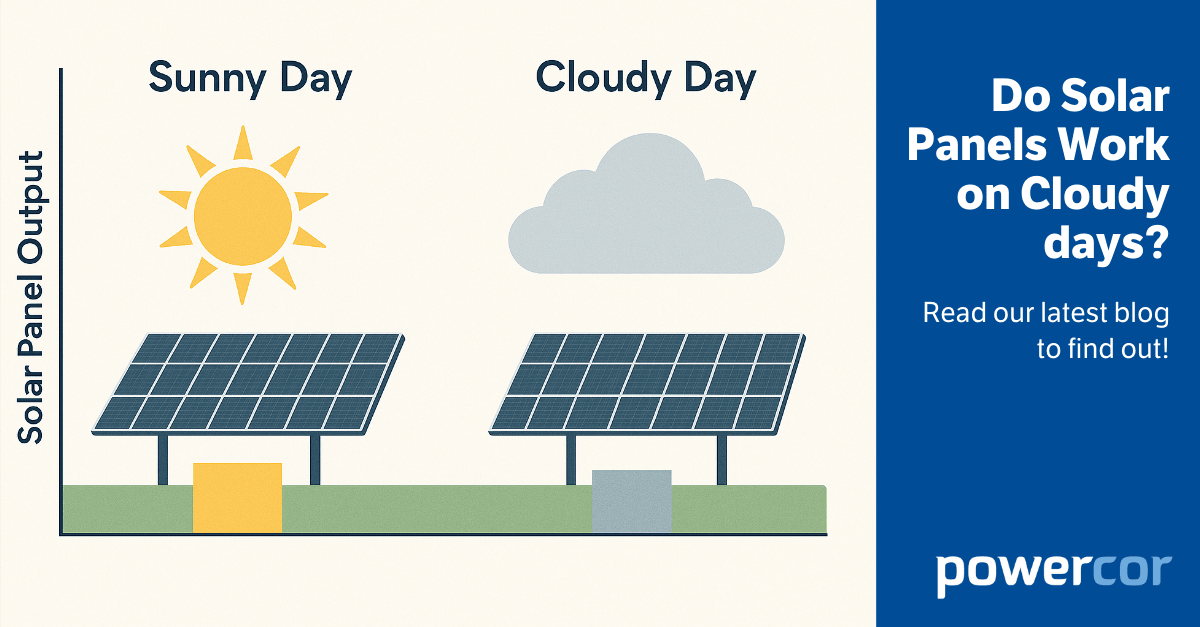
Ever gazed up at a grey, overcast sky and wondered, “Are my solar panels even doing anything right now?” It’s a question almost every homeowner considering or already using solar power asks. The good news? Absolutely, your solar panels are still working. But how much energy are they actually producing when the sun decides to play hide-and-seek?
Table of Contents
- Solar Panel Efficiency on a Cloudy Day: Unpacking Performance & Maximizing Output
- The Science Behind Solar Panels and Diffuse Light: How Clouds Change Everything
- Direct vs. Diffuse Sunlight: Understanding the Key Difference
- The “Color” of Light Matters: Spectral Sensitivity
- Direct vs. Diffuse Light: A Comparative Look
- How Much Efficiency Do Solar Panels Lose on Cloudy Days? (The Numbers)
- General Efficiency Drop: The 10-50% Rule Explained
- Estimated Solar Panel Output Under Various Cloud Conditions
- Impact of Different Cloud Types on Solar Performance
- Factors Influencing Cloudy Day Performance (Beyond Just Clouds)
- Panel Technology Matters: Monocrystalline, Polycrystalline, and Thin-Film
- Solar Panel Technology & Diffuse Light Performance
- System Design & Installation: Angle, Tilt, and Shading
- Temperature and Panel Degradation
- Maintenance: The Unsung Hero of Cloudy Day Efficiency
- Maximizing Your Solar Output Even When the Sun Hides
- Battery Storage Systems: Your Energy Insurance Policy
- Net Metering: Selling Back Your Sunny Day Surplus
- Advanced Monitoring & Smart Home Integration
- Strategic Panel Selection for Cloudy Climates
- Debunking Common Myths About Solar and Clouds
- Myth 1: “Solar panels are useless on cloudy days.”
- Myth 2: “You need 100% direct sunlight for solar to work.”
- Myth 3: “Cloudy climates can’t go solar.”
- The Long-Term Perspective: Solar ROI in Cloudy Regions
- Conclusion
The short answer is that solar panels generate power on cloudy days, typically ranging from 10% to 50% of their peak output, depending on the cloud density and type. It’s not zero, far from it. Think of it like a dimmer switch for the sun’s energy, not an on/off switch. Understanding this fluctuation is key to demystifying solar performance and making smart energy choices.
The Science Behind Solar Panels and Diffuse Light: How Clouds Change Everything
To truly grasp what happens when clouds roll in, we need a quick dive into how solar panels capture light and how clouds interact with it. It’s less about blocking light entirely and more about changing its form.
Direct vs. Diffuse Sunlight: Understanding the Key Difference
When the sky is clear, your solar panels are basking in direct sunlight. This is the powerful, concentrated beam of light traveling straight from the sun to your panels. Each photon hits the photovoltaic (PV) cells with maximum energy, exciting electrons and generating electricity efficiently. This is your panel’s ‘sweet spot’.
Clouds, however, are essentially giant mirrors and diffusers made of water droplets or ice crystals. When sunlight hits a cloud, it doesn’t just disappear. Instead, it gets scattered and reflected in all directions. What reaches your panels through the clouds is called diffuse sunlight – it’s indirect, spread out, and comes from all angles in the sky, not just a direct beam.
Your solar panels are remarkably adept at capturing both direct and diffuse light. While direct sunlight is more potent, the ambient light from an overcast sky still carries enough energy for the PV cells to convert into usable electricity. The efficiency drops because diffuse light has less concentrated energy per unit area.
The “Color” of Light Matters: Spectral Sensitivity
Another subtle but important factor is the ‘color’ or spectrum of light. Solar panels are designed to convert specific wavelengths of light most efficiently. Direct sunlight contains a broad spectrum, but as light passes through clouds, certain wavelengths are scattered more than others. This can subtly shift the spectral composition of the light reaching your panels.
While most modern silicon-based panels are broad-spectrum, some research indicates that diffuse light, often richer in blue wavelengths, can be utilized effectively by certain panel types. This spectral shift means that even if the intensity is lower, the *type of light available still plays a role in how well your panels can convert it.

Direct vs. Diffuse Light: A Comparative Look
| Characteristic | Direct Sunlight | Diffuse Sunlight (Cloudy Day) |
|---|---|---|
| Light Source | Direct beam from the sun | Scattered light from clouds and atmosphere |
| Photon Density | High (concentrated energy) | Lower (spread-out energy) |
| Energy Conversion | Highest efficiency for PV cells | Reduced efficiency, but still significant |
| Shadow Impact | Sharp, distinct shadows | Soft, indistinct, or no shadows |
| Spectral Shift | Broad, balanced spectrum | Can be shifted (e.g., richer in blue light) |
How Much Efficiency Do Solar Panels Lose on Cloudy Days? (The Numbers)
This is the million-dollar question for many homeowners. While the exact percentage varies wildly, we can provide a realistic range based on cloud conditions.
General Efficiency Drop: The 10-50% Rule Explained
Industry estimates often cite that solar panels produce 10% to 25% of their normal output on heavily overcast or rainy days. However, this is a conservative average, particularly for very dense cloud cover. For lighter, scattered clouds, or hazy conditions, performance can easily hover around 30% to 50% of peak production.
It’s important to remember that ‘normal output’ refers to the panel’s rated power under Standard Test Conditions (STC), which assumes ideal, direct sunlight. Real-world performance, even on a perfectly sunny day, can vary slightly from STC due to factors like temperature and installation angle. On a cloudy day, the drop is primarily due to reduced light intensity.
Estimated Solar Panel Output Under Various Cloud Conditions
| Sky Condition | Description | Approximate Output (% of Peak) |
|---|---|---|
| Clear Sky | Direct, unobstructed sunlight | 85% – 100% (allows for real-world factors) |
| Light Haze/High Clouds | Thin, wispy clouds (cirrus), hazy atmosphere | 60% – 80% |
| Partly Cloudy | Intermittent clouds, sun peeking through | 40% – 70% (highly variable) |
| Overcast/Moderate Clouds | Uniform cloud cover, no direct sun, but bright ambient light | 25% – 50% |
| Heavy Overcast/Stormy | Dense, dark clouds, heavy rain, very dim light | 10% – 25% |
As you can see, there’s a significant range. A light overcast day is very different from a heavy storm. This variability is why solar professionals carefully analyze local weather patterns and irradiance data when designing a system.
Impact of Different Cloud Types on Solar Performance
Not all clouds are created equal when it comes to solar energy. Here’s a brief breakdown:
- Cirrus Clouds (High, Wispy): These thin, icy clouds have minimal impact, often reducing output by only 5-15%.
- Cumulus Clouds (Puffy, Fair-Weather): When they pass directly over the sun, they cause temporary, dramatic dips. However, the bright edges of cumulus clouds can sometimes even cause a temporary increase in production due to a phenomenon called the “cloud edge effect,” where light is intensely reflected onto panels.
- Stratus Clouds (Low, Grey Blanket): These create uniformly overcast conditions, leading to the typical 25-50% efficiency range.
- Nimbostratus Clouds (Dark, Rain-Producing): These dense, thick clouds bring heavy rain and significantly reduce light intensity, often pushing efficiency down to the 10-25% range.
Factors Influencing Cloudy Day Performance (Beyond Just Clouds)
While the type and density of clouds are primary drivers, other aspects of your solar system and its environment play a critical role in how well it performs on less-than-sunny days.
Panel Technology Matters: Monocrystalline, Polycrystalline, and Thin-Film
The type of solar panel you choose can affect its low-light performance. This is a crucial distinction, especially for those in consistently cloudy climates.
- Monocrystalline Panels: These are generally considered the most efficient panels overall. They are excellent at converting direct sunlight, and while they perform well in diffuse light too, their advantage often lies in raw efficiency. They’re a strong all-rounder.
- Polycrystalline Panels: A more budget-friendly option, polycrystalline panels typically have slightly lower efficiency than monocrystalline. Their low-light performance is comparable, but they might produce slightly less overall in diffuse conditions simply due to their lower peak efficiency.
- Thin-Film Panels: While less common for residential rooftops due to lower efficiency and larger space requirements, thin-film technologies (like Cadmium Telluride or Amorphous Silicon) can sometimes have a relative advantage in very low-light or diffuse conditions. They often have a broader spectral response, meaning they can capture a wider range of light wavelengths more effectively in certain scenarios, making them potentially more consistent under varied conditions, though usually at a lower overall power output.
Solar Panel Technology & Diffuse Light Performance
| Panel Type | General Efficiency (Direct Light) | Performance in Diffuse Light | Key Consideration for Cloudy Days |
|---|---|---|---|
| Monocrystalline | 17-23% | Very good, strong overall output | High overall output translates to more energy, even if efficiency drops proportionally. |
| Polycrystalline | 15-17% | Good, slightly lower than mono | Cost-effective, but may require more panels to meet energy needs in cloudy areas. |
| Thin-Film (e.g., CdTe) | 10-13% | Good, can maintain relatively stable output in very low light | Lower peak efficiency means more space needed, but can be a niche choice for extremely low-light/variable conditions. |
System Design & Installation: Angle, Tilt, and Shading
How your panels are installed is critical. While optimal tilt and azimuth (direction) are usually set for peak annual production, which prioritizes direct sunlight, a well-designed system will also consider diffuse light capture.
- Microinverters/Power Optimizers: These devices are installed on individual panels (or pairs) and convert DC to AC electricity, optimizing the output of each panel independently. If one panel is shaded by a tree or a cloud, the others continue to perform optimally, preventing a ‘bottleneck’ that can occur with a single string inverter. This is particularly beneficial on partly cloudy days where shading can be dynamic.
- Minimizing Shading: Even on a cloudy day, significant shadows from trees, chimneys, or other buildings will further reduce output. Good system design aims to minimize these obstructions.
Temperature and Panel Degradation
Interestingly, solar panels can sometimes perform better* on cooler, cloudy days than on scorching hot, sunny days. This is because excessive heat reduces the efficiency of PV cells. So, a mild, overcast day might yield a higher percentage of the panel’s theoretical maximum than a very hot, sunny one, even if the overall power generated is lower due to less light.
Over time, panels naturally degrade slightly in efficiency. While this isn’t specific to cloudy days, it’s an overall factor in your system’s long-term performance.
Maintenance: The Unsung Hero of Cloudy Day Efficiency
A dirty panel can lose 5-20% of its efficiency, even on a sunny day. On a cloudy day, when every photon counts, this loss is exacerbated. Dust, pollen, bird droppings, and grime block light. Rain can help wash panels, making them cleaner and potentially boosting output. So, yes, rain can actually be beneficial!
Maximizing Your Solar Output Even When the Sun Hides
Living with variable weather doesn’t mean your solar investment is compromised. Modern solar solutions are designed to handle these fluctuations effectively. Here’s how you can make the most of your system, come rain or shine.
Battery Storage Systems: Your Energy Insurance Policy
A solar battery system stores excess electricity generated during sunny periods for use when your panels aren’t producing enough – like on a cloudy day or at night. This gives you greater energy independence and reduces reliance on the grid. When your panels are producing 10-50% on an overcast day, the battery can kick in to bridge the gap, ensuring continuous power to your home.
Net Metering: Selling Back Your Sunny Day Surplus
Net metering is a billing mechanism that credits solar energy system owners for the electricity they add to the grid. When your solar panels produce more electricity than you use (e.g., on a super sunny day), that excess power is sent back to the grid, and you receive credits. These credits can then be used to offset the electricity you draw from the grid during times when your panels aren’t producing enough, such as on cloudy days or at night. It’s a crucial component for ensuring solar viability in areas with less consistent sun.
Advanced Monitoring & Smart Home Integration
Most modern solar systems come with monitoring apps that allow you to track your real-time production. This helps you understand how your panels are performing on different types of days and identify any issues. Integrating your solar system with smart home devices can also help optimize energy usage. For instance, you could program your dishwasher or EV charging to run during periods of peak solar production, even if it’s a moderately cloudy day, to maximize self-consumption and reduce grid draw.
Strategic Panel Selection for Cloudy Climates
If you live in a region known for frequent cloud cover (like parts of the Pacific Northwest or New England), discuss low-light performance specifically with your solar installer. They might recommend:
- High-efficiency monocrystalline panels: Even with a proportional drop, a higher starting efficiency means more absolute power.
- Panels with excellent temperature coefficients: These panels maintain efficiency better as temperatures rise, which can be a factor even on cloudy days.
- Bifacial panels: These panels can capture light from both sides, meaning they can utilize diffuse light reflected from the ground or snow, offering an advantage in specific installations, though usually not typical residential rooftops.
Debunking Common Myths About Solar and Clouds
Let’s clear up some lingering misconceptions that might make you doubt solar’s effectiveness.
Myth 1: “Solar panels are useless on cloudy days.”
Reality: This is simply untrue. As discussed, panels absolutely produce electricity, albeit at a reduced rate. If they were useless, solar wouldn’t be viable in countries like Germany, which has less peak sun than many US states, yet is a world leader in solar adoption.
Myth 2: “You need 100% direct sunlight for solar to work.”
Reality: While direct sunlight yields peak efficiency, diffuse light is a significant contributor to overall annual production. Solar panels are designed to capture a wide spectrum of light, not just direct beams.
Myth 3: “Cloudy climates can’t go solar.”
Reality: Many regions with substantial cloud cover have thriving solar industries. The key is proper system sizing, smart technology choices (like microinverters and batteries), and robust net metering policies. A good installer will factor in your local solar irradiance data to design a system that meets your needs throughout the year, accounting for cloudy periods.
The Long-Term Perspective: Solar ROI in Cloudy Regions
Even with periods of reduced efficiency, solar remains a smart long-term investment for most homeowners across the USA. Here’s why:
- Annual Production Averaging: While daily production might fluctuate, your system’s annual output is what truly matters. Sunny days will generate a surplus that balances out cloudy days.
- System Sizing: Professional solar installers account for local weather patterns and irradiance levels when designing your system. They will size your array to meet your annual energy needs, factoring in expected cloudy days.
- Financial Incentives: Federal tax credits (like the Investment Tax Credit, ITC) and various state/local incentives significantly reduce the upfront cost of solar, improving ROI regardless of local weather.
- Environmental Impact: Every kilowatt-hour your panels produce, even on a cloudy day, is clean, renewable energy that reduces your carbon footprint.
Conclusion
The notion that solar panels become inert on a cloudy day is a persistent myth. The reality is far more nuanced and reassuring: your panels are consistently working, transforming diffuse light into usable electricity for your home. While efficiency naturally dips, modern solar technology, coupled with smart system design, battery storage, and net metering, ensures that solar remains a robust and reliable energy solution, even when the sun takes a break.
So, the next time you see a cloudy sky, instead of concern, think of it as your solar system working diligently in softer light. The future of home energy is bright, even on the greyest of days.
Frequently Asked Questions
How much power do solar panels produce on a heavily overcast day?
On a heavily overcast or stormy day, solar panels typically produce between 10% to 25% of their peak power output. This percentage varies based on the density of the clouds and the amount of diffuse light able to penetrate them.
Do newer solar panel technologies perform better in cloudy conditions?
Yes, generally. Modern monocrystalline panels offer high overall efficiency, which translates to more absolute power even when efficiency drops. Some specialized thin-film panels can also show relatively stable performance in very low light due to their broader spectral response, though usually at a lower peak output than silicon panels.
Is it worth installing solar panels if I live in a frequently cloudy area?
Absolutely. Many regions with significant cloud cover have thriving solar markets. The key is proper system sizing by a professional installer who factors in local irradiance data, combined with technologies like microinverters, battery storage, and beneficial net metering policies to ensure a strong return on investment.
Does rain help or hurt solar panel efficiency?
Rain generally helps solar panel efficiency by cleaning off dust, pollen, bird droppings, and other grime that can accumulate and block sunlight. While actual electricity generation during a rain shower will be lower due to cloud cover, the cleaning effect ensures better performance once the clouds clear.
How can I ensure my home has power at night or during prolonged cloudy periods?
You can ensure continuous power through a combination of solutions: battery storage systems, which store excess solar energy for later use, and net metering, where you receive credits for electricity sent to the grid on sunny days, which can then be used to offset power drawn from the grid during low production periods.
What’s the difference between direct and diffuse sunlight for solar panels?
Direct sunlight is the concentrated beam of light traveling straight from the sun, allowing solar panels to operate at peak efficiency. Diffuse sunlight is scattered and reflected light from clouds or atmospheric particles, which is less intense but still captured by solar panels, leading to reduced but still significant power generation.


Post Comment