What Happens To Old Solar Panels In Australia
Australia’s Looming Solar Waste Challenge: What Happens to Old Solar Panels Down Under?
You’ve seen the headlines, heard the buzz: solar power is a game-changer. It’s clean, it’s abundant, and it’s saving us money. Australia, in particular, has been a global leader, embracing rooftop solar with unparalleled enthusiasm. But here’s a question that often gets brushed under the rug: what happens when those shiny panels reach the end of their life? When they’re replaced, upgraded, or simply give up the ghost?
Table of Contents
- Australia’s Looming Solar Waste Challenge: What Happens to Old Solar Panels Down Under?
- The Solar Boom: A Victim of Its Own Success?
- Australia’s Solar Leadership (and its Hidden Cost)
- Why “Old” Doesn’t Always Mean “Broken”
- The Hard Truth: Where Do Most Old Solar Panels Go?
- The Landfill Predicament
- The Hidden Dangers of E-Waste (Beyond Just Panels)
- Unpacking a Solar Panel: What’s Inside & Why It Matters
- The Promise of Recycling: Emerging Solutions for Australian Solar Waste
- Mechanical Delamination: The Primary Method
- Thermal & Chemical Treatments: Next-Gen Approaches
- Key Players and Initiatives in Australia
- Challenges on the Road to a Circular Solar Economy
- Economic Barriers: Cost vs. Landfill
- Logistics & Infrastructure: The Tyranny of Distance
- Policy & Regulation: Playing Catch-Up
- What Can You Do? Actionable Steps for Australian Homeowners (and US Lessons)
- Before You Buy: Choose Wisely
- Extend Life: Repair and Reuse
- Responsible Disposal: Know Your Options
- Advocacy: Push for Policy Change
- The Global Outlook: What Australia’s Journey Means for the USA
- A Shared Challenge, Different Scales
- Lessons Learned from Down Under
- Conclusion: A Sustainable Future for Solar is Within Reach
The truth, for now, is a bit uncomfortable: most old solar panels in Australia currently end up in landfill. But don’t despair just yet. This isn’t just an Australian problem, it’s a global one, and Australia’s journey to tackle it offers crucial lessons for us all, especially here in the United States. We’re going to dive deep into the scale of the issue, the hidden dangers, the emerging solutions, and most importantly, what you, as a homeowner or conscious consumer, can do about it.
The Solar Boom: A Victim of Its Own Success?
Australia is often called the ‘sunburnt country,’ and its love affair with solar energy is well-documented. With some of the highest rates of rooftop solar penetration globally, it’s a genuine success story for clean energy adoption. Over 3.6 million Australian homes now harness the sun’s power, covering a staggering 30% of detached households. This monumental uptake has slashed carbon emissions and power bills, creating a blueprint for others to follow.
Australia’s Solar Leadership (and its Hidden Cost)
The sheer volume of panels installed over the last decade is astounding. But what goes up must eventually come down. Experts are predicting that Australia is potentially set to dispose of a colossal 34.6 gigawatts (GW) worth of fully serviceable solar panels in the coming years. That’s enough to power millions of homes, yet it could become a monumental waste problem if not managed properly. This isn’t just about defective panels; it’s about the first wave of early installations reaching their typical 20-25 year lifespan, combined with a growing trend of upgrading older, less efficient systems.
Why “Old” Doesn’t Always Mean “Broken”
It’s a common misconception that all panels ending up as waste are completely defunct. Often, older panels are replaced not because they’ve failed entirely, but because newer, more efficient models offer better returns, especially when combined with battery storage. An older panel might still be producing 70-80% of its original capacity, but homeowners keen on maximizing their investment or taking advantage of evolving tech might choose to upgrade, contributing to the waste stream even with functional units.
The Hard Truth: Where Do Most Old Solar Panels Go?
Let’s be blunt: for a nation so advanced in solar adoption, Australia has, until recently, lagged in end-of-life solutions. The stark reality, as uncovered by various reports, is that an estimated 90% of discarded solar panels in Australia end up in landfill.
The Landfill Predicament
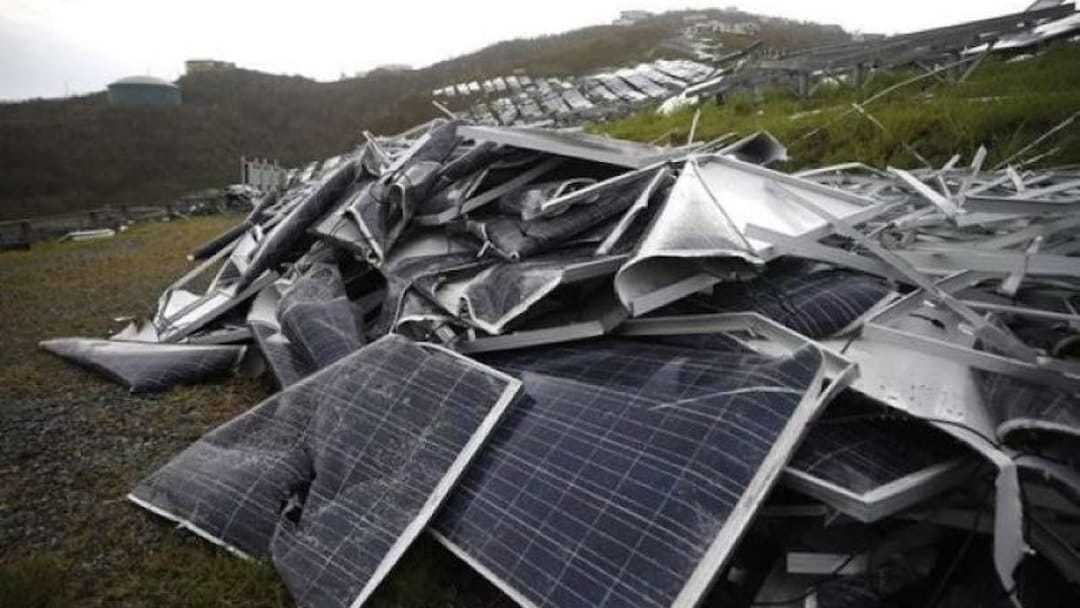
This isn’t just an aesthetic issue; it’s an environmental ticking time bomb. Solar panels are classified as electronic waste, or ‘e-waste.’ While they’re often thought of as benign, their composition includes a cocktail of materials, some of which are hazardous. Dumping millions of panels means these potentially harmful substances can leach into soil and groundwater over time. Furthermore, landfills are finite resources. As Australia’s solar fleet grows, so does the volume of waste requiring disposal, intensifying pressure on existing waste infrastructure.
There’s a glimmer of hope on the policy front, though. Victoria, one of Australia’s most populous states, has taken a proactive step by banning all e-waste, including solar panels, from landfill. This means panels must be taken to dedicated e-waste drop-off points for processing, setting a precedent that other states are urged to follow. It’s a crucial policy move that acknowledges the problem and forces a shift towards more responsible disposal.
The Hidden Dangers of E-Waste (Beyond Just Panels)
Think about your old mobile phone, a broken laptop, or even a defunct TV. Like these items, solar panels contain materials that are valuable if recovered, but toxic if released into the environment. We’re talking about heavy metals like lead, cadmium, and arsenic (found in some older thin-film panels), alongside trace amounts of silver and copper. While the amounts per panel are small, the cumulative effect of millions of panels degrading in a landfill presents a significant environmental risk. It’s a sobering reminder that ‘clean energy’ must encompass the entire lifecycle of its technology.
Unpacking a Solar Panel: What’s Inside & Why It Matters
To understand what happens to old solar panels, we need to know what they’re made of. Solar panels are complex marvels of engineering, designed to withstand decades of harsh weather. Their composition is key to both their performance and their end-of-life challenge.
Generally, a standard crystalline silicon solar panel breaks down into these primary components:
| Material | % by Weight (Approx.) | Recoverable Value |
|---|---|---|
| Glass | ~70-75% | High (can be melted and reused) |
| Aluminum Frame | ~10-15% | High (easily recyclable) |
| Silicon Cells | ~3-5% | Moderate to High (purity dependent, valuable) |
| Copper (wiring) | ~1% | High (valuable metal) |
| Plastic (backsheet, encapsulant) | ~5-10% | Low to Moderate (challenging to recycle) |
| Silver (contacts) | ~0.1% | Very High (precious metal) |
This breakdown shows that a significant portion of a solar panel—primarily glass and aluminum—is readily recyclable. The challenge lies in efficiently separating these materials, especially the valuable silicon and trace metals embedded within the plastic encapsulant and glass layers. This separation process is what defines effective solar panel recycling.
The Promise of Recycling: Emerging Solutions for Australian Solar Waste
While the landfill situation is grim, it’s not the whole story. Australia’s clean energy sector is keenly aware of the problem and actively working on solutions. Innovative recycling technologies are emerging, promising a more sustainable future for solar panels.
Mechanical Delamination: The Primary Method
The most common and economically viable recycling method currently employed involves mechanical delamination. This process typically goes something like this:
- Dismantling: The aluminum frame and junction box are manually or robotically removed. The aluminum is easily melted down and reused.
- Shredding: The remaining panel (glass, cells, encapsulant) is then shredded into smaller pieces.
- Separation: Specialized machinery, often using heat, vibratory tables, or optical sorting, separates the different materials. Glass fragments are sorted for reuse, and plastic components are separated.
- Recovery: The silicon cells, which contain valuable silver and copper, are further processed to extract these precious metals.
Modern facilities using these advanced techniques claim to recover up to 95% of a panel’s weight, turning what was once waste into valuable secondary raw materials. This is a massive improvement over simply crushing and burying them.
Thermal & Chemical Treatments: Next-Gen Approaches
Beyond mechanical processes, research and development are exploring more advanced methods:
- Thermal Treatment: High temperatures are used to burn off the plastic encapsulant, leaving behind glass and silicon cells. This makes it easier to recover high-purity silicon.
- Chemical Treatment: Specific chemicals can dissolve the encapsulant or etch away metallic layers, allowing for very high-purity recovery of silicon and precious metals. These methods are typically more energy-intensive and require careful management of chemical byproducts, but offer the highest material purity for reuse in new panels or other electronics.
Key Players and Initiatives in Australia
Several organizations and companies in Australia are stepping up. The Clean Energy Council (CEC), a peak body for the renewable energy industry, is a driving force, advocating for national policy and supporting recycling initiatives. They’re working towards a comprehensive product stewardship scheme that would place responsibility for end-of-life management on manufacturers and importers.
Furthermore, several recycling facilities, some specialized solely for solar panels, are beginning to emerge across the country. These facilities are crucial for developing the infrastructure needed to handle the impending wave of solar waste, moving Australia towards a more circular economy for solar energy.
Challenges on the Road to a Circular Solar Economy
Despite the promise of recycling, significant hurdles remain before Australia can truly establish a robust circular economy for solar panels. These challenges aren’t unique to Australia and offer critical insights for other nations, including the USA.
Economic Barriers: Cost vs. Landfill
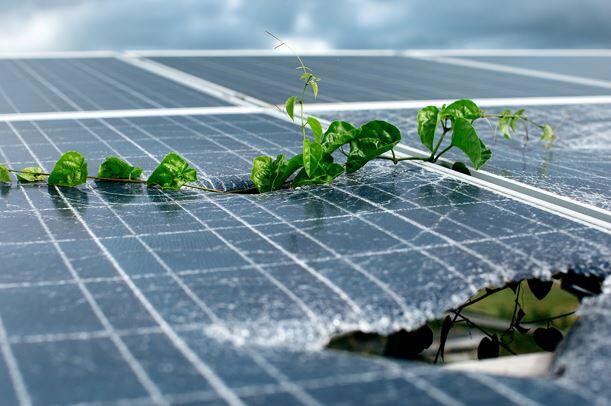
The biggest challenge is often purely economic. Recycling solar panels, especially through advanced methods, can be an expensive process. Collecting, transporting, and processing these bulky items requires specialized equipment and labor. Unfortunately, in many parts of Australia (outside of Victoria), sending panels to landfill remains the cheapest option, creating a significant disincentive for recycling. Without clear regulations or financial incentives, the default choice often leans towards the path of least resistance – the dump.
Logistics & Infrastructure: The Tyranny of Distance
Australia is a vast continent, and its population is highly dispersed. This geographic reality poses immense logistical challenges for collecting solar panels from remote or regional areas and transporting them to centralized recycling facilities. The sheer cost and carbon footprint of transportation can diminish the environmental benefits of recycling. Moreover, the number of dedicated solar panel recycling facilities is still relatively low, meaning that even if homeowners want to recycle, there might not be an accessible, affordable option nearby.
Policy & Regulation: Playing Catch-Up
As mentioned, Victoria has led the way with its e-waste landfill ban. However, a piecemeal state-by-state approach isn’t ideal for a national problem. Australia needs a comprehensive, national policy framework – a product stewardship scheme – that mandates recycling and shifts the financial burden of end-of-life management away from the consumer and onto the manufacturers and importers. Such schemes incentivize manufacturers to design panels that are easier to recycle and to invest in the necessary infrastructure. Without consistent national regulations, the market for solar panel recycling struggles to scale and become financially self-sustaining.
What Can You Do? Actionable Steps for Australian Homeowners (and US Lessons)
Even if you’re in the US, Australia’s journey offers valuable guidance. Your choices as a consumer have power, and knowing these steps can help drive a more sustainable solar future wherever you are.
Before You Buy: Choose Wisely
This is your first and arguably most impactful step:
- Opt for Durable, High-Quality Panels: Invest in panels from reputable manufacturers known for their longevity and robust warranties (25+ years). A panel that lasts longer delays the waste problem.
- Ask About Manufacturer Take-Back Schemes: Inquire if the manufacturer or installer offers a take-back program for old panels when you upgrade or if your panels reach end-of-life. This is a sign of responsible manufacturing.
- Check for Circular Economy Commitments: Research companies that are transparent about their recycling efforts and commitment to sustainable product design.
Extend Life: Repair and Reuse
Maximizing the operational life of your solar panels is key to reducing waste:
- Maintain Your System: Regular cleaning and professional inspections can prevent premature degradation and ensure your panels operate efficiently for their full lifespan.
- Consider Second-Hand Markets: If your panels are still functional but you’re upgrading, explore options for selling or donating them to second-hand markets or communities where they can continue to generate power.
- Repair, Don’t Replace: If a minor issue arises, seek qualified technicians for repair before opting for a full replacement.
Responsible Disposal: Know Your Options
When the time inevitably comes for disposal, informed action is crucial:
- Check Local E-Waste Facilities: In Australia, especially in Victoria, check if your local council or waste management authority has designated e-waste drop-off points that accept solar panels.
- Engage with Installers/Recyclers: When replacing your system, ask your installer about their disposal practices. Some reputable installers now offer take-back and recycling services, often for a fee. Be prepared to pay a recycling fee; it’s an investment in environmental responsibility.
- Search for Dedicated Solar Recyclers: As the industry grows, more specialized solar panel recyclers are emerging. A quick online search for ‘solar panel recycling [your region/state]’ can help locate facilities.
Advocacy: Push for Policy Change
Your voice matters. Support initiatives and policies that:
- Mandate product stewardship for solar panels.
- Invest in recycling infrastructure.
- Incentivize the design of easier-to-recycle panels.
The Global Outlook: What Australia’s Journey Means for the USA
Australia’s experience isn’t an isolated case; it’s a peek into the future for any nation with a booming solar industry. The US, with its vast solar potential and ambitious renewable energy targets, faces a similar, if not larger, challenge just a few years down the line.
A Shared Challenge, Different Scales
The US market is significantly larger, meaning the volume of panels reaching end-of-life will be immense. While some states and federal agencies are beginning to address the issue, a comprehensive, national strategy is still developing. We have similar economic hurdles – the cost of recycling versus landfill – and geographical challenges for collection. The lessons from Australia are therefore directly applicable.
Lessons Learned from Down Under
Australia’s journey underscores several critical takeaways for the US:
- Proactive Policy is Crucial: Waiting until the waste problem is critical makes solutions harder and more expensive. Implementing robust product stewardship schemes and landfill bans early on can steer the industry towards sustainability.
- Investment in Recycling Infrastructure: Dedicated, advanced recycling facilities are not just a ‘nice-to-have’ but a ‘must-have.’ Government support, industry investment, and public-private partnerships are essential to build this capacity.
- Manufacturer Responsibility: Placing accountability on those who produce and import panels incentivizes sustainable design and contributes to recycling costs. This reduces the burden on taxpayers and homeowners.
- Consumer Awareness and Demand: Informed consumers who demand sustainable options and are willing to pay a fair price for responsible disposal are powerful drivers of change.
Conclusion: A Sustainable Future for Solar is Within Reach
Australia’s solar success story comes with a significant challenge: how to manage the millions of panels that will eventually reach their end-of-life. While the current reality leans heavily towards landfill, innovative recycling solutions, growing industry initiatives, and emerging policy frameworks are beginning to turn the tide.
For Australian homeowners, and indeed for anyone considering solar globally, understanding these dynamics is crucial. By making informed choices about the panels you install, maintaining your system, and advocating for responsible end-of-life solutions, you become part of the solution. The vision of truly clean, circular energy is within reach, but it requires collective effort from governments, industry, and conscious consumers like you. Let’s ensure that our renewable energy revolution doesn’t leave a mountain of waste in its wake.
Frequently Asked Questions
Where do most old solar panels in Australia currently end up?
Currently, an estimated 90% of old solar panels in Australia are sent to landfill. This is due to a combination of economic factors (landfilling being cheaper than recycling) and a lack of widespread recycling infrastructure and national policy.
Are solar panels hazardous waste?
Yes, solar panels are classified as e-waste and can contain hazardous materials like lead, cadmium, and arsenic in trace amounts, particularly in older thin-film models. While generally safe during operation, these substances can leach into the environment if panels are improperly disposed of in landfills.
What kind of materials are in a solar panel that can be recycled?
A typical solar panel is composed of approximately 70-75% glass, 10-15% aluminum (frame), 3-5% silicon cells, 5-10% plastic, and small amounts of valuable metals like copper and silver. The glass and aluminum are highly recyclable, while silicon and precious metals require more complex recovery processes.
Is there any regulation in Australia regarding solar panel disposal?
Yes, notably, the state of Victoria has implemented a ban on all e-waste, including solar panels, from landfills. This requires panels to be taken to designated e-waste drop-off points for recycling. Other states are encouraged to follow suit, and a national product stewardship scheme is being advocated for.
What are the main recycling methods for solar panels in Australia?
The primary method is mechanical delamination, which involves dismantling the aluminum frame, shredding the remaining components, and separating materials like glass, plastic, and silicon cells. Advanced methods like thermal and chemical treatments are also being explored for higher purity material recovery.
How can homeowners ensure their old solar panels are disposed of responsibly?
Homeowners can choose high-quality panels with long warranties, maintain their systems to extend lifespan, inquire about manufacturer take-back schemes, check for local e-waste facilities that accept solar panels, and discuss recycling options (and potential fees) with their installers.
What lessons does Australia’s solar waste challenge offer for countries like the USA?
Australia’s experience highlights the importance of proactive national policies (like product stewardship schemes), significant investment in recycling infrastructure, holding manufacturers responsible for end-of-life management, and raising consumer awareness to drive demand for sustainable solar solutions before the waste problem becomes unmanageable.


Post Comment