Best Solar Companies In Southern California
Unlocking Solar Savings: The Definitive Guide to the Best Solar Companies in Southern California
Tired of sky-high electricity bills eating into your budget? Dreaming of a more sustainable, energy-independent home? If you live in Southern California, you’re in the perfect place to harness the sun’s incredible power. With abundant sunshine, a growing commitment to clean energy, and the ever-present need to control costs, going solar isn’t just a trend here—it’s a smart move.
Table of Contents
- Unlocking Solar Savings: The Definitive Guide to the Best Solar Companies in Southern California
- Our Top Picks: Best Solar Companies in Southern California for 2024
- 1. Stellar Solar: Best Local Expertise and Customer Service
- 2. SolarMax Technology: Best for American-Made Panels and Integrated Solutions
- 3. Baker Electric Home Energy: Best for Comprehensive Home Energy Solutions
- 4. SunPower: Best for High-Efficiency Panels and Robust Warranties
- 5. Ameco Solar: Best for Value and Personalized Service in Greater LA
- In-Depth Comparison: A Side-by-Side Look at SoCal’s Best Solar Providers
- Beyond the Panels: Key Factors for Choosing Your Southern California Solar Installer
- Local Expertise and Licensing
- Understanding Warranties: Equipment, Workmanship, and Performance
- Financing Your Solar Dream: Ownership vs. Leasing vs. PPA
- Customer Service and Reputation
- Technology and Equipment Quality
- Permitting and Installation Process
- Navigating Southern California’s Solar Incentives and Regulations
- The Impact of NEM 3.0 on Southern California Homeowners
- Federal Solar Tax Credit (ITC)
- Local Rebates and Programs
- The Solar Consultation: Smart Questions to Ask Potential Installers
- Making Your Decision: A Step-by-Step Approach
- Conclusion: Powering Your SoCal Home with Confidence
But choosing the right solar company in the sprawling SoCal landscape can feel like navigating a maze. From the coastal breezes of San Diego to the desert heat of Palm Springs, and the bustling energy of Los Angeles, your specific needs, local utility, and even home architecture demand a tailored approach. That’s why I’ve cut through the noise to bring you this definitive guide, focusing specifically on the top solar providers serving Southern California homeowners.
We’ll dive into what makes a solar installer truly great, compare the best options, and equip you with the knowledge to make an informed decision that saves you money and powers your home with confidence.
Our Top Picks: Best Solar Companies in Southern California for 2024
When it comes to solar in Southern California, local expertise, robust warranties, cutting-edge technology, and stellar customer service are paramount. We’ve evaluated numerous providers, focusing on those with a proven track record, strong regional presence, and a commitment to homeowner satisfaction in SoCal’s unique market. Here are our top recommendations:
1. Stellar Solar: Best Local Expertise and Customer Service
Why they stand out: Stellar Solar isn’t just a local player; they’re a Southern California institution. With over 25 years in the business, they boast an impressive understanding of the region’s climate, utility regulations (hello, SDG&E, SCE, and LADWP!), and permitting processes. Their focus on customer education and satisfaction has earned them glowing reviews, often highlighting their transparent communication and efficient installations. They’re a fantastic choice for homeowners who value a personalized, white-glove experience from a company that truly understands the SoCal solar landscape.
- Pros: Deep local experience, strong reputation for customer service, high-quality equipment, excellent post-installation support.
- Cons: May not always be the absolute lowest bid (but often offers superior value).
- Key Services: Solar panel installation, battery storage solutions, EV charger integration, solar panel cleaning.
- Service Area: Primarily San Diego, Orange, Riverside, and San Bernardino Counties.
2. SolarMax Technology: Best for American-Made Panels and Integrated Solutions
Why they stand out: If supporting American manufacturing is important to you, SolarMax, based right in Riverside, California, is a compelling choice. They not only install solar systems but also manufacture their own high-efficiency panels here in SoCal. This vertical integration can lead to seamless project management and accountability. They offer robust systems designed for the Southern California climate, often paired with competitive financing options. They’re ideal for homeowners looking for a fully integrated solution and local manufacturing pride.
- Pros: Manufactures panels in SoCal, strong emphasis on quality control, diverse financing options, comprehensive energy solutions.
- Cons: Service area might be slightly more concentrated around their manufacturing base.
- Key Services: Solar panel manufacturing & installation, battery storage, energy management systems.
- Service Area: Inland Empire, Orange County, Los Angeles, San Diego.
3. Baker Electric Home Energy: Best for Comprehensive Home Energy Solutions
Why they stand out: Baker Electric Home Energy, with a legacy dating back to 1938, offers a wealth of experience. While their roots are in electrical services, they’ve become a powerhouse in solar and home energy solutions across Southern California. They excel at integrating solar with other home improvements like HVAC, smart home technology, and EV charging, making them a one-stop shop for holistic energy upgrades. Their longevity speaks to their reliability and commitment to quality craftsmanship. They’re perfect for homeowners seeking a trusted, long-standing company capable of handling complex energy projects.

- Pros: Decades of experience, diverse home energy offerings, strong reputation, highly skilled installers.
- Cons: Premium service might come with a premium price tag.
- Key Services: Solar installation, battery storage, HVAC, smart home integration, EV charging.
- Service Area: San Diego, Orange County, Inland Empire, Los Angeles.
4. SunPower: Best for High-Efficiency Panels and Robust Warranties
Why they stand out: SunPower is a globally recognized leader known for its premium, high-efficiency solar panels and comprehensive warranties. While a larger national brand, their extensive network of authorized dealers across Southern California ensures local service delivery. If you have limited roof space or simply demand the best possible energy output and long-term reliability, SunPower’s technology is hard to beat. Their ‘Complete Confidence’ warranty covers panels, inverters, and workmanship for 25 years, offering unparalleled peace of mind. They’re an excellent choice for those prioritizing top-tier technology and industry-leading guarantees.
- Pros: Highest efficiency panels, industry-leading warranty, strong financial backing, widespread dealer network.
- Cons: Higher upfront cost compared to some competitors.
- Key Services: High-efficiency solar panels, battery storage (SunVault), smart home energy management.
- Service Area: Throughout Southern California via authorized dealers.
5. Ameco Solar: Best for Value and Personalized Service in Greater LA
Why they stand out: Ameco Solar has earned a reputation for providing competitive pricing without compromising on quality or customer service, especially in the Los Angeles area. They are often praised for their attentive and responsive teams, guiding homeowners through every step of the solar process with a personal touch. If you’re looking for a balance of affordability and reliable service from a company that genuinely cares, Ameco Solar is definitely worth a quote. They understand the nuances of the LA utility and permitting landscape.
- Pros: Competitive pricing, personalized customer service, strong presence in the LA area, quality equipment.
- Cons: May have a more concentrated service area around Los Angeles.
- Key Services: Solar panel installation, battery storage, system monitoring.
- Service Area: Greater Los Angeles Area, parts of Orange County.
In-Depth Comparison: A Side-by-Side Look at SoCal’s Best Solar Providers
To help you quickly compare the key aspects of these top Southern California solar companies, I’ve put together a detailed table. This isn’t just about price; it’s about value, service, technology, and long-term support—all crucial for your investment.
| Company | SoCal Service Area (Primary) | Avg. Local Rating (e.g., Google/Yelp) | Key Panel Brands Offered (Examples) | Warranty (Products/Workmanship/Performance) | Financing Options (Examples) | Specializations / Key Differentiator |
|---|---|---|---|---|---|---|
| Stellar Solar | San Diego, Orange, Riverside, San Bernardino Counties | 4.8/5.0 | LG, REC, Q CELLS, Enphase, SolarEdge | 25-Year Production, 25-Year Product, 10-Year Workmanship | Cash, Loan, PPA, Lease | Deep local expertise, exceptional customer service. |
| SolarMax Technology | Inland Empire, Orange County, Los Angeles, San Diego | 4.5/5.0 | SolarMax (in-house), REC, Enphase, SolarEdge | 25-Year Product/Performance, 10-Year Workmanship | Cash, Loan, PPA, Lease | American-made panels (manufactured in Riverside, CA). |
| Baker Electric Home Energy | San Diego, Orange County, Inland Empire, Los Angeles | 4.7/5.0 | Panasonic, REC, Enphase, SolarEdge | 25-Year Product/Performance, 10-Year Workmanship (often extends to 25 with some brands) | Cash, Loan, PPA, Lease | Comprehensive home energy solutions (solar, battery, HVAC). |
| SunPower | Throughout Southern California (via authorized dealers) | 4.6/5.0 | SunPower Maxeon | 25-Year Complete Confidence Warranty (Product, Performance, Workmanship) | Cash, Loan, PPA, Lease | Highest efficiency panels, industry-leading warranty. |
| Ameco Solar | Greater Los Angeles Area, parts of Orange County | 4.7/5.0 | REC, Q CELLS, Silfab, Enphase, SolarEdge | 25-Year Product/Performance, 10-Year Workmanship | Cash, Loan, PPA | Great value, personalized service in the LA market. |
Beyond the Panels: Key Factors for Choosing Your Southern California Solar Installer
Choosing a solar company is more than just picking a name from a list. It’s about finding a partner for a significant long-term investment. Here’s what truly matters for homeowners in Southern California:
Local Expertise and Licensing
Southern California isn’t a monolith. Different cities and counties have unique permitting processes, and utility companies like Southern California Edison (SCE), San Diego Gas & Electric (SDG&E), and Los Angeles Department of Water and Power (LADWP) each have their own interconnection rules and specific programs. A truly great SoCal solar company will have:
- Local Licenses: Ensure they are properly licensed (e.g., C-10 Electrical Contractor, C-46 Solar Contractor) in California and registered in your specific municipality.
- Understanding of NEM 3.0: They should be experts on California’s Net Energy Metering 3.0 policy and how it impacts your savings, especially the critical role of battery storage.
- Regional Climate Knowledge: From coastal fog to desert heat, a local installer knows which panels and mounting systems will perform best and withstand SoCal’s diverse weather patterns.
Understanding Warranties: Equipment, Workmanship, and Performance
A solar system is a 25+ year investment. Your warranty coverage is your long-term insurance policy. Look for:
- Product Warranty (Panels & Inverters): Typically 25 years for panels, 10-25 years for inverters.
- Workmanship Warranty: Covers the installation itself. Aim for 10-25 years. This is crucial if anything goes wrong with the physical installation.
- Performance Warranty: Guarantees your panels will produce a certain percentage of their original output over time (e.g., 85% after 25 years).
- One-Stop Warranty: Ideally, one company should handle all warranty claims, avoiding finger-pointing between manufacturers and installers.
Financing Your Solar Dream: Ownership vs. Leasing vs. PPA
How you pay for your solar system dramatically impacts your long-term savings. Here are the main options:
- Cash Purchase: Highest ROI, immediate ownership, qualifies for all incentives. Best for those with upfront capital.
- Solar Loan: Popular option. You own the system, qualify for incentives, and pay a monthly loan. Look for low interest rates and flexible terms.
- Power Purchase Agreement (PPA): You pay for the electricity generated by the panels at a fixed rate, often lower than your utility. The company owns and maintains the system. Good for minimal upfront cost, but you don’t own the system or the tax credit.
- Solar Lease: Similar to a PPA, you pay a fixed monthly fee to lease the system. The installer owns it. Less savings than ownership, but also minimal upfront cost.
In the NEM 3.0 era in Southern California, owning your system (cash or loan) combined with battery storage offers the greatest financial benefit.
Customer Service and Reputation
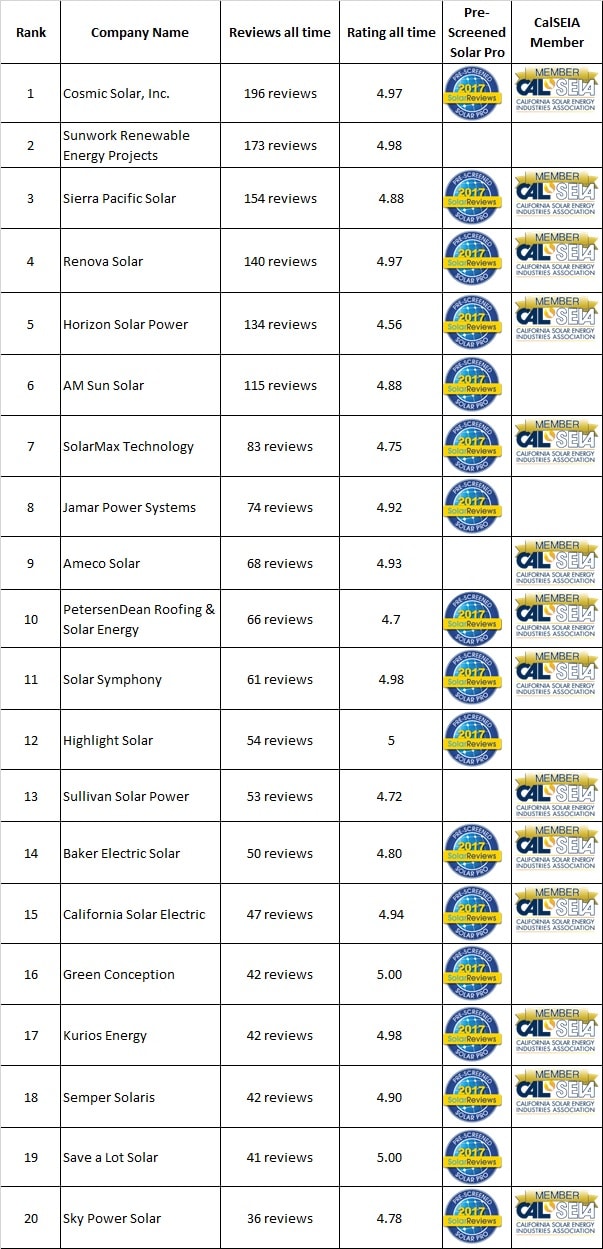
Check recent reviews on platforms like Google, Yelp, and the Better Business Bureau. Look for consistent themes:
- Responsiveness: Do they answer calls and emails promptly?
- Transparency: Are quotes clear, and is the process explained well?
- Post-Installation Support: What happens if there’s an issue after the system is running?
- Red Flags: Aggressive sales tactics, refusal to provide references, or vague contract terms.
Technology and Equipment Quality
Not all solar panels and inverters are created equal. Ask about:
- Panel Efficiency: Higher efficiency means more power from less roof space. Brands like SunPower, REC, LG, and Panasonic are top-tier.
- Inverter Type: String inverters (cost-effective) vs. microinverters (panel-level optimization, better for shading, often preferred in residential).
- Battery Storage: ESSENTIAL in the NEM 3.0 era. Ask about compatible battery brands (Tesla Powerwall, Enphase Encharge, LG Chem, Generac PWRcell) and how they integrate with your system.
- Monitoring: A good system will come with an app or online portal to track your energy production and consumption.
Permitting and Installation Process
A reputable company will handle all permits, inspections, and utility interconnection paperwork. They should provide a clear timeline for your project from contract signing to PTO (Permission To Operate). Don’t sign until you understand each step and its estimated duration.
Navigating Southern California’s Solar Incentives and Regulations
Southern California is a dynamic market for solar, influenced by state policies and local programs. Understanding these is key to maximizing your savings.
The Impact of NEM 3.0 on Southern California Homeowners
California’s Net Energy Metering 3.0 (NEM 3.0), implemented for new solar customers of SCE, SDG&E, and PG&E since April 2023, significantly changed how solar owners are credited for excess energy. Essentially, it values solar energy exported to the grid at much lower rates than previous policies, making battery storage almost a necessity to maximize savings. A good solar company will:
- Design a system optimized for NEM 3.0, often including a battery.
- Educate you on “electrify and go solar” strategies to maximize self-consumption.
- Provide accurate projections of savings under the new rules.
Federal Solar Tax Credit (ITC)
The Investment Tax Credit (ITC) allows homeowners to deduct 30% of the cost of their solar installation from their federal taxes. This is a massive incentive that significantly reduces your overall cost. Your solar company should help you understand how to claim it.
Local Rebates and Programs
Beyond federal and state incentives, some Southern California cities or utility companies offer localized rebates, particularly for battery storage or for low-income households. Your installer should be knowledgeable about any specific programs available in your exact location.
The Solar Consultation: Smart Questions to Ask Potential Installers
Once you’ve narrowed down your list, prepare for your consultations. These questions will help you vet potential installers and ensure you get the best deal and service:

- “Are you licensed and insured to operate in my specific city/county in Southern California?”
- “How many solar installations have you completed in my immediate area? Can I see some examples or speak to references?”
- “What specific panels, inverters, and battery brands do you recommend for my home, and why?”
- “Please provide a detailed breakdown of all costs, including equipment, labor, permits, and interconnection fees.”
- “What are your warranty terms for products, performance, and workmanship? Is it a single point of contact for all claims?”
- “How will my system perform under NEM 3.0, and what are the projected annual savings, especially with battery storage?”
- “What is the estimated timeline from contract signing to PTO (Permission To Operate)?”
- “Who will be my point of contact throughout the installation process and for any post-installation support?”
- “Do you offer assistance with applying for the federal tax credit and any local incentives?”
- “What is your process for handling any issues or repairs after the system is installed?”
Making Your Decision: A Step-by-Step Approach
Choosing the best solar company in Southern California doesn’t have to be overwhelming. Follow these steps for a confident decision:
- Gather Multiple Quotes: Don’t settle for the first offer. Get at least 3-5 quotes from reputable SoCal installers.
- Compare Apples-to-Apples: Ensure each quote includes similar equipment, system size, and financing terms for an accurate comparison. Pay attention to the cost per watt (total system cost divided by system size in watts).
- Review Contracts Carefully: Read the fine print! Understand all terms, conditions, and cancellation policies before signing.
- Check References and Reviews: Go beyond online reviews. If possible, ask for references and speak to previous customers.
- Trust Your Gut: Beyond the numbers, choose an installer with whom you feel comfortable and confident. Good communication is key.
Conclusion: Powering Your SoCal Home with Confidence
Investing in solar for your Southern California home is a significant decision, but one that offers incredible rewards—from dramatically reduced energy bills to a smaller carbon footprint. By focusing on local expertise, comprehensive warranties, transparent communication, and the right technology (especially battery storage in the NEM 3.0 era), you can confidently select a solar partner that will serve you well for decades to come.
Use this guide as your roadmap to navigate the vibrant Southern California solar market. Get quotes, ask smart questions, and soon you’ll be harnessing the abundant SoCal sunshine to power your home and your future.
Frequently Asked Questions
How much does solar cost in Southern California?
The cost of solar in Southern California varies greatly based on system size, panel efficiency, installer, and whether battery storage is included. On average, a typical 6kW system before incentives can range from $18,000 to $25,000. However, the federal 30% Investment Tax Credit significantly reduces this cost, and with NEM 3.0, incorporating battery storage is highly recommended, which adds to the initial investment but maximizes long-term savings.
Is solar still worth it in Southern California with NEM 3.0?
Yes, solar is absolutely still worth it, but the strategy has shifted. With California’s Net Energy Metering 3.0 (NEM 3.0), the value of exporting excess solar energy to the grid has decreased. This makes battery storage almost essential for maximizing savings. By pairing solar panels with a battery, you can store your self-generated power and use it during peak utility rate hours, significantly reducing reliance on the grid and achieving substantial savings.
What’s the best way to finance solar panels in Southern California?
For most Southern California homeowners, a solar loan or cash purchase offers the best long-term financial benefits, as you own the system and can claim the federal tax credit. Loans allow you to spread costs over time while immediately benefiting from energy savings. Power Purchase Agreements (PPAs) and leases offer minimal upfront costs but provide less overall savings and don’t confer system ownership or the tax credit.
How do I choose a reputable solar company in my specific Southern California city?
Look for companies with a strong local presence and specific experience in your city or county. Check their licenses (C-10 Electrical, C-46 Solar) with the California Contractors State License Board. Read recent local reviews on Google, Yelp, and BBB. Prioritize installers who clearly understand your local utility’s interconnection process (SCE, SDG&E, LADWP) and are experts on NEM 3.0 implications for your specific home.
What kind of warranties should I expect from a Southern California solar installer?
A reputable solar company in Southern California should offer comprehensive warranties. This typically includes a 25-year product warranty for panels, a 10-25 year warranty for inverters, a 25-year performance warranty (guaranteeing output over time), and a crucial 10-25 year workmanship warranty covering the installation quality itself. Ideally, look for a company that acts as a single point of contact for all warranty claims.
How long does a typical solar installation take in Southern California?
The entire process, from contract signing to Permission To Operate (PTO) from your utility, can take anywhere from 2 to 4 months. The actual physical installation typically only takes 1-3 days. The longer part involves site assessment, system design, securing permits from your city/county, and waiting for utility interconnection approval.


Post Comment