Cost Of Solar Panels In Philippines
Unlocking the Sun: A Comprehensive Guide to Solar Panel Costs in the Philippines (2024-2025)
Are you a US resident considering a move to the Philippines, evaluating an investment property, or simply curious about global renewable energy markets? Perhaps you’ve heard about the Philippines’ soaring electricity prices and thought: “Surely, solar power must be a game-changer there!” You’re absolutely right.
Table of Contents
- Unlocking the Sun: A Comprehensive Guide to Solar Panel Costs in the Philippines (2024-2025)
- The Financial Snapshot: What You’ll Pay for Solar in the Philippines
- Average Solar Panel Costs per Kilowatt (kW)
- System Size Matters: Package Costs for Common Residential Setups
- Breaking Down the Bill: What Makes Up the Total Cost?
- Navigating the Nuances: Factors Influencing Your Solar Investment
- System Type: Grid-Tied, Off-Grid, or Hybrid?
- Quality, Brand, and Technology
- Installation Complexity and Location
- Warranties and After-Sales Support
- Government Incentives and Policies
- The Smart Investment: Return on Investment (ROI) and Savings
- High Electricity Costs: The Philippine Advantage for Solar
- Calculating Your Payback Period
- Beyond Savings: Environmental and Energy Independence Benefits
- Making the Leap: Essential Considerations for Prospective Solar Owners
- Choosing the Right Solar Installer
- Permitting and Regulatory Requirements
- Future Trends: What to Expect in 2025 and Beyond
- The Bottom Line for US Readers
The Philippines, blessed with abundant sunshine and burdened by some of Asia’s highest electricity rates, presents a compelling case for solar energy. But what does it actually cost to harness that sunshine? This guide will break down the cost of solar panels in the Philippines for 2024-2025, converting everything into US dollars for clarity (using an approximate rate of 1 USD = 58 Philippine Pesos, PHP) and providing the definitive insights you need.
Key Takeaway: On average, you can expect to pay anywhere from PHP 30,000 to PHP 50,000 per kilowatt (kW) for a residential grid-tied solar system in the Philippines, translating to roughly $517 to $862 per kW. However, this is just the starting point. Let’s dive deeper.
The Financial Snapshot: What You’ll Pay for Solar in the Philippines
Understanding solar costs isn’t just about the panels themselves. It’s about the entire system, installation, and associated fees. Here’s a clear breakdown of what you can expect.
Average Solar Panel Costs per Kilowatt (kW)
When you start researching solar, you’ll often see prices quoted per kilowatt (kW). This metric provides a baseline for comparison. In the Philippines, the cost per kW varies based on whether it’s for a residential home or a larger commercial setup, and of course, the quality of components.
For residential installations, the per-kW price is generally higher due to economies of scale (smaller systems often have higher per-unit costs for labor, permits, etc.). Commercial installations benefit from bulk purchases and larger system sizes, driving the per-kW cost down.
Here’s an average range you can expect:
| Category | Estimated Cost per kW (PHP) | Estimated Cost per kW (USD @ 58 PHP/USD) | Notes |
|---|---|---|---|
| Residential Solar (Grid-Tied) | ₱30,000 – ₱50,000 | $517 – $862 | Includes panels, inverter, mounting, installation, basic permitting. |
| Commercial Solar (Grid-Tied) | ₱20,000 – ₱30,000 | $345 – $517 | Lower due to economies of scale, larger systems. |
| Off-Grid/Hybrid (with batteries) | ₱70,000 – ₱120,000+ | $1,200 – $2,070+ | Significantly higher due to battery costs and more complex inverters. |
System Size Matters: Package Costs for Common Residential Setups
Most homeowners don’t think in terms of “cost per kW” but rather “how much for a system that meets my needs?” Installers in the Philippines often offer package deals for common residential system sizes. These packages typically include the solar panels, an inverter, mounting hardware, wiring, and standard installation.
- 1 kW System: Ideal for very small homes or to supplement basic energy needs, potentially offsetting a portion of a ₱2,000-₱4,000 ($35-$70) monthly bill.
- 3 kW System: A popular choice for average-sized Filipino households, significantly reducing or even eliminating bills around ₱8,000-₱10,000 ($138-$172) per month.
- 5 kW System: Suited for larger homes with higher energy consumption, especially those running multiple air conditioners or appliances, potentially offsetting bills of ₱12,000-₱16,000 ($207-$276) per month.
- 10 kW System: For very large residences, multiple households, or small businesses looking for substantial energy independence.
| System Size | Estimated Cost (PHP) | Estimated Cost (USD @ 58 PHP/USD) | Typical Usage / Notes |
|---|---|---|---|
| 1.6 kWp Grid-Tied | ₱108,000 – ₱120,000 | $1,862 – $2,069 | Entry-level, basic savings, small homes. |
| 3.2 kWp Grid-Tied | ₱200,000 – ₱230,000 | $3,448 – $3,965 | Common residential size, good offset. |
| 5.6 kWp Grid-Tied | ₱350,000 – ₱400,000 | $6,034 – $6,897 | Larger homes, significant energy needs. |
| 10 kWp Grid-Tied | ₱500,000 – ₱700,000 | $8,620 – $12,069 | Very large homes or small commercial. |
It’s important to note that these are average package prices. The final cost will always depend on the specific components chosen, the installer, and the complexity of your home’s unique setup.
Breaking Down the Bill: What Makes Up the Total Cost?
The total price tag for a solar system isn’t just for the panels. It’s a collection of essential components and services. Understanding what you’re paying for helps you make informed decisions and compare quotes effectively.
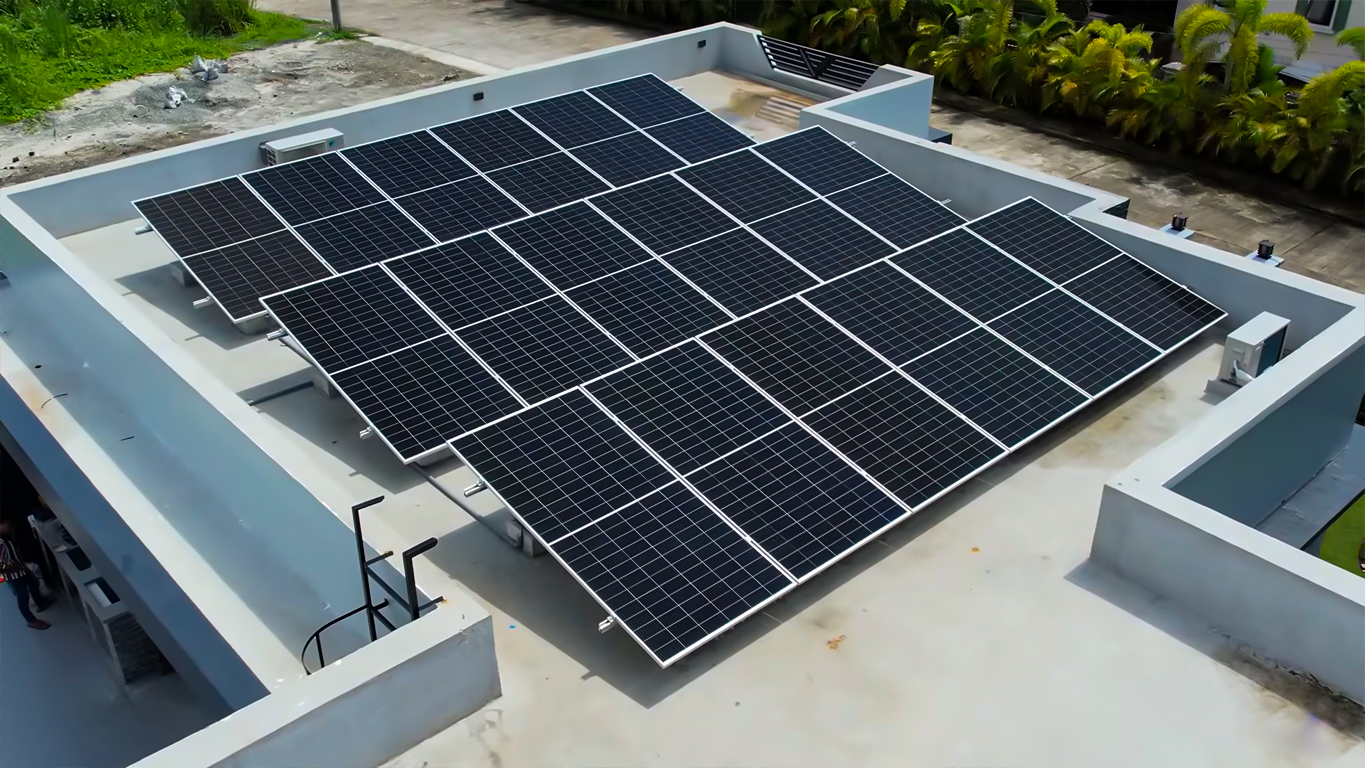
- Solar Panels (PV Modules): These are the most visible part of the system. Costs vary significantly based on efficiency (how much sunlight they convert to electricity), brand reputation (Tier 1 manufacturers are pricier but offer better warranties), and material (monocrystalline panels are generally more efficient and expensive than polycrystalline).
- Inverter: This crucial device converts the DC electricity from your panels into AC electricity usable by your home appliances and the grid. Types include string inverters, microinverters (more expensive but offer panel-level optimization), and hybrid inverters (which work with batteries).
- Mounting Structure: The racks and hardware that secure the panels to your roof or ground. Costs depend on roof type (tile, corrugated, concrete), pitch, and whether it’s a ground-mount system.
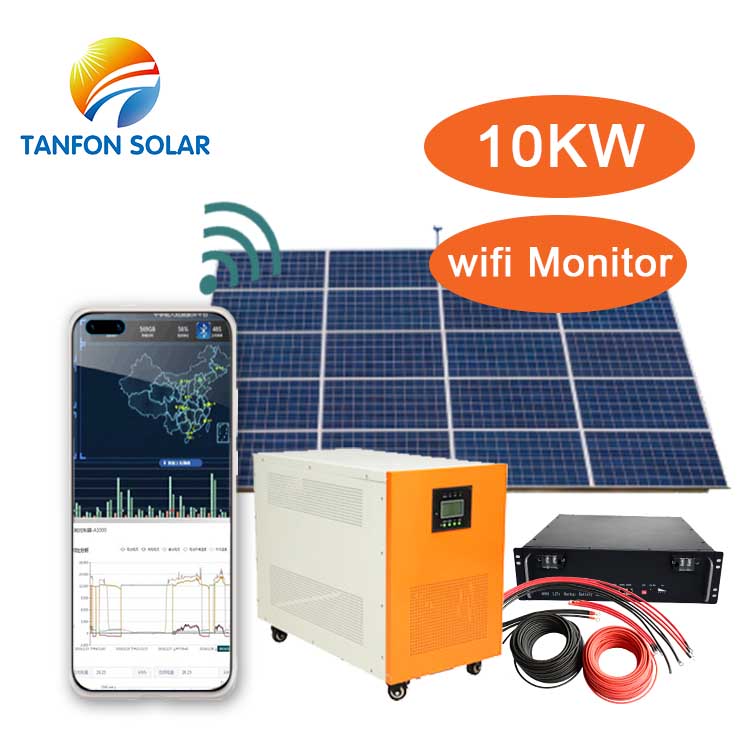
- Battery Storage (Optional but Popular): For off-grid systems or hybrid systems seeking backup power during outages (common in the Philippines), batteries are a significant cost. Lithium-ion batteries are the modern standard, offering longer lifespans and efficiency, but at a higher upfront cost than lead-acid.
- Installation Labor & Wiring: This includes the actual physical installation, electrical work, safety measures, and connection to your home’s electrical system and the grid. Labor costs can vary by region and installer expertise.
- Permitting & Documentation: Fees for permits from local government units (LGUs) and your electric utility (e.g., Meralco, Visayas Electric Company) are part of the process. While not exorbitant, they are mandatory.
- Monitoring System: Many modern inverters come with apps or online portals to track your system’s performance. Advanced monitoring systems might add a small cost but provide valuable insights.
To give you a clearer picture, here’s an example breakdown for a typical 5kW grid-tied system:
| Component | Estimated Cost Range (PHP) | Estimated Cost Range (USD) | Percentage of Total Cost |
|---|---|---|---|
| Solar Panels (approx. 10-12 panels) | ₱150,000 – ₱250,000 | $2,586 – $4,310 | 40-50% |
| Inverter (5kW) | ₱40,000 – ₱70,000 | $690 – $1,207 | 10-15% |
| Mounting Structure & Hardware | ₱30,000 – ₱50,000 | $517 – $862 | 8-12% |
| Electrical Wiring, Safety Devices & Accessories | ₱20,000 – ₱35,000 | $345 – $603 | 5-8% |
| Installation Labor | ₱50,000 – ₱80,000 | $862 – $1,379 | 15-20% |
| Permitting & Administrative Fees | ₱5,000 – ₱10,000 | $86 – $172 | 1-2% |
| Total (Approx. for 5kW Grid-Tied) | ₱300,000 – ₱500,000 | $5,172 – $8,621 | 100% |
Navigating the Nuances: Factors Influencing Your Solar Investment
While the tables above provide solid estimates, several critical factors can shift your final cost. Being aware of these will help you anticipate expenses and make better choices.
System Type: Grid-Tied, Off-Grid, or Hybrid?
This is arguably the most significant cost driver. Your choice depends on your goals for energy independence and reliability.
- Grid-Tied Systems: These are the most common and least expensive. They connect directly to the existing utility grid. Excess power generated is fed back to the grid (and credited to your bill via net metering, where available), and you draw from the grid when your panels aren’t producing enough. They do not provide power during blackouts unless paired with a special ‘grid-forming’ inverter and critical loads panel, as they shut down for safety when the grid is down. They are designed for bill reduction.
- Off-Grid Systems: Completely independent of the utility grid. These systems require a substantial battery bank to store energy for nighttime use or cloudy days, and a more robust inverter. They are significantly more expensive due to battery costs but offer complete energy independence and blackout protection. Ideal for remote locations without grid access or those seeking total self-sufficiency.
- Hybrid Systems: The best of both worlds. These systems are connected to the grid but also include batteries for backup power and energy storage. They can operate in grid-tied mode, charge batteries, and provide power during outages. They offer both bill reduction and blackout protection, making them increasingly popular in the Philippines, but they come with a higher price tag than simple grid-tied systems due to the batteries and hybrid inverter.
Quality, Brand, and Technology
Just like cars or appliances, solar panels and inverters come in various tiers of quality and brand recognition:
- Panel Efficiency: Higher efficiency panels convert more sunlight into electricity in a smaller footprint. This is crucial if you have limited roof space. Premium panels from brands like LG, SunPower (though less common now), or REC will cost more but offer better performance and longer warranties.
- Monocrystalline vs. Polycrystalline: Monocrystalline panels (darker, uniform appearance) are generally more efficient and perform slightly better in low-light conditions but are pricier. Polycrystalline panels (bluer, speckled appearance) are a more budget-friendly option with slightly lower efficiency.
- Tier 1 Manufacturers: Reputable brands like Jinko Solar, JA Solar, Longi, Trina Solar, and Canadian Solar are considered “Tier 1.” They use highly automated manufacturing processes, invest in R&D, and offer strong warranties backed by financial stability. Opting for Tier 1 components offers peace of mind but adds to the cost.
- Inverter Technology: String inverters are the most common. Microinverters (one per panel) or power optimizers (like SolarEdge) offer panel-level optimization, which can be beneficial if your roof has shading issues, but they increase system complexity and cost.
Installation Complexity and Location
Not all roofs are created equal. The ease or difficulty of installation will impact labor costs:
- Roof Type: Installing on a simple corrugated iron roof is easier and cheaper than on a complex tile roof or a flat concrete deck that requires ballasted mounts.
- Roof Pitch and Condition: Steep roofs require more safety equipment and labor time. If your roof needs repairs or reinforcement before installation, that’s an additional cost.
- Accessibility: How easy is it for installers to access your roof and bring up equipment? Limited access can add to labor time.
- Geographic Location: While not as drastic as in the US, labor costs and material transport can be slightly higher in very remote provinces compared to major cities like Manila or Cebu.
Warranties and After-Sales Support
A solar system is a long-term investment (25+ years for panels). The quality of warranties and your installer’s after-sales support are critical:
- Product Warranty: Covers defects in manufacturing (typically 10-12 years for panels, 5-10 years for inverters).
- Performance Warranty: Guarantees that panels will produce a certain percentage of their rated power after 20-25 years (e.g., 80-85%).
- Workmanship Warranty: Covers the installation itself (typically 1-5 years, but look for longer).
Choosing an installer with a proven track record for honoring warranties and providing responsive support is paramount, even if it means a slightly higher initial quote. Remember, you’re not just buying hardware; you’re buying a service and future peace of mind.
Government Incentives and Policies
Unlike some US states with generous solar incentives, direct cash rebates or significant tax credits for residential solar are largely absent in the Philippines. However, there is one crucial policy:
- Net Metering (ERC Resolution No. 9, Series of 2013): This policy allows solar owners to export excess electricity generated by their grid-tied system back to the utility grid and receive credits on their electricity bill. These credits offset future consumption. While the buy-back rate isn’t one-to-one (it’s often lower than the retail rate you pay), it significantly enhances the economic viability of grid-tied solar by ensuring you’re compensated for your excess generation. It’s a key reason why grid-tied systems are so popular.
While there aren’t many direct subsidies, the Philippines’ high electricity costs themselves act as a powerful incentive, making the return on investment compelling even without government hand-outs.
The Smart Investment: Return on Investment (ROI) and Savings
For any US investor or homeowner, the question isn’t just “how much?” but “how quickly will I get my money back, and how much will I save?” This is where solar in the Philippines truly shines.
High Electricity Costs: The Philippine Advantage for Solar
The Philippines consistently ranks among the countries with the highest electricity rates in Southeast Asia, often reaching PHP 10-15 per kilowatt-hour (kWh) or more, depending on your consumption tier and utility. For perspective, this can translate to $0.17-$0.26 per kWh, which is competitive with, or even higher than, many US states without solar incentives. These high rates mean every kWh of electricity your solar panels produce is a kWh you don’t have to buy from the utility at a premium.
Frequent power outages (brownouts) in many areas also push residents and businesses towards solar with battery backup, not just for savings but for critical energy security and reliability.
Calculating Your Payback Period
The payback period is the time it takes for your solar energy savings to equal your initial investment. Given the high electricity costs, the Philippines offers surprisingly quick payback times compared to many Western countries.
A typical grid-tied residential solar system in the Philippines can see a payback period of anywhere from 3 to 7 years. Off-grid or hybrid systems with batteries will have longer payback periods due to their higher upfront cost, but they offer the added benefit of blackout protection and greater energy independence.
Simple Payback Calculation Example:
- Initial Investment: ₱350,000 ($6,034) for a 5 kW system.
- Average Monthly Savings: A 5 kW system might generate roughly 600-700 kWh/month. At an average electricity rate of ₱12/kWh, this translates to ₱7,200 – ₱8,400 ($124 – $145) in monthly savings.
- Annual Savings: ₱86,400 – ₱100,800 ($1,490 – $1,738).
- Payback Period: ₱350,000 / ₱86,400 = approximately 4.05 years. Or ₱350,000 / ₱100,800 = approximately 3.47 years.
This quick payback, combined with a 25-year lifespan for solar panels, means you enjoy many years of free electricity after your system has paid for itself. This is a powerful financial argument for solar in the Philippines.
Beyond Savings: Environmental and Energy Independence Benefits
While the financial incentives are strong, the benefits of solar extend beyond your wallet:
- Environmental Impact: Reducing reliance on fossil fuels, cutting carbon emissions, and contributing to a cleaner environment. The Philippines, being highly vulnerable to climate change impacts, particularly benefits from a shift to renewables.
- Energy Security and Independence: Especially relevant in a country prone to brownouts, solar with battery storage offers crucial resilience. You gain control over your power supply, insulating yourself from grid instability and future electricity rate hikes.
- Increased Property Value: Homes equipped with solar power systems are often more attractive to buyers, potentially increasing your property’s market value.
Making the Leap: Essential Considerations for Prospective Solar Owners
Ready to explore solar in the Philippines? Here are some final pointers to guide your decision-making process.
Choosing the Right Solar Installer
This cannot be overstated. The quality of your installation directly impacts system performance, safety, and longevity. Look for:
- Accreditation and Licensing: Ensure the installer is properly registered and licensed in the Philippines.
- Experience and Reputation: How long have they been in business? Do they have a portfolio of successful installations? Check online reviews and testimonials.
- Comprehensive Service: Do they handle everything from design and permitting to installation and after-sales support?
- Transparent Quoting: A good installer will provide a detailed quote breaking down all costs, not just a lump sum.
- Strong Warranties: Inquire about product, performance, and workmanship warranties.
Don’t settle for the cheapest quote. A slightly higher investment in a reputable installer can save you headaches and costly repairs down the line.
Permitting and Regulatory Requirements
While generally straightforward for grid-tied residential systems, there’s a process to follow:
- Local Government Unit (LGU) Permits: You’ll typically need a building permit and electrical permit from your city or municipal office.
- Electric Utility Approval: You must apply for a “Net Metering” agreement with your local distribution utility (e.g., Meralco, Visayas Electric Company). This involves submitting technical drawings and system specifications. The utility will inspect your installation and install a bi-directional meter to track power imported and exported.
Most reputable installers will assist you with the entire permitting process, making it much easier for you. Be prepared for some bureaucratic steps, as is common in many countries.
.png "20kw solar system price philippines – Helios")
Future Trends: What to Expect in 2025 and Beyond
The solar landscape in the Philippines is dynamic and evolving:
- Falling Panel Prices: Globally, the cost of solar panels continues to decrease. This trend is likely to continue, making solar even more accessible in the Philippines in the coming years.
- Advancements in Battery Technology: Battery storage is becoming more efficient and affordable. Expect to see more competitive options for hybrid and off-grid systems.
- Potential Policy Changes: While current incentives are limited, there’s ongoing discussion about further renewable energy policies to support the country’s energy transition. Keeping an eye on these developments could reveal new opportunities.
Investing in solar now positions you to benefit from these trends and enjoy long-term energy savings.
The Bottom Line for US Readers
For a US citizen looking at the cost of solar panels in the Philippines, the picture is clear: it’s a remarkably sound investment. While the upfront costs, converted to USD, might seem comparable to or even slightly higher than some aggressively subsidized US markets, the rapid payback period driven by high local electricity rates makes it incredibly attractive.
Whether you’re planning to relocate, investing in a vacation home, or simply seeking a smart, sustainable energy solution in the tropics, solar power in the Philippines offers significant financial returns, energy independence, and a positive environmental impact. Do your research, get multiple quotes from reputable installers, and prepare to harness the abundant Philippine sun!
Frequently Asked Questions
Is installing solar panels worth it in the Philippines?
Absolutely. Given the Philippines’ high electricity rates and abundant sunshine, solar panels offer a compelling return on investment, often with payback periods of 3-7 years for grid-tied systems. They also provide energy independence and a hedge against frequent power outages.
What is the average cost of a solar panel system in the Philippines?
For a residential grid-tied system, you can expect to pay between PHP 30,000 to PHP 50,000 per kilowatt (kW), or roughly $517 to $862 per kW (using 1 USD = 58 PHP). A common 3.2 kWp grid-tied system might cost PHP 200,000 – PHP 230,000 ($3,448 – $3,965).
Are there government incentives for solar panels in the Philippines?
While there are no direct cash rebates or significant tax credits like in some Western countries, the Philippines has a Net Metering policy. This allows grid-tied solar owners to export excess electricity to the grid and receive credits on their bill, significantly improving economic viability.
How long does it take to get a return on investment (ROI) for solar panels in the Philippines?
Due to the high electricity costs, grid-tied residential solar systems in the Philippines typically have a rapid payback period, often ranging from 3 to 7 years. After this period, your electricity is essentially free for the remaining 20+ year lifespan of the panels.
What’s the difference between grid-tied, off-grid, and hybrid solar systems?
Grid-tied systems connect to the utility grid for bill reduction and do not provide power during outages. Off-grid systems are fully independent with batteries for storage, offering complete energy independence and blackout protection but at a higher cost. Hybrid systems combine both, connecting to the grid while also having batteries for backup and storage, offering both bill reduction and outage protection.
Do I need a permit to install solar panels in the Philippines?
Yes, you will need permits from your local government unit (LGU) and approval from your electric utility for a Net Metering agreement. Reputable solar installers typically assist homeowners with navigating this permitting process.
How much can I save on electricity bills with solar in the Philippines?
Savings depend on your system size and electricity consumption. A well-sized grid-tied system can significantly reduce or even eliminate your monthly electricity bill. For example, a 5 kW system generating 600-700 kWh/month could save PHP 7,200 – PHP 8,400 ($124 – $145) monthly at an average rate of PHP 12/kWh.


Post Comment