Average Price For Solar Panels On A House
Unpacking the Costs: Your Definitive Guide to Average Solar Panel Prices on a House in 2024-2025
Thinking about solar panels for your home? You’re not alone. More and more homeowners are looking to harness the sun’s power, save on electricity bills, and boost their home’s value. But let’s be honest, the first question that pops into everyone’s head is usually, “How much does it actually cost?”
Table of Contents
- Unpacking the Costs: Your Definitive Guide to Average Solar Panel Prices on a House in 2024-2025
- What’s the Average Price for Solar Panels on a House? (The Quick Answer)
- Breaking Down the Solar Panel Price Tag: What You’re Really Paying For
- Solar Panels (The Modules Themselves)
- Inverters
- Mounting Hardware and Racking
- Balance of System (BOS) Components
- Installation Labor & Expertise
- Ancillary Costs: Electrical Upgrades & Roof Repairs
- Beyond the Average: Key Factors That Drive YOUR Solar Panel Cost
- System Size (kW)
- Your Location: State-by-State Variations
- Roof Characteristics
- Panel Efficiency & Technology
- Financing Method
- Installer Choice & Warranty
- Unleashing the Savings: Federal, State, and Local Solar Incentives
- The Federal Solar Investment Tax Credit (ITC)
- State & Local Incentives
- Understanding Your Total Net Cost
- Is Going Solar Truly Worth the Investment? Calculating Your ROI & Payback Period
- Energy Bill Savings Over 25+ Years
- Increased Home Value
- Environmental Impact
- How to Calculate Your Personal Payback Period
- Considerations for Future Electricity Price Increases
- Navigating the Solar Journey: Your Step-by-Step Action Plan
- The Future of Home Solar: Batteries and Beyond
It’s a big investment, and understanding the price tag – both the sticker price and your *net cost after incentives – is crucial. Forget generic estimates; we’re diving deep into the real numbers, the hidden factors, and the incredible savings that await. By the end of this guide, you’ll have a clear picture of what to expect, how to budget, and how to make solar work for your home.
What’s the Average Price for Solar Panels on a House? (The Quick Answer)
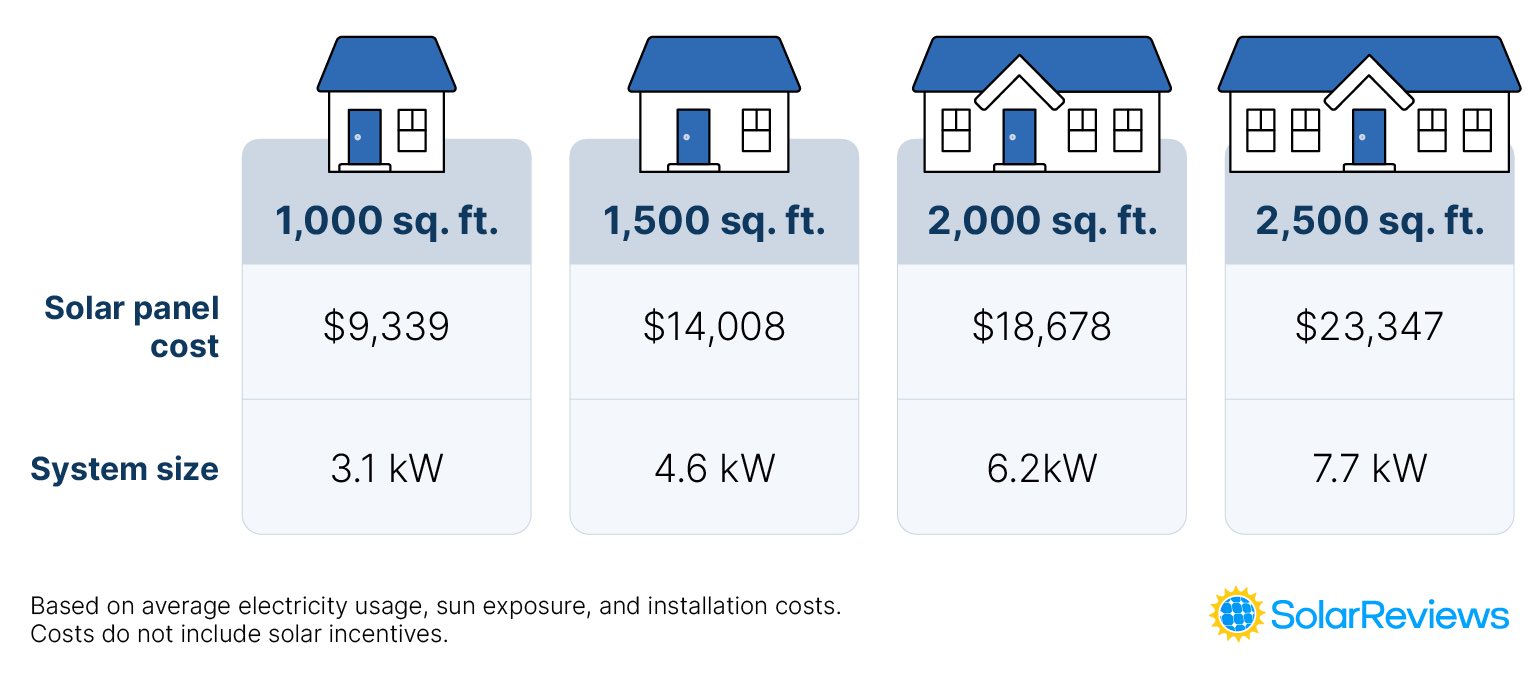
Let’s cut to the chase. The average gross cost for a typical residential solar panel system in the U.S. – usually a 6 kW to 9 kW system, suitable for an average American home – ranges anywhere from $25,000 to $30,000 before any incentives. This translates to roughly $2.80 to $3.50 per watt.
Now, here’s the exciting part: after factoring in the incredible 30% federal solar Investment Tax Credit (ITC), that average price drops significantly. Your typical net cost could be closer to $17,500 to $21,000.
That’s a substantial difference, and it highlights why understanding incentives is so critical. But what exactly are you paying for within that price tag? Let’s break it down.
| System Size (kW) | Approx. Gross Cost (Before Incentives) | Approx. Net Cost (After 30% Federal ITC) | Typical Home Size (Sq. Ft.) |
|---|---|---|---|
| 4 kW | $11,200 – $14,000 | $7,840 – $9,800 | 1,000 – 1,500 |
| 6 kW | $16,800 – $21,000 | $11,760 – $14,700 | 1,500 – 2,000 |
| 8 kW | $22,400 – $28,000 | $15,680 – $19,600 | 2,000 – 2,500 |
| 10 kW | $28,000 – $35,000 | $19,600 – $24,500 | 2,500 – 3,000+ |
Breaking Down the Solar Panel Price Tag: What You’re Really Paying For
When you get a quote for a solar panel system, it’s not just the panels themselves. It’s a sophisticated energy solution made up of several key components and services. Understanding these elements will help you evaluate quotes more effectively.
Solar Panels (The Modules Themselves)
These are the stars of the show, but not all panels are created equal. The type of panel you choose significantly impacts both performance and cost:
- Monocrystalline Panels: The most common and efficient type. They’re made from a single crystal of silicon, giving them a sleek, black appearance. They perform well in limited space due but typically have a higher price point per panel.
- Polycrystalline Panels: Made from multiple silicon fragments, these are slightly less efficient than monocrystalline panels but are also less expensive. They have a bluer, speckled look.
- Thin-Film Panels: While less common for residential use due to lower efficiency and needing more space, they can be more flexible and perform better in low-light conditions. They are generally the least expensive per watt.
Brand reputation also plays a role. Tier-1 manufacturers often come with higher price tags but offer superior warranties and proven performance.
Inverters
Inverters are critical; they convert the DC (direct current) electricity generated by your panels into AC (alternating current) electricity, which is what your home appliances use. There are three main types:
- String Inverters: The most traditional and cost-effective option. Panels are wired together in “strings,” and if one panel underperforms (due to shade, for example), the entire string’s output can be affected.
- Micro-inverters: Installed under each individual panel, micro-inverters optimize each panel’s performance independently. This means shading on one panel won’t impact the others. They offer better monitoring and performance but come at a higher upfront cost.
- Power Optimizers: A hybrid solution, optimizers are placed on each panel to condition the DC power, then send it to a central string inverter. They offer similar benefits to micro-inverters in terms of individual panel optimization but often at a slightly lower cost.
Mounting Hardware and Racking
This includes the rails, clamps, and other hardware that secure your panels to your roof or ground. The type of roof material (shingle, tile, metal) can affect the complexity and cost of installation. Ground-mounted systems, while providing flexibility in orientation, typically cost more due to additional trenching and structural requirements.
Balance of System (BOS) Components
This category covers everything else needed for a functional system:

- Wiring and Conduits: Safely routing the electrical connections.
- Disconnect Switches: For safety and maintenance.
- Monitoring Equipment: Allows you to track your system’s performance.
- Meters: Potentially upgraded utility meters for net metering.
Installation Labor & Expertise
This is where a significant portion of your investment goes, and for good reason. Professional installation ensures your system is safe, efficient, and compliant with all local codes. This includes:
- Design and Engineering: Customizing the system for your home and energy needs.
- Permitting and Inspections: Navigating local regulations, which can be complex and time-consuming.
- Interconnection Fees: Costs associated with connecting your system to the utility grid.
- Actual Installation: The physical labor of mounting panels, wiring, and commissioning the system.
The complexity of your roof, access to your property, and local labor rates will all influence this cost.
Ancillary Costs: Electrical Upgrades & Roof Repairs
Sometimes, going solar reveals underlying needs:
- Electrical Panel Upgrades: Your existing electrical panel might need an upgrade to handle the new solar capacity.
- Roof Repairs or Replacement: If your roof is old or damaged, it’s often smart to repair or replace it before* solar installation, as it’s more cost-effective than removing and reinstalling panels later. These costs are typically separate from the solar quote itself but are crucial to consider in your overall budget.
Beyond the Average: Key Factors That Drive YOUR Solar Panel Cost
While the national average gives you a starting point, your specific cost will vary. Here’s a deeper look into the factors that will customize your price tag:
System Size (kW)
This is arguably the biggest driver of cost. The larger the system (more kilowatts), the more panels you need, and generally, the higher the upfront price. Your ideal system size depends primarily on:
- Your Energy Consumption: Look at your past electricity bills. How many kilowatt-hours (kWh) do you use per month? Installers will use this to size a system that offsets your usage.
- Available Roof Space: A smaller roof might mean you need higher-efficiency (and thus more expensive) panels to meet your energy needs.
- Your Energy Goals: Do you want to offset 100% of your bill, or just a portion? Do you plan to add an EV or battery storage in the future?
Your Location: State-by-State Variations
Where you live has a significant impact. Factors include:
- Labor Costs: Vary widely by region and state.
- Permitting & Regulatory Complexity: Some cities/states have more involved and costly permitting processes.
- Local Incentives: Beyond federal, many states and municipalities offer their own rebates, tax credits, or SRECs, drastically lowering net costs.
- Sunlight Availability: While solar works everywhere, sunnier states might see quicker payback periods due to higher energy production.
| State | Avg. Cost per Watt (Gross) | Avg. 8 kW System Cost (Gross) | Avg. 8 kW System Cost (Net after 30% ITC) |
|---|---|---|---|
| California | $3.40 – $4.00 | $27,200 – $32,000 | $19,040 – $22,400 |
| Texas | $2.80 – $3.50 | $22,400 – $28,000 | $15,680 – $19,600 |
| Florida | $2.70 – $3.40 | $21,600 – $27,200 | $15,120 – $19,040 |
| New York | $3.00 – $3.80 | $24,000 – $30,400 | $16,800 – $21,280 |
| Arizona | $2.60 – $3.30 | $20,800 – $26,400 | $14,560 – $18,480 |
Note: These are average estimates and can fluctuate based on specific installers, incentives, and market conditions.
Roof Characteristics
Your roof is the foundation for your solar system. Its condition and features matter:
- Age and Condition: If your roof is nearing the end of its life, it’s wise to replace it before installing solar. Installers might charge more for older, less stable roofs.
- Material: Asphalt shingles are the easiest and most affordable to work with. Tile, slate, or metal roofs can require specialized mounting hardware and more labor, increasing costs.
- Pitch and Orientation: A steep roof pitch can make installation more challenging and costly. South-facing roofs are ideal for maximum sunlight, but East/West orientations can also work effectively.
- Shading: Significant shading from trees or nearby buildings can reduce system efficiency and may necessitate more panels or specific inverter types, impacting cost.
Panel Efficiency & Technology
Higher-efficiency panels (e.g., premium monocrystalline) convert more sunlight into electricity per square foot. This can be crucial if you have limited roof space. While these panels have a higher cost per watt, they allow for a smaller system size to meet your energy needs, potentially offsetting some of that premium.
Financing Method
How you pay for your system will impact your total cost of ownership:
- Cash Purchase: Highest upfront cost, but you own the system outright, maximize incentives, and have the quickest payback period.
- Solar Loan: Many homeowners finance their solar systems through specific solar loans, home equity loans, or personal loans. You still own the system and qualify for incentives, but you’ll pay interest.
- Power Purchase Agreement (PPA) / Solar Lease: With these options, a third-party company owns, installs, and maintains the system on your roof. You pay them a fixed rate for the electricity generated (PPA) or a fixed monthly payment (lease). While there’s little to no upfront cost, you typically don’t qualify for the federal ITC and other ownership-based incentives, and your long-term savings might be less.
Installer Choice & Warranty
The company you choose matters. Reputable, experienced installers might not always be the cheapest, but they offer peace of mind through:
- Quality Equipment: They often use higher-quality panels and inverters.
- Expert Installation: Proper installation prevents future problems and maximizes efficiency.
- Comprehensive Warranties: Good installers offer warranties on equipment (often 25+ years for panels), inverters, and their workmanship (typically 10-25 years). This protects your investment.
Always get multiple quotes to compare not just price, but also equipment, warranties, and proposed system design.
Unleashing the Savings: Federal, State, and Local Solar Incentives
This is where solar becomes truly attractive. Incentives can significantly reduce your net cost, making the investment much more accessible and accelerate your payback period.
The Federal Solar Investment Tax Credit (ITC)
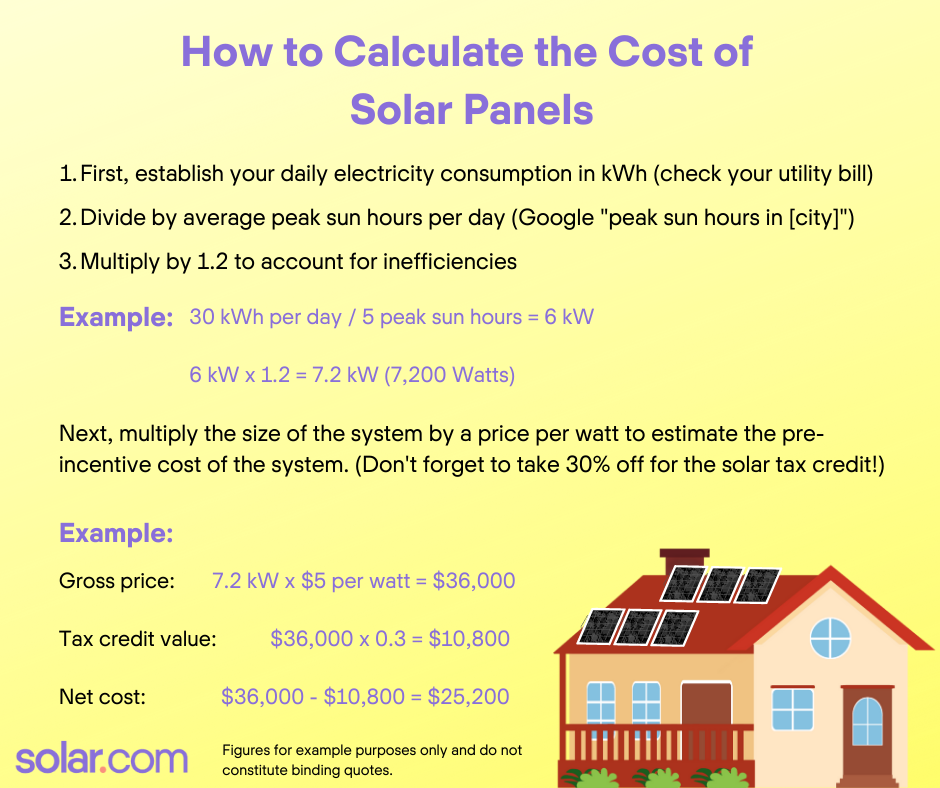
This is the big one for U.S. homeowners. The ITC allows you to claim 30% of the cost of your solar system as a tax credit. It’s not a deduction; it’s a dollar-for-dollar reduction in the income taxes you owe.
- How it Works: If your solar system costs $30,000, you can claim a $9,000 tax credit. If you owe $10,000 in federal taxes, you’d only pay $1,000 after the credit. If you owe less, the credit can typically be rolled over to the next tax year.
- Eligibility: You must own the system (cash purchase or solar loan qualify; leases/PPAs typically do not). The system must be new and installed at your primary or secondary residence.
- Current Status: The 30% credit is locked in through 2032, making now an excellent time to invest.
Example Calculation:
nGross System Cost: $30,000
nFederal ITC (30%): $9,000
Net Cost (after Federal ITC): $21,000
State & Local Incentives
Beyond the federal credit, many states, counties, and even cities offer their own programs:
- State Tax Credits/Rebates: Some states offer additional tax credits or upfront rebates that further reduce your cost.
- Solar Renewable Energy Certificates (SRECs): In certain markets, you can earn SRECs for the clean electricity your system generates and sell them for cash.
- Property Tax Exemptions: Many states exempt the added value of solar panels from property tax assessments, meaning your taxes won’t go up because of your solar installation.
- Sales Tax Exemptions: Some states waive sales tax on solar equipment and installation.
- Net Metering: While not a direct cost reduction, net metering is a crucial policy in many states. It allows you to send excess electricity your panels produce back to the grid and receive credits on your utility bill, effectively reducing or even eliminating your monthly electricity costs. This dramatically improves your solar ROI.
Always research the specific incentives available in your zip code, as they can significantly impact your total net cost.
Understanding Your Total Net Cost
When you combine federal, state, and local incentives, the initial gross cost can shrink dramatically. A $30,000 system might effectively cost you $15,000-$20,000 out of pocket after all incentives, depending on your location and eligibility. This is why getting comprehensive quotes from reputable installers who understand all available incentives is vital.
Is Going Solar Truly Worth the Investment? Calculating Your ROI & Payback Period
Beyond the reduced net cost, the real question for many homeowners is, “Will it save me money in the long run?” The answer, for most, is a resounding yes.
Energy Bill Savings Over 25+ Years
Once your solar system is installed, you’ll immediately start seeing reductions in your monthly electricity bill. Over the 25-30 year lifespan of a typical solar panel system, these savings can amount to tens of thousands of dollars, far exceeding your initial investment.
Increased Home Value
Studies consistently show that homes with owned solar panels sell for a premium and often sell faster than comparable homes without solar. This added value can be anywhere from 3-6% of your home’s value, or about $15,000 for an average home.
Environmental Impact
While not a monetary return, the environmental benefits are significant. Reducing your reliance on fossil fuels lowers your carbon footprint, contributes to cleaner air, and supports a sustainable future.
How to Calculate Your Personal Payback Period
The payback period is the time it takes for your cumulative energy savings (and SREC income, if applicable) to equal your net upfront cost. Here’s a simplified way to think about it:
Payback Period (Years) = Net System Cost / (Annual Electricity Savings + Annual SREC Income)
A typical payback period for a residential solar system in the U.S. ranges from 6 to 12 years, depending on your state’s electricity rates, incentives, and system size. After this period, the electricity your panels generate is essentially free.
| Net System Cost (After ITC) | Avg. Annual Electricity Savings | Estimated Payback Period (Years) | Total Savings Over 25 Years (Approx.) |
|---|---|---|---|
| $15,000 | $1,500 | 10 years | $37,500 – $45,000 |
| $20,000 | $2,000 | 10 years | $50,000 – $60,000 |
| $25,000 | $2,500 | 10 years | $62,500 – $75,000 |
Note: These calculations do not account for potential electricity price increases, which can further shorten payback periods and increase total savings.
Considerations for Future Electricity Price Increases
Utility rates have historically risen steadily. By generating your own power, you’re effectively locking in your electricity costs, protecting yourself from unpredictable rate hikes. This long-term stability is a significant, often overlooked, benefit of solar ownership.
Navigating the Solar Journey: Your Step-by-Step Action Plan
Ready to explore solar for your home? Here’s a clear path forward:
The Future of Home Solar: Batteries and Beyond
The solar landscape is constantly evolving. While this guide focuses on grid-tied solar panels, many homeowners are also considering integrating battery storage solutions (like the Tesla Powerwall or Enphase Encharge). Batteries allow you to store excess solar energy for use at night or during power outages, offering greater energy independence and resilience. While they add to the upfront cost, batteries can further enhance your savings, especially if you face time-of-use utility rates.
Thinking even further ahead, solar is the perfect companion for an electric vehicle (EV). Charging your EV with solar power means truly fueling your car for free, further maximizing your investment and minimizing your carbon footprint.
Going solar is more than just an expense; it’s a strategic investment in your home’s future, your finances, and the planet. With the right information, understanding the costs, incentives, and long-term benefits, you can make an informed decision that pays dividends for decades to come. Don’t let the initial sticker shock deter you – the sun’s energy is waiting to power your home.
Frequently Asked Questions
What is the average upfront cost of solar panels for a house?
The average gross cost for a typical 6 kW to 9 kW residential solar panel system in the U.S. ranges from $25,000 to $30,000 before any incentives. This equates to about $2.80 to $3.50 per watt.
How much do solar panels cost after the federal tax credit?
After applying the 30% federal solar Investment Tax Credit (ITC), the average net cost for a typical system often falls to $17,500 to $21,000. This credit significantly reduces your out-of-pocket expenses.
What factors influence the total price of a solar panel system?
Key factors include system size (kW), your geographic location (affecting labor costs and incentives), roof characteristics (age, material, pitch, shading), the efficiency and brand of panels/inverters chosen, and your financing method (cash, loan, lease).
Are there additional costs to consider beyond the solar panels themselves?
Yes, beyond the panels and inverters, costs include mounting hardware, balance of system components (wiring, monitoring), installation labor, design and engineering, permitting fees, and potential electrical panel upgrades or roof repairs if needed before installation.
How long does it take for solar panels to pay for themselves?
The typical payback period for a residential solar system in the U.S. ranges from 6 to 12 years. This period is determined by your net system cost (after incentives) divided by your annual electricity savings and any income from SRECs.
Do solar panels increase home value?
Yes, studies indicate that owned solar panel systems can increase a home’s resale value by 3-6% and often help homes sell faster than comparable properties without solar. The exact increase can depend on local market conditions and system size.
Should I consider battery storage with my solar panel system?
While optional, battery storage systems allow you to store excess solar energy for use during peak hours or power outages, increasing your energy independence and resilience. They add to the upfront cost but can offer greater long-term savings and peace of mind, especially with time-of-use utility rates.


Post Comment