Is It Worth Getting Solar Panels In Nj
Is It Worth Getting Solar Panels in New Jersey? The Definitive 2024 Homeowner’s Guide
Let’s cut to the chase: You’re wondering if jumping into solar panels in New Jersey is a smart move for your wallet and your home. With rising electricity bills and a push for cleaner energy, it’s a question many homeowners like you are asking. So, is it worth it? Absolutely, yes.
Table of Contents
- Is It Worth Getting Solar Panels in New Jersey? The Definitive 2024 Homeowner’s Guide
- Why New Jersey is a Solar Powerhouse: Unpacking the “Worth It” Factor
- High Electricity Prices: Your Motivator
- Robust State & Federal Incentives: The Financial Backbone
- Environmental Commitment: More Than Just Savings
- Increased Home Value: An Asset, Not an Expense
- The Financial Deep Dive: Costs, Savings, and Your ROI in NJ
- Average Solar Panel Cost in New Jersey (2024): What to Expect
- Factors Influencing Your Specific Solar Cost:
- Understanding Your Solar Savings & Payback Period:
- Unlocking NJ Solar Incentives: Your Blueprint for Maximum Savings
- 1. Federal Solar Tax Credit (ITC): The Big One
- 2. New Jersey’s Successor Solar Incentive (SuSI) Program: Current State Program
- 3. Net Metering: Your Grid-as-a-Battery
- 4. Property Tax Exemption: No Tax Hike for Going Solar
- 5. Sales Tax Exemption: Upfront Savings
- Pros and Cons of Going Solar in New Jersey: A Balanced View
- The Unquestionable Pros:
- Potential Cons (and How to Mitigate Them):
- Ownership vs. Leasing vs. PPA: Which Solar Path is Right for You?
- Solar Ownership: Maximize Incentives and ROI
- Solar Lease: Lower Upfront, Fixed Monthly Payment
- Power Purchase Agreement (PPA): Pay Per kWh Produced
- Your Step-by-Step Guide to Going Solar in NJ
- Step 1: Assess Your Energy Needs & Home Suitability
- Step 2: Get Multiple Quotes from Reputable Installers
- Step 3: Understand Financing Options & Incentives
- Step 4: Installation & System Activation
- Step 5: Enjoy Your Solar Savings!
- Conclusion: The Future is Bright (and Solar) in New Jersey
New Jersey stands out as one of the most advantageous states for solar energy in the entire U.S. Why? Because the Garden State combines some of the highest electricity rates in the country with robust state and federal incentives designed to put significant cash back in your pocket. This isn’t just about going green; it’s about making a genuinely savvy financial investment.
On average, a New Jersey homeowner can expect to save tens of thousands of dollars over the lifespan of their solar system, often seeing a return on investment within 6-9 years. That’s a serious financial upside that directly tackles your monthly utility expenses.
Why New Jersey is a Solar Powerhouse: Unpacking the “Worth It” Factor
So, what makes NJ such a prime location for solar? It’s a perfect storm of economic and environmental factors:
High Electricity Prices: Your Motivator
New Jersey’s electricity rates consistently rank among the highest in the nation, often 15-20% above the national average. When your utility bill climbs month after month, generating your own power becomes incredibly appealing. Every kWh your solar panels produce is a kWh you don’t have to buy from the grid at those premium rates.
Robust State & Federal Incentives: The Financial Backbone
New Jersey has a long history of supporting solar, and its current incentive programs are designed to make solar accessible and highly profitable for homeowners. Combine these with the substantial federal tax credit, and you have a financial package that dramatically reduces your upfront costs and accelerates your payback period.
Environmental Commitment: More Than Just Savings
Beyond the financial gains, New Jersey is deeply committed to clean energy. By installing solar, you’re directly contributing to the state’s renewable energy goals, reducing your carbon footprint, and fostering a healthier environment for your community. This matters to many homeowners, aligning their values with their investments.
Increased Home Value: An Asset, Not an Expense
Studies consistently show that homes with solar panels sell for a premium, often increasing property value by an average of 4.1% to 9.9%. In New Jersey, this can translate to tens of thousands of dollars, making your solar investment a valuable asset that pays dividends when you decide to sell.
The Financial Deep Dive: Costs, Savings, and Your ROI in NJ
Let’s talk numbers. Understanding the costs and potential savings is crucial to determining your personal ROI.

Average Solar Panel Cost in New Jersey (2024): What to Expect
The upfront cost of a solar panel system can seem daunting, but it’s important to look at the net cost after incentives and the long-term savings. The average solar system size for an NJ home is typically between 6 kW and 10 kW.
| System Size (kW) | Average Gross Cost Range (Before Incentives) | Average Cost Per Watt |
|---|---|---|
| 6 kW | $18,000 – $24,000 | $3.00 – $4.00 |
| 8 kW | $24,000 – $32,000 | $3.00 – $4.00 |
| 10 kW | $30,000 – $40,000 | $3.00 – $4.00 |
Note: These are average ranges. Your actual cost will vary based on several factors.
Factors Influencing Your Specific Solar Cost:
- System Size (kWh Needs): This is the primary driver. The more electricity you consume, the larger the system you’ll need, and thus the higher the gross cost.
- Panel Type & Efficiency: Premium, high-efficiency panels might cost more upfront but can generate more power in a smaller footprint.
- Installation Complexity: Roof type (tile vs. asphalt), pitch, age, and any required electrical upgrades can affect labor costs.
- Installer Choice: Quotes can vary significantly between different solar companies. Always get multiple bids!
- Battery Storage (Optional but Growing): Adding a solar battery (like a Tesla Powerwall or Enphase Encharge) increases the initial cost but offers enhanced energy independence, backup power during outages, and can maximize your self-consumption.
Understanding Your Solar Savings & Payback Period:
Your savings come from two main sources: avoiding high utility bills and earning money/credits through incentives. The payback period is simply the time it takes for your cumulative savings and incentives to equal your initial investment.
- Electricity Bill Savings: This is the most direct saving. Your panels produce electricity, reducing or eliminating your monthly power bill. With NJ’s high and rising rates, this saving is substantial and grows over time.
- Incentive Earnings: Programs like SuSI (which we’ll detail next) provide direct financial benefits.
- Average Payback Period: In New Jersey, the average payback period for a residential solar system is typically 6 to 9 years. After this point, your solar system generates virtually free electricity for the remainder of its 25+ year lifespan.
Here’s a sample projection of long-term savings for an average NJ homeowner:
| Metric | Average NJ Homeowner |
|---|---|
| Average System Size | 8 kW |
| Gross Cost (Before Incentives) | $28,000 |
| Federal ITC (30%) | -$8,400 |
| Net Cost (After ITC) | $19,600 |
| Estimated Annual Electricity Savings | $1,800 – $2,500 |
| Estimated Annual SuSI/EDC Earnings | $800 – $1,200 |
| Total Annual Benefit | $2,600 – $3,700 |
| Average Payback Period | 6-9 Years |
| Estimated 25-Year Savings (Total) | $65,000 – $90,000+ |
Unlocking NJ Solar Incentives: Your Blueprint for Maximum Savings
New Jersey’s incentive landscape is one of the most generous, but it can also be a bit complex. Let’s break down the key programs that make solar so worthwhile here.
1. Federal Solar Tax Credit (ITC): The Big One
This is a national incentive, not specific to NJ, but it’s a huge component of your solar savings. The Investment Tax Credit (ITC) allows you to claim 30% of the cost of your solar system as a credit on your federal income taxes. This is a direct reduction in the amount of tax you owe, not just a deduction.
- How it works: If your system costs $30,000, you get a $9,000 tax credit.
- Eligibility: You must own your solar system (not lease or PPA) to claim the ITC.
- Future: The ITC is set at 30% until 2032, after which it is scheduled to step down.
2. New Jersey’s Successor Solar Incentive (SuSI) Program: Current State Program
New Jersey transitioned from its widely successful Solar Renewable Energy Certificate (SREC) program to the SuSI program in 2021. This new program aims to provide long-term, stable incentives.
- What are EDCs (Eligible Distributed Generation Certificates)? Under SuSI, residential solar owners earn Eligible Distributed Generation Certificates (EDCs). One EDC is generated for every megawatt-hour (MWh) of electricity your solar system produces.
- How EDCs are generated and sold: These EDCs are purchased by New Jersey’s utility companies to meet their renewable energy obligations. You typically work with an aggregator or your solar installer to sell your EDCs, providing you with a predictable stream of income over 15 years.
- SREC vs. SuSI: Clarifying the transition and what it means *now*: If you heard about SRECs, know that SuSI is the successor. While SRECs had fluctuating market prices, EDCs under SuSI have a more stable, administered price set by the state. This provides greater financial predictability for homeowners installing solar today.
3. Net Metering: Your Grid-as-a-Battery
Net metering is a crucial policy that ensures you get credit for the excess electricity your solar panels produce. When your panels generate more power than your home needs (e.g., during peak sun hours), that excess energy is sent back to the grid. Your utility company then credits your account for that power, effectively ‘storing’ it for you to use when your panels aren’t producing (e.g., at night or on cloudy days).
- How it works: Your meter essentially runs backward when you’re over-producing. You only pay for your “net” electricity consumption (total consumed minus total generated).
- Utility Company Participation: All major New Jersey utility companies participate in net metering, including PSE&G, Atlantic City Electric, JCP&L, and Rockland Electric.
4. Property Tax Exemption: No Tax Hike for Going Solar
This is a fantastic benefit often overlooked. In New Jersey, the increased value your home gains from a solar panel installation is 100% exempt from property taxes. This means you get all the financial benefits of increased home value without paying higher taxes on it.
5. Sales Tax Exemption: Upfront Savings
When you purchase and install solar energy equipment in New Jersey, you are exempt from paying the state’s 6.625% sales tax. This is another immediate saving that reduces your initial out-of-pocket expense.

Pros and Cons of Going Solar in New Jersey: A Balanced View
Every major investment has its upsides and downsides. While the pros of solar in NJ heavily outweigh the cons, it’s good to be aware of both.
The Unquestionable Pros:
- Significant Long-Term Savings: This is the biggest draw. Drastically reduce or eliminate your electricity bills for decades.
- Environmental Impact & Carbon Footprint Reduction: Directly contribute to cleaner air and a healthier planet.
- Increased Home Value: Boost your property’s market appeal and resale price.
- Energy Independence & Grid Resilience: Reduce reliance on the utility company, and with battery storage, gain backup power during outages.
- Low Maintenance: Solar panels require minimal maintenance, typically just an occasional cleaning. Most systems come with long warranties (20-25 years).
Potential Cons (and How to Mitigate Them):
- Initial Upfront Cost: This is the most significant hurdle for many.
- Mitigation: Federal and state incentives significantly reduce this. Explore financing options like solar loans (often with favorable rates) that can make solar accessible with little or no money down.
- Roof Suitability & Condition: Not all roofs are ideal for solar. Older roofs might need replacement before panel installation.
- Mitigation: A professional solar installer will conduct a thorough roof inspection. If a new roof is needed, consider combining it with your solar project for potential financing benefits. Ground-mounted systems are also an option if roof space is inadequate.
- Shading Issues: Trees or nearby buildings can reduce panel efficiency.
- Mitigation: Good installers use advanced design software to model shading and optimize panel placement. Tree trimming or panel layout adjustments can often solve minor shading problems.
- Installation Time & Process: The process, from initial consultation to activation, can take several weeks or months due to permitting and inspections.
- Mitigation: Choose an experienced installer who manages the entire process efficiently and keeps you informed.
- Finding the Right Installer: The quality of your installation heavily depends on your chosen company.
- Mitigation: Get multiple quotes, check references, read reviews, and verify certifications and licenses. Don’t rush the decision.
Ownership vs. Leasing vs. PPA: Which Solar Path is Right for You?
How you acquire your solar system impacts your costs, savings, and eligibility for incentives. Here’s a quick comparison:
Solar Ownership: Maximize Incentives and ROI
This is the most financially beneficial option. You purchase the system outright (cash) or through a solar loan. You own the equipment, claim all incentives (ITC, EDCs), and benefit fully from increased home value and electricity savings.
Solar Lease: Lower Upfront, Fixed Monthly Payment
You pay a fixed monthly fee to a solar company for the use of their panels on your roof. You benefit from reduced electricity bills, but the solar company owns the system and claims the incentives.
Power Purchase Agreement (PPA): Pay Per kWh Produced
Similar to a lease, but you only pay for the electricity the panels produce, usually at a rate lower than your utility company’s. The solar company owns, maintains, and monitors the system. Again, they claim the incentives.
| Feature | Ownership (Cash/Loan) | Solar Lease / PPA |
|---|---|---|
| Upfront Cost | Higher (but reduced by incentives) | Little to None |
| Federal ITC Eligibility | YES (30% of system cost) | NO (company claims it) |
| NJ SuSI/EDC Benefits | YES (you earn and sell EDCs) | NO (company claims them) |
| Long-Term Savings | Highest (after payback) | Lower (fixed payment or rate) |
| Home Value Increase | YES (you own the asset) | Minimal or complicates sale |
| Maintenance | Your responsibility (minimal) | Company’s responsibility |
| Ideal For | Maximizing financial returns, long-term residents | No upfront cost, short-term residents |
Your Step-by-Step Guide to Going Solar in NJ
Ready to explore solar for your home? Here’s a simple roadmap:
Step 1: Assess Your Energy Needs & Home Suitability
Gather your past 12 months of electricity bills to understand your average consumption. A solar professional will evaluate your roof’s condition, size, orientation, and any potential shading issues to determine if solar is a good fit and what size system you’d need.
Step 2: Get Multiple Quotes from Reputable Installers
This is crucial. Contact at least 3-5 different solar companies in New Jersey. Compare their proposals, equipment recommendations, warranties, pricing, and customer service reviews. Don’t be afraid to ask detailed questions about their experience, licensing, and how they handle permits and inspections.
Step 3: Understand Financing Options & Incentives
Discuss payment options (cash, loan, lease, PPA) and ensure your chosen installer clearly explains all applicable federal (ITC) and state (SuSI, net metering, tax exemptions) incentives and how they will be applied to your project.
Step 4: Installation & System Activation
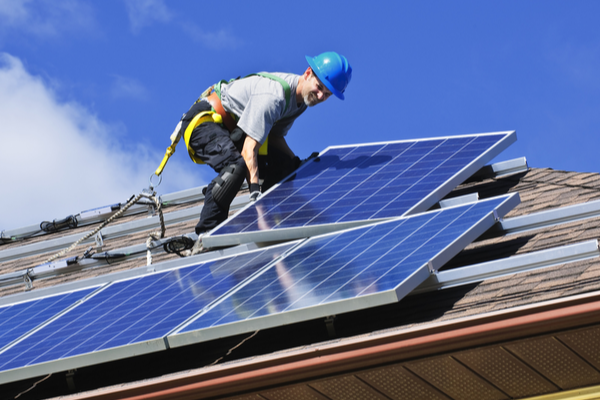
Once you’ve chosen an installer and signed the contracts, they will handle the design, permitting, installation, and final inspections. After your utility company gives the “permission to operate” (PTO), your system will be switched on, and you’ll start generating your own clean power!
Step 5: Enjoy Your Solar Savings!
Watch your utility bills shrink, track your energy production, and revel in the fact that you’re saving money while contributing to a sustainable future.
Conclusion: The Future is Bright (and Solar) in New Jersey
There’s a reason New Jersey consistently ranks as a top state for solar energy. With some of the highest electricity rates in the nation and a comprehensive suite of state and federal incentives, going solar in NJ isn’t just an environmentally conscious choice—it’s a financially superior one.
From significant long-term savings and a strong return on investment to increased home value and energy independence, the benefits are clear and compelling. If you’re an NJ homeowner, the question isn’t whether solar is worth it, but rather, how soon you can start enjoying the advantages.
Frequently Asked Questions
How much do solar panels cost in New Jersey?
The average gross cost for a solar panel system in New Jersey typically ranges from $18,000 to $40,000 before incentives, depending on the system size (e.g., 6kW to 10kW). The cost per watt generally falls between $3.00 and $4.00. Federal and state incentives significantly reduce the net cost.
What is the average payback period for solar panels in NJ?
For New Jersey homeowners, the average payback period for a solar panel system is typically between 6 to 9 years. After this period, you essentially generate free electricity for the remainder of the system’s 25+ year lifespan, leading to substantial long-term savings.
What are the main solar incentives available in New Jersey?
Key incentives in New Jersey include the 30% Federal Solar Tax Credit (ITC), the state’s Successor Solar Incentive (SuSI) program which provides Eligible Distributed Generation Certificates (EDCs) for 15 years, robust Net Metering policies, a property tax exemption for the increased home value from solar, and a sales tax exemption on solar equipment.
Do solar panels increase home value in New Jersey?
Yes, solar panels are a proven home improvement that can significantly increase your property’s value. Studies indicate a potential increase of 4.1% to 9.9%, often translating to tens of thousands of dollars. Crucially, in New Jersey, this added value is exempt from property taxes.
What is the difference between SREC and SuSI in New Jersey?
SREC (Solar Renewable Energy Certificate) was New Jersey’s previous incentive program, where certificates traded on a volatile market. SuSI (Successor Solar Incentive) is the current program, introduced in 2021. Under SuSI, homeowners earn Eligible Distributed Generation Certificates (EDCs) for 15 years, which have a more stable, administered price set by the state, offering greater financial predictability than SRECs.
How does net metering work in New Jersey?
Net metering in New Jersey allows solar homeowners to send excess electricity generated by their panels back to the grid. The utility company then credits their account for this power, effectively ‘storing’ it. Homeowners only pay for their ‘net’ electricity consumption (total consumed minus total generated), leading to lower bills.
Can I get solar panels with no money down in NJ?
Yes, many New Jersey homeowners can go solar with little to no money down. Options like solar loans allow you to finance the system, and the monthly payments are often offset by the savings on your electricity bill. Solar leases and Power Purchase Agreements (PPAs) are also options that require no upfront cost, though they offer different financial benefits compared to ownership.


Post Comment