Do Solar Panels Save Money Uk
Do Solar Panels Save Money in the UK? An In-Depth Guide for the Savvy Investor (US Perspective)
Considering solar panels for a home in the UK? Perhaps you’re a US-based homeowner curious about international energy trends, an expat weighing options, or simply researching global renewable energy markets. While the UK might not immediately spring to mind as a solar powerhouse, the financial benefits of solar power for homeowners across the pond are surprisingly substantial and growing. Forget the myths about endless rain; modern solar technology, coupled with smart energy policies, is transforming how UK households manage and save on their electricity bills.
Table of Contents
- Do Solar Panels Save Money in the UK? An In-Depth Guide for the Savvy Investor (US Perspective)
- The Short Answer: Yes, But Let’s Talk Specifics
- Understanding the UK Solar Landscape: Why It Matters
- Rising Electricity Prices
- Government Support and Incentives
- Technological Advancements
- How Solar Panels Actually Slice Down Your UK Energy Bills
- Self-Consumption: Using Your Own Green Power First
- Smart Export Guarantee (SEG): Getting Paid for Your Surplus
- Battery Storage: The Game-Changer for Maximizing Savings
- The Numbers Game: What UK Homeowners Can Really Save
- Initial Investment: What Does a UK Solar System Cost?
- Annual Savings on Electricity Bills
- The Payback Period: When Does Your Investment Turn a Profit?
- Long-Term Returns: Beyond the Payback
- Maximizing Your Solar Savings: A UK Homeowner’s Playbook
- Embrace Battery Storage
- Optimize Energy Usage
- Choose the Right SEG Tariff
- Regular Maintenance
- Consider Future-Proofing
- Common Concerns & UK Realities (Busting Myths)
- “The UK Isn’t Sunny Enough!”
- Upfront Cost Barrier
- Installation & Planning Permissions
- Roof Suitability
- Is Solar Right for Your UK Home? Key Considerations
- Conclusion
But does it really translate into tangible savings? Can you actually make money? The short answer is a resounding yes, but the long answer is far more interesting and packed with opportunities. Let’s dive deep into the UK solar landscape to uncover the true financial picture.
The Short Answer: Yes, But Let’s Talk Specifics
Yes, solar panels absolutely save money for homeowners in the UK. The typical UK household can expect to reduce their electricity bills significantly, often by hundreds of pounds annually. This isn’t just wishful thinking; it’s a measurable outcome driven by several key factors:
- Reduced Reliance on Grid Electricity: By generating your own power, you buy less from expensive energy suppliers.
- Smart Export Guarantee (SEG): You get paid for any surplus electricity you send back to the grid.
- Increased Property Value: Homes with solar installations are often more attractive to buyers.
- Future-Proofing Against Rising Energy Costs: Generate your own power and insulate yourself from volatile market prices.
However, the exact amount you save depends on your specific circumstances – things like the size of your system, your energy consumption habits, and even your roof’s orientation play a big role. Let’s break down these specifics.
Understanding the UK Solar Landscape: Why It Matters
For US readers, understanding the UK solar market offers fascinating insights into how different policy environments and energy markets shape solar adoption. The UK, like many nations, has seen a significant shift in its energy strategy, pushing renewables to the forefront.
Rising Electricity Prices
Over the past few years, UK electricity prices have surged, making self-generated power increasingly attractive. This upward trend means every unit of electricity you generate yourself saves you more money than ever before. This economic pressure is a primary driver behind solar’s growing appeal.
Government Support and Incentives
While the highly lucrative Feed-in Tariff (FiT) scheme ended in 2019, it was replaced by the Smart Export Guarantee (SEG). This doesn’t offer the same level of subsidy, but it ensures that homeowners are paid for their excess solar electricity. It’s a market-driven mechanism, with different energy suppliers offering varying rates, encouraging competition and better deals for consumers. This contrasts with some US states that offer net metering or other tax credits and rebates, highlighting different approaches to incentivizing renewables.
Technological Advancements
Modern solar panels are far more efficient than their predecessors, capable of generating substantial power even on cloudy days (which, let’s be honest, the UK has its share of!). This improved efficiency, coupled with falling installation costs, makes solar a more viable and financially rewarding option than ever before.
How Solar Panels Actually Slice Down Your UK Energy Bills
It’s not magic; it’s smart economics. Here’s how solar panels directly impact your bank account:
Self-Consumption: Using Your Own Green Power First
This is the most direct way solar panels save you money. When your panels generate electricity, your home uses it immediately, offsetting what you would have otherwise bought from the grid. Imagine running your washing machine, charging your electric vehicle, or boiling the kettle using power you generated for free. This means fewer units appearing on your electricity bill, leading to instant savings.
The more electricity you use during daylight hours when your panels are most productive, the greater your self-consumption, and thus, your savings. This is why many solar households strategically schedule energy-intensive tasks.
Smart Export Guarantee (SEG): Getting Paid for Your Surplus
What happens when your panels generate more electricity than your home can use at that moment? That surplus power is automatically sent back to the National Grid. Under the Smart Export Guarantee (SEG), your energy supplier is legally obliged to pay you for every unit of electricity you export. This isn’t a fixed rate; different energy companies offer different SEG tariffs, ranging from a few pence to over 20 pence per kWh, depending on the provider and tariff type (some require you to also buy your electricity from them, others are more flexible).
This payment turns your solar panels from a mere bill reducer into a passive income generator. While it’s unlikely to make you rich, it significantly shortens the payback period of your investment and adds to your overall savings.
Battery Storage: The Game-Changer for Maximizing Savings
This is where UK homeowners can really supercharge their savings. A solar battery stores any excess electricity your panels generate during the day instead of immediately exporting it to the grid. You can then use this stored energy during the evening, at night, or on cloudy days when your panels aren’t producing.
Why is this a game-changer? It drastically increases your self-consumption, meaning you buy even less from the grid. It also allows you to potentially engage in ‘arbitrage’ – buying cheaper electricity from the grid during off-peak hours (if you’re on a variable tariff) to store in your battery, and then using that or your solar-generated power during peak, expensive times. While an additional upfront cost, a battery can significantly accelerate your payback and boost long-term financial returns.
The Numbers Game: What UK Homeowners Can Really Save
Let’s get down to the brass tacks. What does solar really cost in the UK, and what are the actual savings?
Initial Investment: What Does a UK Solar System Cost?
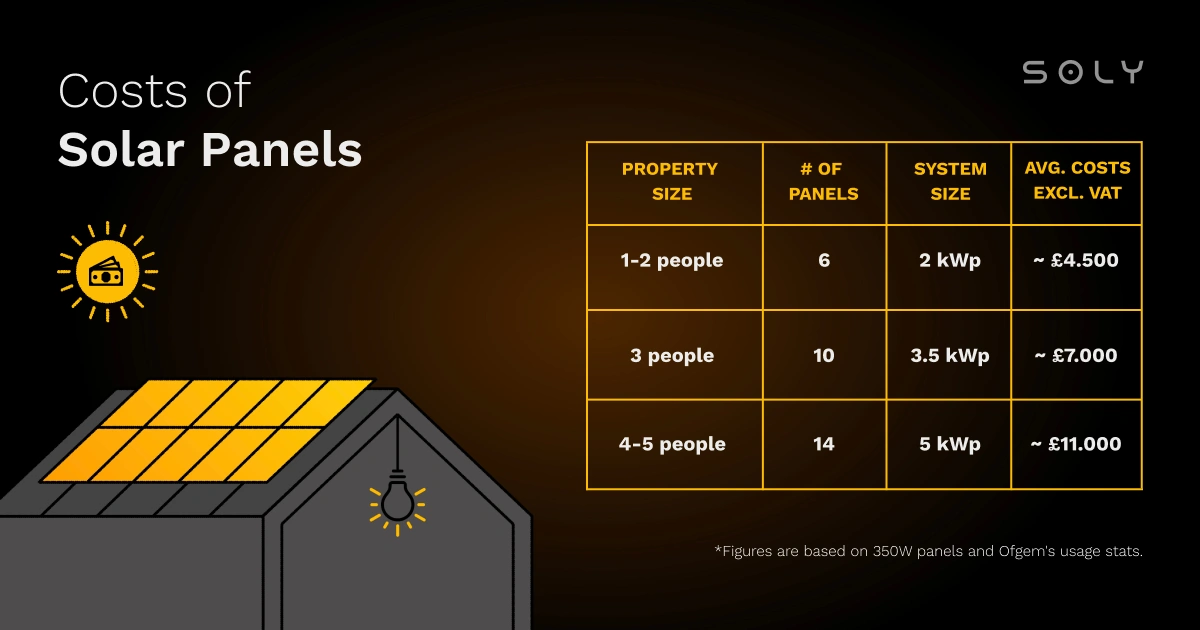
The upfront cost is often the biggest hurdle, but prices have come down considerably. The cost varies based on system size, panel quality, inverter type, battery inclusion, and installation complexity. A typical residential system in the UK ranges from 3kWp to 5kWp (kilowatt peak).
| System Size (kWp) | Number of Panels (approx.) | Average Installation Cost (2024, no battery) | Average Installation Cost (2024, with 5kWh battery) |
|---|---|---|---|
| 3 kWp (Small Household) | 8-10 panels | £5,000 – £7,000 | £8,000 – £11,000 |
| 4 kWp (Average Household) | 10-14 panels | £6,500 – £9,000 | £10,000 – £14,000 |
| 5 kWp (Larger Household/High Usage) | 14-18 panels | £8,000 – £11,000 | £12,000 – £17,000 |
These figures include panels, inverter, mounting, and installation by an MCS-certified installer, which is crucial for accessing SEG tariffs.
Annual Savings on Electricity Bills
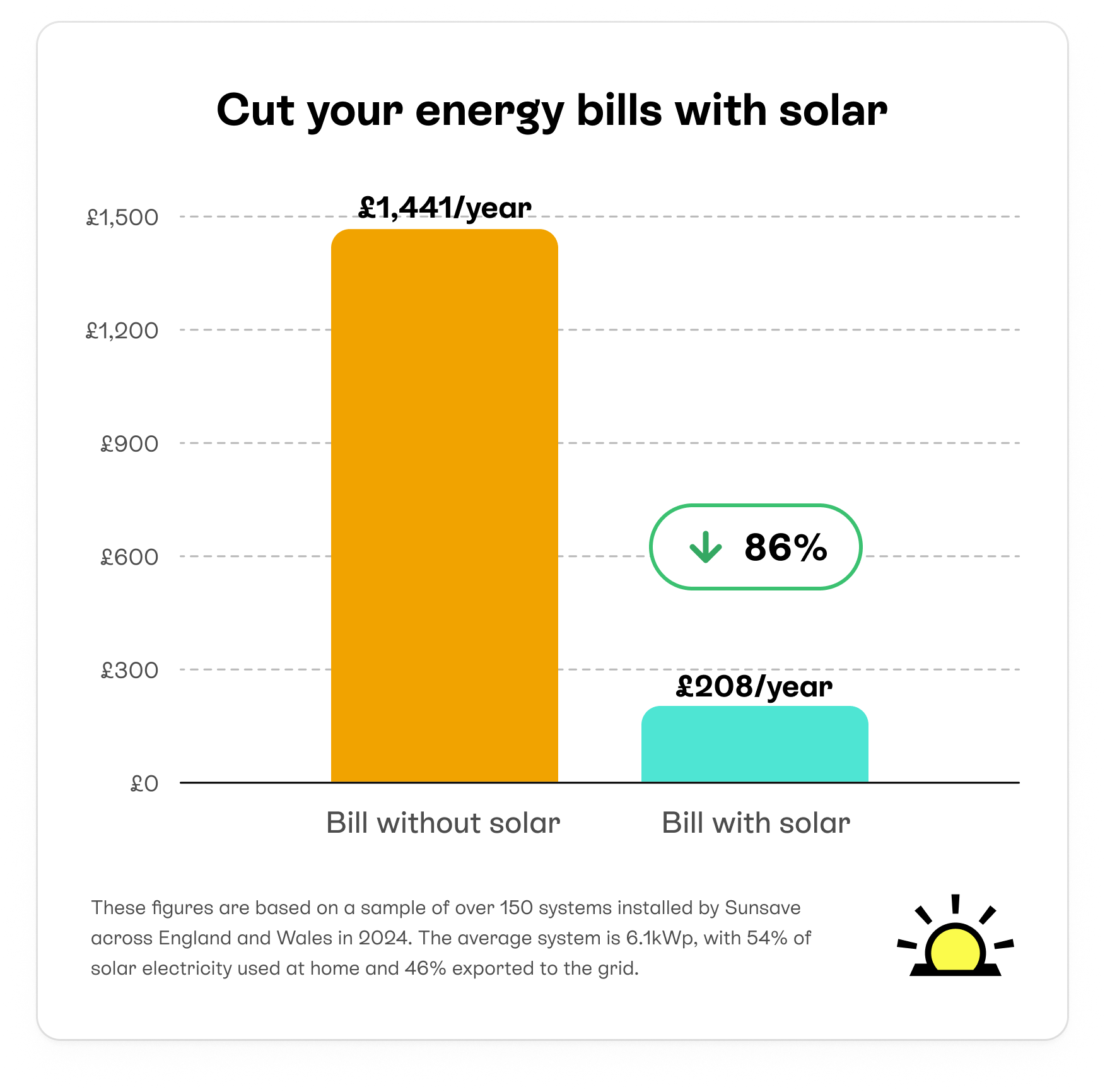
This is where the magic happens. Your annual savings are a combination of the electricity you don’t buy from the grid and the money you earn from exporting surplus power.
| System Size (kWp) | Avg. Annual Generation (kWh) | Est. Bill Reduction (Self-Consumption, £) | Est. SEG Earnings (£) | Total Annual Savings (Approx. £) |
|---|---|---|---|---|
| 3 kWp | 2,500 – 3,000 kWh | £350 – £450 | £50 – £100 | £400 – £550 |
| 4 kWp | 3,400 – 4,000 kWh | £500 – £700 | £70 – £150 | £570 – £850 |
| 5 kWp | 4,200 – 5,000 kWh | £600 – £900 | £80 – £180 | £680 – £1,080 |
(Assumptions: Electricity unit rate ~£0.28/kWh, SEG export rate ~£0.04/kWh, self-consumption rate 50%. These figures can vary significantly based on individual usage and prevailing energy prices.)
These figures demonstrate that a typical UK household can realistically save anywhere from £400 to over £1,000 per year on their energy bills, depending on their system and habits. Adding battery storage can push these savings even higher, often allowing for 70-80% self-consumption.
The Payback Period: When Does Your Investment Turn a Profit?
The payback period is the time it takes for your cumulative savings to equal your initial investment. For a solar panel system in the UK, with current costs and savings, the typical payback period ranges from 8 to 15 years. This can be shorter for systems with higher self-consumption or if energy prices continue to rise sharply. Including a battery will increase the initial investment but can often reduce the payback period due to maximized self-consumption and strategic energy management.
Given that solar panels typically have a warranty and operational lifespan of 20-25 years (often much longer), this means you’re enjoying 10-17+ years of pure profit after your investment is recovered. That’s a significant return for a home improvement!
Long-Term Returns: Beyond the Payback
The financial benefits of solar extend far beyond the initial payback period:
- Lifetime Savings Potential: Over 25 years, a 4kWp system could generate total savings exceeding £20,000-£30,000 (assuming modest energy price increases).
- Increased Property Value: Studies suggest that homes with solar panels can see their property value increase by an average of 1.4% to 2% (often more if the system is fully owned and well-maintained). This makes your investment liquid should you decide to sell.
- Hedge Against Inflation: As energy prices fluctuate and generally trend upwards, generating your own power acts as an excellent hedge, providing predictable energy costs for decades.
Maximizing Your Solar Savings: A UK Homeowner’s Playbook
Getting solar panels is the first step; optimizing their use is where you unlock their full financial potential.
Embrace Battery Storage
As discussed, a battery is arguably the best investment alongside your panels in the UK. It ensures you use more of your own free electricity, drastically reducing reliance on the grid, especially during peak evening hours when electricity is most expensive. It also future-proofs you for dynamic tariffs.
Optimize Energy Usage
This is behavioral but highly effective. If you have solar panels, try to use high-consumption appliances like washing machines, dishwashers, tumble dryers, or EV chargers during daylight hours when your panels are generating electricity. Many modern appliances have timer functions, making this easy to automate.
Choose the Right SEG Tariff
Don’t just stick with your current energy supplier. Shop around for the best SEG rates. Some suppliers offer higher rates, especially if you also buy your electricity from them or have a smart meter. A few minutes of research can add valuable pounds to your annual earnings.
Regular Maintenance
While solar panels require minimal maintenance, a periodic clean (especially after long dry spells or if near trees) can ensure they’re operating at peak efficiency. Regular checks for any shading issues or damage can also prevent efficiency drops.
Consider Future-Proofing
If you’re investing in solar, think about how it integrates with other energy-saving technologies. Electric Vehicle (EV) charging from solar, or coupling with a heat pump, can multiply your overall savings and reduce your carbon footprint even further.
Common Concerns & UK Realities (Busting Myths)
Let’s tackle some typical worries and common misunderstandings about solar in the UK.
“The UK Isn’t Sunny Enough!”
This is perhaps the biggest myth. While the UK might not boast Mediterranean sunshine levels, modern solar panels are highly efficient at converting diffuse daylight into electricity. Germany, a country with similar solar irradiance to the UK, has been a global leader in solar adoption for years. The UK’s temperate climate and long summer daylight hours mean good annual generation. Furthermore, panels are more efficient in cooler temperatures than in extreme heat, which actually benefits the UK climate.
![Are solar panels worth it? [UK, 2026]](https://images.prismic.io/sunsave-website/Z_AGuHdAxsiBwWFB_HouseholdsSolarFINAL.png?auto=format,compress "Are solar panels worth it? [UK, 2026]")
Upfront Cost Barrier
Yes, the initial investment is significant. However, it’s essential to view solar as a long-term investment in your home and energy independence, rather than a short-term expense. For those who can’t pay cash upfront, various financing options exist, including secured loans, green mortgages (which may offer preferential rates for energy-efficient homes), or even personal loans. Many installers offer payment plans, too.
Installation & Planning Permissions
In most cases, installing solar panels on a UK home falls under ‘permitted development’ rights, meaning you don’t need to apply for planning permission. However, there are exceptions, particularly for homes in Conservation Areas, Listed Buildings, or if the panels would significantly alter the building’s appearance or extend beyond the highest part of the roof. Always check with your local planning authority or rely on your MCS-certified installer to guide you through any requirements.
Roof Suitability
An ideal roof for solar is south-facing, unshaded, and structurally sound. However, modern systems can still perform very well on east or west-facing roofs, spreading generation throughout the morning and afternoon. Minimal shading can often be mitigated with optimizers or micro-inverters. A good installer will assess your roof’s suitability and provide an accurate projection of generation.
Is Solar Right for Your UK Home? Key Considerations
Before making the leap, ask yourself these questions:
- Your Energy Consumption: Do you have high electricity bills? High consumers stand to gain the most.
- Your Budget: Can you afford the upfront investment, or have you explored financing options?
- Your Roof Specifics: Is your roof suitable in terms of size, orientation, and shading? Get a professional assessment.
- Your Long-Term Goals: Are you looking for long-term financial savings, environmental benefits, increased energy independence, or a combination?
For US readers comparing this to their local market, note the absence of federal tax credits like the ITC (Investment Tax Credit) in the UK, meaning direct upfront financial incentives are fewer. The UK model relies more heavily on direct savings from reduced bills and SEG payments. This makes careful calculation of payback periods and maximizing self-consumption even more vital.
Conclusion
The evidence is clear: solar panels absolutely save money for homeowners in the UK. While the initial investment requires careful planning, the long-term financial benefits, coupled with increased energy independence and a reduced carbon footprint, make them a compelling proposition. With rising electricity costs, competitive SEG tariffs, and advancements in battery storage, installing solar in the UK is no longer just an environmental statement; it’s a savvy financial decision.
For US investors or homeowners observing the global energy transition, the UK market serves as a testament to the versatility and economic viability of solar power, even in climates not traditionally associated with abundant sunshine. It’s a clear signal that wherever you are, the sun’s energy is a powerful ally in managing household finances and building a sustainable future.
Frequently Asked Questions
Do solar panels really save money in the UK?
Yes, absolutely. Solar panels significantly reduce your electricity bills by allowing you to generate your own power (self-consumption) and earn money by exporting surplus electricity back to the grid through the Smart Export Guarantee (SEG). Typical UK households can save hundreds of pounds annually.
How much do solar panels cost to install in the UK?
The average cost for a typical 4kWp solar panel system in the UK is between £6,500 and £9,000 without battery storage, and £10,000 to £14,000 with a 5kWh battery. Costs vary based on system size, panel quality, and installation complexity.
What is the Smart Export Guarantee (SEG) and how does it work?
The Smart Export Guarantee (SEG) is a UK government-backed scheme that requires large electricity suppliers to pay homeowners for any excess solar electricity they export to the National Grid. You get a per-unit rate (pence per kWh) for the power you don’t use yourself, effectively turning your surplus energy into income.
How long does it take for solar panels to pay for themselves in the UK?
The typical payback period for a solar panel system in the UK ranges from 8 to 15 years. This can be influenced by factors such as the initial installation cost, your energy consumption habits, the specific SEG tariff you receive, and future electricity price changes.
Is the UK sunny enough for solar panels to be worthwhile?
Yes, despite its reputation, the UK receives sufficient daylight for solar panels to be highly effective. Modern panels efficiently convert diffuse light (even on cloudy days) into electricity. Countries like Germany, with similar solar irradiance levels, are leading solar adopters.
Do solar panels increase the value of a property in the UK?
Yes, installing solar panels can increase your property’s value. Studies suggest an increase of approximately 1.4% to 2% for homes with fully owned and well-maintained solar installations, making them more attractive to potential buyers.


Post Comment