Electric Bill Savings With Solar Panels
Slash Your Electric Bill: The Definitive Guide to Solar Panel Savings
Let’s be honest: that monthly electric bill is probably one of your least favorite pieces of mail. It arrives, often higher than you expect, a stark reminder of energy consumed and money drained. What if I told you there’s a powerful, proven way to not just reduce that bill, but potentially make it disappear? I’m talking about solar panels, and they’re not just for tree-huggers or tech enthusiasts anymore. They’re a smart financial move for any homeowner in the U.S. looking to take control of their energy costs.
Table of Contents
- Slash Your Electric Bill: The Definitive Guide to Solar Panel Savings
- The Pain of the Electric Bill: Why Solar Panels are Your Answer
- Understanding Your Current Energy Drain
- How Solar Panels Actually Cut Your Electric Bill (It’s Simpler Than You Think)
- The Magic of Photovoltaics: Generating Your Own Power
- Net Metering & Net Billing: Your Savings Superpowers
- Understanding Your Post-Solar Electric Bill: What Stays, What Goes
- Show Me the Money: Average Electric Bill Savings with Solar Panels
- National Averages: A Promising Starting Point
- State-by-State Savings Breakdown
- The Long-Term Financial Impact: Beyond Monthly Savings
- What Determines Your Solar Savings? Key Factors at Play
- Your Home’s Energy Consumption: The Bigger the Bill, the Bigger the Save
- Local Electricity Rates: High Rates, High Rewards
- Solar System Size & Efficiency: More Power, More Savings
- Sunlight Exposure: Location, Location, Location
- State and Federal Incentives: Turbocharging Your ROI
- Net Metering Policies: The Game Changer
- Maximizing Your Electric Bill Savings: Actionable Strategies
- Optimize Your Energy Use: Become an Efficiency Pro
- Consider Battery Storage: True Energy Independence (and Blackout Protection!)
- Regular Maintenance: Keeping Your Panels Peak Performance
- Shop Smart for Installers: Quality Matters for Long-Term Savings
- Is Going Solar Worth It For Your Electric Bill? Weighing the Investment
- The Upfront Cost vs. Long-Term Gain
- Beyond Financial: Environmental Impact & Energy Security
- Crunching the Numbers: Simple Payback Period
- The Future is Bright: A World with Lower Electric Bills
You’ve probably heard the buzz, but perhaps you’re wondering, “How much money can I actually save?” or “How does it even work with my utility company?” You’re in the right place. This isn’t just another article; it’s your comprehensive roadmap to understanding how solar panels can fundamentally change your relationship with your electric bill, putting hundreds, even thousands, of dollars back into your pocket every single year.
The Pain of the Electric Bill: Why Solar Panels are Your Answer
For many of us, the electric bill is a black box. You flip a switch, the lights come on, and at the end of the month, a number appears. But dig a little deeper, and you’ll see a consistent, often rising, trend. Utility rates across the U.S. have been steadily climbing, driven by factors like infrastructure upgrades, fuel costs, and increasing demand. This means the money you spend on electricity today will likely be more tomorrow, and even more the day after that.
Understanding Your Current Energy Drain
Your electric bill isn’t just about the kilowatt-hours (kWh) you use. It often includes a cocktail of charges: generation charges, transmission fees, distribution fees, fixed customer charges, taxes, and sometimes even demand charges. It’s complex, it’s opaque, and it makes budgeting a guessing game. Imagine if you could produce much of that energy yourself, right from your roof. That’s the core promise of solar – turning your roof into a power plant that actively fights those rising utility costs.
How Solar Panels Actually Cut Your Electric Bill (It’s Simpler Than You Think)
So, how exactly do these sleek panels transform sunlight into bill-slashing savings? It’s a combination of smart technology and clever utility policies.
The Magic of Photovoltaics: Generating Your Own Power
At its heart, solar energy works thanks to the photovoltaic (PV) effect. Sunlight hits the semiconductor material in your solar panels, dislodging electrons and creating an electric current. This direct current (DC) then flows to an inverter, which converts it into alternating current (AC) – the type of electricity your home appliances use. Once converted, this electricity powers your home. If your panels produce more electricity than you’re currently using, the excess can be sent back to the grid, or stored in a battery.
Net Metering & Net Billing: Your Savings Superpowers
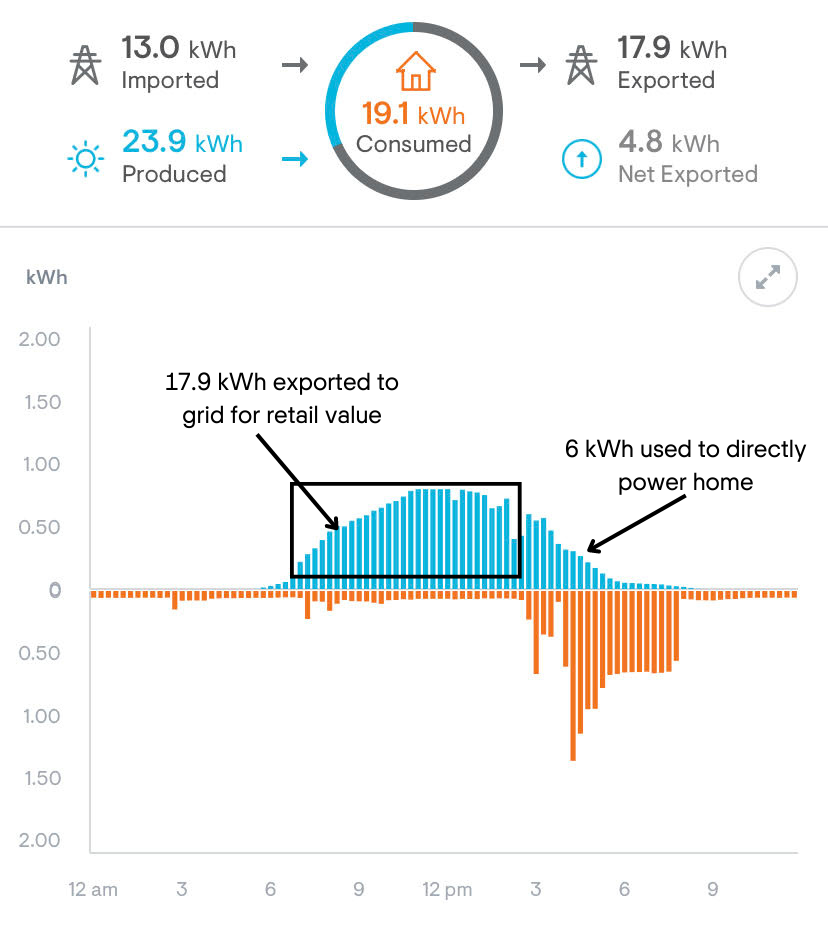
This is where the real magic for your electric bill happens. When your solar panels generate more electricity than your home consumes, that surplus energy doesn’t just vanish. It’s sent back to the utility grid, and your utility company credits you for it. The exact way you’re credited depends on your state’s and utility’s policies: Net Metering or Net Billing.
- Net Metering Explained: This is generally the most favorable policy for solar homeowners. Under net metering, your utility essentially treats the grid like a giant battery. When your solar system produces excess electricity, your meter runs backward, and you receive a one-to-one credit (retail rate) for every kWh you send back to the grid. This credit then offsets the electricity you pull from the grid when your panels aren’t producing (like at night or on cloudy days). Your bill reflects only your ‘net’ consumption (total energy consumed minus total energy generated).
- Net Billing Explained: Also known as “Buy-All, Sell-All” or “Value of Solar” tariffs in some areas. With net billing, the electricity you send back to the grid is purchased by the utility at a different rate (often wholesale or a pre-determined avoided cost rate) than the retail rate you pay for electricity you consume from the grid. This means the credits you receive for your excess solar power might be less than what you pay for grid electricity. While still beneficial, it typically results in slightly lower overall savings compared to net metering.
- Why the difference matters for your wallet: Net metering often allows you to achieve near-zero (or even credit-positive) electricity bills for the energy portion. Net billing can still significantly reduce your bill, but achieving a ‘zero’ bill is harder due to the disparity in buy/sell rates. Always check your local utility’s policy, as it’s a huge factor in your potential savings.
Understanding Your Post-Solar Electric Bill: What Stays, What Goes
It’s important to understand that going solar rarely eliminates your electric bill entirely, but it dramatically changes its structure and amount. Here’s a quick look at what usually happens:
| Category | Pre-Solar Bill | Post-Solar Bill (with Net Metering) |
|---|---|---|
| Energy Usage (kWh) | Total kWh consumed from grid | Net kWh consumed from grid (Total consumed – Solar generated) Often near zero or even a credit! |
| Fixed Charges / Customer Fees | Typically present ($5-$20/month) | Usually still present (utility charges for grid connection) |
| Non-Bypassable Charges (NBCs) | Small portion of bill (e.g., public purpose programs) | Often still apply, based on total or net consumption |
| Taxes | Applied to total bill | Applied to remaining charges (often significantly lower) |
| Total Bill Amount | Full retail rate for all kWh + fees | Fixed fees + NBCs + minimal net kWh (often $10-$50) |
- Fixed Charges and Minimums: Most utilities impose a fixed monthly charge to cover the cost of maintaining the grid connection and administrative overhead. This charge usually remains even if your solar panels produce 100% of your energy needs.
- Non-Bypassable Charges (NBCs): These are small charges per kWh that often fund public benefit programs (like low-income assistance or energy efficiency initiatives). While they might be reduced with solar, they don’t always disappear entirely.
- The “True-Up” Statement: If you have net metering, some utilities will send an annual “true-up” statement. This reconciles all the electricity you’ve pulled from the grid versus what you’ve sent back over a 12-month period. If you’ve produced more than you consumed over the year, you might receive a small payout for the excess (though often at a lower rate) or have those credits roll over. If you consumed more than you produced, you’ll pay for the net difference at the end of the year.
Show Me the Money: Average Electric Bill Savings with Solar Panels
This is the question on everyone’s mind! The honest answer is: it varies. But it varies in a wonderfully positive direction. Homeowners across the U.S. can expect significant savings.
National Averages: A Promising Starting Point
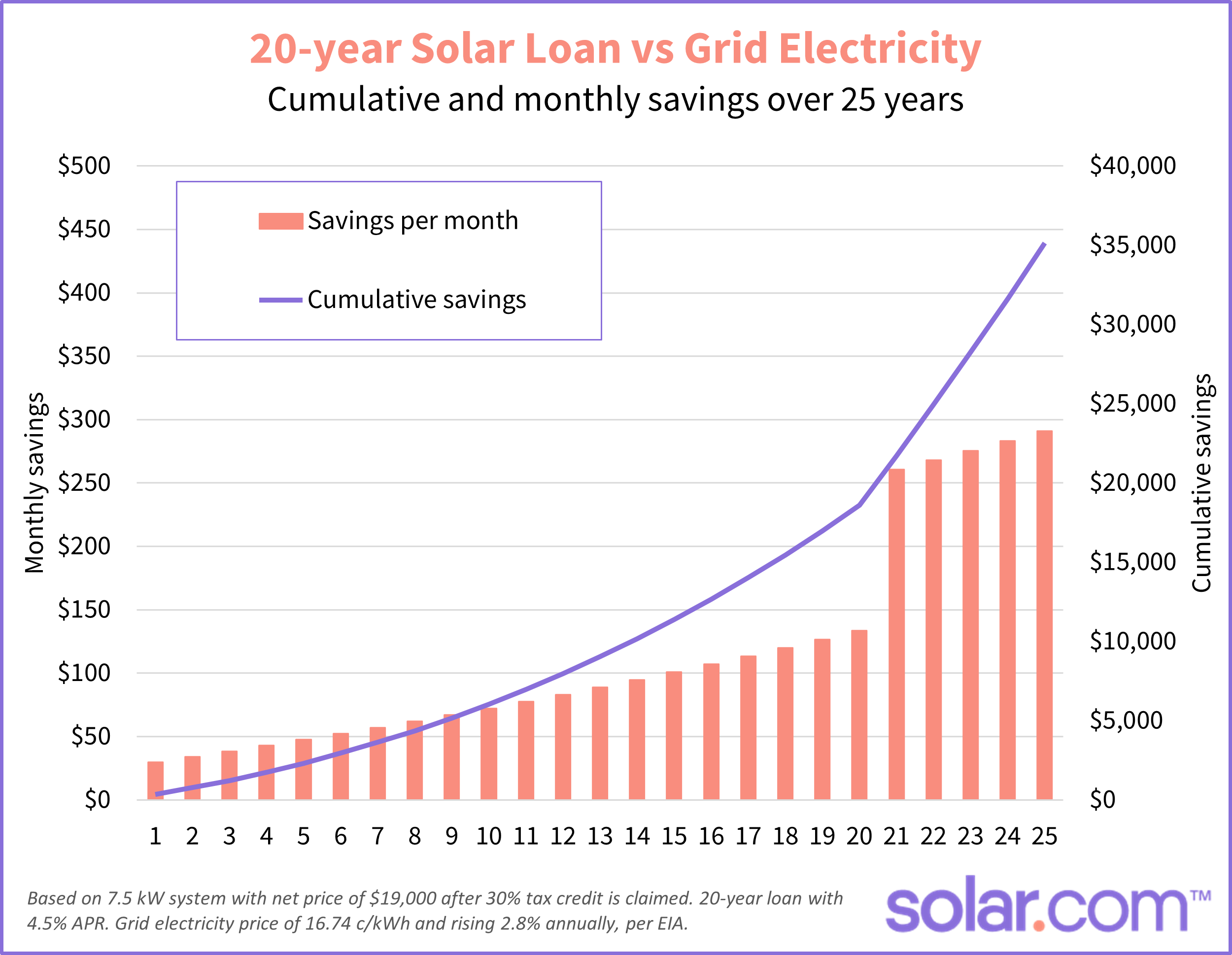
On average, U.S. homeowners can save over $1,500 per year on their electricity bills by going solar. Over the typical 25-30 year lifespan of a solar system, this translates to tens of thousands of dollars in savings – money that stays in your pocket instead of going to the utility company.
State-by-State Savings Breakdown
Your exact savings will heavily depend on where you live. States with higher electricity rates, abundant sunshine, and strong incentive programs naturally offer the biggest financial benefits. While specific real-time data fluctuates, here’s an illustrative look at potential annual savings ranges across different regions:
| Region/Representative States | Average Electricity Rate (Illustrative, $/kWh) | Estimated Annual Electric Bill Savings (Illustrative) |
|---|---|---|
| Northeast (e.g., MA, NY, CT) | $0.22 – $0.28 | $1,800 – $3,000+ |
| West (e.g., CA, AZ, NV) | $0.18 – $0.25 | $1,500 – $2,500 |
| Mid-Atlantic (e.g., MD, NJ, PA) | $0.15 – $0.20 | $1,200 – $2,000 |
| Southeast (e.g., FL, GA, NC) | $0.13 – $0.17 | $1,000 – $1,800 |
| Midwest (e.g., IL, MI, MO) | $0.12 – $0.16 | $800 – $1,500 |
Note: These figures are illustrative estimates. Actual savings depend on specific local utility rates, system size, and individual energy consumption patterns.
The Long-Term Financial Impact: Beyond Monthly Savings
While monthly savings are exciting, the true financial power of solar unfolds over decades. A solar system typically has a warranty and operational lifespan of 25-30 years. Over that time, not only do you lock in your electricity costs, but you also gain financial security against future utility rate hikes. Plus, studies show that homes with solar panels often have higher property values, selling faster and for more money than comparable non-solar homes.
What Determines Your Solar Savings? Key Factors at Play
To get a realistic picture of your personal savings potential, consider these crucial factors:
Your Home’s Energy Consumption: The Bigger the Bill, the Bigger the Save
This is straightforward: if you have a high electric bill (e.g., over $150/month), you have more to save. A large solar system designed to offset a substantial portion of your usage will yield greater monetary savings than a smaller system on an already efficient home.
Local Electricity Rates: High Rates, High Rewards
This is perhaps the single biggest determinant of savings. If you live in a state or region with high electricity rates (like many parts of California, Hawaii, or the Northeast), every kWh of solar energy you produce saves you more money. The higher your retail rate, the faster your system pays for itself.
Solar System Size & Efficiency: More Power, More Savings
The number of panels, their wattage, and their overall efficiency directly impact how much electricity your system generates. A larger, more efficient system will produce more power, leading to greater offsets on your bill. Reputable installers will design a system optimized for your specific energy needs and roof space.
Sunlight Exposure: Location, Location, Location
While solar works in all 50 states, homes in sunnier climates (e.g., Arizona, Florida) or with unshaded south-facing roofs will generate more electricity. Shading from trees or neighboring buildings can reduce output, so panel placement is key.
State and Federal Incentives: Turbocharging Your ROI
Don’t underestimate the power of incentives to drastically reduce the upfront cost of solar and boost your savings.
- Federal Solar Tax Credit (ITC): Currently, the Investment Tax Credit allows you to deduct 30% of the cost of installing a new solar system from your federal taxes. This is a dollar-for-dollar reduction, not just a deduction from your taxable income, making it incredibly powerful.
- State and Local Programs: Many states offer additional incentives, such as tax credits, rebates, property tax exemptions, or SRECs (Solar Renewable Energy Credits) which allow you to sell the environmental benefits of your solar power. These vary widely by location, so research what’s available in your area.
Net Metering Policies: The Game Changer
As discussed, the specifics of your utility’s net metering (or net billing) policy can significantly impact the value of the excess electricity your system produces. A favorable net metering policy ensures you get maximum credit for every kWh you send back to the grid, accelerating your savings.
Maximizing Your Electric Bill Savings: Actionable Strategies
Installing solar panels is a fantastic first step, but you can amplify your savings even further with a few smart moves.
Optimize Your Energy Use: Become an Efficiency Pro
The cheapest energy is the energy you don’t use. Before and after solar installation, focus on reducing your overall consumption. Your solar panels will have less work to do, and you’ll rely less on the grid.
- Energy Audits: Consider a professional energy audit to identify where your home is losing energy. This could be anything from leaky windows to poor insulation.
- Smart Home Devices: Smart thermostats, lighting, and power strips can help you monitor and control energy use more precisely, preventing wasted electricity.
- Shifting Usage (Time-of-Use rates): If your utility has Time-of-Use (TOU) rates, electricity costs more during peak demand hours. With solar, you can shift high-demand appliance usage (like running your dishwasher or laundry) to mid-day when your panels are producing the most electricity, effectively using your own free power.
Consider Battery Storage: True Energy Independence (and Blackout Protection!)
While not strictly necessary for bill savings (net metering largely handles this), a home battery system can be a game-changer, especially with net billing or TOU rates. Batteries store excess solar energy generated during the day for use at night or during peak demand hours, minimizing your reliance on the grid. Plus, many provide backup power during grid outages, a huge benefit for peace of mind.
Regular Maintenance: Keeping Your Panels Peak Performance
Solar panels are remarkably durable and require minimal maintenance. However, keeping them clean from significant dust, pollen, or debris (especially after a storm) ensures they operate at peak efficiency. Most reputable installers offer maintenance plans, or you can often clean them yourself with a hose (check manufacturer guidelines for safety).
Shop Smart for Installers: Quality Matters for Long-Term Savings
Not all solar installers are created equal. Get multiple quotes from highly-rated, local companies. Look for installers with strong warranties, transparent pricing, and excellent customer service. A well-designed and properly installed system is crucial for maximizing your long-term electric bill savings.
Is Going Solar Worth It For Your Electric Bill? Weighing the Investment
The decision to go solar is a big one, an investment in your home and your future. But when you look at the numbers, it makes compelling financial sense for most homeowners.

The Upfront Cost vs. Long-Term Gain
Yes, there’s an upfront cost. But thanks to the 30% federal tax credit and potential state incentives, the net cost is significantly reduced. Many homeowners finance their solar systems with loans, where the monthly loan payment is often less than or equal to their previous electric bill, meaning you’re effectively swapping one payment for another, but now you’re building equity in an asset that produces free electricity.
Beyond Financial: Environmental Impact & Energy Security
While the financial savings are a powerful motivator, going solar also offers invaluable non-monetary benefits. You’re reducing your carbon footprint, contributing to a cleaner environment, and increasing your home’s energy independence. The peace of mind that comes from knowing you’re protected from rising electricity costs and potential blackouts is truly priceless.
Crunching the Numbers: Simple Payback Period
The “payback period” is the time it takes for your solar savings to equal the initial investment. In many U.S. states, with incentives, homeowners see a payback period of 6-10 years. Considering your system will likely perform for 25-30 years, that leaves 15-20 years of essentially free electricity, representing pure profit and immense savings on your electric bill.
The Future is Bright: A World with Lower Electric Bills
The era of helplessly accepting ever-increasing electric bills is over for those who choose solar. With continuous advancements in technology, falling costs, and robust incentives, there has never been a better time to invest in solar panels. It’s more than just an energy upgrade; it’s a strategic financial decision that offers decades of predictable, lower energy costs, increased home value, and the satisfaction of powering your life with clean, renewable energy. Your electric bill doesn’t have to be a source of dread. It can, and should, be a source of savings and empowerment. Are you ready to make that switch?
”
Frequently Asked Questions
How much can I realistically save on my electric bill with solar panels?
While it varies by location and energy usage, many U.S. homeowners save an average of $1,000 to over $2,500 annually. Over a 25-year system lifespan, this can easily amount to tens of thousands of dollars in savings, especially in areas with high electricity rates and strong solar incentives.
Will solar panels completely eliminate my electric bill?
It’s possible to significantly reduce your energy charges to near zero, or even generate credits, thanks to policies like net metering. However, most homeowners will still have a small monthly bill for fixed utility charges (like grid connection fees) and potentially non-bypassable charges.
What is net metering and why is it important for my savings?
Net metering is a policy where your utility company credits you for excess solar electricity your system sends back to the grid, usually at the full retail rate. This effectively allows you to ‘store’ energy on the grid for later use, maximizing your bill reductions and often resulting in a credit for any surplus generation over time.
Are there financial incentives to help reduce the cost of solar panels?
Absolutely! The most significant is the federal solar Investment Tax Credit (ITC), which allows you to deduct 30% of the cost of your solar system from your federal taxes. Many states and local municipalities also offer additional rebates, tax exemptions, or performance-based incentives like Solar Renewable Energy Credits (SRECs).
How long does it take for solar panels to pay for themselves through electric bill savings?
The payback period for a solar system, where the accumulated savings equal the initial investment, typically ranges from 6 to 10 years in the U.S., largely depending on local electricity rates, system cost, and available incentives. After this period, the electricity generated is essentially free.
Do solar panels increase my home’s value?
Yes, studies consistently show that homes with solar panels sell for more money and typically sell faster than comparable non-solar homes. The increased home value often outweighs the initial installation cost, adding another layer of financial benefit.


Post Comment