Solar Panel Installation Guide Pdf India
Your Definitive USA Solar Panel Installation Guide (No PDF Needed!)
Thinking about going solar? That’s a brilliant move! You’re likely here because you searched for a “Solar Panel Installation Guide PDF India,” perhaps out of initial research or curiosity. While understanding global solar trends is fascinating, if you’re located in the United States, relying on India-specific information could lead you down the wrong path. Why?
Table of Contents
- Your Definitive USA Solar Panel Installation Guide (No PDF Needed!)
- Understanding the Solar Landscape in the USA
- The Core Components of a Solar PV System
- Grid-Tied vs. Off-Grid vs. Hybrid Systems: What’s Right for You?
- The 7 Steps to Installing Solar Panels on Your USA Home
- Step 1: Initial Research & Site Assessment (Is Solar Right for You?)
- Step 2: System Design & Equipment Selection
- Step 3: Navigating Financial Incentives & Financing Options (USA Focus)
- The Federal Solar Tax Credit (ITC): Your Biggest Benefit
- State & Local Incentives
- Financing Options
- Step 4: Permitting & Approvals
- Step 5: Professional Installation (or DIY Considerations)
- Step 6: Inspection & Grid Interconnection
- Step 7: Monitoring & Maintenance
- Solar Panel Costs in the USA: What to Expect
- Average Costs & Factors Influencing Price
- Realizing Your Return on Investment (ROI)
- Common Pitfalls & How to Avoid Them
- The Future of Solar in the USA
The solar landscape in the USA operates under a completely different set of rules, regulations, incentives, and market dynamics than in India. Everything from the types of panels readily available, the permitting process, government subsidies, and even installation techniques can vary dramatically. This guide is your ultimate, up-to-date resource, specifically crafted for homeowners in the USA. We’ll cover everything you need to know, from understanding the basics to flipping the switch on your new, clean energy system.
Why This Guide Isn’t a PDF (and Why That’s a Good Thing)
The SERP results you encountered were dominated by PDF documents. While PDFs can be handy, a dynamic web-based guide like this offers significant advantages:
- Always Up-to-Date: Solar policies, incentives, and technologies change rapidly. A web page can be updated instantly, unlike a static PDF.
- Interactive & Searchable: Easily navigate sections, search for specific terms, and click through to related topics.
- Comprehensive Value: We can provide far more detail, comparisons, and actionable advice than typically found in a short, technical PDF.
So, while your initial search for an “India PDF” led you here, consider this your superior, USA-centric alternative that’s truly built for value and clarity.
Understanding the Solar Landscape in the USA
Before you even think about installing panels, it’s crucial to grasp the fundamental components and system types common in the US market. Knowing these basics will empower you to make informed decisions and speak confidently with installers.
The Core Components of a Solar PV System
Every solar photovoltaic (PV) system comprises several key elements that work together to convert sunlight into usable electricity for your home.
- Solar Panels (PV Modules): These are the stars of the show, made of photovoltaic cells that convert sunlight into direct current (DC) electricity. In the USA, you’ll primarily encounter:
- Monocrystalline Panels: Most efficient, sleek black appearance, perform well in lower light. Higher upfront cost.
- Polycrystalline Panels: Slightly less efficient than mono, blue appearance, more cost-effective.
- Thin-Film Panels: Less common for residential rooftops due to lower efficiency and larger footprint, but flexible and lightweight.
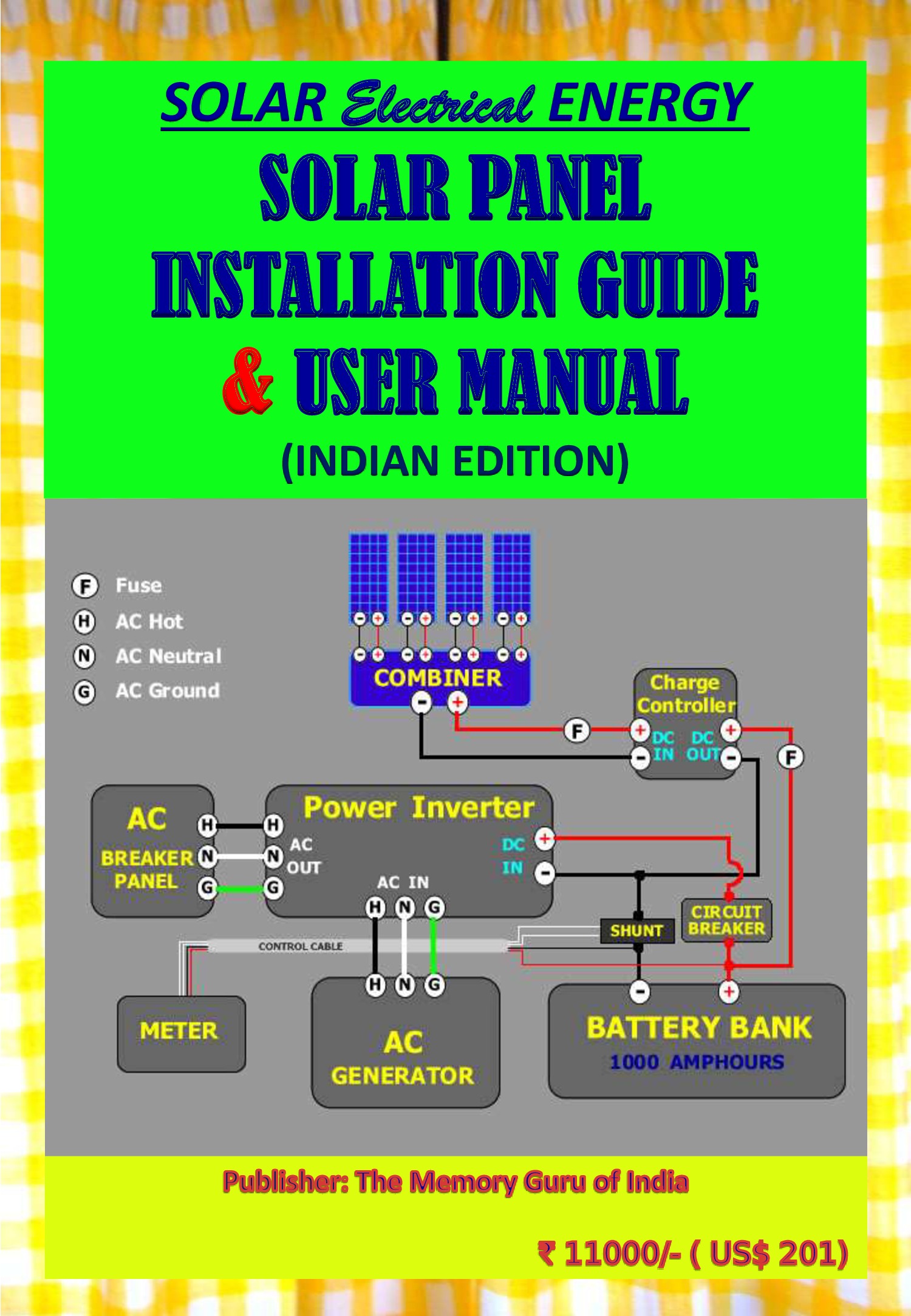
- Inverters: Solar panels produce DC electricity, but your home appliances and the grid use alternating current (AC). The inverter’s job is to convert DC to AC.
- String Inverters: Most common, where panels are wired in “strings” to one central inverter. Cost-effective but a single shaded panel can reduce output for the entire string.
- Microinverters: Installed on each individual panel, converting DC to AC at the panel level. Higher upfront cost but maximize individual panel performance and offer granular monitoring.
- Hybrid Inverters: Combine a solar inverter and a battery inverter into one unit, essential for systems with battery storage.
- Mounting Systems: These secure your panels to your roof or ground.
- Roof-Mount: Most common. Panels are attached to rails that are fastened to your roof rafters. Requires careful roof assessment.
- Ground-Mount: Panels are installed on a rack system on the ground. Ideal if your roof isn’t suitable, but requires more land and potentially longer wiring runs.
- Battery Storage (Optional but Increasingly Popular): Batteries store excess solar electricity generated during the day for use at night or during power outages. This offers greater energy independence and resilience.
- Monitoring Systems: Most modern solar systems come with monitoring software (often app-based) that lets you track your system’s performance in real-time, identify issues, and see your energy savings.
Grid-Tied vs. Off-Grid vs. Hybrid Systems: What’s Right for You?
Your choice of solar system type largely depends on your energy goals, location, and budget.
| System Type | Description | Pros | Cons | Ideal For (USA) |
|---|---|---|---|---|
| Grid-Tied | Connected to the utility grid; no battery storage. You sell excess power to the grid (net metering) and draw from it when needed. | Lowest upfront cost, simplest installation, benefits from net metering, reliable backup from grid. | No power during grid outages, dependent on utility grid, less energy independence. | Most common for homeowners wanting to reduce electricity bills and carbon footprint, with reliable grid access. |
| Off-Grid | Completely independent from the utility grid. Requires battery storage and often a backup generator. | Complete energy independence, no utility bills, ideal for remote locations without grid access. | Highest upfront cost, complex design and installation, requires careful energy management, battery maintenance. | Remote cabins, homes where grid connection is prohibitively expensive or unavailable. |
| Hybrid | Connected to the grid but includes battery storage. Can draw from the grid, use solar, or draw from batteries. | Backup power during outages, energy independence, optimize self-consumption, potential for time-of-use savings. | Higher cost than grid-tied, battery maintenance/replacement. | Homeowners wanting backup power, those in areas with unreliable grids, or wishing to maximize self-consumption. |
The 7 Steps to Installing Solar Panels on Your USA Home
Navigating the solar installation process might seem daunting, but breaking it down into manageable steps makes it much clearer. Here’s a typical roadmap for homeowners in the USA.
Step 1: Initial Research & Site Assessment (Is Solar Right for You?)
This is where you determine your home’s solar potential and your personal energy needs. Don’t skip this crucial groundwork!
- Assess Your Roof: Is it suitable for solar? Consider its age (most panels last 25+ years, so your roof should too), angle (south-facing is ideal in the Northern Hemisphere), and any shading from trees or nearby buildings.
- Analyze Your Energy Consumption: Gather your past 12-24 months of utility bills. This data is essential for an installer to accurately size your system to offset your electricity usage.
- Understand Local Regulations & HOAs: Check local zoning laws, building codes, and any homeowner’s association (HOA) rules regarding solar installations. Some HOAs have specific aesthetic requirements.
- Find Reputable Installers: Get multiple quotes (3-5 is ideal). Look for installers with strong local reviews, proper licensing, and certifications (e.g., NABCEP). Ask for references and check their track record.
Step 2: System Design & Equipment Selection
Once you’ve chosen an installer, they’ll work with you to design a system tailored to your needs.
- Sizing Your System: Based on your energy usage and roof space, the installer will recommend a system size (measured in kilowatts, kW) designed to meet your desired offset (e.g., 80% or 100% of your current usage).
- Panel and Inverter Choices: Discuss the pros and cons of different panel types (mono vs. poly) and inverter configurations (string vs. microinverters) with your installer.
- Layout Planning: The installer will create a detailed design showing where panels will be placed on your roof, considering optimal sun exposure, shading, and aesthetic preferences.
Step 3: Navigating Financial Incentives & Financing Options (USA Focus)
This is where the USA solar market truly shines. Understanding the available incentives can significantly reduce your upfront costs and improve your return on investment.
The Federal Solar Tax Credit (ITC): Your Biggest Benefit
The Investment Tax Credit (ITC), also known as the federal solar tax credit, is currently the most impactful incentive for US homeowners. It allows you to deduct a percentage of the cost of your solar PV system from your federal income taxes. The current rate is 30% for systems installed through 2032, making solar more affordable than ever. This is a dollar-for-dollar reduction in your tax liability, not just a deduction from your taxable income.
State & Local Incentives
Beyond the federal ITC, many states, counties, and even cities offer additional solar incentives. These can include:
- State Tax Credits/Rebates: Direct financial incentives provided by your state government.
- Solar Renewable Energy Credits (SRECs): In some states, you earn credits for the clean electricity your system generates, which you can then sell on a market, providing an additional revenue stream.
- Property Tax Exemptions: Solar panels increase your home’s value, but in many states, this added value is exempt from property tax assessments.
- Net Metering: Crucial for grid-tied systems. Net metering policies allow you to send excess electricity your panels generate back to the grid and receive credits on your utility bill, effectively ‘spinning your meter backward.’
Always check DSIREUSA.org (Database of State Incentives for Renewables & Efficiency) for the most up-to-date and specific incentives available in your area.
Financing Options
There are several ways to pay for your solar system, each with its own benefits:
| Financing Option | Description | Pros | Cons | Ownership |
|---|---|---|---|---|
| Cash Purchase | You pay the full upfront cost of the system. | Maximize long-term savings, full ownership, eligible for all incentives (ITC), highest ROI. | Highest upfront cost, requires significant capital. | You own the system. |
| Solar Loan | You take out a loan (secured or unsecured) to cover the cost. | No upfront cost, you own the system, eligible for all incentives, immediate energy savings often offset loan payments. | Interest payments, credit check required, total cost higher than cash. | You own the system. |
| Solar Lease | You lease the solar equipment from a third-party owner for a fixed monthly payment. | No upfront cost, predictable monthly payments, maintenance included, easy transfer when selling home. | You don’t own the system, not eligible for ITC (installer gets it), less savings than ownership, complex lease terms. | Third-party owns the system. |
| Power Purchase Agreement (PPA) | You pay a fixed price per kilowatt-hour (kWh) for the electricity generated by the system, which is owned by a third party. | No upfront cost, only pay for power generated, maintenance included, predictable electricity rates. | You don’t own the system, not eligible for ITC, less savings than ownership, rate escalators possible. | Third-party owns the system. |
Step 4: Permitting & Approvals
After finalizing your design and financing, your installer will handle the necessary paperwork for permits and approvals.

- Local Building & Electrical Codes: Your system design must comply with all local building and electrical safety codes.
- Utility Interconnection Agreements: You’ll need an agreement with your utility company to connect your solar system to their grid, ensuring proper net metering and safety protocols.
- HOA Approvals: If applicable, your installer will submit plans to your HOA for approval.
This process can take several weeks or even months, depending on your municipality and utility company. A good installer will manage this bureaucracy for you.
Step 5: Professional Installation (or DIY Considerations)
Installation day! This is typically a multi-day process performed by certified professionals.
- What to Expect: Installers will mount the racking system, install the solar panels, run electrical conduits, and connect the inverter(s) and any battery storage. They will also tie the system into your home’s electrical panel.
- Why Professional Installation is Recommended: Solar installation involves working with high-voltage electricity and at heights. Professional installers ensure safety, adhere to codes, and provide warranties on their workmanship.
- DIY Considerations: While tempting for the handy homeowner, DIY solar is complex and not for the faint of heart. It requires significant electrical knowledge, specialized tools, and a deep understanding of permitting and safety regulations. Warranties may also be voided for DIY installs. For most homeowners, professional installation is the safer and more reliable choice.
Step 6: Inspection & Grid Interconnection
Before your system can go live, it needs final sign-offs.
- Final Inspections: Your local building department will inspect the installation to ensure it meets all codes and safety standards. The utility company may also conduct its own inspection.
- Turning On Your System: Once all inspections pass and the utility grants “Permission to Operate” (PTO), your system can be energized and begin generating clean electricity! This is a moment to celebrate.
Step 7: Monitoring & Maintenance
Your solar journey doesn’t end after installation. Ongoing monitoring and minimal maintenance ensure optimal performance.
- Basic Maintenance: Solar panels require very little maintenance. Occasional cleaning (1-2 times a year, or after heavy dust/pollen) to remove dirt or debris can help maintain efficiency. Most systems are designed to shed snow and rain naturally.
- Monitoring System Performance: Utilize your monitoring app to track daily, weekly, and monthly energy production. This helps you identify any dips in performance or potential issues early on.
- Warranty Information: Understand your product warranties (typically 25 years for panels, 10-12 years for inverters) and workmanship warranties (often 10-25 years).
Solar Panel Costs in the USA: What to Expect
The cost of solar in the USA has significantly decreased over the past decade, making it more accessible than ever. However, it’s a major investment, so understanding the financial aspects is key.
Average Costs & Factors Influencing Price
The average cost for a residential solar system in the USA typically ranges from $15,000 to $30,000 before incentives, depending on its size. When considering the 30% federal tax credit, the net cost can be significantly lower.
Key factors that influence the total price:
- System Size: Larger systems (more kW) cost more but produce more energy.
- Equipment Quality: Premium panels, microinverters, and battery storage will increase costs.
- Labor Costs: Varies by region, complexity of roof, and installer.
- Permitting & Interconnection Fees: Can vary by municipality and utility.
- Roof Condition: If your roof needs repairs or replacement before solar, that adds to the overall project cost.
Realizing Your Return on Investment (ROI)
Solar panels are an investment, and the ROI can be substantial over time.
- Energy Savings: The most direct benefit. By generating your own electricity, you reduce or eliminate your monthly utility bills.
- Increased Home Value: Studies (like those by Berkeley Lab) consistently show that homes with solar panels sell for a premium and often faster than comparable homes without solar.
- Payback Period: This is the time it takes for your energy savings and incentives to offset your initial investment. In the USA, payback periods often range from 6 to 12 years, but can vary widely based on your location, electricity rates, and available incentives.
- Environmental Impact: While not a financial return, the satisfaction of reducing your carbon footprint and contributing to a cleaner environment is a powerful motivator.
Common Pitfalls & How to Avoid Them
Even with the best intentions, some homeowners fall into common traps during their solar journey. Be aware and avoid these!

- Choosing a Shady Installer: Not all solar companies are created equal. Be wary of high-pressure sales tactics, inflated claims, and installers who don’t provide clear contracts or references. Always verify licenses and read reviews.
- Undersized or Oversized Systems: An undersized system won’t meet your energy needs, leaving you with higher utility bills. An oversized system is an unnecessary expense. Accurate energy analysis is key.
- Ignoring Maintenance (Even if Minimal): While low-maintenance, neglecting occasional cleaning or ignoring monitoring alerts can lead to reduced efficiency and potential issues going unnoticed.
- Not Understanding Warranties: Make sure you understand what’s covered (panels, inverter, workmanship) and for how long. A good warranty provides peace of mind.
- Forgetting About Your Roof: Installing solar on an old roof means you’ll likely have to remove and reinstall the panels (at significant cost) when the roof eventually needs replacement. Address roof repairs/replacement *before* solar.
The Future of Solar in the USA
The solar industry in the USA is a dynamic and rapidly evolving sector. Looking ahead, we can expect:
- Increased Storage Integration: As battery technology improves and costs decrease, more homes will integrate solar storage for greater energy independence and resilience.
- Smart Home Integration: Solar systems will become more seamlessly integrated with smart home technologies, allowing for optimized energy usage, smart charging, and demand-response capabilities.
- Continued Growth & Innovation: Expect ongoing advancements in panel efficiency, material science, and inverter technology, further driving down costs and enhancing performance.
- Policy Support: With a strong federal commitment to clean energy, sustained policy support and evolving incentives will continue to make solar an attractive option for US homeowners.
Embarking on your solar journey in the USA is an exciting and rewarding decision. By arming yourself with this comprehensive, USA-centric knowledge, you’re well-prepared to make smart choices, secure the best system for your home, and embrace a future powered by clean, renewable energy. Forget the PDFs; this is your actionable guide to going solar in America!
Frequently Asked Questions
What is the Federal Solar Tax Credit (ITC) in the USA?
The Investment Tax Credit (ITC) allows homeowners to deduct a percentage of the cost of a new solar PV system from their federal income taxes. As of early 2024, it’s 30% for systems installed through 2032, significantly reducing the net cost of solar in the USA.
How much does solar panel installation typically cost in the USA?
For most residential systems in the USA, the average cost ranges from $15,000 to $30,000 before incentives. After factoring in the 30% federal tax credit and any state/local incentives, the net cost can be considerably lower.
Should I choose a grid-tied or off-grid solar system for my home in the USA?
Most US homeowners opt for grid-tied systems, which connect to the utility grid and often benefit from net metering to offset electricity bills. Off-grid systems are typically only necessary for remote locations without grid access, as they require significant battery storage and are more expensive and complex.
Can I install solar panels myself (DIY) in the USA?
While technically possible, DIY solar installation is highly complex and generally not recommended for most homeowners. It requires extensive electrical knowledge, specialized tools, adherence to strict safety codes, and proper permitting. Professional installers ensure safety, compliance, and offer warranties, making it the preferred route for the vast majority.
How long do solar panels last, and what maintenance do they require?
Solar panels are incredibly durable and typically come with performance warranties of 25 years or more. They require minimal maintenance, mainly occasional cleaning (1-2 times a year) to remove dust, pollen, or debris that might reduce efficiency. Most systems also include monitoring to track performance.
What’s the difference between a solar loan, lease, and PPA in the USA?
With a solar loan, you own the system, pay it off over time, and qualify for incentives like the ITC. With a solar lease or Power Purchase Agreement (PPA), a third party owns the system on your property, and you pay a fixed monthly fee or a rate per kWh for the electricity generated, but you do not qualify for the federal ITC or other ownership incentives.


Post Comment