What Is Solar Eclipse For Class 3
What is a Solar Eclipse? A Super Fun Guide for Class 3 Students!
Hey there, future astronomers and curious kids! Have you ever looked up at the sky and wondered about the amazing things happening way, way above us? Our universe is like a giant, magical show, and one of the most incredible acts is something called a solar eclipse!
Table of Contents
- What is a Solar Eclipse? A Super Fun Guide for Class 3 Students!
- The Big “What”: What Exactly Happens During a Solar Eclipse?
- The Three Main Characters: Sun, Moon, and Earth
- What Does a Solar Eclipse Look Like? (And Why It’s SO Special!)
- Total Solar Eclipse: The Day That Turns into Night!
- Partial Solar Eclipse: The Sun Takes a Bite!
- Annular Solar Eclipse: The Ring of Fire!
- Why Don’t We Have a Solar Eclipse Every Month? The Moon’s Tricky Tilt!
- Solar Eclipse Safety: Your Eyes Are Super Precious!
- Why Regular Sunglasses Are NOT Safe
- Cool Facts About Solar Eclipses for Curious Kids!
- The Difference Between a Solar Eclipse and a Lunar Eclipse (Quick Peek!)
- Ready for the Next Big Show? When and Where to See Eclipses!
- Keep Looking Up, Little Stargazers!
Imagine the Sun, our biggest star, is shining super brightly. Then, suddenly, something starts to cover it up, making the sky get a little darker, even in the middle of the day! That’s a solar eclipse, and it’s one of nature’s most spectacular cosmic dances. It’s when our Moon plays a super special game of hide-and-seek with the Sun, right in front of our eyes on Earth!
It sounds like magic, but it’s actually pure science, and it’s super fun to learn about. So, buckle up, because we’re going on an adventure to understand this amazing event, what it looks like, and how to watch it safely!
The Big “What”: What Exactly Happens During a Solar Eclipse?
Let’s think about three best friends in space: the Sun, the Earth (our home!), and the Moon (Earth’s little buddy). Usually, the Sun is shining, and its light helps us see everything on Earth. The Moon is also up there, orbiting around our Earth.
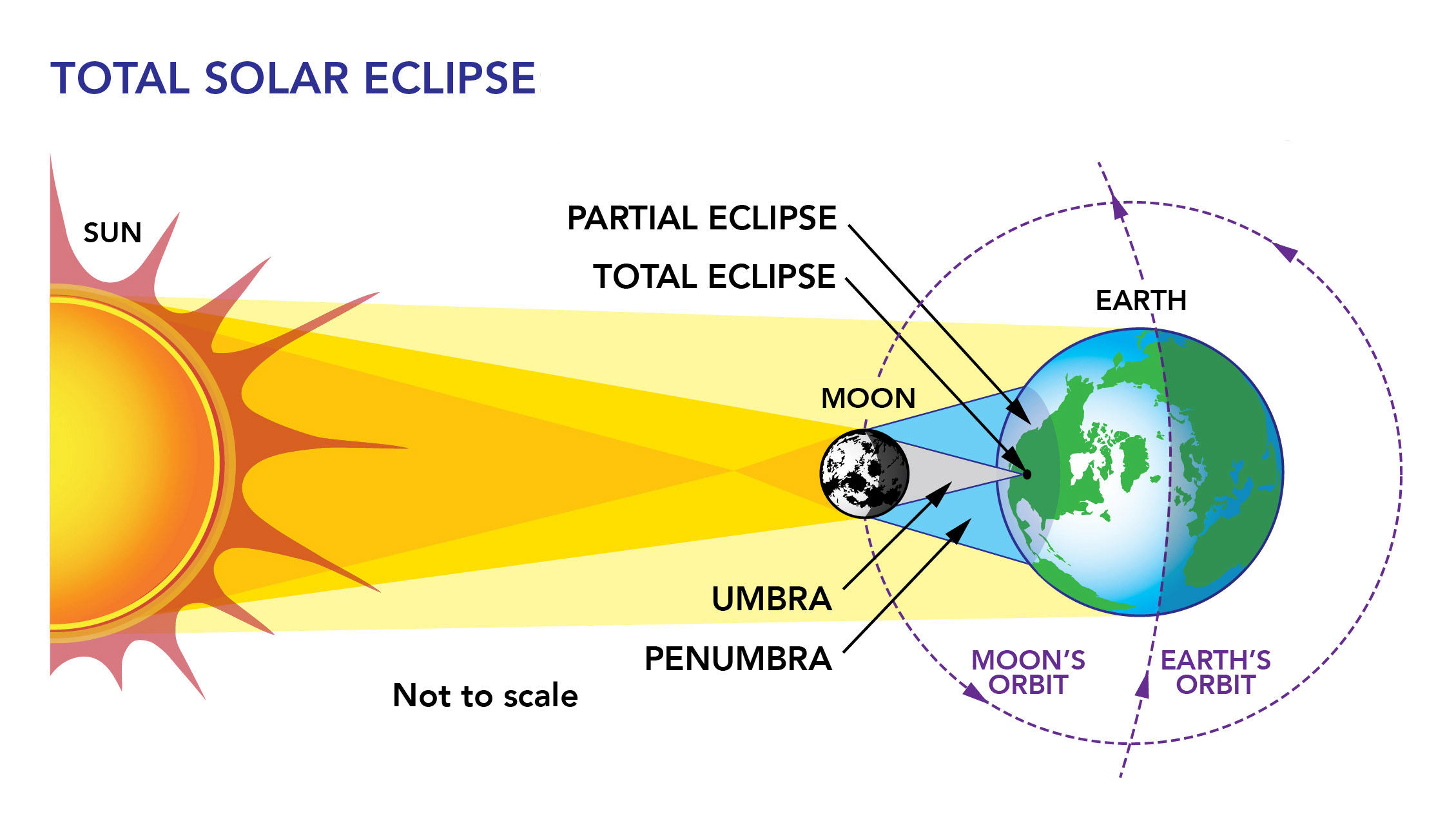
A solar eclipse happens when these three friends line up in a very special, straight way. The Moon, which is much smaller than the Sun and Earth, decides to take a tiny trip directly between the Sun and the Earth. When it does this, it blocks the Sun’s light from reaching us down here on Earth. It’s like when you stand in front of a bright light, and your body makes a shadow behind you, right?
Well, during a solar eclipse, the Moon casts its shadow onto Earth. If you’re in the right spot on Earth, you get to see that shadow pass over you! It makes the Sun look like it’s disappearing or getting a big bite taken out of it. Isn’t that cool? It’s all about shadows and how light travels.
The Three Main Characters: Sun, Moon, and Earth
To really understand a solar eclipse, let’s get to know our three main players a little better:
- The Sun: This is a gigantic star, a super-hot ball of gas that gives us all our light and warmth. It’s so big that over a million Earths could fit inside it! Even though it’s far away, its light is super powerful.
- The Earth: This is our amazing planet, where we live! It’s constantly spinning and traveling around the Sun.
- The Moon: Our Moon is Earth’s natural satellite, which means it travels around our planet. It’s much smaller than the Earth and the Sun, but because it’s much closer to us than the Sun, it can perfectly block the Sun’s light when it lines up just right.
Think of it like this: Hold up a small coin really close to your eye. It can block out a really big building far away, right? That’s kind of how the tiny Moon can block out the giant Sun during an eclipse!
What Does a Solar Eclipse Look Like? (And Why It’s SO Special!)
Not all solar eclipses look the same! There are actually a few different kinds, depending on how perfectly the Sun, Moon, and Earth line up. Each one is a little bit different and super exciting to see (safely, of course!).

Total Solar Eclipse: The Day That Turns into Night!
This is the most spectacular kind! A total solar eclipse happens when the Moon completely blocks out the Sun. If you’re in the path of this total eclipse, the sky will get really dark, almost like twilight or nighttime, even in the middle of the day! You might even see stars or planets in the sky. It’s a truly amazing experience!
During a total eclipse, the Moon covers the Sun’s bright face entirely. For a few minutes, you can see the Sun’s beautiful outer atmosphere, called the corona. The corona looks like a glowing, feathery crown around the dark circle of the Moon. It’s usually hidden by the Sun’s bright light, so this is the only time we get to see it!
Partial Solar Eclipse: The Sun Takes a Bite!
A partial solar eclipse is much more common. This happens when the Moon only covers a part of the Sun. It looks like the Moon has taken a big bite out of the Sun, or like a crescent moon, but made of Sun! The sky won’t get completely dark, but the light might seem a little strange or dimmer than usual.
You can see a partial solar eclipse from a much wider area on Earth than a total eclipse. Even if you’re not in the perfect spot for a total eclipse, you might still get to see a partial one, which is still super cool!
Annular Solar Eclipse: The Ring of Fire!
An annular solar eclipse is another fascinating type. This happens when the Moon passes in front of the Sun, just like a total eclipse, but the Moon is a bit farther away from Earth in its orbit. Because it’s farther away, it looks a tiny bit smaller in the sky and can’t completely cover the Sun.
So, instead of a total blackout, you see a bright ring of sunlight around the edges of the Moon. This is often called a “ring of fire“! It’s a stunning sight, like a bright golden halo in the sky. But just like all other eclipses, you still need special protection to look at it.
Here’s a quick way to remember the differences:
| Type of Eclipse | What You See | How It Looks |
|---|---|---|
| Total Solar Eclipse | Moon completely blocks the Sun. | Sky goes dark like night; Sun’s corona (fiery crown) is visible. |
| Partial Solar Eclipse | Moon blocks only a part of the Sun. | Sun looks like a crescent or has a bite taken out of it; sky gets a little dimmer. |
| Annular Solar Eclipse | Moon blocks the center of the Sun, but not the edges. | A bright “ring of fire” around the dark Moon; sky might dim slightly. |
Why Don’t We Have a Solar Eclipse Every Month? The Moon’s Tricky Tilt!
This is a super smart question that many curious kids (and grown-ups!) ask. If the Moon goes around the Earth every month, and sometimes it lines up with the Sun, why don’t we see a solar eclipse monthly?
Here’s the secret: The Moon’s path around the Earth isn’t perfectly flat like a dinner plate. Instead, its orbit is a little bit tilted compared to Earth’s orbit around the Sun. Imagine two hula hoops: one for the Earth around the Sun, and one for the Moon around the Earth. These two hula hoops aren’t perfectly flat on top of each other; one is a little bit angled.
Because of this tilt, most of the time when the Moon passes between the Sun and Earth, its shadow either passes above Earth or below Earth. It’s like the Moon’s shadow misses us! It’s only when the Sun, Moon, and Earth line up perfectly along the intersection of these tilted paths that we get to see a solar eclipse. This perfect alignment doesn’t happen very often, which is why eclipses are so special and rare to see from any one spot on Earth!
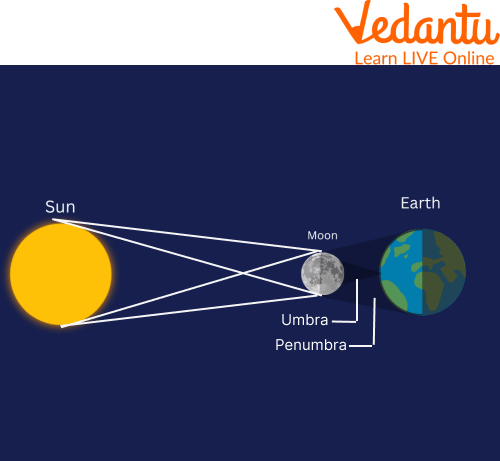
So, even though the Moon is always orbiting, only a few times a year, somewhere on Earth, will its shadow fall just right to create an eclipse. And for a total solar eclipse, you have to be in a very specific, narrow path!
Solar Eclipse Safety: Your Eyes Are Super Precious!
Watching a solar eclipse is an amazing experience, but it’s super important to know how to do it safely. Looking directly at the Sun, even for a short time, can seriously hurt your eyes forever. The Sun’s rays are incredibly powerful, and during an eclipse, even when it’s partly covered, the light that gets through can still be very harmful.
So, how can you watch it safely and enjoy the show?
- Special Eclipse Glasses: The ONLY safe way to look directly at a solar eclipse is by using special eclipse glasses. These are not just sunglasses; they are much, much darker and have special filters that block almost all the Sun’s harmful rays. Make sure they are certified and come from a trusted source.
- Pinhole Projector: You can also make a super simple “pinhole projector” at home! This is a fun, safe way to see the eclipse indirectly. All you need are two pieces of paper or cardboard. Poke a small hole in one piece, then hold it up to the Sun. The light will shine through the hole and project an image of the eclipsed Sun onto the second piece of paper behind it. It’s like a tiny, safe movie screen for the Sun!
- Never Use Regular Sunglasses: We’ll talk more about this below, but it’s super important: regular sunglasses are NOT safe for watching an eclipse.
- Supervised Viewing: Always make sure a grown-up is with you when you’re watching an eclipse and that you follow all safety rules. Your eyes are important, so let’s protect them!
Remember, the Sun is still very bright and dangerous during an eclipse, even when it’s mostly covered. The only time it might be safe to glance at a total solar eclipse *without* special glasses is during the very brief moment of totality (when the Sun is 100% blocked), but ONLY if you are in the exact path of totality. This is why it’s best to always use your eclipse glasses or a pinhole projector unless a trusted expert or adult tells you it’s safe for that brief moment!
Why Regular Sunglasses Are NOT Safe
You might think, “My sunglasses make everything look darker, so they should be fine, right?” Wrong! Regular sunglasses, even very dark ones, only reduce the brightness of the Sun a little bit. They do not block the dangerous ultraviolet (UV) and infrared (IR) light that can harm your eyes.
It’s like trying to protect yourself from a super-hot oven with a thin paper towel. It just won’t work! Special eclipse glasses are made with filters that are thousands of times darker and specifically designed to block those harmful rays. So, always use certified eclipse glasses or safe indirect viewing methods like a pinhole projector. Your eyesight is a precious gift!
Cool Facts About Solar Eclipses for Curious Kids!
Eclipses are not just scientific events; they’re also full of amazing and sometimes quirky facts!
- Shadows on the Move: The Moon’s shadow travels super fast across the Earth during a total solar eclipse – sometimes more than 1,000 miles per hour! That’s faster than a jet plane!
- Rare Visitors: While a total solar eclipse happens somewhere on Earth about every 18 months, it’s rare for one to pass over the exact same spot more often than every 300 to 400 years! So, if you get to see one, you’re super lucky!
- Diamond Ring Effect: Just before and just after a total solar eclipse, you might see a beautiful “diamond ring” effect. This is when the last (or first) bit of sunlight shines through a valley on the Moon, looking like a sparkling diamond on a ring of light.
- Baily’s Beads: Before the diamond ring, you might see tiny beads of light around the Moon’s edge. These are called “Baily’s Beads” and they happen when sunlight shines through the Moon’s mountains and valleys.
- Animals Get Confused: During a total solar eclipse, animals sometimes get confused. Birds might stop singing and go to roost as if it’s nighttime. Crickets might start chirping. It’s like their internal clocks get tricked!
- Temperature Drop: When the Sun is blocked, the temperature on Earth can drop noticeably, sometimes by several degrees! It can feel like a cool breeze suddenly appears.
The Difference Between a Solar Eclipse and a Lunar Eclipse (Quick Peek!)
Sometimes people get solar eclipses and lunar eclipses mixed up. They both involve the Sun, Earth, and Moon, but they happen in different ways!
A solar eclipse is when the Moon comes between the Sun and the Earth, blocking the Sun’s light from reaching Earth (Moon’s shadow on Earth).
A lunar eclipse is the opposite! It’s when the Earth comes between the Sun and the Moon, blocking the Sun’s light from reaching the Moon. During a lunar eclipse, the Moon can look reddish, sometimes called a “blood moon,” because of how Earth’s atmosphere bends sunlight onto it.
Here’s a simple table to help you remember:
| What it is | Who Blocks Who | What You See | Safety for Eyes |
|---|---|---|---|
| Solar Eclipse | Moon blocks the Sun (Moon between Sun and Earth) | Sun appears to disappear or have a bite taken out of it. | ALWAYS use special eclipse glasses or indirect viewing methods! |
| Lunar Eclipse | Earth blocks the Sun’s light from the Moon (Earth between Sun and Moon) | Moon looks dim or reddish. | Safe to look at directly! (It’s just the Moon.) |
Ready for the Next Big Show? When and Where to See Eclipses!
Solar eclipses are exciting, and many people love to watch them! If you want to know when the next one will happen near you, there are great places to find out:
- NASA’s Website: NASA (the National Aeronautics and Space Administration) has lots of cool information and maps about future eclipses.
- Local Science Museums and Planetariums: These places often have special events and information sessions about upcoming eclipses.
- Trusted News Sources: Local news or science websites will usually tell you well in advance if an eclipse is coming to your area.
Remember to always plan ahead and get your certified eclipse glasses well before the event! It’s an experience you won’t want to miss, as long as you watch it safely.
Keep Looking Up, Little Stargazers!
Solar eclipses are a fantastic reminder of how amazing our universe is. They show us how the Sun, Moon, and Earth are constantly moving in a giant, cosmic dance, sometimes lining up perfectly to create a breathtaking show for us to enjoy. Learning about them helps us understand our place in space and how everything works together.
So, the next time you look up at the sky, whether it’s day or night, remember the incredible journey of our planet and its Moon. Keep asking questions, keep being curious, and who knows, maybe one day you’ll be teaching others about the wonders of solar eclipses!
Frequently Asked Questions
What is a solar eclipse in simple words?
A solar eclipse happens when the Moon passes directly between the Sun and the Earth, blocking the Sun’s light and casting a shadow on Earth. It makes the Sun look like it’s disappearing or has a ‘bite’ taken out of it.
Why is a solar eclipse dangerous to look at?
Looking directly at the Sun during an eclipse, even a partial one, can seriously and permanently damage your eyes. The Sun’s powerful rays can burn the sensitive parts of your eyes without you feeling pain, but causing lasting harm. That’s why special certified eclipse glasses are always needed.
Are there different kinds of solar eclipses?
Yes! There are three main kinds: Total Solar Eclipse (Moon completely blocks the Sun), Partial Solar Eclipse (Moon blocks only part of the Sun), and Annular Solar Eclipse (Moon blocks the center, leaving a ‘ring of fire’ around it).
How often does a solar eclipse happen?
A solar eclipse happens somewhere on Earth about every 18 months. However, for a total solar eclipse to happen in the exact same spot on Earth is very rare, often only once every 300 to 400 years!
What’s the difference between a solar eclipse and a lunar eclipse?
In a solar eclipse, the Moon blocks the Sun from Earth. In a lunar eclipse, the Earth blocks the Sun’s light from reaching the Moon, making the Moon appear dim or reddish. Solar eclipses require special eye protection, while lunar eclipses are safe to watch directly.
Can animals see the solar eclipse?
Yes, animals can perceive the changes during a solar eclipse. During a total solar eclipse, many animals get confused and act like it’s nighttime – birds might go to roost, and crickets might start chirping because the sky gets dark and the temperature drops.
What should I do if I want to watch a solar eclipse?
If you want to watch a solar eclipse, always make sure you have special, certified eclipse glasses or use a safe indirect viewing method like a pinhole projector. Never look directly at the Sun with your bare eyes or with regular sunglasses. Always watch with a grown-up and follow their safety instructions!


Post Comment