Benefits Of Solar Panels To The Environment
Unpacking the Environmental Benefits of Solar Panels: Your Guide to a Cleaner Future
Feeling overwhelmed by news of climate change, air pollution, and dwindling natural resources? You’re not alone. Many of us are looking for tangible ways to make a difference, and one of the most powerful tools at our disposal is right above our heads: the sun. Solar panels aren’t just a trendy home upgrade; they are a cornerstone of a sustainable future, offering profound environmental benefits that directly combat some of our planet’s biggest challenges. If you’ve ever wondered how exactly going solar helps the Earth, you’re about to get the full picture.
Table of Contents
- Unpacking the Environmental Benefits of Solar Panels: Your Guide to a Cleaner Future
- The Immediate Impact: Why Solar is a Game-Changer for Our Planet
- Drastically Reducing Greenhouse Gas Emissions (GHGs)
- Improving Air Quality and Public Health
- Conserving Precious Water Resources
- Reducing Hazardous Waste from Fossil Fuels
- Beyond Operation: The Full Lifecycle Environmental Story of Solar Panels
- Manufacturing: Understanding the Initial Footprint
- Land Use: Efficient Energy Generation
- Decommissioning and Recycling: Closing the Loop
- Renewable, Abundant, and Secure: Long-Term Environmental Wins
- Harnessing an Infinite Resource: The Sun
- Biodiversity and Ecosystem Protection
- The Bigger Picture: Solar’s Role in a Sustainable Future
- Driving Innovation in Green Technology
- Empowering Energy Independence
- Addressing Common Concerns: Are Solar Panels Truly Green?
- Ready to Make an Impact?
Let’s dive deep into the undeniable advantages solar energy brings to our environment, from the air we breathe to the resources we conserve, ensuring you understand why this clean energy source is a true game-changer.
The Immediate Impact: Why Solar is a Game-Changer for Our Planet
When you switch to solar, the positive changes start happening the moment your panels begin generating electricity. These aren’t abstract, distant benefits; they’re real, measurable improvements that affect our health, our ecosystems, and the very air we breathe.
Drastically Reducing Greenhouse Gas Emissions (GHGs)
This is arguably the most significant environmental benefit of solar energy. Traditional electricity generation, heavily reliant on fossil fuels like coal, oil, and natural gas, releases massive amounts of greenhouse gases into the atmosphere. These gases—primarily carbon dioxide (CO2), methane (CH4), and nitrous oxide (N2O)—trap heat, leading to global warming and climate change.
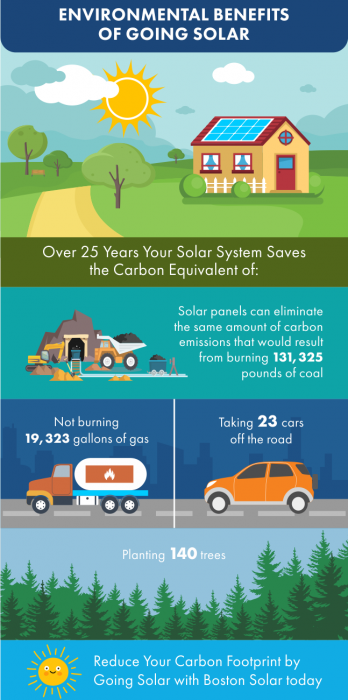
Solar panels, once installed, generate electricity without burning any fuel. This means zero operational emissions of GHGs. By displacing fossil-fuel-based electricity, solar power directly reduces our collective carbon footprint, slowing the pace of climate change and helping us meet critical environmental targets.
To put this into perspective, consider the lifecycle emissions (including manufacturing, transport, installation, and decommissioning) of different energy sources:
| Energy Source | Lifecycle GHG Emissions (gCO2eq/kWh) |
|---|---|
| Solar Photovoltaic (PV) | 41 – 48 |
| Wind | 10 – 12 |
| Nuclear | 12 – 19 |
| Natural Gas | 480 – 1100 |
| Coal | 820 – 1200 |
Source: IPCC Special Report on Renewable Energy Sources and Climate Change Mitigation
As you can see, solar PV generates significantly fewer emissions over its entire lifespan compared to fossil fuels, demonstrating its profound positive impact.
Improving Air Quality and Public Health
Beyond GHGs, burning fossil fuels releases a cocktail of harmful air pollutants that directly impact human health and the environment. These include sulfur dioxide (SOx), nitrogen oxides (NOx), and particulate matter. These pollutants contribute to:
- Smog and Acid Rain: Damaging ecosystems, buildings, and crops.
- Respiratory Issues: Aggravating asthma, bronchitis, and other lung diseases.
- Cardiovascular Problems: Leading to heart attacks and strokes.
- Premature Deaths: A significant public health burden.
Solar energy production emits none of these pollutants during operation. By switching to solar, you contribute to cleaner air in your community and beyond. This translates to fewer smoggy days, healthier lungs for everyone, and a reduced strain on our healthcare systems. It’s a direct, tangible benefit that improves the quality of life for millions.
Conserving Precious Water Resources
Water scarcity is a growing global concern. Many conventional power plants, particularly thermal ones (coal, natural gas, nuclear), require vast amounts of water for cooling their systems. This water is often drawn from rivers, lakes, or aquifers, and then discharged back, sometimes at a higher temperature, impacting aquatic ecosystems.
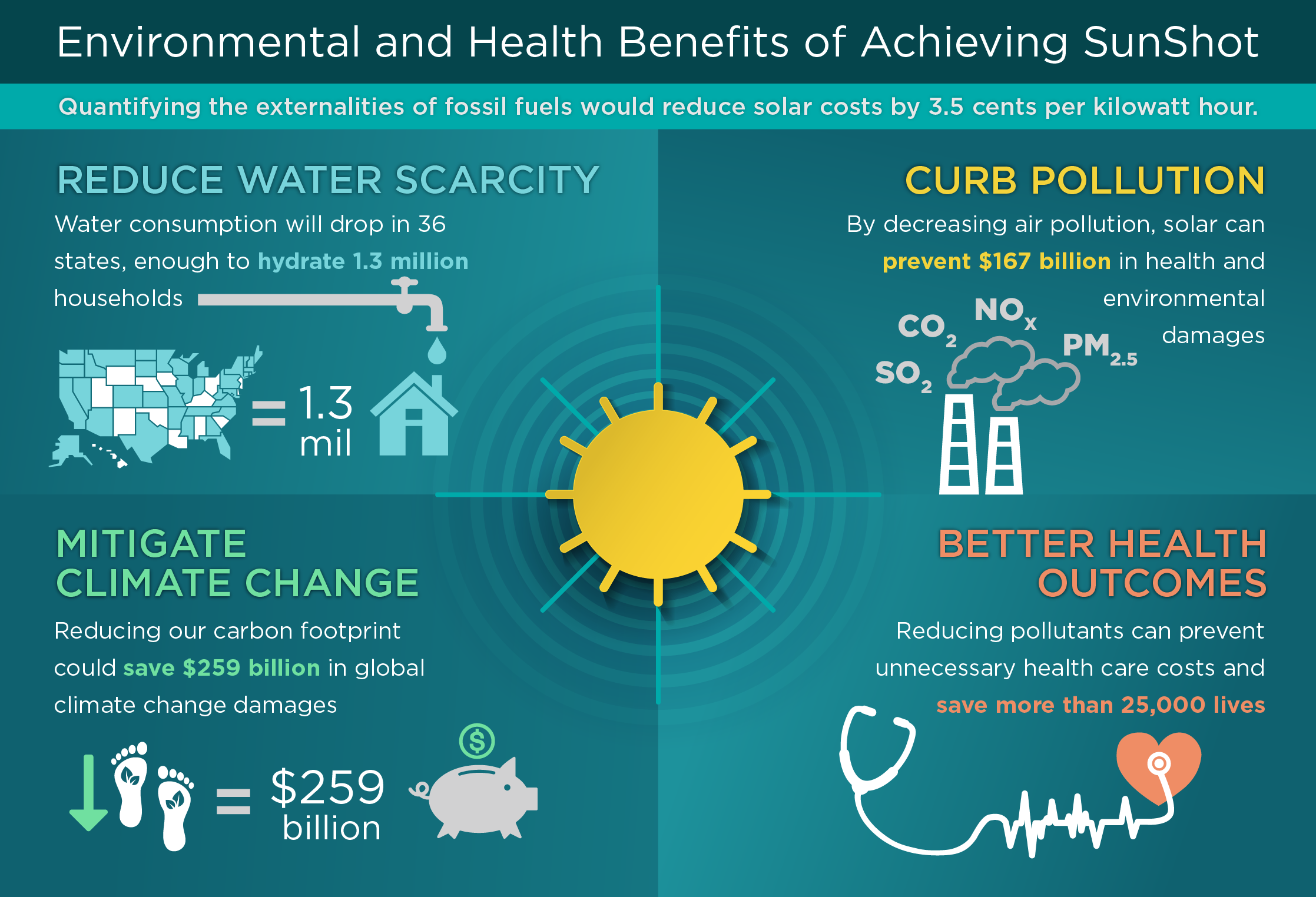
Solar panels, specifically photovoltaic (PV) systems, operate with virtually no water consumption for electricity generation. While some water is used for manufacturing and occasional cleaning, it’s a tiny fraction compared to thermal power generation. Concentrated Solar Power (CSP) systems, which use mirrors to heat water and create steam, do use water, but even then, advancements are being made to minimize this.
Here’s a snapshot comparing water consumption by different energy sources:
| Energy Source | Water Withdrawal (gallons/MWh) | Water Consumption (gallons/MWh) |
|---|---|---|
| Solar Photovoltaic (PV) | 0 – 20 | 0 – 10 |
| Nuclear | 26,000 – 60,000 | 300 – 800 |
| Coal | 20,000 – 50,000 | 200 – 600 |
| Natural Gas (Combined Cycle) | 6,000 – 20,000 | 100 – 400 |
Source: NREL, DOE
By minimizing water use, solar energy helps preserve this vital resource for drinking, agriculture, and maintaining healthy ecosystems.
Reducing Hazardous Waste from Fossil Fuels
The byproducts of fossil fuel combustion are often hazardous. Coal-fired power plants produce vast quantities of coal ash, which contains heavy metals like arsenic, lead, and mercury. Improper disposal of coal ash can contaminate soil and water, posing serious long-term environmental and health risks. Similarly, the extraction and processing of fossil fuels can lead to toxic spills and widespread land degradation.
Solar panel operation generates no hazardous waste. While the panels themselves contain various materials, they are solid-state devices that do not release toxic substances during their operational lifetime. This significantly reduces the burden of managing dangerous industrial waste and the risk of environmental contamination.
Beyond Operation: The Full Lifecycle Environmental Story of Solar Panels
No energy source is entirely without impact, and it’s fair to consider the full lifecycle of solar panels, from raw material extraction to manufacturing and eventual recycling. However, when we do, the net environmental benefit remains overwhelmingly positive, especially when compared to conventional alternatives.
Manufacturing: Understanding the Initial Footprint
The production of solar panels involves several stages:
- Material Extraction: Primarily silicon (from quartz), glass, aluminum (frames), and trace metals.
- Processing and Assembly: Energy-intensive processes to refine silicon into solar cells, assemble them into modules, and build the full panel.
It’s true that manufacturing requires energy and resources. Historically, this energy often came from fossil fuels, creating an initial carbon footprint. However, the industry is rapidly evolving:
- Cleaner Manufacturing: Many solar panel manufacturers are increasingly powering their facilities with renewable energy, reducing the embedded carbon.
- Efficiency Gains: Panels are becoming more efficient, meaning less material is needed to produce the same amount of electricity.
- Energy Payback Time: A typical solar panel generates enough clean energy to offset the energy used in its manufacturing within 1 to 4 years. Given a lifespan of 25-30+ years, this means decades of truly clean, carbon-neutral electricity generation.
The upfront environmental cost of manufacturing is quickly repaid by years of emission-free power.
Land Use: Efficient Energy Generation
Solar installations require land, which is a consideration. However, the discussion often needs context:
- Distributed vs. Utility-Scale: Many solar panels are installed on existing rooftops, carports, or brownfields, requiring no new land use. Utility-scale solar farms do occupy land, but often in arid regions or on land unsuitable for agriculture.
- Comparison to Fossil Fuels: While a solar farm might appear to cover a large area, the total land footprint for fossil fuels is immense, including mines, drilling sites, pipelines, refineries, and waste disposal areas, often leading to permanent habitat destruction. Solar farms can also be designed with wildlife corridors and vegetation management to support biodiversity.
- Agrivoltaics: An innovative approach where solar panels are installed above crops or pastureland, allowing for dual use of the land for both energy generation and agriculture, maximizing land efficiency.
When viewed holistically, solar’s land footprint is often more benign and reversible than that of traditional energy sources.
Decommissioning and Recycling: Closing the Loop
Solar panels have a long operational life, typically 25-30 years or more. At the end of their useful life, they need to be managed responsibly. The good news is that solar panel recycling technologies are rapidly advancing:
- Valuable Materials: Panels contain valuable materials like aluminum, glass, silicon, and copper, which can be recovered and reused.
- Emerging Industry: A dedicated recycling industry is growing to handle decommissioned panels, aiming for high recovery rates and minimal waste.
- Policy Support: In some regions, policies and regulations are being developed to ensure proper recycling and prevent panels from ending up in landfills.
The goal is a circular economy for solar, where materials are continually reused, further minimizing environmental impact.
Renewable, Abundant, and Secure: Long-Term Environmental Wins
Beyond immediate reductions in pollution, solar power offers fundamental, long-term benefits that reshape our energy landscape.
Harnessing an Infinite Resource: The Sun
Unlike fossil fuels, which are finite and depleting resources, solar energy comes from the sun—a literally inexhaustible power source. The sun will continue to shine for billions of years, providing us with a continuous, reliable supply of energy. This characteristic of being “renewable” is the very foundation of its long-term sustainability.
Relying on solar means we are no longer depleting Earth’s geological reserves or dependent on geopolitically sensitive regions for our energy needs. It’s about building an energy system that can sustain itself indefinitely.
Biodiversity and Ecosystem Protection
The shift to solar energy reduces the pressure on vulnerable ecosystems in several ways:
- Less Habitat Destruction: No need for extensive mining, drilling, or fracking operations that destroy natural habitats, fragment ecosystems, and disrupt local wildlife.
- Reduced Risk of Spills: Eliminating the need for oil and gas pipelines and shipping drastically reduces the risk of catastrophic spills that devastate marine and terrestrial environments.
- Lower Pollution Burden: Cleaner air and water mean healthier environments for plants, animals, and microbial life. Less acid rain protects forests and aquatic life.
By moving away from destructive resource extraction, solar power plays a crucial role in preserving biodiversity and protecting the delicate balance of our planet’s ecosystems.
The Bigger Picture: Solar’s Role in a Sustainable Future
Solar power isn’t just a standalone technology; it’s a catalyst for broader environmental progress and innovation.
Driving Innovation in Green Technology
The growth of solar has spurred incredible advancements in related green technologies:
- Battery Storage: Essential for storing solar energy for use when the sun isn’t shining, leading to more resilient and reliable grids.
- Smart Grids: Technologies that optimize energy distribution, integrating renewables seamlessly and improving efficiency.
- Electric Vehicles (EVs): Solar power can charge EVs with truly clean energy, further decarbonizing the transportation sector.
Solar’s success inspires investment and research across the entire clean energy spectrum, accelerating our transition to a fully sustainable global energy system.
Empowering Energy Independence
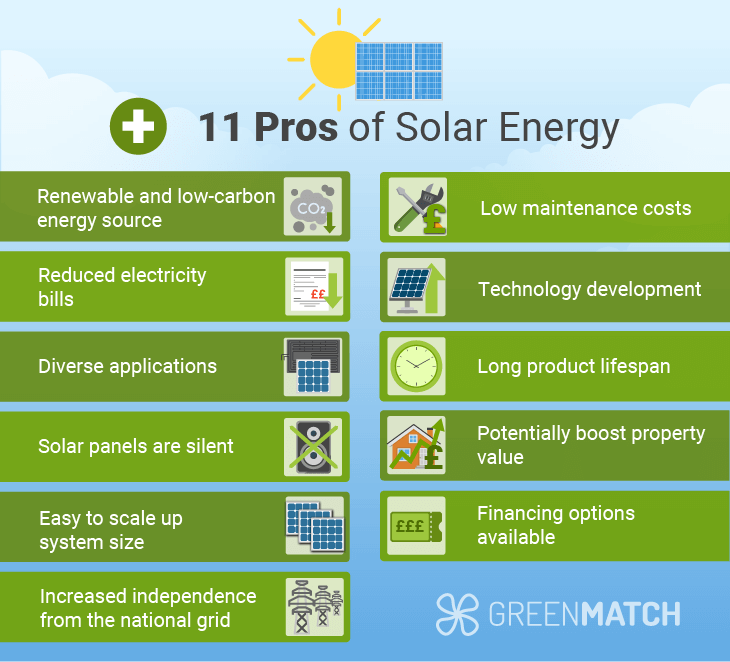
For nations and individual homeowners alike, solar energy fosters independence. Homeowners can generate their own electricity, reducing their reliance on the grid and potentially lowering their utility bills. On a national scale, increased solar deployment strengthens energy security by reducing dependence on imported fossil fuels and insulating countries from volatile global energy markets.
This decentralized, locally generated power creates a more resilient energy infrastructure, less vulnerable to large-scale outages or external disruptions. It’s about taking control of our energy future, both environmentally and economically.
Addressing Common Concerns: Are Solar Panels Truly Green?
It’s healthy to be critical and question the environmental impact of any technology. As we’ve explored, solar panels do have an initial environmental footprint related to manufacturing and material sourcing. However, it’s crucial to look at the big picture and compare it to the alternatives.
The vast majority of scientific studies and lifecycle assessments confirm that solar energy offers a profound net positive environmental benefit compared to fossil fuel-based electricity. The emissions and resource consumption during manufacturing are quickly offset by decades of clean energy production, resulting in significantly lower overall greenhouse gas emissions, air pollution, and water usage over the system’s lifetime.
The industry is also continually improving, with ongoing efforts to:
- Reduce material usage and increase panel efficiency.
- Lower the energy intensity of manufacturing processes.
- Develop more effective and economical recycling solutions.
- Promote ethical sourcing of raw materials.
So, while no human endeavor is entirely without impact, solar energy stands out as one of the cleanest, most sustainable, and most promising paths forward for our planet.
Ready to Make an Impact?
The environmental benefits of solar panels are clear, compelling, and critical for our collective future. From purifying our air and conserving our water to mitigating climate change and protecting biodiversity, solar energy offers a powerful solution to many of the environmental challenges we face. It’s a technology that not only powers our homes but also empowers us to build a cleaner, healthier, and more sustainable world for generations to come. Considering solar for your home or business isn’t just a smart financial decision; it’s a profound investment in the health of our planet.
Frequently Asked Questions
What is the carbon footprint of manufacturing solar panels?
While manufacturing solar panels does require energy and raw materials, leading to an initial carbon footprint, this impact is significantly smaller than that of traditional fossil fuels. A typical solar panel generates enough clean energy to offset its manufacturing emissions within 1 to 4 years, and then continues to produce clean energy for another 20-25+ years, resulting in a net positive environmental impact.
Do solar panels use a lot of water?
Photovoltaic (PV) solar panels use virtually no water for electricity generation during operation. This is a stark contrast to thermal power plants (like coal or nuclear) which require vast amounts of water for cooling. Some water is used in manufacturing and for occasional cleaning, but the overall water footprint of solar PV is significantly lower than most conventional energy sources.
How long do solar panels last, and can they be recycled?
Solar panels are highly durable and typically last for 25 to 30 years, often continuing to produce power beyond that timeframe, albeit with slightly reduced efficiency. Yes, solar panels can be recycled. The industry is rapidly developing and expanding recycling programs to recover valuable materials like silicon, glass, and metals, aiming for a circular economy where panel components are reused.
Do solar panels take up too much land?
The land use for solar panels is a valid consideration. Many panels are installed on existing rooftops or brownfields, requiring no new land. For utility-scale solar farms, land is used, but often in arid areas or on land unsuitable for agriculture. Furthermore, the overall land footprint, including extraction sites and waste disposal, for fossil fuel energy is often far greater and more destructive to ecosystems than solar installations.
Do solar panels impact wildlife?
Solar panel installations can have localized impacts on wildlife, particularly large utility-scale projects. However, careful siting, environmental impact assessments, and mitigation strategies (like wildlife corridors or elevated panels) are employed to minimize disruption. Compared to the widespread habitat destruction, water contamination, and air pollution caused by fossil fuel extraction and burning, solar energy’s impact on wildlife is generally far less severe and often more manageable.
Is solar energy truly 100% clean?
While the *operation* of solar panels produces zero emissions and waste, no technology is entirely without environmental impact, from raw material extraction to manufacturing and end-of-life management. However, when considering the entire lifecycle, solar energy has a significantly lower environmental footprint—especially in terms of greenhouse gas emissions, air pollution, and water use—than traditional fossil fuel sources. It is considered one of the cleanest and most sustainable energy sources available.


Post Comment