How Does Solar Energy Help The Environment
How Solar Energy Is a Game-Changer for Our Planet: A Deep Dive into Its Environmental Benefits
Ever wondered if that sunshine hitting your roof or warming your patio could actually do more than just brighten your day? You’re not alone. Many of us know solar power is ‘good for the environment,’ but few understand the profound, multifaceted ways it’s literally reshaping our planet’s future for the better.
Table of Contents
- How Solar Energy Is a Game-Changer for Our Planet: A Deep Dive into Its Environmental Benefits
- The Core Impact: Drastically Reducing Greenhouse Gas Emissions
- The Problem with Fossil Fuels: A Quick Primer
- How Solar Eliminates Emissions at the Source
- Cleaning Our Air and Water: Beyond Carbon
- Tackling Local Air Pollutants (SOx, NOx, Particulates)
- Protecting Water Resources from Extraction and Pollution
- The Silent Benefit: Reducing Noise Pollution
- Preserving Our Natural World: Land, Ecosystems, and Resources
- Less Reliance on Finite Resources
- Protecting Biodiversity and Habitats (by reducing mining, drilling)
- Minimizing Land Disruption (compared to coal mines, oil fields)
- Solar’s Role in a Resilient, Independent Energy Future
- Enhancing Energy Security and Reducing Geopolitical Risks
- Decentralizing Power for a Stronger Grid
- Addressing the Full Picture: Solar Panel Lifecycle and Sustainability
- Manufacturing: The Upfront Investment (materials, energy)
- Recycling and End-of-Life Solutions: A Growing Industry
- The Net Environmental Gain: Why Solar Still Wins
- Beyond the Home: Community and Global Impact of Solar
- Empowering Developing Regions
- Driving Green Economic Growth
- Conclusion: Solar’s Unquestionable Role in a Sustainable Future
Let’s be blunt: our current global energy appetite is a problem. The overwhelming reliance on fossil fuels—coal, oil, and natural gas—pumps unimaginable amounts of pollution into our air, contaminates our water, and accelerates climate change, threatening everything from polar ice caps to your local ecosystem. It’s a crisis we can’t ignore.
But here’s the good news: a powerful, abundant solution is literally shining down on us every day. Solar energy isn’t just an alternative; it’s a fundamental shift in how we power our lives, our communities, and our planet. It’s clean, it’s renewable, and its benefits extend far beyond simply cutting your electricity bill. From cleaning our air to conserving precious resources and even strengthening national security, solar energy is an environmental powerhouse. Ready to uncover the real impact?
The Core Impact: Drastically Reducing Greenhouse Gas Emissions
When we talk about solar energy’s environmental superpowers, the conversation inevitably starts with greenhouse gas (GHG) emissions. And for good reason.
The Problem with Fossil Fuels: A Quick Primer
Imagine your grandmother’s old car, chugging out black smoke. Now multiply that by billions of vehicles, countless industrial plants, and massive power stations running on coal or natural gas. That’s essentially what happens when we burn fossil fuels for electricity. This process releases vast quantities of carbon dioxide (CO2), methane (CH4), and nitrous oxide (N2O) into the atmosphere. These gases act like a blanket, trapping heat and leading to global warming, which in turn fuels extreme weather, sea-level rise, and ecological disruption.
How Solar Eliminates Emissions at the Source
Solar photovoltaic (PV) panels, on the other hand, produce electricity directly from sunlight through a process called the photovoltaic effect. There’s no combustion, no burning, and critically, no emissions of GHGs during operation. Think about that: a constant, silent, clean stream of electricity, day after day, year after year, without adding a single puff of pollution to our atmosphere.
This direct replacement of fossil fuel-generated electricity with solar power leads to a monumental reduction in our collective carbon footprint. Every kilowatt-hour (kWh) of solar energy used is a kWh that didn’t come from a polluting source.
To put this into perspective, consider the stark contrast in lifecycle emissions. While manufacturing solar panels does involve energy and material use (which we’ll address later), the operational phase is virtually emissions-free, dramatically offsetting those initial impacts over the panel’s 25-30 year lifespan. Here’s a quick comparison:
| Energy Source | Median Lifecycle GHG Emissions (gCO2eq/kWh) |
|---|---|
| Coal | 820 |
| Natural Gas | 490 |
| Solar Photovoltaic (PV) | 48 |
| Nuclear | 12 |
| Wind | 11 |
Source: IPCC, National Renewable Energy Laboratory (NREL) estimates. These are median values and can vary based on technology, location, and specific plant efficiency.
As you can see, solar dramatically outperforms fossil fuels in terms of lifetime emissions. This fundamental reduction in GHGs is the cornerstone of solar’s environmental benefits, directly combating climate change and its devastating consequences.
Cleaning Our Air and Water: Beyond Carbon
While reducing greenhouse gases is paramount, solar’s environmental generosity doesn’t stop there. It also plays a critical role in purifying the very air we breathe and the water we drink.
Tackling Local Air Pollutants (SOx, NOx, Particulates)
Beyond CO2, burning fossil fuels releases a cocktail of harmful pollutants that directly impact human health and local ecosystems. These include:
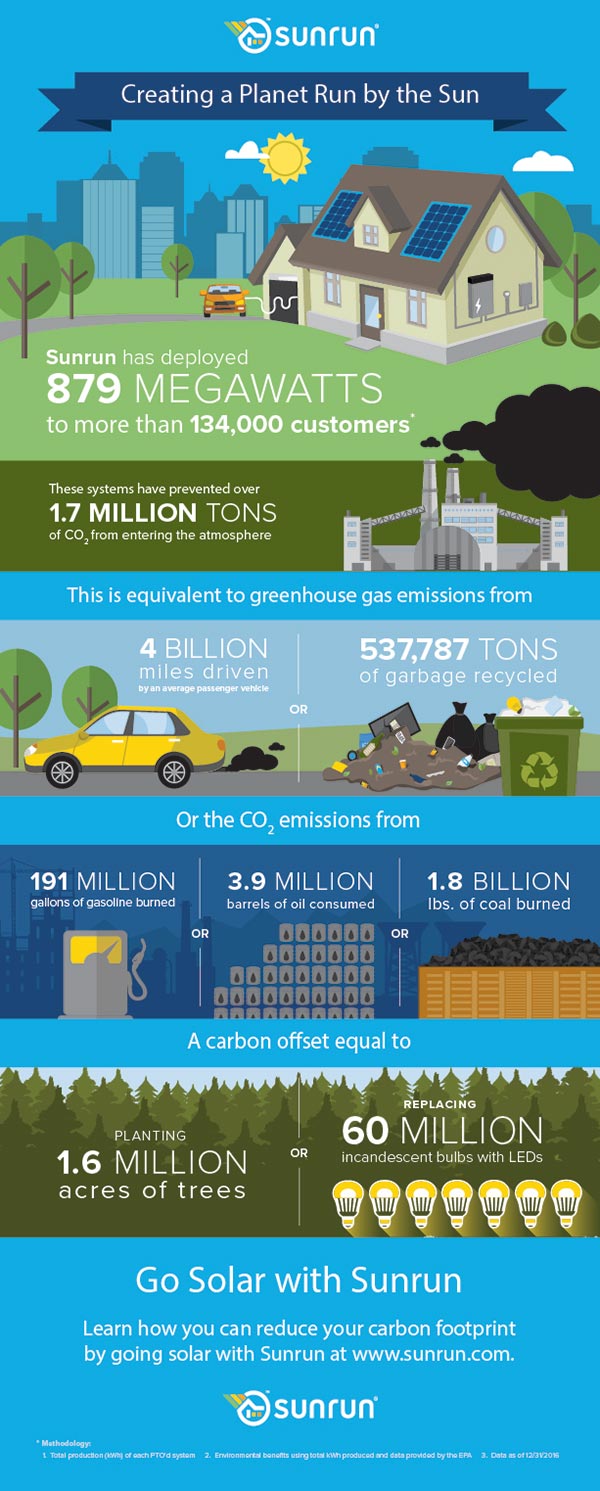
- Sulfur Oxides (SOx): Contributors to acid rain and respiratory illnesses.
- Nitrogen Oxides (NOx): Cause smog, respiratory problems, and ground-level ozone formation.
- Particulate Matter (PM2.5): Tiny airborne particles that can penetrate deep into the lungs and bloodstream, leading to heart and lung disease.
- Mercury and other heavy metals: Neurotoxins that contaminate air, water, and food chains.
Solar energy production, by contrast, is completely free of these operational emissions. This means cleaner air for communities located near power plants and a significant reduction in public health issues like asthma, bronchitis, and cardiovascular disease. Shifting to solar isn’t just an environmental choice; it’s a public health imperative.
Protecting Water Resources from Extraction and Pollution
You might not immediately connect energy production with water, but traditional power generation is incredibly water-intensive. Thermal power plants (coal, natural gas, nuclear) require vast amounts of water for cooling. Hydroelectric dams alter entire river ecosystems. Fracking for natural gas contaminates groundwater and uses millions of gallons of water per well. Mining for coal can pollute water sources with toxic runoff.
Solar PV, particularly rooftop installations, requires virtually no water for operation. Large-scale solar farms might use a small amount for occasional panel cleaning, but this is negligible compared to the billions of gallons consumed by fossil fuel plants. This minimal water usage is a crucial benefit, especially in drought-prone regions, helping to conserve this vital resource and prevent water pollution from industrial discharge and chemical contamination.
The Silent Benefit: Reducing Noise Pollution
Think about a bustling fossil fuel power plant, a drilling rig, or a busy refinery. The constant hum, grinding, and heavy machinery contribute significantly to noise pollution. While often overlooked, chronic noise exposure can have adverse effects on human health, wildlife, and overall quality of life.
Solar panels, once installed, operate in blissful silence. They generate electricity without a whir, a hum, or any mechanical noise. This quiet operation means peace for residential areas, undisturbed habitats for wildlife, and a more serene environment for everyone.
Preserving Our Natural World: Land, Ecosystems, and Resources
The environmental benefits of solar energy extend deep into the earth itself, impacting our precious natural resources and the delicate balance of ecosystems.
Less Reliance on Finite Resources
Fossil fuels are, by definition, finite. They took millions of years to form, and we’re consuming them at an unsustainable rate. This constant demand drives intensive and often destructive extraction practices, leading to habitat destruction, oil spills, and resource depletion.
The sun, however, is a virtually limitless energy source for humanity. By harnessing solar power, we significantly reduce our dependence on these dwindling, environmentally damaging fuels. This shift means:
- Fewer new mines carved into landscapes.
- Less offshore drilling risking catastrophic oil spills.
- Reduced demand for natural gas, often obtained through controversial fracking.
It’s about decoupling our energy supply from the Earth’s finite reserves, allowing natural systems to recover and reducing geopolitical tensions over resource control.
Protecting Biodiversity and Habitats (by reducing mining, drilling)
Every time a new mine is dug, an oil well drilled, or a gas pipeline laid, natural habitats are disturbed or destroyed. Forests are cleared, wetlands are drained, and wildlife corridors are fragmented. This leads to habitat loss, species displacement, and ultimately, a decline in biodiversity.
While large-scale solar farms require land, their impact is generally localized and often reversible compared to the permanent scarring of mining operations. Crucially, a significant portion of solar energy can be generated on existing structures like rooftops, carports, and brownfields, minimizing the need for new land appropriation. By reducing our reliance on fossil fuels, solar power indirectly protects countless habitats and species that would otherwise be threatened by extraction activities.
Minimizing Land Disruption (compared to coal mines, oil fields)
Consider the scale of land disruption caused by traditional energy: vast open-pit coal mines, sprawling oil fields dotted with derricks, and extensive networks of pipelines and access roads. These not only consume immense tracts of land but often leave behind contaminated soil and water, rendering the land unusable for decades or even centuries.
Solar installations, especially distributed rooftop systems, leverage existing infrastructure, turning previously unused spaces into productive clean energy generators. Even utility-scale solar farms can be designed with environmental considerations, allowing for native vegetation, pollinator habitats, and careful site selection to minimize ecological impact. The land used for solar can also be repurposed more easily than land used for fossil fuel extraction, offering greater flexibility and less long-term environmental burden.
Solar’s Role in a Resilient, Independent Energy Future
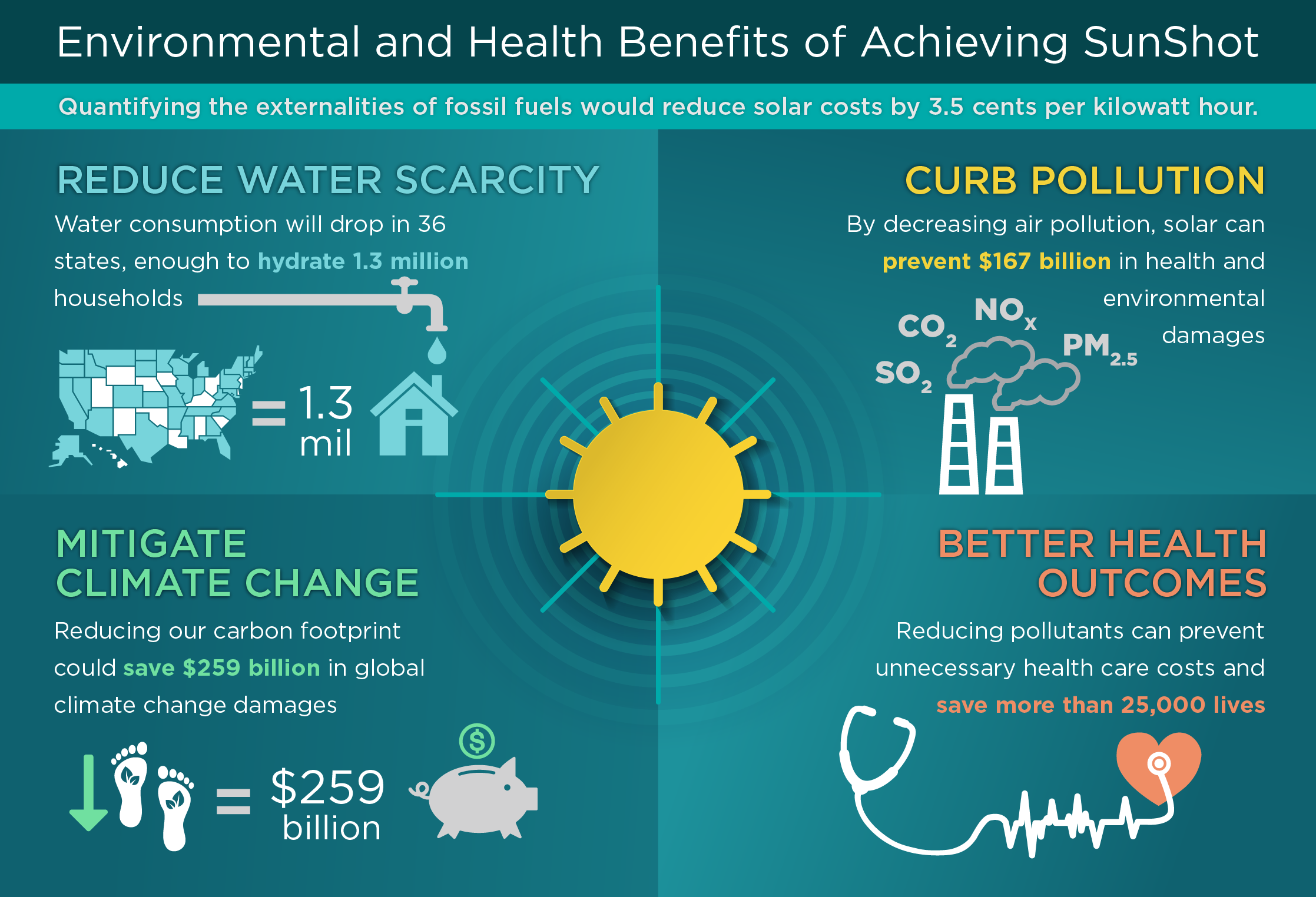
The environmental benefits of solar energy aren’t just about what it *doesn’t do (pollute), but also what it does* enable: a more stable, secure, and independent energy landscape.
Enhancing Energy Security and Reducing Geopolitical Risks
Nations that rely heavily on imported fossil fuels are vulnerable to price volatility, supply disruptions, and geopolitical conflicts. This dependency often forces countries into diplomatic or military entanglements to secure energy access, indirectly leading to environmental degradation in resource-rich regions.
The sun, however, shines everywhere. By developing domestic solar resources, countries can reduce their reliance on foreign energy sources, enhancing national energy security and fostering greater political independence. This shift diminishes the incentive for environmentally damaging extraction abroad and reduces the risks of international conflicts fueled by resource competition.
Decentralizing Power for a Stronger Grid
Traditional energy grids are often centralized: large power plants generate electricity that travels long distances through transmission lines to consumers. This model is vulnerable to single points of failure (e.g., a power plant outage, a damaged transmission line) and incurs significant energy losses during transmission.
Solar power, particularly rooftop solar, enables distributed generation. This means electricity is produced closer to where it’s consumed. This decentralization makes the grid more resilient to disruptions (like natural disasters), reduces transmission losses, and creates a more robust, stable energy system. A decentralized grid, less prone to cascading failures, means less reliance on backup fossil fuel plants, further reducing emissions and pollution during emergencies.
Addressing the Full Picture: Solar Panel Lifecycle and Sustainability
It’s important to approach solar energy with a balanced perspective. While its operational benefits are immense, the manufacturing and end-of-life phases of solar panels do have an environmental footprint. However, it’s crucial to understand why, on a net basis, solar is still overwhelmingly superior to fossil fuels.
Manufacturing: The Upfront Investment (materials, energy)
Solar panels are complex devices, requiring various materials like silicon, aluminum, glass, and trace metals. The extraction and processing of these materials, as well as the manufacturing process itself, consume energy and can generate waste. For instance, creating high-purity silicon is an energy-intensive process, and some older manufacturing techniques involved hazardous chemicals.
However, the industry is constantly innovating to reduce this impact:
- Energy Efficiency: Manufacturers are increasingly powering their facilities with renewable energy, reducing the ’embodied energy’ of panels.
- Material Sourcing: Efforts are underway to source materials more responsibly and develop panels with less toxic components.
- Technological Advancements: Newer panel designs use less silicon and more efficient manufacturing processes.
The ‘energy payback time’ for solar panels—the time it takes for a panel to generate the amount of energy used to produce it—has dramatically decreased. Today, most panels pay back their energy debt in 1-4 years, a fraction of their 25-30 year lifespan.
Recycling and End-of-Life Solutions: A Growing Industry
What happens when a solar panel reaches the end of its useful life? This is a valid question, and the answer is evolving rapidly. While historically, some panels ended up in landfills, a dedicated solar panel recycling industry is now emerging. Specialized facilities can recover valuable materials like silicon, aluminum, copper, and glass, which can then be reused in new products. This closed-loop system reduces waste and the need for new raw material extraction.
Regulations and incentives for recycling are also becoming more widespread, particularly in Europe and increasingly in the U.S. As millions more panels are installed globally, the economic incentive for efficient recycling will only grow, making it a sustainable solution for the future.
The Net Environmental Gain: Why Solar Still Wins
When you weigh the upfront environmental cost of manufacturing and the evolving solutions for recycling against the decades of emission-free, pollution-free, water-saving, and resource-conserving operation, the net environmental benefit of solar energy is overwhelmingly positive. It’s an investment in a cleaner, healthier future, where the initial carbon footprint is swiftly repaid by the vast quantities of clean energy produced.
Beyond the Home: Community and Global Impact of Solar
Solar energy isn’t just about individual homeowners or even national grids; its impact ripples across communities and touches lives on a global scale.
Empowering Developing Regions
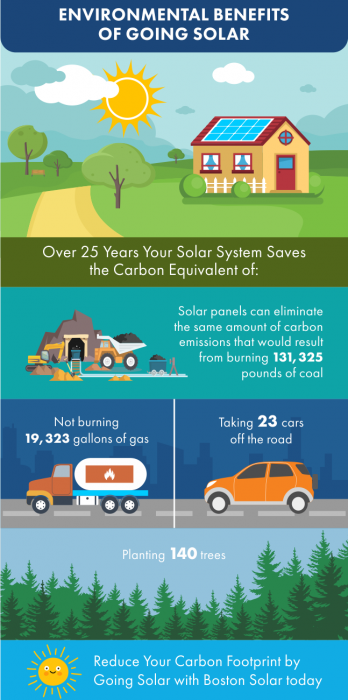
For remote villages in developing countries that lack access to centralized grids, solar power is transformative. It provides electricity for lighting, refrigeration (critical for medicine and food preservation), communication, and education, often for the first time. This clean, decentralized power bypasses the need for expensive and polluting fossil fuel generators, directly improving health outcomes, economic opportunities, and quality of life without introducing local air pollution or carbon emissions.
Driving Green Economic Growth
The solar industry is a significant engine of job creation, from manufacturing and installation to research and development. These are often well-paying, skilled jobs that contribute to local economies. Investing in solar energy stimulates innovation, fosters new businesses, and creates a workforce dedicated to sustainable solutions. This economic growth is inherently ‘green,’ meaning it’s built on environmentally sound principles, rather than resource depletion or pollution.
Furthermore, the increased adoption of solar energy drives down costs through economies of scale and technological advancements, making clean energy more accessible to everyone. This virtuous cycle accelerates the transition away from fossil fuels, amplifying all the environmental benefits we’ve discussed.
Conclusion: Solar’s Unquestionable Role in a Sustainable Future
So, how does solar energy help the environment? The answer, as you now know, is in virtually every way imaginable. It’s not just about reducing carbon emissions; it’s about a holistic transformation of our energy landscape. From purifying the air we breathe and conserving the water we drink to safeguarding biodiversity and empowering communities, solar energy offers a path to a healthier, more resilient planet.
It’s a technology that leverages the most abundant power source imaginable – the sun – to decouple human progress from environmental degradation. While there are considerations regarding manufacturing and recycling, the net positive impact of solar energy overwhelmingly positions it as a cornerstone of any sustainable future.
Embracing solar isn’t merely an option; it’s an essential step towards securing a vibrant, livable world for generations to come. The power is literally in our hands, or rather, on our rooftops and in our fields, waiting to be harnessed for good.
Frequently Asked Questions
Are solar panels truly carbon neutral over their lifetime?
While the manufacturing process for solar panels does require energy and produces some emissions, the operational phase is virtually emissions-free. Studies show that solar panels typically ‘pay back’ the energy and carbon debt incurred during their production within 1-4 years. Given their 25-30 year lifespan, they generate significantly more clean energy than the energy used to create them, resulting in a massively net positive environmental impact and a very low lifetime carbon footprint compared to fossil fuels.
How much land do large-scale solar farms require, and is this an environmental concern?
Utility-scale solar farms do require land, and the footprint varies based on technology and efficiency. While this can be a concern, compared to the land required for mining fossil fuels or the vast areas affected by drilling and pipelines, solar’s impact is often less destructive and more localized. Many solar farms are built on previously disturbed land, brownfields, or co-located with agriculture. Rooftop solar, in particular, leverages existing infrastructure, effectively requiring no new land.
What happens to solar panels at the end of their useful life?
As the solar industry matures, dedicated recycling infrastructure is rapidly developing. Specialized facilities can disassemble panels and recover valuable materials like silicon, aluminum, copper, and glass, which can then be reused. While not 100% of panels were historically recycled, increasing regulations, technological advancements, and economic incentives are making solar panel recycling a growing and efficient process, reducing waste and the need for new raw material extraction.
Does solar energy work on cloudy days or at night?
Solar panels generate less electricity on cloudy days because less direct sunlight reaches them, but they still produce power from diffuse light. At night, solar panels do not produce electricity. To overcome this, solar energy systems can be paired with battery storage solutions, allowing excess energy generated during the day to be stored and used when the sun isn’t shining. This ensures a continuous supply of clean energy.
How does solar energy’s environmental impact compare to other renewable sources like wind or hydropower?
Each renewable energy source has its unique environmental profile. Wind power also has very low operational emissions but requires specific land conditions and can impact bird populations. Hydropower is clean but significantly alters river ecosystems. Solar generally has a very low operational environmental footprint, with its main impacts related to manufacturing and land use (for utility-scale). All renewables are vastly superior to fossil fuels, and a diverse mix of these technologies is key to a sustainable energy future.
Are there any hazardous materials in solar panels that could harm the environment?
Modern solar panels are largely made of silicon, glass, and aluminum, which are generally benign. Some older or specific thin-film technologies might contain small amounts of heavy metals like cadmium or lead, but these are encapsulated within the panel and pose little risk during operation. The industry is moving towards safer materials and robust recycling programs ensure that any potentially hazardous components are handled responsibly at end-of-life, preventing environmental contamination.


Post Comment