Advantages And Disadvantages Of Solar Panels On Roof
Advantages and Disadvantages of Solar Panels on Your Roof: The Definitive Guide for Homeowners
Dreaming of slashing your electricity bills, boosting your home’s value, and doing your part for the planet? For many U.S. homeowners, rooftop solar panels sound like the ultimate solution. But before you jump in, it’s smart to ask the tough questions: What are the real advantages? What hidden disadvantages should you know about? What impact will they have specifically on your roof?
Table of Contents
- Advantages and Disadvantages of Solar Panels on Your Roof: The Definitive Guide for Homeowners
- The Quick Look: Pros and Cons at a Glance
- The Bright Side: Key Advantages of Rooftop Solar
- Significant Energy Bill Savings & Energy Independence
- Boosting Your Home’s Value
- Environmental Impact & Sustainability
- Leveraging Financial Incentives (The Smart Money Play)
- Low Maintenance & Longevity
- Maximizing Unused Space
- The Other Side of the Coin: Disadvantages and Considerations
- Upfront Costs & Initial Investment
- Roof Suitability: Not Every Roof is Ready
- Intermittency & Weather Dependence
- Aesthetic Impact
- Potential for Roof Penetration & Maintenance Concerns
- Grid Dependence (Without Battery Storage)
- Is Rooftop Solar Worth It For YOU? A Decision Framework
- Beyond the Panels: Enhancing Your Solar System
- Battery Storage Solutions
- Smart Home Integration
- Conclusion: Powering Your Future, One Panel at a Time
As someone who’s navigated the complexities of home energy decisions, I understand the mix of excitement and apprehension. Installing solar panels on your roof is a significant investment with long-term implications, and getting it right means understanding both the sunny upsides and the potential cloudy drawbacks. This guide cuts through the noise to give you a clear, human-centric look at everything you need to consider, helping you decide if rooftop solar is truly the bright choice for your home.
The Quick Look: Pros and Cons at a Glance
Let’s start with a direct, no-nonsense overview. Here’s a snapshot of the primary advantages and disadvantages of putting solar panels on your roof.
| Category | Advantages | Disadvantages |
|---|---|---|
| Financial | Lower/eliminate electric bills, increased home value, tax credits & incentives, protection from rising rates, net metering/SRECs. | High upfront costs, potential property tax increase (rare, and often exempt). |
| Environmental | Reduced carbon footprint, clean renewable energy source. | Manufacturing process has an environmental footprint. |
| Home & Roof | Utilizes unused roof space, low maintenance, long lifespan (25+ years), durable. | Roof suitability issues (age, material, shading), aesthetic impact, potential roof penetration/warranty issues, challenges for roof repairs. |
| Performance | Energy independence, power generation in various climates, battery integration for backup. | Intermittency (night/clouds), grid dependence without battery, weather impacts (snow, heavy rain). |
The Bright Side: Key Advantages of Rooftop Solar
Let’s dive deeper into why so many homeowners are making the switch.
Significant Energy Bill Savings & Energy Independence
This is often the number one motivator. Once your solar panels are operational, you’re generating your own electricity. This means:
- Reduced or Eliminated Monthly Electric Bills: Depending on your system size and energy consumption, you could see your monthly electricity costs drop dramatically, often to just a basic connection fee. Imagine never dreading the utility bill again!
- Protection Against Rising Utility Rates: Electricity prices have been steadily climbing in many parts of the U.S. With solar, you lock in your energy costs, effectively hedging against future rate hikes. You gain a significant degree of energy independence, controlling your own power source.
- Net Metering and SRECs: Many states offer programs like net metering, which credits you for excess electricity your panels generate and send back to the grid. Some regions also have Solar Renewable Energy Credits (SRECs), where you earn credits for the clean electricity your system produces, which can then be sold for additional income.
Boosting Your Home’s Value
Solar panels aren’t just an energy upgrade; they’re a property enhancement. Studies consistently show that homes with owned solar panel systems sell for more and often sell faster than comparable homes without solar. Think of it like adding a valuable, built-in amenity that delivers tangible savings to the next homeowner. This can be a significant return on investment when it comes time to sell.
Environmental Impact & Sustainability
Beyond the financial perks, there’s a profound satisfaction in knowing you’re contributing to a healthier planet. By harnessing the sun‘s clean energy, you:
- Reduce Your Carbon Footprint: Solar power significantly lowers your reliance on fossil fuels, cutting down on greenhouse gas emissions and air pollution.
- Champion Renewable Energy: You become part of the solution, supporting the shift towards a sustainable energy future. It’s a tangible way to make a positive environmental statement with your home.
Leveraging Financial Incentives (The Smart Money Play)
The upfront cost of solar can be daunting, but powerful incentives are designed to make it more accessible and affordable:
- Federal Solar Investment Tax Credit (ITC): This is the big one. The ITC allows you to deduct a significant percentage of the cost of installing a solar energy system from your federal taxes. For systems installed through 2032, it’s currently at 30% of the cost. This is a direct credit, not just a deduction, making it incredibly impactful.
- State and Local Rebates/Incentives: Many states, counties, and even cities offer additional programs, grants, or rebates to encourage solar adoption. These can further reduce your net cost.
- Property Tax Exemptions: In many areas, the increased home value from solar panels is exempt from property tax assessments, meaning you don’t pay higher taxes despite your home being worth more.
Low Maintenance & Longevity
Once installed, solar panels are remarkably hands-off. They typically require:
- Minimal Upkeep: Rain usually handles most of the cleaning. Occasionally, you might need to rinse them if heavy dust or debris accumulates. There are no moving parts to wear out.
- Long Lifespan & Warranties: Most quality solar panels come with performance warranties of 25 years or more, guaranteeing they’ll produce a certain percentage of their original output. The actual lifespan often extends beyond that, lasting 30-40 years.
Maximizing Unused Space
Your roof is already there, usually just sitting empty. By installing solar panels, you’re repurposing that space to generate clean energy, without taking up valuable yard space that might be needed for landscaping, outdoor living, or simply keeping your lawn. It’s an efficient use of an otherwise untapped resource.
The Other Side of the Coin: Disadvantages and Considerations
No investment is without its downsides. Here’s what you need to carefully consider before going solar.
Upfront Costs & Initial Investment
This is the most significant hurdle for many homeowners. A solar panel system requires a substantial initial investment:
- High Installation Price Tag: While incentives help, the sticker price for a residential solar system can range from $15,000 to $40,000+ before the ITC.
- Breakdown of Costs: This includes the panels themselves, inverters (which convert DC to AC power), mounting hardware, wiring, labor, permitting fees, and potentially battery storage.
Here’s a general idea of what you might expect, but remember, these are averages and can vary widely:
| System Size (kW) | Average Installation Cost (Before Incentives) |
|---|---|
| 5 kW | $15,000 – $20,000 |
| 8 kW | $24,000 – $32,000 |
| 10 kW | $30,000 – $40,000 |
| 12 kW | $36,000 – $48,000 |
| *Note: Costs vary significantly by location, installer, equipment, and incentives. These are rough estimates for owned systems, not leased. | |
Roof Suitability: Not Every Roof is Ready
This is where the “on roof” aspect becomes critical. Your roof needs to be a good candidate for solar panels to be effective and safe:
- Roof Age and Condition: Panels have a long lifespan, so ideally, your roof should have at least 10-15 years of life left. If your roof is old or needs repairs, it’s best to address that before solar installation, as removing and reinstalling panels for a new roof is costly.
- Roof Material: While most standard roofing materials (asphalt shingles, metal) are compatible, some (like slate or certain tile types) can be more challenging or require specialized mounting, increasing installation costs.
- Shading Issues: Trees, chimneys, adjacent buildings, or even dormers can cast shadows that significantly reduce panel efficiency. Even partial shading can dramatically impact energy production.
- Pitch and Orientation: In the Northern Hemisphere, south-facing roofs with a moderate pitch (around 30-45 degrees) are generally ideal for maximizing sun exposure. East and west-facing roofs can still be viable, but north-facing roofs are typically not suitable due to insufficient sunlight.
- Structural Integrity: Solar panels add weight to your roof. A structural assessment by a qualified engineer or the solar installer is crucial to ensure your roof can safely support the additional load, especially in areas prone to heavy snow.
Checklist: Is Your Roof Solar-Ready?

- Is your roof generally facing south (or east/west)?
- Is your roof largely free from shading throughout the day?
- Is your roof less than 10-15 years old, or recently replaced/in excellent condition?
- Are there no major structural concerns with your roof?
- Do you have sufficient unencumbered roof space for the desired system size?
- Are there no immediate plans for major roof repairs or replacement?
- Are you comfortable with the aesthetic change to your home’s exterior?
Intermittency & Weather Dependence
Solar power is, by its nature, intermittent:
- No Power at Night or During Heavy Clouds: Panels only generate electricity when the sun is shining. At night, or during heavily overcast days, your system’s output will be minimal or zero, meaning you’ll draw power from the grid (unless you have battery storage).
- Impact of Extreme Weather: While panels are designed to be durable, heavy snow accumulation can temporarily block sunlight, reducing production. Hail storms, while rare to cause severe damage to modern panels, are a potential concern, although most come with impact resistance ratings.
- Battery Storage as a Solution (and its Added Cost): To overcome intermittency and gain true energy independence, battery storage is required. However, batteries add significantly to the upfront cost, often increasing the total by $10,000-$20,000+ per battery.
Aesthetic Impact
While solar technology is becoming sleeker, a large array of panels will undeniably change the look of your home. This can be a significant factor for some homeowners, especially in neighborhoods with strict Homeowner Association (HOA) rules or historical districts. While many HOAs cannot outright ban solar, they can often regulate aesthetics, placement, and visibility.
Potential for Roof Penetration & Maintenance Concerns
To secure panels to your roof, installers typically drill into the rafters or sheathing. This involves:
- Installation Process: While professional installers use flashing and sealants to prevent leaks, any penetration carries a minor risk. Choosing a reputable, experienced installer is paramount.
- Roof Warranty Implications: Some roofing manufacturers’ warranties might be voided by solar panel installation. It’s crucial to check your existing roof warranty and discuss this with both your roofer and solar installer. Reputable solar companies often provide their own roof penetration warranty.
- Future Roof Repairs/Replacement Challenges: If your roof needs repair or replacement down the line, the solar panels will need to be temporarily removed and then reinstalled. This process, often called a “P&R” (remove and re-install), adds significant cost and complexity to roof work.
Grid Dependence (Without Battery Storage)
This is a common misconception. Most standard grid-tied solar systems do not provide power during a utility outage, even if the sun is shining. This is a safety measure to protect utility workers who might be repairing lines. To maintain power during outages, you need a battery backup system, which adds considerable cost and complexity, as mentioned earlier.
Is Rooftop Solar Worth It For YOU? A Decision Framework
So, after weighing the pros and cons, how do you decide if rooftop solar is the right fit for your unique situation? Here’s a framework to guide your decision:
- Assess Your Energy Needs & Bills: Look at your past 12-24 months of electricity bills. How much electricity do you use (kWh)? How high are your average monthly bills? The higher your consumption and costs, the greater your potential savings and ROI from solar.
- Evaluate Your Roof: This is non-negotiable. Revisit the “Is Your Roof Solar-Ready?” checklist. Is it in good condition? Sufficiently sunny? Appropriately angled? No major shading? If your roof isn’t a good candidate, other options like community solar or ground-mounted systems (if you have land) might be better.
- Understand the Financials & Incentives in Your Area: Research federal, state, and local incentives that apply to your specific location. Get a clear understanding of net metering policies and any SREC programs. These can drastically alter your payback period and overall ROI.
- Consider Your Time Horizon: How long do you plan to stay in your home? If you’re moving within a few years, the investment might not pay off entirely through energy savings, although increased home value could compensate. If you plan to stay for 10+ years, your chances of a strong ROI are much higher.
- Prioritize Your Goals: Is your primary goal financial savings? Environmental impact? Energy independence? Having a clear goal will help you prioritize trade-offs (e.g., investing in a battery for independence, even if it delays financial payback).
- Get Multiple Quotes from Reputable Installers: This is crucial. Don’t settle for the first offer. Contact at least 3-5 different solar companies. Compare system designs, equipment (panel brands, inverter types), warranties, total costs, financing options, and projected energy production. Ask for references and check reviews.
Beyond the Panels: Enhancing Your Solar System
Once you’ve decided to go solar, there are additional technologies that can maximize your system’s benefits:
Battery Storage Solutions
Adding a home battery (like a Tesla Powerwall or Enphase Encharge) allows you to store excess solar energy generated during the day for use at night or during grid outages. This provides true energy independence and resilience, though it comes with a significant additional cost. If backup power is a priority, factor this into your initial budget and discussions with installers.
Smart Home Integration
Many modern solar systems can integrate with smart home platforms, allowing you to monitor your energy production and consumption in real-time, optimize appliance usage, and even control your battery system from your smartphone. This level of data and control helps you get the most out of your solar investment.
Conclusion: Powering Your Future, One Panel at a Time
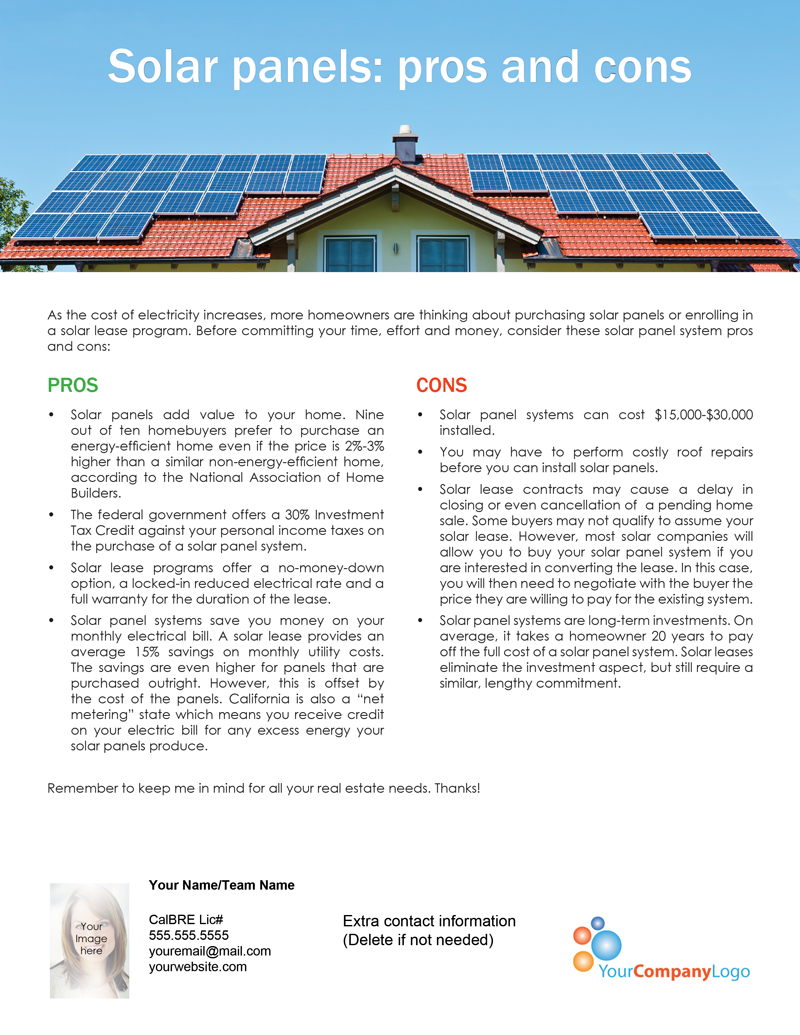
Rooftop solar panels are a powerful investment, offering substantial financial, environmental, and personal benefits for the right homeowner. The dream of reduced bills, increased home value, and a smaller carbon footprint is very real. However, it’s not a one-size-fits-all solution.
The key lies in careful consideration of the upfront costs, the unique characteristics of your roof, and understanding the performance implications of weather and grid connection. By meticulously researching, assessing your personal circumstances, and getting detailed proposals from multiple reputable providers, you can confidently determine if strapping those shining panels to your roof is the smart, sustainable move for your home and your future.
”
Frequently Asked Questions
How long do solar panels typically last on a roof?
Most high-quality solar panels come with performance warranties of 25 years, guaranteeing a certain output level. However, the physical lifespan of the panels often extends beyond that, lasting 30-40 years or even more with proper care and maintenance.
Do solar panels damage your roof during installation or over time?
Professional installation involves drilling into the roof to secure the mounting hardware. Reputable installers use flashing and sealants to prevent leaks and often provide their own roof penetration warranty. While there’s a minor risk with any roof penetration, damage from a properly installed system is rare. Over time, panels can actually protect the roof area they cover from UV rays and weather degradation.
Can I install solar panels on an old roof?
It’s generally not recommended to install solar panels on an old roof (e.g., nearing the end of its lifespan, typically 10-15 years or older). Given that panels last for decades, it’s more cost-effective to replace or repair an old roof before solar installation. Removing and reinstalling panels for a future roof replacement is an additional, significant expense.
What happens to solar panels during a power outage?
Standard grid-tied solar panel systems automatically shut down during a power outage. This is a safety feature (called ‘anti-islanding’) to protect utility workers. To keep your lights on during an outage, you need to invest in a solar battery storage system that can store excess energy and provide backup power when the grid goes down.
Are solar panels worth it in cold or cloudy climates?
Yes, solar panels can still be highly effective in colder or sometimes cloudy climates. Solar panels are actually more efficient at cooler temperatures. While heavy snow can temporarily block production, modern panels are designed to shed snow, and less direct sunlight still produces electricity. Your location’s specific solar resource and local incentives are key factors, so a detailed site assessment is crucial.
How much maintenance do rooftop solar panels require?
Rooftop solar panels are surprisingly low maintenance. Rain typically washes away most dirt and debris. In very dry or dusty areas, a periodic rinse with a hose might be beneficial. Beyond that, occasional checks by the installer for wiring or inverter issues (often monitored remotely) are usually sufficient. There are no moving parts, so wear and tear is minimal.
Do solar panels increase home insurance costs?
Often, yes. Your home insurance provider typically needs to be informed about the addition of solar panels, as they represent a significant addition to your home’s value and sometimes a slightly increased risk profile. The increase is usually minor, but it’s essential to contact your insurer to ensure proper coverage for your new system.


Post Comment