Pros And Cons Of Solar Energy To The Environment
Solar Energy and the Environment: A Deep Dive into Its True Pros and Cons
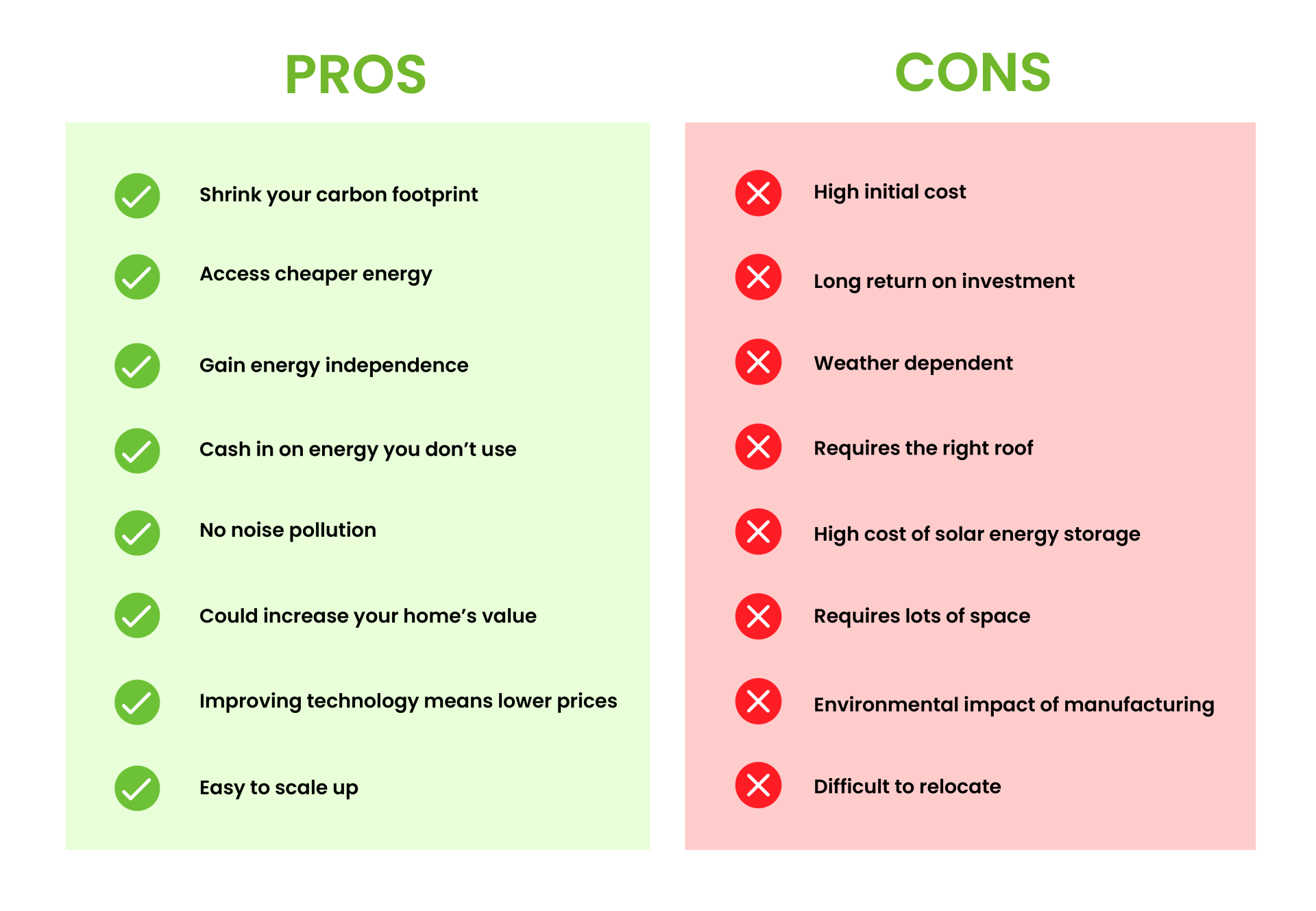
Thinking about solar? You’ve probably heard it’s “clean” and “green.” And largely, you’d be right. Solar energy is a powerful ally in our fight against climate change. But, like any technology, its relationship with the environment isn’t a simple black-and-white picture. It has nuances, trade-offs, and a full lifecycle that deserves a closer look.
Table of Contents
- Solar Energy and the Environment: A Deep Dive into Its True Pros and Cons
- The Unquestionable Environmental Benefits of Solar Energy
- Zero Operational Emissions: The Air We Breathe
- Renewable and Abundant: A Sustainable Resource
- Minimal Water Usage (Compared to Traditional Power)
- Lifecycle Carbon Footprint: A Net Positive
- Unpacking the Environmental Challenges and Considerations of Solar Energy
- Manufacturing’s Footprint: From Silicon to Sunlight
- Land Use Requirements: A Balancing Act
- Water Consumption in Production and Cleaning
- End-of-Life Concerns: Recycling and Disposal
- Visual Pollution and Aesthetic Impact
- The Net Environmental Impact: Weighing the Scales
- A Comparative Look: Solar vs. Fossil Fuels
- Addressing the Challenges: Innovations and Solutions
- What You Can Do: Making Environmentally Conscious Solar Choices
- Choose Reputable Manufacturers with Strong Sustainability Practices
- Consider Panel Longevity and Warranty
- Advocate for Robust Recycling Programs
- Optimize Installation for Minimal Land Impact
- The Future of Solar: Greener Horizons
- Conclusion: Harnessing the Sun Responsibly
As we transition from fossil fuels to renewable sources, it’s crucial to understand the entire environmental footprint of solar power – from the moment raw materials are extracted to the day a panel is retired. My goal here is to cut through the marketing jargon and give you the real, balanced story of solar energy’s environmental pros and cons.
The Unquestionable Environmental Benefits of Solar Energy
Let’s start with where solar truly shines: its incredible advantages for our planet once it’s up and running.
Zero Operational Emissions: The Air We Breathe
This is solar’s marquee benefit. Once a solar panel system is installed and generating electricity, it produces absolutely no greenhouse gas emissions or air pollutants. Think about that for a moment. No carbon dioxide, no sulfur dioxide, no nitrogen oxides, and no particulate matter – all nasty byproducts of burning fossil fuels that contribute to smog, acid rain, and respiratory illnesses.
- Reduced Greenhouse Gases (GHGs): By replacing electricity generated from coal or natural gas, solar power directly reduces the amount of carbon dioxide and other GHGs entering our atmosphere, directly mitigating climate change.
- Improved Air Quality: Lower emissions mean cleaner air, which translates to fewer cases of asthma, bronchitis, and other respiratory and cardiovascular diseases, especially in urban areas close to power plants. This is a massive public health win.
Renewable and Abundant: A Sustainable Resource
The sun is, quite literally, an infinite energy source for all practical human purposes. Every hour, enough sunlight hits the Earth to power the entire world for a year. Harnessing this power is the epitome of sustainability.
- Infinite Supply: Unlike finite fossil fuels (coal, oil, natural gas) that are depleting and becoming harder to extract, the sun will shine for billions more years. This ensures a long-term, stable energy supply for humanity.
- Reduced Reliance on Fossil Fuels: Shifting to solar means less mining, drilling, and fracking, which in turn reduces the environmental devastation associated with these activities, including habitat destruction, water contamination, and land degradation.
- Energy Independence: For nations and individual homeowners, relying on the sun for power reduces geopolitical tensions tied to fossil fuel imports and strengthens local energy security.
Minimal Water Usage (Compared to Traditional Power)
Traditional thermal power plants (coal, nuclear, natural gas) are enormous consumers of water, primarily for cooling purposes. This can put significant strain on local water resources, especially in drought-prone areas.
Photovoltaic (PV) solar panels, which convert sunlight directly into electricity, require virtually no water for operation. Concentrated Solar Power (CSP) plants, which use mirrors to concentrate sunlight to heat fluid and generate steam for turbines, do use water for cooling, similar to conventional power plants, but PV is the dominant and fastest-growing solar technology globally.
Lifecycle Carbon Footprint: A Net Positive
While solar panels have an initial carbon footprint from manufacturing and transportation (which we’ll discuss as a ‘con’), studies consistently show that they “pay back” this carbon debt relatively quickly. The energy payback time for solar panels – the time it takes for a solar panel to generate the amount of energy equivalent to the energy used to produce it – is typically between 1 to 4 years, depending on the technology and location.
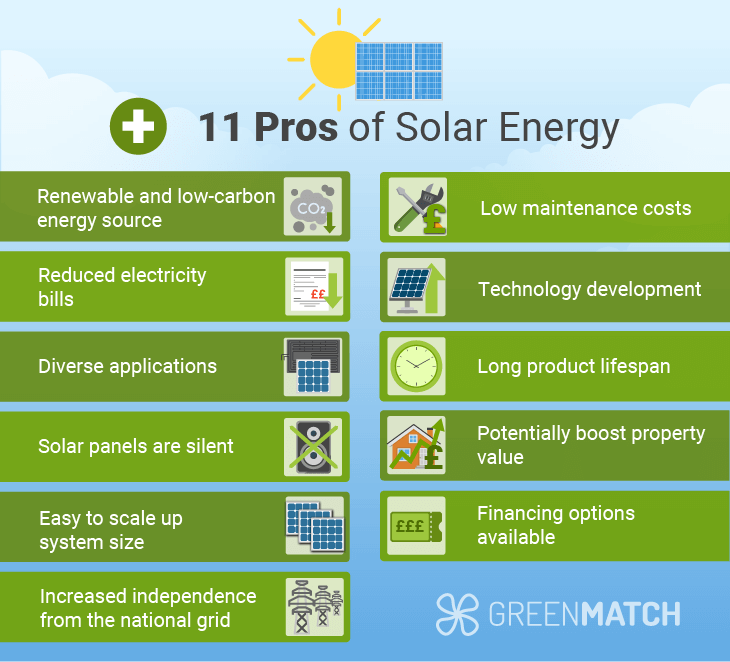
Considering panels typically last 25-30 years, they generate clean, emission-free electricity for decades after their initial energy and carbon investment has been recovered. Here’s a comparative look at the lifecycle greenhouse gas emissions:
| Energy Source | Lifecycle Greenhouse Gas Emissions (gCO2eq/kWh) |
|---|---|
| Coal | 900 – 1000 |
| Natural Gas (Combined Cycle) | 400 – 500 |
| Nuclear | 10 – 50 |
| Hydroelectric | 10 – 30 |
| Solar PV (Utility-scale) | 20 – 50 |
| Wind (Onshore) | 10 – 20 |
(Source: IPCC, NREL. Ranges reflect different technologies, locations, and assumptions.)
As you can see, solar PV’s lifecycle emissions are competitive with, and often lower than, other leading low-carbon sources like nuclear and hydropower, and drastically lower than fossil fuels.
Unpacking the Environmental Challenges and Considerations of Solar Energy
Now, let’s explore the less rosy aspects – the environmental impacts that occur throughout solar’s lifecycle, particularly during manufacturing and at the end of a panel’s life.
Manufacturing’s Footprint: From Silicon to Sunlight
Creating solar panels isn’t a zero-impact process. It requires significant energy and specific raw materials, which have their own environmental costs.
- Energy-Intensive Production: The process of purifying silicon, the main component of most PV panels, is highly energy-intensive. While manufacturers are increasingly using renewable energy in their factories, some still rely on fossil fuels, contributing to emissions in the supply chain.
- Chemical Use: Various chemicals, including hydrofluoric acid, sodium hydroxide, and others, are used in the etching and cleaning processes during manufacturing. Proper handling and disposal are critical to prevent soil and water contamination.
- Mining for Raw Materials: Solar panels contain a range of materials, some of which are mined. While silicon is abundant, other components like silver, copper, and trace amounts of rare earth elements or hazardous materials (cadmium, lead, selenium in some older or thin-film panels) require extraction. Mining operations can lead to habitat destruction, soil erosion, water pollution, and social impacts if not managed responsibly.
| Raw Material | Primary Role in Solar Panel | Environmental Consideration(s) |
|---|---|---|
| Silicon | Semiconductor (main component) | Energy-intensive purification, carbon emissions from smelting. |
| Aluminum | Frame and mounting structures | Bauxite mining impacts, energy-intensive production. |
| Glass | Front protective layer | Sand extraction, energy use in manufacturing. |
| Copper | Wiring, electrical contacts | Mining impacts (habitat loss, water pollution). |
| Silver | Electrical contacts (small amounts) | Mining impacts, water use, potential for heavy metal contamination. |
| Cadmium/Tellurium | Thin-film cells (CdTe) | Scarcity, toxicity concerns if not properly recycled. |
Land Use Requirements: A Balancing Act
Large-scale solar farms (utility-scale installations) can require significant tracts of land. While rooftops and brownfield sites are excellent options, not all solar can be deployed there.
- Habitat Disruption: Developing large solar farms can impact ecosystems, displacing wildlife and fragmenting habitats. Careful siting and environmental impact assessments are crucial to minimize this.
- Agricultural Land Conversion: In some cases, prime agricultural land might be converted for solar development, raising concerns about food security and landscape changes.
- Soil Disturbance: Site preparation, grading, and installation can disturb soil, leading to erosion or changes in local hydrology.
It’s important to remember that fossil fuel extraction and power plants also require vast land areas, often with much more destructive impacts than solar farms.
Water Consumption in Production and Cleaning
While operational water use for PV is minimal, water is consumed during the manufacturing process, particularly in silicon purification and panel assembly. Additionally, in very dusty or arid regions, water may be used for cleaning panels to maintain efficiency, though this is often a small amount compared to agricultural or industrial use.
End-of-Life Concerns: Recycling and Disposal
This is an increasingly important environmental challenge. Solar panels have a long lifespan, but they aren’t immortal. As the first wave of panels installed in the 2000s begins to reach its end-of-life, the volume of solar e-waste is set to grow significantly.

- Waste Generation: Millions of tons of panels will eventually need disposal or recycling. Landfilling panels means losing valuable materials and potentially leaching hazardous substances (like lead or cadmium from older/specific panel types) into the environment if not managed properly.
- Recycling Challenges: Current recycling processes for solar panels are complex and often not yet economically viable at scale. Panels are made of multiple layers of glass, silicon, metal, and plastic, which are difficult and costly to separate efficiently.
- Material Recovery: While glass and aluminum frames are relatively easy to recycle, recovering high-purity silicon and other valuable materials like silver efficiently and affordably remains a hurdle.
Visual Pollution and Aesthetic Impact
While subjective, some argue that large solar farms or even rooftop installations can be visually intrusive, altering natural landscapes or changing the aesthetic of neighborhoods. This is an environmental impact related to human perception and interaction with the built environment, rather than a direct ecological one, but it is a consideration.
The Net Environmental Impact: Weighing the Scales
So, where does that leave us? When you weigh the substantial, long-term benefits of zero operational emissions and a renewable resource against the lifecycle impacts of manufacturing, land use, and disposal, the conclusion is clear:
A Comparative Look: Solar vs. Fossil Fuels
Solar energy, despite its environmental challenges, offers a profound net positive impact compared to conventional fossil fuel energy generation. The continuous, decades-long emission-free electricity generation vastly outweighs the temporary, localized impacts of manufacturing and installation. The carbon payback period is short, meaning solar panels spend the vast majority of their operational life actively reducing greenhouse gas emissions.
Consider the alternative: continued reliance on fossil fuels means ongoing air and water pollution, habitat destruction from extraction, massive water consumption, and the irreversible consequences of climate change from continuous GHG emissions. Solar’s challenges, while real, are largely addressable through technology, policy, and responsible practices.
Addressing the Challenges: Innovations and Solutions
The good news is that the solar industry is acutely aware of these challenges and is constantly innovating to mitigate them:
- Improved Manufacturing Efficiency: Manufacturers are continuously refining processes to reduce energy consumption, minimize chemical use, and decrease waste generation in panel production.
- Advanced Recycling Technologies: New methods are being developed to more efficiently and economically separate and recover materials from end-of-life panels, turning them into valuable resources for new panels.
- Sustainable Material Sourcing: Focus is increasing on tracing raw materials to ensure they come from ethically and environmentally responsible mines, or developing panels with more abundant and less problematic materials.
- Smart Land Use Planning: Policymakers and developers are increasingly prioritizing solar installations on rooftops, brownfield sites, industrial zones, or by implementing agrivoltaics (combining solar with agriculture) to maximize land use efficiency and minimize ecological disruption.
What You Can Do: Making Environmentally Conscious Solar Choices
As a consumer or advocate, you have power to influence the environmental trajectory of solar. Here’s how you can make a difference:
Choose Reputable Manufacturers with Strong Sustainability Practices
Research companies that prioritize sustainable manufacturing, have transparent supply chains, and invest in ethical sourcing and recycling initiatives. Look for certifications that indicate environmental responsibility.
Consider Panel Longevity and Warranty
A longer-lasting panel means a longer period of clean energy generation, further amortizing its initial environmental footprint. Quality panels with strong warranties (e.g., 25+ years) are a good indicator of durability and a manufacturer’s confidence in their product.
Advocate for Robust Recycling Programs
Support policies and companies that promote and invest in comprehensive solar panel recycling infrastructure. As a homeowner, inquire about recycling options when your panels eventually reach end-of-life.
Optimize Installation for Minimal Land Impact
If you’re considering solar, rooftop installations are almost always the most environmentally friendly option as they utilize existing space. For larger projects, advocate for development on disturbed lands rather than pristine ecosystems.
The Future of Solar: Greener Horizons
The solar industry is far from stagnant. Researchers are developing next-generation technologies that promise even lower environmental footprints:
- Perovskite Cells: These emerging solar cell technologies potentially offer higher efficiencies, lower manufacturing costs, and could use more abundant and less toxic materials than traditional silicon.
- Transparent and Flexible Solar: Imagine windows that generate power or thin films integrated into building materials, further reducing land use.
- Circular Economy Principles: The industry is moving towards designing panels for easier disassembly and material recovery, closing the loop on valuable resources and minimizing waste.
Conclusion: Harnessing the Sun Responsibly
Solar energy is undeniably one of our most critical tools in building a sustainable future. Its ability to generate electricity without air pollution or greenhouse gas emissions is a game-changer for environmental health and climate stability. However, it’s not without its own set of environmental considerations, primarily concentrated in its manufacturing and end-of-life phases.
The good news is that these challenges are being actively addressed through innovation, improved practices, and policy. By understanding both the profound benefits and the solvable challenges, we can make informed decisions, support responsible solar development, and ensure that our transition to a solar-powered world is as green as possible. The sun offers an incredible bounty; our responsibility is to harvest it wisely.
Frequently Asked Questions
Is solar energy truly 100% clean?
While solar panels produce no emissions during operation, their manufacturing process, transportation, and eventual disposal do have environmental impacts. However, studies show that solar panels generate far more clean energy over their lifespan than the energy consumed and pollution created during their production, resulting in a significant net positive environmental benefit compared to fossil fuels.
What is the carbon footprint of a solar panel?
The carbon footprint of a solar panel primarily comes from its manufacturing and transportation. However, panels typically have a ‘carbon payback time’ of 1-4 years, meaning they generate enough clean energy to offset their production emissions within this period. For the rest of their 25-30 year lifespan, they actively reduce overall carbon emissions.
Do solar panels use rare earth materials?
Most common crystalline silicon solar panels use very few, if any, rare earth materials. Some thin-film technologies (like Cadmium Telluride – CdTe) use small amounts of specific elements which are not considered ‘rare earths’ but may have supply chain or toxicity concerns. The vast majority of PV panels rely on abundant materials like silicon, glass, and aluminum.
What happens to solar panels at the end of their life?
At the end of their 25-30 year lifespan, solar panels become waste. Ideally, they should be recycled to recover valuable materials like silicon, silver, copper, and glass. Currently, recycling infrastructure is still developing, but efforts are underway to make solar panel recycling more efficient and economically viable to prevent landfilling and recover resources.
Does solar energy require a lot of land?
Utility-scale solar farms can require significant land, leading to concerns about habitat disruption or conversion of agricultural land. However, solutions like agrivoltaics (combining solar with agriculture), prioritizing rooftop installations, and utilizing brownfield sites are being implemented to minimize land use impact. Compared to the land required for fossil fuel extraction and transport, solar’s land footprint can be managed more sustainably.
Are chemicals used in solar panel manufacturing harmful?
Yes, various chemicals, including some hazardous ones like hydrofluoric acid, are used in the etching and cleaning processes during solar panel manufacturing. However, reputable manufacturers adhere to strict environmental regulations and employ closed-loop systems and responsible disposal practices to minimize their environmental impact and ensure worker safety. Continuous innovation aims to reduce reliance on such chemicals.
How does solar panel water usage compare to other energy sources?
Photovoltaic (PV) solar panels require very little to no water for operation, which is a major environmental advantage. While water is used during manufacturing and occasionally for cleaning panels in dusty areas, this is significantly less than the massive amounts of water consumed by traditional thermal power plants (coal, natural gas, nuclear) primarily for cooling.


Post Comment