How Does Solar Energy Work Video
How Solar Energy Works: Your Definitive Guide to Turning Sunlight into Power
Ever gazed at a solar panel and wondered, “How on earth does that black rectangle turn sunshine into electricity?” You’re not alone. The concept of harnessing the sun’s immense power might seem like magic, but I’m here to tell you it’s pure, elegant science. Forget the jargon, forget the complexity. I’m going to break down the entire process for you, from the tiny particles of light hitting a panel to the electricity flowing through your home. Let’s unravel the mystery of solar energy together.
Table of Contents
- How Solar Energy Works: Your Definitive Guide to Turning Sunlight into Power
- The Core Principle: The Photovoltaic Effect
- What is Photovoltaics?
- The Semiconductor Secret: Silicon
- Creating the Electric Field: N-Type and P-Type Layers
- From Sunlight to Electricity: The Journey Through a Solar Panel
- Components of a Solar Panel
- Step-by-Step: How Photons Release Electrons
- Direct Current (DC) vs. Alternating Current (AC): Why Inverters are Essential
- Beyond the Panel: What Happens Next?
- The Role of the Inverter: DC to AC Conversion
- Powering Your Home: Direct Use
- The Grid-Tie System: Net Metering Explained
- Storing the Sun’s Power: Battery Systems
- Why Battery Storage Matters
- Types of Solar Batteries
- Real-World Applications: Where Solar Shines
- Residential Solar: Empowering Homeowners
- Commercial and Industrial Scale
- Beyond the Grid: Remote Power Solutions
- The Benefits of Harnessing Solar Energy
- Environmental Impact: A Greener Future
- Economic Advantages: Savings and Incentives
- Energy Independence and Security
- Common Misconceptions About Solar Power
- “Doesn’t work on cloudy days.”
- “It’s too expensive for the average homeowner.”
- “Solar panels require constant maintenance.”
- The Future of Solar: Innovations and Trends
- Increased Efficiency and New Materials
- Smart Grids and Integrated Systems
- Solar Beyond Rooftops: Agrivoltaics, Floating Solar
- Conclusion: Your Power, Your Future
The Core Principle: The Photovoltaic Effect
At the heart of every solar panel lies a phenomenon called the photovoltaic effect. It’s not as complicated as it sounds; in fact, it’s the fundamental “aha!” moment that makes solar power possible.
What is Photovoltaics?
Simply put, “photovoltaic” combines “photo” (meaning light) and “voltaic” (meaning electricity). So, the photovoltaic effect is the process by which certain materials directly convert light into electricity. Think of it like a tiny, silent spark ignited by sunlight.
The Semiconductor Secret: Silicon
The star player in this conversion process is a material called silicon. Silicon isn’t just common – it’s the second most abundant element in the Earth’s crust, found in sand. In its pure form, silicon is a semiconductor, meaning it can conduct electricity under certain conditions, but not as freely as a metal. This “controlled” conductivity is exactly what we need for solar panels.
Creating the Electric Field: N-Type and P-Type Layers
To make silicon work its magic, we have to “dope” it. This means adding tiny amounts of other elements to create two distinct layers within the silicon cell:
- N-type (Negative) Silicon: This layer is doped with elements like phosphorus, which have an extra electron. This creates a surplus of free electrons, making the layer negatively charged.
- P-type (Positive) Silicon: This layer is doped with elements like boron, which have one fewer electron. This creates “holes” where electrons are missing, making the layer positively charged.
When these two layers are placed next to each other, a crucial junction forms. The free electrons from the N-type try to fill the holes in the P-type, creating an internal electric field – like a tiny, built-in battery. This electric field is the silent bouncer that will push electrons in one direction once light gets involved.
From Sunlight to Electricity: The Journey Through a Solar Panel
Now that we understand the basic science, let’s follow the journey of sunlight as it transforms into usable power within a typical solar panel, also known as a photovoltaic (PV) module.
Components of a Solar Panel
A solar panel isn’t just a single piece of silicon. It’s a carefully engineered sandwich of several layers, each playing a vital role:
- Glass: The top layer, typically tempered glass, protects the delicate silicon cells from weather, dirt, and impact. It’s designed to be highly transparent to allow maximum sunlight through.
- EVA (Ethylene Vinyl Acetate) Film: Two layers of EVA encapsulate the silicon cells, holding them in place and protecting them from vibrations and moisture. It’s a durable, UV-resistant polymer.
- Silicon Photovoltaic Cells: These are the core engines, arranged in a grid. Each cell is where the photovoltaic effect actually occurs.
- Backsheet: The bottom layer, usually made of a polymer composite, provides electrical insulation and further protection from environmental factors.
- Aluminum Frame: A sturdy frame surrounds the edges, giving the panel structural integrity for mounting and protection.
- Junction Box: Mounted on the back, this box houses the electrical wiring and bypass diodes, connecting the panel to the rest of the solar system.
Step-by-Step: How Photons Release Electrons
Here’s the simplified sequence of events when sunlight strikes a solar panel:
- Photons Arrive: Sunlight is made up of tiny packets of energy called photons. When these photons strike the silicon cells, they transfer their energy to the electrons within the silicon atoms.
- Electrons Get Excited: If a photon has enough energy, it “knocks” an electron loose from its atom in the silicon. These are now free electrons.
- Electric Field Pushes Electrons: Remember that internal electric field we created with the N-type and P-type layers? This field acts like a one-way street, pushing the free electrons from the P-type layer to the N-type layer.
- Current Flows: To complete their journey, these electrons are collected by thin metal conductive strips (called busbars and finger grids) on the surface of the silicon cell. From there, they flow through an external circuit – the wiring – back to the P-type side, creating a continuous flow of electricity. This flow is called direct current (DC).
Direct Current (DC) vs. Alternating Current (AC): Why Inverters are Essential
The electricity generated by solar panels is Direct Current (DC). This means the electrons flow in only one direction. However, almost all modern homes and appliances use Alternating Current (AC), where the electrons periodically reverse direction. This is where a crucial piece of equipment comes in: the inverter.
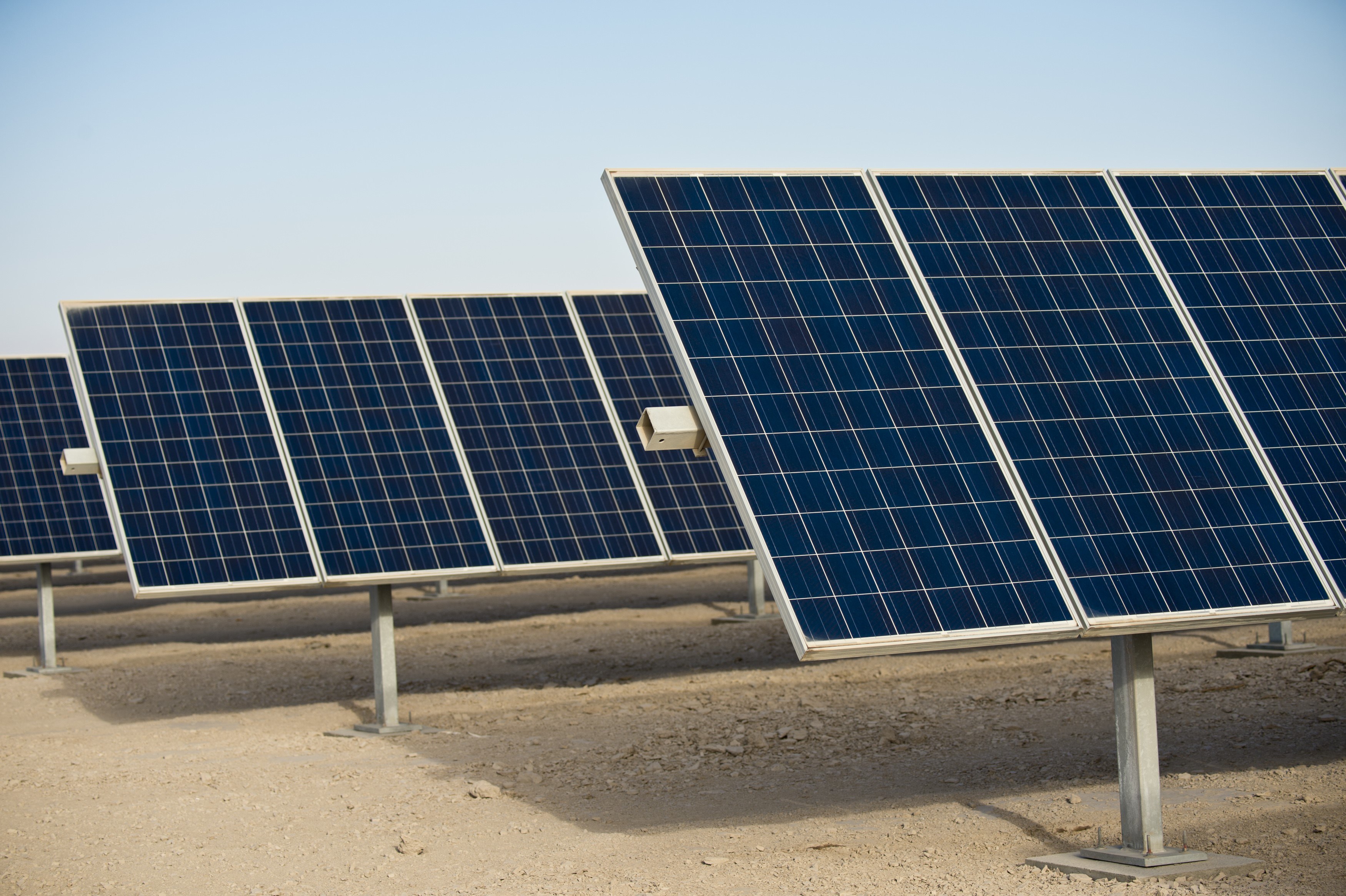
An inverter is the translator of your solar system. It takes the DC electricity from your solar panels and converts it into usable AC electricity for your home. Without it, the power from your panels would be incompatible with most of your electrical devices.
| Component | Primary Function | Why It’s Crucial |
|---|---|---|
| Solar Panels (PV Modules) | Convert sunlight (photons) into Direct Current (DC) electricity via the photovoltaic effect. | The fundamental power generators of the system. Without them, no solar electricity. |
| Inverter (String, Micro, or Hybrid) | Converts DC electricity from panels into Alternating Current (AC) usable by homes and the grid. | Makes solar electricity compatible with standard home appliances and the utility grid. |
| Mounting System (Racking) | Secures panels to the roof or ground, ensuring optimal tilt and orientation. | Provides structural integrity, safety, and maximizes solar exposure. |
| Electrical Wiring & Disconnects | Transports electricity between components and allows for safe system shutdown. | Ensures efficient and safe flow of electricity throughout the system. |
| Monitoring System | Tracks system performance, production, and energy consumption (often via an app). | Allows homeowners to see their savings, identify issues, and optimize energy use. |
| Battery Storage (Optional) | Stores excess solar electricity for later use, especially during outages or at night. | Increases energy independence, provides backup power, and allows for time-of-use optimization. |
Beyond the Panel: What Happens Next?
Once your solar panels have converted sunlight into AC electricity, where does it go? The path it takes depends on whether you have a grid-tied system, an off-grid system, or a hybrid system with battery storage.
The Role of the Inverter: DC to AC Conversion
We touched on this, but it’s worth reiterating: the inverter is absolutely critical. It’s not just a simple conversion device; modern inverters (like microinverters or string inverters with optimizers) can also monitor panel performance, report data, and even handle grid-connection protocols. They are the brains that make your solar power intelligent and usable.
Powering Your Home: Direct Use
The first priority for the newly converted AC electricity is usually your home. As your panels generate power, it immediately feeds into your electrical panel, supplying electricity to your appliances, lights, and devices. If you’re generating more than you’re using, that’s where the grid or batteries come into play.
The Grid-Tie System: Net Metering Explained
Most residential solar systems in the USA are grid-tied. This means your solar system remains connected to your utility company’s electrical grid. This connection offers several key advantages:
- Backup Power: If your solar panels aren’t producing enough (e.g., at night or on very cloudy days), you seamlessly draw electricity from the grid.
- Net Metering: This is a powerful financial incentive. When your solar panels produce more electricity than your home needs, the excess is sent back to the utility grid. Your utility meter literally spins backward (or digitally credits you), and you receive credit for that energy. This credit then offsets the electricity you draw from the grid at other times. Essentially, the grid acts as a giant, free battery for your excess solar production.
The rules for net metering vary by state and utility, but the core idea is to encourage homeowners to generate their own power by making the financial benefits clear.
| Feature | Grid-Tied System | Off-Grid System |
|---|---|---|
| Connection to Utility Grid | Yes, connected and interacts with the utility grid. | No, completely independent of the utility grid. |
| Energy Storage (Batteries) | Optional, but increasingly common for backup or time-of-use optimization. | Essential, required to store energy for use during non-production periods. |
| Backup Power Source | Utility grid, and/or optional batteries. Does *not* work during grid outages without batteries. | Batteries, and often a backup generator. |
| Complexity & Cost | Generally lower initial cost, simpler installation, leveraging existing grid infrastructure. | Higher initial cost due to significant battery bank requirements and deeper system design. |
| Ideal Scenario For | Most residential and commercial properties with grid access, aiming to reduce bills and carbon footprint. | Remote properties without grid access, or those seeking absolute energy independence. |
Storing the Sun’s Power: Battery Systems
While net metering is fantastic, it doesn’t give you full energy independence, especially during a grid outage. That’s where solar battery storage comes in.
Why Battery Storage Matters
Solar batteries allow you to store the excess electricity your panels produce during the day instead of sending it all back to the grid. This stored energy can then be used at night, on cloudy days, or most importantly, during a power outage to keep essential appliances running. It moves you closer to true energy self-sufficiency.
Types of Solar Batteries
The most common type of battery for residential solar is lithium-ion, similar to what’s in your smartphone or electric car, but on a much larger scale. Other technologies like lead-acid batteries are still used, especially in smaller or older off-grid systems, but lithium-ion generally offers higher efficiency, longer lifespan, and greater depth of discharge.
Real-World Applications: Where Solar Shines
The beauty of solar energy is its versatility. It’s not just for sunny desert landscapes; it’s powering a diverse range of needs across the globe.
Residential Solar: Empowering Homeowners
This is probably the most visible application. Millions of homeowners are installing solar panels on their roofs, reducing their electricity bills, increasing their property value, and contributing to a cleaner environment. It’s a tangible way for individuals to take control of their energy consumption.

Commercial and Industrial Scale
Businesses, factories, and large institutions are also heavily investing in solar. Large rooftop arrays, solar carports, and even vast solar farms are generating significant amounts of electricity to power operations, reduce operating costs, and meet sustainability goals. Think of big box stores or data centers – many are now partially or fully powered by solar.
Beyond the Grid: Remote Power Solutions
For areas without access to a traditional electrical grid, solar is a lifeline. Remote cabins, telecommunications towers, agricultural pumps, and even streetlights in developing regions rely on standalone solar systems. Solar power enables development and connectivity in places where conventional electricity infrastructure is simply too expensive or impractical to build.
The Benefits of Harnessing Solar Energy
Understanding how solar works is one thing; appreciating its impact is another. The advantages of transitioning to solar power are multifaceted and compelling.
Environmental Impact: A Greener Future
The most widely recognized benefit is solar’s role in combating climate change. Solar electricity produces zero greenhouse gas emissions during operation. By reducing our reliance on fossil fuels, solar power helps decrease air pollution, water pollution, and the overall carbon footprint, contributing to a healthier planet for everyone.
Economic Advantages: Savings and Incentives
For homeowners and businesses, the economic benefits are substantial:
- Reduced or Eliminated Electricity Bills: This is often the primary driver for adoption. Once installed, sunlight is free.
- Increased Property Value: Homes with solar panels often sell faster and at a premium.
- Government Incentives: Federal tax credits (like the Investment Tax Credit), state rebates, and local programs can significantly reduce the upfront cost of installation.
- Protection Against Rising Energy Costs: With solar, you lock in your energy costs, insulating yourself from volatile utility rate hikes.
Energy Independence and Security
Generating your own power means less reliance on a centralized grid, which can be vulnerable to natural disasters, cyberattacks, or infrastructure failures. With battery storage, solar systems can provide true energy independence, offering peace of mind during outages and enhancing national energy security.
Common Misconceptions About Solar Power
Despite its growing popularity, solar energy is still subject to several myths. Let’s debunk a few of the most common ones.
“Doesn’t work on cloudy days.”
False! While direct sunlight yields the highest output, solar panels still generate electricity on cloudy or overcast days. They capture diffuse or indirect sunlight, just at a reduced efficiency. Think of it like a sunny day providing a full sprint, and a cloudy day providing a steady jog.
“It’s too expensive for the average homeowner.”
While the initial investment can be significant, the cost of solar has plummeted over the last decade. Coupled with generous incentives, financing options (like loans and leases), and the long-term savings on electricity bills, solar is increasingly affordable and offers a compelling return on investment for many households.
“Solar panels require constant maintenance.”
Not true. Solar panels are remarkably durable and require minimal maintenance. Rain often helps wash away dust and dirt. Periodic cleaning (once or twice a year, depending on your environment) and occasional system checks are usually all that’s needed to ensure optimal performance.
The Future of Solar: Innovations and Trends
Solar technology isn’t standing still. Researchers and engineers are constantly pushing the boundaries, promising an even brighter future for solar power.
Increased Efficiency and New Materials
New materials like perovskites are showing incredible promise for higher efficiency and lower manufacturing costs. Thin-film solar cells, transparent solar cells for windows, and flexible panels are also expanding the possibilities of where and how solar can be integrated.
Smart Grids and Integrated Systems
The future involves more intelligent integration of solar into smart grids. This means better management of renewable energy sources, more efficient energy distribution, and advanced technologies that allow homes to interact seamlessly with the grid, optimizing both production and consumption.
Solar Beyond Rooftops: Agrivoltaics, Floating Solar
Innovation is moving beyond traditional rooftop installations. Agrivoltaics, for example, involves co-locating solar panels with agriculture, allowing land to be used for both food and energy production. Floating solar (floatovoltaics) utilizes bodies of water like reservoirs for solar farms, saving valuable land space and potentially increasing efficiency due to cooler temperatures.
Conclusion: Your Power, Your Future
So, how does solar energy work? It’s the elegant dance of photons and electrons, harnessed by specially designed silicon cells, transformed by an inverter, and delivered directly to your home or back to the grid. It’s a technology that’s no longer on the fringes but at the forefront of our energy future.
Understanding the “how” demystifies solar power, transforming it from an abstract concept into a powerful, tangible solution for energy independence and environmental stewardship. The sun rises every day, offering an inexhaustible supply of clean energy. The question isn’t if we should use it, but how quickly we can embrace its full potential.
Frequently Asked Questions
Do solar panels work at night?
No, solar panels do not produce electricity at night because they require sunlight (photons) to generate power through the photovoltaic effect. During nighttime hours, homes typically draw electricity from the utility grid or from stored energy in a solar battery system if one is installed.
What is the lifespan of a typical solar panel?
Most solar panels come with a performance warranty of 25 to 30 years, guaranteeing that they will still produce at least 80-85% of their original output after that period. The physical panels themselves can last even longer, often 30-40 years or more, continuing to generate power, albeit at a slightly reduced efficiency.
Can I power my entire home with solar energy?
Yes, it is possible to power your entire home with solar energy, either by being grid-tied with net metering (where the grid supplements your power and stores excess) or by going completely off-grid with a robust battery storage system. The feasibility depends on your home’s energy consumption, available roof space, local sunlight, and budget.
What happens to my solar system during a power outage?
Most grid-tied solar systems are designed to automatically shut down during a power outage (known as ‘anti-islanding’). This is a safety measure to protect utility workers who might be repairing the lines. If you have a solar battery storage system, however, it can often be configured to switch over and provide backup power to essential circuits in your home during an outage.
Are solar panels bad for the environment when they’re manufactured or disposed of?
The manufacturing process of solar panels does have an environmental footprint, similar to other industrial processes. However, studies show that panels generate far more clean energy over their lifespan than is used in their production. Regarding disposal, recycling programs for solar panels are increasingly becoming available to recover valuable materials and minimize waste, addressing end-of-life concerns.
How much maintenance do solar panels require?
Solar panels generally require very little maintenance. Rain often keeps them clean, but a periodic rinse with water (once or twice a year, depending on dust/pollen in your area) can help maintain optimal efficiency. It’s also wise to have a professional inspection every few years to ensure all components are functioning correctly.


Post Comment