Types Of Solar Panels Available In India
Decoding India’s Solar Landscape: A Deep Dive into Solar Panel Types
When we talk about the global solar energy revolution, India stands as a colossal, dynamic player. Its burgeoning energy demand, coupled with aggressive renewable energy targets, makes it a fascinating microcosm for solar technology adoption and innovation. While you might be based in the USA, understanding the types of solar panels prevalent in a market as vast and diverse as India offers crucial insights into global energy trends, technological evolution, and the economic drivers shaping the future of solar worldwide.
Table of Contents
- Decoding India’s Solar Landscape: A Deep Dive into Solar Panel Types
- The Big Three: Understanding the Dominant Solar Panel Technologies in India
- 1. Monocrystalline Solar Panels: The Efficiency King
- 2. Polycrystalline Solar Panels: The Cost-Effective Workhorse
- 3. Thin-Film Solar Panels: Versatility Beyond the Roof
- Beyond the Basics: Advanced & Emerging Solar Panel Types Gaining Traction in India
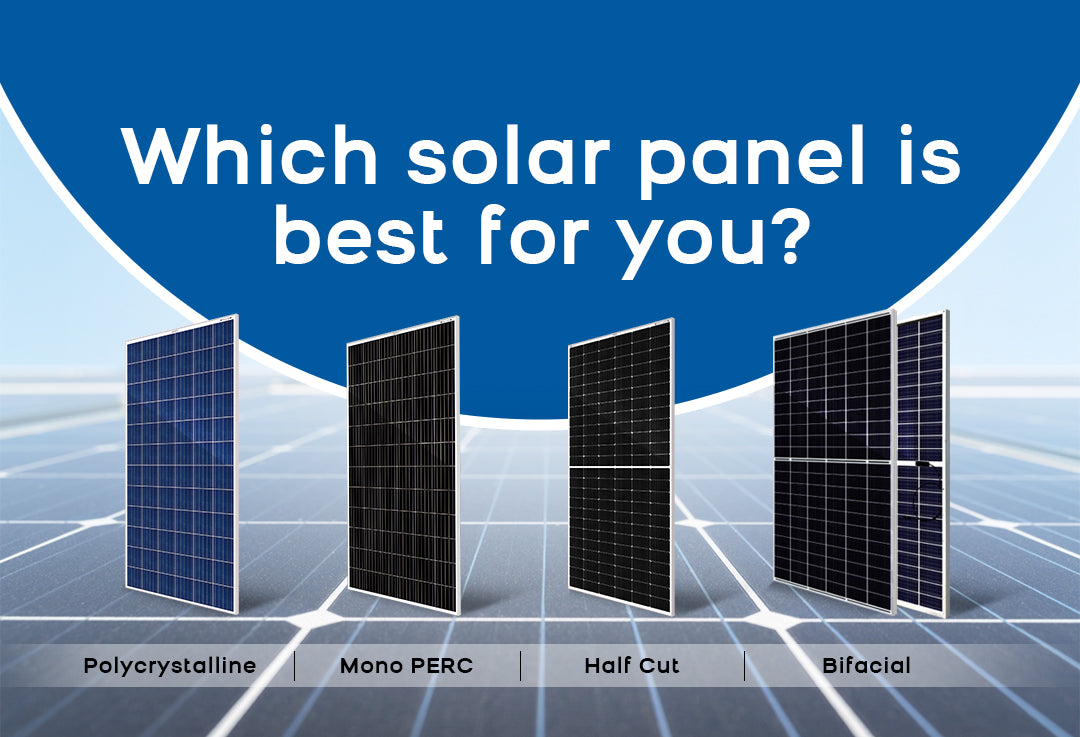
- 4. Bifacial Solar Panels: Capturing Light from Both Sides
- 5. PERC Solar Panels (Passivated Emitter Rear Cell): Boosting Monocrystalline Performance
- 6. Half-Cut Solar Panels: Minimizing Losses, Maximizing Output
- 7. TOPCon Solar Panels (Tunnel Oxide Passivated Contact): The Next Frontier in Silicon
- A Snapshot of Solar Generations: Evolution of PV Technology
- First Generation (Conventional Cells)
- Second Generation (Thin-Film Cells)
- Third Generation (Emerging Technologies)
- Side-by-Side: A Comprehensive Comparison of Solar Panel Types in India
- Choosing the Right Panel: Factors Influencing Decisions in the Indian Market (and Beyond)
- Space Availability & Aesthetic Preferences
- Budget & Return on Investment
- Climate & Environmental Conditions (Temperature, Shading)
- System Efficiency & Power Needs
- Future-Proofing & Technology Trends
- The Future of Solar in India: Innovation and Adoption
Whether you’re an industry observer, a potential investor, or simply curious about how different solar technologies perform in varying environments, India’s solar sector provides a rich case study. The fundamental technologies remain universal, but their deployment, cost-effectiveness, and market dominance often differ by region. Let’s peel back the layers and explore the types of solar panels that are powering India’s remarkable transition.
The Big Three: Understanding the Dominant Solar Panel Technologies in India
At its core, India’s solar panel market, much like the rest of the world, is largely dominated by three primary technologies. These form the backbone of both residential rooftop installations and massive utility-scale solar farms.
1. Monocrystalline Solar Panels: The Efficiency King
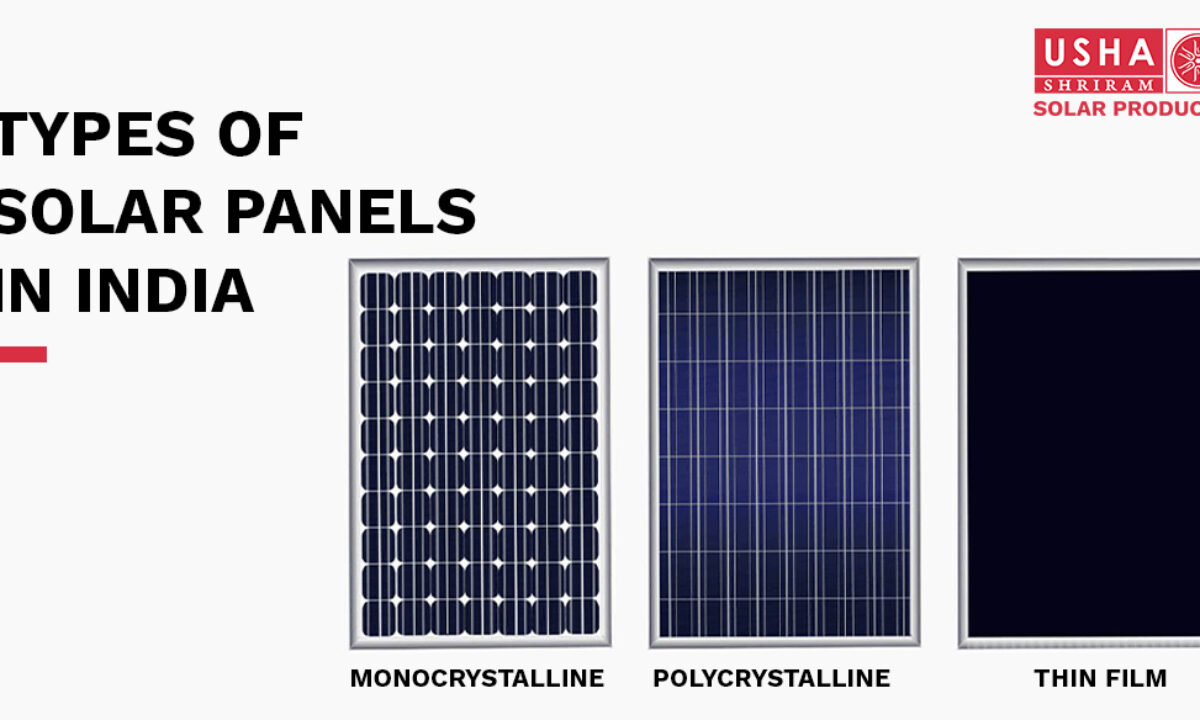
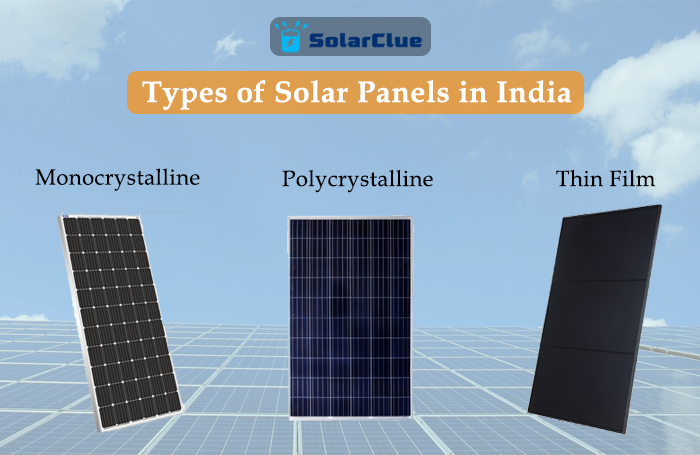
Think of monocrystalline solar panels as the high-performance sports cars of the solar world. They are easily recognizable by their uniform, dark black appearance, which comes from their unique manufacturing process. Each cell is cut from a single, continuous crystal of silicon, grown using the Czochralski method. This single-crystal structure allows electrons to move more freely, resulting in superior efficiency.
- How They’re Made: A single silicon crystal ingot is grown, then sliced into thin wafers. These wafers are then processed into individual cells, connected, and encapsulated to form the panel.
- Advantages:
- High Efficiency: Typically ranging from 18-24%, they convert more sunlight into electricity per square foot, making them ideal for limited roof space.
- Aesthetics: Their sleek, uniform black appearance is often preferred by homeowners.
- Long Lifespan: Generally come with 25+ year performance warranties, with minimal degradation over time.
- Better Low-Light Performance: While not as good as thin-film, they generally perform better in low-light conditions compared to polycrystalline panels.
- Disadvantages:
- Higher Cost: The complex manufacturing process makes them the most expensive per watt.
- Temperature Sensitivity: Their efficiency can decrease slightly faster than polycrystalline panels in very high temperatures.
- Partial Shading Impact: While newer tech mitigates this, a heavily shaded monocrystalline panel can see a significant drop in overall output.
- Ideal Applications in India: Premium residential installations, urban areas with limited roof space, high-value commercial projects where maximizing power output from a smaller footprint is critical.
2. Polycrystalline Solar Panels: The Cost-Effective Workhorse
If monocrystalline panels are the sports cars, then polycrystalline solar panels are the reliable, efficient family sedans. You can identify them by their characteristic speckled blue appearance, a result of their manufacturing process. Unlike monocrystalline panels, these cells are made from multiple silicon crystal fragments melted together and poured into a mold. As the silicon cools, it forms multiple crystals, giving it the distinctive mottled look.
- How They’re Made: Molten silicon is poured into a square mold and allowed to cool. The block is then cut into wafers, which are processed into cells.
- Advantages:
- Lower Cost: Simpler manufacturing leads to a significantly lower price point per watt, making solar more accessible.
- Better Heat Tolerance: Generally perform slightly better than monocrystalline panels in very hot conditions, with a lower temperature coefficient.
- Environmental Footprint: The manufacturing process uses less silicon waste, making them somewhat more environmentally friendly.
- Disadvantages:
- Lower Efficiency: Typically range from 15-18%, meaning you need more panels (and thus more space) to generate the same amount of electricity as monocrystalline.
- Larger Footprint: Due to lower efficiency, they require more area for installation.
- Aesthetics: The blue, speckled appearance might be less appealing to some compared to black monocrystalline panels.
- Ideal Applications in India: Large-scale utility projects, budget-conscious residential installations where space is not a major constraint, and agricultural solar pumps.
3. Thin-Film Solar Panels: Versatility Beyond the Roof
Thin-film solar panels are the disruptors, offering flexibility and unique applications. Instead of rigid silicon wafers, these panels are made by depositing one or more thin layers of photovoltaic material onto a substrate like glass, plastic, or metal. They are distinct in appearance, often very dark and sometimes flexible.
There are several types of thin-film panels:
- Amorphous Silicon (a-Si): The most common type, using non-crystalline silicon.
- Cadmium Telluride (CdTe): High-performing and cost-effective, but raises concerns about cadmium toxicity.
- Copper Indium Gallium Selenide (CIGS): Offers good efficiency and flexibility.
- How They’re Made: The photovoltaic material is directly deposited onto a substrate using various techniques (e.g., vapor deposition).
- Advantages:
- Flexibility & Lightweight: Can be integrated into building materials, curved surfaces, or made into portable solar chargers.
- Low Light Performance: Often perform better than crystalline silicon panels in cloudy or low-light conditions.
- Cheaper Manufacturing: Typically less energy-intensive and cheaper to produce than crystalline silicon.
- Aesthetics: Can be made transparent or blend seamlessly into architectural designs.
- Disadvantages:
- Lower Efficiency: Generally the least efficient (7-13%), requiring a much larger area to generate the same power as crystalline panels.
- Larger Area Required: Impractical for most residential rooftop applications due to space demands.
- Shorter Lifespan: Typically have shorter warranties (10-15 years) compared to crystalline panels.
- Specific Disposal Needs: Some types (like CdTe) contain toxic materials that require careful disposal.
- Ideal Applications in India: Niche uses such as building-integrated photovoltaics (BIPV), off-grid portable devices, solar farms with vast land availability, and specialized industrial applications.
Beyond the Basics: Advanced & Emerging Solar Panel Types Gaining Traction in India
The solar industry is continuously evolving, and India is quickly adopting advanced technologies to push efficiency and performance boundaries. These innovations primarily build upon monocrystalline technology, enhancing its capabilities.
4. Bifacial Solar Panels: Capturing Light from Both Sides
Imagine a solar panel that works twice as hard, absorbing sunlight from both its front and back surfaces. That’s precisely what bifacial solar panels do. Their design allows them to capture direct sunlight on the front and reflected or diffused light (albedo) from the ground or surrounding surfaces on the back.
- Concept and Technology: Unlike traditional panels with an opaque backsheet, bifacial panels use a transparent backsheet or have a double-glass design. This allows light to pass through and energize cells from both sides.
- Advantages:
- Higher Energy Yield: Can generate 5-30% more energy than monofacial panels, depending on ground reflection and mounting.
- Improved Land-Use Efficiency: Maximizes energy generation from a given footprint.
- Enhanced Durability: Double-glass design often makes them more resistant to micro-cracks and environmental factors.
- Reduced Hot Spots: Better heat dissipation due to dual-side exposure.
- Disadvantages:
- Higher Initial Cost: More complex manufacturing means a higher upfront investment.
- Specific Mounting Requirements: Need to be installed with sufficient ground clearance and on reflective surfaces to maximize back-side generation.
- Ideal Applications in India: Large-scale ground-mounted solar farms, carports, pergolas, elevated installations, and areas with highly reflective surfaces like white gravel or sand.
5. PERC Solar Panels (Passivated Emitter Rear Cell): Boosting Monocrystalline Performance
PERC (Passivated Emitter Rear Cell) technology is an enhancement to standard monocrystalline silicon solar cells, designed to capture more photons and improve efficiency. It’s essentially an upgrade to the existing king of efficiency.
- Technology Enhancement: A dielectric passivation layer is added to the rear of the solar cell. This layer helps to reflect unabsorbed sunlight back into the silicon cell, giving it a second chance to generate electricity. It also minimizes electron recombination, further improving efficiency.
- Advantages:
- Higher Efficiency: Significantly more efficient than standard monocrystalline cells (often 1-2% higher, pushing total panel efficiency over 20-22%).
- Better Low-Light Performance: Improved spectral response, leading to better performance in low irradiance conditions.
- Improved High-Temperature Performance: Slightly better temperature coefficient than non-PERC mono cells.
- Disadvantages:
- Slightly Higher Cost: The additional manufacturing step adds to the cost compared to standard monocrystalline.
- Potential for Light-Induced Degradation (LID) in some older designs: Though newer PERC panels have largely overcome this.
- Ideal Applications in India: Residential and commercial rooftop projects where space is at a premium, and owners are willing to pay for peak performance and faster ROI.
6. Half-Cut Solar Panels: Minimizing Losses, Maximizing Output
Half-cut solar panels aren’t a new cell chemistry but a module-level innovation that significantly improves performance, especially in shaded conditions. Instead of using 60 or 72 full-sized cells, these panels use 120 or 144 half-sized cells.
- Technology: Each standard solar cell is cut in half, effectively halving the current generated by each individual cell. This reduces resistive losses (I²R losses) within the panel’s internal wiring, as lower current means less heat generated and more power delivered. The panel is also often split into two independent sections.
- Advantages:
- Improved Performance in Shade: If one half of the panel is shaded, the other half can continue to operate at near-full capacity, thanks to the independent sections. This is a game-changer for many rooftops.
- Higher Power Output: Reduced resistive losses lead to higher overall power output for the same panel footprint.
- Reduced Hot Spots: Smaller cells distribute heat more evenly, minimizing the risk of hot spots which can degrade panels.
- Enhanced Durability: Less susceptible to micro-cracks due to smaller cells.
- Disadvantages:
- More Complex Manufacturing: Requires additional steps for cell cutting and interconnection.
- Slightly Higher Cost: Due to the added manufacturing complexity.
- Ideal Applications in India: Any installation where partial shading is a concern (common in urban areas), or where maximizing output from a fixed space is paramount, including residential and commercial.
7. TOPCon Solar Panels (Tunnel Oxide Passivated Contact): The Next Frontier in Silicon
As the solar industry relentlessly pursues higher efficiencies, TOPCon (Tunnel Oxide Passivated Contact) technology is emerging as the next big leap forward for n-type silicon cells, building on the success of PERC.
- Technology: TOPCon cells feature a thin layer of tunnel oxide followed by a doped polysilicon layer on the rear side of the wafer. This structure effectively passivates the surface and reduces electron recombination, allowing for exceptionally high electron collection efficiency.
- Advantages:
- Even Higher Efficiency: Currently achieving efficiencies exceeding 25% in laboratory settings and approaching 23-24% commercially, outperforming PERC.
- Lower Degradation: Excellent resistance to Light-Induced Degradation (LID) and Potential-Induced Degradation (PID).
- Good Low-Light Performance: Continues the trend of improved performance in diffuse light.
- Lower Temperature Coefficient: Maintains higher efficiency in hot conditions compared to p-type cells.
- Disadvantages:
- Newer Technology: While gaining traction, it’s still newer than PERC, potentially leading to higher initial costs and fewer suppliers.
- Manufacturing Complexity: The precise deposition of ultra-thin layers requires advanced equipment.
- Future Outlook in India: As manufacturing scales and costs decrease, TOPCon is set to become a dominant high-efficiency technology for both large-scale projects and premium distributed generation, pushing India’s solar potential even further.
A Snapshot of Solar Generations: Evolution of PV Technology
Understanding the types of solar panels also means appreciating their technological evolution, often categorized into generations:
First Generation (Conventional Cells)
These are the established workhorses of the industry, primarily based on silicon wafers:
- Monocrystalline Silicon: High efficiency, dark appearance.
- Polycrystalline Silicon: Cost-effective, blue-speckled appearance.
These dominate the market, known for their reliability and proven track record.
Second Generation (Thin-Film Cells)
Emerging in the late 20th century, these panels use less material and offer flexibility:
- Amorphous Silicon (a-Si): Non-crystalline silicon, used in calculators and some niche applications.
- Cadmium Telluride (CdTe): Cost-effective, used in large-scale solar farms.
- Copper Indium Gallium Selenide (CIGS): Good efficiency, often used in flexible modules.
While less efficient, their unique properties make them suitable for specific applications.
Third Generation (Emerging Technologies)
These are cutting-edge technologies, still largely in R&D or early commercialization phases, promising even higher efficiencies and novel applications:
- Perovskite Solar Cells: Highly efficient, potentially low-cost, and flexible, but still facing stability challenges. India is a hotbed for perovskite research.
- Organic Photovoltaics (OPV): Made from organic polymers, offering extreme flexibility and transparency, though currently low efficiency.
- Quantum Dot Solar Cells: Utilize nanocrystals to convert sunlight, promising high efficiencies and unique light absorption characteristics.
- Multi-junction (Concentrated PV – CPV): Often used with lenses or mirrors to concentrate sunlight onto highly efficient cells. Very high efficiency but requires direct sunlight and tracking systems, making them niche.
These technologies represent the future of solar, constantly pushing the boundaries of what’s possible, and India’s research institutions are actively contributing to their development.
Side-by-Side: A Comprehensive Comparison of Solar Panel Types in India
To help you grasp the nuanced differences, here’s a detailed comparison of the most prevalent and emerging solar panel types. This table condenses key metrics, offering a quick yet thorough overview.
| Feature | Monocrystalline | Polycrystalline | Thin-Film | Bifacial | PERC | Half-Cut | TOPCon |
|---|---|---|---|---|---|---|---|
| Efficiency Range | 18-24% | 15-18% | 7-13% | 18-24% (plus 5-30% rear gain) | 20-22% | 19-23% (enhanced output) | 23-25%+ |
| Cost per Watt (Relative) | Higher | Medium-Low | Lowest | High | Medium-High | Medium-High | Highest (currently) |
| Lifespan/Warranty | 25+ years | 25+ years | 10-15 years | 25-30+ years | 25+ years | 25+ years | 25-30+ years |
| Degradation Rate (Annual) | 0.5-0.7% | 0.6-0.8% | 1.0-1.5% | 0.4-0.5% | 0.45-0.6% | 0.45-0.6% | 0.3-0.4% |
| Temperature Coefficient | ~ -0.38 to -0.45%/°C | ~ -0.35 to -0.42%/°C | ~ -0.20 to -0.25%/°C | ~ -0.30 to -0.35%/°C | ~ -0.35%/°C | ~ -0.35%/°C | ~ -0.30%/°C |
| Shading Tolerance | Moderate | Moderate | Good | Moderate | Good | Excellent | Excellent |
| Aesthetics | Sleek Black | Blue/Mottled | Dark, Flexible/Discrete | Glass-on-Glass, Modern | Sleek Black | Sleek Black | Sleek Black |
| Environmental Impact (Manufacturing) | Moderate | Lower | Varies (some heavy metals) | Moderate | Moderate | Moderate | Moderate |
| Ideal Applications in India | Premium residential, limited space commercial | Large utility, budget residential, agri-solar | BIPV, flexible designs, off-grid niche | Ground-mount, carports, elevated structures | High-performance residential & commercial | Shade-prone roofs, high output demand | Next-gen high efficiency, premium installations |
Choosing the Right Panel: Factors Influencing Decisions in the Indian Market (and Beyond)
While the Indian market has its unique drivers like specific government subsidies and local manufacturing capabilities, the fundamental considerations for choosing a solar panel are universal. Here’s what anyone, anywhere, should ponder:
Space Availability & Aesthetic Preferences
How much roof or ground space do you have? If space is limited, higher-efficiency panels like monocrystalline, PERC, or TOPCon are often the best choice, as they generate more power from a smaller footprint. If aesthetics are paramount, the uniform black of monocrystalline or the discreet integration of thin-film panels might be preferred over the speckled blue of polycrystalline.
Budget & Return on Investment
Cost is always a factor. Polycrystalline panels traditionally offer the lowest upfront cost per watt, making them attractive for large installations where budget is tight. However, higher-efficiency panels, despite a greater initial investment, can offer a faster return on investment (ROI) over their lifetime due to greater energy production. It’s crucial to look beyond the initial price tag to the long-term value.
Climate & Environmental Conditions (Temperature, Shading)
India’s climate varies from temperate to extremely hot. Panels have a temperature coefficient, indicating how much their efficiency drops as temperatures rise. While all panels lose some efficiency in heat, some, like polycrystalline, tend to be slightly more tolerant. Crucially, if your installation site experiences partial shading (e.g., from trees, chimneys, or adjacent buildings), technologies like half-cut cells or panels with advanced string inverters or optimizers become incredibly valuable to mitigate production losses.
System Efficiency & Power Needs
What are your energy requirements? A small home might be perfectly served by standard polycrystalline panels, while a large commercial establishment or an energy-intensive industrial unit would benefit significantly from the higher power output and enhanced efficiency of PERC, bifacial, or TOPCon panels to meet demand within available space.
Future-Proofing & Technology Trends
The solar industry is a rapidly advancing field. Investing in newer, more efficient technologies like TOPCon or bifacial panels can offer better long-term performance, lower degradation rates, and potentially integrate better with future smart home or grid systems. While India often provides subsidies for various solar technologies, the core decision-making criteria remain universally applicable.
The Future of Solar in India: Innovation and Adoption
India’s solar journey is far from over; it’s accelerating. The trends observed in the types of panels deployed showcase a clear shift towards higher efficiency and advanced technologies. The market is embracing innovations like PERC, half-cut, and bifacial modules as standard, and cutting-edge TOPCon cells are quickly gaining ground.
This push for efficiency isn’t just about maximizing space; it’s about making solar power more competitive, reducing land requirements for large projects, and ultimately driving down the levelized cost of electricity. India’s commitment to renewable energy, its vast population, and its rapidly growing economy make it a critical laboratory for solar innovation and deployment, offering valuable lessons and insights for the global energy transition, including for those observing from the USA. As these technologies mature and production scales, the benefits of cleaner, more affordable energy will become even more pronounced, cementing solar’s place as a cornerstone of India’s, and indeed the world’s, energy future.
Frequently Asked Questions
What are the three main types of solar panels used in India?
The three main types are Monocrystalline, Polycrystalline, and Thin-Film solar panels. Monocrystalline offers high efficiency and a sleek look, Polycrystalline is more cost-effective with good heat tolerance, and Thin-Film provides flexibility for niche applications but with lower efficiency.
Why is India’s solar market important to understand for someone in the USA?
India is a massive and rapidly growing solar market, serving as a significant indicator of global energy trends, technological adoption, and the economic viability of various solar technologies. Insights from India can reflect broader industry shifts and investment opportunities globally, not just locally.
What are Bifacial solar panels and why are they becoming popular?
Bifacial solar panels can capture sunlight from both their front and back surfaces, significantly increasing their overall energy yield (by 5-30% more than traditional panels). They are gaining popularity for large-scale ground-mounted projects and carports in India due to their enhanced efficiency and improved land-use.
How do PERC and TOPCon technologies enhance solar panel performance?
PERC (Passivated Emitter Rear Cell) technology adds a passivation layer to monocrystalline cells, reflecting unabsorbed light back and reducing electron recombination, leading to higher efficiency. TOPCon (Tunnel Oxide Passivated Contact) builds on this with an even more advanced structure, pushing efficiencies further (23-25%+) with lower degradation and better temperature performance, representing the cutting edge of silicon solar technology.
Are thin-film solar panels suitable for residential rooftops in India?
Generally, no. While thin-film panels are flexible and perform well in low light, their significantly lower efficiency means they require a much larger area to generate the same amount of power as crystalline silicon panels. This makes them impractical for most space-constrained residential rooftops in India, where monocrystalline or polycrystalline panels are preferred.
What is the primary advantage of Half-Cut solar panels?
The primary advantage of Half-Cut solar panels is their superior performance in shaded conditions. By cutting cells in half and often splitting the panel into independent sections, partial shading on one part of the panel has a much smaller impact on the overall power output, making them ideal for rooftops with potential shading issues and increasing overall system resilience.
Which type of solar panel is most cost-effective for large-scale projects in India?
Historically, Polycrystalline solar panels have been the most cost-effective for large-scale utility projects due to their lower manufacturing costs. However, with advancements and economies of scale, Bifacial and even high-efficiency PERC and TOPCon panels are becoming increasingly competitive, offering higher energy yields over their lifespan which can offset their higher initial cost, especially in large installations.


Post Comment