Do Solar Panels Go Bad
Do Solar Panels Go Bad? Unpacking Lifespan, Degradation, and Performance
It’s a question every homeowner considering solar asks: “Do solar panels go bad?” You’re investing a significant amount of money, and you want to know if those sleek panels on your roof will last, or if they’ll turn into expensive, unproductive junk in a few years. It’s a valid concern!
Table of Contents
- Do Solar Panels Go Bad? Unpacking Lifespan, Degradation, and Performance
- The Short Answer: How Long Do Solar Panels Really Last?
- Degradation vs. Failure: It’s Not Always “Bad”
- What is Solar Panel Degradation?
- When Does a Panel Truly “Go Bad” (Failure)?
- Why Do Solar Panels “Go Bad” or Degrade? (The Culprits)
- Environmental Factors
- Manufacturing & Installation Issues
- Age-Related Wear and Tear
- Beyond the Panels: Other Solar System Components and Their Lifespans
- Inverters (String, Micro, Hybrid)
- Optimizers
- Solar Batteries
- Racking & Wiring
- Spotting Trouble: Signs Your Solar Panels Might Be “Going Bad”
- Extending the Life of Your Solar Panels: Prevention is Key
- Choosing Quality: Reputable Brands & Strong Warranties
- Professional Installation: Non-Negotiable
- Regular Monitoring: Your Best Defense
- Proper Maintenance: Keep Them Clean and Clear
- Understanding Your Warranty: Know Your Protection
- When to Replace Your Solar Panels (Or System Components)
- What About Storing Solar Panels? Do They Degrade Off-Grid?
- The Bottom Line: Solar Panels Are a Durable Investment
Here’s the direct, honest answer: Yes, solar panels do experience a form of “going bad,” but it’s probably not what you imagine. They don’t typically just stop working overnight, like a dead light bulb. Instead, they undergo a process called degradation – a gradual, predictable decline in energy production over their lifespan. Outright, catastrophic failure is actually quite rare for the panels themselves, though other system components can certainly fail.
Think of it like an aging car engine. It doesn’t instantly seize up after 100,000 miles, but its performance might not be as snappy as it once was, and some parts will definitely need replacing. Your solar panels are a lot like that: incredibly durable, but not immortal. Understanding this nuance is key to making a confident decision about going solar.
The Short Answer: How Long Do Solar Panels Really Last?
Let’s cut right to the chase. The vast majority of modern solar panels are designed and manufactured to last for 25 to 30 years or even longer. This isn’t just an optimistic guess; it’s backed by rigorous testing, material science, and industry-standard warranties.
Most reputable solar manufacturers offer two primary types of warranties that speak directly to longevity:
- Product Warranty (or Equipment Warranty): This covers manufacturing defects, environmental issues, or premature wear and tear of the physical panel itself. These typically range from 10 to 12 years.
- Performance Warranty (or Power Output Warranty): This guarantees that your panels will still produce a certain percentage of their original power output after a set number of years. The industry standard is typically 80-85% of original output after 25 years. This is the warranty that addresses degradation directly.
So, while your panels might not be producing at 100% efficiency after a quarter-century, they’ll still be generating a substantial amount of clean energy for your home. Many systems installed decades ago are still operating effectively today, exceeding their initial warranty periods.
Degradation vs. Failure: It’s Not Always “Bad”
To really grasp whether your solar panels “go bad,” we need to differentiate between two key concepts: degradation and outright failure.
What is Solar Panel Degradation?
Solar panel degradation is the normal, expected, and gradual decrease in a solar panel’s power output over time. It’s an inherent characteristic of the photovoltaic (PV) materials. On average, high-quality solar panels degrade at a rate of about 0.5% to 1% per year. Some premium panels even boast rates as low as 0.3% annually.
What does this mean for you? If you install a 400-watt panel today, after 10 years, it might produce around 380-390 watts (depending on the degradation rate). After 25 years, it could be around 340-360 watts. Your utility bills might see a slight increase over decades, but the system will still be a powerful energy producer. This slow decline is factored into system design and your initial investment calculations.
When Does a Panel Truly “Go Bad” (Failure)?
An actual solar panel failure is when a panel stops producing energy entirely, or its output drops significantly and unexpectedly, usually due to a defect or damage rather than natural aging. These are the “going bad” scenarios most homeowners fear. While less common, they can happen.
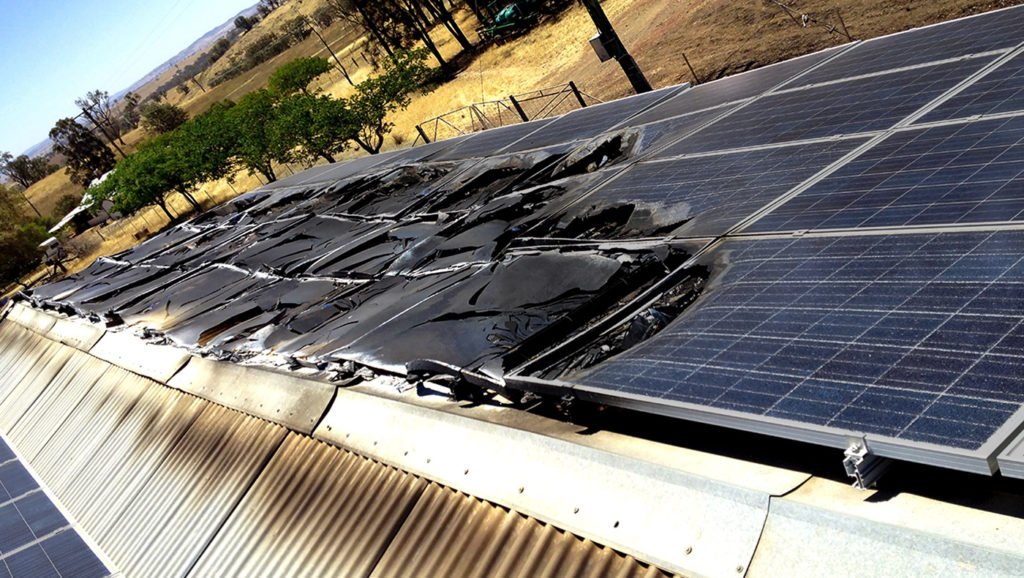
Examples of what might constitute a “failed” or truly “bad” panel include:
- Hot Spots: Overheating areas on the panel, often visible as dark circles, caused by localized resistance. These can reduce output and potentially damage the panel over time.
- Delamination: The protective layers of the panel separate, allowing moisture and air to penetrate, leading to corrosion and reduced performance.
- Cracked Glass or Cells: Physical impact (hail, falling debris) can crack the glass or the silicon cells underneath, leading to reduced or zero output from that section.
- Junction Box Failure: The box on the back of the panel containing the electrical connections can fail due to moisture ingress or manufacturing defects.
In most cases of true failure, your product warranty would cover the replacement, assuming it’s within the warranty period and not due to external, non-covered damage.
Why Do Solar Panels “Go Bad” or Degrade? (The Culprits)
Understanding the root causes of degradation and potential failure helps you appreciate the engineering behind solar panels and how to mitigate risks.
Environmental Factors
Solar panels are built to withstand the elements, but prolonged exposure takes its toll.
- UV Radiation (Light-Induced Degradation – LID): When new silicon PV cells are first exposed to sunlight, they experience a slight drop in performance. This initial degradation (usually 1-3%) happens in the first few hours or days of operation and then stabilizes. It’s a known phenomenon and is accounted for in manufacturer specifications.
- Temperature Extremes (Thermal Cycling): Constant heating and cooling, especially in regions with wide temperature swings, cause materials to expand and contract. Over decades, this can stress components, potentially leading to microcracks in cells or delamination. Extreme heat itself can also slightly reduce efficiency.
- Moisture: Water ingress, especially from humidity or heavy rain, can lead to corrosion of electrical contacts or delamination of the protective layers, reducing efficiency and potentially causing short circuits.
- Physical Stress (Wind, Hail, Snow, Debris): While panels are incredibly durable and tested to withstand significant loads, extreme weather events like large hail or heavy snow loads can cause microcracks, glass breakage, or frame damage. Wind can also stress the racking and connections.
Manufacturing & Installation Issues
Sometimes, issues stem from how the panels are made or put together.
- Potential-Induced Degradation (PID): This occurs when a high voltage difference between the solar cells and the grounded frame causes charge carriers (electrons) to leak, reducing power output. High humidity and temperature can exacerbate PID. Reputable manufacturers use anti-PID technology, but it’s worth being aware of.
- Snail Trails: These visible discoloration patterns resemble snail trails on the panel surface. They are usually cosmetic but can indicate moisture ingress or defects in the encapsulant material, which might lead to performance issues over time.
- Material Defects: Although rare with quality control, internal defects in cells, wiring, or encapsulant materials can lead to premature failure.
- Poor Installation Practices: Incorrect wiring, inadequate grounding, improper racking, or physical mishandling during installation can severely impact panel longevity and safety. This is why choosing a certified, experienced installer is paramount.
Age-Related Wear and Tear
Just like anything else, components simply wear out over time.
- Encapsulant Yellowing: The EVA (ethylene vinyl acetate) encapsulant material that protects the solar cells can yellow over many years due to UV exposure, slightly reducing light transmission and thus efficiency.
- Wiring Degradation: Insulation on wiring can become brittle or crack over decades, leading to potential shorts or reduced conductivity.
Beyond the Panels: Other Solar System Components and Their Lifespans
While the panels themselves are incredibly robust, a solar system is more than just panels. Other components have different lifespans and are often the first things to need replacement. When people ask “Do solar panels go bad?”, they’re often implicitly asking about the whole system.
Inverters (String, Micro, Hybrid)
The inverter is arguably the most critical and most likely component to need replacement during your system’s lifetime, apart from the panels themselves. It converts the DC (direct current) electricity produced by your panels into AC (alternating current) electricity usable in your home.
- String Inverters: Typically last 10-15 years. These are central inverters that connect to strings of panels. They are robust but often need replacement once during the panels’ lifespan.
- Microinverters: Installed under each individual panel, these often have longer warranties (20-25 years) because they operate at lower temperatures and are less susceptible to single-point failure across the whole system.
- Hybrid Inverters: Used in systems with battery storage, their lifespan can vary, often aligning with string inverters (10-15 years) due to their complex electronics.
Inverter replacement costs are significantly less than a full system, but it’s an important factor to consider.
Optimizers
Power optimizers are small devices typically installed alongside string inverters to manage performance at the individual panel level. They usually last around 20-25 years, similar to microinverters.
Solar Batteries
If you have a solar battery storage system, its lifespan depends on the chemistry (e.g., lithium-ion) and usage cycles. Most solar batteries are warranted for 10-15 years or a certain number of charge/discharge cycles. They are designed to degrade over time, similar to panels, but at a faster rate, typically losing storage capacity each year.

Racking & Wiring
The mounting hardware (racking) and electrical wiring are designed for extreme durability. High-quality racking is often made from aluminum or stainless steel and can easily last 25-50 years, often outliving the panels. Wiring, if installed correctly and protected from the elements, can last just as long.
| Component | Typical Lifespan | Common Failure Points / Degradation | Replacement Cost Implication |
|---|---|---|---|
| Solar Panels | 25-30+ years | Gradual power degradation (0.5-1%/year), hot spots, delamination, physical damage (rare for quality panels) | High per-panel cost, but often covered by 25-year performance warranty |
| String Inverters | 10-15 years | Electronic component failure, heat stress, wear and tear | Moderate to high (likely one replacement over system life) |
| Microinverters / Optimizers | 20-25 years | Electronic component failure (less common than string inverters) | Moderate per-unit cost, potentially less frequent replacement |
| Solar Batteries | 10-15 years | Capacity degradation over cycles, internal component failure | High (expected to replace once or twice) |
| Racking & Wiring | 25-50+ years | Physical damage (extreme weather), corrosion (poor quality materials) | Low (typically outlast panels and rarely need replacement) |
Spotting Trouble: Signs Your Solar Panels Might Be “Going Bad”
As a homeowner, how do you know if your panels are merely degrading normally, or if something is actually wrong? Your monitoring system is your best friend here, but there are also visual cues.
- Noticeable Drop in Energy Production: This is the most common indicator. If your monitoring app shows a sudden or sustained drop in output that isn’t explained by weather (e.g., consistently low production on sunny days), it’s time to investigate. Modern systems often send alerts for this.
- Visible Damage: Take a look at your panels (safely, from the ground or with binoculars). Look for:
- Cracks: In the glass or individual cells.
- Discoloration: Yellowing, browning, or “snail trails.”
- Delamination: Bubbling or separation of the top layers.
- Hot Spots: Dark, burnt-looking circular areas.
- Inverter Error Codes: Your inverter usually has a display screen or an associated app that will show error codes if there’s an issue with the system. Don’t ignore these!
- Increased Utility Bills: If your electricity bills suddenly start creeping up without a corresponding increase in usage or severe weather, it could mean your solar system isn’t producing as much as it should.
If you notice any of these signs, contact your solar installer or a qualified solar technician. Don’t try to troubleshoot electrical systems yourself.
Extending the Life of Your Solar Panels: Prevention is Key
While some degradation is inevitable, you can significantly prolong the life and maximize the performance of your solar panels and entire system.
Choosing Quality: Reputable Brands & Strong Warranties
This is where it all starts. Invest in panels from manufacturers known for their quality control, testing, and strong, clear warranties. Don’t just look at the upfront cost; consider the value over the system’s entire lifespan. A slightly more expensive panel with a better degradation rate and stronger warranty will almost always save you money in the long run.
Professional Installation: Non-Negotiable
Even the best panels can be ruined by poor installation. A certified, experienced installer will ensure:
- Proper wiring and electrical connections to prevent issues like PID.
- Secure mounting that can withstand local weather conditions.
- Optimal panel angle and placement for maximum sun exposure and airflow.
- Adherence to all local building codes and safety standards.
Regular Monitoring: Your Best Defense
Most modern solar systems come with monitoring apps. Make it a habit to check your system’s performance regularly. This allows you to catch any unexpected dips in production early, often before they become major problems. Early detection can save you significant repair costs and lost energy generation.
Proper Maintenance: Keep Them Clean and Clear
Solar panels are largely self-cleaning with rain, but in some areas, dust, pollen, bird droppings, or other debris can accumulate and reduce efficiency. If you live in a particularly dusty area or notice significant buildup, occasional cleaning might be beneficial. Always use soft brushes and non-abrasive cleaners. For safety, many homeowners opt to have professionals clean their panels, especially on steep roofs.
Beyond cleaning, an occasional visual inspection for visible damage or shading issues is a good practice. Your installer may offer annual maintenance checks, which are highly recommended.
Understanding Your Warranty: Know Your Protection
Before signing any contract, make sure you thoroughly understand your product and performance warranties. Know what’s covered, for how long, and the claims process. A strong warranty gives you peace of mind that if a panel truly “goes bad” prematurely, you’re protected.
When to Replace Your Solar Panels (Or System Components)
Even with the best care, there will come a time when your system needs upgrades or replacements. Here’s when you might consider it:

- Performance Below Acceptable Levels: If your panels are outside their performance warranty period and production has dropped significantly, replacing them might be more cost-effective than keeping them.
- Significant Physical Damage: If panels are heavily damaged by severe weather, fire, or other events beyond repair, replacement is necessary. Insurance often covers this.
- System Upgrade/Expansion: As technology improves, you might want to upgrade to more efficient panels or expand your system to meet increased energy needs, even if your old panels are still working.
- End-of-Life Considerations: After 25-30+ years, your panels will eventually reach the end of their useful life. At this point, you’ll need to consider replacement and responsible recycling (many manufacturers and specialized companies now offer solar panel recycling programs).
Remember, replacing an inverter or battery is a normal part of the system’s lifecycle and shouldn’t be seen as the panels themselves going bad.
| Year | Expected Degradation Rate (Approx.) | % of Original Power Output Remaining |
|---|---|---|
| 0 (Initial) | ~1-3% (LID in first few days) | 100% (after initial LID stabilizes) |
| 1 | 0.5% | ~99.5% |
| 5 | 2.5% | ~97% |
| 10 | 5% | ~94.5% |
| 15 | 7.5% | ~92% |
| 20 | 10% | ~89.5% |
| 25 (Standard Warranty End) | 12.5% | ~87% |
| 30+ | 15%+ | 80% or less (depending on panel quality) |
What About Storing Solar Panels? Do They Degrade Off-Grid?
This is an interesting question that comes up for those who might buy panels for a future project or have spare ones. If solar panels are stored properly – in a dark, dry, temperature-controlled environment – they will still experience minimal degradation, but at a significantly slower rate than if they were exposed to the elements. The key stressors (UV radiation, thermal cycling, moisture) are largely absent in proper storage.
So, while not completely immune to time, an unused, properly stored panel will retain almost all of its original efficiency for many years, far exceeding a panel exposed to decades of sun, wind, and rain.
The Bottom Line: Solar Panels Are a Durable Investment
So, do solar panels go bad? Not in the way a perishable item does. They are incredibly robust, engineered to withstand decades of harsh environmental conditions, and backed by strong warranties that protect your investment. While a gradual decline in performance (degradation) is expected, outright panel failure is rare.
The components most likely to need replacement are your inverter and possibly your battery, not the panels themselves. By choosing quality products, ensuring professional installation, and engaging in basic monitoring and maintenance, you can expect your solar system to reliably power your home for 25 to 30 years or more, providing significant environmental and financial benefits for decades to come. Solar remains one of the smartest, most durable investments you can make for your home’s future.
Frequently Asked Questions
How often should solar panels be cleaned?
For most homeowners, rain is sufficient for cleaning solar panels. However, in dusty environments or areas with significant bird activity, cleaning once or twice a year can help maintain optimal efficiency. Always use non-abrasive methods and consider professional cleaning for safety.
Can hail damage solar panels?
Modern solar panels are built to be incredibly durable and are rigorously tested to withstand impacts from hail, often up to 1-inch diameter hailstones falling at high speeds. While very severe hailstorms with larger stones could potentially cause damage, it’s rare for quality panels to be compromised by typical hail events. Your homeowner’s insurance typically covers such damage.
Do warranties cover normal degradation of solar panels?
Yes, performance warranties specifically cover degradation. Most manufacturers guarantee that their panels will produce at least 80-85% of their original output after 25 years. If your panels degrade faster than this guaranteed rate, you may be eligible for a repair or replacement under warranty.
What’s the typical cost to replace a solar inverter?
The cost to replace a solar inverter can vary significantly depending on the type (string, micro, hybrid) and system size. A string inverter replacement might range from $1,500 to $4,000, including labor. Microinverter replacement costs are typically lower per unit but can add up if multiple units fail.
Can I replace individual ‘bad’ solar panels?
Yes, individual panels can be replaced if they fail or are significantly damaged. However, depending on the age of your system, finding an exact match might be challenging as panel technology evolves. A newer, more powerful panel might need to be ‘de-tuned’ to match the output of older panels in a string inverter system, or if using microinverters, it might just produce at its new, higher capacity.
Are older solar panels worth anything at the end of their life?
While individual older panels might not have significant resale value as functioning units, the materials within them (glass, aluminum, silicon, copper) do have value. Many solar panel recycling programs are emerging, allowing components to be recovered and reused, reducing waste.
What happens to solar panels at the end of their life?
At the end of their useful life (typically 25-30+ years), solar panels can be removed. Increasingly, they are sent to specialized recycling facilities that separate valuable materials like silicon, aluminum, and glass for reuse. Regulations and infrastructure for solar panel recycling are continually developing, aiming to minimize environmental impact.


Post Comment