Why Are Solar Panels Good For The Environment
Why Solar Panels Are a Game-Changer for Our Planet: A Deep Dive into Their Environmental Benefits
Ever wondered if going solar genuinely makes a difference to the environment, or if it’s just another eco-trend? Let’s be real: you’re looking for answers that cut through the marketing jargon and get to the truth. And the truth is, solar panels are not just good for the environment; they are an absolute powerhouse in our fight for a sustainable future. Forget the hype for a moment, and let’s talk about the tangible, undeniable ways solar technology is actively healing our planet.
Table of Contents
- Why Solar Panels Are a Game-Changer for Our Planet: A Deep Dive into Their Environmental Benefits
- The Core Environmental Benefits: Why Solar Reigns Supreme
- Drastically Reducing Greenhouse Gas Emissions (GHGs)
- Cleaning Up Our Air: Tackling Harmful Pollutants
- Conserving Our Most Precious Resource: Water
- Fueling a Renewable Future: Ending Reliance on Finite Resources
- Addressing the Full Picture: Solar’s Lifecycle & Mitigating Impacts
- The Manufacturing Footprint: A Closer Look
- Land Use: Smart Solutions for a Growing Industry
- The End-of-Life Challenge: Recycling & Circularity in Solar
- Beyond the Basics: Advanced Environmental Perks
- Protecting Biodiversity and Ecosystems
- Grid Resilience and Decentralized Energy
- Paving the Way for a Green Economy
- Making a Difference: How Your Solar Choice Impacts the Environment
- Individual Contribution: Powering Your Home Sustainably
- Supporting a Greener Energy Transition
- The Net Verdict: Solar is Undeniably Good for the Environment
From drastically cutting down on the air pollution that chokes our cities to safeguarding our precious water resources, solar energy offers a clean, renewable alternative that puts power back in your hands and health back into our ecosystems. But it’s not enough to just say it’s ‘good.’ We need to understand *how and why, addressing the full picture – even the manufacturing process and what happens when panels reach their end-of-life. By the end of this, you’ll not only know why solar panels are indispensable, but you’ll also understand the incredible journey the industry is on to become even greener.
The Core Environmental Benefits: Why Solar Reigns Supreme
When you boil it down, the primary reason solar panels are an environmental champion is their ability to produce electricity without burning fossil fuels. This single fact unlocks a cascade of ecological advantages that are reshaping our world.
Drastically Reducing Greenhouse Gas Emissions (GHGs)
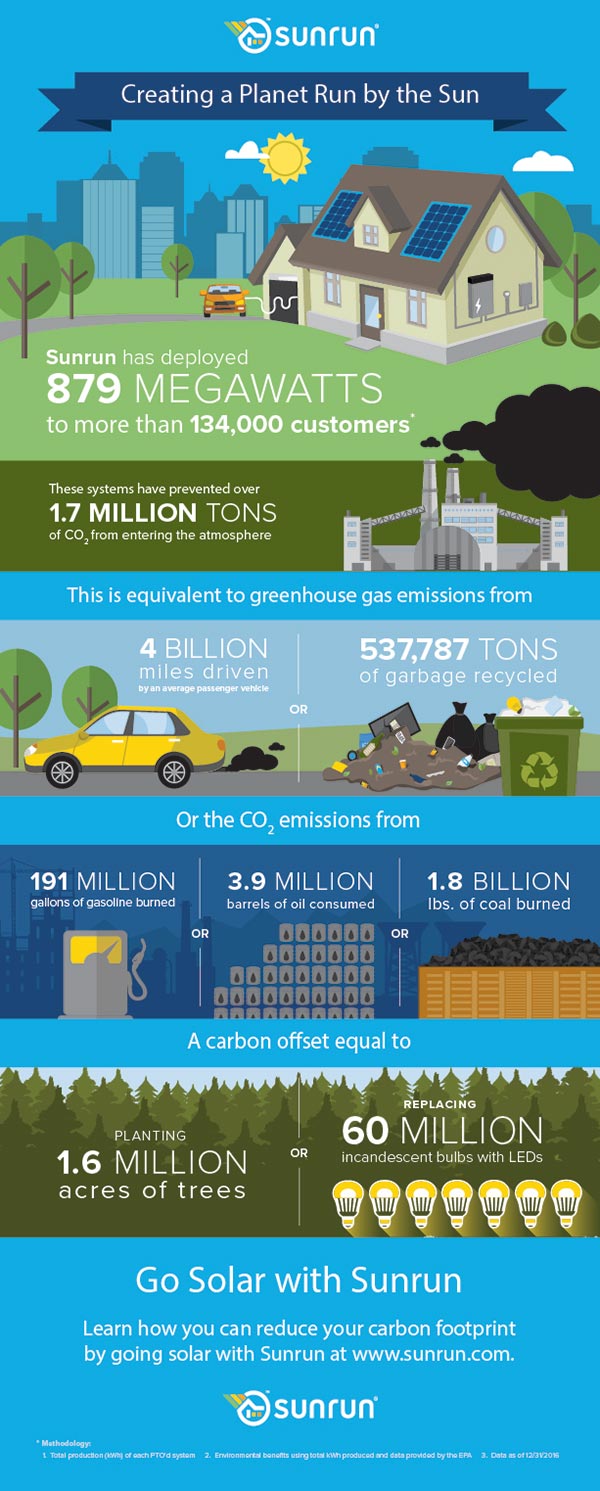
This is the big one, the headline benefit that drives the global shift towards renewable energy. Our planet is warming, and the science is clear: greenhouse gases like carbon dioxide (CO2), methane, and nitrous oxide, largely from burning coal, oil, and natural gas, are the primary culprits. Solar energy sidesteps this problem entirely.
When sunlight hits a photovoltaic (PV) panel, electrons are excited, generating electricity. There’s no combustion, no fuel burned, no emissions released into the atmosphere during operation. This means every kilowatt-hour (kWh) generated by solar panels directly displaces electricity that would otherwise come from fossil fuels, preventing tons of GHGs from entering our atmosphere. This isn’t just a minor reduction; it’s a fundamental change in how we power our lives, moving from polluting sources to a clean, abundant one.
To put this into perspective, consider the carbon intensity of different energy sources:
| Energy Source | Lifecycle Greenhouse Gas Emissions (gCO2eq/kWh) |
|---|---|
| Solar PV (Rooftop) | 20 – 50 |
| Natural Gas | 400 – 500 |
| Coal | 800 – 1000 |
| Nuclear | 10 – 20 |
| Wind Power | 10 – 20 |
As you can see, solar PV panels, even when accounting for manufacturing and installation, have a significantly lower carbon footprint than fossil fuels. This massive reduction in emissions is crucial for mitigating climate change, reducing extreme weather events, and protecting vulnerable ecosystems.
Cleaning Up Our Air: Tackling Harmful Pollutants
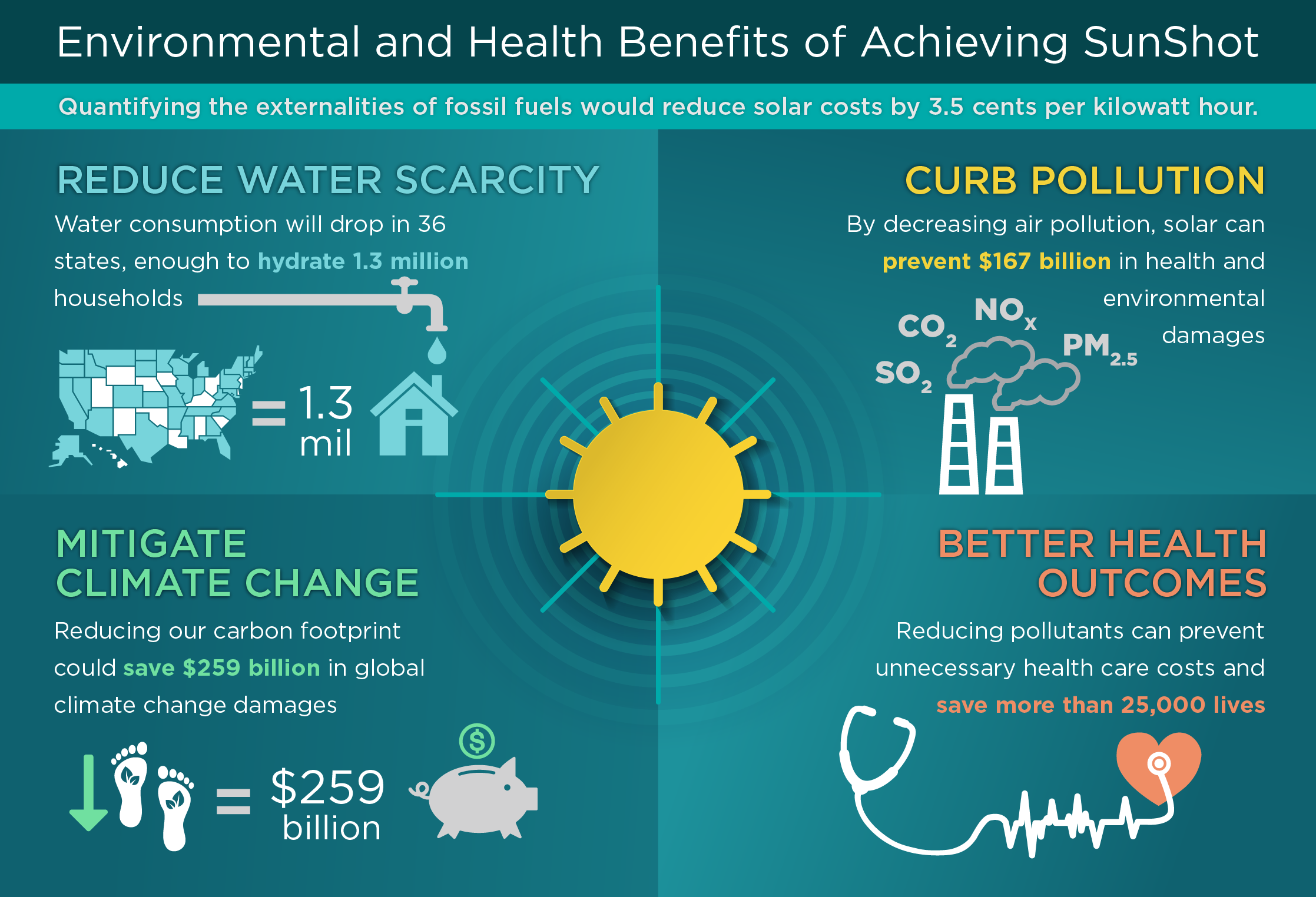
Beyond greenhouse gases, burning fossil fuels releases a cocktail of harmful air pollutants that directly impact human health and the environment. Think about sulfur dioxide (SOx), nitrogen oxides (NOx), particulate matter, and mercury. These aren’t just invisible threats; they’re responsible for smog, acid rain, respiratory illnesses, heart disease, and countless premature deaths.
Solar panels, once installed, operate silently and cleanly, producing zero air pollutants. This means cleaner air for everyone, especially those living near power plants or in densely populated urban areas. The health benefits alone are monumental, reducing healthcare costs and improving quality of life across communities. By replacing fossil fuel generation, solar power actively contributes to clearer skies and healthier lungs.
Conserving Our Most Precious Resource: Water
It’s easy to overlook, but traditional electricity generation is incredibly water-intensive. Thermal power plants – whether coal, natural gas, or nuclear – require vast amounts of water for cooling. This water is often drawn from rivers, lakes, or aquifers, heated, and then discharged, sometimes at higher temperatures, impacting aquatic ecosystems. In regions prone to drought, this demand can strain already scarce resources.
Solar panels, particularly photovoltaic (PV) systems, require very little water for operation. Beyond occasional cleaning (which can be done with minimal water or even rain), they don’t consume water to generate electricity. This makes them an ideal solution for arid regions and helps preserve vital water supplies for agriculture, drinking, and natural habitats. Concentrated Solar Power (CSP) systems do use water for cooling, but even then, often less than traditional plants, and advancements are leading to dry-cooling technologies.
| Energy Source | Average Water Consumption (liters/MWh) |
|---|---|
| Solar PV (fixed/tracking) | 0 – 20 |
| Coal | 1,000 – 2,500 |
| Natural Gas | 400 – 800 |
| Nuclear | 1,000 – 2,500 |
The difference is stark. Solar’s minimal water footprint is a critical advantage for environmental sustainability, especially as water scarcity becomes a global concern.
Fueling a Renewable Future: Ending Reliance on Finite Resources
Unlike coal, oil, or natural gas, which are finite and depleting resources, solar energy taps into an essentially limitless source: the sun. The sun is expected to shine for billions of more years, providing an inexhaustible supply of energy. This inherent renewability means we’re not depleting precious planetary reserves or creating geopolitical tensions over resource control.
Embracing solar energy moves us away from an unsustainable energy paradigm – one built on extraction and consumption – towards a regenerative model. It offers true energy independence, reducing reliance on volatile global fuel markets and bolstering national energy security. By harnessing the sun’s power, we build a foundation for an energy system that can sustain humanity for generations, without ever running out.
Addressing the Full Picture: Solar’s Lifecycle & Mitigating Impacts
Being an honest broker means acknowledging that no energy source is without any impact. Solar panels, like any manufactured product, have a lifecycle that involves raw material extraction, manufacturing, transportation, installation, operation, and eventual end-of-life disposal or recycling. It’s crucial to examine these aspects and understand how the industry is working to minimize its footprint.
The Manufacturing Footprint: A Closer Look
The journey of a solar panel begins with raw materials. Silicon, typically sourced from quartz, is the primary semiconductor material. Other components include glass, aluminum (for frames), copper (for wiring), and trace amounts of various metals. The extraction and processing of these materials, as well as the energy required to manufacture the panels themselves, do carry an environmental cost.
- Energy Consumption: Significant energy is used in purifying silicon and assembling panels. However, this is largely a ‘front-loaded’ impact. The energy used to make* a panel is typically recouped by the panel itself within 1-4 years of operation – this is known as the Energy Payback Time (EPT). Given panels last 25-30 years, they produce clean energy for decades after paying back their initial energy debt.
- Chemicals: Various chemicals are used in the manufacturing process, particularly in cleaning and doping silicon wafers. The industry is constantly striving for cleaner production methods, closed-loop systems, and responsible waste management to minimize chemical runoff and emissions.
It’s important to view this within the larger context: the environmental impact during manufacturing is dwarfed by the benefits gained over the panel’s multi-decade lifespan, especially when compared to the continuous, daily pollution from fossil fuel plants.
Land Use: Smart Solutions for a Growing Industry
Large-scale solar farms require land, which can sometimes raise concerns about habitat fragmentation or competition with agriculture. However, the industry is increasingly innovative in its approach to land use:
- Rooftop Solar: The most common and impactful solution for residential and commercial properties. Utilizing existing structures means no new land is consumed.
- Agrivoltaics (Agri-PV): A groundbreaking approach where solar panels are installed elevated over agricultural land, allowing crops to grow beneath. This optimizes land use, provides shade for crops (reducing water needs), and generates clean electricity.
- Floating Solar (Floatovoltaics): Installing solar panels on bodies of water like reservoirs, lakes, or even offshore. This reduces land use, can decrease water evaporation, and panels benefit from cooler temperatures.
- Reclaiming Brownfield Sites: Utilizing contaminated or underutilized industrial land for solar development, transforming environmental liabilities into clean energy assets.
- Strategic Siting: Careful planning ensures large solar farms are placed on land with minimal ecological value, avoiding critical habitats or prime agricultural land.
These strategies demonstrate a commitment to maximizing energy production while minimizing ecological disruption, ensuring that solar expansion is sustainable and responsible.
The End-of-Life Challenge: Recycling & Circularity in Solar
What happens when a solar panel reaches the end of its 25-30 year lifespan? This is a critical question for long-term sustainability. Historically, recycling infrastructure was nascent, but this is rapidly changing. The industry is proactive in developing robust recycling solutions to ensure panels don’t end up in landfills.
- Current Recycling Processes: Modern recycling facilities can recover valuable materials from panels, including glass, aluminum, copper, and up to 95% of the silicon. These materials can then be reintegrated into new manufacturing processes, creating a circular economy.
- Innovations in Panel Design: Manufacturers are increasingly designing panels for easier disassembly and material recovery. This includes using fewer hazardous materials, modular components, and adhesives that are simpler to separate.
- Policy and Industry Initiatives: Organizations like PV CYCLE in Europe and various initiatives in the U.S. are establishing collection and recycling programs, making it easier and more cost-effective to responsibly manage end-of-life panels. Some states and countries are implementing producer responsibility laws, ensuring manufacturers share the cost of recycling.
While the volume of panels reaching end-of-life is still relatively low today, it will grow significantly in the coming decades. The industry is preparing for this, ensuring that solar power remains environmentally sound from cradle to grave.
Beyond the Basics: Advanced Environmental Perks
The benefits of solar extend beyond simply reducing emissions and conserving resources. It plays a role in broader ecological and economic shifts.
Protecting Biodiversity and Ecosystems
By reducing our reliance on fossil fuels, solar power indirectly protects countless ecosystems and species. Think about the destructive impacts of:
- Mining for Coal and Uranium: Habitat destruction, acid mine drainage, water pollution, and disruption of natural landscapes.
- Oil and Gas Drilling: Spills, habitat fragmentation, seismic exploration impacts, and methane leaks.
- Transportation of Fuels: Risk of spills (e.g., oil tankers, train derailments) that devastate marine and terrestrial environments.
Solar energy eliminates these upstream environmental hazards. When solar installations are carefully sited and designed, they can even create new habitats or support local wildlife, such as pollinator-friendly ground covers under panels.
Grid Resilience and Decentralized Energy
Large, centralized power plants, often fossil-fuel based, transmit electricity over vast distances through vulnerable power lines. This leads to significant energy loss and makes the grid susceptible to outages from extreme weather or attacks. Solar power, especially rooftop installations, enables a more decentralized, resilient grid.
Generating electricity closer to where it’s consumed reduces transmission losses and enhances grid stability. In the event of a power outage, homes with solar panels and battery storage can often operate independently (known as ‘islanding’), providing essential power and reducing the burden on emergency services. This localized generation makes our energy infrastructure more robust and less susceptible to environmental disruptions.
Paving the Way for a Green Economy
The growth of the solar industry is a significant driver of economic development, creating hundreds of thousands of jobs globally in manufacturing, installation, sales, and research. These are often well-paying, skilled jobs that contribute to local economies. This shift away from legacy fossil fuel industries to clean energy creates a more sustainable job market and fosters innovation.
Investment in solar technology also drives research and development, leading to more efficient panels, better energy storage solutions, and smarter grid management systems. This virtuous cycle of innovation not only makes solar more affordable and accessible but also accelerates the transition to a fully green economy, paving the way for further environmental gains across all sectors.
Making a Difference: How Your Solar Choice Impacts the Environment
It’s easy to feel overwhelmed by the scale of environmental challenges facing our planet. But when it comes to solar energy, your choices have a direct and measurable impact.
Individual Contribution: Powering Your Home Sustainably
By installing solar panels on your home or business, you immediately reduce your personal carbon footprint. You’re not just saving money; you’re actively participating in the clean energy transition. Every ray of sunlight converted into electricity on your roof means less demand for power generated from burning fossil fuels elsewhere. This empowers you to be a part of the solution, demonstrating a tangible commitment to environmental stewardship.
Consider the cumulative effect: if every suitable rooftop embraced solar, the collective impact on reducing emissions and air pollution would be transformative. Your individual decision contributes to a larger movement that is reshaping our energy landscape for the better.
Supporting a Greener Energy Transition
Beyond individual installations, supporting solar energy in any capacity – whether through policy advocacy, investing in solar companies, or simply spreading awareness – helps accelerate the broader energy transition. The more demand there is for solar, the faster costs come down, the more innovation occurs, and the more robust the infrastructure becomes. This creates a positive feedback loop that pushes the entire energy sector towards a cleaner, more sustainable future.
By choosing solar, you’re not just adopting a technology; you’re investing in a vision of a world powered by clean, abundant, and sustainable energy, free from the environmental damage of the past.
The Net Verdict: Solar is Undeniably Good for the Environment
After examining the full lifecycle, from manufacturing to operation and eventual recycling, the verdict is overwhelmingly clear: solar panels are profoundly good for the environment. While acknowledging the initial impacts of production, their decades-long operational benefits – zero emissions, minimal water use, and a reliance on an infinite fuel source – far outweigh these upfront costs.
The industry is committed to continuous improvement, driving innovation in efficiency, recycling, and sustainable manufacturing practices. Solar energy isn’t just a temporary fix; it’s a foundational component of a truly sustainable future. It empowers us to mitigate climate change, clean our air and water, protect biodiversity, and build a resilient, decentralized energy system. Embracing solar isn’t just an environmental choice; it’s an investment in a healthier, more prosperous planet for generations to come. The sun is shining, and with solar panels, we’re finally harnessing its power for good.
Frequently Asked Questions
Do solar panels really reduce carbon emissions?
Yes, absolutely. While there are some emissions associated with the manufacturing and transportation of solar panels, these are a one-time, upfront cost. Over their 25-30 year lifespan, solar panels produce electricity with zero operational emissions, significantly displacing energy that would otherwise come from fossil fuels, which are major sources of carbon dioxide and other greenhouse gases. The ‘Energy Payback Time’ for a panel (the time it takes to generate enough clean energy to offset its manufacturing energy) is typically 1-4 years, meaning for decades afterward, it’s net carbon-negative.
What about the environmental impact of manufacturing solar panels?
Solar panel manufacturing does require raw materials like silicon, glass, and aluminum, and energy for processing. This carries an environmental footprint. However, the industry is continuously improving, reducing energy consumption in manufacturing, using more sustainable materials, and implementing cleaner production processes. The impact from manufacturing is significantly outweighed by the environmental benefits gained over the panel’s long operational life, making them a net positive for the environment.
Are solar panels bad for the environment because of land use?
Not necessarily. While large utility-scale solar farms do require land, the industry is developing smart solutions. Rooftop solar utilizes existing building space, eliminating new land use. Agrivoltaics combines solar energy generation with agriculture, optimizing land use. Floating solar on water bodies and repurposing brownfield sites are other innovative strategies that minimize ecological impact. Careful siting also ensures that critical habitats are avoided.
What happens to solar panels when they reach the end of their life?
The solar industry is actively developing and expanding recycling programs for end-of-life panels. Valuable materials like glass, aluminum, copper, and up to 95% of silicon can be recovered and reused. As the volume of decommissioned panels increases in the coming decades, recycling infrastructure is rapidly scaling up, with some regions implementing producer responsibility laws to ensure manufacturers bear the cost of responsible disposal and recycling.
How do solar panels help with air and water pollution?
Solar panels produce electricity without burning fuel, meaning they release no harmful air pollutants like sulfur dioxide, nitrogen oxides, or particulate matter that cause smog, acid rain, and respiratory issues. Regarding water, unlike thermal power plants (coal, gas, nuclear) that use vast amounts of water for cooling, photovoltaic solar panels require very little water for operation, thus conserving precious water resources and reducing thermal pollution in waterways.
Is solar energy truly sustainable?
Yes, solar energy is inherently sustainable because its fuel source – the sun – is infinite. When considering the entire lifecycle, including manufacturing and recycling efforts, solar panels offer a far more sustainable energy solution than fossil fuels. They contribute to a regenerative energy model, significantly reduce environmental damage, and help create a cleaner, healthier future for the planet.


Post Comment