Pros And Cons Of Solar Cells
Solar Cells: Unpacking the Real Pros and Cons for Your Home and Wallet
Thinking about harnessing the sun’s power for your home? It’s a tempting thought: free energy, lower bills, a greener footprint. But like any major home investment, going solar comes with its own set of advantages and challenges. Before you dive in, you need to understand the practical realities. I’m here to cut through the hype and give you a balanced, honest look at the real pros and cons of solar cells, helping you decide if this bright future is right for you.
Table of Contents
- Solar Cells: Unpacking the Real Pros and Cons for Your Home and Wallet
- What Are Solar Cells (Photovoltaic Cells), Anyway?
- The Bright Side: Major Pros of Solar Cells
- Slash Your Electricity Bills and Gain Energy Independence
- Boost Your Home’s Value and Appeal
- Significant Environmental Benefits
- Federal and State Incentives: Making Solar More Affordable
- Low Maintenance and Long Lifespan
- Abundant, Renewable, and Accessible Energy
- Enhanced Grid Resilience and Battery Storage Options
- The Shadow Side: Key Cons and Challenges of Solar Cells
- High Upfront Costs: The Initial Investment Hurdle
- Intermittency and Weather Dependence
- Space Requirements and Aesthetic Considerations
- Manufacturing and Disposal Environmental Impact
- Efficiency Limitations and Degradation Over Time
- Potential Property Tax Increases
- Not Always Ideal for Short-Term Homeowners
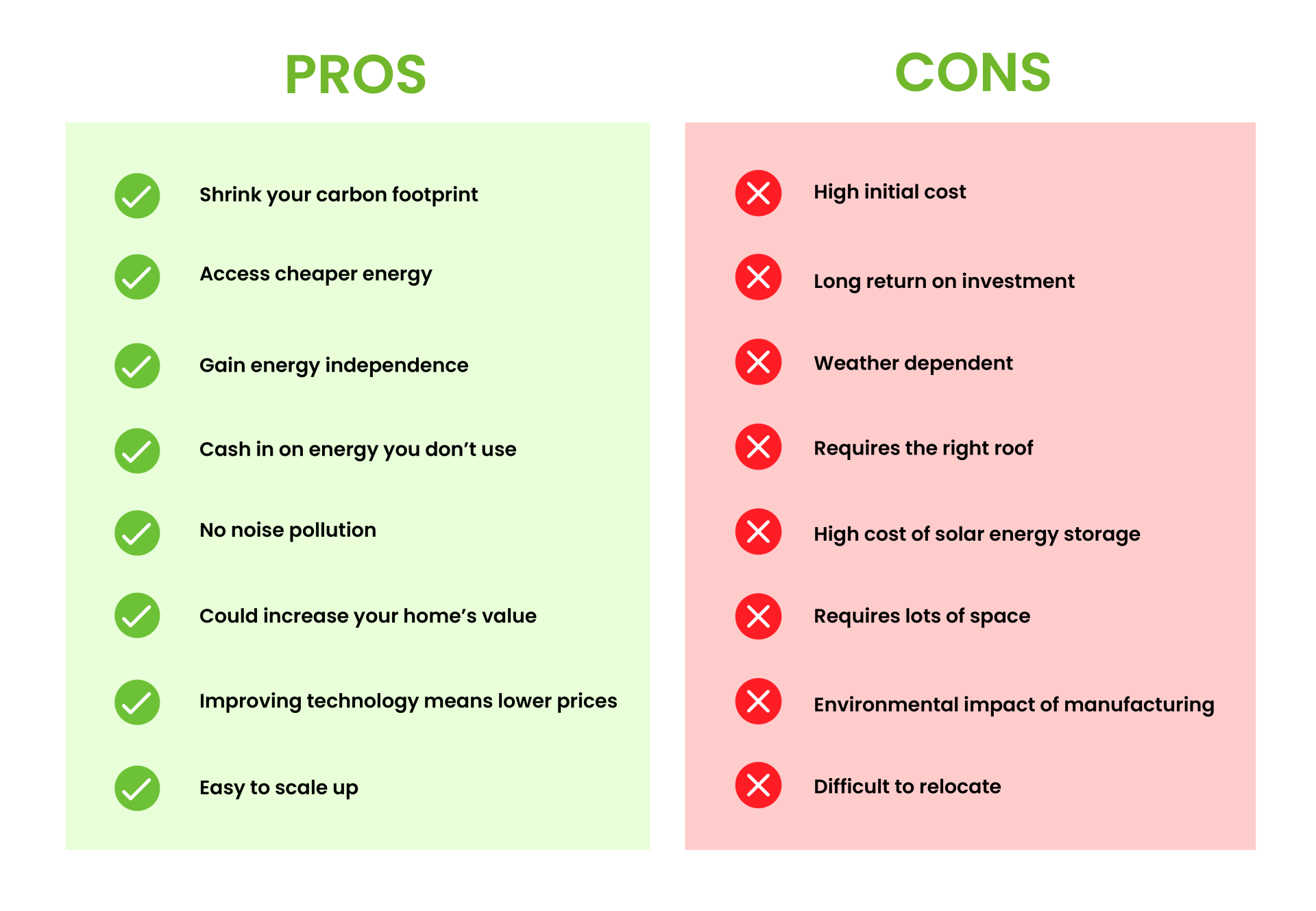
- Solar Cells: A Head-to-Head Comparison
- Are Solar Cells Worth It for YOU? A Decision-Making Framework
- Steps to Evaluate Your Solar Potential:
- The Future of Solar: Brighter Than Ever
- Conclusion
What Are Solar Cells (Photovoltaic Cells), Anyway?
At its core, a solar cell (also known as a photovoltaic or PV cell) is a device that converts sunlight directly into electricity. It’s a remarkable piece of engineering, typically made from silicon, that utilizes the photovoltaic effect. When photons from sunlight strike the cell, they knock electrons loose from their atoms, creating an electric current.
When multiple solar cells are connected, they form a solar panel (or solar module). Many panels grouped together create a solar array, which is what you typically see on a rooftop or in a large solar farm. There are a few main types of solar cells, each with slightly different characteristics:
- Monocrystalline Solar Cells: These are made from a single, pure crystal of silicon, giving them a uniform, dark appearance. They’re known for their high efficiency (typically 18-22%) and sleek look, but they also tend to be more expensive.
- Polycrystalline Solar Cells: Made from fragments of silicon crystals melted together, these cells have a mottled, bluish appearance. They are generally less efficient (15-17%) than monocrystalline panels but are also more affordable to produce.
- Thin-Film Solar Cells: These are made by depositing thin layers of photovoltaic material onto a substrate. While they are the least efficient (10-13%), they are lightweight, flexible, and can perform better in low-light conditions and high temperatures. They are less common for residential rooftops but are gaining traction in specialized applications.
The type of solar cell impacts the overall efficiency, cost, and aesthetics of your solar system – factors we’ll weigh heavily as we explore the pros and cons.
The Bright Side: Major Pros of Solar Cells
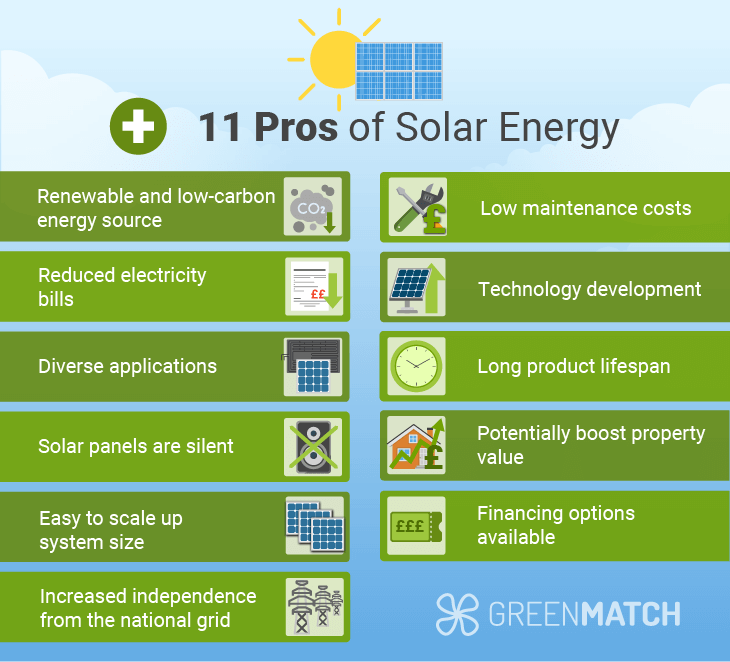
Let’s start with why so many people are enthusiastically adopting solar power. The benefits are substantial, both for your wallet and the planet.
Slash Your Electricity Bills and Gain Energy Independence
This is often the biggest motivator for homeowners, and for good reason. Installing solar panels can dramatically reduce, or even entirely eliminate, your monthly electricity bill. Imagine seeing that zero-dollar statement! With net metering policies available in many states, your excess solar energy can be sent back to the grid, often earning you credits that offset your usage when your panels aren’t producing as much (like at night or on cloudy days). This isn’t just about saving money today; it’s about insulating yourself from unpredictable and ever-increasing utility rate hikes. You gain a significant degree of energy independence, locking in your energy costs for decades.
On average, homeowners can expect to save anywhere from $10,000 to $30,000+ over the 25-year lifespan of a solar system, depending on factors like system size, local electricity rates, and sun exposure. Some states with high electricity prices see even greater savings.
Boost Your Home’s Value and Appeal
Multiple studies have shown that homes with solar panel systems sell for more and spend less time on the market than comparable homes without solar. A 2019 Zillow study found that homes with solar installations sold for 4.1% more on average nationwide. In some competitive markets, this could mean tens of thousands of dollars added to your property value. Buyers increasingly view solar as a desirable upgrade, signaling lower future operating costs and a commitment to sustainability, making your home more attractive to a wider pool of buyers.
Significant Environmental Benefits
This is where solar truly shines. By converting sunlight into electricity, solar cells produce zero greenhouse gas emissions during operation. This significantly reduces your household’s carbon footprint, lessening reliance on fossil fuels that contribute to air pollution and climate change. Over its lifetime, a typical residential solar system can prevent tens of thousands of pounds of CO2 emissions, equivalent to planting hundreds of trees or taking several cars off the road.
Federal and State Incentives: Making Solar More Affordable
While the initial cost can be high, numerous incentives are in place to make solar more accessible and affordable. The most significant is the federal Investment Tax Credit (ITC), which currently allows homeowners to deduct a percentage (e.g., 30% for systems installed through 2032) of the cost of their solar installation from their federal taxes. This is a dollar-for-dollar reduction, not just a deduction. Additionally, many states and local municipalities offer their own rebates, property tax exemptions, and Solar Renewable Energy Credits (SRECs) that you can sell for additional income. These incentives can collectively reduce your upfront costs by a substantial margin, often making solar a financially viable option for many.
Low Maintenance and Long Lifespan
Solar panels are remarkably durable and require very little maintenance. Once installed, they typically have a lifespan of 25-30 years or more, with most manufacturers offering warranties for performance over this period. Cleaning is usually only needed periodically, often just a rinse with water, or simply allowing rain to do the job. There are no moving parts to wear out, meaning breakdowns are rare. This translates to minimal ongoing operational costs after the initial installation.
Abundant, Renewable, and Accessible Energy
The sun is the ultimate renewable resource, providing far more energy than humanity could ever use. Unlike finite fossil fuels, solar energy won’t run out. This abundance means a secure, long-term energy supply. Moreover, solar power can be installed almost anywhere there’s sunlight, from urban rooftops to remote off-grid locations, making it a highly accessible energy solution globally.
Enhanced Grid Resilience and Battery Storage Options
While solar panels alone typically shut off during a power outage for safety reasons (unless equipped with specific rapid shutdown devices), pairing them with a battery storage system changes the game. A home battery allows you to store excess solar energy and use it when the grid goes down, providing crucial backup power. This enhances your household’s resilience against outages and can even allow for off-grid living, offering complete energy independence.
The Shadow Side: Key Cons and Challenges of Solar Cells
It’s crucial to look at the full picture. Solar energy isn’t without its drawbacks, and understanding these can help you make an informed decision.
High Upfront Costs: The Initial Investment Hurdle
Even with incentives, the initial cost of installing a solar panel system is a significant investment. A typical residential solar system in the U.S. can range from $15,000 to $35,000 before federal tax credits, depending on its size, complexity, and your location. While financing options like solar loans, leases, and Power Purchase Agreements (PPAs) can reduce or eliminate upfront out-of-pocket expenses, they come with their own terms and interest rates that need careful consideration. The payback period – the time it takes for your energy savings to offset the installation cost – can vary significantly, often ranging from 7 to 15 years.

Intermittency and Weather Dependence
Solar panels only produce electricity when the sun is shining. This means their output fluctuates throughout the day and is affected by weather conditions like clouds, rain, or snow. They produce no power at night. This intermittency is a major challenge. Without a battery storage system, you’re still reliant on the grid for power when your panels aren’t producing. While grid-tied systems solve this by drawing power when needed, they don’t offer true energy independence during outages without a battery, which adds considerable cost.
Space Requirements and Aesthetic Considerations
Solar panels require adequate space, usually on your roof, to generate sufficient electricity for your home. Not every roof is suitable: it needs to be in good condition, have sufficient unshaded area, and ideally face south (in the Northern Hemisphere) for optimal sunlight exposure. If your roof is old, you’ll likely need to replace it before installing panels. Furthermore, some homeowners find the appearance of solar panels on their roof aesthetically unpleasing, though designs are becoming increasingly streamlined.
Manufacturing and Disposal Environmental Impact
While solar panels are clean during operation, their manufacturing process is energy-intensive and involves hazardous materials like cadmium and lead. There’s also the challenge of disposal at the end of their lifespan. While panels are largely recyclable, the infrastructure for large-scale solar panel recycling is still developing, and not all components are easily recovered. This means there’s an environmental footprint associated with the full lifecycle of a solar panel, not just its production and disposal.
Efficiency Limitations and Degradation Over Time
Modern solar panels are efficient, but they don’t convert 100% of sunlight into electricity. Most residential panels operate at 15-22% efficiency. While this is a vast improvement over early models, it means you need a significant surface area to generate enough power. Furthermore, solar panels experience a gradual decline in power output over their lifespan, known as degradation. This is typically around 0.5% to 1% per year, meaning a 25-year-old panel might produce 80-85% of its original output.
Potential Property Tax Increases
In some areas, adding a solar system can increase your home’s assessed value, potentially leading to higher property taxes. However, many states have specific property tax exemptions for solar installations to encourage adoption. It’s crucial to check your local regulations to understand if this is a factor where you live.
Not Always Ideal for Short-Term Homeowners
Given the significant upfront investment and the typical payback period of 7-15 years, solar may not be the best financial move if you plan to sell your home within a few years. While solar does boost home value, realizing the full financial benefit through energy savings often requires a longer commitment. If you’re moving soon, the value added might not fully offset the remaining investment.
Solar Cells: A Head-to-Head Comparison
Let’s summarize the core advantages and disadvantages to give you a clearer picture:
| Advantage | Impact / Quantification | Disadvantage | Impact / Consideration |
|---|---|---|---|
| Reduced Electricity Bills | Significant savings ($10k-$30k+ lifetime), protection from rate hikes. | High Upfront Costs | Average $15k-$35k (before ITC), long payback periods (7-15 yrs). |
| Increased Home Value | Adds ~4.1% to home value on average. | Weather Dependent | No production at night, reduced output on cloudy days/winter. Needs grid or battery backup. |
| Environmental Benefits | Zero operational emissions, reduced carbon footprint. | Space/Roof Requirements | Requires adequate, unshaded, south-facing roof space; good roof condition. |
| Financial Incentives (ITC, SRECs) | Reduces net cost by ~30% (ITC) plus state/local benefits. | Manufacturing/Disposal Impact | Energy-intensive production, hazardous materials, developing recycling infrastructure. |
| Low Maintenance, Long Lifespan | Minimal upkeep, 25-30+ year warranties. | Efficiency Limitations | 15-22% typical efficiency, gradual degradation (0.5-1% annually). |
| Energy Independence / Resilience | Protection from grid outages (with battery), stable energy costs. | Potential Property Tax Hike | May increase assessed home value (check local exemptions). |
Are Solar Cells Worth It for YOU? A Decision-Making Framework
Now that you have the complete picture, how do you decide if solar is a smart move for your specific situation? It comes down to a few key factors:
- Your Location and Sunlight Exposure: Do you live in an area with abundant sunshine? Are there trees or buildings that shade your roof? Shading can significantly impact efficiency.
- Your Current Energy Usage and Costs: Do you have high electricity bills? The more you currently pay for electricity, the greater your potential savings with solar. If your bills are already low, the financial payback might be slower.
- Your Roof Condition and Suitability: Is your roof structurally sound and less than 10-15 years old? Replacing a roof soon after solar installation means additional costs. Does it have sufficient unshaded area, ideally facing south, southwest, or southeast?
- Your Budget and Financing Preferences: Can you afford the upfront investment, or are you comfortable with financing options like loans or leases? Understand the long-term financial implications of each.
- Your Long-Term Plans for Your Home: Do you plan to stay in your home for at least 7-10 years? This generally allows enough time to reach the payback period and fully realize the financial benefits.
- Local Incentives and Policies: Research all available federal, state, and local incentives. Net metering policies, SRECs, and property tax exemptions vary widely and can drastically affect your ROI.
Steps to Evaluate Your Solar Potential:
To truly answer the “is it worth it?” question, take these actionable steps:
- Get Multiple Quotes: Don’t settle for the first offer. Contact at least three reputable solar installers. They will assess your home, energy needs, and provide detailed proposals, including estimated costs, savings, and payback periods.
- Understand the Incentives: Ensure your quotes clearly outline the federal ITC and any state/local rebates you qualify for. Ask installers to explain how these credits will apply to your specific situation.
- Review Your Energy Consumption: Provide your last 12-24 months of electricity bills to installers. This allows them to accurately size a system that meets your needs.
- Ask About Warranties and Guarantees: Understand the product warranties (panels, inverter) and workmanship warranties offered by the installer.
The Future of Solar: Brighter Than Ever
The solar industry is not static; it’s rapidly evolving. We’re seeing exciting advancements that will only enhance the pros and mitigate some of the cons:
- Increased Efficiency: Breakthroughs in materials like perovskites promise even higher efficiency rates, potentially exceeding 30% in laboratories, which will translate to more power from less space.
- Improved Storage Solutions: Battery technology is becoming cheaper, more efficient, and more compact, making energy storage more accessible for homeowners and further reducing reliance on the grid.
- Smart Grid Integration: Advanced grid management systems will better integrate distributed solar generation, allowing for more efficient use of renewable energy and greater grid stability.
- Aesthetic Integration: Building-integrated photovoltaics (BIPV), such as solar roof tiles or windows, are becoming more common, offering seamless integration that appeals to homeowners concerned about aesthetics.
- Recycling Advancements: Research and investment into more efficient and cost-effective solar panel recycling methods are ongoing, aiming to address the end-of-life environmental impact.
Conclusion
Solar cells offer a compelling vision for a sustainable, energy-independent future. The benefits—reduced bills, increased home value, and a cleaner environment—are substantial and undeniable. However, the upfront costs, intermittency, and the environmental footprint of manufacturing and disposal are real challenges that prospective owners must consider. By carefully weighing these pros and cons, understanding your specific circumstances, and doing your research, you can make an informed decision that’s truly right for your home and your financial well-being. The sun’s energy is waiting; the question is, are you ready to harness it?
”
Frequently Asked Questions
How much does it cost to install solar panels for a home?
The average cost for a residential solar system in the U.S. typically ranges from $15,000 to $35,000 before factoring in the federal Investment Tax Credit (ITC) and other state or local incentives. The final price depends on system size, your energy consumption, equipment type, and installation complexity.
Are solar panels worth it if I plan to move in a few years?
It depends on your local market and the payback period of your system. While solar panels can increase home value, it often takes 7-15 years for energy savings to fully offset the initial investment. If you move sooner, you might not fully recoup the costs through savings, but the added home value could still make it a worthwhile investment for resale.
What happens to solar panels on cloudy days or at night?
On cloudy days, solar panels still produce electricity, but at a reduced capacity (around 10-25% of their peak output). At night, they produce no electricity. Grid-tied systems automatically draw power from the utility grid during these times. If you have a battery storage system, it can store excess solar energy generated during the day for use at night or during cloudy periods.
Do solar panels require a lot of maintenance?
No, solar panels are remarkably low-maintenance. They have no moving parts and are designed to withstand harsh weather. Occasional cleaning (1-2 times a year, often handled by rain) to remove dirt or debris is usually sufficient. Most systems come with long warranties (25+ years) for performance and durability.
How long do solar panels last?
The lifespan of most modern solar panels is typically 25 to 30 years or more. Manufacturers usually offer a performance warranty guaranteeing that the panels will still produce at least 80-85% of their original output after 25 years. The inverters, however, usually need replacement after 10-15 years.
Are solar panels bad for the environment when they’re manufactured or disposed of?
While solar panels produce clean energy during operation, their manufacturing process is energy-intensive and uses some hazardous materials. At the end of their life, some components can be recycled, but the recycling infrastructure is still developing. However, the lifecycle environmental impact of solar is significantly lower than that of fossil fuels, and efforts are ongoing to improve manufacturing processes and recycling.


Post Comment