Benefits Of Renewable Energy To The Environment
Why Renewable Energy Isn’t Just Good for the Planet, It’s Essential for Our Future
Feeling overwhelmed by news of climate change, pollution, and environmental degradation? You’re not alone. The constant headlines about wildfires, extreme weather, and vanishing species can feel like a heavy burden. But what if there was a clear, actionable solution that could fundamentally reverse these trends and pave the way for a healthier planet?
Table of Contents
- Why Renewable Energy Isn’t Just Good for the Planet, It’s Essential for Our Future
- The Environmental Cost: Why Fossil Fuels Are a Dead End
- Fuelling Climate Catastrophe
- Choking Our Air, Poisoning Our Water
- Scarring the Earth: Land and Habitat Destruction
- The Green Transformation: How Renewable Energy Heals the Planet
- Slamming the Brakes on Greenhouse Gas Emissions: Battling Climate Change Directly
- Breathing Clean: A Fresh Start for Our Air
- Safeguarding Our Most Precious Resource: Water
- Protecting Biodiversity and Natural Habitats
- Beyond Waste: Resource Efficiency and a Circular Future
- Enhancing Ecosystem Resilience: Supporting Natural Systems
- The Cumulative Impact: A Healthier Planet for Generations
There is. It’s called renewable energy, and its environmental benefits are nothing short of revolutionary. We’re not talking about a minor improvement; we’re talking about a complete paradigm shift that addresses the root causes of our planet’s biggest challenges. From cleaning our air and safeguarding our water to stabilizing our climate and protecting biodiversity, renewable energy isn’t just an alternative – it’s the definitive path forward for environmental restoration and sustained planetary health.
The Environmental Cost: Why Fossil Fuels Are a Dead End
Before we dive into the immense benefits of renewable energy, let’s be brutally honest about the legacy of our fossil fuel dependence. For centuries, coal, oil, and natural gas have powered our progress, but at an increasingly devastating cost to the environment. Understanding this cost is crucial to appreciating the true value of renewables.
Fuelling Climate Catastrophe
The most widely recognized, and arguably most dangerous, impact of fossil fuels is their contribution to climate change. When coal, oil, and gas are burned for energy, they release massive amounts of greenhouse gases, primarily carbon dioxide (CO2) and methane (CH4), into the atmosphere. These gases trap heat, leading to a phenomenon known as the greenhouse effect, which warms our planet.
The consequences are far-reaching and intensifying: rising global temperatures, melting glaciers and ice caps contributing to sea-level rise, more frequent and severe heatwaves, devastating droughts, and intensified storms and floods. This isn’t just an abstract scientific concept; it’s impacting communities, economies, and ecosystems globally, threatening food security, water supplies, and human habitats.
Choking Our Air, Poisoning Our Water
Beyond climate change, fossil fuel combustion is a major source of traditional air pollutants that directly harm human health and ecosystems. Power plants and vehicles burning fossil fuels release:
- Sulfur dioxide (SO2): A primary component of acid rain, which damages forests, lakes, and buildings, and contributes to respiratory problems.
- Nitrogen oxides (NOx): Contributes to smog, acid rain, and respiratory illnesses.
- Particulate matter (PM): Tiny particles that, when inhaled, can penetrate deep into the lungs and bloodstream, leading to heart and lung diseases, asthma, and premature death.
- Volatile Organic Compounds (VOCs): Contribute to ground-level ozone (smog).
- Heavy metals: Such as mercury, which can contaminate water bodies and food chains, posing serious health risks.
Water resources are also under threat. Fracking for natural gas, oil spills, and wastewater from mining operations can contaminate groundwater and surface water with toxic chemicals and heavy metals, rendering it unsafe for consumption and devastating aquatic life. Thermal pollution from power plants, which release heated water into rivers and lakes, can also disrupt aquatic ecosystems.
Scarring the Earth: Land and Habitat Destruction
The process of extracting fossil fuels is inherently destructive. Coal mining, particularly mountaintop removal, obliterates entire landscapes and habitats. Oil and gas drilling requires extensive infrastructure, including pipelines, roads, and well pads, leading to habitat fragmentation and destruction. These activities displace wildlife, destroy delicate ecosystems, and leave behind barren, polluted land that can take centuries to recover, if ever. Accidental oil spills, like the Deepwater Horizon disaster, can wreak havoc on marine ecosystems, coastal wetlands, and wildlife for decades.
The Green Transformation: How Renewable Energy Heals the Planet
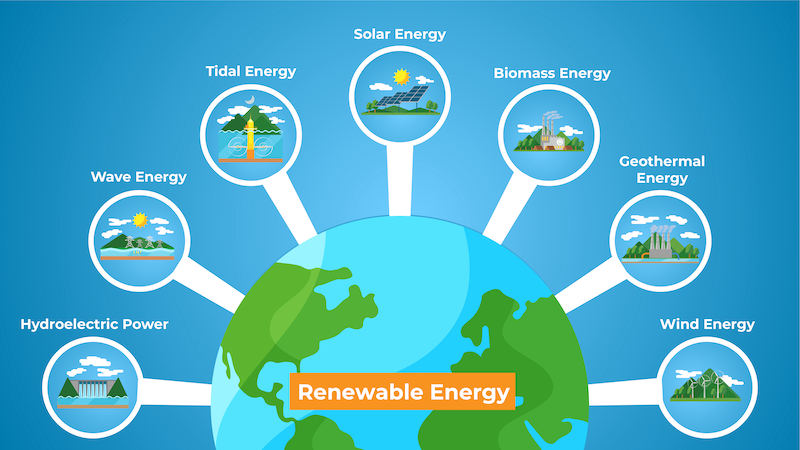
Now, let’s turn our attention to the solution. Renewable energy sources – solar, wind, hydro, geothermal, and biomass – offer a powerful counter-narrative to environmental degradation. They harness natural, inexhaustible processes to generate electricity with minimal or no adverse environmental impacts, fundamentally reshaping our relationship with the planet.
Slamming the Brakes on Greenhouse Gas Emissions: Battling Climate Change Directly
This is arguably the most critical environmental benefit. Unlike fossil fuels, which release vast quantities of greenhouse gases when burned, renewable energy sources produce little to no direct emissions during operation. Think about it:
- Solar panels convert sunlight into electricity without burning anything.
- Wind turbines harness the kinetic energy of wind, a clean, mechanical process.
- Hydroelectric dams use the flow of water, also a mechanical conversion, not combustion.
This absence of combustion means we’re dramatically reducing the amount of CO2, methane, and other potent greenhouse gases entering our atmosphere. This directly helps to:
- Stabilize global temperatures: Slowing down and eventually reversing the trend of planetary warming.
- Mitigate extreme weather events: Reducing the intensity and frequency of heatwaves, droughts, floods, and superstorms.
- Protect delicate ecosystems: Giving coral reefs, polar regions, and forests a fighting chance against climate-induced stress.
- Lessen ocean acidification: By reducing atmospheric CO2, less is absorbed by oceans, protecting marine life from corrosive conditions.
The U.S. Environmental Protection Agency (EPA) highlights that electricity generation is the second-largest source of greenhouse gas emissions in the United States. Transitioning to renewables is therefore the most impactful step we can take to decarbonize our energy system and avert the worst consequences of climate change.
Breathing Clean: A Fresh Start for Our Air
Imagine a world where city skies are perpetually clear, and respiratory illnesses are significantly less common. This isn’t a pipe dream; it’s a direct outcome of shifting to renewable energy. Because renewables don’t burn fuel, they don’t emit the harmful particulate matter, sulfur dioxide, nitrogen oxides, and mercury that plague air quality in regions reliant on fossil fuels. This translates to profound environmental and public health benefits:
- Reduced smog and acid rain: Protecting forests, lakes, and infrastructure from corrosive damage.
- Fewer respiratory and cardiovascular diseases: Cleaner air means fewer cases of asthma, bronchitis, heart attacks, and strokes, particularly in vulnerable populations living near power plants.
- Improved visibility: Enjoying clearer skies and natural beauty unmarred by haze.
The health dividends alone are massive. Harvard University’s studies have shown that the health benefits from reduced air pollution due to renewable energy could save billions in healthcare costs annually and prevent thousands of premature deaths.
| Environmental Impact Category | Fossil Fuels (Coal, Oil, Gas) | Renewable Energy (Solar, Wind, Hydro) |
|---|---|---|
| Greenhouse Gas Emissions (Operational) | Very High (CO2, CH4, N2O from combustion) | Negligible to Zero (No combustion) |
| Air Pollutant Emissions (Operational) | High (SO2, NOx, Particulate Matter, Mercury) | Negligible to Zero (No combustion) |
| Water Consumption for Operations | High (cooling, steam generation, extraction) | Low to Moderate (some for hydro, minimal for solar/wind) |
| Water Pollution Risk | High (acid mine drainage, fracking fluids, oil spills) | Very Low (no toxic waste, spills; localized for hydro) |
| Land Degradation & Habitat Disruption | High (mining, drilling, infrastructure, waste disposal) | Low to Moderate (site-specific, often repurposable land) |
| Waste Generation | High (ash, sludge, hazardous waste) | Low (construction/decommissioning waste, often recyclable) |
| Noise Pollution | High (extraction, processing, transportation) | Low (turbines, generators, mostly localized) |
Safeguarding Our Most Precious Resource: Water
Water scarcity is a growing global crisis, exacerbated by energy production. Traditional fossil fuel power plants, particularly coal-fired ones, require vast amounts of water for cooling and steam generation. Fracking for natural gas consumes billions of gallons of water, often in drought-prone regions, and creates toxic wastewater that is difficult to treat and dispose of safely.
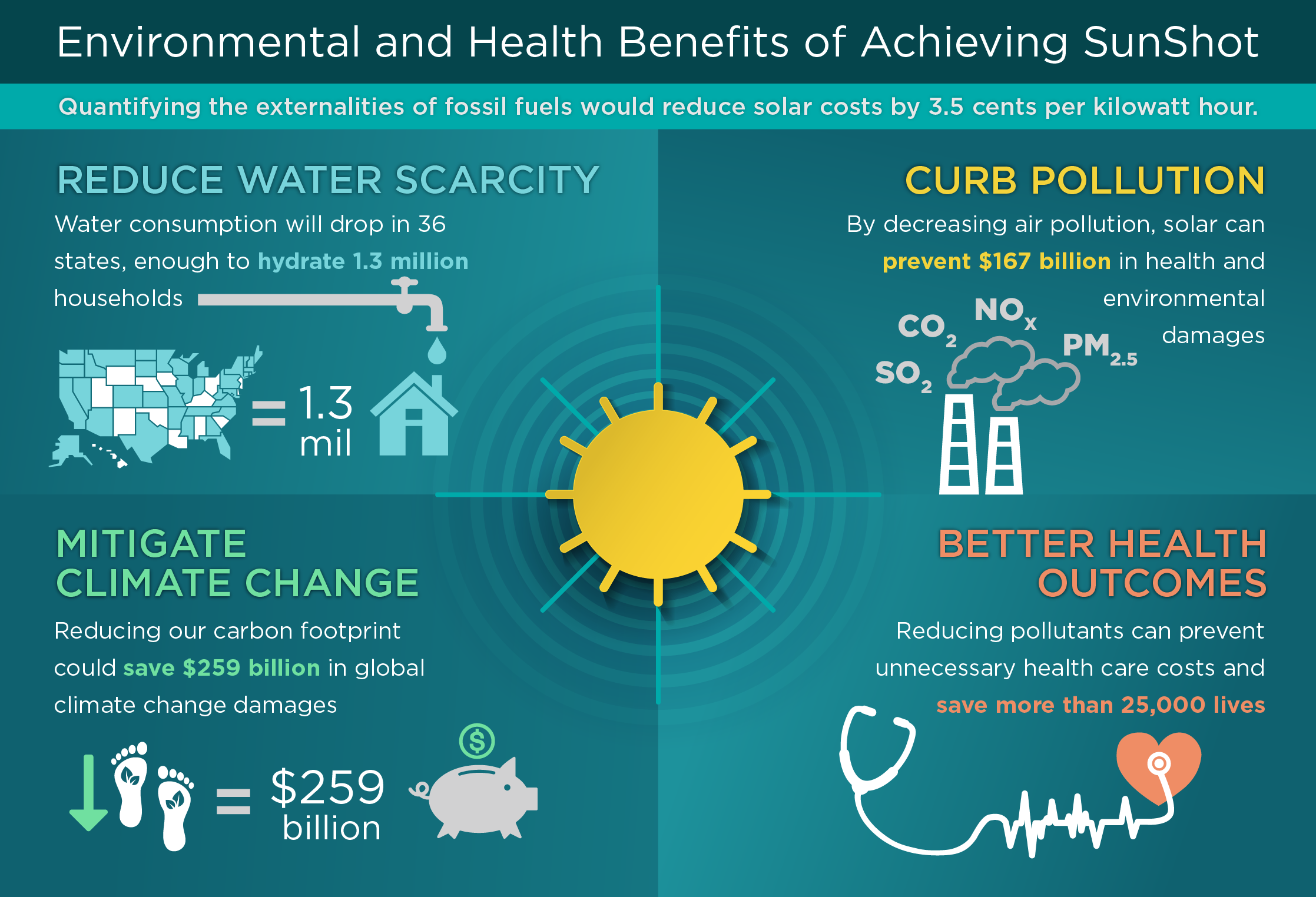
Renewable energy dramatically reduces this water footprint:
- Minimal operational water use: Solar PV (photovoltaic) and wind energy require very little to no water for their operation, beyond occasional panel cleaning or maintenance.
- No water contamination from fuel extraction: Without the need for mining or drilling, the risks of chemical runoff, acid mine drainage, and groundwater contamination are eliminated.
- Hydroelectric power: While requiring significant water infrastructure (dams), it uses water as a driving force rather than consuming or polluting it, allowing the water to continue its natural cycle downstream (though it does alter river ecosystems, a consideration in its deployment).
By relying less on water-intensive energy sources, renewables protect freshwater supplies, reduce competition for water resources between energy and agriculture/domestic use, and prevent the ecological damage associated with water pollution.
Protecting Biodiversity and Natural Habitats
The planet’s rich biodiversity is under unprecedented threat, often directly linked to human activity, including energy production. Renewable energy offers a pathway to minimize our destructive footprint:
- Reduced land degradation: While solar farms and wind turbines do require land, their impact is generally localized and far less destructive than large-scale mining operations or extensive fossil fuel infrastructure. Many renewable projects can be co-located with agriculture or built on previously disturbed lands.
- Preventing oil spills and ecological disasters: The risk of catastrophic events like oil spills, which can decimate marine life, birds, and coastal ecosystems for decades, is completely eliminated with renewable energy sources.
- Preserving pristine wilderness: By moving away from extractive industries, renewables help conserve untouched natural landscapes, critical habitats, and migration corridors for wildlife.
- Less noise pollution: Fossil fuel extraction, processing, and transportation (drilling, pipelines, constant truck traffic) generate significant noise pollution that disrupts wildlife. Renewable energy, while not entirely silent, generally has a much lower, localized noise footprint.
Careful planning and siting of renewable projects, incorporating wildlife corridors and biodiversity assessments, further enhance their ability to coexist harmoniously with nature.
Beyond Waste: Resource Efficiency and a Circular Future
The fossil fuel industry generates enormous amounts of waste, from coal ash and mining tailings to toxic wastewater and spent drilling muds. Much of this waste is hazardous and can leach pollutants into the environment for centuries.
Renewable energy operates on a fundamentally different principle: its ‘fuel’ source is perpetually replenished. Sunlight, wind, and water flow are inexhaustible. This dramatically reduces the need for continuous extraction of finite resources. Furthermore:
- Reduced hazardous waste: Renewable energy systems produce virtually no operational waste that is hazardous in the way fossil fuel byproducts are.
- Recyclability and circularity: While the manufacturing and decommissioning of renewable energy components (like solar panels and wind turbine blades) present waste challenges, the industry is increasingly focused on developing recycling processes and designing for circularity, aiming to reuse and reclaim materials.
This shift represents a move away from a linear, extractive economic model towards a more circular one, where resources are valued, reused, and their environmental impact minimized over their entire lifecycle.
Enhancing Ecosystem Resilience: Supporting Natural Systems
By tackling climate change and pollution, renewable energy offers a crucial benefit that underpins all others: it allows ecosystems to heal and rebuild their natural resilience. When the pressures of acid rain, smog, rising temperatures, and habitat destruction are reduced, natural systems can begin to recover. Healthier forests absorb more carbon, cleaner rivers support thriving fish populations, and stable climates reduce stress on all living things.
This long-term environmental restoration is perhaps the most profound benefit of the renewable energy transition. It’s not just about stopping harm; it’s about actively fostering a healthier, more vibrant planet for all life.
The Cumulative Impact: A Healthier Planet for Generations
The transition to renewable energy isn’t merely an economic shift; it’s an environmental imperative. Each solar panel installed, every wind turbine erected, and every stream harnessed represents a step away from a destructive past and towards a regenerative future. The cumulative benefits—cleaner air, purer water, stable climate, preserved biodiversity, and reduced waste—paint a picture of a planet that can not only survive but thrive.
Embracing renewable energy is our best defense against environmental collapse and our strongest tool for building a sustainable legacy. It’s an investment in the health of our planet, the well-being of our communities, and the promise of a vibrant future for generations to come. The choice is clear, and the time for action is now.
Frequently Asked Questions
What is the primary environmental benefit of renewable energy?
The primary environmental benefit of renewable energy is the drastic reduction of greenhouse gas emissions, particularly carbon dioxide and methane. Unlike fossil fuels, renewables don’t burn fuel, thereby preventing the release of gases that cause climate change, global warming, and extreme weather events.
How does renewable energy improve air quality?
Renewable energy sources like solar and wind power do not produce air pollutants during operation. This eliminates the release of harmful substances such as sulfur dioxide, nitrogen oxides, particulate matter, and mercury, which are major contributors to smog, acid rain, and respiratory and cardiovascular diseases associated with fossil fuel combustion.
Does renewable energy help conserve water?
Yes, many renewable energy technologies, especially solar PV and wind, require very little to no water for their operation compared to traditional power plants that use vast amounts for cooling. This significantly reduces water consumption and prevents water pollution from mining, drilling, and toxic wastewater, helping to conserve precious freshwater resources.
What is the impact of renewable energy on biodiversity and habitats?
Renewable energy minimizes land degradation and habitat disruption compared to fossil fuel extraction methods like mining and drilling. It also eliminates the risk of catastrophic events like oil spills. While some land is required for installations, careful planning can integrate projects with natural environments, protecting wildlife and preserving pristine ecosystems.
How do renewables contribute to a circular economy?
Renewable energy sources rely on perpetually replenished ‘fuel’ (sun, wind, water), reducing the need for continuous extraction of finite resources. They also produce significantly less hazardous operational waste than fossil fuels. The industry is moving towards designing components for recyclability and reuse, fostering a more resource-efficient and circular economic model.
Can renewable energy help reduce noise pollution?
Yes, renewable energy sources generally produce far less noise pollution compared to the continuous, pervasive noise generated by fossil fuel extraction, processing, and transportation. While some renewable technologies, like wind turbines, generate localized noise, the overall environmental noise footprint is significantly reduced.


Post Comment