Home Solar Panel Price 100 Watt
100 Watt Solar Panel Price for Your Home: The Ultimate Guide to Small-Scale Solar
Thinking about dipping your toes into solar energy for your home, but intimidated by the thought of a massive, grid-tied system? You’re not alone. Many homeowners are curious about smaller, more manageable solutions, and a 100-watt solar panel often pops up as an entry point. But how much does it really cost? And more importantly, what can you actually do with it around the house?
Table of Contents
- 100 Watt Solar Panel Price for Your Home: The Ultimate Guide to Small-Scale Solar
- What Does a 100-Watt Solar Panel Cost?
- Beyond the Panel: The True Cost of a 100-Watt Home Solar System
- Key Components and Their Average Costs:
- Table: Estimated Cost Breakdown for a Complete 100W Solar Setup
- What Can a 100-Watt Solar Panel Power at Home? Real-World Applications
- Table: What 100W Can Power (Examples with wattage and run time)
- Ideal Home Use Cases:
- Types of 100-Watt Solar Panels: Price vs. Performance
- Table: 100W Solar Panel Types Comparison
- DIY vs. Professional Installation: Cost & Complexity
- Factors That Influence the Total 100-Watt Solar System Price
- Getting the Best Value: Tips for Buying Your 100W Solar Setup
- Conclusion
Forget the generic product listings. This guide cuts through the noise to give you a clear picture of 100-watt solar panel prices, the hidden costs of a complete system, and realistic applications that truly make sense for a home setting. Let’s break down if a 100W panel is the right small step for your clean energy journey.
What Does a 100-Watt Solar Panel Cost?
Let’s get straight to the point. When you search for a 100-watt solar panel, you’ll find prices that generally fall into a fairly accessible range.
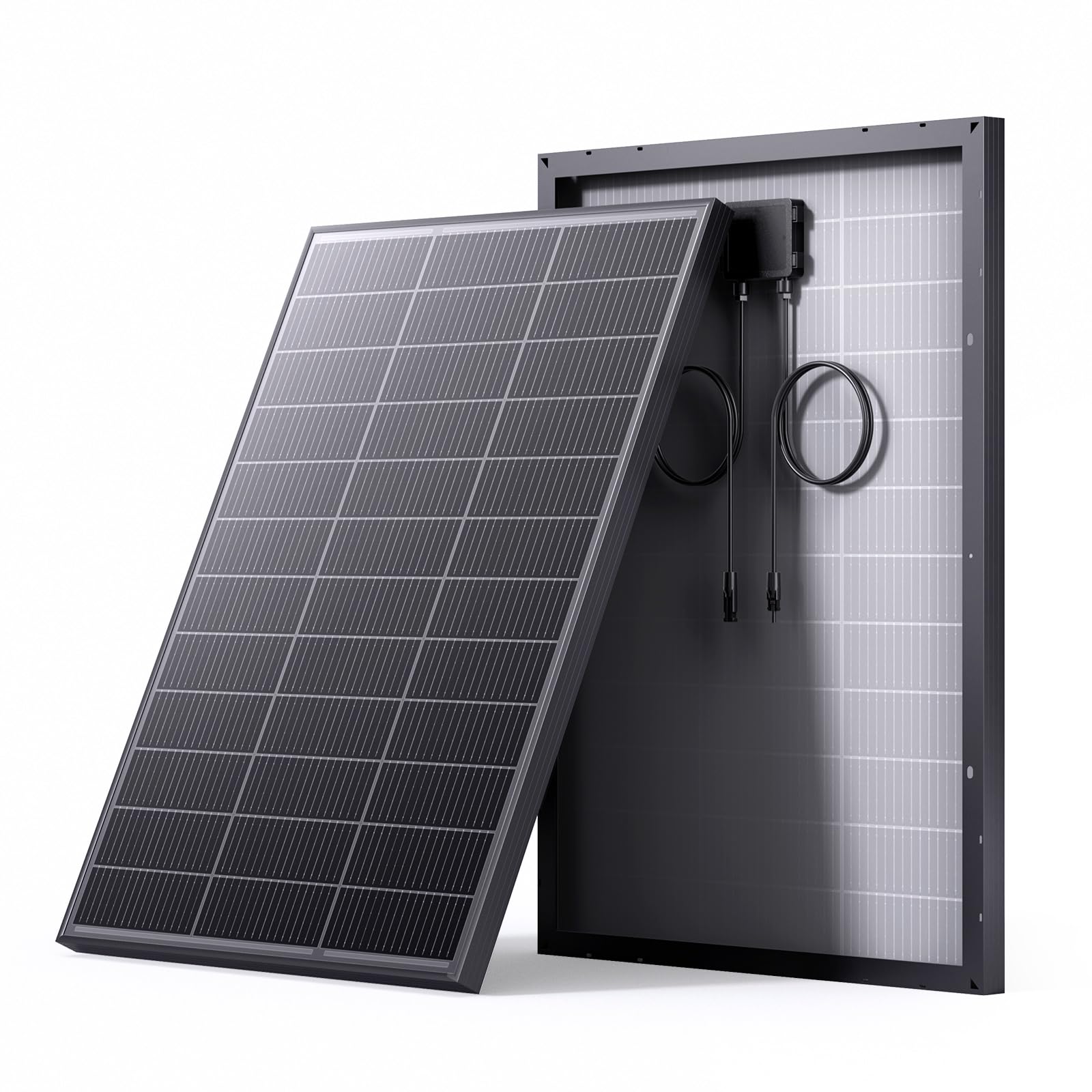
On average, a standalone 100-watt solar panel can cost anywhere from $60 to $150 in the USA. This price primarily reflects the panel itself – a single module designed to convert sunlight into electricity. The variation in price usually comes down to:
- Brand Reputation: Well-known brands might command a slightly higher price.
- Panel Type: Monocrystalline panels (more efficient) might be at the higher end compared to polycrystalline.
- Durability & Warranty: Panels with better construction, weather resistance, and longer warranties often cost a bit more upfront.
- Flexibility: Flexible 100W panels are typically more expensive than rigid ones due to their specialized construction.
While that initial price tag looks appealing, it’s crucial to understand that buying just the panel is like buying an engine without a car. To make that 100 watts usable, you’ll need a few more components. And that’s where the true cost of a 100-watt home solar system comes into play.
Beyond the Panel: The True Cost of a 100-Watt Home Solar System
A bare 100-watt solar panel generates electricity, but it can’t directly power your home appliances or store energy for later use. For that, you need a complete system. Here are the essential components and their average costs:
Key Components and Their Average Costs:
- Charge Controller ($20 – $100+): This is non-negotiable for any system with a battery. It regulates the voltage and current coming from the solar panels to the battery, preventing overcharging and extending battery life. For a 100W panel, a small PWM (Pulse Width Modulation) controller is usually sufficient and cheaper, but an MPPT (Maximum Power Point Tracking) controller is more efficient, albeit pricier.
- Inverter ($50 – $200+): Most home appliances run on AC (Alternating Current), but solar panels and batteries produce DC (Direct Current). An inverter converts DC to AC. For a small 100W system powering minor devices, a small pure sine wave inverter (which provides cleaner power, better for sensitive electronics) is ideal, though a modified sine wave inverter is cheaper if your devices aren’t sensitive.
- Battery ($80 – $300+): To store the energy generated by your panel for use when the sun isn’t shining, you need a battery. Common choices for small systems include 12V deep cycle lead-acid batteries (cheaper but heavier and require more maintenance) or lithium-ion batteries (more expensive but lighter, last longer, and are maintenance-free). For a 100W panel, a 50-100Ah (Amp-hour) battery is a good starting point.
- Mounting Hardware ($20 – $80): This includes brackets, rails, and fasteners to secure your panel. The cost varies based on whether it’s a fixed roof mount, a ground mount, or a portable stand.
- Wiring & Connectors ($15 – $50): You’ll need appropriate gauge wires (e.g., MC4 connectors for panels, battery cables) to link all components safely.
- Miscellaneous (Fuses, Breakers, Enclosures) ($10 – $50): Safety components like fuses, circuit breakers, and possibly a weather-resistant enclosure for your controller and inverter are essential.
When you add all these up, the total cost for a functional, ready-to-use 100-watt home solar system goes well beyond just the panel.
Table: Estimated Cost Breakdown for a Complete 100W Solar Setup
| Component | Average Price Range (USD) | Notes for 100W System |
|---|---|---|
| 100W Solar Panel | $60 – $150 | Monocrystalline often pricier, flexible too. |
| Charge Controller | $20 – $100 | PWM for budget, MPPT for efficiency. |
| Inverter | $50 – $200 | Pure sine wave for sensitive electronics. |
| Battery (e.g., 50-100Ah 12V) | $80 – $300 | Lead-acid is cheaper, Lithium-ion more durable. |
| Mounting Hardware | $20 – $80 | Simple ground mount or portable stand. |
| Wiring & Connectors | $15 – $50 | MC4 connectors, battery cables. |
| Safety & Misc. | $10 – $50 | Fuses, breakers, weather enclosure. |
| TOTAL ESTIMATED SYSTEM COST | $255 – $930+ | This excludes potential installation labor. |
As you can see, the initial thought of a $100 panel quickly becomes a few hundred dollars once you have a functional system. But for many small home applications, this investment is completely worthwhile!
What Can a 100-Watt Solar Panel Power at Home? Real-World Applications
It’s vital to have realistic expectations. A single 100-watt solar panel is not going to power your entire house. It’s too small for major appliances like refrigerators, air conditioners, or electric stoves for extended periods. Instead, think of it as a supplemental power source or for specific, low-draw applications.
Table: What 100W Can Power (Examples with wattage and run time)
| Appliance/Device | Approximate Wattage | Run Time on a Fully Charged 100Ah 12V Battery (Hours) | Notes |
|---|---|---|---|
| LED Light Bulb (10W) | 10 W | ~120 hours | Excellent for shed lighting or emergency backup. |
| Laptop (60W) | 60 W | ~20 hours | Good for remote work or emergency charging. |
| Smartphone Charger (10W) | 10 W | ~120 hours | Can charge multiple devices over several days. |
| Small Fan (25W) | 25 W | ~48 hours | Ideal for cooling small spaces during outages. |
| Wi-Fi Router (10W) | 10 W | ~120 hours | Maintain internet connectivity during power cuts. |
| CPAP Machine (30-60W) | 30-60 W | ~20-40 hours | Critical backup for medical devices. |
Note: Run times are estimates and depend on battery efficiency, inverter efficiency, and actual device draw. A 100Ah 12V battery stores approximately 1200Wh (Watt-hours).
Ideal Home Use Cases:
- Shed or Outdoor Lighting: Power lights, small tools, or even a radio in a shed, gazebo, or chicken coop without running costly trenching for electrical lines.
- Emergency Charging Station: During a power outage, keep essential devices like phones, laptops, and radios charged. This provides invaluable peace of mind.
- Remote Sensors or Cameras: Ideal for powering security cameras, weather stations, or gate openers in areas far from grid power.
- Supplemental Power for Low-Draw Items: Charge power tool batteries, run a small water pump for a garden feature, or operate a small portable cooler.
- Camping or RV Backup: While primarily a ‘home’ guide, a 100W panel is also perfect for temporary off-grid scenarios from your backyard to the wilderness.
Types of 100-Watt Solar Panels: Price vs. Performance
Not all 100-watt panels are created equal. The type of panel significantly impacts its efficiency, size, durability, and ultimately, its price.
- Monocrystalline Solar Panels: These are the most common and highest-efficiency panels. Made from a single, pure crystal structure, they have a uniform, dark black appearance. They perform well in direct sunlight and generally take up less space for the same wattage.
- Polycrystalline Solar Panels: Made from multiple silicon crystals, these panels are slightly less efficient than monocrystalline but are also typically less expensive. They have a blue, speckled appearance. While they require a bit more space for the same output, their lower cost makes them attractive for budget-conscious buyers.
- Flexible Solar Panels: These panels are lightweight and can bend up to 30 degrees, making them ideal for curved surfaces (like RV roofs or boat decks) or situations where portability is key. They are generally less durable and more expensive per watt than rigid panels, and their efficiency can be slightly lower.
- Rigid Solar Panels: The traditional, glass-fronted panels with an aluminum frame. They are the most durable and cost-effective per watt, perfect for fixed installations on a roof, ground, or shed.
- Thin-Film Solar Panels: While less common for small 100W panels, thin-film technology offers flexibility and works better in low-light conditions. However, they are significantly less efficient and require much more surface area to produce the same 100 watts, making them generally unsuitable for small home applications where space is a concern.
Table: 100W Solar Panel Types Comparison
| Panel Type | Efficiency | Typical Price Range (100W) | Pros | Cons |
|---|---|---|---|---|
| Monocrystalline (Rigid) | High (18-22%) | $80 – $150 | Most efficient, good for limited space, durable. | Higher cost than polycrystalline, heavier. |
| Polycrystalline (Rigid) | Medium (15-17%) | $60 – $100 | More affordable, good performance. | Less efficient, larger footprint for same wattage. |
| Flexible (Monocrystalline) | Good (17-20%) | $100 – $250 | Lightweight, bendable, good for curved surfaces or portability. | More expensive, potentially less durable over time, can overheat if not properly ventilated. |
DIY vs. Professional Installation: Cost & Complexity
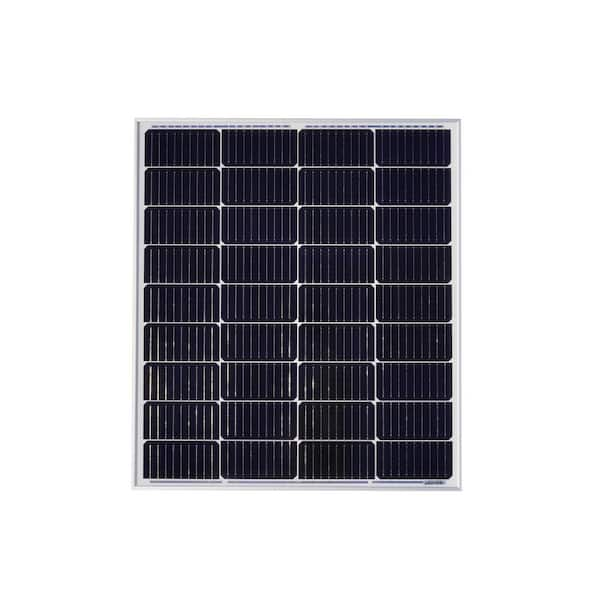
For a small 100-watt solar setup, a DIY approach is highly feasible and often recommended to keep costs down. Most components are designed for easy connection, especially if you purchase a pre-packaged kit.
- DIY Benefits: Significant cost savings on labor, educational experience, full control over your system.
- DIY Considerations: Requires basic electrical knowledge, comfort with tools, and adherence to safety guidelines. Improper wiring can be dangerous and damage equipment.
When to hire a professional:
- If you’re integrating the 100W system into a larger home electrical system (even as a small backup), or if you plan to expand it significantly in the future.
- If you’re uncomfortable with electrical work or installing components on a roof.
- If local regulations require professional installation for any electrical work, even low-voltage.
Permitting: While a single 100W panel often falls below the threshold for requiring complex permits, it’s always smart to check with your local municipality or HOA. Some jurisdictions might still have rules, especially if it’s a permanent outdoor installation.
Factors That Influence the Total 100-Watt Solar System Price
Beyond the core components, several factors can sway the final price you pay for your 100-watt home solar setup:
- Brand and Quality: Premium brands with a strong track record and robust customer support usually cost more. However, they often offer better performance, durability, and longer warranties.
- Efficiency Rating: Higher-efficiency panels generate more power in less space. While a 100W panel is still 100W, a more efficient one might reach that output more consistently in varied conditions or smaller dimensions.
- Warranty: Look for panels with at least a 10-year product warranty and a 25-year performance warranty. Better warranties typically indicate higher quality and reliability.
- Retailer vs. Manufacturer Direct: Buying directly from a manufacturer might offer savings, but online retailers (like Amazon, Home Depot, specialty solar shops) often have competitive pricing and bundled deals.
- Location (Shipping, Local Availability): If you live in a remote area, shipping costs for bulky items like solar panels and batteries can add up. Local pickup might be an option.
- System Expandability: If you think you might want to add more panels or batteries later, choosing components (especially the charge controller and inverter) that can handle future expansion might mean a slightly higher upfront cost but save you money in the long run.
Getting the Best Value: Tips for Buying Your 100W Solar Setup
Ready to invest in your small-scale solar power? Here’s how to ensure you’re getting the most for your money:
- Define Your Needs First: Before you even look at prices, list exactly what you want to power. How many devices? For how long? This helps determine the correct battery size and whether 100W is genuinely enough.
- Read Reviews: Online reviews on retailer sites and specialized solar forums can provide invaluable insights into product reliability, customer service, and real-world performance.
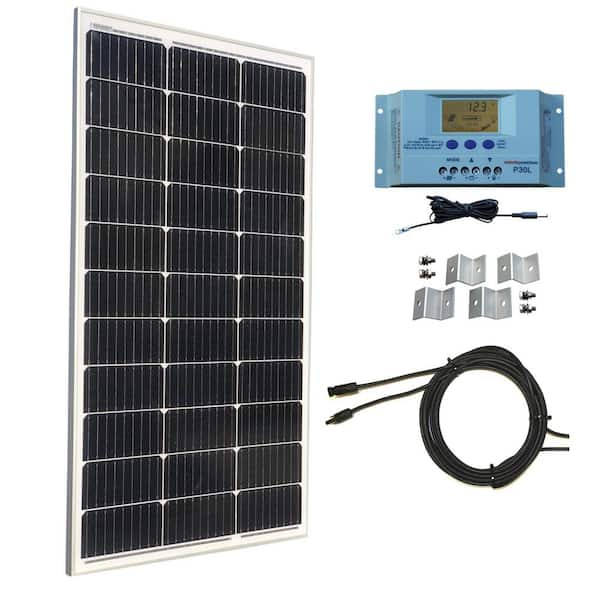
- Compare Bundles and Kits: Many retailers offer 100W solar kits that include the panel, charge controller, and sometimes basic wiring. These bundles are often more cost-effective than buying each component separately and ensure compatibility.
- Look for Sales and Discounts: Black Friday, Cyber Monday, and seasonal sales are great times to snag deals on solar equipment. Keep an eye out for promotions.
- Consider Future Expansion: Even if you start with 100W, you might decide you want 200W or more down the line. If so, buy a charge controller that can handle more input wattage than your current panel provides. This foresight avoids having to replace it later.
- Don’t Skimp on Safety: Fuses, circuit breakers, and proper wiring are non-negotiable. These small costs protect your larger investment and, more importantly, your home and family.
Conclusion
A 100-watt solar panel can be an incredibly practical and affordable entry point into renewable energy for your home. While the panel itself is relatively inexpensive (typically $60-$150), understanding the full system cost – including a charge controller, inverter, and battery – is crucial. A complete, functional 100W system can range from $250 to over $900, depending on component quality and type.
It’s not about powering your entire house, but about intelligently addressing specific needs: emergency power, shed lighting, charging small electronics, or supporting remote devices. By choosing the right type of panel, assembling a balanced system, and carefully considering your budget, a 100-watt solar setup offers a tangible step towards energy independence and resilience for countless small home applications.
Frequently Asked Questions
How much does a 100-watt solar panel cost on its own?
A standalone 100-watt solar panel typically costs between $60 and $150 in the USA. This price varies based on the brand, type (monocrystalline often costs more than polycrystalline), flexibility, and included warranty.
What additional components do I need besides the 100W solar panel for a functional home system?
For a functional system, you’ll need a charge controller (to protect the battery), an inverter (to convert DC to AC for household appliances), a battery (for energy storage), mounting hardware, and appropriate wiring and connectors. Safety components like fuses are also crucial.
What can a 100-watt solar panel realistically power in a home?
A 100W panel is best for low-power applications like charging smartphones and laptops, running LED lights (sheds, emergency), small fans, Wi-Fi routers, or providing backup for critical medical devices like CPAP machines. It is not sufficient for major household appliances like refrigerators or air conditioners.
Is it cheaper to buy a 100W solar kit or individual components?
Often, buying a 100W solar kit that includes the panel, charge controller, and basic wiring can be more cost-effective than purchasing each component separately. Kits also ensure compatibility between components, simplifying the setup process.
What’s the difference between monocrystalline and flexible 100W solar panels?
Monocrystalline panels (rigid, typically glass and aluminum) are highly efficient and durable for fixed installations. Flexible panels are lightweight, bendable, and ideal for curved surfaces or portable setups, but they are generally more expensive per watt and may be less durable over time.
Can I install a 100W home solar system myself, or do I need a professional?
For a small, off-grid 100W system, DIY installation is highly feasible and can save significantly on labor costs. Basic electrical knowledge and adherence to safety guidelines are essential. For larger or grid-tied systems, or if you’re uncomfortable with electrical work, hiring a professional is recommended.
What is the total estimated cost for a complete 100W home solar system?
Including the panel, charge controller, inverter, battery, mounting hardware, and wiring, a complete 100W home solar system can range from approximately $250 to over $900, depending on the quality and type of each component chosen.


Post Comment