How Solar Panels Work In Rainy Season
Don’t Let the Rain Dampen Your Solar Dreams: How Panels Power Through the Storm
Picture this: You’ve made the smart move to go solar, feeling great about your reduced energy bills and smaller carbon footprint. Then the clouds roll in, and a steady rain begins to fall. A thought pops into your head: “Are my solar panels even working right now?” It’s a common question, and frankly, a valid concern for anyone investing in renewable energy.
Table of Contents
- Don’t Let the Rain Dampen Your Solar Dreams: How Panels Power Through the Storm
- The Science Isn’t Cloudy: How Solar Panels Capture Diffused Light
- Beyond Direct Sunlight: Understanding Photovoltaic Cells
- The Role of Spectrums: Why Clouds Don’t Stop Everything
- What Happens to Your Solar Output When the Skies Turn Grey? (The Numbers)
- Quantifying the Dip: Efficiency Ranges in Different Conditions
- Rain’s Surprising Advantage: Natural Panel Cleaning
- Maximizing Solar Performance in the Rainy Season: Smart Strategies
- Smart Angles and Mounting: Optimizing for Diffused Light
- The Power of Battery Storage: Your Rainy Day Fund
- Monitoring Your System: Staying Ahead of the Weather
- Choosing the Right Panel: Low-Light Champions
- Maintenance Matters: Keeping Your Panels Pristine
- Debunking Rainy Day Solar Myths
- Myth 1: Solar Panels Stop Working Completely in the Rain
- Myth 2: Rain Damages Solar Panels
- Myth 3: Solar is Useless in Cloudy Climates
- Beyond the Rain: Understanding All-Weather Solar Reliability
- Is Solar Worth It in a Rainy Climate? The Long-Term Perspective
- Your Solar Future Shines, Rain or Shine
Here’s the short, reassuring answer: Yes, your solar panels absolutely work during the rainy season. They might not generate as much power as on a bright, sunny day, but they are far from useless. In fact, rain can even be a secret weapon for your system’s long-term efficiency. Let’s dive into how these remarkable devices keep churning out electricity even when the skies are grey.
The Science Isn’t Cloudy: How Solar Panels Capture Diffused Light
To understand how solar panels work in the rain, you first need to grasp a fundamental concept: solar panels don’t solely rely on direct sunlight. They’re designed to capture light, period.
Beyond Direct Sunlight: Understanding Photovoltaic Cells
At the heart of every solar panel are photovoltaic (PV) cells. These cells contain semiconductor materials, typically silicon, that exhibit the photovoltaic effect. When photons (particles of light) from the sun strike these materials, they excite electrons, creating an electric current. This is the magic that converts light into usable electricity.
Think of it like this: your skin feels the warmth of the sun most intensely on a cloudless day. That’s direct sunlight. But even on a heavily overcast day, you can still get a sunburn because UV rays, a form of light, are still making their way through the clouds. Solar panels operate on a similar principle, just across a broader spectrum of light.
While direct sunlight provides the most concentrated stream of photons, light also reaches us indirectly. This is called diffused light or ambient light. When clouds are present, they scatter and reflect sunlight, spreading it out across the sky. Your solar panels are remarkably adept at capturing this scattered light from various angles, not just directly overhead.
The Role of Spectrums: Why Clouds Don’t Stop Everything
Sunlight isn’t just one type of light; it’s a spectrum of electromagnetic radiation, including visible light, infrared, and ultraviolet. Clouds act as a filter and a scattering agent. They don’t block all parts of the spectrum equally or completely. Instead, they diffract and reflect the light, changing its direction and intensity.
PV cells are designed to respond to a broad range of this spectrum. So, even though a thick cloud cover reduces the overall intensity of light hitting the panels, enough photons still penetrate and scatter to trigger the photovoltaic effect. It’s like trying to read a book in a dimly lit room versus direct sunlight – you can still read, just not as easily.
What Happens to Your Solar Output When the Skies Turn Grey? (The Numbers)
Now that we know panels *do* work, let’s talk about the nitty-gritty: how much energy are we talking about? It’s crucial to have realistic expectations.

Quantifying the Dip: Efficiency Ranges in Different Conditions
On a bright, clear day, your solar panels are operating at or near their peak efficiency, converting the maximum possible sunlight into electricity. When clouds or rain move in, that efficiency naturally decreases. The extent of this dip depends on several factors:
- Cloud Density: Thin, wispy clouds will have less impact than thick, dark storm clouds.
- Rain Intensity: A light drizzle is different from a torrential downpour.
- Time of Day: Overcast conditions at noon will still yield more power than an equally cloudy late afternoon.
- Panel Type: Some panel technologies are better suited for low-light conditions (more on this below).
Generally, you can expect the following output reductions:
| Weather Condition | Typical Power Output (Relative to Peak) | Explanation |
|---|---|---|
| Bright Sunny Day | 100% (Peak Production) | Direct, intense sunlight maximizes photon capture. |
| Lightly Cloudy/Overcast | 40-60% | Significant diffused light still reaches panels. |
| Heavily Cloudy/Rainy | 10-25% | Reduced light intensity, but still generating power from diffused light. |
| Nighttime/Heavy Storm | 0-5% | Minimal to no light, relying on battery or grid. |
While a 10-25% output might seem low, it’s crucial to remember that this isn’t zero! Over the course of a rainy day, this continuous, albeit lower, generation adds up. Your system is still offsetting your electricity usage, even if you draw more from the grid or your battery storage during these times.
Rain’s Surprising Advantage: Natural Panel Cleaning
Here’s where rain actually becomes your ally. Dust, pollen, bird droppings, and environmental grime can accumulate on your solar panels over time. This buildup acts like a tiny shade, blocking sunlight from reaching the PV cells and reducing efficiency. Studies have shown that dirty panels can lose anywhere from 5% to 20% of their output.
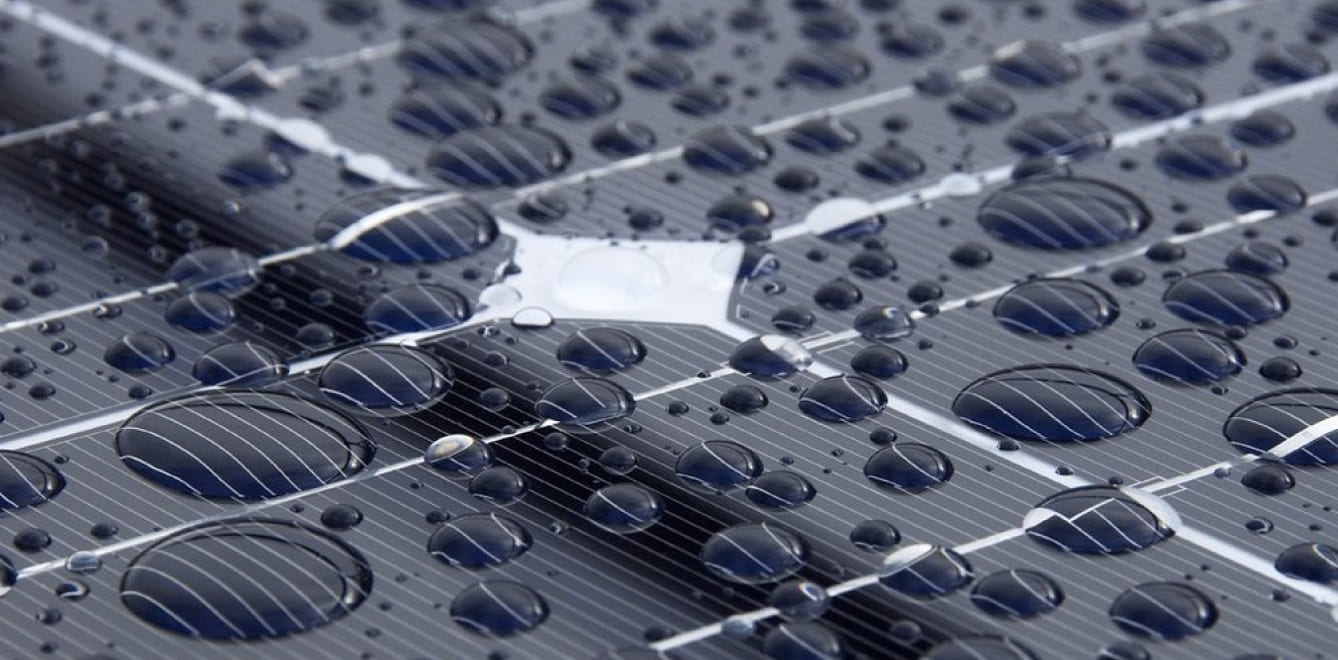
Guess what’s excellent at washing all that away? Rain! A good downpour acts as a natural, free cleaning service for your panels. This ‘free wash’ helps maintain optimal efficiency over the long term, reducing the need for manual cleaning and ensuring that when the sun does come out, your panels are ready to perform at their best. So, don’t just see the rain; see the sparkling clean panels ready for prime time.
Maximizing Solar Performance in the Rainy Season: Smart Strategies
Understanding how panels work in the rain is one thing, but proactively optimizing your system for year-round performance is another. Here are some smart strategies to ensure your solar investment pays off, come rain or shine.
Smart Angles and Mounting: Optimizing for Diffused Light
While your initial solar installation takes local sun paths and optimal angles into account, a properly angled panel isn’t just about capturing direct rays. A good tilt allows for effective water runoff, preventing puddles and debris from lingering. This ensures that the natural cleaning benefits of rain are maximized, and potential shading from standing water is avoided.
For most residential setups in the USA, panels are angled to optimize for annual sunlight. However, in areas with frequent heavy rainfall, installers may slightly adjust for better drainage without significantly compromising overall output.
The Power of Battery Storage: Your Rainy Day Fund
This is arguably the most significant factor in maintaining energy independence during extended cloudy or rainy periods. A solar battery storage system allows you to store excess electricity generated during sunny hours for use later, when your panels are producing less (like on a rainy day or at night).
Think of your battery as an energy piggy bank. On a bright afternoon, your panels might produce more electricity than your home is currently consuming. Instead of sending that surplus back to the grid for a credit (net metering), you can store it in your battery. Then, when the rain sets in and your panels’ output drops, your home can seamlessly draw power from the battery, reducing your reliance on the grid and maximizing your solar self-consumption. This greatly enhances your system’s resilience and value.
Monitoring Your System: Staying Ahead of the Weather
Modern solar systems come with sophisticated monitoring software, often accessible via a smartphone app or web portal. This allows you to track your energy production and consumption in real-time. During the rainy season, regularly checking your system’s performance can provide peace of mind and help you understand your energy patterns.
- Identify Trends: See how your output changes with different weather patterns.
- Spot Issues: While rare, a sudden, unexplained drop in production could indicate a system issue that needs professional attention, rather than just bad weather.
- Manage Consumption: If you know a stretch of rainy days is coming, you can adjust your energy usage to prioritize essential appliances or charge your battery fully beforehand.
Choosing the Right Panel: Low-Light Champions
While all solar panels generate power in diffused light, some technologies are inherently better at it than others. The material and construction of the PV cells play a crucial role.
| Panel Type | Description | Low-Light Performance |
|---|---|---|
| Monocrystalline Silicon | Made from a single crystal of silicon, recognizable by their dark, uniform appearance. Highest efficiency in ideal conditions. | Excellent. Generally perform very well in low-light and cloudy conditions due to higher purity silicon. |
| Polycrystalline Silicon | Made from multiple silicon crystals, giving them a speckled, blue appearance. Slightly lower efficiency than monocrystalline. | Good. Still effective in low light, though monocrystalline often has a slight edge. Cost-effective choice. |
| Thin-Film Solar (Amorphous Silicon, CdTe, CIGS) | Flexible, lightweight, and less silicon-intensive. Lower efficiency per square foot, but can be cheaper. | Very Good/Excellent. Often cited for their superior performance in diffused light and higher temperatures due to different material properties and wider spectral absorption. |
For most homeowners, modern monocrystalline panels offer an excellent balance of high efficiency in direct sun and strong performance in lower light. If you live in an area with consistently overcast conditions, discussing thin-film options with your installer might be beneficial.
Maintenance Matters: Keeping Your Panels Pristine
While rain is a great natural cleaner, it’s not a substitute for occasional professional maintenance. Here’s what to keep in mind:
- Clear Debris: After heavy winds or storms, check if leaves, branches, or other debris have landed on your panels. These can create shading and hot spots.
- Inspect for Shading: Trees grow! Ensure that nearby trees haven’t grown to cast new shadows on your panels, especially during times of day when the sun is lower. Even partial shading on one cell can significantly reduce the output of an entire string of panels.
- Professional Checks: Schedule annual or bi-annual professional inspections. Technicians can check wiring, connections, mounting hardware, and overall system health, ensuring everything is functioning optimally, regardless of the weather.
Debunking Rainy Day Solar Myths
Misinformation can often cloud our judgment, much like a real storm. Let’s clear up some common misconceptions about solar panels and rainy weather.
Myth 1: Solar Panels Stop Working Completely in the Rain
Reality: As we’ve thoroughly covered, this is simply untrue. Solar panels are designed to capture light, not just direct sunshine. While their output is reduced, they continue to generate electricity from the diffused light that penetrates cloud cover. Think of it as dimming the lights, not turning them off.
Myth 2: Rain Damages Solar Panels
Reality: Quite the opposite! Solar panels are built to withstand harsh weather conditions, including heavy rain, hail, snow, and strong winds. They undergo rigorous testing to meet international standards for durability. The tempered glass surface is incredibly tough, and the frames are designed to be weather-resistant. In fact, rain is beneficial because it helps clean the panels, as discussed earlier.
Myth 3: Solar is Useless in Cloudy Climates
Reality: This myth stems from the idea that solar only works in perpetually sunny places like Arizona or California. While those regions are solar powerhouses, countries with famously cloudy or rainy climates, like Germany and the UK, are also leaders in solar adoption. Why? Because annual solar irradiance is what matters, not just peak sunny days. Systems are designed and sized to account for regional weather patterns, often incorporating battery storage and net metering to balance out fluctuations. Many modern panels excel in lower light conditions, making solar a viable and valuable investment even in less sunny locales.
Beyond the Rain: Understanding All-Weather Solar Reliability
Rain is just one piece of the puzzle. Modern solar technology is engineered for resilience across a spectrum of weather conditions:
- Snow: Panels can still generate power under light snow cover, especially if they’re dark and absorb enough sunlight to warm up and melt the snow. Snow also offers a reflective benefit, bouncing light back onto panels.
- Extreme Temperatures: While extreme heat can slightly reduce efficiency (panels prefer cooler temps for optimal operation), they are designed to operate safely in a wide range of temperatures, both hot and cold.
- Wind: Properly installed solar panels are securely mounted and engineered to withstand significant wind loads, adhering to local building codes and engineering standards.
The key takeaway is that your solar system is an investment in long-term energy generation, built to endure and perform in diverse environmental conditions.
Is Solar Worth It in a Rainy Climate? The Long-Term Perspective
Given the occasional dips in production during rainy periods, is solar still a wise investment if you live in a region known for its precipitation? Absolutely.
The decision to go solar should always be based on the annual energy production potential for your specific location, not just peak daily output. Solar installers use sophisticated software that analyzes decades of weather data for your exact address, factoring in cloud cover, sun angles, and seasonal variations. This allows them to design a system that will meet your energy needs over an entire year, taking rainy seasons into account.
Combined with strategies like net metering (where you get credit for excess energy sent to the grid) and battery storage, solar systems in rainy climates remain a highly effective way to:
- Reduce or eliminate your electricity bills.
- Increase your energy independence.
- Boost your home’s value.
- Contribute to a sustainable future.
Don’t let the weather forecast dictate your energy choices. A well-designed, robust solar system is a powerful tool for energy resilience, delivering clean power year-round.
Your Solar Future Shines, Rain or Shine
The myth that solar panels are rendered useless by a cloudy sky or a rainy day is simply that—a myth. Your solar panels are remarkably resilient, engineered to harness diffused light and continue generating electricity even when the weather isn’t picture-perfect. From the physics of photon capture to the practical benefits of natural cleaning and the strategic advantage of battery storage, solar energy proves its worth in all seasons.
So, the next time the rain starts to fall, look up at your solar panels with confidence. They’re not just enduring the storm; they’re actively working through it, silently powering your home and securing your energy future. Rain or shine, your solar investment is constantly paying you back.
Frequently Asked Questions
Do solar panels stop working completely when it rains?
No, solar panels do not stop working completely in the rain. They are designed to capture diffused light that penetrates cloud cover, meaning they will still generate electricity, albeit at a reduced output compared to a bright, sunny day. The amount of power generated depends on the intensity of the rain and cloud density.
How much efficiency do solar panels lose on a rainy day?
On a heavily cloudy or rainy day, solar panels typically operate at 10-25% of their peak production capacity. For lightly cloudy or overcast conditions, this figure can rise to 40-60%. While reduced, this continuous generation still contributes to your home’s energy needs.
Does rain damage solar panels?
Absolutely not. Solar panels are built to be extremely durable and are rigorously tested to withstand harsh weather conditions, including heavy rain, hail, and strong winds. The tempered glass surface and robust framing are designed for outdoor resilience. In fact, rain often helps by naturally cleaning dust and grime off the panels, which can improve their efficiency.
How can I maximize my solar panel’s performance during the rainy season?
To maximize performance during rainy seasons, consider incorporating battery storage to save excess energy from sunny days, monitor your system regularly for consistent performance, ensure panels are free from debris, and choose panel types (like monocrystalline or thin-film) known for good low-light performance. Regular professional maintenance also helps.
Is solar still a good investment in a rainy or cloudy climate?
Yes, solar is still a worthwhile investment in rainy or cloudy climates. System designs factor in local annual solar irradiance, not just peak sun hours. With advancements like efficient low-light panels, battery storage, and net metering, solar systems can effectively meet energy needs year-round, significantly reducing electricity bills and increasing energy independence.
What is ‘diffused light’ and why is it important for solar panels in the rain?
Diffused light is sunlight that has been scattered and reflected by clouds, atmospheric particles, or other objects, rather than coming directly from the sun. Solar panels can efficiently capture this scattered light, allowing them to continue generating electricity even when direct sunlight is obscured by clouds or rain. This ability is crucial for their year-round functionality.


Post Comment