How To Explain Solar System To Kindergarten
How to Explain the Solar System to Kindergarteners: A Fun & Simple Guide
Ever tried to teach a 5-year-old about the vastness of space and watched their eyes glaze over after about 30 seconds? You’re not alone! Explaining complex concepts like the solar system to a kindergartener can feel like a mission to Mars without a spaceship. But trust me, it doesn’t have to be.
Table of Contents
- How to Explain the Solar System to Kindergarteners: A Fun & Simple Guide
- Why Bother Teaching Space to Kindergarteners? (Beyond Just Facts)
- The Core Concept: Our Cosmic Neighborhood (Keep It Simple!)
- Start with the Sun: Our Giant Star Friend
- Meet Earth: Our Home Sweet Home
- Our Moon: Earth’s Nightlight
- Simple Steps to Introduce the Planets (One by One!)
- Step 1: The ‘Family’ Analogy – Sun as the Parent, Planets as Kids
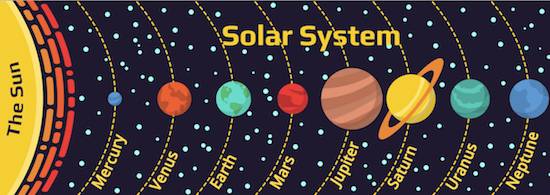
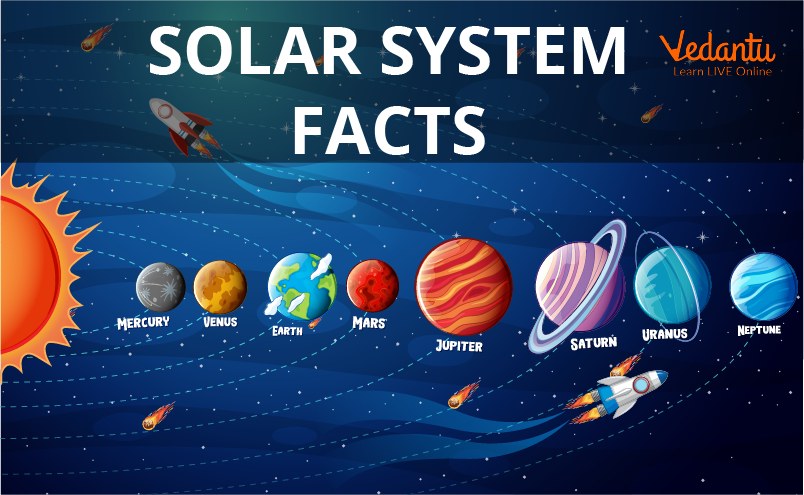
- Step 2: Introduce Planets in Order (with a Mnemonic!)
- Step 3: Focus on ONE Key Feature Per Planet
- Step 4: Beyond Planets – Asteroids, Comets, and More (Briefly)
- Engaging Activities for Hands-On Learning
- Common Questions & Simple Answers for Curious Kids
- Important Tips for Parents & Educators
- Planet Fun Facts for Kindergarteners
- Conclusion
As a parent or educator, your goal isn’t to turn them into astrophysicists overnight. It’s about sparking curiosity, igniting wonder, and planting the seeds for a lifelong love of learning. And the best part? It can be incredibly fun for both of you. This guide will give you all the tools, analogies, and activities you need to make the solar system understandable and exciting for young minds.
Why Bother Teaching Space to Kindergarteners? (Beyond Just Facts)
You might wonder, “Is my kindergartener really ready for planets and orbits?” Absolutely! Even simple exposure to these ideas offers immense benefits:
- Sparking Curiosity: Introducing space early lays the groundwork for STEM (Science, Technology, Engineering, Math) interests. It teaches them to ask “why” and “how.”
- Big Picture Thinking: Learning that we live on a planet that’s part of a bigger system helps them understand their place in the universe, even if it’s just a tiny, simple version.
- Vocabulary Building: Words like “planet,” “star,” “orbit,” and “galaxy” expand their language skills in an exciting context.
- Imagination & Wonder: Space is inherently magical. Talking about distant planets and shimmering stars fuels their creative thinking and sense of awe.
So, let’s ditch the boring lectures and dive into making space exploration an unforgettable adventure for your little ones!
The Core Concept: Our Cosmic Neighborhood (Keep It Simple!)
Before you launch into all eight planets, start with the most familiar objects. Think of it like building blocks: start with the biggest, most stable ones first.
Start with the Sun: Our Giant Star Friend
The Sun is the star of our show, literally! It’s the anchor of our solar system, and it’s something your child already knows and sees (almost) every day.
- What it is: “Imagine a super, super big, hot, glowing ball of light and fire! That’s our Sun. It’s so big, it makes our whole Earth look tiny!”
- Why it’s important: “The Sun gives us light so we can see, and warmth so we don’t get too cold. It’s like the biggest, brightest lamp and heater in the sky!”
- Analogy: “Think of the Sun as the grown-up leader of a big family. All the planets are its children, and they all stay close to it.”
Meet Earth: Our Home Sweet Home
This is the most important planet for your kindergartener because it’s where they live!
- What it is: “This is our planet, Earth! It’s a big, beautiful ball, and it’s mostly blue because of all the water, and green and brown for the land where we play.”
- What it does: “Our Earth is always spinning, like a top, which gives us day and night. And it also goes all the way around the Sun, which gives us seasons!”
- Analogy: “The Earth is your house in the big cosmic neighborhood. It’s special because it’s the only place we know where people and animals can live!”
Our Moon: Earth’s Nightlight
The Moon is Earth’s constant companion, easy for kids to spot in the night sky.
- What it is: “The Moon is like a big, round rock that hangs out with our Earth. We see it shining at night, but it’s actually just reflecting the Sun’s light!”
- What it does: “The Moon goes around our Earth, just like Earth goes around the Sun. Sometimes it looks like a full circle, and sometimes it looks like a banana!”
Simple Steps to Introduce the Planets (One by One!)
Now that your little one understands the Sun, Earth, and Moon, it’s time to meet the rest of the solar system family. Don’t rush it! Introduce them gradually.
Step 1: The ‘Family’ Analogy – Sun as the Parent, Planets as Kids
Reiterate the idea of the Sun being the center. “Remember how the Sun is like the leader? Well, all the other planets are like its children, and they all hold hands and spin around the Sun in a big circle. That’s called an orbit!” You can even demonstrate this by having them hold your hand and spin around you.
Step 2: Introduce Planets in Order (with a Mnemonic!)
Learning the order is a big achievement for this age group. A simple mnemonic makes it memorable. My personal favorite, and a classic:
“My Very Eager Mother Just Served Us oodles.”
Repeat it often, pointing to pictures of the planets as you say each word.
Step 3: Focus on ONE Key Feature Per Planet
Kindergarteners thrive on simplicity and engaging details. Don’t overload them with numbers or too many facts. Pick one or two fun, memorable characteristics for each planet.
- Mercury: “This is Mercury, the planet closest to the Sun. It’s super, super fast! It zips around the Sun quicker than any other planet.” (Think of a tiny speedster.)
- Venus: “Next is Venus. It’s a very hot planet and it’s super bright, so bright you can sometimes see it shining in our sky like a sparkly jewel!” (The sparkly one.)
- Earth: “Then there’s our beautiful Earth! Remember, it’s our blue and green home.” (The home planet.)
- Mars: “This is Mars, the ‘Red Planet’! It looks a bit rusty, and scientists are curious if tiny little aliens might live there someday!” (The red, possibly alien-friendly one.)
- Jupiter: “Wow, look at Jupiter! It’s the biggest planet, like a giant beach ball! It even has a huge red spot that’s actually a giant storm bigger than Earth!” (The biggest, stormy one.)
- Saturn: “Ah, Saturn! This one has the most amazing, sparkly rings made of ice and rock. It’s like wearing a beautiful hula-hoop!” (The one with the rings.)
- Uranus: “This is Uranus. It’s a chilly, blue-green planet, and it actually spins on its side, like it fell over and is rolling!” (The tipping, blue-green one.)
- Neptune: “Last but not least, Neptune! It’s super, super far away and super, super cold. It’s also very windy there!” (The farthest, coldest, windy one.)
Step 4: Beyond Planets – Asteroids, Comets, and More (Briefly)
You don’t need to go into deep detail, but a quick mention of other space objects can add to the wonder.

- Asteroids: “Sometimes, there are big space rocks floating around too. We call them asteroids!”
- Comets: “And once in a while, we see a ‘snowball with a tail’ zoom across the sky – those are comets!”
Engaging Activities for Hands-On Learning
Learning comes alive when kids can touch, create, and move! These activities reinforce concepts in a fun, memorable way.
- Build a Solar System Model:
- Use different sized Play-Doh balls to represent the planets.
- Paint Styrofoam balls and hang them from a hanger mobile.
- Even drawing circles on paper and naming them is a great start!
- Solar System Walk: If you have space, try to create a simple scaled model. Designate a “Sun” (maybe a yellow ball in the center). Then, place smaller objects (or even just pictures) at varying distances to represent the planets. This helps them grasp the concept of distance and orbit.
- Planet Coloring Pages: Find or print coloring pages of planets. As they color, talk about the planet’s name, its main color, and its special feature.
- Story Time: Many excellent children’s books explain space in simple terms. Read them together, pointing out the planets and other objects.
- Movement Game: Have one child be the “Sun” in the middle. Other children (or you!) can be planets, slowly walking or skipping in a circle around the Sun, demonstrating an “orbit.”
- Sing a Song: Look up catchy songs about the planets online. Music is a powerful memory tool for young children.
Common Questions & Simple Answers for Curious Kids
Kindergarteners are naturally inquisitive! Be prepared for some classic questions and have simple answers ready.
- “Where do stars go in the day?”
“They’re still there! But our Sun is so bright, it makes the sky super light, so we can’t see the other stars until it gets dark again.”
- “Can we visit other planets?”
“Not yet, for most of them! They’re super far away, and some are too hot or too cold. But brave astronauts have been to our Moon, and special robots have landed on Mars! Maybe someday you’ll go!”
- “Is there really life on Mars?”
“We don’t know for sure yet! Scientists are looking, but we haven’t found any tiny Martian friends there. For now, Earth is the only planet we know that has living things like us.”
- “Why is space dark?”
“Even though there are lots of stars, space is so, so big that most of it is just empty darkness between all the bright lights. It’s like being in a huge room with only a few lamps on.”
- “What about Pluto?”
“Ah, Pluto! It’s a tiny, tiny, super cold little world very far away. It’s not one of the main eight planets anymore, but it’s still a really cool dwarf planet! We can still learn about it!”
Important Tips for Parents & Educators
Your approach matters just as much as the information itself. Keep these tips in mind:
- Keep it Short & Sweet: Kindergarteners have short attention spans. Break information into small, digestible chunks. A few minutes of space talk here, a quick activity there.
- Use Visuals, Visuals, Visuals: Pictures, books, videos, and models are crucial. They make abstract concepts tangible.
- Be Enthusiastic: Your excitement is contagious! If you’re genuinely interested, they’re more likely to be too.
- Encourage Questions: There are no silly questions in science. Answer patiently and honestly, even if the answer is “We don’t know yet!”
- Repeat, Repeat, Repeat: Reinforcement is key. Don’t worry if you have to go over the planets’ names or the Sun’s importance many times. Each repetition solidifies their understanding.
- Focus on Fun, Not Perfection: The goal isn’t memorization, but fostering a sense of wonder and comfort with scientific ideas. Let them enjoy the journey!
Planet Fun Facts for Kindergarteners
Here’s a quick summary table to help you remember the main points for each planet. Use these as talking points!
| Planet | Main Color | Special Feature | Size (Compared to Earth) |
|---|---|---|---|
| Mercury | Gray/Brown | Super fast around the Sun! | Small (like a tiny marble) |
| Venus | Yellow/White | Super hot and super bright! | Almost the same as Earth |
| Earth | Blue/Green | Our beautiful home with plants and animals! | Our size (like a basketball) |
| Mars | Red/Orange | The ‘Red Planet’ – scientists look for tiny life! | Smaller than Earth (like a tennis ball) |
| Jupiter | Orange/Brown/White | Biggest planet with a giant red storm! | Very, very big (like a giant beach ball) |
| Saturn | Pale Yellow | Has beautiful, sparkly rings! | Big (like a big soccer ball) |
| Uranus | Blue-Green | Spins on its side! | Medium (like a volleyball) |
| Neptune | Dark Blue | Farthest, coldest, and super windy! | Medium (like a volleyball) |
Conclusion
Teaching kindergarteners about the solar system is less about memorizing facts and more about igniting a lifelong passion for discovery. By using simple analogies, hands-on activities, and answering their questions with enthusiasm, you’re not just teaching them about space – you’re teaching them how exciting learning can be. So go ahead, look up at the night sky with your little ones, point out the Moon, and talk about the distant stars. Who knows what future astronaut or scientist you might inspire?
”
Frequently Asked Questions
What’s the easiest way to start explaining the solar system to a kindergartener?
Begin with what they know: the Sun, Earth (our home), and the Moon. Use simple analogies, like the Sun being a giant hot ball and the Earth spinning like a top. This builds a foundational understanding before introducing other planets.
How many planets should I teach a kindergartener at once?
It’s best to introduce them gradually, perhaps one or two at a time. Once they grasp the concept of the Sun and Earth, you can then introduce the other eight planets, focusing on one memorable feature for each, rather than overwhelming them with all the details at once.
What’s a good way to help kids remember the order of the planets?
A fun mnemonic (a memory aid) works wonders! A popular one is ‘My Very Eager Mother Just Served Us Noodles,’ where each first letter stands for Mercury, Venus, Earth, Mars, Jupiter, Saturn, Uranus, and Neptune.
Are there any easy hands-on activities to teach the solar system?
Absolutely! Try building a solar system model with Play-Doh or painted Styrofoam balls. You can also create a ‘solar system walk’ in your backyard with objects at different distances, or simply use coloring pages to reinforce planet names and colors.
Should I tell my kindergartener about Pluto?
You can mention Pluto as a ‘dwarf planet’ – a tiny, super cold world that’s very far away. Explain that while it’s not one of the main eight planets, it’s still a fascinating part of our solar neighborhood. Keep it brief and positive!
What if my child asks a question I don’t know the answer to?
It’s perfectly fine to say, ‘That’s a great question! I don’t know the exact answer, but let’s look it up together!’ This teaches them that learning is a continuous process and encourages them to seek out information.


Post Comment