Pros And Cons Of Solar Panels In Florida
Pros and Cons of Solar Panels in Florida: Your Definitive Guide to Going Solar in the Sunshine State
Considering solar panels for your Florida home? You’re not alone. The promise of slashing electricity bills, achieving energy independence, and contributing to a greener planet is incredibly appealing. But I get it – the upfront cost, concerns about hurricanes, and navigating incentives can make the decision feel daunting. Is solar truly worth it in the Sunshine State?
Table of Contents
- Pros and Cons of Solar Panels in Florida: Your Definitive Guide to Going Solar in the Sunshine State
- The Sunshine State’s Solar Promise: Unpacking the Pros of Solar Panels in Florida
- Abundant Sunshine: Nature’s Free Fuel
- Significant Savings on Electricity Bills
- Leveraging Florida’s Solar Incentives and Policies
- Increased Home Value & Quicker Sales
- Energy Independence & Grid Resilience
- Environmental Impact: A Greener Florida
- The Shady Side of Solar: Navigating the Cons of Solar Panels in Florida
- High Upfront Installation Costs
- Payback Period: A Long-Term Investment
- Reliance on Sunshine (and Weather)
- Aesthetic Concerns & HOA Restrictions
- Maintenance & Cleaning
- Technology Evolution & Resale Challenges
- No State-Specific Cash Rebates (Generally)
- The Florida Factor: Unique Considerations for Solar in the Sunshine State
- Hurricane Preparedness & Robust Systems
- Florida’s Net Metering Landscape
- Roofing & Installation Challenges
- Solar Panels with Battery Storage in Florida: Is It Worth the Extra Investment?
- The Case for Batteries: Power Outage Protection
- Maximizing Self-Consumption & Time-of-Use Rates
- The Downside: Additional Cost & Complexity
- Making the Decision: Is Solar Right for YOUR Florida Home?
- Factors to Consider Before Going Solar
- Steps to Take: Your Solar Journey Begins Here
- The Bottom Line: Solar in Florida – A Bright Future?
- Pros and Cons of Solar Panels in Florida: Your Definitive Guide to Going Solar in the Sunshine State
- The Sunshine State’s Solar Promise: Unpacking the Pros of Solar Panels in Florida
- Abundant Sunshine: Nature’s Free Fuel
- Significant Savings on Electricity Bills
- Leveraging Florida’s Solar Incentives and Policies
- Increased Home Value & Quicker Sales
- Energy Independence & Grid Resilience
- Environmental Impact: A Greener Florida
- The Shady Side of Solar: Navigating the Cons of Solar Panels in Florida
- High Upfront Installation Costs
- Payback Period: A Long-Term Investment
- Reliance on Sunshine (and Weather)
- Aesthetic Concerns & HOA Restrictions
- Maintenance & Cleaning
- Technology Evolution & Resale Challenges
- No State-Specific Cash Rebates (Generally)
- The Florida Factor: Unique Considerations for Solar in the Sunshine State
- Hurricane Preparedness & Robust Systems
- Florida’s Net Metering Landscape
- Roofing & Installation Challenges
- Solar Panels with Battery Storage in Florida: Is It Worth the Extra Investment?
- The Case for Batteries: Power Outage Protection
- Maximizing Self-Consumption & Time-of-Use Rates
- The Downside: Additional Cost & Complexity
- Making the Decision: Is Solar Right for YOUR Florida Home?
- Factors to Consider Before Going Solar
- Steps to Take: Your Solar Journey Begins Here
- The Bottom Line: Solar in Florida – A Bright Future?
As a homeowner in Florida, you deserve a clear, unbiased look at what going solar really means for you. This isn’t about sales pitches; it’s about facts, figures, and Florida-specific insights to help you make an informed choice. I’m going to walk you through the undeniable advantages, confront the realistic drawbacks, and help you understand the unique factors that make solar in Florida both incredibly promising and uniquely challenging.
The Sunshine State’s Solar Promise: Unpacking the Pros of Solar Panels in Florida
Let’s kick things off with why so many Floridians are embracing solar. The benefits are substantial, particularly when you factor in our abundant natural resource: sunshine.
Abundant Sunshine: Nature’s Free Fuel
This one’s a no-brainer. Florida consistently ranks among the top states for solar energy potential. We’re called the Sunshine State for a reason! With an average of 237 sunny days per year and high solar irradiance, your panels will be working hard, producing electricity day in and day out. This consistent sunlight ensures high energy production, meaning you need fewer panels to generate significant power compared to less sunny regions.
Significant Savings on Electricity Bills
This is often the primary driver for homeowners. Once your solar system is installed and operational, you’ll see an immediate and dramatic reduction in your monthly electricity bill. Many homeowners even achieve near-zero bills, only paying connection fees to their utility. Over the lifespan of your system (typically 25-30 years), these savings add up to tens of thousands of dollars.
Here’s a snapshot of potential monthly savings you could experience:
| Current Monthly Electric Bill | Estimated Monthly Savings with Solar | Potential Annual Savings |
|---|---|---|
| $100 – $150 | $70 – $120 | $840 – $1,440 |
| $150 – $200 | $110 – $170 | $1,320 – $2,040 |
| $200 – $300+ | $160 – $270+ | $1,920 – $3,240+ |
These figures can vary based on your system size, energy consumption, and utility rates, but they illustrate the significant financial relief solar can provide.
Leveraging Florida’s Solar Incentives and Policies
While Florida doesn’t boast the same array of state-specific cash rebates as some other states, several crucial incentives make solar financially attractive:
- Federal Solar Investment Tax Credit (ITC): This is the big one. The ITC currently offers a 30% tax credit on the total cost of your solar system. This is a direct reduction in your income tax liability, not just a deduction, and significantly lowers your net investment.
- Net Metering: Florida law mandates that utility companies offer net metering. This policy allows you to send any excess electricity your panels produce back to the grid, and your utility credits your account for that power. It essentially makes the grid your battery, ensuring you get value for every kilowatt-hour your system generates.
- Property Tax Exemption: Normally, home improvements that increase your property’s value lead to higher property taxes. However, in Florida, 100% of the added value from your solar installation is exempt from property taxes. This is a huge benefit, as your home becomes more valuable without increasing your tax burden.
- Sales Tax Exemption: You also benefit from a 100% sales tax exemption on the purchase of solar energy equipment. This means you won’t pay Florida’s 6% sales tax (plus local option taxes) on your solar panels, inverters, and associated components, further reducing your upfront costs.
- PACE Financing: Property Assessed Clean Energy (PACE) programs are available in many Florida counties. PACE allows you to finance solar improvements through a special assessment on your property tax bill, paid back over time. While convenient, it’s crucial to understand the terms carefully, as it’s tied to the property, not the homeowner.
Increased Home Value & Quicker Sales
Multiple studies confirm that homes with solar panels sell for more and spend less time on the market. Appraisers increasingly recognize solar as a valuable asset. In Florida’s competitive real estate market, a solar-powered home stands out, appealing to buyers looking for lower utility bills and modern, sustainable features. This isn’t just a feel-good benefit; it’s a tangible return on investment when it’s time to sell.
Energy Independence & Grid Resilience
Tired of rising utility rates and unpredictable outages? Solar panels offer a path to energy independence. You generate your own power, insulating yourself from future rate hikes and the whims of the energy market. With the addition of a solar battery, this independence becomes even stronger, providing backup power during grid failures, a significant advantage in a state prone to severe weather.
Environmental Impact: A Greener Florida
Beyond personal savings, going solar means actively reducing your carbon footprint. You’re decreasing reliance on fossil fuels, cutting down on air pollution, and contributing to a cleaner, more sustainable energy future for Florida. Many homeowners find deep satisfaction in knowing their home is part of the solution to climate change.
The Shady Side of Solar: Navigating the Cons of Solar Panels in Florida
No investment is without its downsides, and solar is no exception. It’s important to look at these potential drawbacks realistically before making a commitment.
High Upfront Installation Costs
Let’s be blunt: solar panels are a significant investment. Before incentives, a typical residential solar system in Florida can range from $15,000 to $30,000 or more, depending on its size and complexity. While the federal ITC helps considerably, you still need to secure financing or have the cash available. This initial hurdle is often the biggest barrier for many homeowners.
Here’s an estimate of typical costs before applying the 30% federal tax credit:
| System Size (kW) | Average Pre-ITC Cost Range in FL | Average Post-ITC Cost Range in FL (Approx.) |
|---|---|---|
| 5 kW (Small Home) | $15,000 – $20,000 | $10,500 – $14,000 |
| 8 kW (Medium Home) | $24,000 – $32,000 | $16,800 – $22,400 |
| 10 kW (Large Home) | $30,000 – $40,000 | $21,000 – $28,000 |
These are averages, and your specific cost will depend on your installer, equipment choice, and roof complexity.
Payback Period: A Long-Term Investment
While solar panels offer significant long-term savings, they require patience. The typical payback period in Florida, which is the time it takes for your energy savings to offset your initial investment, usually ranges from 8 to 12 years. This means you won’t see a net financial gain until after this period. For homeowners who plan to move within a few years, this might be a concern, although the increased home value can mitigate it.
Reliance on Sunshine (and Weather)
Solar panels perform best on clear, sunny days. While Florida has plenty of those, we also have:
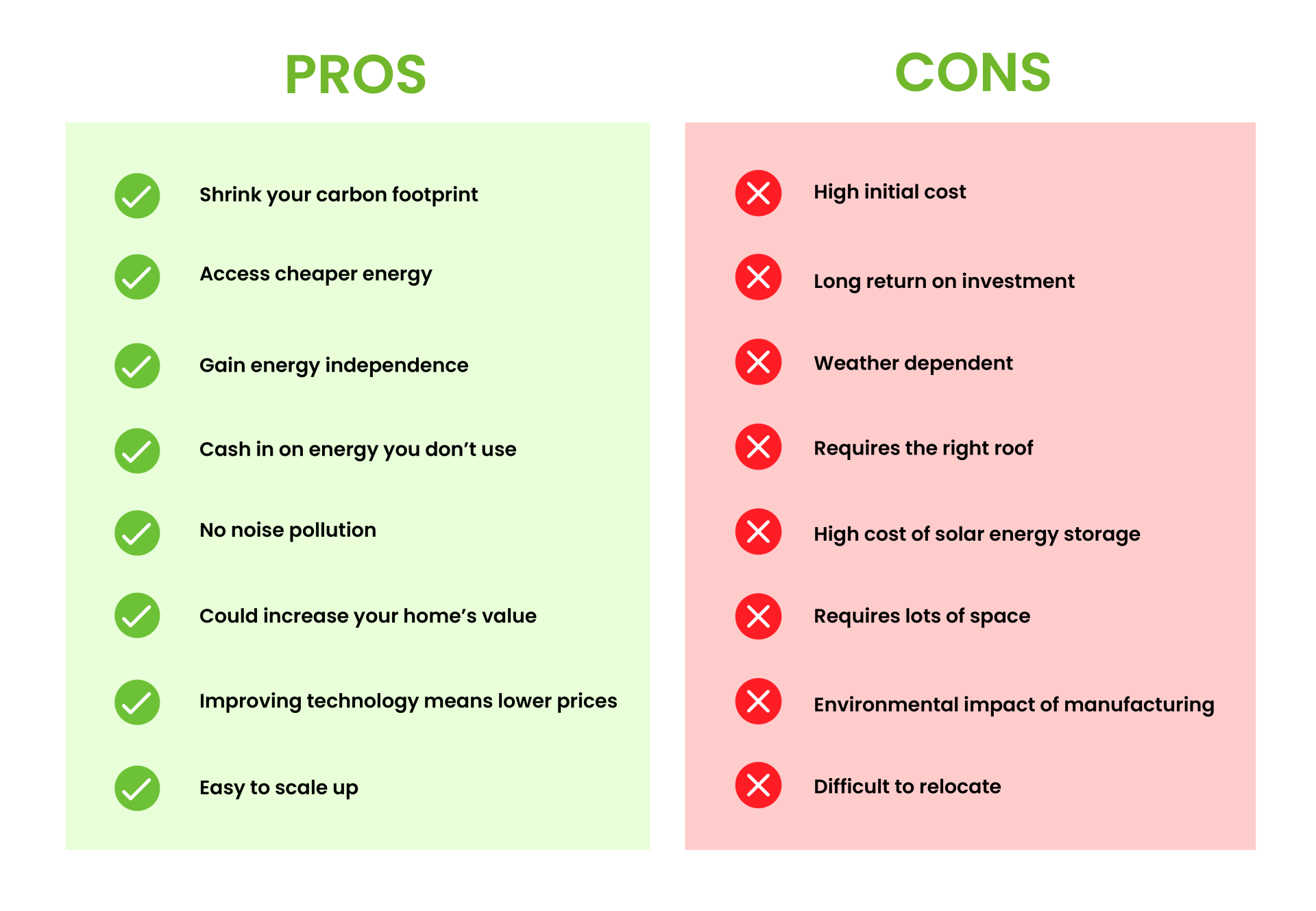
- Cloudy days: Production will decrease on heavily overcast days.
- Nighttime: No production at all without battery storage.
- Hurricane Season: While modern panels are built to withstand high winds, a direct hit from a major hurricane could cause damage, leading to repairs and temporary loss of power production. It’s essential to ensure your system is properly installed and insured.
Aesthetic Concerns & HOA Restrictions
Some homeowners worry about the visual impact of solar panels on their roofline. While panel aesthetics have improved, they are still a noticeable addition. Additionally, if you live in a community with a Homeowners Association (HOA), you might encounter resistance. However, Florida has a strong Solar Rights Act (Florida Statute 163.04) that prohibits HOAs from preventing solar panel installation, though they can impose reasonable restrictions on placement.
Maintenance & Cleaning
Solar panels are generally low maintenance, but they aren’t entirely hands-off. You might need to periodically clean them to remove dust, pollen, bird droppings, or other debris that can reduce efficiency. After a hurricane or major storm, it’s also wise to have your system inspected for potential damage. While not a huge burden, it’s an ongoing responsibility.
Technology Evolution & Resale Challenges
Technology advances rapidly. What if newer, more efficient panels come out in a few years? While this is always a possibility, current panels are highly durable and efficient. A more immediate concern might be selling a home with a solar lease or loan. If you don’t own the system outright, transferring the agreement to a new buyer can sometimes complicate the sales process, though many companies offer clear transfer procedures.
No State-Specific Cash Rebates (Generally)
As mentioned, Florida offers great tax exemptions and net metering, but unlike some states (e.g., California, Massachusetts), it generally doesn’t provide direct state-level cash rebates for residential solar installations. This means the federal ITC is your primary financial incentive beyond the ongoing savings.
The Florida Factor: Unique Considerations for Solar in the Sunshine State
Florida’s unique environment and regulatory landscape introduce specific elements every homeowner should consider.
Hurricane Preparedness & Robust Systems
Living in Florida means dealing with hurricane season. For solar panels, this translates into ensuring your system is built to withstand extreme weather. Reputable installers in Florida use hurricane-rated mounting systems designed to endure high wind loads, often exceeding local building codes. It’s crucial to confirm your installer uses these robust systems and that your homeowner’s insurance policy covers solar panel damage (most standard policies do, but always verify).
Florida’s Net Metering Landscape
While net metering is state-mandated, the specifics can vary slightly by utility. Historically, Florida’s net metering policies have been favorable, allowing homeowners to receive bill credits for excess energy at a rate close to the retail electricity price. However, utility companies continually lobby for changes, and the landscape can evolve. It’s wise to stay informed about current utility policies (e.g., FPL, Duke Energy, TECO) and ensure your installer understands the local rules to maximize your credits.
Roofing & Installation Challenges
Your roof is the foundation for your solar system. Before going solar, ensure your roof is in good condition and has at least 5-10 years of life left. Replacing a roof after solar installation is costly and involves temporarily removing and reinstalling panels. Installers will assess your roof’s age, material, slope, and shading. Finding a qualified, Florida-licensed, and insured installer with a strong track record of successful installations in your specific region is paramount.
Solar Panels with Battery Storage in Florida: Is It Worth the Extra Investment?
Given Florida’s susceptibility to power outages, the conversation about solar often includes battery storage. Let’s weigh the pros and cons of adding a battery to your solar system.
The Case for Batteries: Power Outage Protection
This is where batteries truly shine in Florida. When the grid goes down (due to a hurricane, thunderstorm, or other event), a solar-only system will also shut off for safety reasons (known as anti-islanding). With a battery, your home can seamlessly switch to stored solar power, keeping essential appliances running during outages. This provides invaluable peace of mind during Florida’s hurricane season.
Maximizing Self-Consumption & Time-of-Use Rates
Batteries allow you to store excess solar energy generated during the day and use it at night or during peak demand times when electricity rates might be higher (if your utility has time-of-use billing). This strategy maximizes your self-consumption, further reducing your reliance on the grid and potentially increasing your savings.
The Downside: Additional Cost & Complexity
Adding a battery system can increase your upfront solar investment by $10,000 to $20,000 per battery, depending on capacity and brand. This extends the overall payback period for your system. Batteries also require dedicated space (indoors or outdoors, often garage or utility room) and add another layer of complexity to the system design and maintenance.
Here’s a comparison to help you decide:
| Feature | Solar-Only System | Solar + Battery Storage System |
|---|---|---|
| Upfront Cost | Lower | Higher (Significant increase) |
| Grid Outage Protection | No (system shuts down) | Yes (seamless backup power) |
| Energy Independence | High during daylight hours | Very high (day & night) |
| Net Metering Benefits | Relies heavily on it for excess power | Can reduce reliance on net metering by storing power |
| Complexity & Space | Relatively simple, roof-mounted | More complex, requires dedicated space for batteries |
| Long-Term Value | Strong energy savings, home value increase | Enhanced energy security, potential for higher home value in outage-prone areas |
Making the Decision: Is Solar Right for YOUR Florida Home?
Ultimately, the decision to go solar is personal. It depends on your specific circumstances, priorities, and tolerance for initial investment. Here’s how to think through it:
Factors to Consider Before Going Solar
- Your Average Electricity Bill: If your monthly bill is consistently high ($150+), your potential savings are greater, making solar a more attractive investment.
- Roof Suitability: Does your roof have ample unshaded space facing south, east, or west? Is it in good condition (less than 10-15 years old)?
- Financial Situation: Can you afford the upfront cost (even with the ITC) through cash, a solar loan, or PACE financing? Understand the interest rates and terms.
- Long-Term Plans for Your Home: The longer you plan to stay in your home, the more you’ll benefit from the long-term savings and increased home value.
- Your Desire for Energy Independence: How important is it for you to control your energy costs and have backup power during outages?
Steps to Take: Your Solar Journey Begins Here
- Assess Your Energy Needs: Review your past 12-24 months of utility bills to understand your average monthly electricity consumption.
- Get Multiple Quotes: Contact at least 3-5 reputable, Florida-licensed solar installers. Don’t just look at the bottom line; compare equipment, warranties, and proposed system designs.
- Vet Installers Thoroughly: Check their licenses with the Florida Department of Business and Professional Regulation (DBPR), look for certifications (like NABCEP), read reviews, and ask for local references.
- Understand Contracts & Warranties: Read the fine print on all contracts. Understand product warranties (panels, inverters), workmanship warranties (installation), and performance guarantees.
- Check Local Permitting & HOA Requirements: Your installer should handle most of this, but be aware of the process. Remember Florida’s Solar Rights Act if dealing with an HOA.
- Evaluate Financing Options: Compare cash purchase, solar loans (secured vs. unsecured), and PACE programs. Understand the total cost over time for each.
The Bottom Line: Solar in Florida – A Bright Future?
For most Florida homeowners, the answer is a resounding yes. Despite the upfront investment and unique considerations like hurricane season, the long-term benefits of solar panels in Florida overwhelmingly outweigh the drawbacks. With abundant sunshine, robust federal incentives, generous state tax exemptions, and critical net metering policies, solar offers significant financial savings, increased home value, and genuine energy independence.
The key is to approach the decision with realistic expectations and thorough research. By understanding both the pros and cons, carefully vetting installers, and considering whether battery storage aligns with your need for resilience, you can confidently harness the power of the sun and enjoy a brighter, more sustainable future for your Florida home.
”
}
{ “content”: “
Pros and Cons of Solar Panels in Florida: Your Definitive Guide to Going Solar in the Sunshine State
Considering solar panels for your Florida home? You’re not alone. The promise of slashing electricity bills, achieving energy independence, and contributing to a greener planet is incredibly appealing. But I get it – the upfront cost, concerns about hurricanes, and navigating incentives can make the decision feel daunting. Is solar truly worth it in the Sunshine State?
As a homeowner in Florida, you deserve a clear, unbiased look at what going solar really means for you. This isn’t about sales pitches; it’s about facts, figures, and Florida-specific insights to help you make an informed choice. I’m going to walk you through the undeniable advantages, confront the realistic drawbacks, and help you understand the unique factors that make solar in Florida both incredibly promising and uniquely challenging.
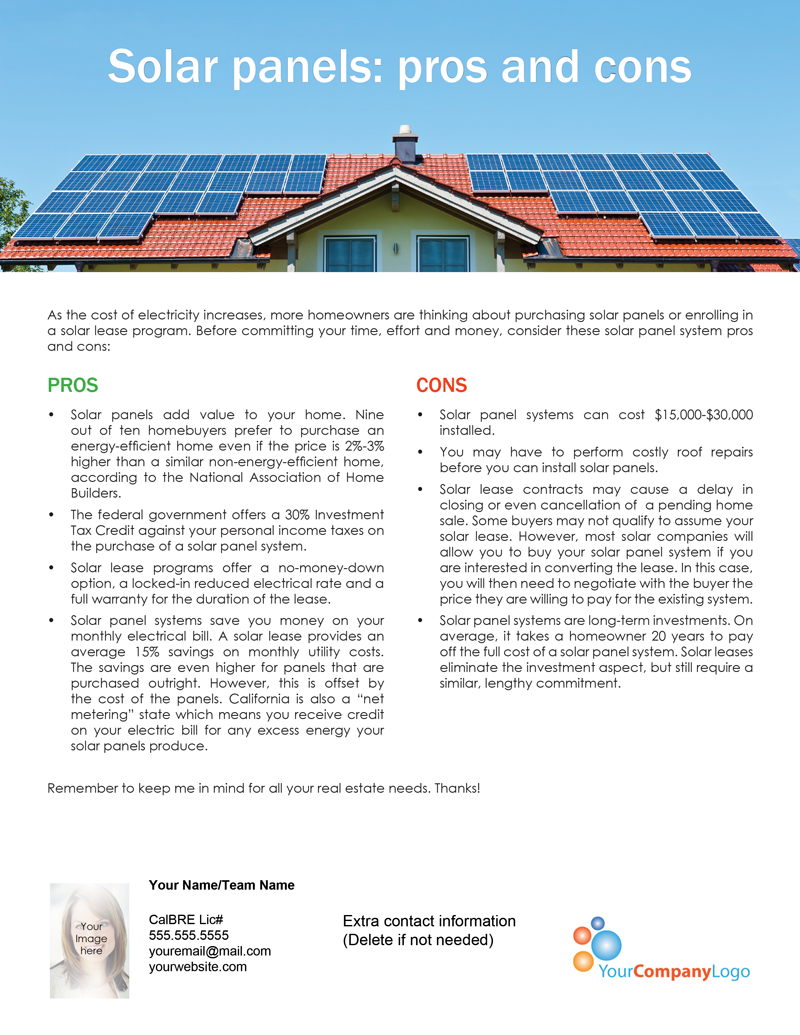
The Sunshine State’s Solar Promise: Unpacking the Pros of Solar Panels in Florida
Let’s kick things off with why so many Floridians are embracing solar. The benefits are substantial, particularly when you factor in our abundant natural resource: sunshine.
Abundant Sunshine: Nature’s Free Fuel
This one’s a no-brainer. Florida consistently ranks among the top states for solar energy potential. We’re called the Sunshine State for a reason! With an average of 237 sunny days per year and high solar irradiance, your panels will be working hard, producing electricity day in and day out. This consistent sunlight ensures high energy production, meaning you need fewer panels to generate significant power compared to less sunny regions.
Significant Savings on Electricity Bills
This is often the primary driver for homeowners. Once your solar system is installed and operational, you’ll see an immediate and dramatic reduction in your monthly electricity bill. Many homeowners even achieve near-zero bills, only paying connection fees to their utility. Over the lifespan of your system (typically 25-30 years), these savings add up to tens of thousands of dollars.
Here’s a snapshot of potential monthly savings you could experience:
| Current Monthly Electric Bill | Estimated Monthly Savings with Solar | Potential Annual Savings |
|---|---|---|
| $100 – $150 | $70 – $120 | $840 – $1,440 |
| $150 – $200 | $110 – $170 | $1,320 – $2,040 |
| $200 – $300+ | $160 – $270+ | $1,920 – $3,240+ |
These figures can vary based on your system size, energy consumption, and utility rates, but they illustrate the significant financial relief solar can provide.
Leveraging Florida’s Solar Incentives and Policies
While Florida doesn’t boast the same array of state-specific cash rebates as some other states, several crucial incentives make solar financially attractive:
- Federal Solar Investment Tax Credit (ITC): This is the big one. The ITC currently offers a 30% tax credit on the total cost of your solar system. This is a direct reduction in your income tax liability, not just a deduction, and significantly lowers your net investment.
- Net Metering: Florida law mandates that utility companies offer net metering. This policy allows you to send any excess electricity your panels produce back to the grid, and your utility credits your account for that power. It essentially makes the grid your battery, ensuring you get value for every kilowatt-hour your system generates.
- Property Tax Exemption: Normally, home improvements that increase your property’s value lead to higher property taxes. However, in Florida, 100% of the added value from your solar installation is exempt from property taxes. This is a huge benefit, as your home becomes more valuable without increasing your tax burden.
- Sales Tax Exemption: You also benefit from a 100% sales tax exemption on the purchase of solar energy equipment. This means you won’t pay Florida’s 6% sales tax (plus local option taxes) on your solar panels, inverters, and associated components, further reducing your upfront costs.
- PACE Financing: Property Assessed Clean Energy (PACE) programs are available in many Florida counties. PACE allows you to finance solar improvements through a special assessment on your property tax bill, paid back over time. While convenient, it’s crucial to understand the terms carefully, as it’s tied to the property, not the homeowner.
Increased Home Value & Quicker Sales
Multiple studies confirm that homes with solar panels sell for more and spend less time on the market. Appraisers increasingly recognize solar as a valuable asset. In Florida’s competitive real estate market, a solar-powered home stands out, appealing to buyers looking for lower utility bills and modern, sustainable features. This isn’t just a feel-good benefit; it’s a tangible return on investment when it’s time to sell.
Energy Independence & Grid Resilience
Tired of rising utility rates and unpredictable outages? Solar panels offer a path to energy independence. You generate your own power, insulating yourself from future rate hikes and the whims of the energy market. With the addition of a solar battery, this independence becomes even stronger, providing backup power during grid failures, a significant advantage in a state prone to severe weather.
Environmental Impact: A Greener Florida
Beyond personal savings, going solar means actively reducing your carbon footprint. You’re decreasing reliance on fossil fuels, cutting down on air pollution, and contributing to a cleaner, more sustainable energy future for Florida. Many homeowners find deep satisfaction in knowing their home is part of the solution to climate change.
The Shady Side of Solar: Navigating the Cons of Solar Panels in Florida
No investment is without its downsides, and solar is no exception. It’s important to look at these potential drawbacks realistically before making a commitment.
High Upfront Installation Costs
Let’s be blunt: solar panels are a significant investment. Before incentives, a typical residential solar system in Florida can range from $15,000 to $30,000 or more, depending on its size and complexity. While the federal ITC helps considerably, you still need to secure financing or have the cash available. This initial hurdle is often the biggest barrier for many homeowners.
Here’s an estimate of typical costs before applying the 30% federal tax credit:
| System Size (kW) | Average Pre-ITC Cost Range in FL | Average Post-ITC Cost Range in FL (Approx.) |
|---|---|---|
| 5 kW (Small Home) | $15,000 – $20,000 | $10,500 – $14,000 |
| 8 kW (Medium Home) | $24,000 – $32,000 | $16,800 – $22,400 |
| 10 kW (Large Home) | $30,000 – $40,000 | $21,000 – $28,000 |
These are averages, and your specific cost will depend on your installer, equipment choice, and roof complexity.
Payback Period: A Long-Term Investment
While solar panels offer significant long-term savings, they require patience. The typical payback period in Florida, which is the time it takes for your energy savings to offset your initial investment, usually ranges from 8 to 12 years. This means you won’t see a net financial gain until after this period. For homeowners who plan to move within a few years, this might be a concern, although the increased home value can mitigate it.
Reliance on Sunshine (and Weather)
Solar panels perform best on clear, sunny days. While Florida has plenty of those, we also have:
- Cloudy days: Production will decrease on heavily overcast days.
- Nighttime: No production at all without battery storage.
- Hurricane Season: While modern panels are built to withstand high winds, a direct hit from a major hurricane could cause damage, leading to repairs and temporary loss of power production. It’s essential to ensure your system is properly installed and insured.
Aesthetic Concerns & HOA Restrictions
Some homeowners worry about the visual impact of solar panels on their roofline. While panel aesthetics have improved, they are still a noticeable addition. Additionally, if you live in a community with a Homeowners Association (HOA), you might encounter resistance. However, Florida has a strong Solar Rights Act (Florida Statute 163.04) that prohibits HOAs from preventing solar panel installation, though they can impose reasonable restrictions on placement.
Maintenance & Cleaning
Solar panels are generally low maintenance, but they aren’t entirely hands-off. You might need to periodically clean them to remove dust, pollen, bird droppings, or other debris that can reduce efficiency. After a hurricane or major storm, it’s also wise to have your system inspected for potential damage. While not a huge burden, it’s an ongoing responsibility.
Technology Evolution & Resale Challenges
Technology advances rapidly. What if newer, more efficient panels come out in a few years? While this is always a possibility, current panels are highly durable and efficient. A more immediate concern might be selling a home with a solar lease or loan. If you don’t own the system outright, transferring the agreement to a new buyer can sometimes complicate the sales process, though many companies offer clear transfer procedures.

No State-Specific Cash Rebates (Generally)
As mentioned, Florida offers great tax exemptions and net metering, but unlike some states (e.g., California, Massachusetts), it generally doesn’t provide direct state-level cash rebates for residential solar installations. This means the federal ITC is your primary financial incentive beyond the ongoing savings.
The Florida Factor: Unique Considerations for Solar in the Sunshine State
Florida’s unique environment and regulatory landscape introduce specific elements every homeowner should consider.
Hurricane Preparedness & Robust Systems
Living in Florida means dealing with hurricane season. For solar panels, this translates into ensuring your system is built to withstand extreme weather. Reputable installers in Florida use hurricane-rated mounting systems designed to endure high wind loads, often exceeding local building codes. It’s crucial to confirm your installer uses these robust systems and that your homeowner’s insurance policy covers solar panel damage (most standard policies do, but always verify).
Florida’s Net Metering Landscape
While net metering is state-mandated, the specifics can vary slightly by utility. Historically, Florida’s net metering policies have been favorable, allowing homeowners to receive bill credits for excess energy at a rate close to the retail electricity price. However, utility companies continually lobby for changes, and the landscape can evolve. It’s wise to stay informed about current utility policies (e.g., FPL, Duke Energy, TECO) and ensure your installer understands the local rules to maximize your credits.
Roofing & Installation Challenges
Your roof is the foundation for your solar system. Before going solar, ensure your roof is in good condition and has at least 5-10 years of life left. Replacing a roof after solar installation is costly and involves temporarily removing and reinstalling panels. Installers will assess your roof’s age, material, slope, and shading. Finding a qualified, Florida-licensed, and insured installer with a strong track record of successful installations in your specific region is paramount.
Solar Panels with Battery Storage in Florida: Is It Worth the Extra Investment?
Given Florida’s susceptibility to power outages, the conversation about solar often includes battery storage. Let’s weigh the pros and cons of adding a battery to your solar system.
The Case for Batteries: Power Outage Protection
This is where batteries truly shine in Florida. When the grid goes down (due to a hurricane, thunderstorm, or other event), a solar-only system will also shut off for safety reasons (known as anti-islanding). With a battery, your home can seamlessly switch to stored solar power, keeping essential appliances running during outages. This provides invaluable peace of mind during Florida’s hurricane season.
Maximizing Self-Consumption & Time-of-Use Rates
Batteries allow you to store excess solar energy generated during the day and use it at night or during peak demand times when electricity rates might be higher (if your utility has time-of-use billing). This strategy maximizes your self-consumption, further reducing your reliance on the grid and potentially increasing your savings.
The Downside: Additional Cost & Complexity
Adding a battery system can increase your upfront solar investment by $10,000 to $20,000 per battery, depending on capacity and brand. This extends the overall payback period for your system. Batteries also require dedicated space (indoors or outdoors, often garage or utility room) and add another layer of complexity to the system design and maintenance.
Here’s a comparison to help you decide:
| Feature | Solar-Only System | Solar + Battery Storage System |
|---|---|---|
| Upfront Cost | Lower | Higher (Significant increase) |
| Grid Outage Protection | No (system shuts down) | Yes (seamless backup power) |
| Energy Independence | High during daylight hours | Very high (day & night) |
| Net Metering Benefits | Relies heavily on it for excess power | Can reduce reliance on net metering by storing power |
| Complexity & Space | Relatively simple, roof-mounted | More complex, requires dedicated space for batteries |
| Long-Term Value | Strong energy savings, home value increase | Enhanced energy security, potential for higher home value in outage-prone areas |
Making the Decision: Is Solar Right for YOUR Florida Home?
Ultimately, the decision to go solar is personal. It depends on your specific circumstances, priorities, and tolerance for initial investment. Here’s how to think through it:
Factors to Consider Before Going Solar
- Your Average Electricity Bill: If your monthly bill is consistently high ($150+), your potential savings are greater, making solar a more attractive investment.
- Roof Suitability: Does your roof have ample unshaded space facing south, east, or west? Is it in good condition (less than 10-15 years old)?
- Financial Situation: Can you afford the upfront cost (even with the ITC) through cash, a solar loan, or PACE financing? Understand the interest rates and terms.
- Long-Term Plans for Your Home: The longer you plan to stay in your home, the more you’ll benefit from the long-term savings and increased home value.
- Your Desire for Energy Independence: How important is it for you to control your energy costs and have backup power during outages?
Steps to Take: Your Solar Journey Begins Here
- Assess Your Energy Needs: Review your past 12-24 months of utility bills to understand your average monthly electricity consumption.
- Get Multiple Quotes: Contact at least 3-5 reputable, Florida-licensed solar installers. Don’t just look at the bottom line; compare equipment, warranties, and proposed system designs.
- Vet Installers Thoroughly: Check their licenses with the Florida Department of Business and Professional Regulation (DBPR), look for certifications (like NABCEP), read reviews, and ask for local references.
- Understand Contracts & Warranties: Read the fine print on all contracts. Understand product warranties (panels, inverters), workmanship warranties (installation), and performance guarantees.
- Check Local Permitting & HOA Requirements: Your installer should handle most of this, but be aware of the process. Remember Florida’s Solar Rights Act if dealing with an HOA.
- Evaluate Financing Options: Compare cash purchase, solar loans (secured vs. unsecured), and PACE programs. Understand the total cost over time for each.
The Bottom Line: Solar in Florida – A Bright Future?
For most Florida homeowners, the answer is a resounding yes. Despite the upfront investment and unique considerations like hurricane season, the long-term benefits of solar panels in Florida overwhelmingly outweigh the drawbacks. With abundant sunshine, robust federal incentives, generous state tax exemptions, and critical net metering policies, solar offers significant financial savings, increased home value, and genuine energy independence.
The key is to approach the decision with realistic expectations and thorough research. By understanding both the pros and cons, carefully vetting installers, and considering whether battery storage aligns with your need for resilience, you can confidently harness the power of the sun and enjoy a brighter, more sustainable future for your Florida home.
Frequently Asked Questions
Are solar panels worth it in Florida?
Yes, for most Florida homeowners, solar panels are a worthwhile investment. The state’s abundant sunshine, strong federal tax credits (30% ITC), property and sales tax exemptions, and net metering policies lead to significant long-term savings on electricity bills and increased home value, often offsetting the initial investment within 8-12 years.
What are the biggest benefits of solar panels in Florida?
The biggest benefits include substantial reductions in monthly electricity bills, a 30% federal solar tax credit, 100% property and sales tax exemptions, net metering allowing you to sell excess power, increased home value, and greater energy independence, especially beneficial during Florida’s frequent power outages.
What are the main drawbacks of installing solar in Florida?
The primary drawbacks include the high upfront installation cost (before incentives), a payback period of 8-12 years, reliance on consistent sunshine, potential damage during hurricanes (though modern systems are robust), and the lack of significant direct state-level cash rebates.
How do hurricanes affect solar panels in Florida?
Reputable Florida installers use hurricane-rated mounting systems designed to withstand high winds. While panels are durable, a direct hit from a major storm could cause damage. It’s crucial to ensure your homeowner’s insurance covers your solar system and to have it inspected after significant weather events.
Is battery storage necessary with solar panels in Florida?
Battery storage is not strictly necessary for a solar system to function and save you money, but it is highly recommended in Florida. It provides essential backup power during grid outages (common during hurricane season), allowing your home to remain powered when the utility grid goes down. It also helps maximize self-consumption of solar energy.
Does Florida offer state-specific incentives for solar panels?
Florida offers excellent tax exemptions (100% property tax and sales tax exemptions) and mandates net metering, which are significant financial benefits. However, unlike some other states, Florida generally does not offer direct state-level cash rebates or tax credits for residential solar installations; the primary direct incentive is the federal Solar Investment Tax Credit (ITC).
How long do solar panels last in Florida’s climate?
Modern solar panels are built to be highly durable and typically come with performance warranties guaranteeing efficiency for 25 to 30 years, even in Florida’s hot and humid climate. Proper installation and occasional maintenance can help them last even longer.


Post Comment