Solar Farm Profitable In India
Is a Solar Farm in India Profitable for US Investors? The Definitive Guide to ROI, Costs & Opportunities
Tired of traditional investments offering sluggish returns? Imagine a sector booming with double-digit growth, driven by a nation’s insatiable energy appetite and unwavering government support. This isn’t a fantasy; it’s India’s solar energy landscape, and it presents a compelling opportunity for global investors, especially those in the US, seeking both financial returns and sustainable impact.
Table of Contents
- Is a Solar Farm in India Profitable for US Investors? The Definitive Guide to ROI, Costs & Opportunities
- Why India is a Solar Investment Hotspot: Beyond the Sunshine
- Unmatched Solar Irradiance: The Natural Advantage
- Robust Government Support & Policy Stability
- Soaring Energy Demand: A Captive Market
- Attractive Investment Climate for Foreign Capital
- Understanding Solar Farm Profitability in India: The Core Numbers
- Key Revenue Streams: PPA, Net Metering, Merchant Sales
- Investment Models: Land Ownership vs. Lease (and Hybrid)
- What Influences Your ROI?
- Table: Comparative Profitability Across Solar Farm Sizes
- Detailed Cost Breakdown for a Solar Farm in India (1 MW Example)
- Land Acquisition/Lease Costs
- Equipment Costs (Panels, Inverters, Mounting Structures, BOS)
- Installation & Commissioning
- Grid Connection Charges & Regulatory Fees
- Operation & Maintenance (O&M) Costs
- Table: Estimated 1 MW Solar Farm Cost Breakdown
- The Financial Upside: ROI & Payback Periods for US Investors
- Calculating Your Return on Investment (ROI)
- Understanding Payback Periods
- Impact of Currency Exchange Rates (INR to USD)
- Long-Term Income Generation & Asset Value
- Navigating the Indian Regulatory Landscape & Incentives
- Key Policies & Schemes
- Subsidies & Tax Benefits
- Power Purchase Agreements (PPAs): The Backbone of Revenue
- Licensing and Approvals: A Practical Guide
- Potential Challenges & Mitigation Strategies for Foreign Investors
- Land Acquisition & Clearances (Navigating Local Bureaucracy)
- Grid Connectivity & Infrastructure Limitations
- Policy Changes & Regulatory Risks
- Local Expertise & Project Management
- Currency Fluctuations & Repatriation of Profits
- Managing Operational Risks (Weather, Equipment Failure, Theft)
- Steps to Invest in an Indian Solar Farm from the USA
- Phase 1: Market Research & Feasibility Study
- Phase 2: Partner Selection & Due Diligence
- Phase 3: Project Financing & Legal Structure
- Phase 4: Land Acquisition & Permitting
- Phase 5: Procurement & Construction
- Phase 6: Operation & Maintenance
- Conclusion: Seizing the Green Energy Opportunity in India
- Is a Solar Farm in India Profitable for US Investors? The Definitive Guide to ROI, Costs & Opportunities
- Why India is a Solar Investment Hotspot: Beyond the Sunshine
- Unmatched Solar Irradiance: The Natural Advantage
- Robust Government Support & Policy Stability
- Soaring Energy Demand: A Captive Market
- Attractive Investment Climate for Foreign Capital
- Understanding Solar Farm Profitability in India: The Core Numbers
- Key Revenue Streams: PPA, Net Metering, Merchant Sales
- Investment Models: Land Ownership vs. Lease (and Hybrid)
- What Influences Your ROI?
- Table: Comparative Profitability Across Solar Farm Sizes
- Detailed Cost Breakdown for a Solar Farm in India (1 MW Example)
- Land Acquisition/Lease Costs
- Equipment Costs (Panels, Inverters, Mounting Structures, BOS)
- Installation & Commissioning
- Grid Connection Charges & Regulatory Fees
- Operation & Maintenance (O&M) Costs
- Table: Estimated 1 MW Solar Farm Cost Breakdown
- The Financial Upside: ROI & Payback Periods for US Investors
- Calculating Your Return on Investment (ROI)
- Understanding Payback Periods
- Impact of Currency Exchange Rates (INR to USD)
- Long-Term Income Generation & Asset Value
- Navigating the Indian Regulatory Landscape & Incentives
- Key Policies & Schemes
- Subsidies & Tax Benefits
- Power Purchase Agreements (PPAs): The Backbone of Revenue
- Licensing and Approvals: A Practical Guide
- Potential Challenges & Mitigation Strategies for Foreign Investors
- Land Acquisition & Clearances (Navigating Local Bureaucracy)
- Grid Connectivity & Infrastructure Limitations
- Policy Changes & Regulatory Risks
- Local Expertise & Project Management
- Currency Fluctuations & Repatriation of Profits
- Managing Operational Risks (Weather, Equipment Failure, Theft)
- Steps to Invest in an Indian Solar Farm from the USA
- Phase 1: Market Research & Feasibility Study
- Phase 2: Partner Selection & Due Diligence
- Phase 3: Project Financing & Legal Structure
- Phase 4: Land Acquisition & Permitting
- Phase 5: Procurement & Construction
- Phase 6: Operation & Maintenance
- Conclusion: Seizing the Green Energy Opportunity in India
So, to answer your burning question upfront: Yes, solar farming in India is demonstrably profitable. It offers significant, attractive returns, but like any strategic investment, understanding the nuances, opportunities, and challenges is key. This guide cuts through the noise, providing a clear, actionable roadmap for US investors to navigate India’s vibrant solar farm market.
Why India is a Solar Investment Hotspot: Beyond the Sunshine
When we talk about solar energy, the first thing that comes to mind is sunshine. India has it in abundance, but its appeal goes far beyond natural resources. Several powerful factors converge to make India a compelling destination for solar farm investment.
Unmatched Solar Irradiance: The Natural Advantage
India boasts an average of 300 clear, sunny days annually across most of its regions. This translates to a massive potential for solar power generation. Solar irradiance levels often exceed 5 kWh per square meter per day, significantly higher than many other parts of the world. This natural advantage directly impacts your plant’s Capacity Utilization Factor (CUF) and, consequently, your revenue.
Robust Government Support & Policy Stability
The Indian government has championed renewable energy with ambitious targets and a stable policy framework. The goal to achieve 500 GW of non-fossil fuel energy capacity by 2030 underscores a long-term commitment. Initiatives like the National Solar Mission, state-specific renewable energy policies, and programs like KUSUM (targeting farmers for distributed solar generation) create a conducive environment. You’ll find supportive regulations, competitive bidding for large-scale projects, and an emphasis on ease of doing business.
Soaring Energy Demand: A Captive Market
India is one of the fastest-growing major economies globally, and its energy demand is skyrocketing. This ever-increasing demand creates a guaranteed market for electricity. Unlike regions with stagnant or declining demand, India offers a robust, long-term buyer for the power your solar farm generates, often through secure Power Purchase Agreements (PPAs).
Attractive Investment Climate for Foreign Capital
India has progressively liberalized its foreign direct investment (FDI) policies, especially in the renewable energy sector. 100% FDI is permitted under the automatic route for renewable energy generation and distribution projects, making it straightforward for US investors to enter the market without needing prior government approval. This openness, coupled with a large, skilled workforce and competitive manufacturing capabilities for solar components, reduces overall project costs and operational hurdles.
Understanding Solar Farm Profitability in India: The Core Numbers
Profitability isn’t just about good intentions; it’s about hard numbers. Let’s break down how solar farms in India generate revenue and what factors influence your bottom line.
Key Revenue Streams: PPA, Net Metering, Merchant Sales
- Power Purchase Agreements (PPAs): This is the most common and secure revenue model for large-scale solar farms. You sign a long-term agreement (typically 20-25 years) with a state utility, a government entity, or a commercial/industrial consumer to sell electricity at a predetermined tariff. This provides predictable cash flows.
- Net Metering: While more common for rooftop or smaller commercial installations, some distributed generation projects can utilize net metering, where excess electricity fed to the grid is offset against electricity drawn from the grid.
- Merchant Sales: Selling electricity directly to the open market, though less common for large projects due to price volatility, can offer higher returns during peak demand periods but comes with higher risk.
Investment Models: Land Ownership vs. Lease (and Hybrid)
Your investment strategy can significantly impact costs and returns:
- Land Ownership: Buying land provides long-term asset value but requires higher upfront capital and carries associated land acquisition risks and complexities.
- Land Lease: Leasing land reduces initial investment and offers flexibility. Lease agreements are typically long-term (20-30 years) with fixed or escalating rents. This is a popular option for many developers.
- Hybrid Models: Some projects involve a combination, or you might find opportunities with developers offering revenue-sharing models.
What Influences Your ROI?
- Tariff Rates: The price per unit (kWh) at which you sell electricity is the most critical revenue driver. These are determined through competitive bidding processes or state-mandated rates.
- Plant Load Factor (PLF): This measures the actual power generated by the plant over a period, relative to its maximum theoretical output. Higher PLF (due to better solar irradiation, efficient panels, and minimal downtime) means more units generated and sold.
- Operation & Maintenance (O&M) Costs: These include panel cleaning, inverter maintenance, security, insurance, and administrative costs. Efficient O&M can significantly boost profitability.
- Land Cost/Lease Rent: A major component of project cost, impacting your payback period.
- Financing Costs: Interest rates on loans will directly affect your net profit.
- Depreciation & Tax Benefits: India offers accelerated depreciation benefits for solar assets, which can significantly reduce taxable income in the initial years.
Table: Comparative Profitability Across Solar Farm Sizes
| Capacity | Approx. Land Area | Estimated Investment (INR Crores) | Annual Power Gen. (MWh) | Avg. Annual Revenue (INR Lakhs) | Avg. Annual O&M (INR Lakhs) | Net Annual Profit (INR Lakhs) | Estimated Payback Period (Years) | Estimated ROI (%) |
|---|---|---|---|---|---|---|---|---|
| 500 kW | 2.5 – 3 Acres | 2.0 – 2.5 | 700 – 800 | 25 – 30 | 2 – 3 | 23 – 27 | 8 – 10 | 10 – 14% |
| 1 MW | 4 – 5 Acres | 3.8 – 4.5 | 1400 – 1500 | 50 – 55 | 4 – 5 | 46 – 50 | 7 – 9 | 12 – 16% |
| 5 MW | 20 – 25 Acres | 18 – 22 | 7000 – 7500 | 250 – 275 | 15 – 20 | 235 – 255 | 6 – 8 | 13 – 18% |
Note: All figures are approximate and can vary significantly based on state, location, technology, project specifics, and prevailing tariff rates. (1 Crore = 10 million INR; 1 Lakh = 100,000 INR). Exchange rates fluctuate; currently, approx. 1 USD = 83 INR.
Detailed Cost Breakdown for a Solar Farm in India (1 MW Example)
To give you a clearer picture, let’s dissect the typical costs involved in setting up a 1 MW solar farm, a popular size for commercial projects.
Land Acquisition/Lease Costs
This is often the most variable cost. In rural areas, land can range from INR 5-15 lakhs per acre for purchase, or a lease could be INR 30,000 – 60,000 per acre per year. For a 1 MW plant requiring 4-5 acres, this is a significant upfront or recurring expense. Factors like proximity to substations and grid connectivity also influence land value.
Equipment Costs (Panels, Inverters, Mounting Structures, BOS)
This forms the bulk of your capital expenditure. India has a robust manufacturing base, offering competitive prices.
- Solar PV Modules: High-efficiency mono-PERC or bifacial modules are common. Costs can range from INR 20-28 per watt. For a 1 MW plant (1000 kW), this could be INR 2.0 – 2.8 Crores.
- Inverters: Central or string inverters convert DC to AC power. Costs are typically INR 3-5 per watt.
- Mounting Structures: Fixed tilt or tracker systems (which are more expensive but yield higher generation).
- Balance of System (BOS): Cables, transformers, switchgear, monitoring systems, earthing, etc.
Installation & Commissioning
This includes labor, civil works, electrical works, and all activities leading to the plant becoming operational. Typically, INR 0.5 – 1 Crore for a 1 MW project.
Grid Connection Charges & Regulatory Fees
Connecting to the grid involves charges from the transmission utility for infrastructure, permits, and various statutory fees. This can vary widely by state but expect to allocate a significant portion here, potentially INR 10-20 lakhs for a 1 MW project.
Operation & Maintenance (O&M) Costs
Recurring costs are crucial for long-term profitability. These usually account for 0.5% – 1.5% of the initial project cost annually and include:
- Panel cleaning (essential in India’s dusty environment)
- Preventive and corrective maintenance of inverters and other equipment
- Security personnel
- Insurance
- Remote monitoring
- Administrative overheads
Table: Estimated 1 MW Solar Farm Cost Breakdown
| Cost Category | Estimated Cost (INR Crores) | % of Total Investment |
|---|---|---|
| Land (Lease for 25 yrs upfront / Purchase) | 0.25 – 0.75 | 6 – 18% |
| PV Modules | 2.00 – 2.80 | 50 – 65% |
| Inverters | 0.30 – 0.50 | 7 – 12% |
| Mounting Structures | 0.20 – 0.35 | 5 – 8% |
| Balance of System (BOS) & Cables | 0.30 – 0.40 | 7 – 10% |
| Installation & Civil Works | 0.15 – 0.25 | 4 – 6% |
| Grid Connection & Permitting Fees | 0.10 – 0.20 | 2 – 5% |
| Contingency / Project Mgmt | 0.10 – 0.15 | 2 – 4% |
| Total Estimated Investment | 3.80 – 5.40 | ~100% |
The Financial Upside: ROI & Payback Periods for US Investors
Let’s talk about what truly matters: your return on investment and how quickly you can expect to recoup your initial capital.
Calculating Your Return on Investment (ROI)
The ROI for solar farms in India is highly attractive, often ranging from 12% to 18% annually, varying based on factors like project size, location, specific PPA terms, and financing structure. This beats many traditional investment avenues hands down. To calculate it simply:
ROI = (Net Annual Profit / Total Investment) * 100
Considering the long operational life of solar assets (25+ years), this consistent return compounds into substantial wealth creation over time.
Understanding Payback Periods
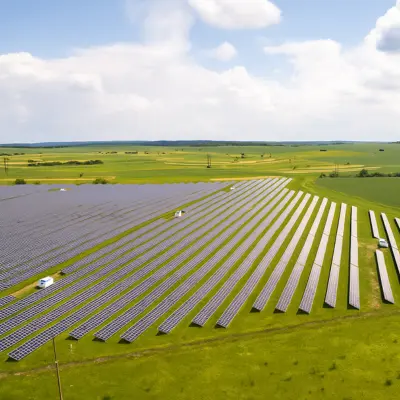
The payback period is the time it takes for your investment to generate enough cash flow to cover its initial cost. In India, for well-planned and executed solar projects, payback periods typically range from 6 to 9 years. This rapid recoupment of capital allows investors to reinvest or enjoy sustained profits for decades, as the asset continues to generate revenue with minimal operational costs after the initial investment is recovered.
Impact of Currency Exchange Rates (INR to USD)
For US investors, managing currency risk is crucial. While Indian Rupee (INR) fluctuations against the US Dollar (USD) can impact repatriated profits, strategic planning can mitigate this:
- Hedging Strategies: Employing currency hedging tools to lock in exchange rates for future profit repatriation.
- Local Reinvestment: Reinvesting a portion of INR profits within India can also be a strategy, leveraging the country’s continued growth.
- USD Denominated PPAs: While less common for domestic projects, large-scale international tenders might offer USD-denominated PPAs, providing direct currency stability.
Long-Term Income Generation & Asset Value
A solar farm is a long-term asset. Once the initial investment is recovered, the revenue stream for the remaining 15-20+ years of the PPA becomes almost pure profit (minus O&M). Furthermore, the asset itself holds significant value. With the global push for renewable energy, a functioning solar farm with a secured PPA is a valuable commodity, offering potential for resale or refinancing.
Navigating the Indian Regulatory Landscape & Incentives
India’s commitment to renewable energy is underpinned by a robust, albeit sometimes complex, regulatory framework. Understanding it is crucial for a smooth investment journey.
Key Policies & Schemes
- National Solar Mission: A flagship initiative driving large-scale solar deployment.
- State Renewable Energy Policies: Each state has its own specific policies, incentives, and tariff structures, which can significantly influence project viability. Researching the target state (e.g., Rajasthan, Gujarat, Karnataka, Tamil Nadu are leaders in solar) is essential.
- Renewable Purchase Obligations (RPOs): Utilities are mandated to purchase a certain percentage of their power from renewable sources, creating a steady demand.
Subsidies & Tax Benefits
While direct subsidies for large-scale solar farms are less common now compared to a decade ago, other financial benefits exist:
- Accelerated Depreciation: Solar power plants are eligible for accelerated depreciation benefits (up to 40% in the first year), allowing developers to significantly reduce their taxable income.
- Customs Duty Exemptions: Certain solar components may be exempt from customs duties, reducing import costs.
- Green Energy Corridor: Government initiatives to build dedicated transmission infrastructure for renewable energy, simplifying grid connectivity.
Power Purchase Agreements (PPAs): The Backbone of Revenue
Securing a PPA is arguably the most critical step. These agreements typically span 20-25 years and outline the tariff, payment terms, and obligations of both the generator and the off-taker. Understanding the PPA terms, payment security mechanisms, and clauses related to grid curtailment is paramount.
Licensing and Approvals: A Practical Guide
The process involves numerous approvals:
- Land Conversion: If agricultural land is used, it needs to be converted for industrial use.
- Environmental Clearances: Though solar farms typically have minimal environmental impact, certain clearances are still required.
- Grid Connection Approvals: From the State Transmission Utility (STU) or Central Transmission Utility (CTU) depending on project size.
- Electricity Regulator Approvals: From the State Electricity Regulatory Commission (SERC) or Central Electricity Regulatory Commission (CERC).
While it seems daunting, experienced local partners can streamline this complex process.
Potential Challenges & Mitigation Strategies for Foreign Investors
No investment is without risk. For US investors, understanding specific challenges in the Indian context and having robust mitigation strategies is vital.
Land Acquisition & Clearances (Navigating Local Bureaucracy)
Challenge: India’s land records can be fragmented, and navigating local government for clearances can be time-consuming. There’s also competition for land, especially near substations.nMitigation: Partner with reputable local developers or consultants with proven expertise in land aggregation and liaisoning. Conduct thorough due diligence on land titles and ensure all permissions are in place before commitment.
Grid Connectivity & Infrastructure Limitations
Challenge: While India is rapidly upgrading its grid, older infrastructure in some remote areas might pose challenges, leading to delays or grid curtailment (when the grid cannot absorb all generated power).nMitigation: Prioritize sites with good proximity to robust substations and transmission lines. Engage with grid operators early in the project development phase. Consider projects under the Green Energy Corridor scheme.
Policy Changes & Regulatory Risks
Challenge: Governments can change policies or tariff structures, potentially impacting project economics.nMitigation: Diversify investments across different states with strong, consistent renewable energy policies. Ensure PPAs have clauses that protect against retrospective policy changes or provide for compensation. Stay informed through industry bodies and local experts.
Local Expertise & Project Management
Challenge: Language barriers, cultural differences, and navigating local business practices can be complex for foreign investors.nMitigation: Engage local talent and established Indian partners who have a deep understanding of the market, regulatory environment, and operational challenges. A strong local team is invaluable.
Currency Fluctuations & Repatriation of Profits
Challenge: As discussed, INR-USD exchange rate volatility can impact the value of repatriated profits.nMitigation: Implement a robust currency hedging strategy. Structure deals to minimize exposure, possibly through local debt financing or by seeking PPA terms that mitigate currency risk. Understand India’s foreign exchange regulations regarding profit repatriation.
Managing Operational Risks (Weather, Equipment Failure, Theft)
Challenge: Extreme weather (monsoons, dust storms), equipment breakdowns, and theft can impact plant performance.nMitigation: Invest in high-quality, durable equipment. Implement comprehensive O&M contracts with performance guarantees. Install robust security systems and ensure adequate insurance coverage (property, business interruption, political risk).
Steps to Invest in an Indian Solar Farm from the USA
Ready to make your move? Here’s a streamlined approach for US investors considering an Indian solar farm project.
Phase 1: Market Research & Feasibility Study
- Define Objectives: Determine your investment size, desired returns, and risk appetite.
- Identify Key States: Research states with the best solar potential, supportive policies, and attractive tariff rates.
- Preliminary Feasibility: Conduct a high-level assessment of potential sites, solar irradiation data, grid availability, and initial cost estimates.
Phase 2: Partner Selection & Due Diligence
- Find Local Partners: Seek experienced Indian solar developers, EPC (Engineering, Procurement, Construction) contractors, and legal/financial consultants.
- Due Diligence: Thoroughly vet potential partners, their track record, financial stability, and project execution capabilities. Conduct legal and financial due diligence on any proposed projects.
Phase 3: Project Financing & Legal Structure
- Structure Your Investment: Decide on the most suitable legal entity for your investment in India (e.g., wholly owned subsidiary, joint venture).
- Secure Financing: Explore debt financing options from Indian or international banks. Leverage equity from your side.
Phase 4: Land Acquisition & Permitting
- Finalize Land: Secure land either through purchase or long-term lease, ensuring clear titles and necessary land conversion approvals.
- Obtain Permits: Work with your local partners to acquire all required environmental, grid connectivity, and regulatory approvals from state and central authorities.
Phase 5: Procurement & Construction
- Procurement: Finalize contracts for PV modules, inverters, and other BOS components, preferably with Indian manufacturers for cost efficiency and ease of logistics.
- EPC Execution: Oversee the construction and installation phases, ensuring adherence to quality standards and timelines.
Phase 6: Operation & Maintenance
- Commissioning: Get the plant fully operational and connected to the grid.
- O&M Contracts: Secure a robust O&M contract with a reliable service provider to ensure optimal plant performance, minimize downtime, and maximize energy generation throughout the project’s life. Implement strong monitoring systems.
Conclusion: Seizing the Green Energy Opportunity in India
India’s solar sector isn’t just a beacon for sustainable energy; it’s a vibrant, profitable frontier for savvy investors. With a potent blend of abundant sunshine, progressive government policies, insatiable energy demand, and an open investment climate, the opportunity to generate substantial, long-term returns is clear.
While challenges exist – as they do with any significant investment – they are manageable with diligent research, strategic partnerships, and a clear understanding of the local landscape. For US investors looking to diversify their portfolios, contribute to global sustainability, and tap into one of the world’s most dynamic growth stories, a solar farm in India isn’t just profitable; it’s a strategically brilliant move. The sun is shining brightly on this opportunity – are you ready to harness its power?
”
}
{ “content”: “
Is a Solar Farm in India Profitable for US Investors? The Definitive Guide to ROI, Costs & Opportunities
Tired of traditional investments offering sluggish returns? Imagine a sector booming with double-digit growth, driven by a nation’s insatiable energy appetite and unwavering government support. This isn’t a fantasy; it’s India’s solar energy landscape, and it presents a compelling opportunity for global investors, especially those in the US, seeking both financial returns and sustainable impact.
So, to answer your burning question upfront: Yes, solar farming in India is demonstrably profitable. It offers significant, attractive returns, but like any strategic investment, understanding the nuances, opportunities, and challenges is key. This guide cuts through the noise, providing a clear, actionable roadmap for US investors to navigate India’s vibrant solar farm market.
Why India is a Solar Investment Hotspot: Beyond the Sunshine
When we talk about solar energy, the first thing that comes to mind is sunshine. India has it in abundance, but its appeal goes far beyond natural resources. Several powerful factors converge to make India a compelling destination for solar farm investment.

Unmatched Solar Irradiance: The Natural Advantage
India boasts an average of 300 clear, sunny days annually across most of its regions. This translates to a massive potential for solar power generation. Solar irradiance levels often exceed 5 kWh per square meter per day, significantly higher than many other parts of the world. This natural advantage directly impacts your plant’s Capacity Utilization Factor (CUF) and, consequently, your revenue.
Robust Government Support & Policy Stability
The Indian government has championed renewable energy with ambitious targets and a stable policy framework. The goal to achieve 500 GW of non-fossil fuel energy capacity by 2030 underscores a long-term commitment. Initiatives like the National Solar Mission, state-specific renewable energy policies, and programs like KUSUM (targeting farmers for distributed solar generation) create a conducive environment. You’ll find supportive regulations, competitive bidding for large-scale projects, and an emphasis on ease of doing business.
Soaring Energy Demand: A Captive Market
India is one of the fastest-growing major economies globally, and its energy demand is skyrocketing. This ever-increasing demand creates a guaranteed market for electricity. Unlike regions with stagnant or declining demand, India offers a robust, long-term buyer for the power your solar farm generates, often through secure Power Purchase Agreements (PPAs).
Attractive Investment Climate for Foreign Capital
India has progressively liberalized its foreign direct investment (FDI) policies, especially in the renewable energy sector. 100% FDI is permitted under the automatic route for renewable energy generation and distribution projects, making it straightforward for US investors to enter the market without needing prior government approval. This openness, coupled with a large, skilled workforce and competitive manufacturing capabilities for solar components, reduces overall project costs and operational hurdles.
Understanding Solar Farm Profitability in India: The Core Numbers
Profitability isn’t just about good intentions; it’s about hard numbers. Let’s break down how solar farms in India generate revenue and what factors influence your bottom line.
Key Revenue Streams: PPA, Net Metering, Merchant Sales
- Power Purchase Agreements (PPAs): This is the most common and secure revenue model for large-scale solar farms. You sign a long-term agreement (typically 20-25 years) with a state utility, a government entity, or a commercial/industrial consumer to sell electricity at a predetermined tariff. This provides predictable cash flows.
- Net Metering: While more common for rooftop or smaller commercial installations, some distributed generation projects can utilize net metering, where excess electricity fed to the grid is offset against electricity drawn from the grid.
- Merchant Sales: Selling electricity directly to the open market, though less common for large projects due to price volatility, can offer higher returns during peak demand periods but comes with higher risk.
Investment Models: Land Ownership vs. Lease (and Hybrid)
Your investment strategy can significantly impact costs and returns:
- Land Ownership: Buying land provides long-term asset value but requires higher upfront capital and carries associated land acquisition risks and complexities.
- Land Lease: Leasing land reduces initial investment and offers flexibility. Lease agreements are typically long-term (20-30 years) with fixed or escalating rents. This is a popular option for many developers.
- Hybrid Models: Some projects involve a combination, or you might find opportunities with developers offering revenue-sharing models.
What Influences Your ROI?
- Tariff Rates: The price per unit (kWh) at which you sell electricity is the most critical revenue driver. These are determined through competitive bidding processes or state-mandated rates.
- Plant Load Factor (PLF): This measures the actual power generated by the plant over a period, relative to its maximum theoretical output. Higher PLF (due to better solar irradiation, efficient panels, and minimal downtime) means more units generated and sold.
- Operation & Maintenance (O&M) Costs: These include panel cleaning, inverter maintenance, security, insurance, and administrative costs. Efficient O&M can significantly boost profitability.
- Land Cost/Lease Rent: A major component of project cost, impacting your payback period.
- Financing Costs: Interest rates on loans will directly affect your net profit.
- Depreciation & Tax Benefits: India offers accelerated depreciation benefits for solar assets, which can significantly reduce taxable income in the initial years.
Table: Comparative Profitability Across Solar Farm Sizes
| Capacity | Approx. Land Area | Estimated Investment (INR Crores) | Annual Power Gen. (MWh) | Avg. Annual Revenue (INR Lakhs) | Avg. Annual O&M (INR Lakhs) | Net Annual Profit (INR Lakhs) | Estimated Payback Period (Years) | Estimated ROI (%) |
|---|---|---|---|---|---|---|---|---|
| 500 kW | 2.5 – 3 Acres | 2.0 – 2.5 | 700 – 800 | 25 – 30 | 2 – 3 | 23 – 27 | 8 – 10 | 10 – 14% |
| 1 MW | 4 – 5 Acres | 3.8 – 4.5 | 1400 – 1500 | 50 – 55 | 4 – 5 | 46 – 50 | 7 – 9 | 12 – 16% |
| 5 MW | 20 – 25 Acres | 18 – 22 | 7000 – 7500 | 250 – 275 | 15 – 20 | 235 – 255 | 6 – 8 | 13 – 18% |
Note: All figures are approximate and can vary significantly based on state, location, technology, project specifics, and prevailing tariff rates. (1 Crore = 10 million INR; 1 Lakh = 100,000 INR). Exchange rates fluctuate; currently, approx. 1 USD = 83 INR.
Detailed Cost Breakdown for a Solar Farm in India (1 MW Example)
To give you a clearer picture, let’s dissect the typical costs involved in setting up a 1 MW solar farm, a popular size for commercial projects.
Land Acquisition/Lease Costs
This is often the most variable cost. In rural areas, land can range from INR 5-15 lakhs per acre for purchase, or a lease could be INR 30,000 – 60,000 per acre per year. For a 1 MW plant requiring 4-5 acres, this is a significant upfront or recurring expense. Factors like proximity to substations and grid connectivity also influence land value.
Equipment Costs (Panels, Inverters, Mounting Structures, BOS)
This forms the bulk of your capital expenditure. India has a robust manufacturing base, offering competitive prices.
- Solar PV Modules: High-efficiency mono-PERC or bifacial modules are common. Costs can range from INR 20-28 per watt. For a 1 MW plant (1000 kW), this could be INR 2.0 – 2.8 Crores.
- Inverters: Central or string inverters convert DC to AC power. Costs are typically INR 3-5 per watt.
- Mounting Structures: Fixed tilt or tracker systems (which are more expensive but yield higher generation).
- Balance of System (BOS): Cables, transformers, switchgear, monitoring systems, earthing, etc.
Installation & Commissioning
This includes labor, civil works, electrical works, and all activities leading to the plant becoming operational. Typically, INR 0.5 – 1 Crore for a 1 MW project.
Grid Connection Charges & Regulatory Fees
Connecting to the grid involves charges from the transmission utility for infrastructure, permits, and various statutory fees. This can vary widely by state but expect to allocate a significant portion here, potentially INR 10-20 lakhs for a 1 MW project.
Operation & Maintenance (O&M) Costs
Recurring costs are crucial for long-term profitability. These usually account for 0.5% – 1.5% of the initial project cost annually and include:
- Panel cleaning (essential in India’s dusty environment)
- Preventive and corrective maintenance of inverters and other equipment
- Security personnel
- Insurance
- Remote monitoring
- Administrative overheads
Table: Estimated 1 MW Solar Farm Cost Breakdown
| Cost Category | Estimated Cost (INR Crores) | % of Total Investment |
|---|---|---|
| Land (Lease for 25 yrs upfront / Purchase) | 0.25 – 0.75 | 6 – 18% |
| PV Modules | 2.00 – 2.80 | 50 – 65% |
| Inverters | 0.30 – 0.50 | 7 – 12% |
| Mounting Structures | 0.20 – 0.35 | 5 – 8% |
| Balance of System (BOS) & Cables | 0.30 – 0.40 | 7 – 10% |
| Installation & Civil Works | 0.15 – 0.25 | 4 – 6% |
| Grid Connection & Permitting Fees | 0.10 – 0.20 | 2 – 5% |
| Contingency / Project Mgmt | 0.10 – 0.15 | 2 – 4% |
| Total Estimated Investment | 3.80 – 5.40 | ~100% |
The Financial Upside: ROI & Payback Periods for US Investors
Let’s talk about what truly matters: your return on investment and how quickly you can expect to recoup your initial capital.
Calculating Your Return on Investment (ROI)
The ROI for solar farms in India is highly attractive, often ranging from 12% to 18% annually, varying based on factors like project size, location, specific PPA terms, and financing structure. This beats many traditional investment avenues hands down. To calculate it simply:
ROI = (Net Annual Profit / Total Investment) * 100
Considering the long operational life of solar assets (25+ years), this consistent return compounds into substantial wealth creation over time.
Understanding Payback Periods
The payback period is the time it takes for your investment to generate enough cash flow to cover its initial cost. In India, for well-planned and executed solar projects, payback periods typically range from 6 to 9 years. This rapid recoupment of capital allows investors to reinvest or enjoy sustained profits for decades, as the asset continues to generate revenue with minimal operational costs after the initial investment is recovered.
Impact of Currency Exchange Rates (INR to USD)
For US investors, managing currency risk is crucial. While Indian Rupee (INR) fluctuations against the US Dollar (USD) can impact repatriated profits, strategic planning can mitigate this:
- Hedging Strategies: Employing currency hedging tools to lock in exchange rates for future profit repatriation.
- Local Reinvestment: Reinvesting a portion of INR profits within India can also be a strategy, leveraging the country’s continued growth.
- USD Denominated PPAs: While less common for domestic projects, large-scale international tenders might offer USD-denominated PPAs, providing direct currency stability.
Long-Term Income Generation & Asset Value
A solar farm is a long-term asset. Once the initial investment is recovered, the revenue stream for the remaining 15-20+ years of the PPA becomes almost pure profit (minus O&M). Furthermore, the asset itself holds significant value. With the global push for renewable energy, a functioning solar farm with a secured PPA is a valuable commodity, offering potential for resale or refinancing.
Navigating the Indian Regulatory Landscape & Incentives
India’s commitment to renewable energy is underpinned by a robust, albeit sometimes complex, regulatory framework. Understanding it is crucial for a smooth investment journey.
Key Policies & Schemes
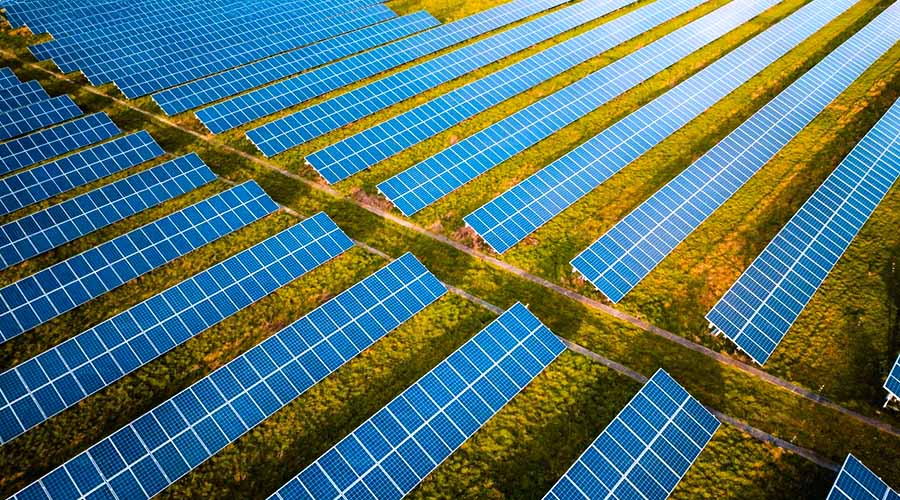
- National Solar Mission: A flagship initiative driving large-scale solar deployment.
- State Renewable Energy Policies: Each state has its own specific policies, incentives, and tariff structures, which can significantly influence project viability. Researching the target state (e.g., Rajasthan, Gujarat, Karnataka, Tamil Nadu are leaders in solar) is essential.
- Renewable Purchase Obligations (RPOs): Utilities are mandated to purchase a certain percentage of their power from renewable sources, creating a steady demand.
Subsidies & Tax Benefits
While direct subsidies for large-scale solar farms are less common now compared to a decade ago, other financial benefits exist:
- Accelerated Depreciation: Solar power plants are eligible for accelerated depreciation benefits (up to 40% in the first year), allowing developers to significantly reduce their taxable income.
- Customs Duty Exemptions: Certain solar components may be exempt from customs duties, reducing import costs.
- Green Energy Corridor: Government initiatives to build dedicated transmission infrastructure for renewable energy, simplifying grid connectivity.
Power Purchase Agreements (PPAs): The Backbone of Revenue
Securing a PPA is arguably the most critical step. These agreements typically span 20-25 years and outline the tariff, payment terms, and obligations of both the generator and the off-taker. Understanding the PPA terms, payment security mechanisms, and clauses related to grid curtailment is paramount.
Licensing and Approvals: A Practical Guide
The process involves numerous approvals:
- Land Conversion: If agricultural land is used, it needs to be converted for industrial use.
- Environmental Clearances: Though solar farms typically have minimal environmental impact, certain clearances are still required.
- Grid Connection Approvals: From the State Transmission Utility (STU) or Central Transmission Utility (CTU) depending on project size.
- Electricity Regulator Approvals: From the State Electricity Regulatory Commission (SERC) or Central Electricity Regulatory Commission (CERC).
While it seems daunting, experienced local partners can streamline this complex process.
Potential Challenges & Mitigation Strategies for Foreign Investors
No investment is without risk. For US investors, understanding specific challenges in the Indian context and having robust mitigation strategies is vital.
Land Acquisition & Clearances (Navigating Local Bureaucracy)
Challenge: India’s land records can be fragmented, and navigating local government for clearances can be time-consuming. There’s also competition for land, especially near substations.nMitigation: Partner with reputable local developers or consultants with proven expertise in land aggregation and liaisoning. Conduct thorough due diligence on land titles and ensure all permissions are in place before commitment.
Grid Connectivity & Infrastructure Limitations
Challenge: While India is rapidly upgrading its grid, older infrastructure in some remote areas might pose challenges, leading to delays or grid curtailment (when the grid cannot absorb all generated power).nMitigation: Prioritize sites with good proximity to robust substations and transmission lines. Engage with grid operators early in the project development phase. Consider projects under the Green Energy Corridor scheme.
Policy Changes & Regulatory Risks
Challenge: Governments can change policies or tariff structures, potentially impacting project economics.nMitigation: Diversify investments across different states with strong, consistent renewable energy policies. Ensure PPAs have clauses that protect against retrospective policy changes or provide for compensation. Stay informed through industry bodies and local experts.
Local Expertise & Project Management
Challenge: Language barriers, cultural differences, and navigating local business practices can be complex for foreign investors.nMitigation: Engage local talent and established Indian partners who have a deep understanding of the market, regulatory environment, and operational challenges. A strong local team is invaluable.
Currency Fluctuations & Repatriation of Profits
Challenge: As discussed, INR-USD exchange rate volatility can impact the value of repatriated profits.nMitigation: Implement a robust currency hedging strategy. Structure deals to minimize exposure, possibly through local debt financing or by seeking PPA terms that mitigate currency risk. Understand India’s foreign exchange regulations regarding profit repatriation.
Managing Operational Risks (Weather, Equipment Failure, Theft)
Challenge: Extreme weather (monsoons, dust storms), equipment breakdowns, and theft can impact plant performance.nMitigation: Invest in high-quality, durable equipment. Implement comprehensive O&M contracts with performance guarantees. Install robust security systems and ensure adequate insurance coverage (property, business interruption, political risk).
Steps to Invest in an Indian Solar Farm from the USA
Ready to make your move? Here’s a streamlined approach for US investors considering an Indian solar farm project.
Phase 1: Market Research & Feasibility Study
- Define Objectives: Determine your investment size, desired returns, and risk appetite.
- Identify Key States: Research states with the best solar potential, supportive policies, and attractive tariff rates.
- Preliminary Feasibility: Conduct a high-level assessment of potential sites, solar irradiation data, grid availability, and initial cost estimates.
Phase 2: Partner Selection & Due Diligence
- Find Local Partners: Seek experienced Indian solar developers, EPC (Engineering, Procurement, Construction) contractors, and legal/financial consultants.
- Due Diligence: Thoroughly vet potential partners, their track record, financial stability, and project execution capabilities. Conduct legal and financial due diligence on any proposed projects.
Phase 3: Project Financing & Legal Structure
- Structure Your Investment: Decide on the most suitable legal entity for your investment in India (e.g., wholly owned subsidiary, joint venture).
- Secure Financing: Explore debt financing options from Indian or international banks. Leverage equity from your side.
Phase 4: Land Acquisition & Permitting
- Finalize Land: Secure land either through purchase or long-term lease, ensuring clear titles and necessary land conversion approvals.
- Obtain Permits: Work with your local partners to acquire all required environmental, grid connectivity, and regulatory approvals from state and central authorities.
Phase 5: Procurement & Construction
- Procurement: Finalize contracts for PV modules, inverters, and other BOS components, preferably with Indian manufacturers for cost efficiency and ease of logistics.
- EPC Execution: Oversee the construction and installation phases, ensuring adherence to quality standards and timelines.
Phase 6: Operation & Maintenance
- Commissioning: Get the plant fully operational and connected to the grid.
- O&M Contracts: Secure a robust O&M contract with a reliable service provider to ensure optimal plant performance, minimize downtime, and maximize energy generation throughout the project’s life. Implement strong monitoring systems.
Conclusion: Seizing the Green Energy Opportunity in India
India’s solar sector isn’t just a beacon for sustainable energy; it’s a vibrant, profitable frontier for savvy investors. With a potent blend of abundant sunshine, progressive government policies, insatiable energy demand, and an open investment climate, the opportunity to generate substantial, long-term returns is clear.
While challenges exist – as they do with any significant investment – they are manageable with diligent research, strategic partnerships, and a clear understanding of the local landscape. For US investors looking to diversify their portfolios, contribute to global sustainability, and tap into one of the world’s most dynamic growth stories, a solar farm in India isn’t just profitable; it’s a strategically brilliant move. The sun is shining brightly on this opportunity – are you ready to harness its power?
Frequently Asked Questions
What is the typical ROI for a solar farm in India?
The typical Return on Investment (ROI) for solar farms in India generally ranges from 12% to 18% annually, depending on factors like project size, location, specific Power Purchase Agreement (PPA) terms, and the financing structure used for the project.
How much land is needed for a 1 MW solar farm in India?
A 1 MW solar farm in India typically requires approximately 4 to 5 acres of land. This estimate can vary slightly based on the specific technology used, panel efficiency, and site layout.
Are there government subsidies for solar farms in India?
While direct subsidies for large-scale solar farms are less common now, India offers other significant incentives like accelerated depreciation benefits (up to 40% in the first year) for solar assets, customs duty exemptions for certain components, and supportive policies that ensure market demand through Renewable Purchase Obligations (RPOs).
What are the main risks of investing in a solar farm in India?
Key risks include complexities in land acquisition and clearances, potential grid connectivity issues or curtailment, policy changes and regulatory shifts, currency fluctuations impacting profit repatriation, and operational challenges like weather events or equipment failure. Mitigation involves strong local partnerships, thorough due diligence, and robust insurance.
How long does it take to get a payback on a solar farm investment in India?
For well-planned and efficiently executed solar farm projects in India, the estimated payback period typically falls between 6 to 9 years. After this period, the plant continues to generate revenue for its operational life of 20-25+ years with significantly lower costs.
Can foreign investors own solar farms in India?
Yes, foreign investors can own solar farms in India. India permits 100% Foreign Direct Investment (FDI) under the automatic route in the renewable energy generation and distribution sector, allowing foreign entities to invest without prior government approval.
What is the average tariff rate for solar power in India?
The average tariff rate for solar power in India varies by state and bidding rounds, but it typically ranges from INR 2.50 to INR 3.50 per unit (kWh) for utility-scale projects. These rates are determined through competitive bidding processes or state regulatory commissions.


Post Comment