Solar Panel Cleaning Services Vadodara
Boost Your Solar Energy & Savings: The Ultimate Guide to Professional Solar Panel Cleaning Services in the USA
So, you’ve made the smart choice to go solar. Your rooftop is bristling with clean energy potential, saving you money and helping the planet. Fantastic! But here’s a question that often gets overlooked: when was the last time those panels were actually clean?
Table of Contents
- Boost Your Solar Energy & Savings: The Ultimate Guide to Professional Solar Panel Cleaning Services in the USA
- Why Your Solar Panels NEED Cleaning (And It’s More Than Just Dirt)
- The Silent Energy Thieves: How Dirt & Grime Steal Your Power
- Beyond Efficiency: Protecting Your Investment for the Long Haul
- DIY vs. Professional: When to Call the Experts
- The Allure of DIY: What You Need to Know Before You Grab a Hose
- The Clear Advantages of Professional Solar Panel Cleaning
- What a Professional Solar Panel Cleaning Service Entails (And What to Expect)
- The “Deep Clean” Process: More Than Just a Spray
- Understanding Different Cleaning Methods
- Decoding the Cost: How Much Does Solar Panel Cleaning Cost in the USA?
- Factors Influencing Pricing
- Typical Price Ranges (Illustrative Table for USA)
- Choosing the Right Solar Panel Cleaning Service: Your Checklist
- Key Questions to Ask Before Hiring
- Red Flags to Watch Out For
- Maximizing Your Solar Investment: Beyond Just Cleaning
- The Optimal Cleaning Frequency
- Complementary Maintenance Tips
- Conclusion: Shine Bright, Save More
If you’re like many solar owners, the answer might be “never” or “I don’t know.” And that’s a problem. Your solar panels are a significant investment, designed to capture sunlight and convert it into electricity. But just like any surface exposed to the elements, they get dirty. Dust, pollen, bird droppings, pollution—they all accumulate, forming a stubborn film that literally blocks the sun from doing its job.
The result? Reduced energy production, lower savings, and potentially a shorter lifespan for your system. In essence, dirt is silently stealing your solar power. This comprehensive guide will walk you through everything you need to know about professional solar panel cleaning services in the USA, ensuring your investment shines its brightest and delivers maximum returns.
Why Your Solar Panels NEED Cleaning (And It’s More Than Just Dirt)
It’s easy to assume rain will wash away the grime, but unfortunately, Mother Nature isn’t always thorough enough. Just like your car windshield needs more than rain to stay spotless, your solar panels require dedicated attention.
The Silent Energy Thieves: How Dirt & Grime Steal Your Power
Think of each solar cell as a tiny window to the sun. When those windows are obstructed by a layer of filth, less sunlight reaches the photovoltaic cells, directly impacting their ability to generate electricity. Studies and real-world data consistently show a measurable drop in efficiency due to dirty panels.
- Dust and Pollen: Ubiquitous culprits, especially in arid or agricultural regions. They create a fine, opaque layer.
- Bird Droppings: Not only unsightly but highly corrosive and capable of creating ‘hot spots’ if left unaddressed, leading to localized damage.
- Pollution and Soot: Common in urban or industrial areas, these particles form a sticky film that’s hard for rain to dislodge.
- Leaves and Debris: While larger items might blow off, smaller fragments can get trapped and cause shading.
The cumulative effect of this build-up can lead to a 5% to 25% reduction in your solar system’s output. That’s a quarter of your potential savings, literally going down the drain (or staying on your panels, rather!).
Beyond Efficiency: Protecting Your Investment for the Long Haul
While maximizing energy production is the most immediate benefit of cleaning, there are crucial long-term advantages:

- Preventing Damage: Accumulated dirt, especially bird droppings and industrial pollutants, can be acidic. Over time, this can lead to corrosion or etching on the panel surface, reducing its lifespan and potentially voiding warranties.
- Maintaining Warranty: Many solar panel manufacturers’ warranties stipulate that panels must be properly maintained to remain valid. Regular cleaning by a professional service often falls under this clause, protecting your valuable investment.
- Aesthetics and Curb Appeal: Let’s be honest, sparkling clean solar panels simply look better. For homeowners, this can contribute to overall property aesthetics. For businesses, it projects an image of care and modernity.
DIY vs. Professional: When to Call the Experts
You might be thinking, “Can’t I just clean them myself?” It’s a fair question, and for some, DIY might seem appealing. However, there are significant considerations.
The Allure of DIY: What You Need to Know Before You Grab a Hose
On the surface, cleaning solar panels yourself seems straightforward: grab a hose and a brush. But this approach comes with notable risks and limitations:
- Safety Hazards: Climbing onto a hot, possibly slippery roof, often at significant heights, is inherently dangerous. Falls are a serious risk, and it’s simply not worth it for many homeowners.
- Panel Damage: Using the wrong tools (abrasive brushes, pressure washers), harsh chemicals, or even hard water can scratch the delicate anti-reflective coating on your panels, permanently reducing their efficiency. Pressure washers, in particular, can force water into seals, leading to electrical issues or delamination.
- Ineffectiveness: Tap water, especially if it’s hard water, contains minerals that can leave behind spots and residue when it dries, potentially making the panels dirtier than before. Regular soap can leave a film.
- Time and Effort: It can be a surprisingly time-consuming and arduous task, especially for larger arrays or complex roof layouts.
The Clear Advantages of Professional Solar Panel Cleaning
Hiring professionals isn’t just about convenience; it’s about safety, effectiveness, and protecting your investment. Here’s why it’s often the superior choice:
| Feature | DIY Cleaning | Professional Cleaning |
|---|---|---|
| Safety | High risk of falls, electrical shock, panel damage. | Trained technicians, proper safety gear, insured against accidents. |
| Effectiveness | Risk of streaks, mineral deposits from tap water, incomplete cleaning. | Uses purified water (de-ionized/RO), specialized tools, streak-free finish. |
| Panel Protection | Risk of scratches, seal damage, warranty voidance. | Gentle, non-abrasive methods, preserves panel coating and seals. |
| Efficiency Gain | Potentially limited due to incomplete cleaning or damage. | Maximizes energy output through thorough, safe cleaning. |
| Convenience | Requires time, effort, and acquisition of specialized (or potentially damaging) tools. | Hassle-free, scheduled service, expert handling. |
What a Professional Solar Panel Cleaning Service Entails (And What to Expect)
When you hire a reputable service, you’re not just paying for someone to spray your panels. You’re investing in a systematic, safe, and effective process designed to optimize your system’s performance.
The “Deep Clean” Process: More Than Just a Spray
A typical professional cleaning involves several key steps:
- Initial Assessment: Technicians will first inspect your panels for any pre-existing damage, accumulated debris, or potential issues. This helps them tailor their approach and alert you to any problems.
- Safety Protocols: Before any work begins, safety equipment (harnesses, non-slip footwear, barricades) will be deployed to protect the crew and your property.
- Debris Removal: Larger items like leaves, twigs, or heavy bird droppings will be carefully removed by hand or with soft tools.
- Pre-Rinse: A gentle rinse with purified water helps loosen surface dirt and cools the panels, preparing them for the main cleaning.
- Specialized Cleaning: This is where the magic happens. Professionals use specialized, non-abrasive brushes and often a proprietary, eco-friendly cleaning solution (if needed for stubborn grime) in conjunction with purified water. Purified water (de-ionized or reverse osmosis water) is crucial because it contains no minerals, ensuring a spotless, streak-free finish without leaving behind new deposits.
- Post-Clean Inspection: After cleaning, the panels are re-inspected to ensure all grime is removed and to confirm no new damage occurred. Some services might even provide before-and-after photos or a performance report.
- Optional Add-ons: Many services offer additional options like gutter cleaning, bird proofing installations, or minor system checks as part of a comprehensive maintenance package.
Understanding Different Cleaning Methods
While the core principles remain, service providers might utilize different methods depending on the system size, accessibility, and client needs:
- Manual Cleaning: This is the most common for residential and smaller commercial systems. Technicians physically access the panels (safely, of course) and use long-handled brushes, squeegees, and purified water. It allows for detailed cleaning and inspection.
- Semi-Automatic Cleaning: For larger arrays, some companies employ robotic brushes or water delivery systems operated by technicians from the ground or roof. This increases efficiency for extensive installations.
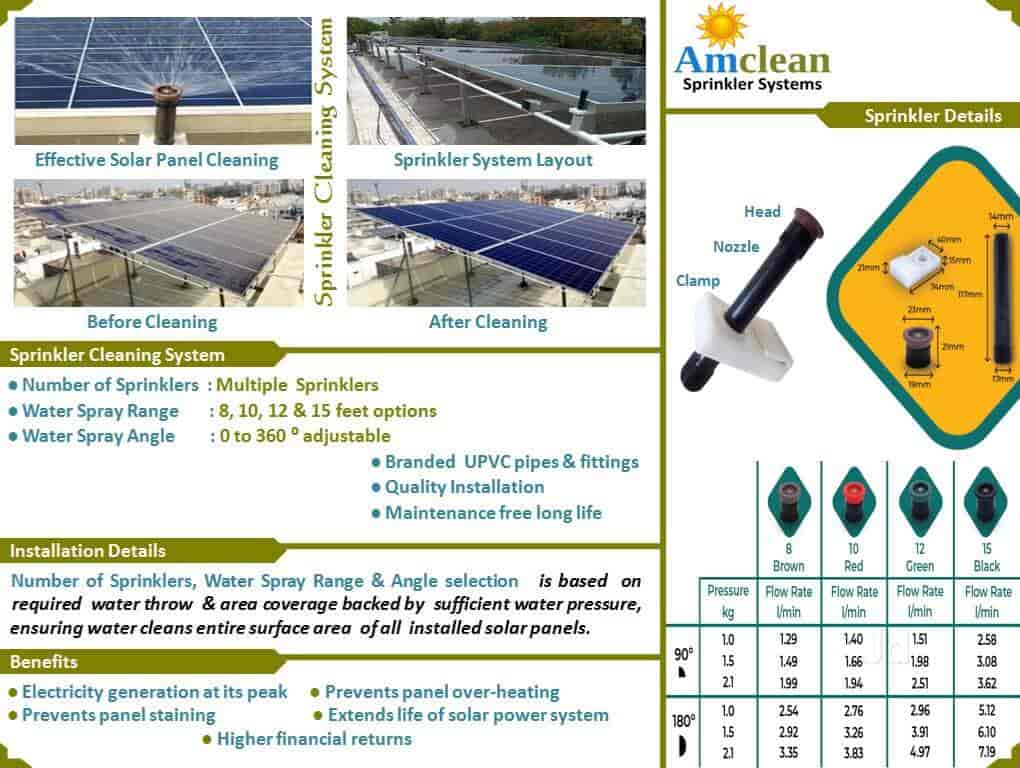
- Automatic Cleaning Systems: Less common for typical residential use, these are often built-in robotic systems or sprinklers designed for very large commercial or utility-scale solar farms. They can be programmed to clean automatically. While effective for vast areas, they are a significant upfront investment and not usually offered by a standard cleaning service for small to medium installations.
| Cleaning Method | Best Suited For | Pros | Cons |
|---|---|---|---|
| Manual | Residential, small to medium commercial arrays. | Thorough, detailed inspection, direct human oversight. | Labor-intensive, slower for very large systems. |
| Semi-Automatic | Medium to large commercial installations. | Increased efficiency, reduces physical labor, consistent coverage. | Requires specialized equipment, less direct human touch for inspection. |
| Automatic | Utility-scale solar farms, very large commercial sites. | Highly efficient for massive scale, minimal human intervention. | High upfront cost, not practical for most homeowners, may miss stubborn spots. |
Decoding the Cost: How Much Does Solar Panel Cleaning Cost in the USA?
One of the first questions solar owners ask is, “How much will this cost me?” While exact figures vary, understanding the factors that influence pricing will help you budget and evaluate quotes.
Factors Influencing Pricing
Several elements contribute to the total cost of professional solar panel cleaning:
- System Size: The most significant factor. More panels mean more time, water, and labor. Costs are often quoted per panel or per kW of system capacity.
- Accessibility: Panels on a steep roof, a multi-story building, or in hard-to-reach areas will incur higher labor costs due to increased safety measures and specialized equipment (e.g., lifts, advanced harnesses).
- Level of Dirt/Debris: A heavily soiled system with caked-on bird droppings will require more effort and time than one with light dust, potentially increasing the cost.
- Location: Labor rates and operational costs vary geographically across the USA. Services in high-cost-of-living areas tend to be more expensive.
- Additional Services: If you bundle your cleaning with gutter cleaning, bird proofing installation, or minor system inspections, the overall package price might be more cost-effective than separate services.
- Contract vs. One-Off Service: Many companies offer discounts for annual or bi-annual service contracts, providing better value than a single cleaning appointment.
Typical Price Ranges (Illustrative Table for USA)
Keep in mind these are general estimates. Always get a custom quote for your specific system.
| System Size / Type | Approximate Number of Panels | Estimated Cost Range (USA) |
|---|---|---|
| Small Residential (3-5 kW) | 10-15 panels | $100 – $200 |
| Medium Residential (6-10 kW) | 20-30 panels | $150 – $350 |
| Large Residential / Small Commercial (10+ kW) | 30+ panels | $300 – $600+ |
| Per Panel Rate (average) | N/A | $5 – $10 per panel (minimums often apply) |
The Return on Investment: While there’s a cost involved, remember that cleaning directly impacts your system’s output. If a cleaning service costs $200 and restores 10% efficiency to a system producing $1000 worth of electricity annually, you’re looking at an extra $100 in savings. Over time, that adds up, often making the cleaning pay for itself and then some.
Choosing the Right Solar Panel Cleaning Service: Your Checklist
Not all cleaning services are created equal. To protect your investment and ensure a high-quality job, it’s crucial to do your homework.
Key Questions to Ask Before Hiring
Don’t be afraid to ask detailed questions. A reputable company will be transparent and happy to provide answers.
- Experience and Reputation: How long have they been in business? Do they specialize in solar panel cleaning? Check online reviews (Google, Yelp, Angi) and ask for local references.
- Licensing and Insurance: This is CRITICAL. Ensure the company is properly licensed and, most importantly, carries comprehensive liability insurance. This protects you in case of an accident on your property or damage to your panels. Ask for proof of insurance.
- Cleaning Methods and Equipment: Do they use purified water (de-ionized or reverse osmosis)? What type of brushes or cleaning solutions do they employ? Avoid companies that use pressure washers, abrasive tools, or harsh detergents.
- Pricing and Packages: Get a clear, written quote. Understand if it’s a flat rate, per-panel, or per-kW. Ask about any discounts for recurring service contracts or bundling with other services.
- Scheduling and Availability: How quickly can they schedule a service? Do they offer flexible appointments?
- Customer Service: Are they responsive to inquiries? Do they provide clear communication before, during, and after the service?
- Guarantees: Do they offer any satisfaction guarantee or warranty on their cleaning service?
Red Flags to Watch Out For
- Unusually Low Prices: While a good deal is great, prices significantly lower than competitors might indicate a lack of proper equipment, insurance, or skilled labor.
- Lack of Insurance Proof: If a company can’t or won’t provide proof of liability insurance, walk away immediately. The risk is too high.
- No Clear Methodology: Vague answers about their cleaning process, or indications they use standard tap water and dish soap, are red flags.
- Aggressive Sales Tactics: High-pressure sales for services you don’t need.
Maximizing Your Solar Investment: Beyond Just Cleaning
Think of cleaning as a vital part of a broader maintenance strategy for your solar system.
The Optimal Cleaning Frequency
There’s no one-size-fits-all answer, as it depends on your specific environment:
- General Recommendation: For most residential systems in the USA, 1 to 2 professional cleanings per year are sufficient.
- Dusty/Arid Regions: If you live in a particularly dusty area, near construction, or in a region with heavy pollen seasons, you might benefit from more frequent cleanings (e.g., every 3-6 months).
- Coastal Areas: Salt spray can accumulate, requiring regular rinsing to prevent buildup and corrosion.
- Industrial/Agricultural Areas: Soot, exhaust, or agricultural dust might necessitate more frequent cleaning.
- Visible Dirt: If you can clearly see a layer of dirt, bird droppings, or streaks from the ground, it’s definitely time for a cleaning.
Complementary Maintenance Tips
Beyond professional cleaning, these habits can help you get the most out of your solar panels:
- Monitor Performance: Most solar systems come with monitoring apps. Regularly check your energy production data. A sudden, unexplained dip often indicates a problem, which could be dirt.
- Regular Visual Inspections (from the ground): Periodically check for obvious issues like heavy debris, new bird nests, or visible damage to the panels or mounting system.
- Trim Overhanging Branches: Trees can cast shadows and drop leaves/debris onto your panels. Keep them trimmed back.
- Consider Bird & Pest Deterrents: If birds are a recurring problem, professional bird proofing (mesh, spikes) can be a worthwhile investment to reduce droppings and potential nesting damage.
Conclusion: Shine Bright, Save More
Your solar panels are hard at work, silently generating clean energy and saving you money. But they can’t perform at their peak if they’re covered in dirt and grime. Investing in professional solar panel cleaning services isn’t an expense; it’s a smart maintenance decision that protects your initial investment, maximizes your energy production, and ensures you reap all the financial and environmental benefits your solar system was designed to deliver.

Don’t let preventable dirt steal your energy or shorten your system’s life. Seek out reputable, insured professionals in your area, get a detailed quote, and let your solar panels shine their brightest. Your wallet, and the planet, will thank you.
Frequently Asked Questions
How often should I have my solar panels cleaned?
For most residential systems in the USA, 1 to 2 professional cleanings per year are recommended. However, this can vary based on your local environment; dusty areas, coastal regions, or locations near heavy pollution might benefit from more frequent cleanings (e.g., every 3-6 months).
Does cleaning solar panels really improve efficiency?
Absolutely. Accumulated dirt, dust, pollen, and bird droppings can significantly block sunlight, leading to a 5% to 25% reduction in energy output. Professional cleaning removes these obstructions, restoring your panels to their optimal efficiency and maximizing your energy production and savings.
Can I clean my solar panels myself?
While technically possible, DIY cleaning comes with significant risks. There’s a high risk of falls from the roof, potential electrical shock, and the chance of damaging the panels by using abrasive tools, harsh chemicals, or hard water that leaves mineral streaks. Professional services are safer and more effective.
What kind of water is used by professional cleaners?
Reputable professional solar panel cleaners use purified water, typically de-ionized (DI) or reverse osmosis (RO) water. This water contains no minerals or impurities, ensuring a spotless, streak-free clean without leaving behind new deposits or damaging the panel’s surface.
How much does professional solar panel cleaning typically cost?
In the USA, costs generally range from $100 to $200 for a small residential system (10-15 panels) up to $300-$600+ for larger residential or small commercial systems. Prices vary based on system size, accessibility, level of dirt, and geographical location. Many companies offer discounts for recurring service contracts.
What should I look for in a professional cleaning service?
Always prioritize companies that are properly licensed and fully insured (ask for proof). Look for services that use purified water and non-abrasive cleaning methods. Check their experience, reputation (online reviews), and ask for a clear, written quote that details their process and what’s included.
Will cleaning damage my solar panels?
When performed by a professional service using appropriate tools (soft brushes, purified water) and techniques, cleaning will not damage your solar panels. In fact, regular, proper cleaning helps prevent long-term damage from corrosive bird droppings or abrasive dirt, thus extending your panels’ lifespan and maintaining warranty validity.


Post Comment