Solar Panel Efficiency After 10 Years
Solar Panel Efficiency After 10 Years: What Homeowners REALLY Need to Know
You made a smart move. You invested in solar, embraced clean energy, and watched your electricity bills shrink. But now, as you approach or pass the decade mark with your solar panels, a common question probably pops into your head: how efficient are my solar panels after 10 years?
Table of Contents
- Solar Panel Efficiency After 10 Years: What Homeowners REALLY Need to Know
- The Golden Rule: Expect 85-95% Efficiency After 10 Years
- Unpacking Degradation: Why Solar Panels Lose Efficiency
- Light-Induced Degradation (LID)
- Potential-Induced Degradation (PID)
- Environmental Factors
- Manufacturing Quality & Panel Type
- The 10-Year Mark: What’s Changed Since Installation?
- Performance You Can Expect
- Warranty Check-in
- Technological Advancements in the Last Decade
- Maximizing Your Solar Panel’s Lifespan Beyond 10 Years
- Proactive Maintenance is Key
- Addressing Soiling and Shading
- The Role of Inverter Health
- When to Consider Upgrading or Expanding Your System (Post 10-Years)
- Declining Performance vs. Increased Needs
- Economic Factors
- Future-Proofing Your Home
- Conclusion
It’s a completely natural concern. After all, nothing lasts forever at peak performance. The good news? Your solar panels are likely still performing exceptionally well. In fact, most high-quality solar panels retain anywhere from 85% to 95% of their original efficiency after 10 years.
That’s not just a guess; it’s backed by industry standards, manufacturer warranties, and decades of real-world data. But understanding the nuances – what causes degradation, what to expect, and how to keep them running strong – is key. Let’s dive deep into the reality of solar panel efficiency after a decade.
The Golden Rule: Expect 85-95% Efficiency After 10 Years
When you bought your solar panels, you likely received a performance warranty. This warranty is your manufacturer’s promise about how much power your panels will produce over time. The industry standard for these warranties is typically 20-25 years, often guaranteeing a certain percentage of original output at specific milestones.
Most reputable manufacturers guarantee that their panels will produce at least 90% of their rated power after 10 years, and often 80-85% after 25 years. This ‘degradation rate’ – the small, expected loss of efficiency over time – is surprisingly low for modern solar technology, typically ranging from 0.5% to 1% per year.
Think of it like this: if your panels started at 20% efficiency, after 10 years at a 0.5% annual degradation rate, they’d still be operating at around 19% efficiency (20% – (10 years * 0.5% * 20%)). That’s a tiny drop for a decade of free, clean energy!
Here’s a general idea of what to expect:
| Years in Service | Typical Efficiency Retention | Manufacturer Warranty Benchmark |
|---|---|---|
| 1 | 99.0% – 99.5% | Often 98% guaranteed |
| 5 | 95.0% – 97.5% | Often 95% guaranteed |
| 10 | 90.0% – 95.0% | Often 90% guaranteed |
| 15 | 85.0% – 92.5% | Often 85% guaranteed |
| 20 | 80.0% – 90.0% | Often 80% guaranteed |
| 25 | 75.0% – 87.5% | Often 80% guaranteed |
Unpacking Degradation: Why Solar Panels Lose Efficiency
While the overall degradation is minor, it’s important to understand *why* it happens. It’s not a sign of poor quality, but rather an expected part of any technology exposed to the elements over time. Several factors contribute to this gradual decline:
Light-Induced Degradation (LID)
This is a well-known phenomenon, especially in the first few days or weeks after initial installation and exposure to sunlight. When silicon solar cells are first exposed to light, a small, irreversible loss of efficiency occurs. This initial drop is usually minimal (often 1-3%) and then stabilizes quickly. Modern manufacturing techniques have significantly reduced the impact of LID, but it’s still a factor accounted for in performance warranties.

Potential-Induced Degradation (PID)
PID is a more serious issue that can affect solar panels, particularly those installed in systems with high voltage, high humidity, or extreme temperatures. It occurs when a potential difference between the solar cells and the grounded module frame causes current leakage, leading to a loss of power. High-quality panels and proper system design (e.g., grounding practices) are crucial in preventing PID. If your panels are experiencing significant, unexplained drops in output after a few years, PID could be a culprit, warranting a professional check.
Environmental Factors
Your panels endure a lot up on your roof. The environment plays a significant role in their long-term performance:
- Temperature: Solar panels are actually less efficient at very high temperatures. While this is a temporary effect (efficiency returns as temperatures cool), prolonged exposure to extreme heat can contribute to material fatigue over decades.
- Weathering: Constant exposure to UV radiation, wind, rain, snow, and even hail can lead to subtle physical degradation of the panel’s materials (e.g., the encapsulant, backsheet, or frame). Modern panels are built to withstand harsh conditions, but wear and tear are inevitable.
- Soiling: This is perhaps the most common and easily preventable cause of temporary efficiency loss. Dust, pollen, leaves, bird droppings, and other debris can accumulate on the panel surface, blocking sunlight from reaching the cells.
Manufacturing Quality & Panel Type
Not all solar panels are created equal. The quality of materials, the manufacturing processes, and the type of solar cell all influence the degradation rate:
- Monocrystalline vs. Polycrystalline: Monocrystalline panels (the more common, sleek black ones) typically have slightly better initial efficiency and often slightly lower degradation rates than older polycrystalline panels.
- Thin-film Panels: While less common for residential rooftops due to lower efficiency per square foot, thin-film panels (like cadmium telluride) can have different degradation characteristics, sometimes higher initial degradation, but can be more resistant to heat.
- Tier 1 Manufacturers: Panels from established, reputable (Tier 1) manufacturers generally use higher-quality components and more rigorous testing, leading to better long-term performance and more reliable warranties.
The 10-Year Mark: What’s Changed Since Installation?
Reaching the 10-year milestone with your solar system is a significant achievement. It means you’ve likely enjoyed a decade of substantial energy savings and a reduced carbon footprint. So, what should you really expect at this point?
Performance You Can Expect
At 10 years, your panels are still generating a substantial amount of power, often well over 90% of their original output. For most homeowners, this means your system is still significantly offsetting your electricity bill, providing considerable savings. Unless you’ve noticed a dramatic, unexplained drop in production (which would warrant an inspection), your system should be humming along nicely, continuing to provide clean energy.
The impact on your energy bill savings should be minimal. If your electricity consumption hasn’t changed drastically, your system is likely still meeting most, if not all, of your power needs, just as it did in its earlier years.
Warranty Check-in
This is a great time to pull out your original solar panel documentation and review your performance warranty. Most warranties guarantee performance for 20-25 years, so at the 10-year mark, you’re still well within the coverage period.
- Performance Warranty: This covers the power output of the panels. If your panels are producing significantly less than the guaranteed percentage (e.g., below 90% in year 10), you might have a claim.
- Product/Equipment Warranty: This covers defects in manufacturing, materials, or workmanship. Typically 10-12 years, you might be nearing the end of this warranty for certain components, so it’s a good idea to know your expiration dates.
Understanding your warranty specifics can provide peace of mind and inform any potential service needs.
Technological Advancements in the Last Decade
While your 10-year-old panels are still fantastic, it’s worth acknowledging how far solar technology has come. The last decade has seen incredible innovation:
- Higher Efficiencies: Panels installed today often boast starting efficiencies of 20-23%, with some premium models reaching over 24%. Ten years ago, 15-17% was more common.
- Lower Degradation Rates: New manufacturing techniques and materials have pushed degradation rates even lower, with some panels now warrantying less than 0.3% annual degradation.
- Improved Aesthetics: Sleeker designs, all-black panels, and integrated racking systems are more common.
- Smart Technology Integration: Advanced inverters, micro-inverters, and monitoring systems offer more granular control and data than ever before.
This isn’t to say your panels are obsolete; far from it! It just highlights the rapid pace of innovation in the industry. Here’s a quick look at the average efficiency evolution:
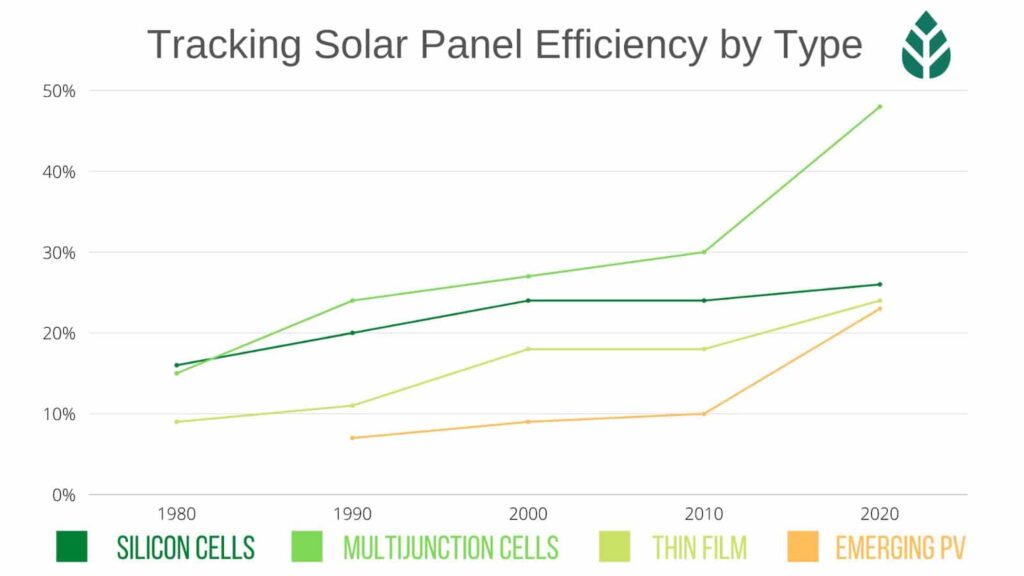
| Year | Average Residential Solar Panel Efficiency Range |
|---|---|
| ~2013-2015 | 15% – 17% |
| ~2016-2018 | 17% – 19% |
| ~2019-2021 | 19% – 21% |
| ~2022-Present | 20% – 23% (Premium models >24%) |
Maximizing Your Solar Panel’s Lifespan Beyond 10 Years
Even though solar panels are robust, a little care goes a long way in ensuring they perform optimally for their entire 25+ year lifespan. At the 10-year mark, proactive maintenance becomes even more important.
Proactive Maintenance is Key
Think of it like taking care of your car – regular check-ups prevent bigger problems down the line.
- Regular Cleaning: The most impactful thing you can do. Dust, dirt, pollen, and bird droppings can significantly reduce efficiency by blocking sunlight. In many regions, rain will help, but a periodic rinse (especially after dry spells) or professional cleaning can restore lost output. Use soft water and a soft brush; avoid harsh chemicals or high-pressure washers.
- Professional Inspections: Consider an annual or bi-annual professional check-up. Technicians can identify potential issues like loose wiring, micro-cracks in cells (often invisible to the naked eye), or areas affected by PID. They can also inspect the racking system for integrity and check for pest infestations under the panels.
- Monitoring System Performance: Most modern solar systems come with monitoring apps that show your daily, weekly, and monthly production. Keep an eye on this data. A sudden or sustained dip in production (that isn’t explained by weather) could indicate an issue that needs investigation.
Addressing Soiling and Shading
These two factors are often the biggest culprits behind lower-than-expected output:
- Soiling: As mentioned, clean your panels! It’s surprising how much difference a clean surface makes.
- Shading: Are nearby trees or new construction casting shadows on your panels that weren’t there 10 years ago? Even partial shading on one panel can significantly reduce the output of an entire string of panels, especially in systems without micro-inverters or power optimizers. Trim trees if needed, or consult with your solar installer about solutions for unavoidable shading.
The Role of Inverter Health
While your panels are built to last 25+ years, other components of your solar system have shorter lifespans. The inverter is a prime example. Inverters convert the DC power from your panels into AC power usable by your home. String inverters typically have a warranty and lifespan of 10-15 years, while micro-inverters (which are attached to individual panels) often come with 20-25 year warranties.
Around the 10-year mark, especially if you have a string inverter, you might be approaching the end of its useful life or warranty period. An aging or failing inverter can significantly impact your system’s overall performance, even if your panels are pristine. If you notice your system frequently shutting down, or if your monitoring shows erratic production, your inverter could be the issue. Budgeting for a potential inverter replacement within the next 5 years is a smart move for systems hitting the 10-year milestone.
When to Consider Upgrading or Expanding Your System (Post 10-Years)
Your 10-year-old solar panels are still a valuable asset. However, the decade mark can also be an opportune time to evaluate your energy needs and consider future enhancements.
Declining Performance vs. Increased Needs
While natural degradation is minimal, you might consider an upgrade if:
- Significant Efficiency Drop: Your system is producing noticeably less power than expected, even after cleaning and inverter checks, and it’s beyond the typical degradation rate.
- Increased Energy Consumption: Have your energy needs grown since you installed solar? Maybe you’ve added an electric vehicle, installed a hot tub, or your family has grown. Your existing system might no longer be sufficient.
Economic Factors
The financial landscape for solar has also evolved:
- New Incentives: Are there new federal, state, or local incentives (like tax credits, rebates, or SRECs) available that weren’t around or as generous when you first installed your system? These could make an upgrade or expansion more affordable.
- Price Drops: The cost of solar panels has plummeted over the last decade. Adding more panels or replacing older, less efficient ones might be more cost-effective now than you think.
Future-Proofing Your Home
The clean energy ecosystem is constantly expanding:
- Battery Storage Integration: Many homeowners are now looking to add solar batteries to store excess energy, providing backup power during outages and increasing energy independence. Your existing system can often be retrofitted with battery storage.
- EV Charging Needs: If you own or plan to purchase an electric vehicle, integrating its charging needs with your solar system can maximize your savings and green credentials.
Consulting with a trusted solar professional can help you assess your current system’s health, evaluate your energy needs, and explore the most cost-effective options for the next decade.
Conclusion
Reaching 10 years with your solar panels is a milestone to celebrate, not to worry about. The reality is that your panels are likely performing admirably, still delivering clean, cost-saving power to your home. While a slight, natural degradation is expected, it’s typically far less than what many homeowners initially fear.
By understanding the factors that influence efficiency, staying on top of simple maintenance, and periodically checking your system’s performance, you can ensure your solar investment continues to pay dividends for many years to come. Your decade-old solar panels are a testament to the longevity and reliability of modern renewable energy technology – keep enjoying the sunshine!
Frequently Asked Questions
What is the typical efficiency of a solar panel after 10 years?
Most high-quality solar panels are designed to retain 85-95% of their original efficiency after 10 years of operation. Manufacturers often guarantee at least 90% output at the 10-year mark through their performance warranties.
What causes solar panels to lose efficiency over time?
Efficiency loss, known as degradation, is primarily caused by natural factors like Light-Induced Degradation (LID) and Potential-Induced Degradation (PID), as well as environmental factors such as extreme temperatures, weathering, and soiling (dust, dirt, bird droppings). These cause a gradual, small reduction in power output.
Are 10-year-old solar panels still worth it?
Absolutely! 10-year-old solar panels are still very much worth it. They continue to produce significant amounts of clean electricity, substantially offsetting your energy bills. With proper maintenance, they can continue to perform well for another 15-20 years beyond the initial decade.
How can I check the efficiency of my solar panels after 10 years?
The best way to check is by monitoring your system’s daily or monthly energy production, often available through a dedicated app or online portal from your installer or inverter manufacturer. You can compare current output to historical data from previous years, adjusting for seasonal variations and weather, or consult with a solar professional for a detailed system audit.
Do solar panel warranties cover degradation after 10 years?
Yes, most solar panels come with a 20-25 year ‘performance warranty’ that guarantees a certain level of power output over time (e.g., 90% after 10 years, 80-85% after 25 years). If your panels degrade beyond these guaranteed thresholds, you may have a warranty claim.
What maintenance is recommended for solar panels after 10 years?
After 10 years, continued proactive maintenance is crucial. This includes regular cleaning to remove dirt and debris, monitoring your system’s performance for any unusual drops, and considering professional inspections to check wiring, connections, and the overall health of the system and its components like the inverter.
Should I replace my inverter if my solar panels are 10 years old?
Your inverter’s lifespan is typically 10-15 years for string inverters. At the 10-year mark, it’s a good idea to assess your inverter’s health. While your panels will likely outlast it, the inverter may need replacement within the next 5 years to ensure optimal system performance and prevent future issues. Micro-inverters generally have longer warranties, often aligning with the panel lifespan.


Post Comment