Solar Power Purchase Agreement Rates In Gujarat
Decoding Solar Power Purchase Agreement (PPA) Rates in Gujarat: A Global Perspective for US Investors
Ever wondered how rapidly developing nations are fueling their economic growth while tackling climate change? Or perhaps you’re an investor looking for new frontiers in the renewable energy sector, beyond the familiar landscapes of North America or Europe. If so, you’ve likely heard of India’s ambitious solar targets, and within India, one state consistently shines brighter: Gujarat.
Table of Contents
- Decoding Solar Power Purchase Agreement (PPA) Rates in Gujarat: A Global Perspective for US Investors
- Understanding Solar Power Purchase Agreements (PPAs): The Basics for a Global Audience
- Gujarat: India’s Solar Powerhouse and Its Policy Landscape
- Gujarat’s Strategic Position
- Key Regulatory Bodies & Agencies
- Pivotal Policies Shaping the Market
- Current Solar PPA Rates in Gujarat: A Deep Dive (INR to USD Conversion)
- Recent Tariff Approvals & Trends:
- Factors Influencing Solar PPA Rates in Gujarat
- Comparing Gujarat’s PPA Rates: An Indian and International Perspective
- Vs. Other Indian States:
- Vs. Global/USA PPA Rates:
- Navigating the Gujarat Solar Market: Insights for International Investors
- The Future of Solar PPAs and Renewable Energy in Gujarat
- Conclusion: Gujarat’s Enduring Appeal in the Global Solar Arena
While the specifics of Solar Power Purchase Agreement (PPA) rates in Gujarat might seem geographically distant, understanding them offers invaluable insights. For US investors, it’s a window into emerging market dynamics, a case study in effective policy implementation, and potentially, an avenue for diversifying your clean energy portfolio. For policy analysts, it’s a benchmark. For anyone curious about the global energy transition, it’s a fascinating deep dive into a region that’s making significant strides.
This isn’t just about a few numbers in rupees; it’s about the economic engine driving one of the world’s largest renewable energy expansions. We’re going to break down Gujarat’s PPA rates, translate them into a language you understand (USD!), and explain why these trends in a faraway land might just be more relevant to your world than you think.
Understanding Solar Power Purchase Agreements (PPAs): The Basics for a Global Audience
Before we dive into the specifics of Gujarat, let’s ensure we’re all on the same page about what a Solar PPA actually is. Think of it as a long-term handshake – typically 10 to 25 years – between a solar energy developer (the producer) and a consumer (the off-taker) who agrees to purchase the electricity generated by a solar project at a pre-agreed rate.
How PPAs Work:
- Third-Party Ownership: A developer (often referred to as an Independent Power Producer, or IPP) owns, operates, and maintains the solar power system, typically installed on a consumer’s property (for rooftop) or a dedicated plot of land (for utility-scale).
- Fixed Rates: The off-taker agrees to buy the electricity at a fixed price per kilowatt-hour (kWh) for the duration of the contract. This rate can sometimes escalate slightly over time or remain completely flat.
- No Upfront Cost for Off-Taker: This is a major appeal. The consumer avoids the significant capital expenditure of purchasing and installing a solar system.
- Predictable Energy Prices: By locking in a rate, businesses and utilities can hedge against fluctuating conventional electricity prices, offering long-term budget certainty.
- Performance and Maintenance: The developer is responsible for the system’s performance, maintenance, and any necessary repairs, taking the operational burden off the off-taker.
Benefits of PPAs:
- Zero Capital Outlay: For the consumer, it’s all about buying clean electricity, not owning a power plant.
- Cost Savings: PPA rates are often competitive with, or even lower than, grid electricity prices, leading to immediate savings.
- Risk Mitigation: The developer assumes the technology, performance, and operational risks.
- Environmental Benefits: Access to renewable energy helps meet sustainability goals and reduce carbon footprint.
- Predictability: Budgeting for energy costs becomes much simpler with a known rate.
Types of PPAs:
- Physical PPA: The most common, where electricity is physically delivered from a specific solar project to the off-taker. This includes rooftop PPAs and utility-scale projects directly connected to a consumer’s load or the local grid.
- Virtual PPA (VPPA) or Synthetic PPA: Often used in the US, where the off-taker doesn’t take physical delivery but enters into a financial contract for the energy. The developer sells electricity into the wholesale market, and the off-taker receives payments based on market prices, with the PPA rate acting as a fixed strike price for the financial hedge. While less common in the Indian context for specific reasons related to market structure, understanding this distinction is crucial for a global perspective.
- Utility-Scale PPAs: Large projects (tens to hundreds of megawatts) selling power to utilities (distribution companies or DISCOMs) or large industrial consumers. This is where most of Gujarat’s discussed rates originate.
- Residential/Commercial Rooftop PPAs: Smaller projects on homes or businesses, selling power directly to the property owner.
Gujarat: India’s Solar Powerhouse and Its Policy Landscape
Gujarat, located on India’s western coast, isn’t just a thriving industrial hub; it’s a frontrunner in India’s renewable energy revolution. The state boasts high solar insolation, meaning it receives abundant sunlight, making it an ideal location for solar power generation. This natural advantage, combined with forward-thinking government policies, has positioned Gujarat as a pivotal player in the country’s energy transition.

Gujarat’s Strategic Position
The state’s long coastline, vast arid lands, and proactive industrial policies have created a conducive environment for large-scale solar project development. From the massive Dholera Solar Park to numerous smaller projects, Gujarat has consistently attracted significant investment in the renewable sector, driving down costs and setting benchmarks for the rest of India.
Key Regulatory Bodies & Agencies
Understanding the players is crucial:
- GERC (Gujarat Electricity Regulatory Commission): This independent body is the primary authority for regulating the electricity sector in Gujarat. Its crucial role involves determining tariffs, approving PPAs, and ensuring fair competition and consumer interests. When you see a rate approved by GERC, it means it has gone through a rigorous legal and economic vetting process.
- GUVNL (Gujarat Urja Vikas Nigam Limited): As the state’s main electricity procurement company, GUVNL is essentially the primary buyer of power generated by independent producers, including solar. It issues tenders, conducts auctions, and signs the PPAs with developers, acting on behalf of the state’s distribution companies.
Pivotal Policies Shaping the Market
Gujarat’s robust policy framework is a key differentiator:
- Gujarat Solar Policy 2021: This policy is a game-changer. It aims to achieve 30 GW of renewable energy capacity by 2028, with a strong focus on solar. Key features include:
- No Capacity Ceiling: Encourages large-scale projects without limitations.
- Land Availability: Simplified procedures for securing land for solar projects.
- Open Access: Facilitates industries to directly purchase solar power from developers, bypassing distribution companies, which often leads to more competitive rates.
- Renewable Purchase Obligation (RPO): Mandates that DISCOMs and certain large consumers purchase a minimum percentage of their electricity from renewable sources, creating consistent demand for solar power.
- PM-KUSUM Scheme: This is a national government initiative but implemented at the state level. It focuses on solarizing agricultural pumps, providing farmers with reliable, clean power while also enabling them to sell surplus solar power back to the grid. The tariffs approved under PM-KUSUM are often specific to this scheme, supporting decentralized generation.
- Interstate Transmission System (ISTS): Projects connected to the ISTS grid are large-scale facilities that supply power across state boundaries. Tariffs for ISTS-connected projects are often determined through competitive bidding at a national level, but GERC still plays a role in approving the procurement by Gujarat-based entities. The “ISTS waiver” for transmission charges has historically made ISTS-connected projects highly attractive for developers due to lower operational costs.
Current Solar PPA Rates in Gujarat: A Deep Dive (INR to USD Conversion)
Now, let’s get to the numbers. The rates for Solar Power Purchase Agreements in Gujarat are dynamic, primarily determined through competitive bidding processes conducted by GUVNL and approved by GERC. These rates reflect the fierce competition among developers, technological advancements, and the supportive policy environment.
Exchange Rate Context: For clarity, we’ll convert the Indian Rupee (INR) rates to US Dollars (USD). Please note that exchange rates fluctuate. For the purposes of this analysis, we’ll use an approximate rate of 1 USD = 83 INR. Actual rates may vary.
Recent Tariff Approvals & Trends:
Based on recent reports, here’s a summary of some key GERC-approved tariffs for solar power procurement in Gujarat:
| Project/Scheme Context | Reported Rate (INR/kWh) | Approx. Rate (USD/kWh) | Key Details/Context | Source Year |
|---|---|---|---|---|
| 500 MW Solar Power Procurement (ISTS) | ₹2.78 | $0.0335 | GERC approved fixed tariff based on ISTS delivery. Indicates competitive bidding. | 2023 |
| Surplus Solar Power Under PM-KUSUM (Component-C) | ₹2.83 | $0.0341 | Tariff for solar projects installed by farmers to sell excess power to the grid. | 2023 |
| 480 MW Solar Power Agreement with GUVNL | ₹2.56 | $0.0308 | Specific project (SAEL) securing PPA with GUVNL for 25 years. | 2023 |
| 154 MW Solar Projects Under PM-KUSUM | ₹2.12 – ₹3.00 | $0.0255 – $0.0361 | Range of tariffs approved for smaller projects under the PM-KUSUM scheme. | 2021 |
| Gujarat Solar Policy 2021 (Demand-Based HT & LT Consumers) | ₹1.50 | $0.0181 | Buyback rate for solar energy consumed by certain categories of consumers. | 2021 |
| Gujarat Solar Policy 2021 (MSME and Other Consumers) | ₹1.10 | $0.0133 | Buyback rate for smaller consumers under the state policy. | 2021 |
Analysis of these rates:
- The rates hover primarily between $0.025 and $0.035 USD per kWh for utility-scale and PM-KUSUM projects. This is remarkably competitive on a global scale, especially considering the project complexity and developing market context.
- The lower rates observed (e.g., SAEL’s ₹2.56/kWh) underscore the intensity of competition in GUVNL’s procurement auctions.
- The slightly higher rates for specific PM-KUSUM components (up to ₹3.00/kWh) suggest policy support for particular segments, aiming for inclusive growth and decentralized generation, potentially accounting for smaller scale and higher associated costs for farmer-centric projects.
- The buyback rates under the Gujarat Solar Policy 2021 are significantly lower, as they represent the compensation for excess power fed back to the grid by consumers, rather than procurement rates for independent power producers.
- These tariffs are generally fixed for the 25-year duration of the PPA, providing long-term revenue predictability for developers and cost certainty for off-takers.
Factors Influencing Solar PPA Rates in Gujarat
These competitive rates don’t happen by accident. Several intertwined factors contribute to shaping the PPA landscape in Gujarat, making it an attractive, albeit complex, market.
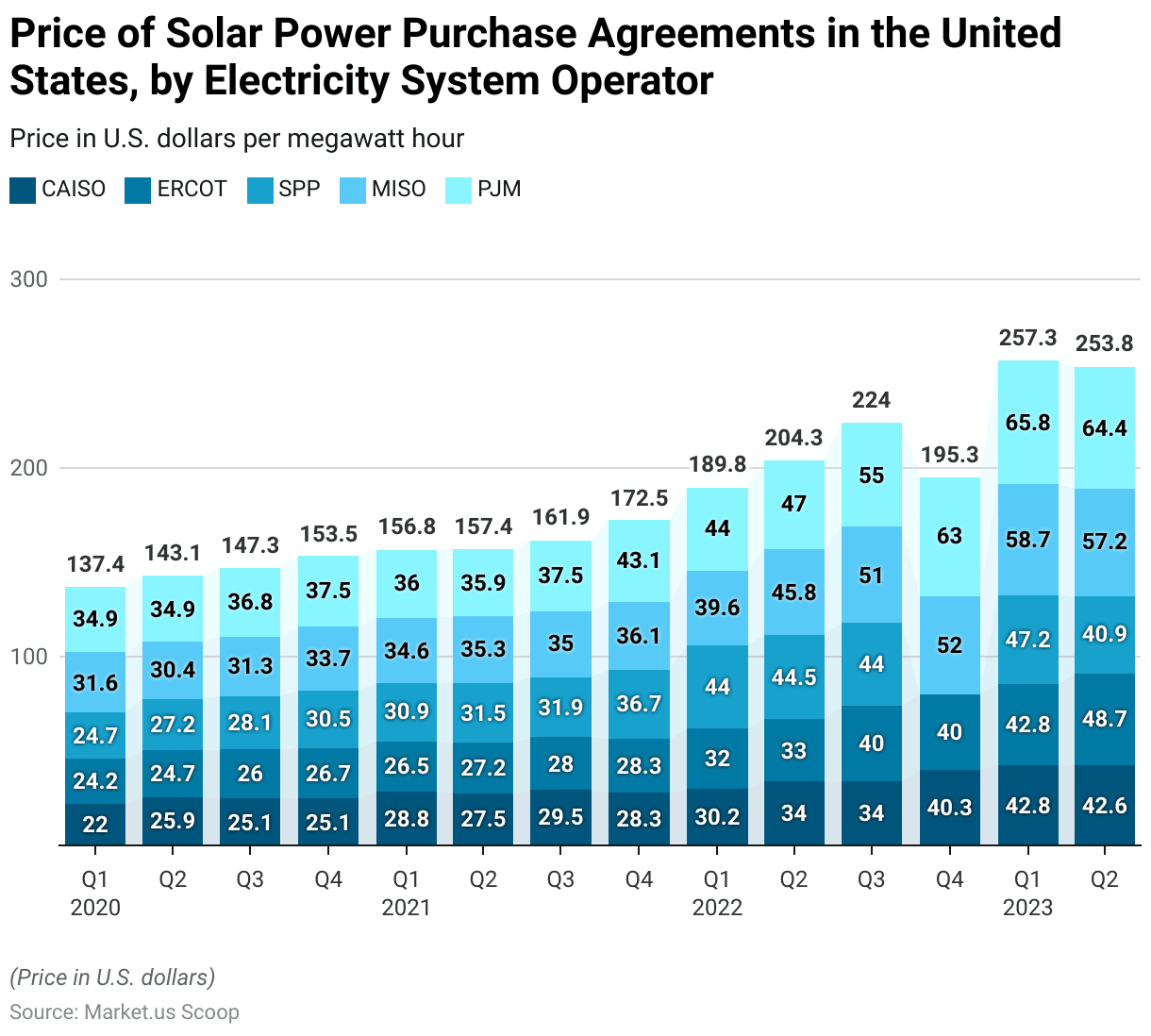
- Project Scale & Technology: Larger, utility-scale projects typically benefit from economies of scale, leading to lower per-unit costs. Advancements in solar panel efficiency and balance-of-system (BOS) components continue to drive down the Levelized Cost of Energy (LCOE). Gujarat’s focus on large solar parks helps in achieving these efficiencies.
- Financing & Interest Rates: The availability and cost of capital play a massive role. Lower interest rates from domestic and international lenders, coupled with stable policy environments that reduce perceived risk, can significantly decrease the financing cost component of a PPA rate. India’s growing green finance market is a positive influence here.
- Government Policies & Subsidies: As seen with the Gujarat Solar Policy 2021 and PM-KUSUM, government support, whether through direct subsidies (e.g., for rooftop solar), RPO mandates, or incentives like land allocation and transmission charge waivers, directly impacts the viability and competitiveness of project bids. Subsidies can help absorb upfront costs, enabling developers to offer lower PPA rates.
- Land Costs & Grid Infrastructure: While Gujarat has ample land, the cost and ease of acquiring suitable parcels, especially with good grid connectivity, are critical. The presence of robust transmission and distribution infrastructure minimizes evacuation losses and connectivity costs, which translates to lower PPA rates. Investments in smart grids and storage solutions are also beginning to play a role.
- Exchange Rate Fluctuations: For a USA investor, this is a significant consideration. While the PPA rates are denominated in INR, many components (panels, inverters) might be imported, impacting project costs in INR terms. Moreover, the eventual repatriation of profits means that the INR/USD exchange rate directly affects the USD return on investment.
- Regulatory Framework: GERC’s transparent and relatively stable regulatory environment provides certainty for developers. The competitive bidding process, overseen by GUVNL, ensures that developers constantly push for efficiency to secure projects, driving down tariffs. Clear guidelines on grid integration, metering, and payment security mechanisms also reduce developer risk premiums.
- Demand and Off-taker Risk: A strong demand for renewable energy from GUVNL and other industrial off-takers, coupled with their financial stability, reduces off-taker risk. This allows developers to bid more aggressively with lower internal rates of return (IRR) expectations.
Comparing Gujarat’s PPA Rates: An Indian and International Perspective
Understanding Gujarat’s rates in isolation is one thing, but true insight comes from comparison. Let’s benchmark these figures.
Vs. Other Indian States:
Gujarat consistently ranks among the states with highly competitive solar PPA rates. While specific rates fluctuate based on auctions, Gujarat often sets national benchmarks. For instance, while some states might see tariffs dip marginally lower in specific, highly competitive auctions (like Rajasthan’s historic lows), Gujarat’s overall consistency and volume of low-tariff projects are impressive. States with less developed infrastructure or higher perceived risks generally command higher tariffs. Gujarat’s proactive policies and high solar irradiance give it an edge, contributing to the lowest possible LCOE within the Indian context.
Vs. Global/USA PPA Rates:
Comparing these rates directly to the US market requires a nuanced approach, as market structures, subsidies, and financing environments differ significantly. However, we can draw some broad parallels:
| Region/Market | Typical Utility-Scale PPA Rate Range (USD/kWh) | Key Factors / Context |
|---|---|---|
| Gujarat, India (Current) | $0.025 – $0.035 | High solar insolation, competitive bidding, supportive state policies, lower labor costs. |
| United States (Utility-Scale, recent) | $0.025 – $0.050+ (before tax credits/incentives) | Varies by region and project type. Strong federal (e.g., ITC) and state incentives are critical. Higher labor and financing costs. |
| Middle East (e.g., UAE, Saudi Arabia) | $0.010 – $0.020 | Exceptional solar resources, massive project scales, very low financing costs, government backing, often lowest global tariffs. |
| Europe (e.g., Spain, Portugal) | $0.035 – $0.060+ | Good solar resources, mature market, varying levels of government support, higher land/labor costs. |
As you can see, Gujarat’s utility-scale PPA rates are highly competitive, often falling within or even below the lower end of the range seen in the United States for similar projects. They are not yet at the ultra-low levels seen in parts of the Middle East, which benefit from even more extreme solar irradiance, vast undeveloped lands, and sometimes sovereign wealth fund backing. However, Gujarat’s rates are clearly a testament to the effectiveness of its market structure and policy environment.
For US investors, this comparison highlights an intriguing opportunity: access to a rapidly growing market with competitive generation costs, albeit with different risk profiles and regulatory complexities.
Navigating the Gujarat Solar Market: Insights for International Investors
If you’re a US-based investor or developer eyeing the Gujarat solar market, navigating its unique landscape requires a strategic approach. While the low PPA rates are attractive, understanding the nuances is key to successful participation.
- Understanding the Regulatory Landscape: This cannot be overstated. India’s regulatory framework, while robust, can be complex. Partnering with local legal and consulting firms that specialize in Indian energy law and GERC regulations is crucial. Stay updated on policy changes from both central (MNRE) and state levels.
- Due Diligence on Projects: Thorough due diligence extends beyond financial models. It involves assessing land acquisition risks, grid connectivity specifics, environmental clearances, and the local political landscape. While GUVNL is generally a creditworthy off-taker, understanding payment security mechanisms and potential delays is vital.
- Partnership Opportunities: For international players, entering the Indian market, especially at the state level, is often smoothest through strategic partnerships. Collaborating with experienced local developers, Engineering, Procurement, and Construction (EPC) companies, or financial institutions can mitigate local execution risks and leverage existing networks.
- Financial Considerations: Beyond the PPA rate, consider the cost of financing in India, hedging strategies for currency fluctuations (INR to USD), and the tax implications of profit repatriation. India has double taxation avoidance agreements with many countries, but understanding the specifics is important. Local banks and financial institutions play a significant role in project financing.
- Supply Chain Management: India is rapidly developing its domestic solar manufacturing capabilities. However, many projects still rely on imported components. Understanding import duties, logistics, and supply chain resilience is paramount, especially in the wake of global supply chain disruptions.
- Long-term Vision & Risk Management: The solar sector is inherently long-term. Investors must have a clear vision for risk management over the 20-25 year PPA tenure, including technological obsolescence, changes in energy demand, and evolving regulatory frameworks.
The Future of Solar PPAs and Renewable Energy in Gujarat
Gujarat’s solar journey is far from over; in many ways, it’s just getting started. The future holds exciting prospects for PPA rates and the broader renewable energy landscape.
- Projected Growth and Capacity Targets: Gujarat is committed to expanding its renewable energy capacity significantly. The state’s ambitious targets mean a continued pipeline of large-scale solar projects, driving ongoing demand for PPAs. This sustained demand, coupled with increasing land availability (e.g., through solar parks) and grid upgrades, will likely maintain a healthy bidding environment.
- Emerging Technologies and Their Impact on Rates:
- Battery Storage: Integration of battery energy storage systems (BESS) with solar projects is becoming more prevalent. While initially increasing costs, storage can enhance grid stability and provide ’round-the-clock’ (RTC) power, potentially leading to ‘hybrid’ PPAs with slightly higher but more valuable tariffs.
- Hybrid Projects: Wind-solar hybrid projects are gaining traction, leveraging complementary generation profiles to offer more consistent power.
- Green Hydrogen: Gujarat is also positioning itself as a hub for green hydrogen production, which will require massive amounts of renewable electricity, potentially creating new demand streams for large-scale solar PPAs.
- Policy Evolution: The state and central governments are continuously refining policies to attract investment, streamline project execution, and ensure grid stability. Future policies might focus more on grid modernization, storage mandates, and innovative PPA structures to integrate renewables more effectively.
- Domestic Manufacturing: India’s push for ‘Make in India’ in solar manufacturing aims to reduce reliance on imports, stabilize supply chains, and potentially further reduce project costs over the long term, which could reflect in even more competitive PPA rates.
Gujarat’s dynamic environment, underpinned by strong policy support and technological adoption, suggests that its PPA rates will remain attractive. The market will likely continue to balance competitive pricing with the need for project viability and grid integration, offering persistent opportunities for those willing to engage strategically.
Conclusion: Gujarat’s Enduring Appeal in the Global Solar Arena
The solar Power Purchase Agreement rates in Gujarat are more than just numbers; they represent a vibrant, competitive, and strategically important segment of the global energy transition. For US investors, analysts, or anyone tracking the future of clean energy, understanding these rates and the ecosystem around them offers a compelling narrative of ambition, innovation, and economic opportunity.

Gujarat has successfully leveraged its natural resources and progressive policies to create a market where solar power is not just environmentally responsible but also economically compelling. The consistent decline in PPA rates, driven by intense competition and technological advancements, positions Gujarat as a global leader in affordable solar energy generation.
While navigating an international market always comes with its unique set of challenges, the insights gained from Gujarat’s experience can inform strategies, highlight best practices, and even inspire similar initiatives elsewhere. As the world accelerates its shift towards sustainable energy, Gujarat’s PPA rates will continue to serve as a fascinating barometer of progress and potential in one of the world’s most dynamic solar markets.
Frequently Asked Questions
What is a Solar Power Purchase Agreement (PPA)?
A Solar Power Purchase Agreement (PPA) is a long-term contract (typically 10-25 years) where a solar developer installs, owns, and maintains a solar energy system, and a customer (off-taker) agrees to purchase the generated electricity at a fixed, predetermined rate per kilowatt-hour (kWh). The off-taker avoids upfront costs and gains predictable energy prices, while the developer receives a stable revenue stream.
Why are Gujarat’s PPA rates relevant to a US audience?
Gujarat’s PPA rates are relevant to a US audience for several reasons: they offer insights into competitive emerging solar markets for potential investors, serve as a case study for effective renewable energy policy, provide a global benchmark for solar generation costs, and can inform strategic comparisons for policymakers and analysts working on energy transition in the US.
What are the typical solar PPA rates in Gujarat in USD?
Based on recent GERC approvals and competitive bidding, typical utility-scale solar PPA rates in Gujarat generally range from approximately $0.025 to $0.035 USD per kWh. These rates can vary depending on project size, specific schemes (like PM-KUSUM), and prevailing market conditions. Conversions are based on current INR to USD exchange rates, which fluctuate.
Who are the main entities involved in solar PPA approvals in Gujarat?
The main entities involved in solar PPA approvals in Gujarat are the Gujarat Electricity Regulatory Commission (GERC), which is the independent regulatory body that approves tariffs and agreements, and Gujarat Urja Vikas Nigam Limited (GUVNL), the state’s primary electricity procurement agency that issues tenders and signs PPAs with solar developers.
How do government policies influence solar PPA rates in Gujarat?
Government policies in Gujarat significantly influence PPA rates by creating a favorable environment for solar development. The Gujarat Solar Policy 2021, for instance, offers incentives like simplified land acquisition, open access, and mandates (Renewable Purchase Obligations), which reduce developer risks and costs, leading to more competitive bids and lower PPA rates. Schemes like PM-KUSUM also provide targeted support.
Are there any subsidies available for solar projects in Gujarat?
Yes, there are subsidies and incentives available for various solar projects in Gujarat, primarily driven by both central (Ministry of New and Renewable Energy – MNRE) and state government policies. These include capital subsidies for residential rooftop solar installations, incentives under the PM-KUSUM scheme for farmers, and favorable buyback rates for surplus power fed back to the grid by certain consumers as outlined in the Gujarat Solar Policy 2021.
How do Gujarat’s PPA rates compare to those in the United States?
Gujarat’s utility-scale PPA rates, generally in the range of $0.025 – $0.035 USD/kWh, are highly competitive and often fall within or below the lower end of typical utility-scale PPA rates in the United States, which can range from $0.025 – $0.050+ USD/kWh before significant tax credits and incentives. This difference is influenced by factors like varying solar resources, labor costs, financing structures, and the maturity of respective energy markets and policy support.


Post Comment