What Do Solar Panels Do For The Environment
What Do Solar Panels Do For the Environment? Unpacking Their Green Impact
Wondering if those sleek panels on a rooftop actually make a difference beyond slashing electricity bills? You’re not alone. Many people grasp the financial incentives of solar power, but the profound environmental benefits often get condensed into vague buzzwords like “clean energy.” Let me tell you, solar panels do far more than just look futuristic; they are a frontline warrior in our fight for a sustainable planet. They are actively transforming how we power our lives, dramatically reducing our environmental footprint, and cleaning up our air and water in ways traditional energy sources simply can’t.
Table of Contents
- What Do Solar Panels Do For the Environment? Unpacking Their Green Impact
- The Core Mechanism: How Solar Panels Generate Clean Energy
- Direct Environmental Benefits: The Big Wins
- Drastically Reducing Greenhouse Gas Emissions
- Improving Air Quality and Public Health
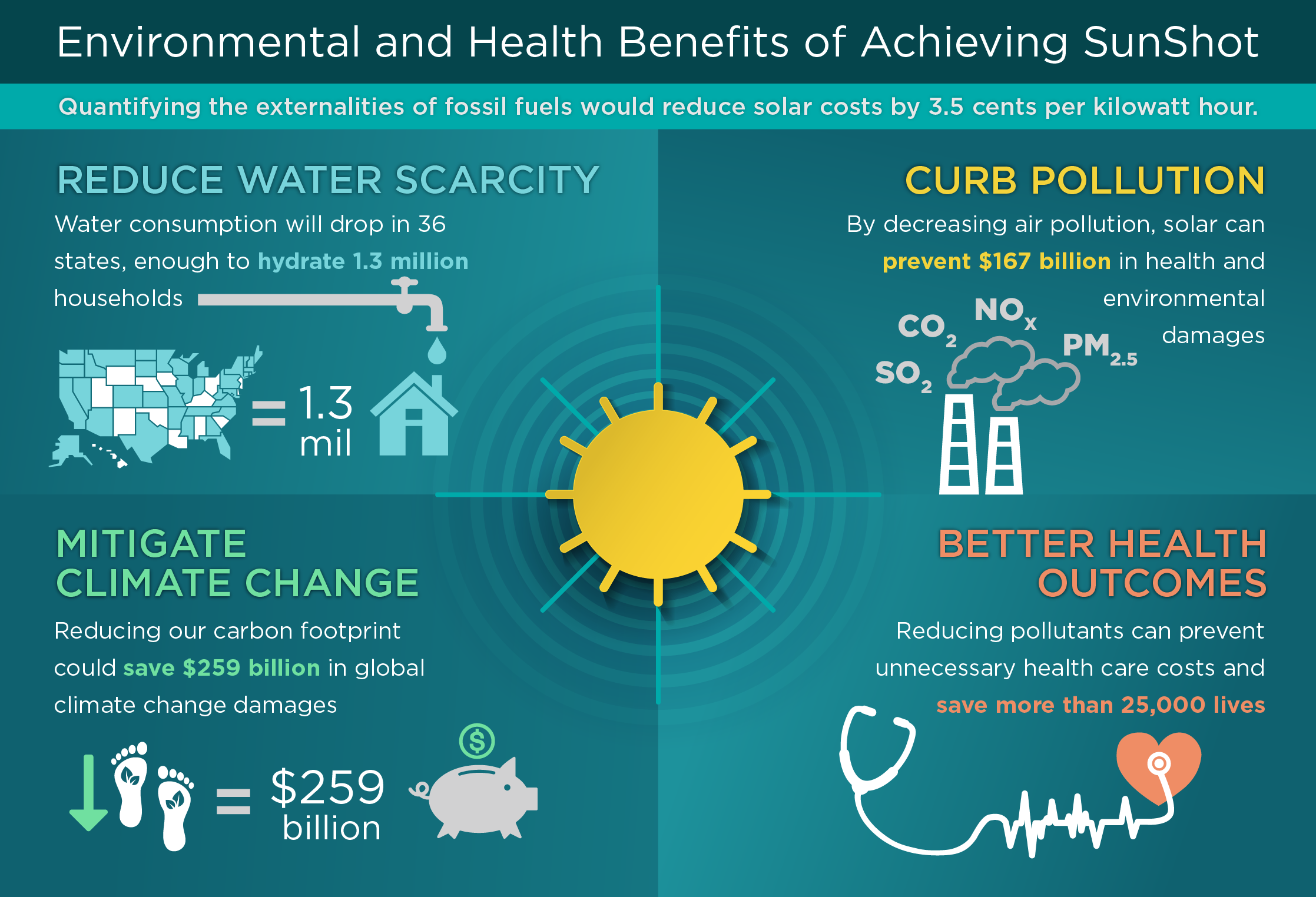
- Conserving Precious Water Resources
- Reducing Reliance on Finite Fossil Fuels
- Minimizing Hazardous Waste Production
- The Full Lifecycle Perspective: Addressing the “Buts”
- Manufacturing and Material Sourcing
- Land Use and Ecosystem Impact
- End-of-Life: Recycling and Waste Management
- Quantifying the Impact: Solar’s Contribution to a Greener Future
- The Net Environmental Positive: Why Solar Wins Out
At its core, a solar panel is a marvel of modern engineering that harnesses the sun’s abundant energy to generate electricity without burning fossil fuels, releasing greenhouse gases, or guzzling vast amounts of water. This isn’t just a minor improvement; it’s a paradigm shift. Think about it: a system that produces power silently, cleanly, and renewably, day after day, for decades. That’s the environmental promise of solar, and it’s a promise it consistently delivers on.
The Core Mechanism: How Solar Panels Generate Clean Energy
Before diving into the benefits, it’s helpful to understand the elegant simplicity of how solar panels actually work. It’s not magic; it’s physics, specifically the photovoltaic (PV) effect.
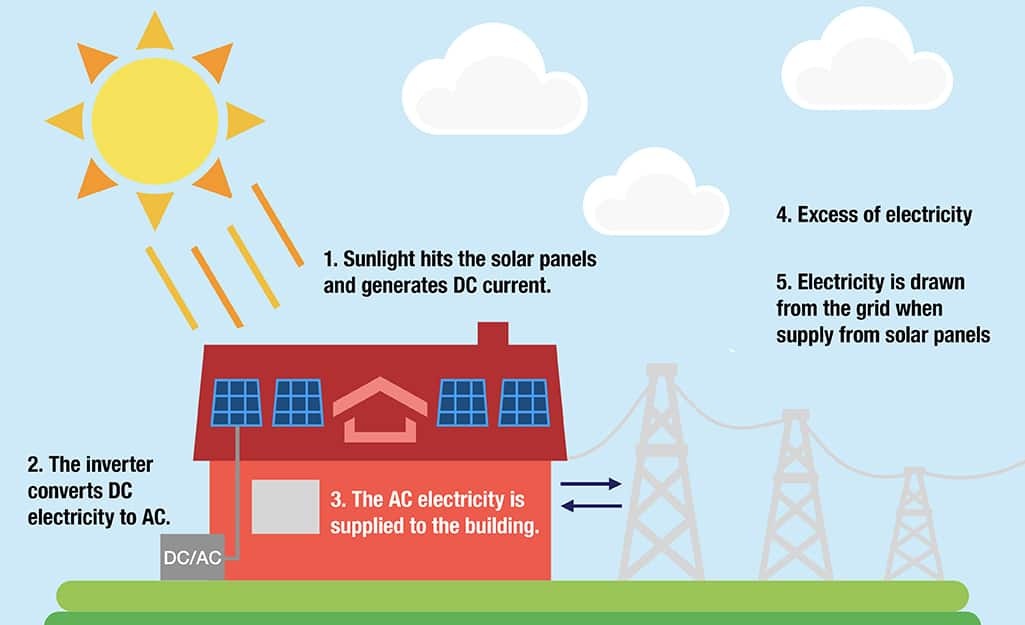
Essentially, solar panels are made up of individual solar cells, typically composed of silicon. When sunlight (photons) hits these silicon cells, it excites electrons, causing them to flow and generate an electric current. This current is then captured and converted into usable alternating current (AC) electricity that can power your home or feed into the electrical grid.
The crucial environmental distinction here is what doesn’t happen: there’s no combustion. No burning of coal, no gas turbines spinning, no nuclear reactions. This fundamental difference means that during operation, solar panels produce:
- Zero greenhouse gas emissions: No carbon dioxide, methane, or nitrous oxide.
- Zero air pollutants: No sulfur dioxide, nitrogen oxides, or particulate matter.
- Minimal water usage: Significantly less than conventional power plants.
This operational cleanliness is where solar panels truly shine for the environment.
Direct Environmental Benefits: The Big Wins
Let’s break down the specific, impactful ways solar energy benefits our planet.
Drastically Reducing Greenhouse Gas Emissions
This is arguably solar’s most significant contribution. Traditional electricity generation, especially from coal and natural gas, is a major source of greenhouse gases (GHGs) like carbon dioxide (CO2), methane (CH4), and nitrous oxide (N2O). These gases trap heat in the atmosphere, leading to global warming and climate change.
By replacing electricity generated by fossil fuels, solar panels directly cut these emissions. For every kilowatt-hour (kWh) of electricity generated by solar instead of coal, you prevent roughly 0.9 to 1.1 kg of CO2 from entering the atmosphere. Over a 25-30 year lifespan of a typical rooftop solar system, this adds up to hundreds of tons of avoided carbon emissions per household.
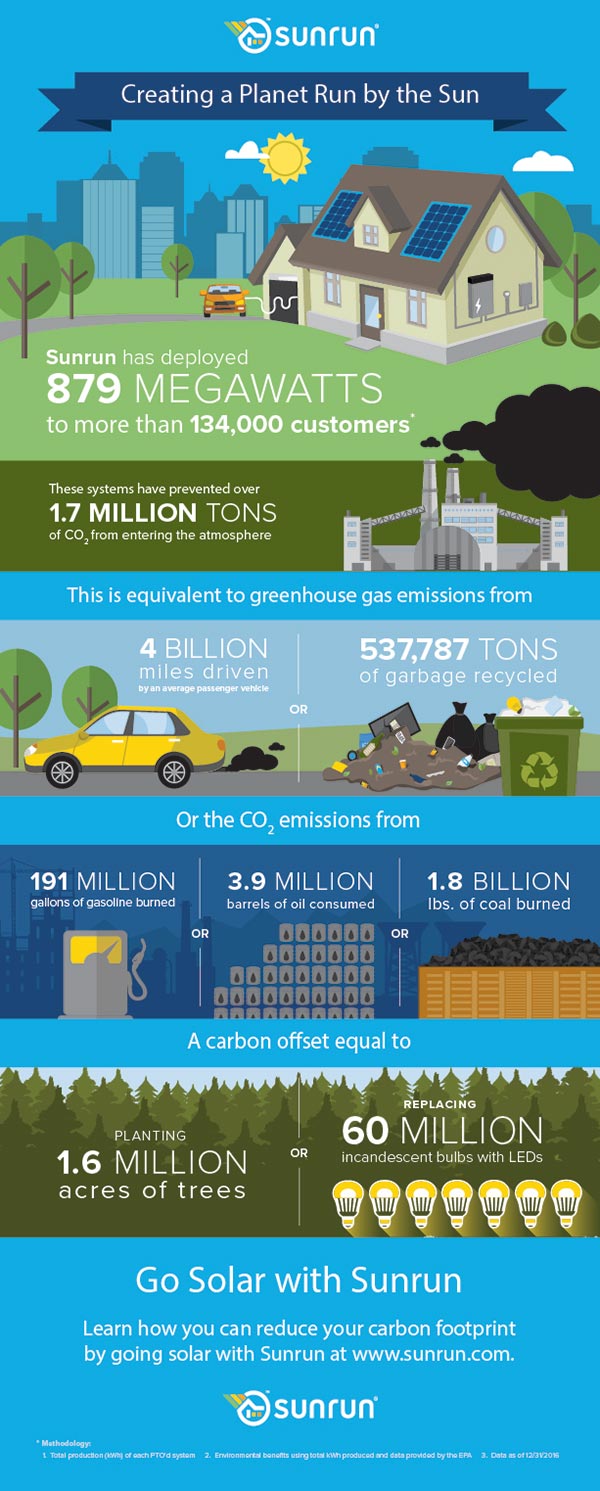
To put this into perspective, here’s a comparison of lifecycle greenhouse gas emissions from various electricity sources:
| Energy Source | Lifecycle GHG Emissions (gCO2eq/kWh) | Key Takeaway |
|---|---|---|
| Solar PV (Rooftop) | 20 – 50 | Extremely low, primarily from manufacturing and installation. |
| Natural Gas (Combined Cycle) | 400 – 500 | Significant emissions, including methane leakage. |
| Coal | 900 – 1,000+ | Highest emissions, major contributor to climate change. |
| Nuclear | 10 – 20 | Very low operational emissions, but with waste disposal challenges. |
| Wind Power | 10 – 20 | Similar to nuclear, low lifecycle emissions. |
| Hydropower | 1 – 100 (varies) | Highly variable; reservoir methane emissions can occur. |
Note: Lifecycle emissions include manufacturing, transport, installation, operation, and decommissioning. Data ranges vary by source and technology specifics.
As you can see, solar PV stands shoulder-to-shoulder with other leading renewables in terms of minimal carbon footprint, making it a critical tool for decarbonizing our energy grid.
Improving Air Quality and Public Health
Beyond greenhouse gases, burning fossil fuels releases a cocktail of other harmful air pollutants. These aren’t just invisible threats; they have tangible, detrimental effects on our environment and our health. Solar panels, by eliminating combustion, directly prevent the release of these:
- Sulfur Dioxide (SO2): A primary cause of acid rain, which damages forests, lakes, and infrastructure. It also contributes to respiratory problems.
- Nitrogen Oxides (NOx): Key components in the formation of ground-level ozone (smog), which irritates lungs and triggers asthma attacks. They also contribute to acid rain.
- Particulate Matter (PM2.5): Tiny airborne particles that can penetrate deep into the lungs and bloodstream, leading to respiratory illnesses, heart disease, and premature death.
- Mercury and other heavy metals: Often released during coal combustion, these are potent neurotoxins that can accumulate in the food chain.
The reduction of these pollutants means cleaner air for everyone. This translates to fewer smoggy days, less acid rain damaging ecosystems, and a significant positive impact on public health, especially for vulnerable populations living near power plants.
| Key Air Pollutant | Environmental Impact | Health Impact (Avoided by Solar) |
|---|---|---|
| Carbon Dioxide (CO2) | Primary greenhouse gas, driving climate change, ocean acidification. | Indirectly reduces climate-related health risks (heatstroke, vector-borne diseases). |
| Sulfur Dioxide (SO2) | Causes acid rain, damages vegetation and buildings. | Reduces respiratory illnesses (asthma, bronchitis) and heart conditions. |
| Nitrogen Oxides (NOx) | Contributes to smog (ground-level ozone) and acid rain. | Lessens lung irritation, asthma attacks, and cardiovascular disease. |
| Particulate Matter (PM2.5) | Haze, visibility reduction. | Prevents premature death, heart attacks, strokes, exacerbated asthma. |
| Mercury & Heavy Metals | Bioaccumulates in food chains, contaminates water bodies. | Reduces neurodevelopmental issues in children and other organ damage. |
Conserving Precious Water Resources
You might not realize it, but electricity generation is a thirsty business. Thermoelectric power plants (coal, natural gas, nuclear) rely heavily on water for cooling. They withdraw billions of gallons of water daily, often leading to thermal pollution (when warm water is discharged back into rivers or lakes) and impacting aquatic ecosystems.
Solar PV systems, particularly rooftop installations, require virtually no water for electricity generation during operation. Utility-scale solar farms might use a small amount of water for cleaning panels, but this is a tiny fraction compared to the vast quantities used by conventional power plants. In regions facing water scarcity, this difference is monumental.
Reducing Reliance on Finite Fossil Fuels
Every kWh generated by solar means one less kWh needed from coal, oil, or natural gas. This directly reduces our dependence on these finite resources, which are becoming increasingly costly to extract and transport. Moving away from fossil fuels lessens the environmental risks associated with their extraction, such as:
- Habitat destruction: From mining operations and oil and gas drilling.
- Water contamination: Through fracking chemicals or spills.
- Land degradation: Due to coal ash ponds and waste disposal sites.
- Oil spills: With devastating impacts on marine and coastal ecosystems.
By opting for solar, we’re not just choosing a cleaner energy source; we’re choosing a more secure, domestic, and inherently sustainable energy future.
Minimizing Hazardous Waste Production
Fossil fuel power plants generate substantial amounts of waste, much of which is hazardous. For instance, coal-fired power plants produce enormous quantities of coal ash, which contains toxic heavy metals like arsenic, lead, and mercury. This ash needs to be stored in ponds or landfills, posing long-term risks of groundwater contamination.
Nuclear power, while low in emissions, produces highly radioactive waste that requires secure, long-term storage for thousands of years. Solar panels, in their operational phase, produce no such hazardous waste. While there are considerations for their end-of-life (which we’ll cover next), they don’t continuously generate toxic byproducts like their fossil fuel counterparts.
The Full Lifecycle Perspective: Addressing the “Buts”
A truly honest assessment of solar’s environmental impact requires looking beyond just the operational phase. What about the energy and materials that go into making and eventually disposing of solar panels? This is a valid question, and it’s essential to address it to provide a balanced picture.
Manufacturing and Material Sourcing
Yes, solar panels require energy and materials to produce. The manufacturing process, particularly for refining silicon, is energy-intensive. Raw materials like silicon, glass, aluminum, and small amounts of other metals are mined and processed. This activity has its own environmental footprint, including energy consumption, water use, and potential emissions from factories.
However, the industry is continuously improving:
- Energy Payback Time: Modern solar panels typically generate enough clean energy to offset the energy used in their manufacturing within 1 to 4 years. Given a lifespan of 25-30+ years, they operate carbon-free for the vast majority of their operational life.
- Cleaner Manufacturing: Factories are increasingly powered by renewable energy, and processes are becoming more efficient.
- Sustainable Sourcing: Efforts are underway to source materials more responsibly and reduce the use of rare or conflict minerals.
Land Use and Ecosystem Impact
While rooftop solar has a minimal footprint, large-scale utility solar farms do require land. This can sometimes lead to habitat fragmentation or disruption, especially if located in sensitive ecosystems. However, careful planning and innovative solutions are mitigating these concerns:
- Brownfield Development: Utilizing previously contaminated or disturbed land (e.g., old landfills) for solar farms.
- Agrivoltaics (Agri-PV): Integrating solar panels with agriculture, allowing crops to grow beneath panels, optimizing land use.
- Dual-Purpose Sites: Co-locating solar with other infrastructure, like canals or parking lots.
- Site Selection: Prioritizing non-sensitive areas and implementing environmental impact assessments.
End-of-Life: Recycling and Waste Management
What happens to solar panels when they reach the end of their operational life? This is a growing concern, but one the industry is proactively addressing. Solar panels are not designed for landfills; they contain valuable materials that can be recovered and reused. Currently, recycling infrastructure is expanding, particularly in Europe, and is gaining traction in the US.
The primary components of a solar panel and their recyclability:
| Component | Material | Recyclability Status | % of Panel Weight (Approx.) |
|---|---|---|---|
| Aluminum Frame | Aluminum | Highly Recyclable (95%+) | 10-15% |
| Glass | Tempered Glass | Recyclable (90%+) | 70-80% |
| Silicon Cells | Silicon (Semiconductor) | Recyclable, high value | 3-5% |
| Copper Wire | Copper | Highly Recyclable (99%+) | <1% |
| Junction Box | Plastics, Diodes | Partially Recyclable | <1% |
| Encapsulant | EVA, other polymers | Challenging, but improving | 5-10% |
Industry standards and regulations are evolving to mandate responsible end-of-life management for solar panels. Organizations like PV Cycle in Europe demonstrate effective take-back and recycling schemes. The goal is to move towards a truly circular economy for solar, where materials are reused indefinitely, minimizing waste.
Quantifying the Impact: Solar’s Contribution to a Greener Future
The individual impact of one homeowner going solar is significant, but the collective impact is transformative. As solar energy scales up globally, its environmental benefits multiply exponentially:
- National Decarbonization Goals: Solar plays a crucial role in countries meeting their emissions reduction targets under international climate agreements.
- Grid Modernization: Integrating solar helps build a more resilient, decentralized, and cleaner electrical grid, reducing the need for polluting peaker plants.
- Technological Innovation: The growth of solar drives research and development into even more efficient, less resource-intensive, and highly recyclable technologies.
- Global Energy Access: Solar can provide clean, reliable electricity to remote communities, leapfrogging the need for polluting diesel generators.
Consider this: the International Energy Agency (IEA) has stated that solar PV is the cheapest source of electricity in history. This affordability, combined with its environmental credentials, means solar is poised to continue its rapid deployment, making ever-larger contributions to climate action.
The Net Environmental Positive: Why Solar Wins Out
When you weigh the entire lifecycle – from raw material extraction to manufacturing, installation, operation, and eventual recycling – solar panels emerge as a clear environmental winner. The initial environmental footprint incurred during manufacturing is quickly offset by decades of clean energy production.
The energy payback time, as mentioned, is typically just 1-4 years. Given that panels are warranted for 25 years and often continue producing for 30 years or more, they deliver 20-29 years of pure environmental benefit, producing electricity with virtually zero emissions and minimal resource consumption. No other large-scale energy source can match this combination of sustainability, scalability, and decreasing cost.
Ultimately, what do solar panels do for the environment? They provide a powerful, proven, and increasingly accessible solution to our most pressing environmental challenges: climate change, air and water pollution, and resource depletion. They represent a tangible step towards a healthier planet and a sustainable future for generations to come. Your choice to support or adopt solar isn’t just a personal decision; it’s a contribution to a global movement for environmental good.
Frequently Asked Questions
How do solar panels directly reduce greenhouse gas emissions?
Solar panels generate electricity by converting sunlight into power through the photovoltaic effect, a process that doesn’t involve burning fossil fuels. This means they produce zero carbon dioxide, methane, or nitrous oxide emissions during operation, directly offsetting the need for electricity from conventional power plants that release these climate-warming gases.
Do solar panels cause pollution during manufacturing or disposal?
While the manufacturing of solar panels does require energy and resources, leading to some emissions, the energy payback time (the time it takes for a panel to generate enough clean energy to offset its manufacturing footprint) is typically only 1-4 years. At their end-of-life, panels contain valuable, recyclable materials like glass, aluminum, and silicon. The industry is actively developing and expanding recycling programs to minimize waste and move towards a circular economy.
How do solar panels improve air quality?
By generating electricity without combustion, solar panels prevent the release of harmful air pollutants like sulfur dioxide (SO2), nitrogen oxides (NOx), particulate matter (PM2.5), and heavy metals (e.g., mercury) that are associated with burning fossil fuels. This reduction in pollutants leads to cleaner air, less smog, fewer instances of acid rain, and significant public health benefits, including reduced respiratory and cardiovascular illnesses.
Do solar panels use a lot of water?
Compared to traditional thermoelectric power plants (coal, natural gas, nuclear) which use vast amounts of water for cooling, operational solar photovoltaic (PV) systems use virtually no water for electricity generation. Large-scale solar farms might use minimal water for occasional panel cleaning, but this is a tiny fraction of the water consumption of conventional power sources.
What is the ‘energy payback time’ for solar panels?
The energy payback time (EPBT) is the duration it takes for a solar panel to generate as much energy as was consumed to produce it. For modern solar panels, this typically ranges from 1 to 4 years. Given that panels are designed to operate efficiently for 25-30 years or more, they produce clean, carbon-free energy for the vast majority of their lifespan after the initial energy investment is recouped.
Can solar panels help reduce reliance on fossil fuels?
Absolutely. Every unit of electricity generated by solar power reduces the need to burn finite fossil fuels like coal, oil, and natural gas. This not only conserves these resources but also mitigates the environmental damage associated with their extraction, transportation, and combustion, such as habitat destruction, water contamination, and oil spills.
Are there any negative environmental impacts of solar panels?
While solar panels have an overwhelmingly net positive environmental impact, some considerations exist. These include the energy and materials used in manufacturing, potential land use impacts for large-scale solar farms (though rooftop solar avoids this), and the need for robust recycling infrastructure for end-of-life panels. However, continuous innovation and responsible practices are actively minimizing these potential impacts, ensuring solar remains a leading sustainable energy solution.


Post Comment