What Is A Net Metering Agreement
What Is a Net Metering Agreement? Your Essential Guide to Solar Savings
So, you’re thinking about going solar, or maybe you’ve already got panels glinting on your rooftop. Fantastic! But here’s the thing: generating your own electricity is only half the equation. The real magic, and often the biggest financial benefit, comes down to one crucial document: the Net Metering Agreement.
Table of Contents
- What Is a Net Metering Agreement? Your Essential Guide to Solar Savings
- Net Metering 101: How This Solar Billing Model Works
- The Core Concept: Sending & Receiving Electricity
- The "Net" in Net Metering: Your Energy Bank Account
- The Role of Your Bi-Directional Meter
- Why Net Metering Agreements are a Game-Changer for Solar Homeowners
- Significant Bill Reductions
- Faster Payback Periods on Your Investment
- Environmental Benefits & Energy Independence
- Maximizing Your Solar System’s Value
- Diving Deeper: What Does a Net Metering Agreement Actually Entail?
- Key Components of the Agreement Document
- Who are the Parties Involved? (You, Utility, Installer)
- Net Metering vs. Other Solar Compensation Models: A Clear Comparison
- Navigating State-Specific Net Metering Policies (and Why They Matter)
- The Policy Landscape: A State-by-State Patchwork
- Understanding Different Credit Valuations
- The Evolution of Net Metering: NEM 2.0, NEM 3.0, and Beyond
- How to Get Started: Securing Your Net Metering Agreement
- Step 1: Install Your Solar System
- Step 2: Interconnection Application
- Step 3: Utility Review & Meter Installation
- Step 4: The Agreement Signing & PTO
- The Future of Net Metering: Trends and Considerations
- Shifting Policies and Challenges
- The Rise of Battery Storage Integration
- Advocate for Fair Solar Policies
It’s not just some bureaucratic form; it’s the legal handshake between you, your solar system, and your utility company that dictates how you get credited for every electron your panels produce. In simple terms, it’s what allows your excess solar energy to become a credit on your electricity bill, not just wasted power. If you want to truly maximize your investment and understand your monthly savings, understanding this agreement is non-negotiable. Let’s break it down.
Net Metering 101: How This Solar Billing Model Works
Imagine your home as a mini power plant. During the day, especially when the sun is brightest, your solar panels might generate more electricity than your home actually needs. Without net metering, that surplus energy would simply dissipate, uncredited.
Net metering changes that entirely. It’s a billing mechanism that essentially turns the electrical grid into a giant battery for your home. When your solar system produces more electricity than you consume, that excess energy is sent back to the grid. And here’s the best part: your utility company credits you for it.
The Core Concept: Sending & Receiving Electricity
Think of it like this: your home is connected to the utility grid. When your solar panels are active:
- During Peak Production (e.g., sunny midday): Your panels produce more than you use. The excess goes to the grid, spinning your meter backward (or registering as a credit).
- During Low Production (e.g., night, cloudy day): Your panels aren’t producing enough, or anything at all. You pull electricity from the grid, just like a non-solar home, spinning your meter forward.
The “net” in net metering refers to the difference between the electricity you pull from the grid and the electricity you send back to it over a billing period (usually a month).
The "Net" in Net Metering: Your Energy Bank Account
At the end of your billing cycle, your utility company looks at the “net” amount. If you’ve sent more electricity to the grid than you’ve consumed from it, you’ll have a credit on your bill. If you’ve consumed more than you’ve sent, you’ll owe for that net consumption, but your solar production will have significantly reduced your overall usage. This effectively allows you to store excess energy virtually, drawing on it when needed and reducing your reliance on purchasing power from the utility.
The Role of Your Bi-Directional Meter
This whole process is made possible by a special meter installed by your utility company, often called a bi-directional meter or net meter. Unlike traditional meters that only measure electricity flowing *into your home, a bi-directional meter can measure electricity flowing in both directions: from the grid to your home, and from your home (your solar panels) to the grid. It’s the essential tool that keeps an accurate tally of your energy exchanges.
Why Net Metering Agreements are a Game-Changer for Solar Homeowners
Without a net metering agreement, the financial incentives for solar would be dramatically different, and far less appealing. Here’s why it’s so critical for maximizing your solar investment:

Significant Bill Reductions
This is the most direct and obvious benefit. By getting credit for the excess energy you produce, you effectively reduce the amount of electricity you need to buy from your utility. In many cases, especially with an appropriately sized system, homeowners can drastically cut their monthly electricity bills, sometimes even reducing them to the minimum connection fee.
Faster Payback Periods on Your Investment
Solar panels are an investment, and like any investment, you want to see a return. Net metering accelerates the payback period for your solar system. The more you offset your electricity purchases and earn credits, the faster your initial investment in solar panels pays for itself through savings.
Environmental Benefits & Energy Independence
While the financial benefits are often the primary driver, net metering also empowers you to contribute to a greener grid. By sending clean, renewable energy back into the system, you reduce the reliance on fossil fuels. On a personal level, it provides a greater sense of energy independence, knowing you’re harnessing the sun’s power directly.
Maximizing Your Solar System’s Value
Net metering ensures that every kilowatt-hour your system produces is valuable. Whether you use it instantly or send it to the grid for credit, your solar investment is constantly working for you, preventing any generated energy from going to waste. It essentially guarantees that your solar panels are always generating value, even when your home isn’t consuming it.
Diving Deeper: What Does a Net Metering Agreement Actually Entail?
Beyond the general concept of getting credit, the actual Net Metering Agreement is a binding contract with your utility company. It outlines the specific terms and conditions under which your solar system will connect to and interact with the grid. Skimming this document could cost you money in the long run. Here’s what you need to look for:
Key Components of the Agreement Document
Every net metering agreement will have slightly different wording, but these are the crucial elements you should understand:
- Eligibility Requirements: This section details who qualifies for net metering. It might include requirements related to the type of renewable energy system (e.g., solar, wind), the property type (residential, commercial), and whether your utility currently offers a net metering program.
- Compensation Rates: This is perhaps the most critical part. It specifies how much you’re credited for the excess electricity you send back to the grid. Options include:
- Full Retail Rate: You receive credit at the same rate you would pay to buy electricity from the utility. This is generally the most favorable to the homeowner.
- Avoided Cost Rate (or Wholesale Rate): You receive credit at a lower rate, typically what it costs the utility to generate or purchase electricity from other sources. This is less beneficial than full retail but still provides value.
- Time-of-Use (TOU) Rates: Compensation can vary based on the time of day the electricity is sent to the grid. For example, you might get more credit for sending power during peak demand hours.
- Rollover Policies for Excess Credits: What happens if you generate more credits than you use in a month or a year? The agreement will specify if credits:
- Roll over indefinitely to future bills.
- Roll over for a specific period (e.g., 12 months) and then expire.
- Are cashed out by the utility at year-end, usually at a lower avoided cost rate.
- System Size Limits: Utilities often impose limits on the maximum capacity of a renewable energy system that can qualify for net metering (e.g., 10 kW for residential systems). This is to ensure grid stability and manage infrastructure.
- Interconnection Standards: This section outlines the technical requirements for safely connecting your solar system to the grid. It covers things like required equipment (e.g., inverters, disconnect switches), safety protocols, and necessary inspections.
- Agreement Term & Termination Clauses: How long is the agreement valid? What are the conditions under which either party can terminate it? This is important for understanding long-term stability and planning.
- Maintenance & Access Provisions: It might stipulate who is responsible for maintaining the system, and that the utility has access to your meter or disconnect switch for safety and operational reasons.
Who are the Parties Involved? (You, Utility, Installer)
While you, the homeowner, are a primary party, the net metering process involves a few key players:
- You (the System Owner): You’re responsible for your solar system, adhering to the agreement, and enjoying the benefits.
- Your Utility Company: They own and operate the grid, set the net metering policies (within state regulations), and manage your billing.
- Your Solar Installer: Often, your installer will help you navigate the application process, ensuring your system meets technical requirements and submitting the necessary paperwork to the utility on your behalf. They are your first point of contact for technical questions.
Net Metering vs. Other Solar Compensation Models: A Clear Comparison
While net metering is widespread, it’s not the only way utilities compensate solar owners. Understanding the alternatives helps underscore net metering’s advantages and prepare you for potential policy shifts. Here’s how it stacks up:
| Compensation Model | How It Works | Credit Value for Excess Energy | Key Benefits | Potential Drawbacks |
|---|---|---|---|---|
| Net Metering | Excess solar energy sent to the grid offsets energy drawn from the grid. Bills are based on the "net" consumption. | Typically full retail rate (what you pay for electricity). | Maximized savings, simple billing, accelerated payback. Grid acts as a virtual battery. | Policy changes can reduce compensation. May have system size limits. |
| Net Billing (or Buy-All, Sell-All) | You sell all generated electricity to the utility and buy all consumed electricity from them. Or, excess is sold separately from consumption. | Usually the avoided cost rate (wholesale rate), which is lower than retail. | Still provides compensation for solar generation. Clear separation of generation and consumption. | Lower overall savings than net metering due to different buy/sell rates. Requires careful energy management. |
| Feed-in Tariff (FIT) | You sell all electricity your system generates to the utility at a fixed, often premium, rate for a set contract period. You still buy all the power you consume at retail rates. | A fixed, often premium rate, higher than retail, for a long-term contract. | Predictable, long-term income from solar. Can incentivize larger systems. | Less common in the US for residential. You pay full retail for your consumption. Separate metering for generation and consumption. |
| Power Purchase Agreement (PPA) | A third-party company owns, installs, and maintains the solar system on your property. You buy the electricity generated by the system from them at a fixed (often lower) rate per kWh. | N/A – you don’t own the system, so no direct credit for excess. Savings come from buying cheaper power from the PPA provider. | No upfront cost for the homeowner. Maintenance handled by third party. Predictable electricity costs. | You don’t own the system. Less control. Contractual obligations. May not benefit from all incentives. |
Navigating State-Specific Net Metering Policies (and Why They Matter)
This is where things get a bit more complex. In the U.S., there isn’t one universal net metering policy. Each state, and sometimes even individual utility companies within a state, has its own rules and regulations. This patchwork approach means what’s beneficial in California might be different from New York or Texas.
The Policy Landscape: A State-by-State Patchwork
Some states have robust, statewide net metering mandates that guarantee full retail rate compensation, while others have less favorable policies, or even none at all. The variations can include:

- Credit Valuation: As discussed, some states mandate full retail rate, while others allow utilities to offer avoided cost rates.
- System Size Caps: The maximum allowable size for a residential system under net metering varies widely.
- Monthly vs. Annual Rollover: How long credits carry over before expiring or being cashed out.
- Interconnection Fees: Some utilities may charge one-time or recurring fees for connecting to the grid.
It’s absolutely critical to research the specific net metering policies in your state and with your local utility before committing to solar. Your solar installer should be well-versed in these local regulations and guide you through the process.
Understanding Different Credit Valuations
The value of your excess solar energy is perhaps the single biggest determinant of your financial savings. When your credits are valued at the full retail rate, every kWh you send to the grid effectively wipes out one kWh you would have otherwise purchased. This 1:1 exchange is the gold standard for solar homeowners.
However, if your credits are valued at the avoided cost rate, you might be selling electricity to the utility for, say, 3-5 cents per kWh, while still buying it from them for 15-20 cents per kWh. This significantly diminishes the financial benefit and often pushes homeowners to consider battery storage to self-consume more of their power rather than selling it back cheaply.
The Evolution of Net Metering: NEM 2.0, NEM 3.0, and Beyond
Net metering policies are not static; they evolve. A prime example of this evolution is California, a leading solar state, which transitioned from Net Energy Metering (NEM 1.0) to NEM 2.0, and most recently, to NEM 3.0. Each iteration brought significant changes, primarily impacting the compensation rates for exported solar electricity and introducing new charges or requirements.
For instance, NEM 3.0 in California drastically reduced the value of exported solar energy by switching from a retail rate credit to an avoided cost rate, particularly for new solar customers. It also introduced new fixed charges and incentivized battery storage. While this is a specific example, it highlights a broader trend: as solar adoption grows, utilities and regulators are re-evaluating compensation models to address grid costs and ensure fairness among all ratepayers. This means staying informed about potential future changes in your area is crucial.
How to Get Started: Securing Your Net Metering Agreement
The process of getting a net metering agreement isn’t something you tackle solo. Your solar installer will be your primary guide. Here’s a general overview of the steps involved:
Step 1: Install Your Solar System
Before any agreement can be signed, you need a solar system! This involves designing, purchasing, and installing your panels and associated equipment. Your installer will ensure your system meets local building codes and utility interconnection requirements.
Step 2: Interconnection Application
Once your system is installed (or even during the planning phase), your installer will typically submit an interconnection application to your utility company. This application provides details about your system’s size, technical specifications, and safety features. This is the official request to connect your private generation system to the public grid.
Step 3: Utility Review & Meter Installation
The utility will review your application to ensure your system meets their technical and safety standards. They may conduct an on-site inspection. Once approved, they will schedule the installation of your bi-directional net meter (if you don’t already have one) or re-program your existing smart meter.
Step 4: The Agreement Signing & PTO
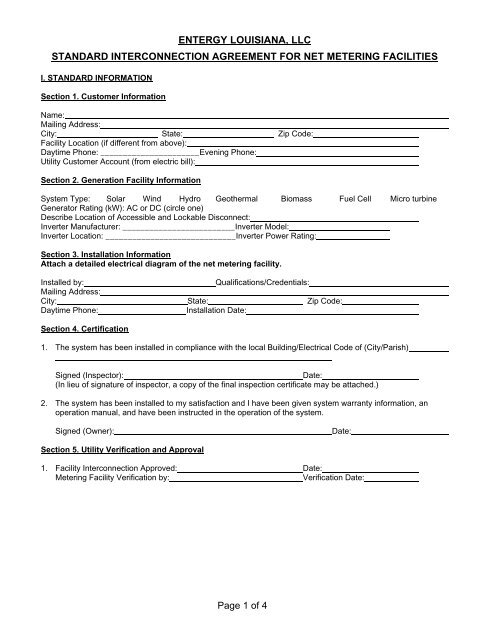
After the meter is installed and all inspections are passed, you’ll receive the official Net Metering Agreement from your utility. Read it carefully! Once signed, the utility will issue a Permission To Operate (PTO). This is your green light to turn on your solar system and officially begin net metering, sending excess power back to the grid and receiving credits.
The Future of Net Metering: Trends and Considerations
Net metering has been a cornerstone of residential solar growth for decades, but its future is dynamic. Understanding the broader trends can help you make more informed decisions about your solar investment.
Shifting Policies and Challenges
As mentioned with California’s NEM 3.0, there’s a national trend of utilities and state regulators re-evaluating net metering policies. The core argument from utilities often revolves around the concept of a "cost shift," where they claim solar customers aren’t paying their fair share for grid maintenance and infrastructure, passing costs onto non-solar customers. Solar advocates, however, counter that solar provides significant benefits to the grid (reducing peak demand, improving reliability) that aren’t fully accounted for.
These debates lead to policy changes, often resulting in less favorable compensation rates for new solar installations, or the introduction of new fixed charges for solar customers. It underscores the importance of installing solar sooner rather than later* in states where full retail net metering is still available, as policies can change.
The Rise of Battery Storage Integration
In response to less generous net metering policies, battery storage is becoming increasingly attractive. If your utility compensates you poorly for excess solar, storing that energy in a home battery for later use (e.g., at night or during peak pricing) becomes financially smarter. Batteries allow for greater energy independence and maximize the value of your self-generated power, reducing reliance on the grid for both supply and compensation.
Advocate for Fair Solar Policies
If you’re a current or prospective solar homeowner, understanding and engaging with local and state energy policy is vital. Organizations like Solar United Neighbors and the Solar Energy Industries Association (SEIA) actively advocate for strong net metering policies. Your voice can make a difference in preserving and expanding fair compensation for solar energy, ensuring a healthier solar market for everyone.
Frequently Asked Questions
What is the primary purpose of a Net Metering Agreement?
The primary purpose of a Net Metering Agreement is to establish the terms under which a solar system owner can connect to the utility grid and receive credits for any excess electricity their system generates and sends back to the grid. It allows homeowners to offset their electricity bills by selling surplus solar power to the utility.
How do I get compensated for my excess solar energy under net metering?
Under a net metering agreement, your utility company uses a bi-directional meter to track the electricity you draw from the grid and the electricity you send back. At the end of a billing cycle, you are billed for the ‘net’ difference. If you send more than you draw, you receive credits on your bill, typically at the full retail rate you’d pay for electricity, though this can vary by state and utility.
Is net metering available in all states?
While net metering policies are widespread across the United States, they are not uniform. Each state, and sometimes individual utility companies, has its own specific rules, compensation rates, system size limits, and credit rollover policies. Some states have robust programs, while others offer less favorable alternatives or are in the process of changing their policies.
What is the difference between Net Metering and Net Billing?
Net Metering typically credits you for excess solar energy sent to the grid at the full retail rate, essentially offsetting kWh on a 1:1 basis. Net Billing, on the other hand, often compensates you for excess energy at a lower ‘avoided cost’ or wholesale rate, while you still pay the full retail rate for electricity drawn from the grid. This means Net Metering usually offers greater financial benefits.
What happens to my unused net metering credits at the end of the year?
The policy for unused net metering credits varies significantly by agreement and location. Some agreements allow credits to roll over indefinitely, while others may have an annual true-up where credits expire or are cashed out by the utility, often at a lower avoided cost rate. It’s crucial to check your specific agreement’s rollover policy.
Will my solar installer handle the net metering application process?
Yes, reputable solar installers typically handle the entire interconnection and net metering application process on your behalf. This includes submitting the necessary paperwork to your utility company, ensuring your system meets technical standards, and guiding you through the steps until you receive Permission To Operate (PTO) from the utility.
How do changes in net metering policies, like California’s NEM 3.0, affect homeowners?
Changes in net metering policies, such as California’s NEM 3.0, can significantly impact the financial benefits for new solar customers. These changes often reduce the compensation rate for exported solar energy, introduce new fixed charges, or incentivize technologies like battery storage. It means that new solar systems under these policies might have longer payback periods or require different strategies (like adding batteries) to maximize savings compared to older policies.


Post Comment