What Is Solar Radiation Made Of
What is Solar Radiation Made Of? Unpacking the Sun’s Energy Spectrum
Ever gazed at the sun (briefly, and safely, of course) and felt its warmth, or seen the vibrant colors of a rainbow after a storm? That’s solar radiation in action. But what exactly is this powerful force that sustains all life on Earth and increasingly, powers our homes? It’s far more than just visible light; it’s a complex, dynamic mix of energy.
Table of Contents
- What is Solar Radiation Made Of? Unpacking the Sun’s Energy Spectrum
- The Short Answer: A Symphony of Electromagnetic Waves
- The Sun’s Powerhouse: Where Solar Radiation Begins
- Nuclear Fusion: The Ultimate Energy Generator
- From Core to Surface: A Transformative Journey
- The Electromagnetic Spectrum: Solar Radiation’s True Identity
- Understanding Wavelength, Frequency, and Energy
- Visible Light: The Spectrum We See (and Love)
- Ultraviolet (UV) Radiation: The Invisible Sunburner
- Infrared (IR) Radiation: The Warmth You Feel
- Beyond the Familiar: X-rays, Gamma Rays, and Radio Waves
- Solar Radiation vs. Sunlight vs. Insolation: Clearing the Confusion
- Earth’s Atmospheric Shield: What Makes it to the Surface?
- Absorption: Our Atmosphere’s Selective Filtering
- Scattering: Redirecting the Sun’s Energy
- Reflection: Sending It Back to Space
- A Closer Look: How Each Radiation Type Interacts with the Atmosphere
- The Impact of Solar Radiation: Life, Climate, and Technology
- Fueling Life: Photosynthesis and the Food Chain
- Driving Weather and Climate: Earth’s Energy Balance
- Human Health: Benefits and Risks
- Powering Our Future: Solar Energy Technology
- Measuring the Sun’s Power: How We Quantify Solar Radiation
- Pyranometers and Pyrheliometers
- Importance for Solar Energy Systems
- Conclusion: Harnessing the Sun’s Full Spectrum
If you’ve ever wondered about the true composition of sunlight, how it travels through space, and what happens when it hits our planet, you’re in the right place. We’re going to break down the science into easy-to-understand chunks, showing you precisely what solar radiation is made of, why it matters, and how it impacts everything from photosynthesis to your solar panels.
The Short Answer: A Symphony of Electromagnetic Waves
At its core, solar radiation is electromagnetic radiation emitted by the sun. Think of it as a vast orchestra of energy, where each instrument plays a different ‘note’ on the electromagnetic spectrum. This spectrum includes everything from powerful, short-wavelength gamma rays to long-wavelength radio waves, with the familiar visible light, ultraviolet (UV), and infrared (IR) radiation sitting comfortably in between.
While the sun emits across almost the entire spectrum, the portion that significantly impacts Earth is primarily made up of:
- Visible light: The light we see, responsible for daylight and colors.
- Infrared (IR) radiation: The heat we feel.
- Ultraviolet (UV) radiation: The invisible rays that can cause sunburn and skin damage, but also help plants grow.
The Earth’s atmosphere acts like a selective filter, allowing some of these waves to pass through while absorbing or scattering others. So, what reaches the ground is a modified version of what the sun initially sends our way.
The Sun’s Powerhouse: Where Solar Radiation Begins
To truly understand what solar radiation is made of, we need to go to its source: the sun itself. Our sun isn’t just a giant glowing ball; it’s a colossal nuclear reactor, constantly transforming matter into immense amounts of energy.
Nuclear Fusion: The Ultimate Energy Generator
The sun’s core is an unimaginable furnace where temperatures reach millions of degrees Celsius. Here, under immense pressure, hydrogen atoms are fused together to form helium. This process, known as nuclear fusion, releases an incredible amount of energy, primarily in the form of high-energy gamma rays and X-rays.
It’s this continuous fusion reaction that powers the sun and provides all the energy that eventually reaches Earth as solar radiation.
From Core to Surface: A Transformative Journey
The energy generated in the sun’s core doesn’t just beam out instantly. It embarks on an epic journey, taking hundreds of thousands of years to travel from the core to the surface. During this journey, the high-energy gamma rays and X-rays are repeatedly absorbed and re-emitted by the dense solar plasma. This process gradually lowers their energy, transforming them into the full spectrum of electromagnetic radiation we observe leaving the sun’s surface, including visible light, UV, and infrared.
The Electromagnetic Spectrum: Solar Radiation’s True Identity
Solar radiation is a prime example of the electromagnetic spectrum, which encompasses all forms of electromagnetic energy. The key differentiator between these forms is their wavelength and frequency, which directly correlates to their energy level.
Understanding Wavelength, Frequency, and Energy
Imagine waves on an ocean. Wavelength is the distance between two consecutive wave crests. Frequency is how many waves pass a point in a given time. Shorter wavelengths mean higher frequencies and more energy, while longer wavelengths mean lower frequencies and less energy. The sun emits waves across this entire spectrum, but not all of it reaches us.
Visible Light: The Spectrum We See (and Love)
This is the portion of the electromagnetic spectrum that our eyes can perceive. It ranges from violet (shortest wavelength, highest energy within visible light) to red (longest wavelength, lowest energy). Visible light is what allows us to see the world around us, appreciate colors, and is crucial for plant photosynthesis. It makes up a significant portion of the solar radiation that reaches Earth’s surface.
Ultraviolet (UV) Radiation: The Invisible Sunburner
Just beyond the violet end of the visible spectrum lies ultraviolet (UV) radiation. UV light has shorter wavelengths and higher energy than visible light. It’s primarily responsible for sunburn, premature skin aging, and contributes to skin cancer. However, it also plays a vital role in vitamin D production in humans and can be used for sterilization.
UV radiation is categorized into three main types:
- UVA: Longest wavelength UV, penetrates deepest into the skin, contributes to aging and wrinkles. Most UVA reaches Earth’s surface.
- UVB: Medium wavelength, primarily responsible for sunburn and skin cancer. Mostly absorbed by the ozone layer, but some reaches the surface.
- UVC: Shortest, most energetic, and most dangerous UV. Completely absorbed by Earth’s ozone layer and oxygen, thankfully preventing it from reaching the surface.
Infrared (IR) Radiation: The Warmth You Feel
On the other side of the visible spectrum, beyond red, is infrared (IR) radiation. IR has longer wavelengths and lower energy than visible light. We perceive it as heat. When you feel the sun’s warmth on your skin, you’re primarily experiencing infrared radiation. This energy is crucial for warming our planet and is also used in technologies like night-vision cameras and remote controls.
Beyond the Familiar: X-rays, Gamma Rays, and Radio Waves
The sun also emits other forms of electromagnetic radiation:
- X-rays and Gamma Rays: These are extremely high-energy, short-wavelength forms of radiation. While they are produced in the sun’s core, almost all of them are absorbed by Earth’s upper atmosphere, protecting life on the surface from their damaging effects.
- Radio Waves: These are the longest wavelength, lowest energy waves. The sun emits some radio waves, but they constitute a tiny fraction of the total solar radiation and have minimal impact on Earth’s surface in terms of energy transfer.
Solar Radiation vs. Sunlight vs. Insolation: Clearing the Confusion
These terms are often used interchangeably, but they have distinct meanings. Understanding the differences will deepen your comprehension of solar energy.
| Term | Definition | Composition/Context |
|---|---|---|
| Solar Radiation | The total spectrum of electromagnetic energy emitted by the sun. | Includes gamma rays, X-rays, UV, visible light, IR, microwaves, and radio waves. Refers to the energy from the sun *before* it interacts with Earth’s atmosphere. |
| Sunlight | The portion of solar radiation that reaches Earth’s surface after passing through the atmosphere. | Primarily composed of visible light, with significant amounts of infrared (heat) and a smaller, but still impactful, amount of ultraviolet radiation (UVB and UVA). |
| Insolation (Incoming Solar Radiation) |
A measure of the amount of solar radiation energy received on a given surface area in a given time. | Often expressed in units like watts per square meter (W/m²). It can refer to radiation at the top of the atmosphere or at the Earth’s surface. Crucial for calculating solar panel efficiency. |
Earth’s Atmospheric Shield: What Makes it to the Surface?
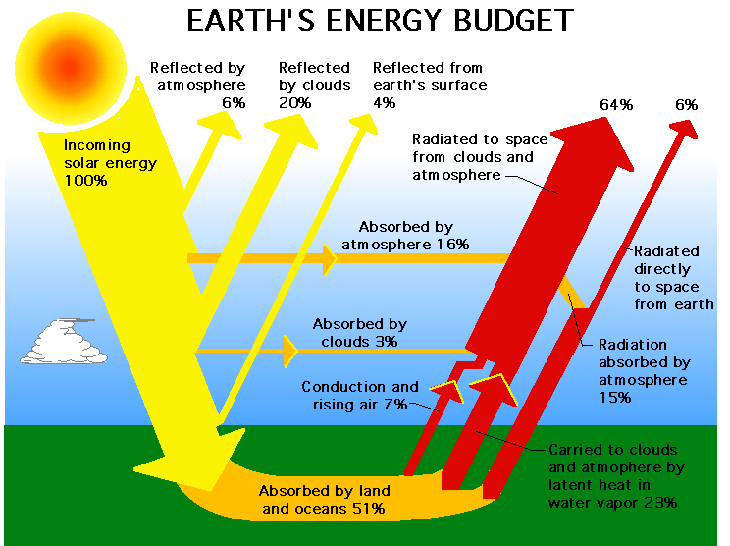
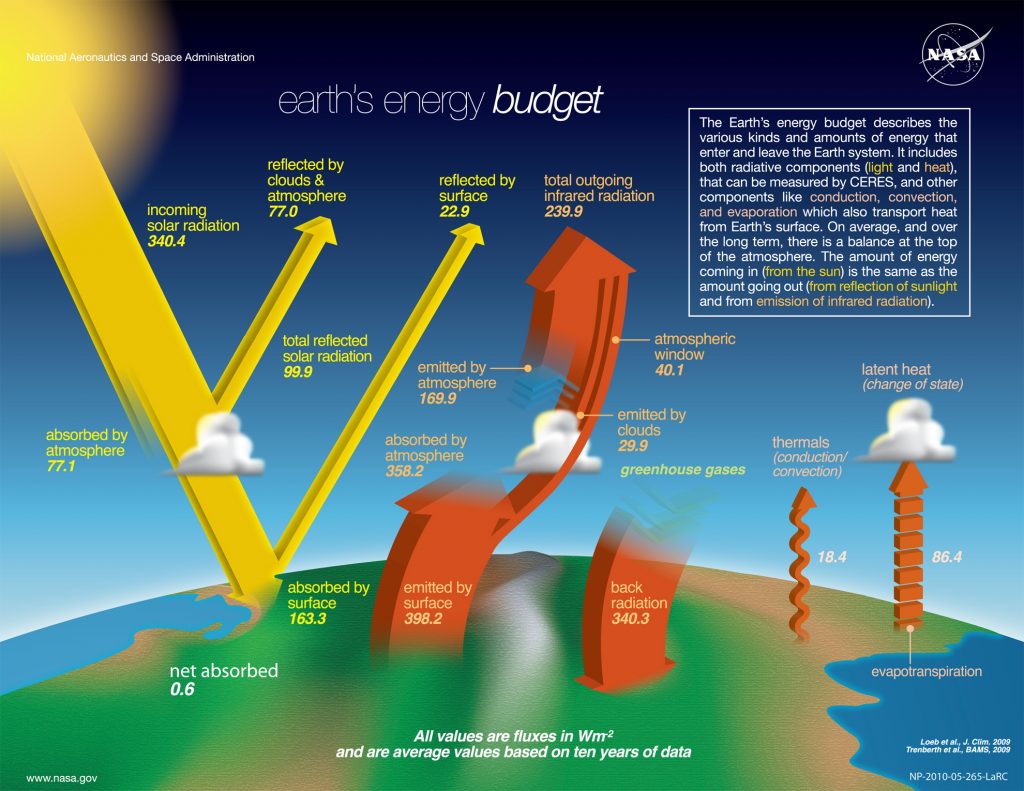
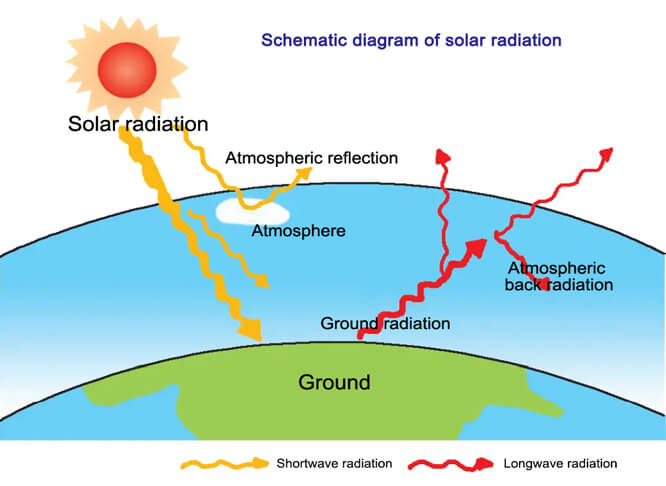
Our planet’s atmosphere is a remarkable protective layer, playing a critical role in filtering the sun’s powerful radiation. Without it, Earth would be a barren, sterilized world. As solar radiation travels through the atmosphere, it undergoes several processes that change its composition before it reaches us.
Absorption: Our Atmosphere’s Selective Filtering
Certain gases in the atmosphere are very good at absorbing specific wavelengths of radiation. For example:
- The ozone layer (in the stratosphere) is a hero, absorbing almost all of the dangerous UVC radiation and most of the UVB.
- Oxygen and nitrogen absorb X-rays and gamma rays in the upper atmosphere.
- Water vapor, carbon dioxide, and other greenhouse gases absorb significant amounts of infrared radiation, helping to warm the planet. This is the basis of the greenhouse effect.
Scattering: Redirecting the Sun’s Energy
When solar radiation encounters particles and molecules in the atmosphere, it can be scattered in different directions. This is why the sky appears blue! Shorter wavelengths (like blue and violet light) are scattered more efficiently than longer wavelengths (like red). Scattering distributes solar energy, making direct sunlight less intense and creating diffuse light, which is still usable by solar panels.
Reflection: Sending It Back to Space
Clouds, ice caps, snow, and even the Earth’s surface itself reflect a portion of solar radiation back into space. This is known as the planet’s albedo. Highly reflective surfaces (like fresh snow) reflect a lot of energy, while darker surfaces (like oceans or asphalt) absorb more.
A Closer Look: How Each Radiation Type Interacts with the Atmosphere
Let’s break down the atmospheric journey for the key components of solar radiation:
| Radiation Type | Wavelength / Energy | Atmospheric Interaction | Impact on Earth’s Surface |
|---|---|---|---|
| Gamma Rays & X-rays | Extremely short wavelength, highest energy | Almost 100% absorbed by oxygen and nitrogen in the upper atmosphere. | Virtually none reaches the surface. Essential for protecting life. |
| UVC Radiation | Very short wavelength, very high energy | Almost 100% absorbed by the ozone layer and oxygen. | None reaches the surface. Vital for human and ecosystem health. |
| UVB Radiation | Short wavelength, high energy | Mostly absorbed by the ozone layer, some scattering. | Small, but impactful, amount reaches the surface; causes sunburn, vitamin D production. |
| UVA Radiation | Medium wavelength, moderate energy | Significantly less absorbed than UVB, some scattering. | Most reaches the surface; contributes to skin aging. |
| Visible Light | Medium wavelength, moderate energy | Partial scattering (blue light), minimal absorption. | Large portion reaches the surface; responsible for vision, photosynthesis. |
| Infrared (IR) Radiation | Long wavelength, lower energy | Significant absorption by water vapor, CO2, and other greenhouse gases. | Large portion reaches the surface; felt as heat, warms the planet. |
| Radio Waves | Longest wavelength, lowest energy | Minimal interaction, some scattering. | Most reaches the surface, but constitutes a negligible amount of total solar energy. |
The Impact of Solar Radiation: Life, Climate, and Technology
The composition of solar radiation reaching Earth, filtered by our atmosphere, is perfectly tuned to support life and drive our planet’s systems.
Fueling Life: Photosynthesis and the Food Chain
The most profound impact of solar radiation is its role in photosynthesis. Plants, algae, and some bacteria use visible light to convert carbon dioxide and water into glucose (food) and oxygen. This process forms the base of nearly every food chain on Earth, directly or indirectly supporting all animal life.
Driving Weather and Climate: Earth’s Energy Balance
Solar radiation is the primary energy source that drives Earth’s weather patterns and climate. The uneven heating of the Earth’s surface (due to its spherical shape and tilt) creates temperature differences, leading to air and ocean currents. The absorption of IR radiation by greenhouse gases helps maintain a stable temperature on Earth, preventing it from becoming a frozen wasteland.
Human Health: Benefits and Risks
For humans, solar radiation offers both benefits and risks. Exposure to UVB radiation triggers the production of Vitamin D, essential for bone health and immune function. Sunlight also helps regulate our circadian rhythm, boosting mood and alertness. However, excessive exposure to UVA and UVB can lead to sunburn, premature skin aging, eye damage (like cataracts), and an increased risk of skin cancer.
Powering Our Future: Solar Energy Technology
Understanding the composition of solar radiation is fundamental to developing and optimizing solar energy technologies. Photovoltaic (PV) solar panels primarily convert the energy from visible light and some UV and IR radiation into electricity. Concentrated Solar Power (CSP) systems use mirrors to focus sunlight (primarily visible and IR) to generate heat, which then drives turbines to produce electricity.
By harnessing specific parts of the solar spectrum, we can move towards a more sustainable and renewable energy future. The more efficiently we can capture and convert this radiant energy, the greater our capacity to reduce reliance on fossil fuels.
Measuring the Sun’s Power: How We Quantify Solar Radiation
Quantifying solar radiation is crucial for scientific research, climate modeling, and, most importantly for many of us, designing efficient solar energy systems. This measurement is often referred to as solar irradiance or insolation.
Pyranometers and Pyrheliometers
Specialized instruments are used to measure different aspects of solar radiation:
- Pyranometers: These devices measure total or global solar radiation (direct and diffuse) incident on a flat surface, usually horizontal. They are essential for understanding how much energy is available for solar panels.
- Pyrheliometers: These instruments specifically measure direct normal irradiance (DNI), which is the solar radiation coming directly from the sun in a straight line. This measurement is critical for concentrated solar power (CSP) systems that require direct sunlight.
Importance for Solar Energy Systems
Accurate measurement of solar radiation helps engineers and homeowners:
- Size solar panel systems correctly: Knowing the average insolation for a location ensures enough panels are installed to meet energy demands.
- Optimize panel orientation and tilt: Maximizing exposure to direct sunlight throughout the day and year.
- Predict energy output: Estimating how much electricity a solar system will generate.
Conclusion: Harnessing the Sun’s Full Spectrum
Solar radiation is far more than just the light that brightens our day. It’s a complex, multifaceted emission of electromagnetic energy, originating from the sun’s nuclear furnace. From high-energy gamma rays to warming infrared, each component plays a unique role in space and upon interacting with our atmosphere. What ultimately reaches Earth’s surface—our “sunlight”—is a precious blend, carefully filtered by our atmospheric shield, perfectly tailored to support life and offer immense potential for our energy needs.
Understanding what solar radiation is made of isn’t just an academic exercise; it’s key to appreciating the delicate balance of our planet and unlocking the full potential of renewable energy. As we continue to innovate in solar technology, this fundamental knowledge empowers us to design more efficient systems, manage our health, and safeguard our climate, all powered by the incredible spectrum of our closest star.
Frequently Asked Questions
What is the primary composition of solar radiation?
Solar radiation is primarily composed of electromagnetic waves across a wide spectrum, with the most significant portions that impact Earth being visible light, infrared (IR) radiation, and ultraviolet (UV) radiation. It also includes much higher energy forms like X-rays and gamma rays, and lower energy forms like radio waves, though most of these are absorbed by Earth’s atmosphere.
Where does solar radiation originate?
Solar radiation originates in the core of the sun through a process called nuclear fusion. Hydrogen atoms fuse to form helium, releasing an enormous amount of energy, initially as high-energy gamma rays and X-rays, which then transform into the full electromagnetic spectrum as they travel to the sun’s surface.
How does Earth’s atmosphere affect solar radiation?
Earth’s atmosphere acts as a protective filter. It absorbs almost all harmful UVC, X-rays, and gamma rays. The ozone layer absorbs UVB, while water vapor and carbon dioxide absorb significant infrared radiation. Scattering (e.g., blue light) and reflection (by clouds, ice) also modify the radiation before it reaches the surface, forming what we call ‘sunlight’.
What’s the difference between solar radiation, sunlight, and insolation?
Solar radiation is the total electromagnetic energy emitted by the sun across its entire spectrum, before atmospheric interaction. Sunlight refers to the portion of solar radiation that reaches Earth’s surface after being filtered by the atmosphere (mainly visible, IR, and some UV). Insolation (Incoming Solar Radiation) is a quantitative measure of the amount of solar radiation energy received on a specific surface area over a given time.
Is all solar radiation harmful?
No, not all solar radiation is harmful. Visible light is essential for sight and photosynthesis. Infrared radiation provides warmth crucial for our planet’s temperature. Even UV radiation, in moderation, is necessary for vitamin D production. However, excessive exposure to UV radiation (UVA and UVB) can be harmful, leading to sunburn, skin damage, and increased cancer risk. High-energy X-rays and gamma rays are extremely harmful but are almost entirely blocked by Earth’s atmosphere.
How is solar radiation used in technology?
Solar radiation is primarily used to generate renewable energy. Photovoltaic (PV) solar panels convert visible light, UV, and IR radiation directly into electricity. Concentrated Solar Power (CSP) systems use mirrors to focus sunlight’s heat (primarily IR and visible light) to produce steam and drive turbines for electricity generation. It’s also used in solar water heaters and various industrial applications.


Post Comment