Commercial Scale Offshore Wind Turbine Project
Unlocking America’s Clean Energy Future: A Deep Dive into Commercial-Scale Offshore Wind Projects
Imagine a future where the relentless power of the ocean doesn’t just sculpt our coastlines, but also fuels our homes and industries with clean, inexhaustible energy. That future isn’t a distant dream; it’s being built right now, mile by arduous mile, off the coastlines of the United States. We’re talking about commercial-scale offshore wind turbine projects – colossal engineering marvels that are rapidly transforming America’s energy landscape.
Table of Contents
- Unlocking America’s Clean Energy Future: A Deep Dive into Commercial-Scale Offshore Wind Projects
- The Dawn of a New Industry: What Defines Commercial-Scale Offshore Wind?
- More Than Just Turbines: Defining Commercial Scale
- Why Offshore? The Strategic Advantages
- America’s Flagship Projects: Pioneers of the Offshore Wind Revolution
- Vineyard Wind 1: A Massachusetts Milestone
- Revolution Wind: Powering Rhode Island & Connecticut
- South Fork Wind: Lighting Up Long Island
- Block Island Wind Farm: The Trailblazer
- Decoding the Project Pipeline: Key Developments Across the US
- Northeast Dominance: NY, NJ, ME Driving Growth
- Mid-Atlantic Expansion: Maryland and Beyond
- West Coast’s Horizon: Floating Wind Innovations
- The Multi-Layered Impact: Economic & Environmental Benefits
- Fueling the Green Economy: Jobs, Investment, and Supply Chain
- A Breath of Fresh Air: Reducing Emissions and Climate Change
- Protecting Our Oceans: Navigating Environmental Considerations
- Navigating the Headwinds: Challenges in Offshore Wind Development
- Permitting Puzzles: The Regulatory Labyrinth
- Cost & Capital: Funding Gigantic Ambitions
- Supply Chain & Infrastructure: Building a New Backbone
- Grid Integration: Connecting Remote Power to Populated Coasts
- The Road Ahead: Future of US Commercial-Scale Offshore Wind
- Technological Advancements: Bigger Turbines, Deeper Waters (Floating Wind)
- Policy & Public Support: Sustaining Momentum
- A Vision for Energy Independence
For decades, the idea felt too ambitious, too expensive, too complex for the US. But now, with ground broken on multiple projects and megawatt after megawatt coming online, the tide has definitively turned. If you’ve been wondering about the scale, the impact, or the sheer ingenuity behind this burgeoning industry, you’re in the right place. We’re going to break down everything you need to know about these game-changing projects, from the pioneering farms lighting up New England to the ambitious plans stretching far into the future.
The Dawn of a New Industry: What Defines Commercial-Scale Offshore Wind?
When we talk about “commercial-scale,” we’re not just talking about a handful of turbines. We’re talking about massive infrastructure designed to deliver substantial, consistent power to the grid. It’s a whole different ballgame compared to experimental prototypes or small demonstration projects.
More Than Just Turbines: Defining Commercial Scale
At its core, a commercial-scale offshore wind project is an industrial endeavor focused on generating electricity for widespread public consumption. This isn’t your backyard solar panel setup; it’s a power plant at sea. Here’s what typically defines it:
- Capacity: These projects usually boast hundreds of megawatts (MW) of generating capacity, with some aiming for over a gigawatt (GW). This scale is necessary to make a meaningful dent in a region’s energy demand.
- Grid Connection: The electricity generated isn’t just for a single town. It’s fed directly into the national or regional power grid, integrated with existing energy infrastructure.
- Long-Term Operation: These aren’t temporary installations. They’re designed to operate reliably for 25-30 years, requiring robust maintenance, sophisticated monitoring, and a resilient supply chain.
- Significant Investment: We’re talking billions of dollars in capital expenditure, underscoring the massive financial commitment from developers, investors, and sometimes, government support.
The sheer size of these projects necessitates a complex interplay of engineering, environmental planning, regulatory approvals, and community engagement. It’s an ecosystem of its own.
Why Offshore? The Strategic Advantages
You might wonder why we’re going to such lengths to build wind farms miles out at sea when onshore wind is already established. The answer lies in some critical advantages:
- Stronger, More Consistent Winds: Offshore, winds are generally faster and more stable, leading to higher capacity factors and more predictable power generation. Think about it: no buildings, no mountains, just open ocean.
- Proximity to Demand Centers: Many of the US’s largest population centers (like the Northeast corridor) are located along the coast. Offshore wind can deliver power directly to these high-demand areas, reducing transmission losses and the need for new long-distance overland lines.
- Less Visual Impact: While not entirely invisible, placing turbines miles from shore significantly mitigates visual concerns compared to land-based wind farms.
- Scalability: The vastness of the ocean offers significant potential for very large projects, something that’s becoming increasingly difficult on land due to land use conflicts and population density.
These advantages, while compelling, come with their own set of unique challenges, which we’ll explore shortly.
America’s Flagship Projects: Pioneers of the Offshore Wind Revolution
The journey to commercial-scale offshore wind in the US has been marked by ambition, perseverance, and groundbreaking achievements. While the Block Island Wind Farm (30 MW) was the nation’s first operational offshore wind farm, the true commercial-scale era began more recently, with several projects leading the charge. These aren’t just energy projects; they’re testaments to American innovation.
Vineyard Wind 1: A Massachusetts Milestone
Vineyard Wind 1 isn’t just a project; it’s a statement. Located over 15 miles off the coast of Martha’s Vineyard, Massachusetts, it holds the distinction of being the nation’s first utility-scale offshore wind energy project. With a planned capacity of 800 megawatts (MW), this project is designed to power over 400,000 homes and businesses throughout Massachusetts.
The development has involved monumental efforts, including the installation of giant turbines and complex subsea cables to connect to the New England grid. Its successful construction and commissioning signal a new chapter for clean energy in the US, demonstrating that large-scale offshore wind is not only feasible but operational.
Revolution Wind: Powering Rhode Island & Connecticut
Another monumental step forward comes from Revolution Wind, a project poised to deliver 704 MW of clean energy to Rhode Island and Connecticut. This initiative is expected to power over 350,000 homes in the two states. Beyond the megawatts, Revolution Wind is a significant economic engine, projected to create thousands of direct jobs and funnel over $100 million into infrastructure improvements at key ports like ProvPort, Quonset, and State Pier.
This project highlights the regional collaboration and economic benefits that these large-scale endeavors bring, transforming coastal communities into hubs for the emerging offshore wind industry.

South Fork Wind: Lighting Up Long Island
Off the coast of Long Island, New York, the South Fork Wind project marks New York’s first operational offshore wind farm. With 12 turbines generating 132 megawatts (MW), it’s providing clean energy to approximately 70,000 homes on Long Island. While smaller than Vineyard Wind 1 or Revolution Wind, its completion is a critical step, proving the concept for the Empire State and setting the stage for much larger projects.
Its successful deployment demonstrates the complex logistical dance required to construct these farms and connect them to the grid, often through densely populated coastal areas.
Block Island Wind Farm: The Trailblazer
While newer projects capture headlines for their sheer scale, it’s crucial to acknowledge the Block Island Wind Farm. Though only 30 MW, powering about 17,000 homes, it began commercial operations in December 2016 as America’s first commercial-scale offshore wind farm. It was a pioneering effort that proved the technology worked in US waters, navigated initial regulatory hurdles, and laid the groundwork for every project that followed. It was the crucial proof-of-concept that transformed skepticism into ambition.
Decoding the Project Pipeline: Key Developments Across the US
The operational projects are just the beginning. The US pipeline for offshore wind is robust, with numerous projects in various stages of development, from permitting to construction. This expansion is happening across multiple regions, creating a truly national industry.
To give you a clearer picture of the scale and ambition, here’s a snapshot of some major US offshore wind projects, either operational or firmly in the development pipeline:
| Project Name | Location (State/Region) | Capacity (MW) | Status | Developer(s) |
|---|---|---|---|---|
| Vineyard Wind 1 | Massachusetts | 800 | Operational/Under Construction | Avangrid, Copenhagen Infrastructure Partners |
| Revolution Wind | Rhode Island/Connecticut | 704 | Under Construction | Ørsted, Eversource |
| South Fork Wind | New York | 132 | Operational | Ørsted, Eversource |
| Block Island Wind Farm | Rhode Island | 30 | Operational | Ørsted |
| Empire Wind 1 & 2 | New York | 2,076 | Under Development | Equinor, BP |
| Sunrise Wind | New York | 924 | Under Development | Ørsted, Eversource |
| Ocean Wind 1 | New Jersey | 1,100 | Under Development | Ørsted, PSEG |
| US Wind (MarWin) | Maryland | 1,200 | Under Development | US Wind, Inc. |
Northeast Dominance: NY, NJ, ME Driving Growth
The Northeast remains the epicenter of US offshore wind development. States like New York, New Jersey, and Massachusetts have set ambitious renewable energy targets, creating a robust market for offshore wind. Projects like New York’s massive Empire Wind 1 and 2 (over 2 GW combined) and Sunrise Wind (924 MW) are poised to dramatically increase the region’s clean energy supply. New Jersey is also a major player, with projects like Ocean Wind 1 leading its charge.
This regional concentration benefits from existing port infrastructure, a skilled maritime workforce, and strong political will, fostering a collaborative environment for rapid expansion.
Mid-Atlantic Expansion: Maryland and Beyond
The Mid-Atlantic is quickly emerging as another key region. Maryland, in particular, is making significant strides with projects like those from US Wind, Inc., planning to develop substantial capacity off its coast. The Bureau of Ocean Energy Management (BOEM) has been actively approving Construction and Operations Plans (COPs) for projects in this area, streamlining the path from proposal to actual construction.
Delaware and Virginia also have lease areas and development plans, signaling a clear westward expansion of the offshore wind footprint beyond New England.
West Coast’s Horizon: Floating Wind Innovations
While the East Coast leverages fixed-bottom turbine technology in relatively shallower waters, the deeper waters off the West Coast (California, Oregon) present a different challenge—and an exciting opportunity for floating offshore wind technology. These innovative designs allow turbines to be moored in much deeper seabeds, unlocking vast new areas for wind energy.
The West Coast pipeline is still in earlier stages of development compared to the East, but with significant federal interest and technological advancements, it represents the next frontier for US commercial-scale offshore wind.
The Multi-Layered Impact: Economic & Environmental Benefits
Commercial-scale offshore wind is more than just a power source; it’s a catalyst for broad economic growth and a crucial tool in the fight against climate change. The impacts ripple through communities and ecosystems alike.
Fueling the Green Economy: Jobs, Investment, and Supply Chain
The economic footprint of offshore wind is immense. It’s not just about the engineers who design the turbines or the technicians who install them; it’s about an entire ecosystem of jobs and investments:
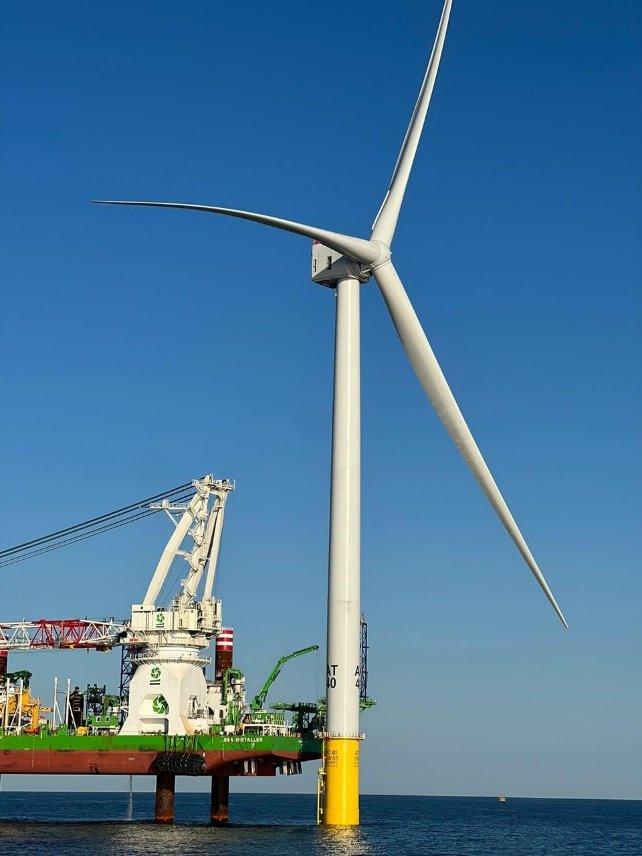
- Direct Job Creation: Thousands of high-paying jobs are being created in manufacturing, construction, operations, and maintenance. This includes everything from welders and electricians to highly specialized offshore vessel operators and data analysts.
- Port Infrastructure Upgrades: Developing these projects requires massive port facilities for staging, assembly, and maintenance. This has led to hundreds of millions of dollars in investment in upgrading existing ports and building new ones, revitalizing coastal economies.
- Supply Chain Development: A new domestic supply chain is emerging, encompassing everything from steel fabrication and cable manufacturing to specialized vessel construction and logistics services. This fosters local businesses and reduces reliance on overseas suppliers.
- Local Investment: Developers often commit to significant local investments, supporting community programs, educational initiatives, and small business growth.
The economic impact is transformative, creating a new industrial backbone for a clean energy future.
A Breath of Fresh Air: Reducing Emissions and Climate Change
The primary driver behind the push for offshore wind is its unparalleled environmental benefit. By replacing fossil fuel-based electricity generation, these projects significantly reduce greenhouse gas emissions:
- Carbon Reduction: Each megawatt-hour generated by offshore wind directly displaces electricity that would otherwise come from burning coal or natural gas, leading to substantial reductions in CO2 emissions. For example, a single large project can offset millions of tons of carbon over its lifetime.
- Cleaner Air & Water: Beyond carbon, offshore wind helps eliminate harmful pollutants like sulfur dioxide, nitrogen oxides, and particulate matter that contribute to smog, acid rain, and respiratory illnesses.
- Energy Independence: By harnessing an indigenous, renewable resource, the US reduces its reliance on imported fossil fuels, enhancing national energy security and price stability.
Offshore wind is a critical piece of the puzzle in achieving national and state climate goals.
Protecting Our Oceans: Navigating Environmental Considerations
While the environmental benefits are clear, responsible development also requires careful consideration of potential impacts on marine ecosystems and existing ocean uses. Developers and regulators work closely to:
- Minimize Marine Life Impact: Extensive studies are conducted to understand and mitigate potential effects on marine mammals (e.g., whales, dolphins) during construction (pile driving noise) and operation. This includes using advanced noise reduction technologies and seasonal restrictions.
- Coexistence with Fisheries: The fishing industry is a vital part of coastal economies. Developers engage with fishing communities to address concerns about navigation, access to fishing grounds, and potential impacts on fish stocks, often developing compensation and coexistence strategies.
- Habitat Creation: In some cases, turbine foundations can act as artificial reefs, potentially creating new habitats for marine life, though this is an area of ongoing study.
Balancing energy needs with ecological stewardship is paramount, ensuring that these projects contribute to a healthier planet both above and below the waterline.
Navigating the Headwinds: Challenges in Offshore Wind Development
Building massive infrastructure projects in one of the most hostile environments on Earth – the open ocean – is never easy. The US offshore wind industry faces a unique set of challenges that developers, policymakers, and communities are actively working to overcome.
Permitting Puzzles: The Regulatory Labyrinth
One of the biggest hurdles is the complex and often lengthy permitting process. Projects must navigate a maze of federal, state, and local regulations. Agencies like the Bureau of Ocean Energy Management (BOEM) are central to this, overseeing lease areas, environmental reviews, and approving Construction and Operations Plans (COPs).
The sheer number of stakeholders – including environmental groups, fishing communities, shipping industries, and defense departments – means that approvals require extensive consultation and often lead to protracted timelines. Streamlining this process while ensuring robust environmental protection is a constant balancing act.
Cost & Capital: Funding Gigantic Ambitions
The upfront capital investment for commercial-scale offshore wind projects is enormous, often in the billions of dollars. This high cost is driven by:
- Specialized Equipment: From massive installation vessels to subsea cabling, the equipment required is highly specialized and expensive.
- Complex Logistics: Transporting and assembling components weighing hundreds of tons in dynamic ocean environments requires sophisticated logistics.
- Long Development Cycles: The extended timelines for permitting and construction mean capital is tied up for longer periods before revenue generation begins.
Government incentives, such as federal tax credits and state-level power purchase agreements, are crucial in de-risking these investments and making projects economically viable, attracting the necessary private capital.
Supply Chain & Infrastructure: Building a New Backbone
Unlike Europe, which has a mature offshore wind supply chain, the US is building much of its capacity from scratch. This means:
- Port Modernization: Many existing US ports weren’t designed to handle the colossal components of modern offshore wind turbines. Significant investment is needed for dredging, heavy-lift capabilities, and vast staging areas.
- Specialized Vessel Fleet: The US needs a domestic fleet of specialized wind turbine installation vessels (WTIVs) to comply with the Jones Act, which requires goods shipped between US ports to be on US-built, US-owned, and US-crewed vessels. Building these vessels is a multi-year, multi-billion-dollar undertaking.
- Manufacturing Capabilities: Developing a domestic manufacturing base for blades, towers, foundations, and other components is essential to reduce costs, create jobs, and ensure project security.
Building this robust industrial ecosystem takes time, coordination, and sustained investment.
Grid Integration: Connecting Remote Power to Populated Coasts
Getting the power from offshore turbines to homes and businesses on land is another significant engineering challenge. It involves:
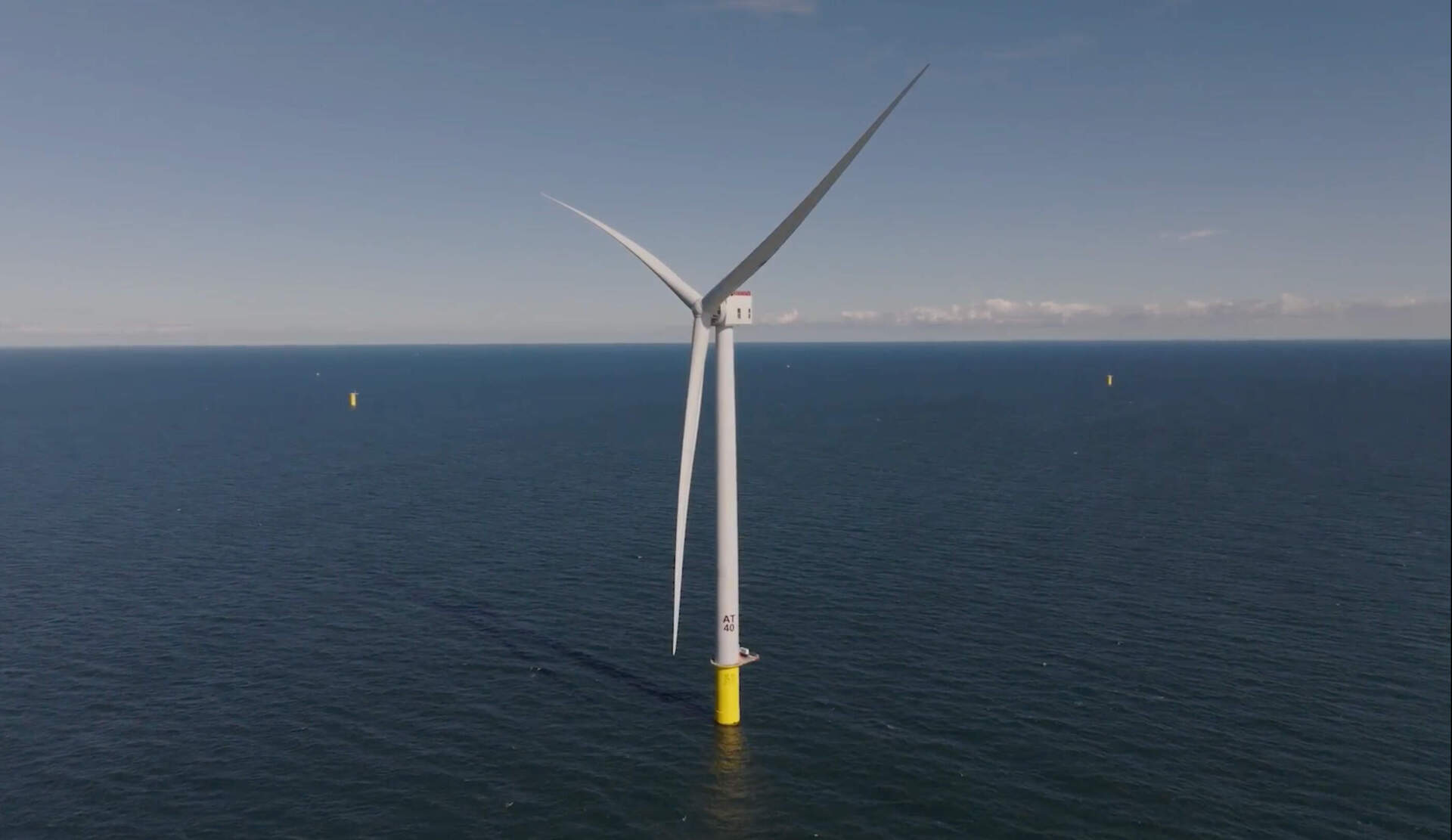
- Subsea Cables: Laying hundreds of miles of high-voltage subsea cables is a complex operation, requiring careful planning to avoid existing infrastructure and minimize environmental impact.
- Onshore Grid Upgrades: The existing onshore grid infrastructure in some coastal areas may not be designed to handle the massive influx of new, intermittent power from offshore wind. Significant upgrades to substations and transmission lines are often necessary.
- Intermittency Management: Like all renewables, wind power is intermittent. Integrating it reliably into the grid requires advanced grid management systems, energy storage solutions, and flexible generation sources to ensure constant power supply.
Effective grid planning and infrastructure investment are crucial for the long-term success of offshore wind.
The Road Ahead: Future of US Commercial-Scale Offshore Wind
Despite the challenges, the trajectory for commercial-scale offshore wind in the US is undeniably upward. Innovation, policy support, and growing demand for clean energy are paving the way for an even more expansive future.
Technological Advancements: Bigger Turbines, Deeper Waters (Floating Wind)
The technology is constantly evolving. Turbines are getting larger, more efficient, and capable of generating more power per unit. This reduces the number of turbines needed for a given capacity and lowers the cost of energy.
The most exciting advancement for the US, particularly for its West Coast and Great Lakes regions, is the maturation of floating offshore wind technology. Instead of being fixed to the seabed, these turbines are mounted on floating platforms anchored to the ocean floor. This innovation unlocks vast, deep-water areas previously considered inaccessible, dramatically expanding the potential footprint for offshore wind deployment.
Policy & Public Support: Sustaining Momentum
Robust government policy and sustained public support are indispensable. Federal and state governments have set ambitious targets for offshore wind capacity, backed by funding, tax incentives, and streamlined regulatory pathways. This creates market certainty for developers and investors.
Continued engagement with local communities, fishing industries, and environmental groups is also critical. Building trust and demonstrating tangible benefits – jobs, clean air, and economic investment – will help maintain the social license necessary for this industry to thrive.
A Vision for Energy Independence
The vision is clear: a resilient, clean energy future powered by the abundant winds off America’s coasts. The journey is complex, requiring unprecedented collaboration between government, industry, and communities. But with pioneering projects already delivering power, a strong pipeline of new developments, and continuous innovation, commercial-scale offshore wind is rapidly becoming a cornerstone of America’s energy independence and its commitment to a sustainable planet.
This is more than just building turbines; it’s about building an entire new industry, powering millions of homes, creating tens of thousands of jobs, and significantly reducing our carbon footprint. The future, quite literally, is blowing in from the sea.
Frequently Asked Questions
What is a commercial-scale offshore wind project?
A commercial-scale offshore wind project is a large-scale industrial endeavor designed to generate hundreds to thousands of megawatts of electricity from wind turbines located miles offshore. This power is then fed into the national or regional power grid for widespread public consumption, typically operating for 25-30 years.
Where are the main commercial offshore wind projects in the US located?
The primary commercial offshore wind projects in the US are currently concentrated off the Northeast coast, particularly in Massachusetts (Vineyard Wind 1), Rhode Island/Connecticut (Revolution Wind, Block Island Wind Farm), and New York (South Fork Wind, Empire Wind, Sunrise Wind). The Mid-Atlantic (Maryland, New Jersey) is also seeing significant development, with future potential for floating wind technology on the West Coast.
How much energy do these projects typically generate?
Individual commercial-scale offshore wind projects in the US aim to generate anywhere from 100 megawatts (MW) to over 2,000 MW (2 gigawatts, GW) of electricity. For example, Vineyard Wind 1 has an 800 MW capacity, while Empire Wind 1 & 2 combined are over 2,000 MW. This can power hundreds of thousands to over a million homes, depending on the project’s size.
What are the biggest challenges facing US offshore wind development?
Key challenges include complex and lengthy permitting processes involving multiple federal and state agencies, the high upfront capital cost of development, building a new domestic supply chain and port infrastructure, and effectively integrating large volumes of new power into the existing onshore electricity grid.
How does offshore wind benefit the US economy?
Offshore wind projects drive significant economic benefits by creating thousands of high-paying jobs in manufacturing, construction, operations, and maintenance. They also stimulate billions of dollars in investment for port upgrades and specialized vessel construction, fostering a new domestic supply chain and revitalizing coastal economies.
What is floating offshore wind technology?
Floating offshore wind technology involves mounting wind turbines on platforms that float on the ocean surface, anchored to the seabed with mooring lines. This innovative approach allows turbines to be deployed in much deeper waters, unlocking vast new areas for wind energy generation, particularly off the US West Coast and other deep-water regions.
How long do offshore wind turbines last?
Commercial-scale offshore wind turbines are engineered for longevity, typically designed to operate reliably for a lifespan of 25 to 30 years. Regular maintenance, advanced monitoring, and robust construction materials contribute to their extended operational life in harsh marine environments.


Post Comment