Solar And Wind Energy Systems For Homes
Solar and Wind Energy Systems for Homes: Your Definitive Guide to Hybrid Power
Tired of rising electricity bills? Dreaming of energy independence? You’re not alone. More and more homeowners are looking to tap into the power of renewable energy, and for good reason. Solar panels have become a common sight, but what if you could harness the wind too? That’s where solar and wind hybrid energy systems for homes come into play.
Table of Contents
- Solar and Wind Energy Systems for Homes: Your Definitive Guide to Hybrid Power
- Unpacking the Hybrid Promise: What Are Solar and Wind Hybrid Systems?
- Why Consider Combining Solar and Wind? Complementary Strengths
- The Core Components of a Residential Hybrid System
- The Real Deal: Pros and Cons of Going Hybrid at Home
- Advantages: Why a Hybrid System Might Be Your Best Bet
- Disadvantages: The Practical Realities You Need to Know
- Is a Hybrid System Right for You? Ideal Application Scenarios
- Components Up Close: Building Your Home’s Hybrid Energy Hub
- Solar Panels: Harnessing the Sun’s Power
- Wind Turbines: Catching the Breeze
- The Brains: Hybrid Inverters and Charge Controllers
- The Lifeline: Battery Storage Solutions
- The Grid Connection: On-Grid vs. Off-Grid Considerations
- Is a Hybrid System Right for YOUR Home? Key Factors to Consider
- Location, Location, Location: Assessing Your Sun and Wind Resources
- Energy Needs: How Much Power Do You Really Use?
- Space Requirements: Do You Have Room for Both?
- Budget & ROI: Crunching the Numbers
- Local Regulations & Permitting: Navigating the Red Tape
- Cost & Investment: What to Expect When Going Hybrid
- Breakdown of Hybrid System Costs
- Detailed Comparative Cost Table (Illustrative Averages)
- Incentives & Rebates: Making It More Affordable
- Understanding Your Payback Period
- The Installation Process: From Planning to Powering Up
- Finding the Right Installer: What to Look For
- Step-by-Step Overview
- Living with Hybrid: Maintenance, Monitoring, and Maximizing Efficiency
- Routine Maintenance for Solar Panels
- Wind Turbine Care and Longevity
- Monitoring Your System’s Performance
- Smart Energy Management Tips
- Your Path to Energy Independence
It sounds futuristic, but combining the sun and wind can offer a powerful, resilient solution for powering your home. But is it right for *your specific situation? What does it cost? And is it even practical? This guide cuts through the noise to give you the definitive answers, helping you decide if a hybrid system is your next big step toward a cleaner, more sustainable home.
Unpacking the Hybrid Promise: What Are Solar and Wind Hybrid Systems?
At its heart, a residential solar and wind hybrid system is exactly what it sounds like: an integrated setup that uses both solar panels and a small wind turbine to generate electricity for your home. It’s about hedging your bets, optimizing energy capture, and often, achieving greater reliability than a single-source system.
Why Consider Combining Solar and Wind? Complementary Strengths
The beauty of a hybrid system lies in its ability to overcome the limitations of each individual technology. Think about it:
- Solar panels shine brightest on sunny, calm days.
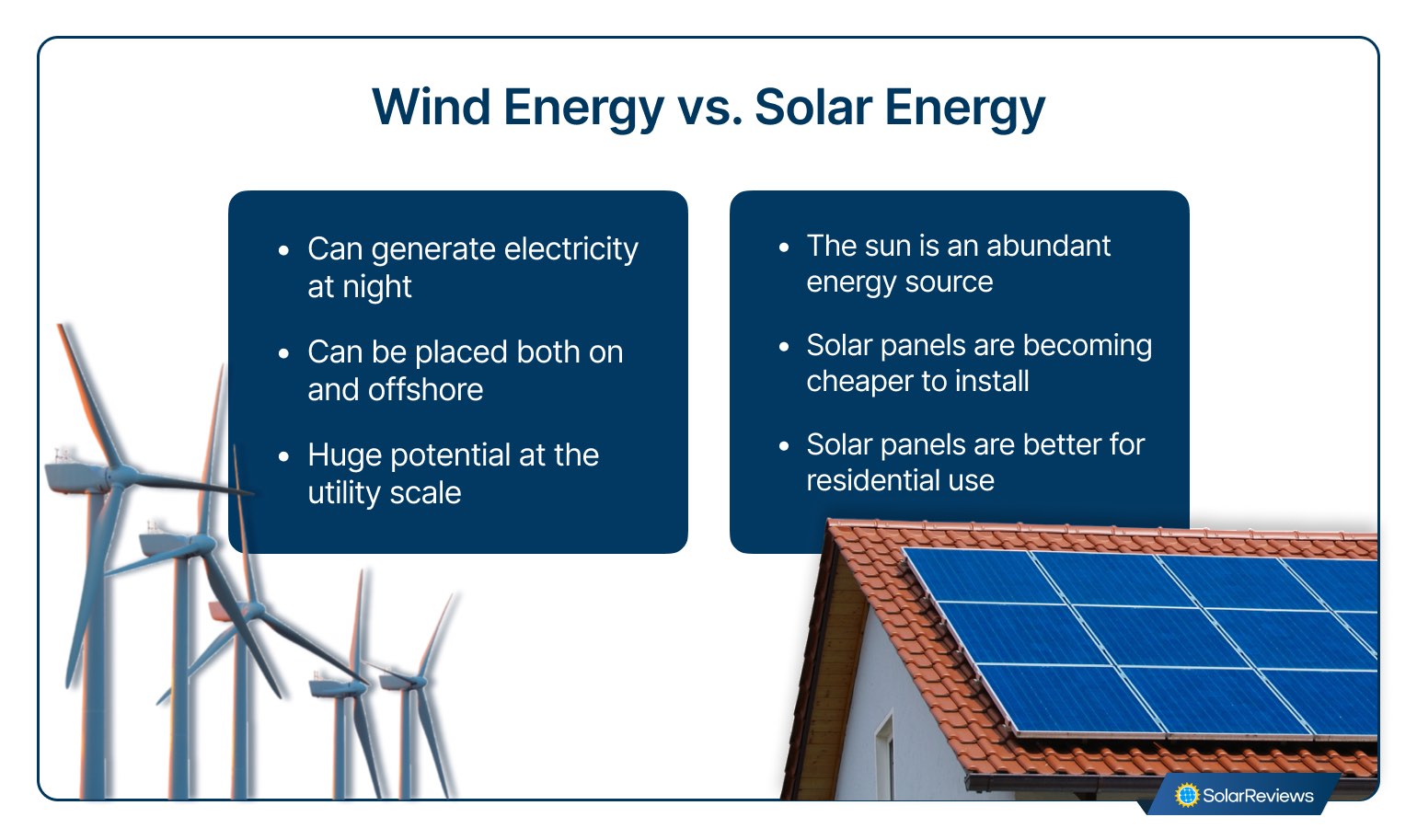
- Wind turbines perform best when the wind blows, often during cloudy weather, at night, or in seasons when solar production might be lower (like winter).
This natural synergy means that when one source is less productive, the other can often pick up the slack. You get a more consistent, year-round power supply, reducing your reliance on the grid and potentially boosting your energy independence.
The Core Components of a Residential Hybrid System
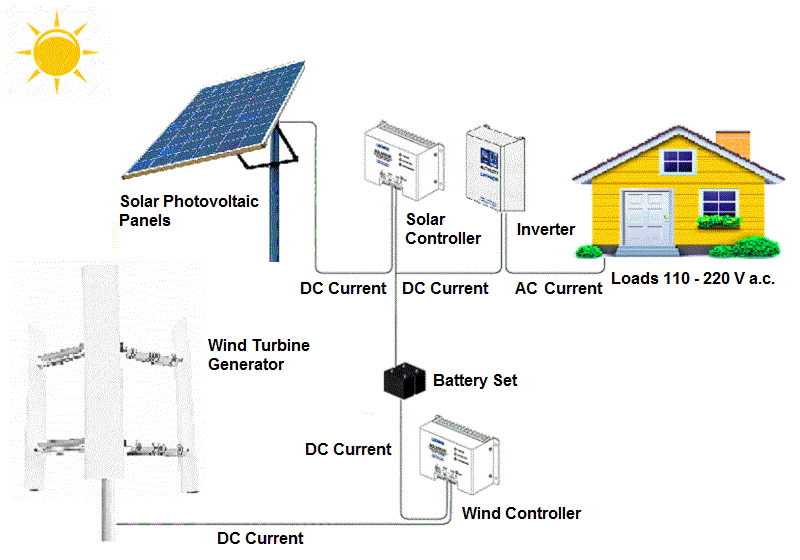
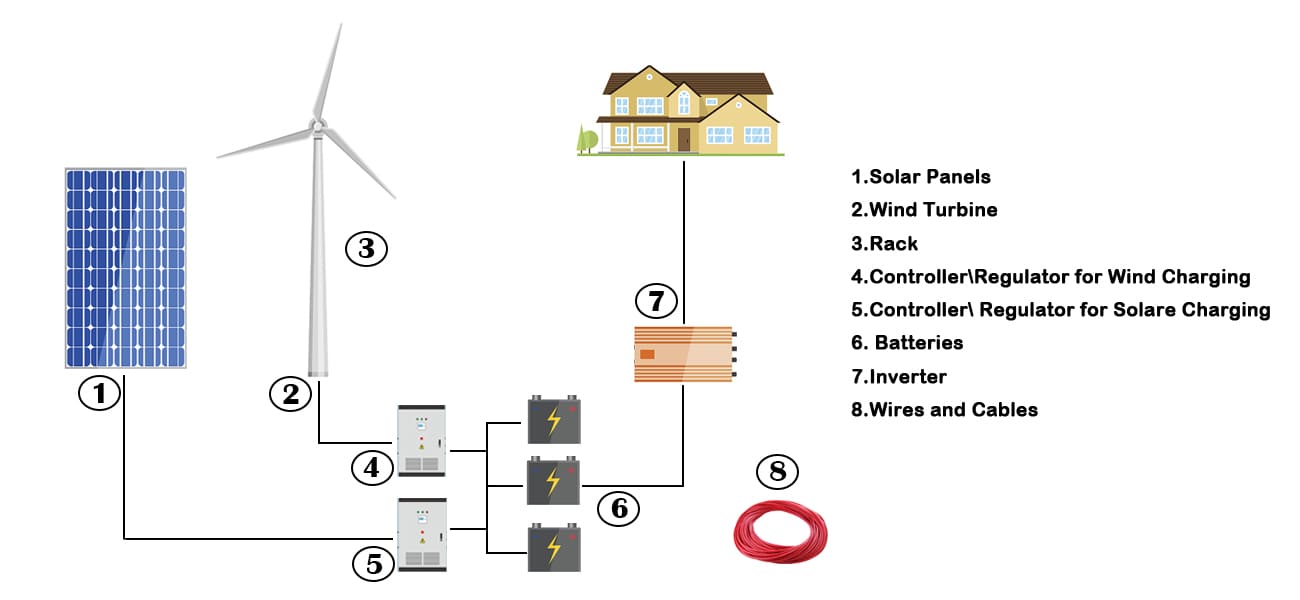
While we’ll dive deeper into each part shortly, a typical home hybrid system includes:
- Solar Panels: To capture sunlight.
- Wind Turbine: To convert wind into electricity.
- Charge Controller: Manages the power flow from both sources to your batteries.
- Battery Bank: Stores excess energy for use when the sun isn’t shining or the wind isn’t blowing.
- Inverter: Converts stored DC (direct current) battery power into AC (alternating current) power that your home appliances use.
- Mounting Hardware & Wiring: The physical structure and electrical connections.
The Real Deal: Pros and Cons of Going Hybrid at Home
Like any significant home improvement, a solar and wind hybrid system comes with its own set of advantages and disadvantages. Understanding these is crucial for making an informed decision.
Advantages: Why a Hybrid System Might Be Your Best Bet
- Increased Reliability & Consistent Power: This is the biggest win. Weather is unpredictable, but a hybrid system provides a buffer. Cloudy day? Wind might be blowing. Calm night? Solar panels don’t work, but wind could be active. This reduces intermittency.
- Enhanced Energy Independence: By combining sources, you’re less susceptible to grid outages and energy price fluctuations. This is particularly appealing for those in remote areas or seeking a true off-grid lifestyle.
- Optimized Resource Utilization: You’re making the most of both natural resources available to you – sun and wind – maximizing your energy capture throughout the day and year.
- Potential for Smaller Battery Bank (in some cases): Because you have more consistent input from diverse sources, you might be able to size a slightly smaller battery bank compared to a purely solar system designed for deep storage during long cloudy spells.
Disadvantages: The Practical Realities You Need to Know
- Higher Initial Cost: Adding a wind turbine means more equipment, more complex installation, and therefore, a higher upfront investment than a standalone solar system.
- Space Requirements: Wind turbines, even small residential ones, need significant open space, often requiring a tall tower to be effective. This is a major limiting factor for suburban and urban homes.
- Permitting & Zoning Challenges: Wind turbines can face stricter zoning laws, height restrictions, and neighborhood aesthetic concerns compared to solar panels. Noise can also be a factor for neighbors.
- Maintenance Complexity: You’re maintaining two distinct energy generation systems, not just one. Wind turbines have moving parts that require periodic inspection and maintenance.
- Wind Resource Variability: Not all locations have sufficient, consistent wind resources to make a turbine worthwhile. Wind speeds at ground level are often turbulent and less productive than at higher altitudes.
Is a Hybrid System Right for You? Ideal Application Scenarios
This table helps clarify where each system type truly shines:
| Scenario Factor | Best for Solar Only | Best for Wind Only | Ideal for Hybrid (Solar + Wind) |
|---|---|---|---|
| Location Type | Urban, Suburban, Rural with good sun exposure | Very Rural, Open Fields, High Ridgelines | Rural, exposed properties with good sun & consistent wind |
| Space Available | Rooftop or ground mount area | Large, unobstructed area for tall tower | Ample space for panels AND tall wind turbine |
| Energy Goals | Reduce bills, carbon footprint, partial independence | Primary power in very windy areas, sometimes off-grid | Maximum reliability, near or total energy independence (off-grid) |
| Budget | Moderate to high | High (for effective systems) | Highest initial investment |
| Local Wind Resource | Not a factor | Crucial: high average wind speeds (>10-12 mph) | Important: consistent average wind speeds |
Components Up Close: Building Your Home’s Hybrid Energy Hub
To really understand how a hybrid system works for your home, let’s break down each key component.
Solar Panels: Harnessing the Sun’s Power
These are the familiar rectangular arrays, typically mounted on your roof or a ground-based rack. They convert sunlight (photons) directly into DC electricity. For a home system, you’ll likely use monocrystalline or polycrystalline silicon panels, chosen based on efficiency, aesthetics, and cost.
- Considerations: Roof angle, shading from trees or buildings, available unshaded space.
Wind Turbines: Catching the Breeze
Residential wind turbines are smaller than their utility-scale cousins, typically ranging from 400W to 10kW. They convert the kinetic energy of wind into rotational energy, which then drives a generator to produce electricity.
- Horizontal Axis Wind Turbines (HAWT): Look like miniature versions of large turbines, with blades rotating horizontally. Most efficient but require a yaw mechanism to turn into the wind.
- Vertical Axis Wind Turbines (VAWT): Blades rotate vertically, making them less dependent on wind direction. Often considered more aesthetically pleasing and can operate in more turbulent wind, but generally less efficient than HAWTs.
Critical factor for wind turbines: They need to be mounted on a tall tower (often 30-100 feet) to get above turbulence caused by trees and buildings and access stronger, more consistent winds. Without this height, their performance plummets dramatically.
The Brains: Hybrid Inverters and Charge Controllers
- Charge Controller: This device regulates the voltage and current coming from your solar panels and wind turbine before it reaches your battery bank. It prevents overcharging and ensures the batteries are charged efficiently and safely. For hybrid systems, you’ll need a controller capable of handling inputs from both sources.
- Hybrid Inverter: This is the central hub. It takes the DC power from your batteries (and sometimes directly from the panels/turbine) and converts it into usable AC electricity for your home. A “hybrid” inverter often includes the charge controller functionality and can manage power flow between solar, wind, batteries, and the utility grid (if you’re connected). Some advanced models even manage generator inputs.
The Lifeline: Battery Storage Solutions
Batteries are essential for hybrid systems, as they store the excess energy generated during peak production times (sunny, windy periods) for use during low production times (night, calm days). They are the key to energy independence and grid resilience.
- Types: Common residential options include lithium-ion (higher upfront cost, longer lifespan, deeper discharge) and lead-acid (lower cost, shorter lifespan, shallower discharge).
- Sizing: Battery bank size is determined by your daily energy consumption and how many days of autonomy (power without sun/wind) you desire.
The Grid Connection: On-Grid vs. Off-Grid Considerations
- Grid-Tied Hybrid: Your system is connected to the utility grid. Excess power can be sold back to the grid (net metering), and you can draw power from the grid when your renewables aren’t producing enough. This offers the best of both worlds – energy independence with a grid backup.
- Off-Grid Hybrid: Your home is completely independent of the utility grid. This requires a larger, more robust battery bank and often a backup generator to ensure power during extended periods of low sun and wind. It offers ultimate independence but comes with higher costs and greater responsibility.
Is a Hybrid System Right for YOUR Home? Key Factors to Consider
Before you commit, take a realistic look at your specific situation.
Location, Location, Location: Assessing Your Sun and Wind Resources
This is paramount. You need:
- Good Solar Irradiance: Sufficient sunlight hours throughout the year. Online tools and solar installers can assess this for your address.
- Consistent Wind Speeds: Average annual wind speeds of at least 10-12 mph (4.5-5.5 m/s) are generally considered the minimum for a residential wind turbine to be economically viable. Turbines perform exponentially better with higher wind speeds. A site assessment by a professional is crucial here.
If your property lacks one of these, a hybrid system might not be your most cost-effective solution.
Energy Needs: How Much Power Do You Really Use?
Review your past 12-24 months of electricity bills to understand your average daily and monthly kilowatt-hour (kWh) consumption. This will dictate the size of your solar array, wind turbine, and battery bank. A larger system means a higher cost.
Space Requirements: Do You Have Room for Both?
- Solar: Enough unshaded roof space or ground area for panels.
- Wind: Critically, you need open land, away from significant obstacles (trees, buildings), to install a tall turbine tower. Urban and even most suburban lots simply don’t have the space or the wind resource to make small wind turbines effective.
Budget & ROI: Crunching the Numbers
As mentioned, hybrid systems have a higher upfront cost. You need to evaluate if the long-term savings, increased reliability, and personal values (like energy independence) justify the investment. Consider:
- Initial Purchase & Installation Costs: For all components and labor.
- Ongoing Maintenance: For both systems.
- Potential Savings: On electricity bills.
- Incentives & Rebates: Tax credits, grants, and local programs.
- Payback Period: How long it takes for your savings to offset your initial investment.
Local Regulations & Permitting: Navigating the Red Tape
This is often overlooked but critical. Before any planning begins, research:
- Building Codes: For structural integrity of mounts and towers.
- Zoning Laws: Height restrictions, setbacks from property lines, noise ordinances, and aesthetic guidelines (especially for wind turbines).
- HOA Rules: Homeowners’ association covenants can sometimes restrict solar and wind installations.
- Utility Interconnection Rules: If you plan to remain grid-tied.
Cost & Investment: What to Expect When Going Hybrid
Let’s talk money. A hybrid system involves a significant investment, but the exact cost varies widely based on system size, component quality, installation complexity, and your location. The key takeaway is that you’re paying for resilience and increased energy capture.
Breakdown of Hybrid System Costs
- Solar Panels: ~$2.50 – $4.00 per watt (installed). A typical 6 kW system might be $15,000 – $24,000 before incentives.
- Residential Wind Turbine: Small turbines (1-5 kW) can range from $5,000 – $30,000, excluding the tower and installation. The tower itself can add another $5,000 – $20,000+, and installation is complex.
- Battery Bank: ~$8,000 – $20,000+ for a decent sized residential lithium-ion system (e.g., 10-20 kWh capacity).
- Hybrid Inverter/Charge Controller: ~$3,000 – $10,000+ depending on capabilities.
- Balance of System (BOS): Wiring, mounting, electrical components, permitting, labor – this can be 10-20% of the total.
Estimated Total for a Mid-Sized Hybrid System (e.g., 5kW solar + 2kW wind + 15kWh storage): Expect a range from $40,000 to $90,000+ before incentives. This is a rough estimate and depends heavily on specific choices and site conditions.
Detailed Comparative Cost Table (Illustrative Averages)
Here’s a comparison of typical costs and considerations for different renewable energy setups for an average U.S. home (assuming 10,000 kWh/year consumption). Note: These are illustrative averages; actual costs will vary.
| Feature | Solar Only (Grid-Tied, 8kW) | Wind Only (2-5kW Turbine + Storage) | Hybrid (6kW Solar + 2kW Wind + Storage) |
|---|---|---|---|
| Avg. Upfront Cost (Before Incentives) | $20,000 – $32,000 | $30,000 – $60,000 | $40,000 – $90,000+ |
| Avg. Annual Energy Production | ~8,000 – 10,000 kWh | ~4,000 – 8,000 kWh (highly wind-dependent) | ~10,000 – 15,000 kWh (more consistent) |
| Primary Benefits | Lower bills, lower carbon footprint, relatively simple | Good for consistently windy, remote locations, night power | High reliability, enhanced energy independence, year-round production |
| Key Drawbacks | Intermittency (night, cloudy days), grid dependence without storage | High cost/kW, stringent site requirements, noise/aesthetics, maintenance | Highest upfront cost, complex installation, stringent site requirements for wind |
| Avg. Payback Period (Net Savings) | 6 – 12 years | 15 – 25+ years (if viable) | 10 – 20+ years |
| Maintenance Complexity | Low | Moderate to High (moving parts) | High (two systems, more components) |
Incentives & Rebates: Making It More Affordable
Don’t let the upfront costs deter you entirely. Various incentives can significantly reduce your net investment:
- Federal Solar Tax Credit (ITC): A substantial tax credit (currently 30%) for both solar and often accompanying battery storage. While primarily “solar,” some hybrid systems may qualify.
- State & Local Programs: Many states, counties, and utilities offer their own rebates, grants, or property tax exemptions for renewable energy installations.
- Net Metering: If grid-tied, this allows you to sell excess energy back to the grid, earning credits on your electricity bill.
Always check with a local installer or energy consultant for the most up-to-date and specific programs available in your area.
Understanding Your Payback Period
The payback period is the time it takes for the money you save on electricity bills (and generate through incentives) to equal your initial investment. For hybrid systems, this can be longer than for solar-only systems due to the higher initial cost and often more niche application for residential wind. However, the added resilience and independence often justify this longer timeframe for many homeowners.
The Installation Process: From Planning to Powering Up
Installing a hybrid system is a multi-step process that typically spans several weeks or months. Here’s a general overview.
Finding the Right Installer: What to Look For
This is critical. You need a company with experience in both* solar and small wind systems, or a team that collaborates with specialized wind installers. Look for:
- Certifications: NABCEP (North American Board of Certified Energy Practitioners) certification is a good sign.
- Experience: Specific experience with residential hybrid systems, not just standalone solar.
- Reputation: Check reviews, ask for references.
- Comprehensive Service: From site assessment and design to permitting and post-installation support.
- Warranties: On components and workmanship.
Step-by-Step Overview
- Site Assessment: Professionals evaluate your property for solar access (shading) and wind resources (wind speed, turbulence, potential tower locations). They’ll analyze your energy consumption.
- System Design: Based on the assessment and your energy goals, engineers will design a system specifying panel count, turbine size, battery capacity, and inverter.
- Financial Proposal: The installer provides a detailed quote, including equipment, labor, and an estimate of incentives.
- Permitting & Approvals: This can be the longest phase. The installer handles obtaining necessary permits from local authorities and utility approvals. For wind turbines, this often involves more scrutiny.
- Procurement & Scheduling: Once permits are secured, equipment is ordered, and an installation date is set.
- Installation: This involves mounting solar panels, erecting the wind turbine tower and turbine, installing batteries, inverters, and all associated wiring.
- Inspection & Commissioning: Local authorities inspect the system. Once approved, the system is turned on, and its performance is verified.
- Monitoring & Support: Most modern systems come with monitoring platforms. Your installer should provide training and ongoing support.
Living with Hybrid: Maintenance, Monitoring, and Maximizing Efficiency
Once your hybrid system is up and running, it’s not entirely “set it and forget it.” A bit of proactive care and monitoring will ensure optimal performance and longevity.
Routine Maintenance for Solar Panels
Solar panels are relatively low maintenance:
- Cleaning: Periodically clean panels to remove dirt, dust, and debris. Rain usually takes care of most of this, but manual cleaning may be needed in dry spells or if bird droppings accumulate.
- Inspection: Annually check for any physical damage, loose wiring, or signs of pest infestations (e.g., birds nesting under panels).
Wind Turbine Care and Longevity
Wind turbines require more hands-on maintenance due to their moving parts:
- Annual Inspection: Check blades for cracks or damage, ensure bolts are tight, and inspect guy wires (if applicable) for tension and corrosion.
- Lubrication: Some turbines require periodic lubrication of moving parts (check manufacturer guidelines).
- Brake System: Ensure the turbine’s braking mechanism (mechanical or electronic) is functional.
- Professional Servicing: Consider professional servicing every few years, especially for larger residential turbines.
Both systems’ inverters and batteries should also be regularly inspected for optimal performance and any signs of wear.
Monitoring Your System’s Performance
Most modern hybrid systems come with apps or online portals that allow you to monitor:
- Real-time energy production: How much electricity your solar and wind components are generating.
- Battery state of charge: How full your battery bank is.
- Energy consumption: How much power your home is using.
- System health: Alerts for any errors or performance issues.
Regularly checking this data helps you understand your energy patterns, spot potential issues early, and ensure your system is working as expected.
Smart Energy Management Tips
To get the most out of your hybrid system:
- Shift high-load activities: Run dishwashers, washing machines, or charge electric vehicles during peak solar and/or wind production hours.
- Energy efficiency: Continue to reduce your overall energy consumption through efficient appliances, insulation, and smart thermostats. The less energy you need, the smaller (and cheaper) your system can be.
Your Path to Energy Independence
Implementing solar and wind energy systems for your home is a significant undertaking, but the rewards can be profound. From significantly reduced electricity bills to a smaller carbon footprint and genuine energy independence, a well-designed hybrid system can transform your relationship with power.
While solar-only systems remain the most practical and cost-effective choice for many homeowners, a hybrid approach offers unparalleled resilience and year-round energy capture for those in suitable locations with the right resources. It’s about taking control, embracing sustainability, and investing in a more secure energy future for your home. Do your research, assess your site diligently, and work with experienced professionals to pave your own path to renewable power.
Frequently Asked Questions
What is a solar and wind hybrid energy system for homes?
A hybrid energy system combines solar panels and a small wind turbine to generate electricity for a home. This setup leverages the complementary nature of sun and wind – when one resource is low, the other can often compensate, providing a more consistent and reliable power supply than a single-source system.
Is a hybrid solar and wind system more expensive than a solar-only system?
Yes, generally. Hybrid systems involve more components (both solar panels and a wind turbine, plus specialized controllers), more complex installation, and often higher maintenance, leading to a significantly higher upfront cost compared to a standalone solar system of equivalent energy output. However, incentives can help offset some of this cost.
What are the main advantages of a hybrid system over a solar-only system?
The primary advantage is increased reliability and energy consistency. Wind often blows when the sun isn’t shining (at night, on cloudy days), and vice-versa. This synergy provides more year-round power generation, greater energy independence, and can reduce reliance on grid power or backup generators, especially for off-grid homes.
Are residential wind turbines practical for urban or suburban homes?
Rarely. Residential wind turbines require significant open space and are most effective when mounted on tall towers (30-100+ feet) to access strong, consistent wind speeds free from turbulence caused by buildings and trees. Most urban and suburban lots lack the necessary space and consistent wind resources, and often face zoning restrictions, height limits, and aesthetic concerns.
How do I know if my home has enough wind and sun for a hybrid system?
A professional site assessment is crucial. For solar, they’ll analyze your roof or property for shading and solar irradiance. For wind, they’ll assess average wind speeds, turbulence, and potential tower locations. You’ll need consistent average wind speeds of at least 10-12 mph for a residential turbine to be economically viable.
What kind of maintenance do hybrid systems require?
Solar panels are relatively low maintenance, primarily needing occasional cleaning and inspection. Wind turbines, with their moving parts, require more frequent maintenance, including annual inspections of blades, bolts, and the braking system, and sometimes lubrication. Batteries and inverters also need periodic checks.
What is the typical payback period for a residential hybrid energy system?
The payback period for a hybrid system can range from 10 to 20+ years, often longer than for solar-only systems, due to the higher initial investment. However, the exact timeframe depends on your specific system cost, energy savings, available incentives, and local electricity rates. The added resilience and energy independence are often considered significant non-monetary returns.


Post Comment