Adding Wind Turbine To Solar System
Adding Wind to Your Solar System: The Definitive Guide to Hybrid Home Energy
Picture this: a cloudy winter day. Your solar panels are barely sipping sunlight, and your batteries are starting to look a little… empty. But outside, a brisk wind is blowing, unutilized. What if you could capture that wind, too? What if your home energy system wasn’t just solar, but a powerful, resilient hybrid?
Table of Contents
- Adding Wind to Your Solar System: The Definitive Guide to Hybrid Home Energy
- Is Adding a Wind Turbine to Your Solar System Even Possible? (And Why You’re Asking)
- Understanding Hybrid Systems: The Core Concept
- The Compelling Benefits of a Solar-Wind Hybrid System
- Year-Round Energy Production: The Intermittency Solution
- Enhanced Reliability & Energy Security
- Optimize Battery Charging
- Potential for Smaller Battery Bank (Sometimes)
- Economic Advantages & ROI (with caveats)
- The Critical Challenges & Considerations Before You Start
- Site Assessment is Non-Negotiable
- Technical Complexity & Integration
- Initial Investment & Payback Period
- Turbine Sizing and Type Matching
- The Essential Components for Your Wind-Solar Hybrid Setup
- The Separate Brains: Charge Controllers for Wind and Solar
- Battery Bank: The Heart of Your Off-Grid System
- Inverters: Converting DC to Usable AC
- Dump Load Resistors: Protecting Your Wind Turbine
- Step-by-Step Guide: Integrating a Wind Turbine into Your Existing Solar System
- Step 1: Conduct a Thorough Site Assessment
- Step 2: Choose the Right Wind Turbine
- Step 3: Select Compatible Charge Controllers
- Step 4: Integrate with Your Battery Bank
- Step 5: Connect to Your Inverter & Load
- Step 6: Safety, Monitoring & Maintenance
- Off-Grid vs. Grid-Tied Hybrid Systems: What You Need to Know
- Off-Grid Systems: Maximum Independence
- Grid-Tied Hybrid Systems: Selling Back to the Grid
- When Does Adding Wind Not Make Sense?
- Poor Wind Resource
- Budget Constraints (initial investment)
- Regulatory Hurdles
- Sufficient Solar Production
- Space & Aesthetic Limitations
- The Future of Hybrid Home Energy
- Conclusion: Harnessing the Power of Synergy
Many homeowners with existing solar setups dream of this synergy. The idea of combining wind and solar power is incredibly compelling, promising more consistent energy, especially during those low-sunlight months or at night. But is it truly as simple as plugging in a wind turbine? The short answer is: no, not directly. The longer, more helpful answer is: absolutely, with the right knowledge, components, and approach. This guide will walk you through everything you need to know to harness both the sun and the wind for your home.
Is Adding a Wind Turbine to Your Solar System Even Possible? (And Why You’re Asking)
Yes, adding a wind turbine to an existing solar system is entirely possible, and it’s a smart move for many. The common misconception is that you can simply “tie into” your solar panels or their existing charge controller. That’s where the technical details get a little tricky, and why so many forum posts wrestle with this exact question.
You’re likely asking this because you’ve experienced the inherent intermittency of solar power. Solar panels are fantastic, but they don’t produce energy on demand. They’re dictated by the sun – its intensity, its angle, and whether there are clouds in the way. Wind, on the other hand, often operates on a different schedule. It tends to be stronger at night, during stormy weather, or in winter when solar output is naturally lower. This complementary nature is the core reason why a hybrid system makes so much sense.
Understanding Hybrid Systems: The Core Concept
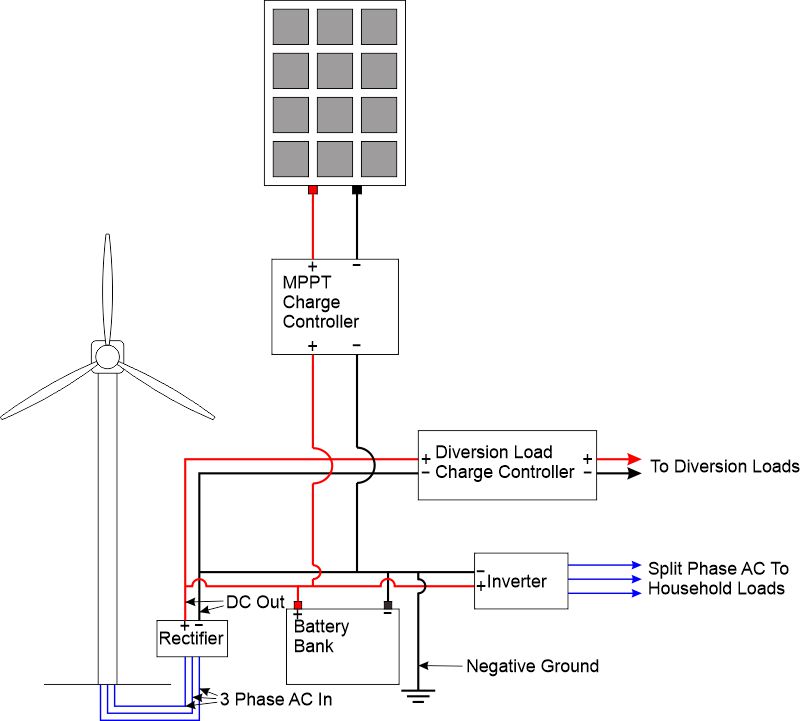
A hybrid system, in this context, means you’re generating electricity from at least two different renewable sources (solar and wind) and feeding that power into a common storage or distribution system. Crucially, each source typically requires its own dedicated management – specifically, its own charge controller – before its energy can safely reach your batteries or inverter. Think of it like two separate rivers flowing into one reservoir; each river needs its own dam and floodgates, but they both contribute to the same water supply.
The Compelling Benefits of a Solar-Wind Hybrid System
Why go through the effort of adding a wind turbine? The advantages often outweigh the complexities, especially if your site has a good wind resource.
Year-Round Energy Production: The Intermittency Solution
This is the biggest draw. Solar power excels during sunny days, particularly in summer. Wind power often thrives in the winter months, at night, or on cloudy, blustery days. By combining them, you create a more balanced, consistent energy supply throughout the day and across the seasons. This smooths out the peaks and valleys of single-source generation, providing a more stable input to your battery bank.
Enhanced Reliability & Energy Security
Putting all your energy eggs in one basket (solar, for example) can leave you vulnerable. A prolonged period of bad weather – multiple cloudy, windless days – can deplete batteries quickly. A hybrid system diversifies your generation, making your entire setup more robust and less susceptible to the whims of a single weather pattern. It’s about building a truly resilient home energy solution.
Optimize Battery Charging
Batteries prefer a steady, consistent charge. With a hybrid system, you’re more likely to keep your batteries topped up and within their optimal state of charge. This can prolong their lifespan and ensure you always have power when you need it, reducing the chances of deep discharge cycles that stress batteries.
Potential for Smaller Battery Bank (Sometimes)
While not a guarantee, in some well-designed hybrid systems with excellent wind and solar resources, the enhanced consistency of power generation might allow for a slightly smaller battery bank compared to a purely solar system designed for the same load and reliability. This is because there are fewer long periods of no generation to account for. However, careful load analysis and generation modeling are critical here.
Economic Advantages & ROI (with caveats)
For off-grid homes, a hybrid system can significantly reduce reliance on a generator, saving on fuel and maintenance costs. For grid-tied homes, it means even lower utility bills and potentially greater energy independence. The return on investment for the wind component depends heavily on your local wind resource and electricity prices, but the long-term savings and enhanced energy security are often compelling.
The Critical Challenges & Considerations Before You Start
While the benefits are clear, it’s crucial to approach adding a wind turbine with a realistic understanding of the challenges. This isn’t a weekend DIY project without proper planning.
Site Assessment is Non-Negotiable
This is arguably the MOST important step. A wind turbine needs *actual wind to be effective. Unlike solar, where you can generally count on sun unless it’s cloudy, wind resources vary wildly from location to location, and even within your property. Factors include:
- Average Wind Speed: Turbines generally need an average wind speed of at least 10 mph (4.5 m/s) to be consistently productive.
- Turbulence & Obstructions: Trees, buildings, and hills create turbulence, which can severely reduce turbine efficiency and even damage the blades. Turbines need to be mounted significantly higher than any nearby obstructions to catch clean, laminar wind flow.
- Local Regulations: Zoning laws, building codes, and HOA restrictions on height, noise, and visual impact are common for wind turbines. Permits are almost always required.
- Noise Concerns: While modern turbines are quieter, they still produce some noise, which can be a concern for neighbors.
- Visual Impact: A tall wind turbine tower is a significant visual addition to any property.
Technical Complexity & Integration
Wind turbines produce power differently than solar panels. Solar panels generate DC voltage directly proportional to sunlight. Wind turbines, especially smaller ones, often produce variable AC voltage (wild AC) that needs rectification to DC, or have internal inverters for grid-tie. They also have moving parts that require specific safety mechanisms.
Initial Investment & Payback Period
Adding a wind turbine is a substantial investment. Beyond the turbine itself, you’ll need a tower, a dedicated charge controller, wiring, and potentially professional installation. The payback period can be longer than solar due to the higher upfront costs and the variability of wind resources.
Turbine Sizing and Type Matching
Choosing the right size (kW) and type (horizontal-axis or vertical-axis) of turbine is critical. It needs to be sized appropriately for your energy needs and your available wind resource, but also compatible with your existing battery bank voltage and inverter capacity.
The Essential Components for Your Wind-Solar Hybrid Setup
Understanding the components is key to a successful integration. While some parts are shared, wind power introduces a few unique elements.
| Component | Solar-Only Role | Wind-Only Role | Hybrid System Role |
|---|---|---|---|
| Solar Panels | Convert sunlight into DC electricity. | N/A | Primary daytime/summer DC electricity generation. |
| Wind Turbine | N/A | Converts wind energy into AC/DC electricity. | Primary nighttime/winter/cloudy-day AC/DC electricity generation. |
| Solar Charge Controller | Regulates DC voltage from panels to safely charge batteries. | N/A | Dedicated regulator for solar input to batteries. |
| Wind Charge Controller | N/A | Regulates turbine output (often with dump load) to charge batteries. | Dedicated regulator for wind input to batteries (CRITICAL). |
| Battery Bank | Stores excess DC energy for later use (off-grid) or backup (grid-tied). | Stores excess DC energy for later use. | Common storage hub for both solar and wind generated DC power. |
| Inverter | Converts battery DC power to usable AC power for home appliances. | Converts battery DC power to usable AC power. | Converts combined DC battery power to AC for home use or grid export. |
| Dump Load Resistor | N/A | Dissipates excess wind energy to protect turbine from over-speeding when batteries are full. | Essential for wind turbine protection when batteries are full or load is insufficient. |
| Wiring & Fuses | Connects all components, ensures safety. | Connects all components, ensures safety. | Properly sized and protected wiring for ALL sources and loads. |
The Separate Brains: Charge Controllers for Wind and Solar
This is where many newcomers get stuck. You cannot, in almost all residential scenarios, connect a wind turbine directly to your existing solar charge controller or even the same input on a multi-source charge controller designed primarily for solar. Why?
- Different Power Characteristics: Solar panels produce relatively stable DC voltage. Wind turbines, especially smaller ones, often produce variable AC voltage that changes with wind speed. This “wild AC” needs to be rectified to DC before it can charge batteries.
- Turbine Protection: Unlike solar panels, which can simply be disconnected when batteries are full, a wind turbine must never be allowed to spin freely without a load, especially in high winds. This can lead to over-speeding, vibration, and catastrophic damage.
Therefore, you will need a dedicated wind charge controller. These controllers are specifically designed to handle the variable output of a wind turbine and, critically, often incorporate a dump load feature. Some advanced hybrid charge controllers exist, but they are fewer and far between for smaller residential systems and require careful matching.
Battery Bank: The Heart of Your Off-Grid System
If you have an existing solar system with batteries, you’re already halfway there. Both your solar charge controller and your new wind charge controller will feed DC power into the same battery bank. This unified storage is where the synergy truly happens, as the battery bank acts as the central hub for all generated energy before it’s converted to AC by your inverter.
Inverters: Converting DC to Usable AC
Your existing inverter, which converts the DC power from your batteries into AC power for your home, will continue to function as normal. It draws power from the battery bank, regardless of whether that power came from the sun or the wind. For grid-tied systems, you’ll need a hybrid inverter capable of managing both battery charging and grid interaction.
Dump Load Resistors: Protecting Your Wind Turbine
This component is unique to wind power and absolutely vital. A dump load is essentially a large resistive heater. When your wind turbine is generating more power than your batteries can accept (e.g., they’re full) or your home needs, the wind charge controller diverts that excess energy to the dump load. This keeps a load on the turbine, preventing it from spinning out of control and self-destructing, while safely dissipating the surplus energy as heat. Think of it as a pressure relief valve for your wind turbine.
Step-by-Step Guide: Integrating a Wind Turbine into Your Existing Solar System
Ready to get your hands dirty? Here’s a simplified breakdown of the process. Always consider consulting with a renewable energy professional for detailed design and installation, especially for safety and regulatory compliance.

Step 1: Conduct a Thorough Site Assessment
As emphasized earlier, this is paramount. Before buying anything, evaluate your property’s wind resource. You can use online wind maps (like the NREL Wind Resource Maps for the USA), but the best data comes from installing an anemometer (wind speed meter) at the proposed turbine height for several months. Identify obstructions, measure heights, and understand local zoning and permit requirements. This step alone can save you thousands of dollars and immense frustration.
Step 2: Choose the Right Wind Turbine
Based on your site assessment and energy needs, select a turbine. Consider:
- Power Output (kW): Match it to your energy consumption and the contribution you expect from wind. Don’t oversize for a poor wind site; it’s wasted money.
- Voltage: Ensure it’s compatible with your battery bank’s voltage (e.g., 12V, 24V, 48V).
- Type: Horizontal-axis (HAWT) are more common and efficient for most home applications; vertical-axis (VAWT) are often quieter and perform better in turbulent wind but are less efficient.
- Durability & Warranty: Invest in a reputable brand.
Step 3: Select Compatible Charge Controllers
You’ll need a dedicated charge controller for your wind turbine. Many small turbines come with their own, or you’ll need to purchase one separately that matches the turbine’s output voltage/current and your battery bank’s voltage. This controller must* include a dump load feature or be able to integrate with an external dump load. Your existing solar charge controller will remain as is, managing your solar array.
Step 4: Integrate with Your Battery Bank
This is the central point of connection. The DC output from your solar charge controller and the DC output from your wind charge controller will both be wired to your existing battery bank. Ensure all wiring is properly sized for the combined current, and install appropriate fuses and circuit breakers for both generation sources. It’s crucial that all components (charge controllers, batteries, inverter) are designed to operate at the same nominal DC voltage (e.g., 48V system).
Step 5: Connect to Your Inverter & Load
Your inverter, which is already connected to your battery bank, will continue to draw power from the batteries and convert it to AC for your home. From the inverter’s perspective, it doesn’t care if the DC power in the batteries came from the sun or the wind – it just needs a stable DC input. If you’re grid-tied, ensure your inverter is a true hybrid inverter capable of managing both grid connection and battery charging/discharging from multiple sources.
Step 6: Safety, Monitoring & Maintenance
Safety is paramount. Ensure all electrical connections are secure, waterproof, and protected by appropriate breakers and fuses. Install lightning arrestors if applicable. Consider an energy monitoring system to track the performance of both your solar panels and wind turbine, helping you understand their individual contributions and optimize your system. Regular maintenance of the wind turbine (checking blades, bearings, tower stability) is essential for longevity and safety.
Off-Grid vs. Grid-Tied Hybrid Systems: What You Need to Know
The type of system you have or envision impacts the integration process.
Off-Grid Systems: Maximum Independence
For off-grid homes, adding wind is often a natural and highly beneficial upgrade. Batteries are already central to your system, and the primary goal is maximum energy autonomy. A hybrid wind-solar setup significantly reduces the need for backup generators, providing greater peace of mind and lower operating costs.
Grid-Tied Hybrid Systems: Selling Back to the Grid
Grid-tied hybrid systems (also known as grid-interactive or grid-hybrid) are more complex. They involve a hybrid inverter that can manage power flow between the solar array, wind turbine, battery bank, home loads, and the utility grid. You might be able to net meter excess electricity back to the grid, but this becomes more challenging with wind power due to varying utility regulations and the less predictable nature of small-scale wind generation. Always check with your local utility for specific interconnection requirements and policies regarding small wind turbines.
When Does Adding Wind Not Make Sense?
Despite the advantages, a wind turbine isn’t a silver bullet for every home. Here’s when you might reconsider:
Poor Wind Resource
This is the number one reason. If your site assessment reveals consistently low average wind speeds or significant turbulence, a wind turbine will be an expensive paperweight. Don’t force it.
Budget Constraints (initial investment)
Wind turbines, towers, and dedicated controllers represent a significant upfront cost. If your budget is tight, it might be more cost-effective to expand your solar array if you have the space and sunlight.

Regulatory Hurdles
If your local zoning, HOA, or permit processes make installing a turbine prohibitively difficult, expensive, or impossible, it’s not worth the fight.
Sufficient Solar Production
If your existing solar system already provides ample power year-round, or you have space for more solar panels that would meet your needs more cheaply, adding wind might be an unnecessary expense.
Space & Aesthetic Limitations
Small wind turbines often require a tall tower to get above obstructions, and they take up space. If you have a small property, limited open space, or strict aesthetic requirements, a turbine might not be a practical option.
The Future of Hybrid Home Energy
As technology advances, we’re seeing more sophisticated hybrid inverters and integrated energy management systems that can seamlessly blend power from multiple sources. The goal is smarter, more efficient, and more resilient home energy. Adding a wind turbine to your solar system is a significant step towards that future, offering true energy independence and robust power generation.
Conclusion: Harnessing the Power of Synergy
Adding a wind turbine to your existing solar system is a powerful way to create a more resilient, year-round energy source for your home. It’s not a plug-and-play solution, requiring careful planning, specific components like dedicated wind charge controllers and dump loads, and a thorough understanding of your site’s resources. However, for those with a good wind resource and a desire for enhanced energy security, the synergy of wind and solar can provide unparalleled independence from the grid and a deeper commitment to sustainable living. Don’t just chase the sun; embrace the wind, too, and unlock the full potential of your home’s renewable energy future.
Frequently Asked Questions
Can I connect a wind turbine directly to my existing solar charge controller or inverter?
No, you generally cannot. Wind turbines have different electrical characteristics than solar panels, often producing variable AC power that needs rectification and specialized regulation. They also require protection from over-speeding when batteries are full, which solar charge controllers are not designed to handle. You’ll need a dedicated wind charge controller, typically with a dump load, to manage the turbine’s output before it reaches your battery bank.
What is a ‘dump load’ and why is it necessary for a wind turbine?
A dump load (or diversion load) is a critical safety component for most small wind turbines. When your batteries are fully charged or your energy demand is low, and the wind turbine is still generating power, this excess energy must be safely dissipated. The wind charge controller diverts this surplus power to the dump load (often a large resistive heater), which prevents the turbine from spinning too fast and damaging itself. Solar panels don’t require this because they can simply be disconnected or cease producing power without harm when not needed.
How do wind and solar complement each other?
Wind and solar power are often complementary because their peak production times frequently differ. Solar power is strongest during sunny daylight hours, especially in summer. Wind power often performs better at night, during cloudy or stormy weather, and particularly in the winter months when solar output is lower. Combining them creates a more consistent and reliable year-round energy supply, reducing reliance on a single source and optimizing battery charging.
What’s the most important factor when considering adding a wind turbine?
The most important factor is a thorough site assessment of your local wind resource. Without adequate, clean (non-turbulent) wind speeds at your proposed turbine height, a wind turbine will not be an efficient or cost-effective addition to your system. Don’t invest in a turbine without first verifying your site’s wind potential, including checking local zoning laws and potential obstructions.
Will I need to upgrade my battery bank or inverter when adding a wind turbine?
Your existing battery bank should be able to accept the additional charge from the wind turbine, provided all charge controllers are set to the same battery voltage. Your inverter, which draws power from the battery bank, typically won’t need an upgrade unless your total system load increases significantly beyond its capacity. The key is ensuring your battery bank is sized appropriately for your total energy consumption and the combined, more consistent input from both sources.
Is it more complex to add wind to an off-grid or grid-tied solar system?
Adding wind to an off-grid solar system is generally more straightforward in terms of electrical integration, as both sources feed into a common battery bank, and you’re primarily focused on energy self-sufficiency. Adding wind to a grid-tied system is more complex due to the need for specific hybrid inverters capable of managing grid interaction and potential utility interconnection regulations for small wind turbines, which vary by location.


Post Comment