What Is Solar Energy Short Answer
What Exactly Is Solar Energy? The Short Answer You Need
Let’s cut right to it. Solar energy is simply the radiant light and heat from the Sun that we harness for human use. Think of it as the ultimate renewable power source, converting sunlight into electricity or thermal energy without burning fossil fuels or creating harmful emissions. It’s clean, abundant, and right there for the taking, powering everything from your rooftop panels to giant solar farms.
Table of Contents
- What Exactly Is Solar Energy? The Short Answer You Need
- Breaking Down the Sun’s Power: How Solar Energy Works
- The Fundamental Process: From Sunlight to Usable Energy
- Photovoltaic (PV) Systems: Turning Light into Electricity
- Solar Thermal Systems: Capturing Heat Directly
- The Types of Solar Energy: Active vs. Passive
- Active Solar Systems: The Tech You See
- Passive Solar Design: Nature’s Heating and Lighting
- Why Solar Shines Bright: The Advantages You Can’t Ignore
- Environmental Impact: Cleaner Air, Greener Planet
- Economic Benefits: Saving Money, Adding Value
- Energy Independence and Security
- Low Maintenance and Long Lifespan
- The Other Side of the Coin: Disadvantages and Challenges
- Initial Cost: The Upfront Investment
- Intermittency: When the Sun Isn’t Shining
- Space Requirements and Aesthetics
- Material Production and Recycling Concerns
- Solar Energy in Action: Real-World Applications
- Residential Solar: Powering Your Home
- Commercial and Industrial Solar: Big Scale Savings
- Off-Grid and Remote Applications
- The Future of Solar: Brighter Than Ever?
- Technological Advancements: More Efficient, More Affordable
- Policy and Market Growth
It’s a game-changer, not just for the planet but potentially for your wallet too. Understanding how this ancient power source is now a modern marvel is key to seeing its massive potential.
Breaking Down the Sun’s Power: How Solar Energy Works
So, we know what solar energy is, but how do we actually capture it? It’s not magic, it’s science, and surprisingly straightforward once you break it down.
The Fundamental Process: From Sunlight to Usable Energy
The Sun is a giant nuclear reactor, constantly fusing hydrogen into helium and releasing an incredible amount of energy in the form of electromagnetic radiation. A tiny fraction of this radiation reaches Earth, but it’s more than enough to power all our needs many times over.
When sunlight – which is made up of tiny energy packets called photons – hits certain materials, it can kick-start a process that either generates electricity or creates heat. There are two primary ways we put this phenomenon to work:
- Photovoltaic (PV) systems: These convert sunlight directly into electricity.
- Solar Thermal systems: These capture the heat from the sun to warm water or air.
Let’s dive a little deeper into each.
Photovoltaic (PV) Systems: Turning Light into Electricity
When most people think of solar energy, they picture solar panels on a roof. These are photovoltaic (PV) systems, and they’re the most common way residential and commercial properties generate solar electricity.
Here’s the simple breakdown of how a PV system works:
- Sunlight hits the panels: Each panel is made up of multiple smaller photovoltaic cells, usually crafted from silicon.
- The photoelectric effect occurs: When photons from the sunlight strike the silicon cells, they energize electrons, causing them to break free from their atoms.
- Electricity is generated: These liberated electrons flow through the cell, creating an electrical current – specifically, direct current (DC) electricity.
- DC is converted to AC: An essential device called an inverter takes that DC electricity and converts it into alternating current (AC) electricity, which is the type used to power homes and businesses, and is compatible with the electrical grid.
- Powering your property or the grid: This AC electricity then either powers your home directly, is stored in a battery bank (if you have one), or is sent back to the utility grid, often earning you credits.
It’s an elegant, silent process that happens continuously as long as the sun is shining.
Solar Thermal Systems: Capturing Heat Directly
While PV systems focus on electricity, solar thermal systems are all about harnessing the Sun’s heat. These are often used for:

- Solar Water Heating: Collectors on a roof absorb sunlight to heat water that flows through tubes. This hot water is then stored in a tank for use in your home for showers, laundry, or dishwashing.
- Solar Space Heating: Similar to water heating, but the collected heat is used to warm air or a liquid that then circulates through a building to provide warmth.
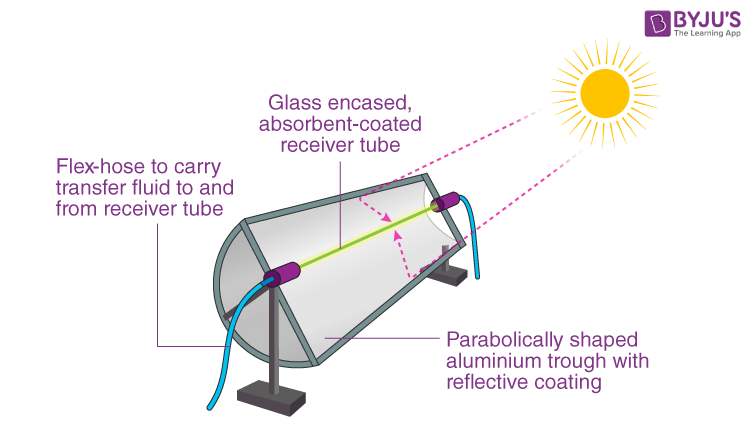
- Concentrated Solar Power (CSP): On a much larger scale, CSP systems use mirrors to concentrate sunlight onto a small area, superheating a fluid. This superheated fluid then creates steam to drive a turbine, generating electricity. This is often found in large utility-scale solar farms.
Both PV and solar thermal systems have their unique applications, demonstrating the versatility of solar energy.
The Types of Solar Energy: Active vs. Passive
Beyond the mechanisms, it’s helpful to categorize solar energy into two broad types based on how they interact with sunlight.
Active Solar Systems: The Tech You See
Active solar systems are what we’ve largely discussed above. They use mechanical or electrical devices to actively collect, convert, and store solar energy. This includes:
- Photovoltaic (PV) panels: Actively converting light into electricity.
- Solar thermal collectors: Actively absorbing sunlight to heat fluids.
These systems are designed to maximize energy capture and typically involve visible equipment like panels or tubes.
Passive Solar Design: Nature’s Heating and Lighting
Passive solar takes a more integrated approach, using a building’s design, orientation, and materials to naturally collect and distribute solar heat or light without mechanical systems.
Examples of passive solar design include:
- South-facing windows: In the Northern Hemisphere, these allow sunlight to penetrate and warm interior spaces during winter.
- Thermal mass: Materials like concrete, brick, or stone absorb and store solar heat during the day, slowly releasing it at night.
- Overhangs and shading: Strategically placed eaves or awnings block high summer sun to prevent overheating while allowing lower winter sun to enter.
- Natural ventilation: Design elements that encourage airflow to cool a building.
Passive solar designs reduce the need for artificial heating, cooling, and lighting, often working in harmony with active solar systems for optimal energy efficiency.
Why Solar Shines Bright: The Advantages You Can’t Ignore
The reasons for solar energy’s growing popularity are compelling. It offers a multitude of benefits, from environmental stewardship to tangible economic savings.
Environmental Impact: Cleaner Air, Greener Planet
One of solar energy’s biggest draws is its minimal environmental footprint:
- Reduced Carbon Emissions: Once installed, solar panels produce electricity without releasing greenhouse gases, a primary driver of climate change. This helps combat air pollution and improves public health.
- Less Reliance on Fossil Fuels: By generating your own power from the sun, you reduce the demand for coal, oil, and natural gas, conserving finite resources and decreasing geopolitical energy dependencies.
- Clean Water: Traditional power plants often require vast amounts of water for cooling. Solar PV systems use very little water during operation.
Economic Benefits: Saving Money, Adding Value
For homeowners and businesses, the financial incentives are often the primary motivator:
- Lower Electricity Bills: Generating your own power means buying less from the utility company, leading to significant monthly savings. Depending on your usage and system size, you could even eliminate your electricity bill entirely.
- Increased Home Value: Studies consistently show that homes with solar panel installations sell faster and for a higher price than comparable homes without solar. It’s an attractive upgrade for many buyers.
- Government Incentives and Rebates: The U.S. federal government offers a substantial Investment Tax Credit (ITC) for solar installations, allowing homeowners to deduct a percentage of their system cost from their federal taxes. Many states and local utilities also offer additional rebates, grants, or performance-based incentives like Solar Renewable Energy Credits (SRECs) which can be sold for income.
- Predictable Energy Costs: Once installed, your ‘fuel’ (sunlight) is free. This shields you from fluctuating utility rates, providing long-term predictability for your energy expenses.
Here’s an example of potential annual savings for a typical U.S. household:
| System Size (kW) | Average Annual Generation (kWh) | Estimated Annual Savings ($) | Approx. Reduction in Carbon Emissions (lbs CO2e) |
|---|---|---|---|
| 5 kW | 6,500 – 8,500 | $800 – $1,400 | 10,000 – 13,000 |
| 7 kW | 9,100 – 11,900 | $1,100 – $2,000 | 14,000 – 18,000 |
| 10 kW | 13,000 – 17,000 | $1,600 – $2,800 | 20,000 – 26,000 |
Note: These are estimates and vary greatly by location, specific electricity rates, and actual sunlight exposure.
Energy Independence and Security
Generating your own power fosters a sense of independence. For individual homeowners, it means less vulnerability to blackouts and grid failures, especially with battery storage. For nations, it reduces reliance on unstable foreign energy markets and enhances national security.
Low Maintenance and Long Lifespan
Solar panels are remarkably durable. Most come with 25-year performance warranties, but can last much longer. They have no moving parts, meaning minimal wear and tear. A quick rinse a few times a year is often all they need to maintain optimal performance.
The Other Side of the Coin: Disadvantages and Challenges
While solar energy is undeniably powerful, it’s not without its drawbacks. Understanding these challenges is crucial for a balanced perspective.
Initial Cost: The Upfront Investment
The biggest hurdle for many is the upfront cost of installation. While prices have fallen dramatically over the past decade, a complete solar system can still be a significant investment. However, as we discussed, various incentives, financing options (like solar loans or leases), and the long-term savings often make it a worthwhile financial decision over time.
Intermittency: When the Sun Isn’t Shining
Solar panels only produce electricity when the sun is out. This means:
- Nighttime: No sun, no immediate solar production.
- Cloudy Days: Production is significantly reduced.
- Seasonal Variations: Winter months typically yield less sunlight than summer months.
Solutions to intermittency include connecting to the utility grid (net metering), which allows you to draw power when your panels aren’t producing and feed excess power back when they are. Battery storage systems are also becoming increasingly popular, allowing homeowners to store surplus solar energy for use after sunset or during outages.
Space Requirements and Aesthetics
To generate enough power for a home or business, a decent amount of roof space or ground area is required. This can be a limiting factor for smaller properties or those with shading issues from trees or neighboring buildings. For some, the aesthetic impact of panels on a roof is also a consideration, although panel designs are continually improving.
Material Production and Recycling Concerns
While solar panels produce clean energy during operation, their manufacturing process does require energy and raw materials (like silicon, glass, and aluminum). There are also growing concerns about the long-term recycling solutions for panels at the end of their lifespan, though industries and technologies are developing to address this.
Solar Energy in Action: Real-World Applications
Solar energy isn’t just a concept; it’s a rapidly expanding reality impacting lives and industries across the globe.
Residential Solar: Powering Your Home
This is perhaps the most visible application. Millions of homeowners across the U.S. and worldwide have installed solar PV panels on their rooftops. These systems significantly reduce or eliminate monthly electricity bills, provide protection against rising utility rates, and offer a degree of energy independence, especially when coupled with battery storage. Solar water heaters are also common residential installations.

Commercial and Industrial Solar: Big Scale Savings
Businesses, schools, and industrial facilities are increasingly turning to solar energy to power their operations. Large commercial rooftops offer ample space for extensive PV arrays, leading to substantial operating cost reductions. Solar farms, vast installations of ground-mounted panels, feed clean electricity directly into the grid, supplying power to entire communities and cities.
Off-Grid and Remote Applications
Solar energy is a lifesaver in areas without access to traditional electricity grids. Think remote cabins, telecommunications towers, agricultural irrigation systems, and even streetlights. Satellites in space are powered almost exclusively by solar panels. Smaller, portable solar chargers keep our phones, laptops, and camping gear running far from any outlet.
The Future of Solar: Brighter Than Ever?
The trajectory of solar energy is pointing steeply upwards. It’s no longer a niche technology; it’s a mainstream energy solution with an incredibly promising future.
Technological Advancements: More Efficient, More Affordable
Research and development continue to push the boundaries of what solar can do. We’re seeing:
- Increased Efficiency: New materials like perovskites and advancements in traditional silicon panels are constantly improving how much electricity can be generated from a given amount of sunlight.
- Improved Storage Solutions: Battery technology is rapidly evolving, becoming more affordable, efficient, and compact, making grid independence more feasible for many.
- Integrated Solar: Building-integrated photovoltaics (BIPV) are making solar panels less noticeable and more aesthetically pleasing, integrating them directly into roofing materials, windows, or facades.
- Flexible and Transparent Solar: Imagine windows that generate power or solar cells woven into fabric – these are areas of active research.
Policy and Market Growth
Government policies, both domestic and international, are increasingly supportive of renewable energy. This includes tax incentives, favorable net metering policies, and investments in grid infrastructure to handle more solar power. As these policies mature and the cost of solar continues to decline, market adoption will only accelerate, solidifying solar energy’s role as a cornerstone of our global energy future.
In essence, solar energy isn’t just a definition; it’s a movement towards a cleaner, more sustainable, and economically sound way of powering our world. The short answer is just the beginning of a much larger story.
Frequently Asked Questions
What is the simplest definition of solar energy?
Solar energy is the radiant light and heat from the Sun that is harnessed using various technologies to generate electricity, heat water, or warm spaces without burning fossil fuels.
How do solar panels turn sunlight into electricity?
Solar panels contain photovoltaic (PV) cells, typically made of silicon. When sunlight (photons) strikes these cells, it energizes electrons, causing them to flow and create a direct current (DC) electricity. An inverter then converts this DC into alternating current (AC) for home use or the grid.
What are the main advantages of using solar energy?
The main advantages include reducing carbon emissions, lowering or eliminating electricity bills, increasing home value, providing energy independence, and requiring minimal maintenance over a long lifespan.
Are there any disadvantages to solar energy?
Yes, common disadvantages include the initial upfront cost of installation, the intermittency of sunlight (no production at night or during heavy cloud cover), and the space required for panel installation.
What’s the difference between active and passive solar energy?
Active solar systems use mechanical or electrical equipment (like PV panels or thermal collectors) to capture and convert sunlight. Passive solar design, on the other hand, uses a building’s orientation, materials, and architectural features to naturally manage solar heat and light without active devices.
Can solar panels work on cloudy days?
Yes, solar panels can still produce electricity on cloudy days, though their output will be significantly reduced compared to full sunlight. They capture both direct and diffuse sunlight.
Is solar energy really ‘renewable’?
Absolutely. Solar energy is considered infinitely renewable because it is derived from the Sun, which is expected to continue shining for billions of years. We use only a tiny fraction of its available energy.


Post Comment