Home Solar And Wind Power Systems
Home Solar and Wind Power Systems: Your Definitive Guide to Hybrid Renewable Energy
Feeling the pinch of rising utility bills? Dreaming of a more sustainable lifestyle, free from the grid’s whims? You’re not alone. Many homeowners are looking for ways to take control of their energy future, and combining solar and wind power into a hybrid system is emerging as one of the most compelling solutions. It’s about more than just going green; it’s about resilience, reliability, and real savings.
Table of Contents
- Home Solar and Wind Power Systems: Your Definitive Guide to Hybrid Renewable Energy
- Why Consider a Hybrid Solar and Wind System for Your Home?
- The Promise of Energy Independence
- Unlocking Greater Reliability: The Synergistic Advantage
- Reducing Your Carbon Footprint and Utility Bills
- Resilience Against Power Outages
- Understanding the Core Components of a Hybrid System
- The Energy Harvesters: Solar Panels and Wind Turbines
- The Brain: Hybrid Charge Controller
- The Reservoir: Battery Storage Solutions
- The Translator: Power Inverters
- Monitoring and Management Systems
- Solar vs. Wind vs. Hybrid: Which System is Right for You?
- Solar-Only Systems: Pros and Cons
- Wind-Only Systems: Pros and Cons
- The Hybrid Advantage: Maximizing Strengths, Minimizing Weaknesses
- Key Factors for Site Assessment
- The Real Talk: Costs, Savings, and Return on Investment
- Initial Investment: What to Expect
- Operational Costs and Maintenance
- Unpacking the Savings: Utility Bill Reduction
- Incentives and Rebates: Boosting Your ROI
- Calculating Your Return on Investment (ROI)
- Getting Started: Your Roadmap to Home Hybrid Power
- Step 1: Conduct a Thorough Site Assessment
- Step 2: Research Local Regulations and Permits
- Step 3: Design Your System (DIY vs. Professional)
- Step 4: Component Sourcing and Installation
- Step 5: System Commissioning and Maintenance
- Debunking Myths and Addressing Common Concerns
- “It’s Too Expensive”
- “What About Noise from Wind Turbines?”
- “Not Enough Wind/Sun Where I Live”
- “Maintenance is a Nightmare”
- The Future of Home Renewable Energy is Hybrid
Imagine a system that works tirelessly, day and night, rain or shine, to power your home. That’s the promise of a hybrid solar and wind setup. It’s designed to overcome the limitations of relying on a single renewable source, offering a robust, continuous flow of clean energy directly to your doorstep. If you’ve been curious about harnessing both the sun and the wind, this guide is your starting point for making an informed decision.
Why Consider a Hybrid Solar and Wind System for Your Home?
Why bother with two systems when one might seem simpler? Because the strengths of solar power beautifully complement the strengths of wind power, creating an energy solution that’s far more stable and dependable than either one alone. Think of it as having two hands working together instead of just one.
The Promise of Energy Independence
For many, the ultimate goal is energy independence. This means producing enough of your own electricity to significantly reduce, or even eliminate, your reliance on the traditional utility grid. A hybrid system brings you closer to this ideal by diversifying your energy generation, ensuring a steady supply even when one resource is scarce.
Unlocking Greater Reliability: The Synergistic Advantage
Solar panels shine brightest on clear, sunny days, often peaking in the afternoon. Wind turbines, however, tend to generate more power at night, during stormy weather, or in seasons when the sun is less intense. By combining them, you get a 24/7 energy solution. When the sun sets or hides behind clouds, the wind often picks up. When the wind is calm, the sun is typically providing ample power. This synergy minimizes downtime and maximizes consistent power output.
Reducing Your Carbon Footprint and Utility Bills
Switching to solar and wind means significantly reducing your reliance on fossil fuels, which translates to a smaller carbon footprint. Beyond the environmental benefits, the financial incentives are huge. Generating your own power means lower monthly utility bills, potentially saving you thousands of dollars over the lifespan of your system. Over time, your system pays for itself, turning a significant upfront investment into a long-term asset.
Resilience Against Power Outages
With a well-designed hybrid system that includes battery storage, you gain a powerful layer of resilience. When the grid goes down due to storms, maintenance, or other issues, your home can remain powered. This not only provides peace of mind but also protects you from the inconvenience and potential costs of spoiled food or disrupted work.
Understanding the Core Components of a Hybrid System
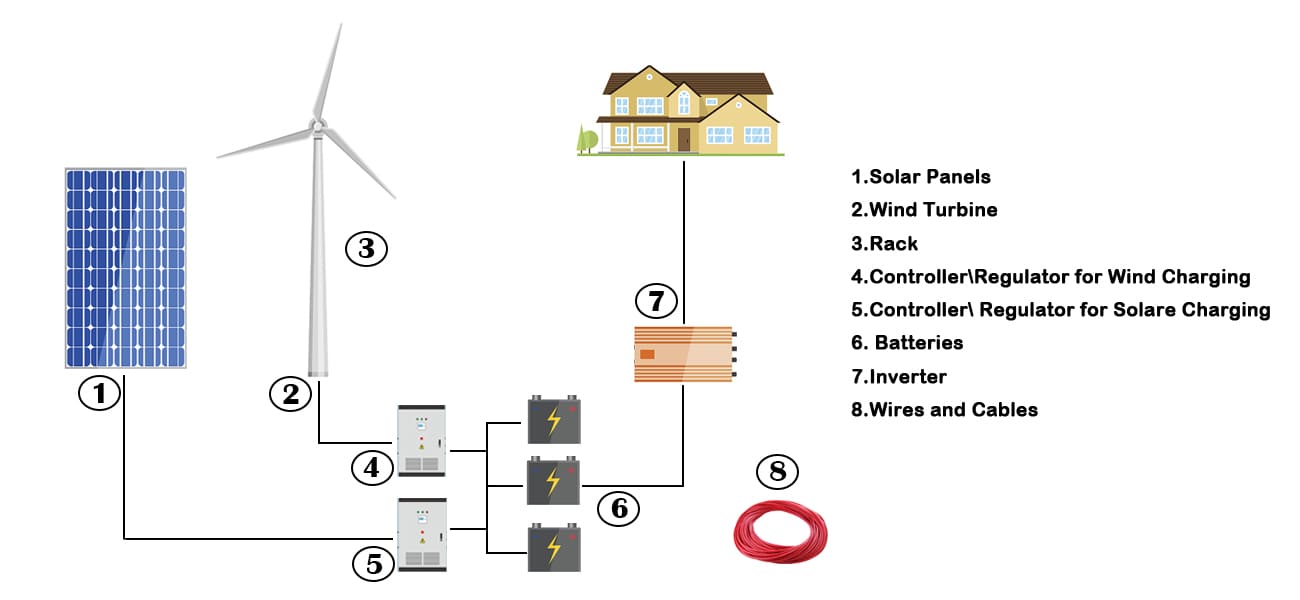
A home solar and wind power system isn’t just panels and a turbine; it’s a sophisticated orchestra of components working in harmony. Understanding each part is key to appreciating how these systems function and what makes them efficient.
The Energy Harvesters: Solar Panels and Wind Turbines
These are the visible stars of your system, responsible for converting natural resources into electricity.
| Component | Description | Key Considerations |
|---|---|---|
| Solar Panels (PV Modules) | Convert sunlight directly into DC (direct current) electricity using photovoltaic cells. | Efficiency: Monocrystalline (17-22%) generally higher than polycrystalline (15-17%). Space: Requires significant roof or ground space. Orientation: South-facing (Northern Hemisphere) for optimal sunlight. |
| Wind Turbines (Small Scale) | Convert the kinetic energy of wind into mechanical power, which then drives a generator to produce AC (alternating current) electricity. | Wind Speed: Requires consistent average wind speeds (typically 10-12 mph minimum). Height: Taller towers access stronger, less turbulent wind. Noise/Vibration: Can be a concern; proper siting is crucial. Types: Horizontal Axis (HAWTs) and Vertical Axis (VAWTs). |
The Brain: Hybrid Charge Controller
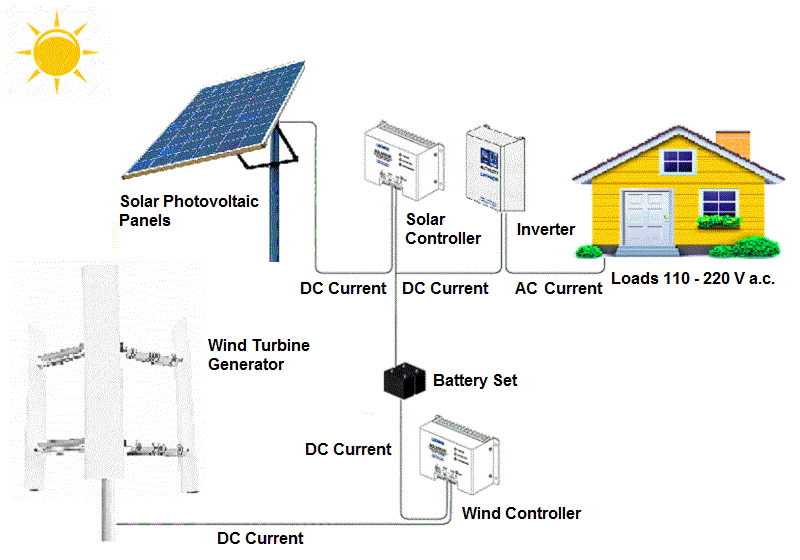
This critical device manages the electricity flowing from both your solar panels and wind turbine into your battery bank. It ensures your batteries aren’t overcharged or deep-discharged, which can severely shorten their lifespan. A good hybrid charge controller prioritizes the most efficient charging source at any given time, maximizing energy capture and protecting your investment.
The Reservoir: Battery Storage Solutions
Batteries are the heart of any off-grid or grid-tied with backup hybrid system. They store excess energy generated during peak production times (sunny, windy periods) for use when generation is low (night, calm days). This is what truly enables energy independence and backup power.
| Battery Type | Pros | Cons | Typical Lifespan (Cycles) |
|---|---|---|---|
| Lead-Acid (Flooded/AGM/Gel) | Cost-effective upfront, proven technology. | Lower energy density, shorter lifespan, requires maintenance (flooded), less tolerant to deep discharge. | 500-1,500 |
| Lithium-Ion (LiFePO4) | High energy density, long lifespan, virtually maintenance-free, tolerant to deep discharge, excellent efficiency. | Higher upfront cost, can be sensitive to extreme temperatures. | 3,000-10,000+ |
The Translator: Power Inverters
Most home appliances run on AC (alternating current), but solar panels generate DC. Batteries store DC. The inverter’s job is to convert that DC electricity into usable AC electricity for your home. Hybrid inverters can manage inputs from both solar and wind, and often include integrated charge controllers, simplifying your system.
Monitoring and Management Systems
Modern hybrid systems often come with sophisticated monitoring software and hardware. These systems allow you to track your energy production, consumption, battery status, and even control certain aspects of your system from your computer or smartphone. This data is invaluable for optimizing performance and identifying any issues.
Solar vs. Wind vs. Hybrid: Which System is Right for You?
Deciding on the best renewable energy system for your home isn’t a one-size-fits-all situation. It depends heavily on your location, budget, energy needs, and even personal preferences. Let’s break down the options.
Solar-Only Systems: Pros and Cons
Solar panels are the most popular choice for residential renewable energy. They are relatively easy to install on most rooftops or ground mounts and are highly efficient in sunny climates.
- Pros: Widely available, mature technology, easy permitting in many areas, low maintenance, quiet operation, federal and state incentives.
- Cons: Dependent on sunlight (no production at night or heavily overcast days), requires significant roof or ground space, efficiency can drop with high temperatures.
Wind-Only Systems: Pros and Cons
Small-scale wind turbines can be incredibly effective, especially in rural areas with consistent wind resources. They often produce power when solar panels aren’t, making them an excellent complement.
- Pros: Produces power day and night, often more productive in winter months when solar output is lower, excellent for remote locations with strong wind.
- Cons: Requires specific site conditions (consistent wind, clear air flow), potential noise and vibration concerns, stricter permitting and zoning restrictions, can be visually imposing, generally higher upfront cost per kWh for small residential turbines compared to solar.
The Hybrid Advantage: Maximizing Strengths, Minimizing Weaknesses
This is where the magic happens. A hybrid system truly offers the best of both worlds. It smooths out the peaks and valleys of individual energy generation, leading to a much more consistent and reliable power supply.
| Feature | Solar-Only | Wind-Only | Hybrid (Solar + Wind) |
|---|---|---|---|
| Energy Reliability | Daytime, clear weather dependent. | Wind speed dependent (day/night). | High: Covers varying weather, day/night. |
| Ideal Conditions | Abundant sunlight, minimal shade. | Consistent high wind speeds, clear air flow. | Versatile: Works well in most areas with moderate sun/wind. |
| Footprint/Space | Significant roof or ground space for panels. | Small ground footprint but requires tall tower and setback. | Combined: Requires space for both, potentially optimized placement. |
| Maintenance | Relatively low (cleaning panels). | Moderate (periodic checks of blades, bearings). | Moderate: Combination of both. |
| Typical Cost (5kW system, installed) | $15,000 – $25,000 | $25,000 – $40,000 | $30,000 – $55,000+ (depends on split) |
Key Factors for Site Assessment
Before you commit to anything, a thorough site assessment is paramount. This will tell you if a hybrid system is even feasible and what size you’d need.
- Wind Resource: Is your property subject to consistent, unobstructed wind flow? Hills, trees, and buildings can create turbulence that dramatically reduces turbine efficiency. A professional wind resource assessment is crucial.
- Solar Insolation: How much direct sunlight does your property receive throughout the year? Are there significant shade issues from trees or neighboring structures?
- Space Availability: Do you have enough unobstructed roof space for solar panels and enough ground space, with appropriate setbacks, for a wind turbine tower?
- Zoning and Permitting: This is often the biggest hurdle for wind turbines. Many municipalities have strict rules regarding turbine height, noise, and visual impact. Solar panels are generally easier to permit.
- Energy Needs: How much electricity do you consume annually? A detailed energy audit will help size your system correctly.
The Real Talk: Costs, Savings, and Return on Investment
Let’s be honest: while the benefits of hybrid systems are compelling, the upfront cost is a major consideration for most homeowners. However, looking at the long-term savings and incentives reveals a much more attractive picture.
Initial Investment: What to Expect
The cost of a hybrid solar and wind system varies widely based on its size, components, installation complexity, and your location. A small residential system (e.g., 5kW total capacity) could range from $30,000 to $55,000 or more before incentives. Larger, more robust systems for higher energy consumption will naturally cost more.
| Component Category | Estimated Cost Range (5kW Hybrid System) |
|---|---|
| Solar Panels (approx. 3-4 kW) | $7,000 – $12,000 |
| Wind Turbine (approx. 1-2 kW) | $10,000 – $20,000 (includes tower) |
| Battery Storage (10-20 kWh) | $8,000 – $18,000 |
| Hybrid Inverter/Charge Controller | $3,000 – $7,000 |
| Installation, Permitting & Other Hardware | $5,000 – $10,000 |
| TOTAL ESTIMATED COST (Before Incentives) | $33,000 – $67,000 |
Note: These are rough estimates. Actual costs will vary significantly based on your specific system design, local labor rates, and component choices.

Operational Costs and Maintenance
Once installed, the operational costs of a hybrid system are remarkably low. You’re harnessing free energy! Maintenance for solar panels is typically minimal, often just cleaning a few times a year. Wind turbines require a bit more attention, with periodic checks of the blades, bearings, and overall structure, usually every 1-3 years. Batteries also have a limited lifespan and will need replacement eventually (typically 5-15 years, depending on type and usage).
Unpacking the Savings: Utility Bill Reduction
The primary financial benefit comes from drastically reducing or eliminating your monthly electricity bill. The exact savings depend on your energy consumption, the size and efficiency of your system, and your local electricity rates. In areas with high electricity prices, the savings can be substantial.
Incentives and Rebates: Boosting Your ROI
This is where things get exciting. Governments, states, and even local utilities often offer generous incentives to encourage renewable energy adoption. In the U.S., the federal solar tax credit (Investment Tax Credit – ITC) allows you to deduct a significant percentage of your system’s cost from your federal taxes. Many states also offer their own tax credits, rebates, or performance-based incentives (like Solar Renewable Energy Credits – SRECs). Don’t forget about net metering, which allows you to sell excess electricity back to the grid, further reducing your bills.
Calculating Your Return on Investment (ROI)
Calculating your ROI involves considering the initial cost, annual savings, maintenance costs, and incentives. While the payback period can vary (typically 8-15 years for hybrid systems, sometimes longer for wind components), the long-term savings often make the investment worthwhile. Remember to factor in the increasing value of your home, protection against rising energy prices, and the environmental benefits – which are priceless.
Getting Started: Your Roadmap to Home Hybrid Power
Ready to explore hybrid power for your home? Here’s a practical roadmap to guide you through the process.
Step 1: Conduct a Thorough Site Assessment
This is your foundation. Hire a qualified professional to assess your property’s solar insolation (sunlight availability), wind resource, potential shading, and structural integrity for mounting. They’ll identify ideal locations for panels and a turbine, and check for any zoning restrictions or obstructions. This step is non-negotiable for a successful system.
Step 2: Research Local Regulations and Permits
Local building codes, homeowners’ association rules, and utility interconnection agreements can be complex. Especially for wind turbines, permit requirements can be stringent due to height, noise, and visual impact. Start early, contact your local planning department, and consult with experienced installers who are familiar with local regulations.
Step 3: Design Your System (DIY vs. Professional)
Unless you have extensive electrical and construction experience, a hybrid system is rarely a DIY project. Work with a reputable renewable energy contractor who specializes in both solar and wind. They will help you determine the appropriate system size, select compatible components, and design a system that meets your energy needs and budget. A professional design ensures efficiency, safety, and compliance.
Step 4: Component Sourcing and Installation
Once the design is finalized, your installer will source high-quality components and proceed with installation. This involves mounting solar panels, erecting the wind turbine tower, installing batteries, inverters, charge controllers, and all necessary wiring. Safety is paramount during this phase, so ensure all work is done by licensed and insured professionals.
Step 5: System Commissioning and Maintenance
After installation, the system will be commissioned, meaning it’s tested to ensure everything is working correctly and safely. Your installer will walk you through its operation and provide a maintenance schedule. Regular maintenance, including cleaning panels, checking turbine components, and monitoring battery health, will ensure your system performs optimally for decades.
Debunking Myths and Addressing Common Concerns
It’s natural to have questions and concerns about adopting new technology. Let’s tackle some common myths surrounding home solar and wind power systems.
“It’s Too Expensive”
While the upfront cost is significant, it’s an investment, not just an expense. Prices for solar and wind technology have dropped considerably over the past decade. When you factor in the substantial long-term savings on utility bills, increased home value, and generous federal, state, and local incentives, the financial picture becomes much more favorable. Many financing options, including loans and leases, also make systems more accessible.
“What About Noise from Wind Turbines?”
This is a valid concern, especially for residential areas. Modern small wind turbines are designed to be much quieter than older models. Proper siting, away from living spaces and property lines, significantly mitigates noise. Reputable installers will conduct a noise assessment and advise on the quietest models and optimal placement to minimize disturbance. In most well-sited residential applications, turbine noise is often less than background environmental sounds.
“Not Enough Wind/Sun Where I Live”
While some locations are undeniably better than others, a hybrid system excels precisely because it combines two sources. If your area has moderate sun and moderate wind, a hybrid system can outperform a single-source system significantly. A professional site assessment (Step 1) is crucial to determine your specific resource potential and whether a hybrid system makes economic sense for you.
“Maintenance is a Nightmare”
For most homeowners, maintenance is surprisingly manageable. Solar panels generally only need occasional cleaning. Wind turbines require periodic inspection and lubrication, which can often be handled by the original installer or a specialized technician. Modern battery systems are often sealed and maintenance-free. While not zero maintenance, it’s far from a nightmare and comparable to other home maintenance tasks.
The Future of Home Renewable Energy is Hybrid
The quest for sustainable, reliable, and affordable energy for our homes is more urgent than ever. Home solar and wind power systems represent a powerful stride towards that future. By intelligently combining the best of both renewable worlds, you’re not just installing technology; you’re investing in peace of mind, financial savings, and a greener planet for generations to come.
While the journey requires careful planning and a thoughtful investment, the rewards are clear: greater energy independence, protection from volatile energy markets, and the satisfaction of knowing your home is powered by the natural forces around you. It’s time to stop dreaming about sustainable living and start building it, one sunbeam and gust of wind at a time.
Frequently Asked Questions
What is a home solar and wind power system?
A home solar and wind power system, often called a hybrid system, combines photovoltaic solar panels with a small-scale wind turbine to generate electricity for your home. It typically includes battery storage to save excess power and an inverter to convert it for household use, offering a more consistent and reliable energy supply by utilizing both sun and wind resources.
What are the main benefits of a hybrid solar and wind system?
The primary benefits include enhanced energy reliability (as sun and wind often complement each other), greater energy independence from the grid, significant reduction in utility bills, a smaller carbon footprint, and improved resilience against power outages, especially when coupled with battery storage.
How much does a home solar and wind power system cost?
The cost varies significantly based on system size, components, and installation complexity. For a typical residential hybrid system (e.g., 5kW capacity), expect an upfront investment ranging from $30,000 to $60,000+ before any incentives. Federal, state, and local incentives can substantially reduce the net cost.
Is my home suitable for a hybrid solar and wind system?
Suitability depends on several factors: adequate, unobstructed sunlight for solar panels; consistent average wind speeds and clear airspace for a wind turbine; sufficient space for both components and setbacks; and local zoning/permitting regulations. A professional site assessment is essential to determine feasibility and optimal system design.
How long do hybrid systems typically last?
Solar panels generally come with 25-year warranties and can last 30+ years. Wind turbines typically have a lifespan of 20-25 years with proper maintenance. Batteries are usually the first component to require replacement, lasting 5-15 years depending on the type and usage patterns. The overall system, with component replacements, can provide clean energy for decades.
Can I go completely off-grid with a hybrid solar and wind system?
Yes, going completely off-grid is a primary motivation for many hybrid system owners. With proper sizing, ample battery storage, and potentially a backup generator for extreme conditions, a hybrid solar and wind system can provide full energy independence, especially in remote locations where grid connection is expensive or unavailable.


Post Comment