Maintenance Of Solar Panels
Solar Panel Maintenance: The Definitive Homeowner’s Guide to Maximizing Efficiency & Lifespan
You’ve made a smart investment in solar energy, transforming your home into a beacon of sustainable power. But like any high-performing asset, your solar panel system thrives with a little care. Forget the myth that solar panels are a complete ‘set it and forget it’ solution. While incredibly durable, proactive maintenance isn’t just about preserving your investment; it’s about guaranteeing peak energy production, maximizing your savings, and extending the lifespan of your system for decades to come.
Table of Contents
- Solar Panel Maintenance: The Definitive Homeowner’s Guide to Maximizing Efficiency & Lifespan
- Do Solar Panels Really Need Maintenance? (Myth vs. Reality)
- The “Set It and Forget It” Myth Debunked
- Why Even “Low Maintenance” Needs Attention
- The Core Pillars of Solar Panel Care: What You Need To Do
- Pillar 1: Regular Cleaning for Peak Performance
- When and How Often to Clean Your Solar Panels
- DIY Solar Panel Cleaning: A Step-by-Step Guide
- What You’ll Need (Tools & Safety)
- The Cleaning Process (Detailed Steps)
- Crucial Safety Precautions
- Professional Solar Panel Cleaning: When to Call the Experts
- Pillar 2: Proactive Monitoring & Performance Checks
- Using Your Solar Monitoring App: What to Look For
- Visual Inspections: Your Eyes Are Your First Line of Defense
- Signs of Underperformance
- Pillar 3: System Health & Component Checks
- Inverter Longevity: The Heart of Your System
- Wiring, Connections, and Mounting Hardware
- Vegetation Management
- Understanding Your Solar Panel Maintenance Costs
- DIY vs. Professional Maintenance: A Cost & Benefit Analysis
- Common Repair Costs: What to Budget For
- The Value of a Professional Maintenance Package
- Environmental Factors: Tailoring Maintenance to Your Location
- Dust and Pollution Hotspots
- Snow and Ice Challenges
- Coastal Salinity and Bird Activity
- Heavy Rainfall Areas
- Solar Panel Warranties & Their Relationship to Maintenance
- Understanding Your Product, Performance, and Workmanship Warranties
- How Neglecting Maintenance Can Void Your Coverage
- The Importance of Documentation
- Beyond the Basics: Advanced Tips for Long-Term Solar Health
- The Role of Critter Guards
- Smart Monitoring Systems and AI Alerts
- End-of-Life Planning and Recycling
As an expert in renewable energy, I’m here to tell you that a little informed effort goes a long way. This guide will cut through the noise, providing you with actionable, homeowner-friendly strategies to keep your solar panels shining—both literally and figuratively.
Do Solar Panels Really Need Maintenance? (Myth vs. Reality)
The “Set It and Forget It” Myth Debunked
Many homeowners are told that solar panels are virtually maintenance-free. While they certainly demand less upkeep than, say, a traditional HVAC system, the idea of zero maintenance is a dangerous misconception. Solar panels are constantly exposed to the elements: dust, pollen, bird droppings, leaves, and even environmental pollutants. Over time, this buildup creates a film that blocks sunlight, directly impacting your system’s efficiency.
Think of it this way: would you drive your car for years without an oil change or washing the windshield? Probably not. Your solar panels are working hard every day, converting sunlight into electricity for your home. Neglecting them means leaving money on the table in the form of reduced energy output.
Why Even “Low Maintenance” Needs Attention
The term “low maintenance” is accurate in the sense that you won’t be performing daily or even weekly tasks. However, it absolutely implies periodic attention. A solar panel system comprises several critical components – the panels themselves, the inverter, mounting hardware, and wiring. Each plays a vital role, and ensuring their health means consistent performance and avoiding costly repairs down the line. A few simple, routine checks can flag minor issues before they escalate into major problems, protecting your energy independence and financial returns.
The Core Pillars of Solar Panel Care: What You Need To Do
Effective solar maintenance boils down to three key areas: regular cleaning, proactive monitoring, and system health checks. Master these, and you’ll have a system that consistently delivers.
Pillar 1: Regular Cleaning for Peak Performance
Dirt and grime are the silent thieves of solar efficiency. Studies show that dirty solar panels can lose anywhere from 5% to 25% of their energy output, depending on the level of soiling and local conditions. Keeping them clean is the most impactful maintenance task you can undertake.
When and How Often to Clean Your Solar Panels
The ideal cleaning frequency isn’t one-size-fits-all. It largely depends on your specific environment and local weather patterns. Here’s a general guide:
| Environmental Factor | Recommended Cleaning Frequency | Notes |
|---|---|---|
| Arid, Dusty Regions (e.g., Southwest US) | Quarterly (every 3 months) or more | Frequent dust storms, construction nearby. |
| Heavy Pollen Seasons (e.g., Spring) | Before and after pollen season | Concentrated cleaning when pollen counts are high. |
| Rural Areas (Farms, nearby dirt roads) | Every 4-6 months | Agricultural dust, increased insects. |
| Coastal Areas (Salt spray, high bird activity) | Every 4-6 months | Corrosive elements, frequent bird droppings. |
| Urban/Suburban (Moderate pollution) | Every 6-12 months | General dirt, light pollution. |
| Heavy Rainfall (Frequent natural rinsing) | Annually or as needed | Rain helps, but doesn’t remove baked-on grime. |
The best time to clean is typically in the early morning or late afternoon when the panels are cool. Cleaning hot panels can lead to streaking or even damage due to thermal shock.
DIY Solar Panel Cleaning: A Step-by-Step Guide
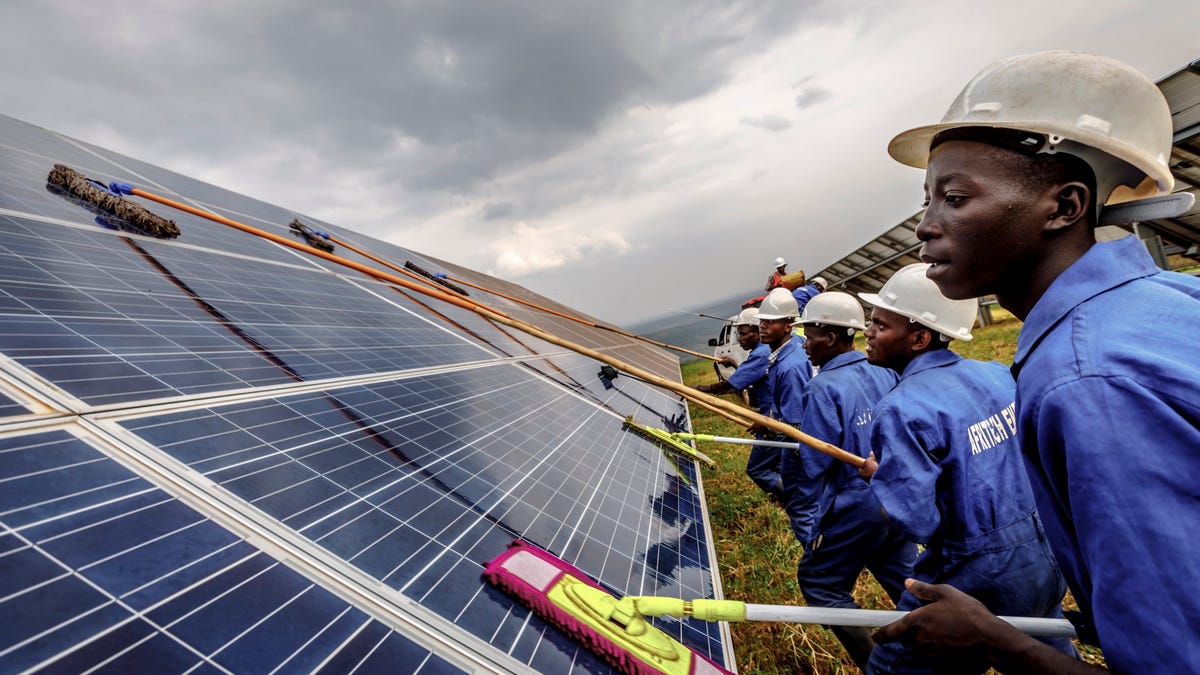
For ground-mounted systems or easily accessible roof-mounted panels, DIY cleaning is often feasible. However, safety is paramount. If you’re not comfortable on a ladder or on your roof, always hire a professional.
What You’ll Need (Tools & Safety)
- Soft brush or squeegee: Specifically designed for solar panels or windows. Avoid abrasive materials.
- Hose with a spray nozzle: Standard garden hose.
- Mild, non-abrasive soap or pure water: Dish soap is generally safe, but specialty solar panel cleaning solutions are best. Avoid harsh chemicals.
- Ladder (if necessary): Ensure it’s sturdy and securely placed.
- Safety gear: Non-slip shoes, gloves, and potentially a safety harness if working at heights.
- Extension pole: To reach panels safely without overextending.
The Cleaning Process (Detailed Steps)
- Check the Weather: Choose an overcast day or clean in the early morning/late afternoon to avoid thermal shock and quick drying that causes streaks.
- Safety First: Wear appropriate safety gear. If you’re on a ladder or roof, ensure it’s stable. Never climb onto a wet roof.
- Rinse Panels: Use your hose to rinse off loose dirt, dust, and debris. Start from the top and work your way down. Avoid high-pressure washers, which can damage seals or even the panel surface. A gentle spray is sufficient.
- Apply Cleaning Solution: If needed, mix a small amount of mild soap with water. Apply it using a soft brush or a sponge attached to an extension pole. Gently scrub stubborn spots like bird droppings.
- Scrub Gently: Work in small sections, ensuring you don’t apply excessive pressure. The goal is to lift the grime, not scratch the surface.
- Rinse Thoroughly: Rinse the panels again from top to bottom with clean water. Ensure no soap residue is left, as this can attract more dirt.
- Air Dry or Squeegee: Allow panels to air dry for a streak-free finish, or use a clean squeegee for optimal results.
Crucial Safety Precautions
- Never walk on solar panels. This can cause micro-cracks and serious damage, potentially voiding your warranty.
- Be aware of electrical components. Do not spray water directly into electrical conduits or inverter units.
- Work with a buddy. Especially when working at heights.
- Use proper fall protection. If your system is on a steep or high roof, serious injury is a real risk.
Professional Solar Panel Cleaning: When to Call the Experts
For those with challenging roof access, physical limitations, or simply a desire for professional assurance, hiring a solar panel cleaning service is a smart choice. Professionals have specialized equipment, understand proper safety protocols, and can spot potential issues you might miss. They also often use deionized water systems for a superior, streak-free clean.
Pillar 2: Proactive Monitoring & Performance Checks
Beyond physical cleaning, understanding your system’s performance is crucial. Most modern solar systems come with monitoring capabilities that put real-time data at your fingertips.
Using Your Solar Monitoring App: What to Look For
Your solar installer likely set you up with an app or online portal. This is your most powerful tool for proactive maintenance. Regularly check:
- Daily, Weekly, Monthly Production: Compare current output to historical averages. A consistent dip without an obvious cause (like prolonged cloudy weather) is a red flag.
- Individual Panel Performance (if applicable): Microinverter or power optimizer systems allow you to see the output of each panel. If one panel is consistently underperforming, it could indicate an issue.
- Error Alerts: Most systems will send notifications for malfunctions. Don’t ignore these!
Visual Inspections: Your Eyes Are Your First Line of Defense
Even without getting on the roof, you can often spot issues from the ground. Periodically (monthly or quarterly), walk around your property and look up at your panels. What are you looking for?
- Heavy Accumulation: Obvious layers of dirt, leaves, or bird droppings.
- Shading: New tree growth or construction that might be casting shadows.
- Physical Damage: Cracked glass, bent frames, or visible wiring issues. Even hail-resistant panels can suffer extreme damage.
- Debris: Branches, plastic bags, or other items lodged on or around panels.
- Pest Nests: Birds or rodents sometimes build nests under panels, which can be a fire hazard or chew through wires.
Signs of Underperformance
If your monitoring shows a consistent drop in energy production, or if you notice your electricity bills are higher than expected despite sunny weather, these are clear indicators that something might be amiss. Before contacting your installer, review your cleaning schedule and recent weather patterns. If the issue persists, it’s time to call a professional for a deeper diagnostic.
Pillar 3: System Health & Component Checks
While panels are the most visible part, the entire system needs attention. Some checks are best left to professionals, but awareness helps you understand their reports.
Inverter Longevity: The Heart of Your System
The inverter converts the DC electricity from your panels into usable AC electricity for your home. It’s often the hardest working component and typically has a shorter lifespan than the panels themselves (around 10-15 years for string inverters, potentially longer for microinverters or optimizers). While it requires no direct cleaning, ensure its ventilation isn’t blocked and it’s free from debris. A professional will check its performance during annual inspections.
Wiring, Connections, and Mounting Hardware
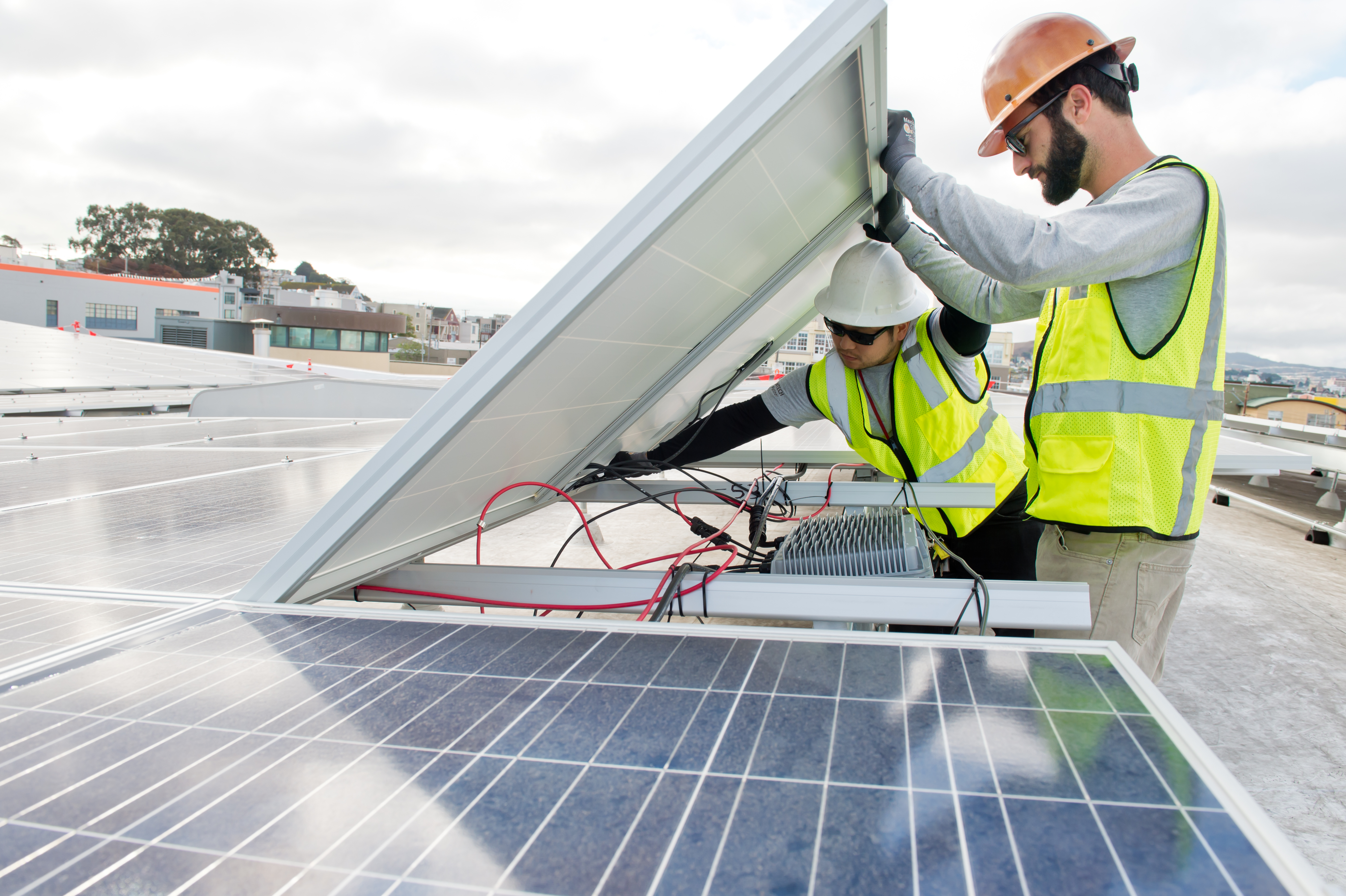
Over time, extreme weather, UV exposure, or even pests can affect wiring and connections. Frayed wires or loose connections can lead to efficiency losses or, in rare cases, safety hazards. Mounting hardware needs to remain secure to protect against wind uplift. These are typically inspected during professional maintenance visits. You should never attempt to tighten or repair electrical connections yourself.
Vegetation Management
Trees and shrubs around your home can grow and start shading your panels, even if they didn’t at installation. Regularly trim any vegetation that could cast shadows, especially during peak sunlight hours. Even partial shading can dramatically reduce a panel’s output, as most systems are only as strong as their weakest link.
Understanding Your Solar Panel Maintenance Costs
Cost is a natural concern for homeowners. The good news is that solar panel maintenance is relatively inexpensive, especially when compared to the value it retains for your system.
DIY vs. Professional Maintenance: A Cost & Benefit Analysis
Here’s a breakdown to help you decide which approach is best for you:

| Aspect | DIY Maintenance | Professional Maintenance |
|---|---|---|
| Typical Cost (per visit) | $0 – $50 (for supplies) | $150 – $400 (per cleaning/inspection) |
| Required Tools/Expertise | Basic cleaning tools, comfort with heights (if applicable). | Specialized equipment, safety gear, diagnostic tools, trained technicians. |
| Time Commitment | 1-3 hours per session. | Minimal for homeowner (scheduling, access). |
| Safety Risks | Falls, electrical shock if untrained. | Mitigated by professional training and equipment. |
| Benefits | Lowest cost, immediate action. | Thorough cleaning, system health check, issue detection, warranty protection. |
| Drawbacks | Safety concerns, potential for incomplete cleaning or unnoticed issues. | Higher upfront cost per visit. |
Common Repair Costs: What to Budget For
While solar panels themselves are incredibly durable, other components may require replacement over their lifespan. These aren’t maintenance costs in the traditional sense, but part of long-term ownership:
- Inverter Replacement: As mentioned, string inverters typically last 10-15 years. Replacement costs can range from $1,500 to $4,000, including parts and labor. Microinverters and power optimizers often come with longer warranties (20-25 years), reducing this particular replacement frequency.
- Wiring or Connection Issues: Minor repairs can be a few hundred dollars. Major rewiring due to animal damage or weather can be more significant.
- Critter Guard Installation/Repair: If not installed initially, adding critter guards can cost $5-$10 per linear foot.
- Individual Panel Replacement: While rare, if a panel is severely damaged (e.g., by a falling branch), replacement can be $200-$500 per panel plus labor. Often covered by warranty if it’s a manufacturing defect.
The Value of a Professional Maintenance Package
Many solar installers offer annual or biannual maintenance packages. These often include:
- Professional cleaning.
- Comprehensive system inspection (panels, inverter, wiring, mounting).
- Performance check and diagnostic report.
- Minor adjustments or repairs.
- Priority service for any issues.
While an added expense (typically $200-$500 per year), these packages offer peace of mind, ensure warranty compliance, and often catch potential problems before they become expensive failures.
Environmental Factors: Tailoring Maintenance to Your Location
Your geographical location and local environment play a significant role in determining your solar panel maintenance needs.
Dust and Pollution Hotspots
Areas prone to dust storms (like the Southwest US), agricultural regions with tilled fields, or urban areas with high air pollution will experience more rapid accumulation of grime. In these locations, more frequent cleaning (quarterly or even monthly during peak seasons) is crucial to prevent substantial energy losses.
Snow and Ice Challenges
While panels are designed to withstand snow loads, heavy snow can completely block sunlight. In colder climates, tilted panels usually shed snow naturally. However, if snow accumulates and freezes, or if ice dams form, it can be problematic. Never attempt to manually remove frozen snow or ice from panels, as this can easily scratch or damage them. If consistent heavy snow is an issue, consider a professional service with specialized equipment or simply rely on natural melting.
Coastal Salinity and Bird Activity
Coastal homes face unique challenges. Salt spray can leave a corrosive residue that requires more frequent cleaning to prevent buildup. Additionally, coastal areas often have higher bird populations, leading to more frequent bird droppings. These can be particularly stubborn and require prompt removal due to their corrosive nature.
Heavy Rainfall Areas
While rain does help rinse away loose dirt, it’s a misconception that it fully cleans panels. Rain often leaves behind mineral deposits or doesn’t have enough force to dislodge baked-on grime or bird droppings. In heavy rainfall areas, your cleaning frequency might be slightly lower than in dusty regions, but biannual professional cleaning is still advisable to address stubborn residues.
Solar Panel Warranties & Their Relationship to Maintenance
Your solar system is protected by several warranties, and understanding them—and how maintenance impacts them—is vital.
Understanding Your Product, Performance, and Workmanship Warranties
- Product Warranty (typically 10-12 years): Covers the physical panel itself against manufacturing defects.
- Performance Warranty (typically 25 years): Guarantees that your panels will produce at a certain percentage of their original output over time (e.g., 80% after 25 years).
- Workmanship Warranty (varies, 5-10 years): Covers the installation quality and labor.
Your inverter, microinverters, or power optimizers will also have separate product warranties, often ranging from 10 to 25 years.
How Neglecting Maintenance Can Void Your Coverage
While most warranties don’t explicitly require professional cleaning, they do often stipulate that damage caused by homeowner negligence (e.g., attempting DIY repairs on electrical components, using harsh chemicals, walking on panels) can void coverage. Furthermore, consistently low performance due to extreme soiling, if deemed preventable, might not be covered by a performance warranty claim. Always refer to your specific warranty documents for the exact terms and conditions.
The Importance of Documentation
Keep a record of all maintenance activities – both DIY and professional. Note dates, what was done, and any observations. If you hire a professional, keep their invoices and reports. This documentation can be invaluable if you ever need to make a warranty claim or sell your home.
Beyond the Basics: Advanced Tips for Long-Term Solar Health
For those looking to go the extra mile, these tips can further enhance your system’s longevity and performance.
The Role of Critter Guards
One of the most common, yet often overlooked, issues is critter infestation. Birds, squirrels, and other small animals love to nest under solar panels, seeking shelter and warmth. These critters can chew through wires, build flammable nests, and even damage the panels themselves. Installing critter guards (mesh barriers around the perimeter of your panel array) is a highly effective preventative measure that protects your wiring and prevents costly damage.
Smart Monitoring Systems and AI Alerts
Beyond basic production monitoring, advanced systems can offer predictive analytics and AI-driven alerts. These systems can identify subtle drops in performance that might indicate a developing issue, even before it becomes obvious to the homeowner. Some can even identify specific panels underperforming due to shading or soiling.
End-of-Life Planning and Recycling
While your panels are designed to last 25-30 years or more, thinking about their end-of-life isn’t premature. As the solar industry matures, recycling programs for panels are becoming more accessible. Look for installers or manufacturers with clear recycling initiatives. This foresight ensures your commitment to sustainability extends even beyond your panels’ operational life.
Maintaining your solar panel system doesn’t have to be a chore. With a clear understanding of what’s needed, a dash of proactive effort, and the wisdom to call in professionals when necessary, you can ensure your home’s clean energy investment continues to pay dividends for decades to come. By following this guide, you’re not just performing maintenance; you’re empowering your home with sustained efficiency and reliability.
Frequently Asked Questions
How often should I clean my solar panels?
The frequency depends on your local environment. In dusty, high-pollen, or coastal areas, quarterly cleaning (every 3 months) might be necessary. In most urban/suburban areas with moderate rainfall, biannual (every 6 months) or annual cleaning is usually sufficient. Your solar monitoring app can help indicate if soiling is impacting performance.
Can rain clean my solar panels effectively?
Rain can rinse off loose dust and debris, but it’s generally not sufficient for a thorough cleaning. It often leaves behind mineral deposits or struggles to remove stubborn grime like bird droppings or baked-on pollen. Think of it as a light rinse, not a deep clean.
Is DIY solar panel cleaning safe and recommended?
DIY cleaning is safe and recommended for easily accessible panels (like ground-mounted systems) if you follow proper safety precautions. Use a soft brush, mild soap, and a garden hose. However, if your panels are on a steep or high roof, or if you’re uncomfortable working at heights, it’s always safer and often more effective to hire a professional.
What are the typical costs for professional solar panel maintenance?
Professional cleaning services typically range from $150 to $400 per visit, depending on the system size and accessibility. Comprehensive annual maintenance packages, which include cleaning and system checks, can cost between $200 and $500 per year. These costs are a small investment compared to the potential efficiency loss from neglected panels.
Does neglecting solar panel maintenance void my warranty?
While most warranties don’t mandate professional cleaning, they often state that damage caused by negligence (e.g., using harsh chemicals, walking on panels, improper DIY repairs) can void coverage. Consistently poor performance due to extreme soiling might also not be covered. Always check your specific warranty documents and keep records of all maintenance performed.
What should I look for when monitoring my solar panel system?
Use your solar monitoring app or portal to track daily, weekly, and monthly energy production. Look for consistent dips in output not explained by weather. If your system has microinverters or optimizers, monitor individual panel performance for any underperforming units. Don’t ignore any error alerts from your system.


Post Comment