Solar Panel Efficiency Decrease Over Time
Your Solar Panels & The Inevitable Truth: How Efficiency Declines Over Time (And What You Can Do About It)
You’ve invested in solar panels, or you’re seriously considering it. Smart move! You’re probably picturing years, even decades, of clean, free electricity. But then a thought creeps in: “Do solar panels actually lose power over time?” It’s a valid concern, and one I hear often. The short answer is: Yes, they do. But before you get discouraged, here’s the crucial context: this efficiency decrease, known as degradation, is a natural, predictable, and manageable part of their lifespan. It’s not a catastrophic failure; it’s just physics at work.
Table of Contents
- Your Solar Panels & The Inevitable Truth: How Efficiency Declines Over Time (And What You Can Do About It)
- The Core Truth: Solar Panel Degradation Isn’t a Failure, It’s Physics
- What is Solar Panel Efficiency (Briefly)?
- Unpacking the “Why”: The Science Behind Solar Panel Efficiency Loss
- Intrinsic Degradation: The Slow Burn from Within
- Extrinsic Factors: The Environmental Gauntlet
- Quantifying the Dip: How Much Efficiency Do You Really Lose?
- The 25-Year Mark:
- Warranty Promises: Your Safety Net
- Maximizing Your Solar Investment: Proactive Steps to Minimize Degradation
- Smart Choices Upfront: Installation & Equipment
- Ongoing Care: Maintenance & Monitoring
- Is Solar Still Worth It? The Long-Term ROI Perspective
- The Future of Solar: Brighter, Longer-Lasting Panels
- Wrapping It Up: Embrace the Lifespan of Your Solar System
Think of it like your car: it doesn’t perform exactly like it did on day one, but with proper care, it still gets you where you need to go reliably for years. Solar panels are no different. They’re designed to deliver strong performance for decades, even with this gradual dip. The key is understanding why it happens, how much to expect, and most importantly, what proactive steps you can take to minimize it and protect your investment. Let’s dive deep and demystify solar panel degradation, so you can make informed decisions and enjoy peace of mind.
The Core Truth: Solar Panel Degradation Isn’t a Failure, It’s Physics
When you hear “solar panel degradation,” don’t imagine your panels suddenly failing or shutting down. Instead, picture a very slow, almost imperceptible decline in their ability to convert sunlight into electricity. This isn’t a design flaw; it’s an inherent characteristic of the materials and processes involved. Your panels are constantly exposed to the sun’s energy, temperature fluctuations, and environmental elements. Over time, these forces cause microscopic changes in the semiconductor materials (silicon cells), the encapsulants (the protective layers), and the backsheet (the panel’s rear cover).
On average, most high-quality solar panels degrade at a rate of about 0.5% to 1% per year. While that might sound significant, consider this: over a typical 25-year warranty period, a panel degrading at 0.5% per year will still be operating at roughly 87.5% of its original capacity. That’s a huge amount of power generation over its lifetime! Understanding this baseline helps set realistic expectations and allows you to appreciate the remarkable durability and longevity of modern solar technology.
What is Solar Panel Efficiency (Briefly)?
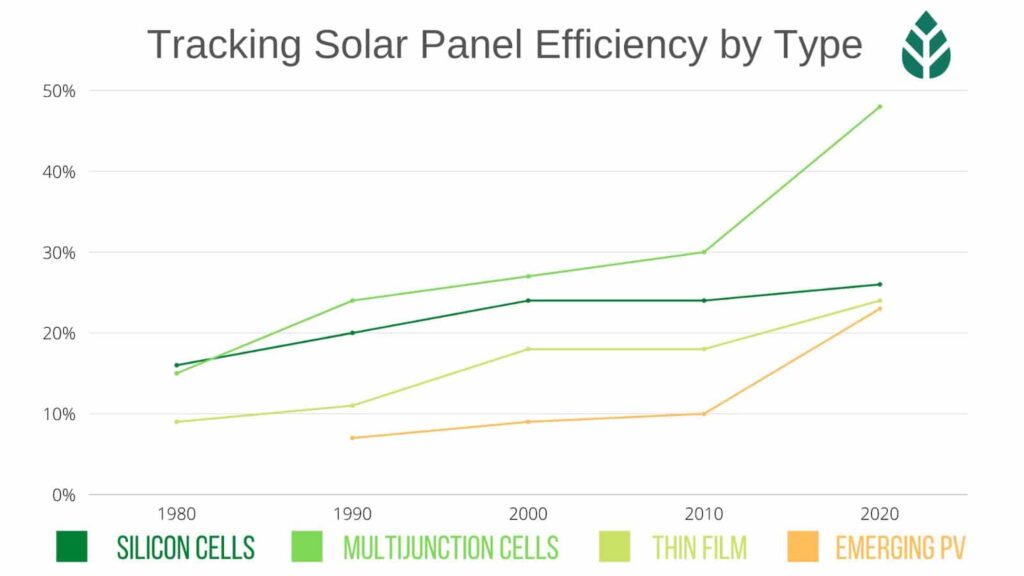
Before we dissect the decline, let’s quickly define what we mean by “efficiency.” In simple terms, solar panel efficiency is the percentage of sunlight (solar energy) hitting the panel’s surface that gets converted into usable electricity. A 20% efficient panel, for instance, converts 20% of the solar energy it receives into electricity. Higher efficiency means more power from a smaller footprint, which is great for rooftops with limited space.
Unpacking the “Why”: The Science Behind Solar Panel Efficiency Loss
Solar panel degradation isn’t a single event; it’s a culmination of several factors, both intrinsic (related to the panel’s materials) and extrinsic (environmental). Let’s break them down so you understand the forces at play.
Intrinsic Degradation: The Slow Burn from Within
These are the processes happening at a molecular level, often within the solar cells themselves or the layers protecting them.

- Light-Induced Degradation (LID): This is often the first type of degradation you’ll encounter, happening shortly after installation. When new silicon solar cells are first exposed to sunlight, trace amounts of oxygen and boron within the silicon crystal lattice interact. This reaction temporarily reduces the cell’s ability to generate power. Fortunately, LID is typically a one-time event, accounting for a 1-3% efficiency drop in the first few days or weeks, and then stabilizes. Modern panels are often pre-treated or designed to minimize this effect, making it less of a concern than it once was.
- Potential-Induced Degradation (PID): PID occurs when a high negative voltage difference exists between the solar cells and the grounded frame of the module, especially in high humidity and high-temperature conditions. This voltage stress can cause ions to migrate through the encapsulation material, leading to a shunt current that reduces power output. PID can significantly reduce a panel’s performance, but thankfully, manufacturers have developed technologies (like PID-resistant cells and module designs) to mitigate it. Quality installers also design systems to prevent high voltage stress.
- Thermal Cycling & Heat Stress: Solar panels live outdoors, enduring everything from scorching summer days to freezing winter nights. This constant expansion and contraction of materials due to temperature changes is called thermal cycling. Over decades, this can lead to stress on the interconnections, solder joints, and even microscopic cracks in the silicon cells, slowly reducing efficiency. Panels installed in extremely hot climates may experience slightly higher degradation rates due to chronic heat stress.
- UV Radiation Exposure: While sunlight is what powers your panels, the sun’s ultraviolet (UV) radiation can also degrade the non-metallic components over time. The encapsulant (often EVA – ethylene vinyl acetate) and the backsheet are particularly vulnerable. UV radiation can cause these materials to yellow, become brittle, or delaminate (separate from the cells), which can reduce light transmission to the cells and expose them to moisture. High-quality panels use UV-resistant materials to slow this process.
- Moisture Ingress: Water is the enemy of electronics. Even tiny amounts of moisture that seep into the panel can cause corrosion of the metallic components, create electrical shorts, or reduce the transparency of the encapsulant. Well-sealed, durable frames and encapsulants are crucial in preventing moisture ingress, especially in humid or rainy environments.
- Micro-cracks: These tiny, hairline fractures in the silicon cells are often invisible to the naked eye but can be detected with specialized equipment. They can form due to manufacturing defects, rough handling during transport or installation, or stress from thermal cycling or high winds. While a single micro-crack might not immediately kill a panel, it can create a ‘hot spot’ where resistance increases, potentially leading to further degradation and reduced output over time.
Extrinsic Factors: The Environmental Gauntlet
These are external forces that can impact your panel’s performance and accelerate perceived degradation.
- Dirt, Dust, & Debris: This is perhaps the most obvious and easily preventable cause of efficiency loss. Accumulations of dirt, dust, pollen, leaves, bird droppings, or even ash from wildfires can block sunlight from reaching the solar cells. This isn’t true degradation of the panel itself, but it certainly reduces its output. Regular cleaning can easily restore lost efficiency due to these factors.
- Shading: Even partial shading from nearby trees, chimneys, vents, or adjacent buildings can dramatically reduce a panel’s output, and by extension, the entire string of panels in older systems. Modern systems often use microinverters or power optimizers to mitigate the impact of shading on individual panels, but it’s still best to minimize it. Shading doesn’t degrade the panel, but it inhibits its performance.
- Weather Events: While solar panels are built to withstand harsh weather, extreme events can still take a toll. High winds can stress mounting hardware and even panels themselves. Heavy snow loads can put pressure on the frames. Hail, especially large hailstones, can cause physical damage to the glass surface, leading to micro-cracks or shattering. While rare with quality panels, severe weather can certainly impact longevity.
- Poor Installation & Component Quality: This is a critical factor often overlooked. An improperly installed system with loose wiring, incorrectly sealed junctions, or sub-par components (like cheap inverters or mounting hardware) can lead to premature failure and increased degradation. This highlights the importance of choosing a reputable, certified installer.
Quantifying the Dip: How Much Efficiency Do You Really Lose?
So, we know panels degrade, but what does that look like in real numbers? As mentioned, the industry standard for annual degradation is between 0.5% and 1%. Most reputable manufacturers offer a “linear performance warranty” that guarantees a certain power output over time, often capping the degradation rate at 0.5% or slightly more.
The 25-Year Mark:
A high-quality solar panel is typically warranted for 25 years. By the end of this period, most panels are guaranteed to produce at least 80% to 85% of their original nameplate capacity. Many often exceed this, performing closer to 90% or higher. Let’s look at a typical scenario:
| Year | Annual Degradation Rate (Example 0.5%) | Approx. % Efficiency Remaining | Relative Output (vs. Year 0) |
|---|---|---|---|
| 0 (Installation) | N/A | 100% | 1.00x |
| 5 | 0.5% | 97.5% | 0.975x |
| 10 | 0.5% | 95% | 0.95x |
| 15 | 0.5% | 92.5% | 0.925x |
| 20 | 0.5% | 90% | 0.90x |
| 25 | 0.5% | 87.5% | 0.875x |
| 30+ | 0.5% | ~85% or lower | ~0.85x or lower |
As you can see, even after 25 years, your panels are still producing a significant amount of power. Many panels continue to produce usable electricity well beyond their warranty period, sometimes for 30, 40, or even 50 years, albeit at a reduced output.
Warranty Promises: Your Safety Net
This is where your investment is protected. Solar panel warranties typically come in two main types:
- Product Warranty: This covers defects in manufacturing, materials, or workmanship. It usually lasts for 10-12 years, ensuring that the physical panel itself is free from faults.
- Linear Performance Warranty: This is your guarantee against excessive degradation. It guarantees that your panels will produce a certain percentage of their original power output at specific intervals over a long period, typically 25 or sometimes even 30 years.
When selecting panels, pay close attention to the degradation rate guaranteed in the performance warranty. The lower the guaranteed degradation rate (e.g., 0.25% vs. 0.5% per year), the more confident the manufacturer is in their product’s long-term performance, and the more power you’re guaranteed to get.
| Warranty Type | Duration | What It Covers | Typical Guaranteed Output at Year 25 |
|---|---|---|---|
| Product Warranty | 10-12 Years (some up to 25) | Defects in materials, workmanship, manufacturing faults. | N/A (Covers physical panel integrity) |
| Linear Performance Warranty | 25 Years (some up to 30) | Guaranteed power output at specific points over time. | 80% – 87.5% of original capacity (depending on panel/brand) |
Maximizing Your Solar Investment: Proactive Steps to Minimize Degradation
While some degradation is unavoidable, you have significant control over how much efficiency your system maintains. Your choices upfront and your ongoing habits can make a real difference.
Smart Choices Upfront: Installation & Equipment
The foundation of a long-lasting, high-performing solar system is laid during the planning and installation phases. Don’t cut corners here!
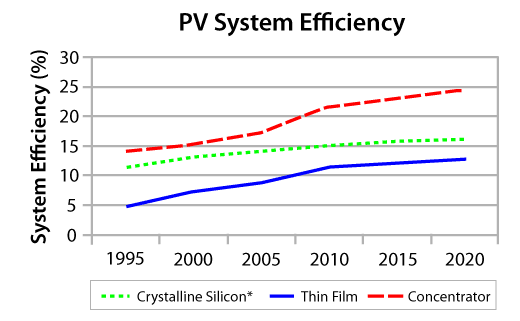
- Choose High-Quality Panels: This is paramount. Look for panels from reputable manufacturers known for their durability, low degradation rates, and strong warranties. Monocrystalline panels generally offer higher efficiency and slightly better performance in hot conditions than polycrystalline panels. Research specific panel technologies (e.g., PERC, TOPCon, HJT) as newer technologies often come with lower degradation rates.
- Reputable Installer: A certified, experienced installer makes all the difference. They will ensure proper system design, correct wiring, secure mounting, and adherence to all local codes. Poor installation can lead to wiring issues, moisture ingress, micro-cracks from mishandling, and overall reduced longevity. Ask for references and check their track record.
- Optimized Tilt & Orientation: Your installer should design the system to maximize sun exposure throughout the year while also considering local climate factors. While direct sun is good, proper airflow around the panels is also important to prevent excessive heat buildup, which can accelerate thermal degradation.
- Monitoring System: Most modern solar systems come with monitoring capabilities that allow you to track your system’s performance in real-time. This is invaluable! It lets you quickly identify any sudden drops in output that could indicate an issue (like excessive soiling, shading, or a malfunctioning component) before it leads to significant energy loss.
Ongoing Care: Maintenance & Monitoring
Once installed, a little routine care goes a long way in ensuring your panels continue to perform optimally.
- Regular Cleaning: This is perhaps the easiest and most impactful step you can take to prevent extrinsic performance loss. Dirt, dust, pollen, and bird droppings can significantly reduce output. In many areas, rain is sufficient to keep panels reasonably clean. However, in drier, dusty regions, or if you notice significant buildup, a gentle rinse with a hose (during cooler parts of the day) or a professional cleaning every 6-12 months can boost performance. Avoid harsh chemicals or abrasive brushes.
- Annual Inspections: Consider having a professional solar technician conduct an annual or bi-annual inspection. They can check for loose wiring, potential micro-cracks, signs of delamination, hot spots (using thermal cameras), and ensure all components are functioning correctly. This proactive approach can catch small issues before they become expensive problems.
- Vegetation Management: Keep any nearby trees or shrubs trimmed to prevent new shading issues as they grow. Even small shadows can impact performance.
- Prompt Repairs: If your monitoring system indicates a drop in performance or if you notice any visible damage to your panels, contact your installer or a solar professional immediately. Addressing issues quickly can prevent further damage and maintain your system’s output.
Is Solar Still Worth It? The Long-Term ROI Perspective
All this talk about degradation might make you wonder: is solar really a good investment if the panels lose efficiency? Absolutely, yes! Despite the natural decline, solar energy remains one of the smartest long-term investments you can make for your home and finances. Here’s why:
- Rising Energy Costs vs. Stable Solar Output: The cost of electricity from your utility company tends to increase over time, often outpacing inflation. When you go solar, you lock in a significant portion of your electricity costs for decades. Even with a modest annual degradation, your solar system’s output remains incredibly stable compared to the unpredictable climb of grid electricity prices. The savings you accrue over 25+ years far outweigh the slight reduction in output.
- Incentives & Tax Credits: Generous federal tax credits (like the Investment Tax Credit, or ITC), state incentives, and local rebates significantly reduce the upfront cost of solar. These incentives are designed to make solar an even more attractive investment, accelerating your payback period and boosting your overall return on investment.
- Increased Home Value: Studies consistently show that homes with solar panel systems sell faster and for more money than comparable homes without solar. A paid-off solar system is a valuable asset that attracts environmentally conscious buyers looking for lower utility bills.
- Environmental Benefits: Beyond the financial returns, you’re making a tangible positive impact on the environment. You’re reducing your carbon footprint, contributing to energy independence, and supporting the growth of clean, renewable energy. This intrinsic value is immeasurable for many homeowners.
Even at 80-85% of their original capacity after 25 years, your solar panels are still generating substantial amounts of free, clean electricity, continuing to save you money long after they’ve paid for themselves.
The Future of Solar: Brighter, Longer-Lasting Panels
The good news is that solar technology isn’t standing still. Manufacturers are constantly innovating to create even more efficient and durable panels with lower degradation rates. We’re seeing advancements in:
- Cell Technologies: New cell designs like PERC (Passivated Emitter Rear Contact), TOPCon (Tunnel Oxide Passivated Contact), and HJT (Heterojunction Technology) are not only increasing initial efficiency but also reducing degradation by mitigating issues like LID and PID more effectively.
- Encapsulation Materials: Improved encapsulants and backsheets are more resistant to UV radiation, moisture ingress, and thermal stress, further protecting the delicate solar cells.
- Bifacial Panels: These panels can generate electricity from both sides, capturing reflected light from the ground or snow. While not directly related to degradation prevention, they offer increased overall output, making the system even more robust against slight efficiency dips.
- Testing & Quality Control: Stricter testing protocols and advanced manufacturing processes ensure panels coming off the line are more resilient and reliable than ever before.
These ongoing innovations mean that the solar panels you install today are likely to perform even better and last longer than those from a decade ago, solidifying solar’s position as a wise, long-term investment.
Wrapping It Up: Embrace the Lifespan of Your Solar System
The truth about solar panel efficiency decrease over time is clear: it’s real, it’s natural, and it’s well-understood. It’s a gradual, predictable decline that every solar panel experiences. But knowing this shouldn’t be a deterrent; it should be an empowering piece of knowledge.
By choosing high-quality components, partnering with a reputable installer, and implementing a little routine maintenance, you can significantly mitigate the factors that accelerate degradation. Your solar system will continue to be a powerhouse of clean energy, providing substantial financial savings and environmental benefits for many, many years to come.
So, go ahead and embrace the sun. Understand the journey, take the right steps, and enjoy the incredible value that solar energy brings to your home.
Frequently Asked Questions
What is the average annual degradation rate for solar panels?
Most high-quality solar panels degrade at an average rate of 0.5% to 1% per year. This means they will lose approximately 0.5% to 1% of their original power output annually.
Do all solar panels degrade at the same rate?
No, degradation rates can vary. Factors like the quality of materials, manufacturing processes, panel technology (e.g., monocrystalline vs. polycrystalline), climate conditions, and proper installation all play a role. Premium panels often have lower guaranteed degradation rates in their warranties.
When should I consider replacing my solar panels due to degradation?
Most solar panels come with a 25-year performance warranty, guaranteeing at least 80-87.5% of their original output by then. You generally wouldn’t need to consider replacement until well beyond this period, perhaps 30-40 years, unless individual panels show premature failure or damage, or if newer, significantly more efficient technology makes an upgrade economically appealing.
Does cleaning my solar panels help prevent degradation?
Cleaning doesn’t prevent intrinsic degradation of the solar cells themselves, but it significantly prevents ‘extrinsic’ performance loss caused by dirt, dust, pollen, and debris blocking sunlight. Regular cleaning ensures your panels operate at their optimal potential and don’t suffer from reduced output due to surface grime.
What’s the difference between a product warranty and a performance warranty?
A product warranty covers defects in the physical panel (materials, workmanship) for typically 10-12 years. A performance warranty guarantees a minimum power output percentage over a longer period, usually 25 years, protecting against excessive degradation of the cells’ electricity-generating capacity.
Can extreme weather accelerate solar panel degradation?
Yes, extreme weather can contribute to accelerated degradation. Frequent, drastic temperature fluctuations (thermal cycling) can stress components. High winds can cause physical stress, and severe hail can lead to micro-cracks or even shattering. While panels are built to be robust, prolonged exposure to harsh elements without proper installation or care can shorten their effective lifespan.
Is it possible to completely stop solar panel degradation?
No, completely stopping solar panel degradation is not possible as it’s a natural physical and chemical process. However, choosing high-quality panels, ensuring professional installation, and performing regular maintenance can significantly slow down the rate of degradation and ensure your panels perform effectively for many decades.


Post Comment